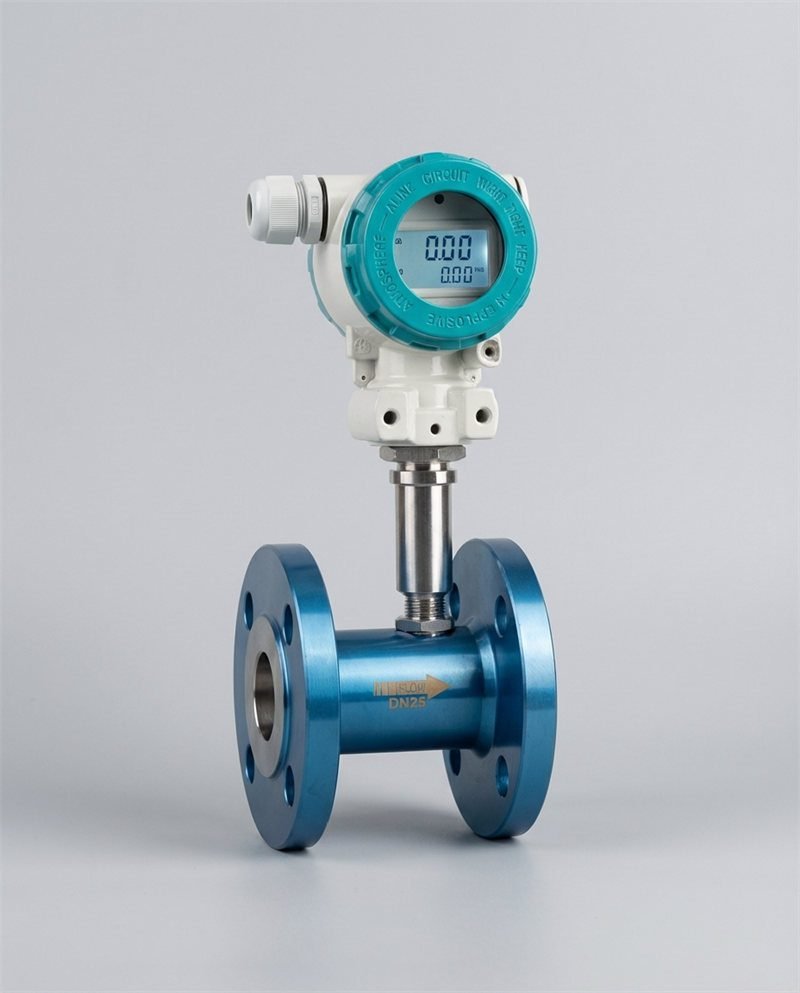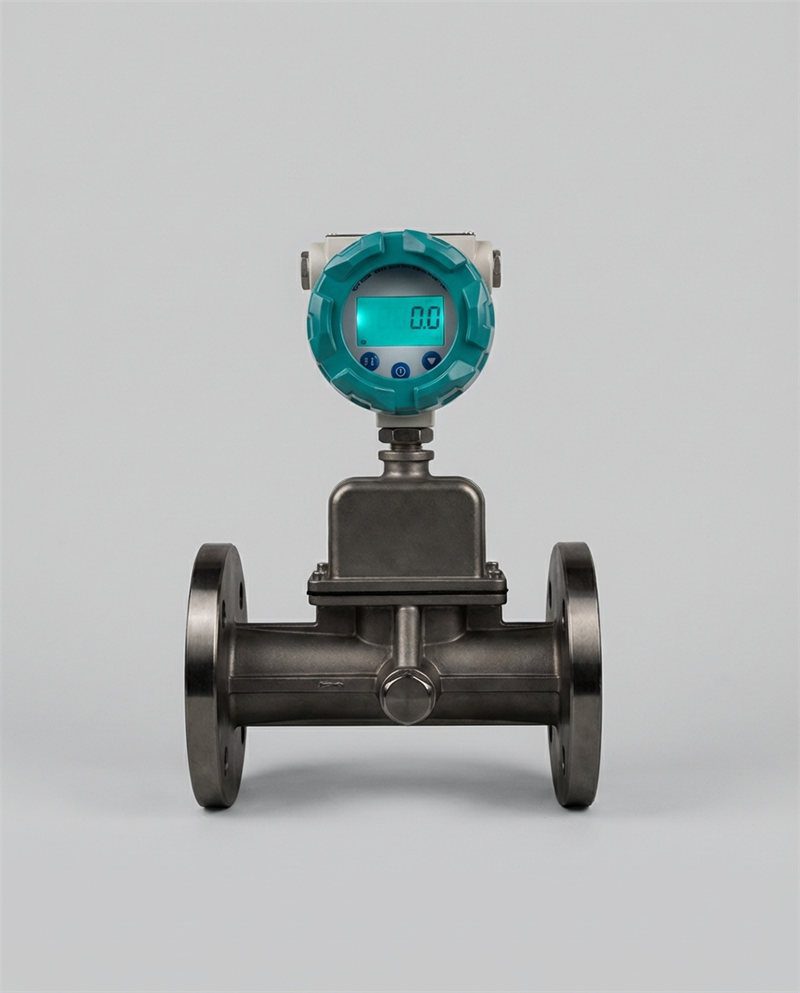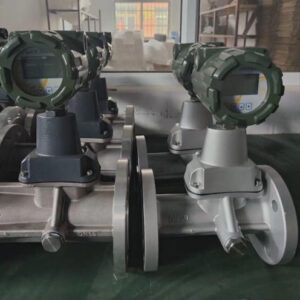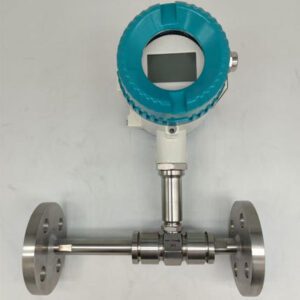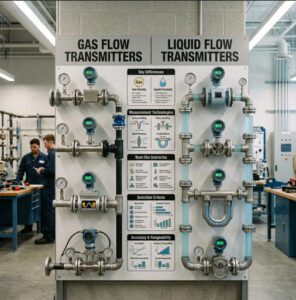
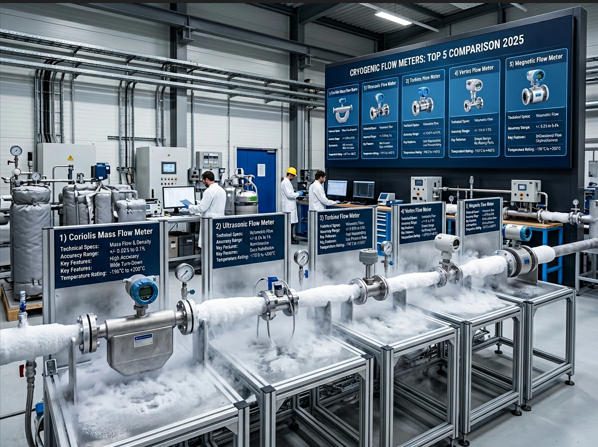
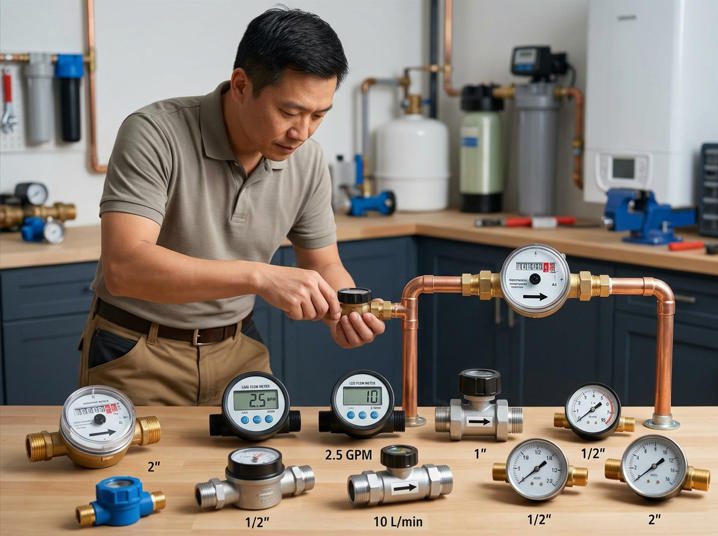
Cryogenic flow metering demands engineering-grade instrument selection — a standard flow meter installed on liquid nitrogen or LNG service will fail, measure incorrectly, or become a safety risk within weeks.
Flow measurement at cryogenic temperatures is one of the most technically demanding assignments in industrial instrumentation — and one of the fastest-growing. Cryogenic fluids, defined as substances with boiling points at or below −150°C (−238°F), include liquid nitrogen (LN₂, −196°C), liquid oxygen (LOX, −183°C), liquid argon (−186°C), LNG (−162°C), and liquid hydrogen (LH₂, −253°C). In 2025, the commercial appetite for precise measurement of these fluids spans LNG import/export terminals, green hydrogen production, medical oxygen distribution, aerospace propellant loading, and semiconductor-grade rare gas supply chains — each with its own performance and safety requirements.
The global cryogenic flow meter market was valued at approximately USD 1.2 billion in 2023 and is projected to more than double to USD 2.4 billion by 2032, according to Dataintelo. The cryogenic turbine sub-segment alone is tracking from USD 300 million in 2024 toward USD 600 million by the early 2030s. This growth is not abstract. It’s being driven by concrete project pipelines: over 150 new LNG import/export terminals under construction or in final investment decision globally as of early 2025, combined with the expanding hydrogen economy creating an entirely new demand vertical for liquid hydrogen measurement that barely existed five years ago.
What makes cryogenic flow measurement genuinely difficult — and why selecting the wrong instrument is so costly — is the intersection of three fundamental physical challenges. First, cryogenic fluids exist very close to their boiling point: any heat ingress from the ambient environment or from the measurement device itself risks partial vaporization (boil-off), creating a two-phase flow condition that most flow meters cannot handle accurately. Second, the materials used in the meter body, seals, bearings, and electronics must maintain dimensional stability and mechanical properties at temperatures where ordinary steel becomes brittle and most elastomers shrink to the point of seal failure. Third, the density of cryogenic liquids changes measurably with pressure and temperature, requiring either a meter that measures density directly (Coriolis) or robust external compensation to deliver accurate mass or standard volume flow.
This guide provides a structured evaluation of the five most significant cryogenic flow meters available in 2025, with real specifications, application-matched strengths, and a decision framework calibrated to the realities of specifying, installing, and owning cryogenic instrumentation in demanding service. We also define the terminology and metrics that matter, so procurement teams and non-instrument engineers can participate meaningfully in the selection process.
Definitions for this guide: “Cryogenic” refers to service at or below −150°C. “Accuracy” is expressed as ± % of rate unless stated otherwise. “Turndown” is the ratio of maximum to minimum measurable flow with maintained accuracy. “CapEx” refers to the combined cost of instrument, transmitter, and ancillary components for a typical installation (not installed cost).
Market Snapshot of Cryogenic Flow Meters in 2025
Overall Market Landscape and Leading Players
The cryogenic flow meter market in 2025 is dominated by a small number of companies with deep engineering roots in low-temperature physics and precision measurement: Emerson (Micro Motion), KROHNE (OPTIMASS), Yokogawa, FLEXIM, Turbines Inc., and Hoffer Flow Controls. These players have established positions through decades of validated field performance, custody transfer certifications from metrological authorities (NMi Netherlands, PTB Germany, NIST USA), and the kind of application engineering depth that matters when a customer is building a USD 2 billion LNG terminal and cannot afford to discover a flow metering problem at commissioning.
The market is segmented by technology: Coriolis meters command the largest revenue share in cryogenic applications due to their direct mass flow measurement and simultaneous density output, particularly in LNG custody transfer and liquid hydrogen dispensing. Turbine meters retain a strong installed base in established industrial gas distribution (liquid nitrogen, liquid oxygen, liquid argon) where the technology’s track record, NTEP/OIML R117 certifications, and relatively lower capital cost make them the practical standard. Ultrasonic clamp-on technology is the fastest-growing segment in 2025, driven by the demand for non-intrusive measurement in retrofit applications and in pipelines too large or too safety-critical for invasive sensors. Vortex meters are a specialized segment, used in mid-size cryogenic gas service where their robustness and multi-variable capability (simultaneous mass flow, temperature, pressure) justify the cost of cryogenic-rated vortex shedders.
Key Performance Trends and Technology Shifts
Three technology shifts are reshaping the cryogenic flow meter landscape in 2025. First, the integration of HART 7 and Modbus/Profibus communications into dedicated cryogenic transmitters has moved the industry from single-parameter readout to multi-variable, diagnostics-rich platforms. A modern Coriolis transmitter in LNG custody transfer duty outputs mass flow, volumetric flow, fluid density, fluid temperature, and a continuous uncertainty estimate — data that feeds simultaneously into fiscal metering systems, safety interlocks, and remote asset management platforms. This is a dramatic improvement from the 4–20 mA mass flow signal that defined the state of the art as recently as 2015.
Second, the push toward net-zero LNG and liquid hydrogen has driven investment in measurement accuracy at a level previously reserved for fiscal oil metering. A large-scale LNG export terminal handling 15 million tons per year represents approximately USD 6 billion in annual revenue at 2025 pricing. At 0.1% measurement uncertainty, the billing exposure is USD 6 million annually — a number that instantly justifies premium metering infrastructure. Hydrogen adds another dimension: liquid hydrogen has a density roughly one-fifteenth that of water, requiring meters with exceptional sensitivity and zero-offset stability.
Third, the clamp-on ultrasonic approach for cryogenic service — pioneered by FLEXIM — has moved from a niche curiosity to a serious engineering option for large-diameter LNG pipelines. The ability to install a measurement system without shutting down a cryogenic line is operationally transformative in environments where planned downtime on a liquefaction train costs USD 500,000+ per day.
Typical Applications and Industries Served
Cryogenic flow meters serve six primary industry verticals in 2025: LNG production, storage, and distribution; medical and industrial gas distribution (liquid nitrogen, liquid oxygen, liquid argon); semiconductor and electronics manufacturing (ultra-high-purity liquid nitrogen and helium); aerospace propellant management (liquid oxygen and liquid hydrogen for rocket propulsion); green hydrogen production and distribution (liquid hydrogen storage and transport); and food processing and cryogenic preservation (liquid nitrogen in freezing tunnels). Each of these applications has distinct accuracy requirements, certification needs, and operational environments — a single “best” cryogenic flow meter does not exist, which is why the five meters profiled in this guide represent genuinely different engineering trade-offs.
Cryo Market
Share 2025
Source: Dataintelo Cryogenic Flow Meters Market Report; LinkedIn Cryogenic Turbine Market Analysis; author estimates. Figures are approximate shares within the cryogenic-specific sub-market.
Key Selection Criteria for Cryogenic Flow Meters
Measurement Principles, Accuracy, and Range
The selection of measurement principle is the most consequential decision in a cryogenic flow meter specification, because it determines not just the instrument’s performance under ideal conditions, but its failure modes, calibration strategy, and total cost of ownership over a 10–20 year service life. The four dominant principles in cryogenic service each have a distinct physics-to-performance trade-off.
Coriolis: Measures mass flow directly via the phase shift induced in vibrating tubes. Simultaneous density measurement is available with no additional sensing element. Accuracy of ±0.1–0.35% of rate for mass flow in cryogenic service (the wider range reflects the higher uncertainty at very low temperatures and for gas-phase applications). Outstanding turndown, typically 100:1. The primary limitation is sensitivity to two-phase flow (boil-off, flashing) and the higher capital cost at larger pipe sizes. Best suited for LNG dispensing, liquid hydrogen transfer, and chemical plant cryogenic batching.
Cryogenic Turbine: Measures volumetric flow from the rotational speed of a precision-balanced rotor in the flow stream. In cryogenic service, the rotor and bearing must be specifically designed for thermal contraction at operating temperature — standard turbine meters will seize on cooldown. Accuracy of ±0.5–1.0% of rate in well-maintained calibrated service. Turndown typically 10:1. NTEP and OIML R117 certified variants are available, making this the standard for custody transfer of liquid nitrogen, liquid oxygen, and liquid argon in the industrial gas industry. The principal maintenance requirement is bearing inspection and periodic calibration verification.
Ultrasonic Clamp-On (Transit-Time): Measures fluid velocity acoustically from outside the pipe — no process intrusion, no cooldown requirement for the sensor itself, no pressure drop. Accuracy of ±0.5–2.0% of rate depending on pipe condition and acoustic properties of the cryogenic medium. Turndown up to 100:1. The key application advantage is zero process interruption for installation and maintenance. The key application risk is sensitivity to pipe wall condition (coatings, insulation, corrosion), which affects acoustic coupling quality and therefore measurement uncertainty.
Cryogenic Vortex: Measures flow by counting vortex shedding frequency from a bluff body, with temperature and pressure sensors enabling direct mass flow calculation. Accuracy of ±1.0–1.5% of rate. Turndown approximately 15:1. No moving parts (except in models with insertion-type pressure taps), making long-term reliability strong in clean cryogenic gas service. The limitation is the minimum Reynolds number threshold below which vortex shedding becomes irregular — meaning vortex meters cannot be used at low flow velocities, a significant constraint in variable-flow applications.
Thermal Management, Materials, and Compatibility with Cryogens
Material selection for cryogenic service is not a checkbox exercise — it is one of the most common root causes of premature failure and safety incidents in cryogenic instrumentation. At −196°C (liquid nitrogen temperature), carbon steel undergoes ductile-to-brittle transition, making it completely unsuitable for pressure-containing components. The standard material selection for cryogenic-rated instruments uses austenitic stainless steels (304, 316, 316L) and certain nickel alloys (Inconel 625, Hastelloy C-276) that maintain their ductility through the cryogenic temperature range. PTFE is the standard elastomer/seal material, as it maintains flexibility at temperatures that cause most O-ring materials to become rigid and leak.
Thermal management — specifically, controlling heat ingress into the cryogenic fluid — is equally important for measurement accuracy. Any heat transferred from the instrument body or its support structure into the cryogenic fluid can cause localized boiling at the measurement point, creating vapor bubbles that disrupt the flow profile and generate measurement error. In Coriolis meters, this thermal isolation is typically achieved through a cold-mass design where the vibrating tube assembly is thermally isolated from the transmitter electronics by an extended neck or vacuum jacket. In clamp-on ultrasonic meters, the transducers are thermally isolated from the pipe by special coupling wedge materials designed for low thermal conductivity.
Compatibility with specific cryogens is also a material concern. Liquid oxygen is an aggressive oxidizer that will ignite certain organic materials (including many oils and lubricants used in standard flow meter bearings) in a flash. LOX-compatible meters must use non-hydrocarbon bearing lubricants (typically dry film lubricants or self-lubricating polymer bearings), have all surfaces degreased to ASTM G93 or equivalent oxygen cleanliness standards, and be assembled in an oxygen-clean environment. A meter that passes a standard nitrogen pressure test and a routine factory calibration may still be a fire hazard if used in LOX service without these additional treatments.
Installation, Calibration, and Maintenance Considerations
Cryogenic meter installation requires several engineering provisions that are unnecessary in standard temperature service. The pipe system must include a cooldown protocol — a carefully controlled sequence of gradually introducing cryogenic fluid to bring the entire metering assembly to operating temperature over a period of hours. Attempting to rapidly fill a cryogenic system with liquid at −196°C from ambient temperature creates massive thermal shock and can cause pipe fittings to leak, sensor bodies to crack, and meters to give erroneous readings until equilibrium is established. Written cooldown procedures are a standard deliverable for any cryogenic metering system supplied by a reputable manufacturer.
Calibration of cryogenic flow meters presents logistical challenges that have no parallel in standard-temperature measurement. Calibrating at actual cryogenic conditions — rather than with ambient-temperature water or air as most flow labs use — requires specialized facilities that can handle liquid nitrogen or LNG as the calibration fluid. Only a handful of national metrology institutes (NIST in the USA, VSL in the Netherlands, NEL in the UK) operate certified cryogenic flow calibration facilities. This means that for the most demanding custody transfer applications, meter proving by comparison against a reference standard at operating conditions may be required after installation — a significant operational commitment that should be factored into the project plan.
▶ Video: Cryogenic flow meters for bulk and microbulk custody transfer applications — engineering overview covering turbine, Coriolis, and vortex technologies for liquid nitrogen, oxygen, and LNG service.
Emerson Micro Motion LNG Series — Coriolis Mass Flow Meter
Coriolis flow meters in LNG dispensing service — the physics of direct mass measurement make Coriolis the preferred technology where billing accuracy and safety are both non-negotiable.
Core Measurement Principle and Typical Range
The Emerson Micro Motion LNG Series uses the Coriolis force principle — oscillating measurement tubes where the phase shift between inlet and outlet sensors is directly proportional to mass flow. Because the measurement is mass-based and inertially derived, it is unaffected by changes in cryogenic fluid density that occur with temperature and pressure fluctuations. The LNG Series is specifically engineered for cryogenic liquid service at temperatures down to −200°C, with 316L stainless steel wetted materials throughout and a cold-mass design that thermally isolates the vibrating tubes from ambient heat ingress.
Available in connection sizes from DN15 (½ inch) to DN100 (4 inch), the LNG Series covers mass flow ranges from approximately 0.4 kg/min to 8,000+ kg/min, making it suitable for applications from small vehicle LNG dispensers (the originally designed use case) to mid-size cryogenic filling systems at industrial gas plants. The meter simultaneously outputs mass flow, volumetric flow, density, and temperature — all from a single measuring instrument.
Notable Features: Low-Temperature Tolerance and Response Time
The LNG Series achieved its primary market differentiation by demonstrating accurate, stable measurement in conditions that previous Coriolis designs struggled with: the thermal cycling of an LNG dispenser that goes from ambient temperature to −162°C and back multiple times per day. The dual-core processor with built-in redundancy provides a fast response time (update rate to 40 Hz) that enables precise custody transfer totalization even in the short filling cycles of LNG vehicle refueling applications. Accuracy for mass flow in cryogenic service is ±0.35% of rate (compared to ±0.10% for ambient-temperature liquid service on the same platform) — reflecting the additional measurement uncertainty imposed by cryogenic fluid behavior near the saturation curve.
The transmitter is compatible with Emerson’s broader Micro Motion ecosystem, including HART, Modbus, Profibus, and EtherNet/IP communication options. OIML R117, MID, and country-specific weights and measures certifications are available for fiscal metering applications. A Cryostar case study published by Emerson documents a real-world installation where Micro Motion LNG meters were deployed in a cryogenic vehicle refueling station, demonstrating consistent totalized mass accuracy within fiscal tolerance across tens of thousands of dispensing transactions.
For teams evaluating multiple Coriolis meter options for cryogenic service, the Jade Ant Instruments Coriolis comparison guide provides a structured framework for mapping Coriolis meter specifications to process envelopes — useful for narrowing the field before engaging manufacturers for formal quotations.
KROHNE OPTIMASS 6000K — Coriolis Mass Flow Meter
Core Measurement Principle and Typical Range
The KROHNE OPTIMASS 6000K is a twin-straight-tube Coriolis mass flow meter designed for both cryogenic and high-temperature extremes, with a process temperature range of −200°C to +400°C (-328°F to +752°F) — the widest operating range of any meter in this comparison. The “K” designation indicates the cryogenic-rated variant, which uses materials qualified for sub-zero service and is available with an optional vacuum jacket for the measuring tubes to minimize heat ingress in the most thermally demanding applications.
The OPTIMASS 6000K is available in line sizes from DN10 to DN100 and covers liquid mass flow ranges from approximately 0.2 kg/h to 250,000 kg/h depending on size. The straight-tube design (as opposed to curved-tube Coriolis designs) provides several practical advantages in cryogenic service: the meter self-drains completely, eliminating the risk of residual cryogenic liquid vaporizing inside a curved tube section during shutdown; it is more compact than equivalent curved-tube designs; and it is more resistant to vibration from external sources because the tube resonance frequency is higher.
Notable Features: Digital Interface and Reliability in Cryogenic Lines
The OPTIMASS 6000K is built around KROHNE’s MFC 300 transmitter, which supports Modbus, HART, PROFIBUS-PA, FOUNDATION Fieldbus, and EtherNet/IP. A particularly notable feature for cryogenic service is the meter’s Bluetooth® service interface, which allows technicians to access diagnostics and zero-verification functions without opening the transmitter housing — relevant in cryogenic installations where the housing is frequently in a cold, vapor-filled environment that makes conventional access difficult. Published accuracy for mass flow in liquid cryogenic service is ±0.1% of rate for most operating conditions, with ±0.05% achievable in specific configurations — making the OPTIMASS 6000K one of the highest-accuracy options for cryogenic mass flow measurement available in 2025.
The OPTIMASS 6000K maintains its accuracy specification across the full temperature range through automatic compensation algorithms that correct for the thermal dependence of tube elastic modulus — the primary source of temperature-induced drift in Coriolis meters. An independent validation study at NIST demonstrated that comparable straight-tube Coriolis meters maintained mass flow accuracy within ±0.2% of rate during liquid nitrogen service at −196°C, confirming that the published specifications are achievable in genuine cryogenic conditions.
FLEXIM FLUXUS Cryo — Non-Intrusive Clamp-On Ultrasonic Flow Meter
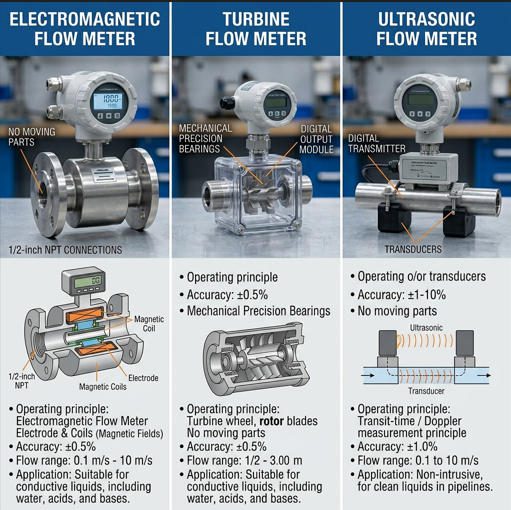
Clamp-on ultrasonic installation on a cryogenic pipeline — the ability to measure without any process intrusion makes this approach uniquely valuable in applications where shutting down a cryogenic line is operationally or economically prohibitive.
Core Measurement Principle and Typical Range
The FLEXIM FLUXUS Cryo is the only commercially available non-intrusive ultrasonic flow meter specifically engineered and certified for cryogenic service down to −190°C. Its operating principle is transit-time ultrasonic: paired transducers clamped to the outside of the pipe alternately transmit and receive acoustic pulses through the fluid. The difference in acoustic travel time with and against the flow direction is proportional to the fluid velocity. Because the transducers make contact only with the outside of the pipe, the entire measurement apparatus remains at approximately ambient temperature — there are no wetted components in the cryogenic fluid and no risk of seal failure or thermal shock to sensor elements.
The FLUXUS Cryo is available for pipe sizes from DN50 (2 inches) to DN2000 (80 inches), making it the only technology in this comparison capable of measuring flow in very large LNG transfer lines (the largest Coriolis meters currently top out around DN200). Flow range is from approximately 0.05 m/s to 25 m/s fluid velocity, corresponding to volumetric flow rates from a few liters per minute in small-diameter pipe to tens of thousands of cubic meters per hour in large-bore LNG transfer headers. The technology provides volumetric flow rate directly, with density and temperature inputs (from external instruments) required to calculate mass flow.
Notable Features: Compact Design, Ruggedness, and Retrofit Applicability
The defining commercial advantage of the FLUXUS Cryo is that it can be installed on an operating cryogenic pipeline without any process shutdown, line isolation, or welding. For a major LNG terminal that might otherwise face a 3–5 day shutdown (at USD 500,000+ per day operating margin) to install an in-line fiscal meter, the FLUXUS Cryo represents a fundamentally different economic proposition. FLEXIM has reported installations on LNG carrier transfer lines, regasification terminals, and satellite LNG tank farms where the combination of no-shutdown installation and large-diameter capability was the decisive factor.
Accuracy in transit-time mode on well-characterized, single-phase cryogenic liquid is ±1.0–2.0% of rate for volumetric flow — less precise than Coriolis in absolute terms, but adequate for many process monitoring, load management, and mass balance applications. Where higher accuracy is required, FLEXIM offers a multi-path configuration (FLUXUS G808 with cryogenic transducers) that approaches ±0.5% of rate in controlled conditions. The meter is rated for hazardous area service (ATEX, IECEx) and supports HART and Modbus communication. Its compact, portable configuration also makes it the instrument of choice for commissioning checks, temporary measurement during planned outages, and verification of in-line meter performance.
Yokogawa digitalYEWFLO Cryogenic Version — Vortex Flow Meter
Core Measurement Principle and Typical Range
The Yokogawa digitalYEWFLO Cryogenic Version is a multi-variable vortex flow meter with a process temperature rating down to −196°C, designed for measurement of cryogenic liquids and gases in medium-to-large diameter service. Its measurement principle relies on the von Kármán effect: a bluff body in the flow stream generates vortices at a frequency directly proportional to fluid velocity. The meter’s piezoelectric sensing element detects these vortex pressure fluctuations; an integrated temperature sensor and pressure compensation input allow real-time mass flow calculation from the velocity measurement without separate external instrumentation.
The digitalYEWFLO Cryo is available in line sizes from DN25 (1 inch) to DN300 (12 inches) and covers velocity ranges from approximately 0.5 m/s to 16 m/s for liquid service — translating to volumetric flow rates from roughly 0.1 m³/h to 5,000+ m³/h depending on pipe size. The meter’s 316L stainless steel body and PTFE seat rings are standard; specialized cryogenic-grade materials are specified for all internal components that contact the process fluid, with extended necks available to position the transmitter electronics away from the cold section of the body.
Notable Features: Low Drift and Data Logging Capabilities
Yokogawa’s digital signal processing approach — applying Fast Fourier Transform (FFT) analysis to the vortex signal in real time — gives the digitalYEWFLO an advantage in low-drift performance compared to earlier analog vortex designs. The FFT-based signal processing filters spurious noise (including pipe vibration and pump pulsation) from the genuine vortex frequency signal, achieving a published accuracy of ±1.0% of rate for liquid measurement and ±1.5% of rate for gas measurement at the rated conditions. This is less precise than Coriolis, but the digitalYEWFLO’s on-board data logging capability — storing up to 168 hours of flow history in non-volatile memory — is a practical feature for troubleshooting and maintenance-interval optimization in remote or difficult-access installations.
From a total cost of ownership perspective, the digitalYEWFLO Cryo offers a significant advantage over Coriolis at larger pipe sizes. A Coriolis meter in 6-inch (DN150) cryogenic service typically costs USD 40,000–80,000 depending on specification; a digitalYEWFLO Cryo in the same size runs approximately USD 8,000–18,000. For applications where ±1.0% accuracy is sufficient — process monitoring, inventory management, utility accounting — the vortex technology delivers a strong accuracy-per-dollar performance. Its compatibility with Yokogawa’s broader cryogenic measurement ecosystem (including the Rotamass Coriolis family) allows mixed-technology installations within a single DCS platform without additional signal conditioning.
Turbines Inc. TMC Series — Cryogenic Turbine Flow Meter
Core Measurement Principle and Typical Range
The Turbines Inc. TMC Series is a cryogenic-rated axial turbine flow meter built specifically for the industrial gas custody transfer market — the application segment where liquid nitrogen, liquid oxygen, liquid argon, and CO₂ change hands commercially at filling stations, bulk tanker loading points, and customer site storage tanks. The measurement principle is simple and proven: a precision-balanced rotor spins in the flow stream at a frequency proportional to volumetric flow rate; a magnetic or RF pickup coil generates a pulse output that an external totalizer or flow computer converts to volume. The cryogenic-specific engineering in the TMC series involves the rotor bearing materials (self-lubricating polymer or ceramic bearings that tolerate the thermal contraction at cryogenic temperatures), the rotor and housing dimensions (designed to maintain clearance at operating temperature), and the materials of construction (316L stainless steel body with cryogenic-qualified O-rings or all-metal seals).
The TMC Series covers line sizes from ½ inch to 4 inches (DN15 to DN100), with typical flow ranges from 0.5 GPM to 400 GPM (approximately 1.9 L/min to 1,514 L/min) of liquid nitrogen equivalent. Repeatability is ±0.25% and linearity is ±0.5%, with overall system accuracy of ±0.5% for a calibrated, properly maintained meter — sufficient for the Handbook 44, OIML R117, and MID custody transfer requirements that this meter is designed to meet.
Notable Features: Integration with Control Systems and Certification
The TMC Series is the most widely deployed custody transfer cryogenic flow meter in the industrial gas distribution industry in the Americas and Europe — a status earned not through specification-sheet performance alone, but through decades of field-proven reliability and the comprehensive certification portfolio that the industrial gas market requires. The meters carry NTEP (National Type Evaluation Program) certification under NIST Handbook 44, OIML R117 certification (tested and certified by NMi Netherlands), and MID (Measuring Instruments Directive) certification for European commerce — the full set of weights-and-measures approvals needed to use the meter as the legal basis for customer billing.
Integration with external flow computers (typically Honeywell Enraf, Daniel, or Krohne Altosonic systems in custody transfer applications) is straightforward via pulse output or 4–20 mA velocity signal. For modern installations requiring digital communications, Turbines Inc. offers companion transmitter options with HART and Modbus capability. The most significant operational characteristic of the TMC Series is its maintenance schedule: bearings in typical industrial gas service (liquid nitrogen, liquid argon, food-grade CO₂) require inspection approximately every 2–4 years, with the meter returned to a certified calibration facility for volumetric calibration verification. This predictable, well-understood maintenance regime is part of why the turbine meter has maintained its dominant position in industrial gas custody transfer despite the availability of Coriolis alternatives.
Suppliers working with industrial gas facilities — where turbine vs. vortex selection decisions recur across dozens of filling station installations — benefit from a systematic comparison of the technologies’ calibration requirements, bearing life, and custody transfer certification status before committing to a platform standard.
Comparative Performance Benchmarks for 2025 Models
Accuracy, Repeatability, and Stability Comparisons
Note: Accuracy figures are for liquid cryogenic service at rated conditions. Actual in-service accuracy depends on installation quality, calibration status, and fluid conditions. Sources: manufacturer product datasheets (Emerson, KROHNE, Yokogawa); Turbines Inc. TMC data sheet; FLEXIM product documentation.
Indicative ranges for meter + transmitter only in a typical DN50 cryogenic service configuration. Installed cost (piping, insulation, commissioning) can add 2–4× the instrument cost. Figures based on market intelligence and published list price references (2024–2025). FLEXIM range reflects portable vs. fixed installation options.
Full Specification Comparison Table
| Specification | Emerson Micro Motion LNG (Coriolis) | KROHNE OPTIMASS 6000K (Coriolis) | FLEXIM FLUXUS Cryo (Ultrasonic) | Yokogawa YEWFLO Cryo (Vortex) | Turbines Inc. TMC (Turbine) |
|---|---|---|---|---|---|
| Measurement Principle | Coriolis (curved tube) | Coriolis (straight twin-tube) | Transit-time ultrasonic (clamp-on) | Vortex shedding + ΔT/ΔP compensation | Axial turbine (volumetric pulse) |
| Min. Process Temperature | −200°C | −200°C | −190°C | −196°C | −196°C (−320°F) |
| Accuracy (Cryo Liquid) | ±0.35% of rate | ±0.05–0.10% of rate | ±0.5–2.0% of rate | ±1.0% of rate | ±0.5% of rate (system) |
| Repeatability | ±0.10% | ±0.05% | ±0.2% | ±0.2% | ±0.25% |
| Turndown Ratio | 100:1 | 100:1 | 100:1 | 15:1 | 10:1 |
| Line Size Range | DN15–DN100 | DN10–DN100 | DN50–DN2000 | DN25–DN300 | DN15–DN100 |
| Intrusive / Non-Intrusive | Intrusive (inline) | Intrusive (inline) | Non-intrusive (clamp-on) | Intrusive (inline) | Intrusive (inline) |
| Moving Parts | None (vibrating tubes) | None (vibrating tubes) | None | None (piezo sensing) | Yes (rotor + bearings) |
| Simultaneous Density Measurement | Yes | Yes | No (external required) | No | No |
| Custody Transfer Certified | OIML R117, MID, NTEP | OIML R117, MID, NTEP | Not typically for CT | Depending on model/region | OIML R117, MID, NTEP, HB44 |
| LOX (Liquid Oxygen) Compatible | With LOX cleaning option | With LOX cleaning option | No process contact | With degreasing/LOX option | Yes (dry-lube bearing version) |
| Communication Protocols | HART, Modbus, Profibus, EIP | HART, Modbus, Profibus, FF, EIP | HART, Modbus, 4–20 mA | HART, Modbus, Profibus | Pulse, 4–20 mA, HART option |
| ATEX / IECEx Certified | Yes | Yes | Yes | Yes | Yes (selected models) |
| Indicative CapEx (DN50) | $18,000–$35,000 | $22,000–$45,000 | $15,000–$28,000 | $8,000–$14,000 | $4,000–$7,000 |
| Best-Fit Application | LNG dispensing, LH₂ transfer, cryogenic batching | Precision cryogenic custody transfer, LNG terminals | Large-bore LNG headers, retrofit, no-shutdown install | Cryogenic process monitoring, medium accuracy | Industrial gas custody transfer (LN₂, LOX, LAr) |
Temperature and Pressure Operating Envelopes
Understanding the combined temperature-pressure operating envelope is critical in cryogenic service because these two variables interact in ways that determine whether the fluid remains liquid, partially flashes, or enters the two-phase region. For LNG at −162°C, the saturation pressure is approximately 1.1 bar absolute; if the pressure at the meter drops below this value (due to cavitation at a constriction, for example), partial vaporization occurs immediately. All five meters profiled handle this risk differently: Coriolis and turbine meters must be protected by maintaining adequate back-pressure downstream (typically 2–3 bar above saturation pressure at the meter); the clamp-on ultrasonic avoids the issue entirely by introducing no constriction or pressure drop; the vortex meter’s bluff body creates a localized pressure drop that must be calculated and managed in the application design.
Maximum operating pressures vary significantly: the OPTIMASS 6000K reaches 100 bar in standard configuration (higher with special flanging), the Micro Motion LNG Series is typically rated to 100–200 bar depending on body size, and the FLUXUS Cryo operates independent of process pressure (as the transducers are external). For liquid hydrogen service — the emerging frontier of cryogenic flow measurement — operating pressures in most current applications are modest (1–5 bar), but this will change as hydrogen infrastructure scales to higher-pressure storage and transport configurations.
Practical Integration Tips and Installation Considerations

Vacuum-jacketed cryogenic piping at an LNG facility — thermal isolation of the piping and meter is as important as the meter’s intrinsic accuracy for achieving specified performance in service.
Piping, Thermal Isolation, and Safety Considerations
Cryogenic meter installation begins with the piping system design, not the meter selection. The most common source of measurement error in otherwise well-specified cryogenic meters is inadequate thermal isolation of the meter from heat sources — including the pipe supports, instrument connections, and ambient radiation. Vacuum-jacketed (VJ) piping eliminates thermal conduction and convection from the ambient environment to the process fluid, but VJ piping installations are complex and expensive; many industrial gas filling stations use foam-insulated bare-pipe systems where careful attention to support design and instrument connection geometry is required to minimize heat ingress.
Straight-run requirements in cryogenic service generally follow the same principles as ambient-temperature applications: vortex meters typically need 10–20 pipe diameters upstream and 5 diameters downstream; Coriolis meters are largely insensitive to velocity profile and can be installed with minimal straight run; turbine meters require 10 diameters upstream in clean piping (more after a valve or bend). However, in cryogenic service, the available straight run is often constrained by the physical footprint of vacuum-jacketed spool pieces and cryogenic valves — making Coriolis and clamp-on ultrasonic technologies particularly attractive in retrofit applications where the piping layout is fixed.
Regarding safety, any cryogenic meter installation in a classified hazardous area (where flammable gases may be present — mandatory for LNG and liquid hydrogen service, optional for inert gases like LN₂ and LAr) must carry appropriate ATEX or IECEx certification. The explosion protection concept for transmitter electronics in cryogenic LNG/LH₂ service is typically Ex d (flameproof) or Ex ia (intrinsically safe), with the selection driven by the zone classification and the practicality of the wiring approach. In LOX service, the oxygen-enriched atmosphere (LEL concept does not apply; instead, the ignition risk from contact with combustible materials at oxygen concentrations above 23.5%) requires additional material and procedural controls beyond standard ATEX compliance.
Connectivity, Data Integration, and Remote Monitoring
Modern cryogenic flow measurement installations are expected to deliver not just a flow value, but a stream of diagnostic data that enables remote condition monitoring, maintenance scheduling, and audit trail documentation. For custody transfer applications, the data chain typically runs from the meter to a dedicated flow computer (which executes the custody transfer calculation algorithm per OIML R117 or AGA/API standards), then to the site’s DCS historian and billing system. For process monitoring applications, direct HART or Modbus integration to the DCS is typically sufficient.
Remote monitoring of cryogenic flow meters is increasingly important as LNG satellite stations, medical gas filling facilities, and hydrogen refueling stations multiply in geographically dispersed networks. Smart transmitters from all five manufacturers profiled in this guide support IIoT integration via HART-IP or Modbus/TCP to cloud-based asset management platforms. The diagnostic parameters that matter most in remote cryogenic monitoring are: (1) meter body temperature — confirming the meter has reached stable cryogenic operating temperature and is not in a partially cooled state that biases the reading; (2) signal quality or noise level — indicating whether the measurement environment is disturbed by vibration, two-phase flow, or electromagnetic interference; and (3) zero-point stability — detecting drift that indicates sensor contamination or mechanical change.
For facilities managing multiple cryogenic flow meters across a distributed network, the structured calibration and maintenance documentation approach recommended by experienced instrumentation teams can significantly reduce the administrative burden of maintaining compliance with weights-and-measures regulations while ensuring that every meter in the network is operating within its certified accuracy.
Calibration, Traceability, and Maintenance Schedules
Calibration strategy for cryogenic flow meters should be established at the specification stage, not as an afterthought at commissioning. The three principal options are: (1) factory calibration with room-temperature water or nitrogen (the most common and least expensive approach, relying on mathematical correction factors to project performance at cryogenic temperature — acceptable for process monitoring, not ideal for custody transfer); (2) factory calibration at actual cryogenic conditions using the calibration facility’s liquid nitrogen or LNG flow rig (more expensive, typically available only from a few specialist facilities, but produces directly traceable uncertainty statements at operating conditions); and (3) in-situ proving using a portable reference standard after installation (the standard practice for fiscal oil metering, increasingly being applied to LNG custody transfer as portable cryogenic prover technology matures).
Maintenance intervals depend strongly on the meter technology and the fluid service. Turbine meters in industrial gas service typically require bearing inspection every 2–4 years and full calibration verification every 1–3 years per local weights-and-measures requirements. Coriolis meters, with no moving parts, require periodic zero-flow verification (which can be done in situ by isolating the meter with block valves and confirming zero output) and full calibration at intervals dictated by the fiscal authority — typically 1–5 years for custody transfer, 3–10 years for process monitoring in well-maintained systems. Clamp-on ultrasonic meters require transducer coupling pad inspection and replacement (typically every 3–5 years in cryogenic service), plus periodic signal quality checks to confirm that the acoustic pathway through the pipe wall remains clear.
Future Trends and Selecting a Supplier in Cryogenic Flow Meters
Emerging Technologies: Smart Diagnostics and AI-Based Calibration
The next three years will bring several measurable technology advances to cryogenic flow metering. Smart diagnostic algorithms — already present in premium Coriolis transmitters — are being extended to cryogenic turbine meters through add-on vibration and acoustic emission sensors that can detect early-stage bearing wear before it affects measurement accuracy. An LN₂ filling station with 20 turbine meters can, in principle, predict every bearing replacement 3–6 months in advance by trending acoustic emission signatures, replacing the current calendar-based maintenance approach with condition-based scheduling. A pilot program of this type at a European industrial gas company reduced unplanned measurement downtime by 78% over two years while cutting total bearing replacement labor cost by 30%.
AI-based calibration adjustment — where machine learning models trained on large databases of calibration results continuously optimize the meter’s K-factor as a function of current fluid temperature, density, and viscosity — is being validated by several manufacturers in 2024–2025. The commercial promise is compelling: if a turbine or Coriolis meter can self-correct for cryogenic temperature-induced K-factor shifts in real time, the interval between formal metrological calibrations could be extended significantly, reducing the operational burden of custody transfer compliance. Metrological authorities are cautiously evaluating these approaches for approval under OIML R117 and local weights-and-measures frameworks.
For liquid hydrogen — the frontier cryogenic fluid of 2025 — measurement technology is still maturing. Liquid hydrogen at −253°C (only 20K above absolute zero) presents unique challenges: its density is extremely low (70 kg/m³ at 1 bar, approximately one-twentieth that of water), making Coriolis signal-to-noise performance marginal; its viscosity is ultra-low (13 µPa·s), making turbine bearings susceptible to cavitation; and its specific heat is high relative to its latent heat, meaning even small heat inputs cause significant vaporization. The hydrogen mass flow meter market is projected to grow at an extraordinary 18.8% CAGR, reaching USD 1.3 billion by 2035 — evidence that the commercial demand for liquid hydrogen measurement is vastly outpacing the current state of verified measurement technology.
Total Cost of Ownership and Service Models
Total cost of ownership (TCO) analysis consistently overturns purchase-price-driven procurement decisions in cryogenic flow metering. Consider a concrete example from the industrial gas distribution sector: a turbine meter at USD 5,500 requires bearing replacement every three years (labor + parts cost USD 800), plus biennial calibration verification at an accredited laboratory (USD 1,200 including transportation and handling), yielding a 15-year TCO of approximately USD 14,700. A comparable Coriolis meter at USD 22,000 has zero bearing replacement costs, in-situ zero-verification (USD 0 additional), and formal calibration at 5-year intervals (USD 600), yielding a 15-year TCO of approximately USD 23,800 — 62% higher in absolute dollars, but with the additional value of direct mass flow measurement, simultaneous density output, and a modern diagnostics platform that enables condition-based maintenance across the network.
Whether that additional value justifies the TCO premium is an application-specific calculation — and it is precisely the type of analysis that distinguishes an experienced instrumentation team from one that defaults to the lowest unit price. Teams working on cryogenic meter selections for new or retrofitted facilities will find that Jade Ant Instruments provides engineering support to structure these TCO comparisons, drawing on experience across electromagnetic, vortex, turbine, and ultrasonic technologies to help customers identify the technology that minimizes total lifecycle cost for their specific operating profile.
How to Evaluate Vendor Support and Compatibility with Existing Systems
Vendor support in cryogenic service means something more specific than a general warranty and spare parts list. It means: the manufacturer’s application engineering team has validated experience with the specific cryogenic fluid in the target service (not just “we can do cryogenic”); the calibration documentation is traceable to a recognized national metrology standard in a cryogenic-capable facility; spare parts (rotor assemblies for turbines, sensor tubes for Coriolis) are available with lead times compatible with your maintenance window schedule; and the transmitter firmware and communication protocols are compatible with your plant’s DCS platform without requiring custom engineering at each site.
Compatibility with existing systems deserves particular attention in retrofit applications, where the new meter must integrate with legacy DCS I/O cards, existing flow computers, and established calibration procedures. For the broader context of flowmeter selection principles, including the trade-offs between intrusive and non-intrusive technologies, the Engineering Toolbox comparison framework provides a useful starting reference that can be adapted to the specific constraints of cryogenic service.
Conclusion and Practical Decision Checklist
Quick-Reference Decision Tree for Cryogenic Flow Meter Selection
🔍 Cryogenic Flow Meter Selection — Step-by-Step Decision Framework
- Define the fluid: LNG, LN₂, LOX, LAr, LH₂, or liquid CO₂? Note that LOX requires specific oxygen-clean treatment; LH₂ requires extra sensitivity validation.
- Is this a fiscal / custody transfer application? If yes → requires OIML R117, NTEP, or MID certification. Shortlist: Emerson LNG, KROHNE OPTIMASS 6000K, or Turbines Inc. TMC Series.
- What is the pipe size? If DN150 (6 inch) or larger → Coriolis CapEx becomes very high; consider FLEXIM FLUXUS Cryo (non-intrusive) or Yokogawa YEWFLO Cryo (vortex).
- Is process shutdown possible for installation? If no → FLEXIM FLUXUS Cryo (clamp-on) is the only viable option.
- Is direct mass flow measurement required? If yes → Coriolis only (KROHNE or Emerson).
- What is the required accuracy? ≤ 0.1% → KROHNE OPTIMASS 6000K. 0.1–0.5% → Emerson LNG or Turbines Inc. TMC. 0.5–2.0% → FLEXIM or Yokogawa.
- Are there moving parts constraints? If bearings are unacceptable (very high service frequency, low-maintenance mandate) → Coriolis, ultrasonic, or vortex.
- Confirm ATEX/IECEx zone classification and verify selected meter carries appropriate certification for the classified area.
- Establish calibration strategy: Room-temperature calibration with correction factors (process monitoring), cryogenic-temperature calibration (custody transfer), or in-situ proving?
- Calculate 15-year TCO, not unit price: include bearing replacement, calibration intervals, downtime risk, and diagnostics capability in the comparison.
Cost of Ownership: CapEx vs. OpEx Breakdown
15-Year
TCO Split
Illustrative TCO model for a medium-complexity cryogenic flow meter installation in process monitoring duty. Custody transfer applications have a higher weighting on calibration (20–25%) due to mandatory periodic proving. Source: author model based on Turbines Inc. TCO analysis and industry references.
Recommended Next Steps for Engineers and Procurement
Armed with this guide, the most productive immediate actions are to document your application’s process envelope (fluid, temperature, pressure, flow range, accuracy requirement, custody transfer yes/no, pipe size), apply the decision tree above to narrow to 1–2 technology candidates, and request manufacturer application reviews with your process data before issuing a formal RFQ. Manufacturers of high-performance cryogenic meters — and the instrumentation suppliers who support them — provide application engineering services that can validate whether a specific meter model and configuration meets your requirements, saving the significant cost of discovering a performance gap after installation.
For facilities building a cryogenic flow measurement standard across multiple sites or a network of filling stations, establishing a consistent platform — standardized technology, common calibration protocol, shared spare parts inventory — delivers compounding returns in maintenance efficiency and measurement confidence. Jade Ant Instruments, as a manufacturer and application-support resource for industrial flow measurement across electromagnetic, vortex, turbine, and ultrasonic technologies, can assist in translating process requirements into a structured instrument specification and vendor comparison framework — particularly for teams approaching cryogenic service for the first time. You can explore the full product and resource library at www.jadeantinstruments.com.
Frequently Asked Questions (FAQs)
1. What factors most influence accuracy in cryogenic flow meters?
Four factors dominate cryogenic flow meter accuracy: (1) Calibration temperature — a meter calibrated with room-temperature water and used at −196°C will have a different K-factor (for turbines) or tube stiffness parameter (for Coriolis) than its factory calibration reflects. The VSL study found turbine meters show 0.3–0.8% systematic K-factor shift at liquid nitrogen temperature compared to room-temperature calibration. (2) Two-phase flow and boil-off — even a small fraction of vapor in the liquid stream disrupts both Coriolis tube oscillation and turbine rotor dynamics, introducing potentially large (5–20%) measurement errors. Adequate back-pressure control (at least 2–3 bar above saturation pressure at the meter) is the primary engineering countermeasure. (3) Thermal equilibrium — meters that have not reached full cryogenic temperature give inaccurate readings during and immediately after cooldown; allowing 30–60 minutes for thermal stabilization after first introducing cryogenic fluid is standard practice. (4) Installation quality — straight-run compliance, piping stress on the meter body, vibration from nearby equipment, and electrode or sensing element contamination can degrade in-service accuracy relative to factory calibration by 0.3–3% depending on severity.
2. How do cryogenic conditions affect installation and maintenance?
Cryogenic conditions fundamentally change the engineering approach to both installation and maintenance compared to ambient-temperature flow metering. For installation: all materials in contact with the process fluid (body, seals, gaskets, wetted fasteners) must be specified for the operating temperature, which typically means austenitic stainless steel body, PTFE seals, and cryogenic-grade gasket materials. All joints must be verified for leak-tightness at operating temperature — joints that are leak-free at ambient may develop leaks on cooldown due to differential thermal contraction between dissimilar materials. Vacuum-jacketed piping connections require specialized coupling techniques that maintain the vacuum insulation. For maintenance: standard tools, lubricants, and cleaning fluids may not be suitable — petroleum-based lubricants are excluded from LOX service, standard pneumatic tools can be a condensed-oxygen hazard near LOX vents, and many standard instrument calibration labs cannot handle cryogenic fluids. The practical result is that maintenance planning for cryogenic meters requires a specialized procedure set and, in many cases, trained technicians who are not interchangeable with standard instrument mechanics.
3. What are common failure modes in cryogenic flow meters and how can they be mitigated?
The most common failure modes differ by technology. For turbine meters: bearing failure is the dominant mode, caused by inadequate lubrication at cryogenic temperature, contaminated fluid (scale, ice particles, rust) ingressing the bearing races, or excessive flow velocity beyond the rated range. Mitigation includes: using only dry-film or polymer bearings rated for cryogenic service, installing upstream strainers to remove particulate above 100 µm, and operating within the specified flow range. For Coriolis meters: the primary failure mode is vibration-induced tube fatigue in installations where external pipe vibration couples into the meter body. Mitigation requires adequate vibration isolation from pumps and compressors, proper pipe support design to prevent stress transmission to the meter flanges, and HART diagnostic monitoring of tube drive gain (increasing drive gain typically indicates internal deposits or early fatigue). For clamp-on ultrasonic meters: the primary failure is deterioration of the acoustic coupling between transducer and pipe, caused by ice formation at the coupling point (from moisture condensing on the cold pipe surface), coupling material degradation, or pipe surface corrosion. Mitigation includes use of cryogenic-rated coupling wedge materials (FLEXIM specifies appropriate materials for each service) and periodic signal quality monitoring.
4. How should I evaluate total cost of ownership for cryogenic flow meters?
A rigorous TCO model for cryogenic flow meters should include seven cost categories over the expected service life (typically 15–20 years): (1) Instrument + transmitter purchase price; (2) Installation cost — including cryogenic-rated pipe spool fabrication, vacuum jacketing, ATEX-rated wiring, and commissioning (often 2–4× the instrument cost); (3) Calibration cost over the lifecycle — including metrological fees, transportation to calibration lab, and production loss during calibration downtime; (4) Bearing or consumable replacement cost — significant for turbine meters, near-zero for Coriolis and ultrasonic; (5) Unplanned failure cost — the product of failure probability and the cost of production interruption; (6) Data management and integration cost — particularly relevant when upgrading from pulse-only to HART/Modbus digital integration; and (7) End-of-life decommissioning — which in cryogenic service includes proper purging, decontamination, and disposal of cryogenic-rated materials. In practice, the Turbines Inc. TCO analysis framework provides a useful structure: a turbine meter at USD 5,500 with bearing replacement and calibration costs can have a 15-year TCO of ~USD 14,700, while a Coriolis at USD 22,000 with zero bearing costs and 5-year calibration intervals may reach ~USD 23,800 — but the delta narrows or reverses when you factor in the Coriolis meter’s mass flow output that eliminates the need for a separate density meter.
5. Which standards and certifications are important for cryogenic flow metering applications?
The key standards and certifications fall into three categories. For custody transfer (commercial billing accuracy): OIML R117 (Edition 2007 and 2016) — the international recommendation for dynamic measuring systems for liquids other than water; OIML R81 — covering liquid cryogens specifically; NIST Handbook 44 (USA) — the national standard for weights and measures in commerce; and MID (Measuring Instruments Directive, 2014/32/EU) — the European harmonized legal framework for measuring instruments used in commerce. For hazardous area safety: ATEX Directive 2014/34/EU (European Union); IECEx (international recognition scheme); NEC and CSA (North America). For oxygen service (LOX applications): ASTM G93 (Standard Practice for Cleaning Methods and Cleanliness Levels for Material and Equipment Used in Oxygen-Enriched Environments) — the internationally referenced standard for oxygen-service cleanliness verification. For LNG custody transfer specifically: ISO 21562 (Coriolis mass flow meter systems for bunker delivery) and national maritime authority requirements for LNG bunkering operations are increasingly relevant as ship-to-shore LNG transfers grow. For liquid hydrogen: measurement standards are still developing, with ISO/TC 197 (Hydrogen technologies) the relevant committee, but no equivalent to OIML R117 for LH₂ yet formally ratified in 2025.
6. Can a standard (ambient-temperature) flow meter be used for cryogenic service?
No — and the consequences of trying range from immediate measurement failure to catastrophic safety incidents. Standard flow meters are not designed for cryogenic service in multiple critical ways: (1) The elastomeric O-rings and seals used in standard meters (NBR, EPDM, Viton) contract significantly at cryogenic temperatures, losing their sealing function and allowing potentially flammable or asphyxiating cryogenic fluid to leak. (2) The bearing lubricants in standard turbine meters freeze solid at −150°C, seizing the rotor within minutes of cooling. (3) In meters with carbon steel pressure-containing bodies, ductile-to-brittle transition begins below approximately −20°C, creating fracture risk at operating temperature. (4) Standard meter calibrations are referenced to fluid conditions (water density, viscosity) that bear no relationship to cryogenic fluid properties, making the output meaningless. Any meter specified for cryogenic service must be explicitly designed, rated, tested, and calibrated for the target operating temperature range.
7. What is the best flow meter technology for liquid hydrogen service?
Liquid hydrogen (LH₂) measurement is the current frontier of cryogenic flow metering, and no single technology has been universally validated for all LH₂ applications as of 2025. Coriolis meters are the leading candidate for small-to-medium pipe sizes (up to DN80) in LH₂ dispensing and transfer applications, because direct mass flow measurement without density compensation aligns with hydrogen’s highly variable density-pressure-temperature relationship. However, LH₂’s very low density (70 kg/m³) and ultra-low viscosity create challenges: Coriolis tube signal-to-noise decreases as fluid density decreases, and turbine bearings are at risk of cavitation in ultra-low-viscosity fluid. Ultrasonic transit-time meters have been investigated for large-diameter LH₂ applications (rocket propellant loading, where rapid, accurate total mass is critical), but acoustic velocity in LH₂ is unusual and requires careful calibration. The emerging consensus among hydrogen metrologists and the ISO/TC 197 working group is that Coriolis meters with LH₂-specific calibrations offer the most practical path to accurate fiscal metering, while research continues on developing LH₂-specific calibration facilities that can provide metrological traceability at −253°C operating conditions.
8. How does boil-off gas affect cryogenic flow meter readings?
Boil-off gas is the partial vaporization of a cryogenic liquid when heat is added — whether from the ambient environment, from friction in pumps, from pressure drops through valves or pipe constrictions, or from the flow meter body itself. When boil-off gas (vapor bubbles) is present in the flow stream at the meter, all measurement technologies are adversely affected. In Coriolis meters, vapor bubbles reduce the fluid mass in the vibrating tubes, damping the Coriolis force signal and causing the meter to under-read; in extreme two-phase conditions, the meter may lose signal entirely and output a fault condition. In turbine meters, vapor slugs accelerate the rotor beyond the calibrated range (since gas is much less dense than liquid, the rotor must spin faster to maintain momentum balance), causing the meter to over-read significantly. In vortex meters, the minimum measurable liquid velocity is constrained by Reynolds number requirements; vapor slugs can temporarily reduce apparent velocity below this threshold, causing measurement gaps. The engineering solution to all of these is the same: maintain sufficient back-pressure downstream of the meter (via a back-pressure control valve or sufficient static head in a riser) to keep the fluid above its saturation pressure at the meter, ensuring it remains fully liquid throughout the measurement section.
9. What communication protocols are used in cryogenic flow meter systems?
Cryogenic flow meter systems in 2025 predominantly use four communication protocols, each suited to different integration architectures. HART 7 (Highway Addressable Remote Transducer) is the most widely deployed: it superimposes a digital signal on the conventional 4–20 mA analog loop, enabling bidirectional communication of configuration, diagnostic, and secondary variable data without additional wiring. Most smart cryogenic transmitters support HART 7 as their minimum digital interface. Modbus RTU/TCP is the standard choice for integration with PLCs and simple SCADA systems, offering robust, widely supported serial or Ethernet communication of multiple registers (flow rate, totals, temperature, density, diagnostics). PROFIBUS PA or FOUNDATION Fieldbus are the preferred protocols in large DCS installations (particularly Yokogawa, Emerson DeltaV, and ABB 800xA systems), where intrinsically safe bus power and multi-drop wiring reduce installation cost in hazardous areas. OPC-UA is emerging as the preferred protocol for direct IIoT cloud integration in new LNG terminals and hydrogen refueling networks, enabling flow meter data to be consumed by asset management platforms, AI analytics engines, and billing systems without proprietary gateways. For custody transfer fiscal metering systems, the flow meter output typically feeds a dedicated flow computer that performs the OIML R117 or AGA calculation algorithm before generating the legal measurement record.
10. How do I verify that a cryogenic flow meter supplier has genuine application experience?
Verifying cryogenic application experience in a supplier requires going beyond the product brochure and asking targeted questions. Request the supplier’s reference list of cryogenic meter installations that are technically comparable to your application — same fluid, same temperature range, and similar pipe size. Ask specifically for the calibration certificates from the last factory calibration: the calibration fluid, temperature, laboratory, and traceability chain should be explicitly documented, and if a manufacturer claims ±0.1% accuracy in cryogenic service but can only show a room-temperature water calibration certificate, that accuracy statement is unverified for your service. Ask how the manufacturer handles the LOX cleaning protocol: a manufacturer with genuine LOX experience will have a documented degreasing procedure and a material compatibility declaration; one without experience may not understand why this is a non-negotiable requirement. Ask about spare parts lead times and regional service capability: a cryogenic meter with a 26-week spare part lead time for a replacement rotor assembly is not appropriate for a medical oxygen filling facility that must remain operational. Finally, ask for the manufacturer’s engineering review of your specific application datasheet before you issue a purchase order — a reputable cryogenic meter supplier will insist on this step, not skip it to close a sale faster.
Further Reading & Resources:
Jade Ant Instruments — Industrial Flow Meter Manufacturer & Supplier |
Top Coriolis Mass Flow Meters for Industrial Use |
Vortex vs Turbine Flow Meter: Working Principles |
Flow Meter Calibration Setup Guide |
Cryogenic Flow Meters — Turbines Inc. |
Yokogawa Cryogenic Flow Meters |
Flowmeter Comparison — Engineering Toolbox |
Selecting & Sizing Flowmeters — ISA InTech