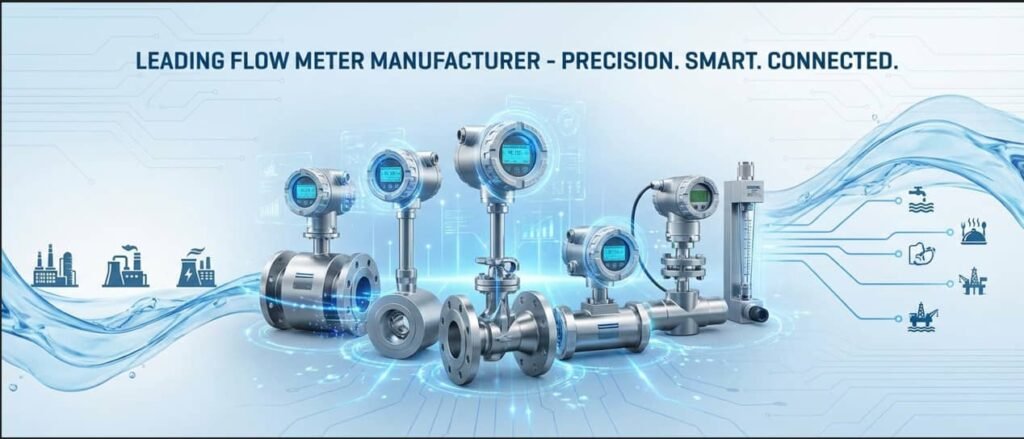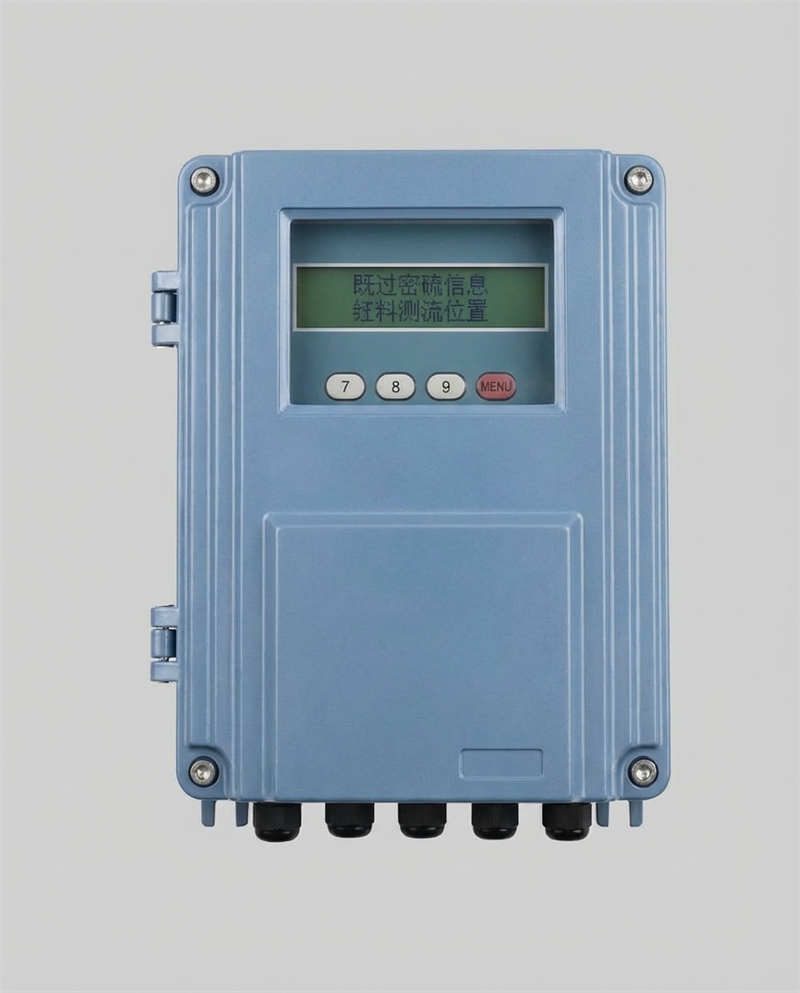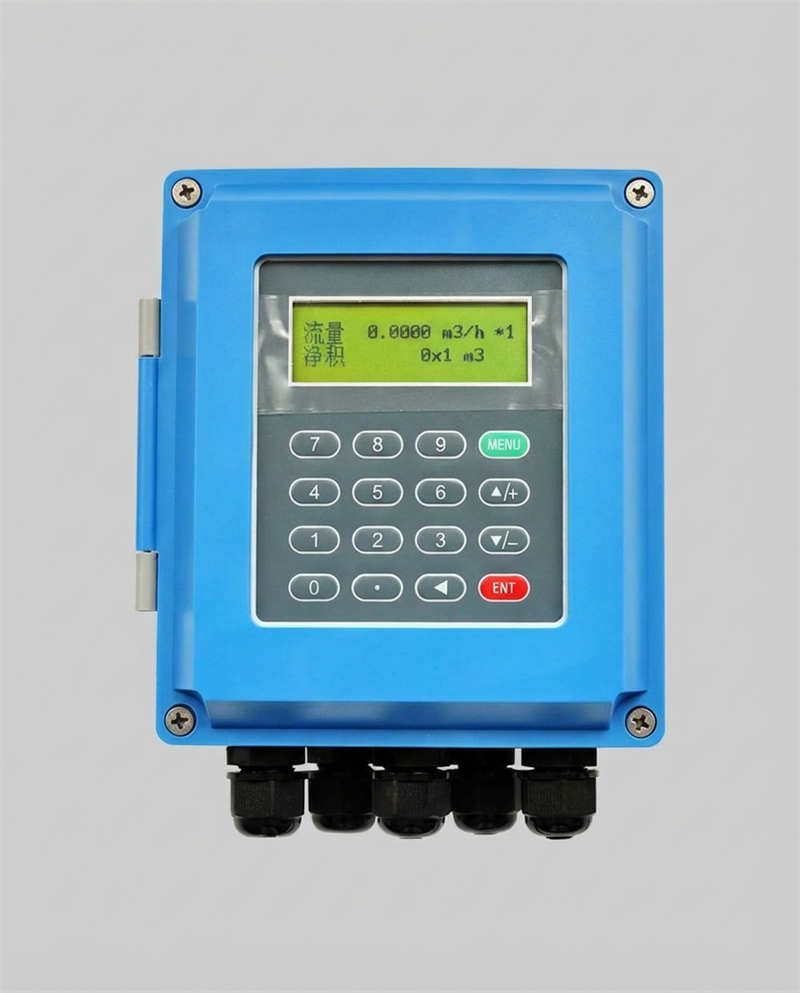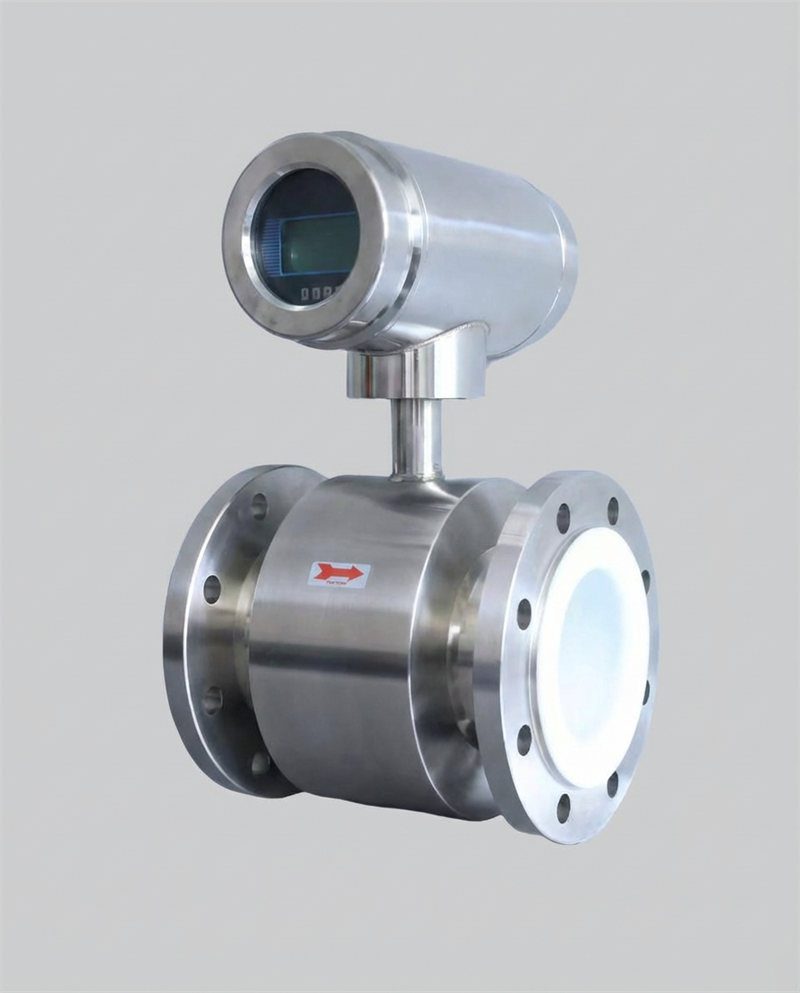

For industrial and municipal water management, ultrasonic flow meters give you a non-invasive alternative to mechanical meters. The meters remove pressure drop from the line. The meters also remove most maintenance downtime from your plan. Your team gains better control of operating cost and total cost of ownership.
This guide speaks to five groups of buyers. OEM equipment and skid-mount manufacturers build meters into their machines. Instrument distributors and importers stock meters for resale. EPC firms and system integrators deliver full projects. Industrial terminal and MRO companies keep plants running. Municipal and utility companies run public water networks.
Each group shares one problem. Water moves through old pipes, tight budgets, and strict targets. The right meter helps your team see the flow clearly and act early.
I. The Evolution of Industrial Water Measurement
Mechanical meters served water plants for many decades. A turbine meter spins a rotor inside the pipe. A piston meter pushes small chambers of water through the body. These moving parts touch the water all day, every day.
The water wears the parts down. Sand scratches the rotor. Scale coats the bearings. The meter reads lower and lower as the years pass. Your team pays for parts, labour, and shutdown time again and again.
Ultrasonic technology solves this wear and tear pain point. An ultrasonic flow meter uses sound waves instead of moving parts. The meter sends sound pulses through the water. The meter reads the speed of the pulses. The meter then works out the flow.
Nothing inside the meter spins, rubs, or corrodes. The reading stays stable for years. This stability matters in harsh industrial settings. Plants run hot loops, dirty water, and long hours. The meter must hold its accuracy through all of it.
The value for a professional buyer is simple. Precision cuts waste. Reliability cuts repair work. Lower operating cost, or OpEx, protects your margin year after year. You can review the current ultrasonic flow meter range after you read the selection logic in this guide.
II. Ultrasonic Measurement Decoded: The Engineering Logic
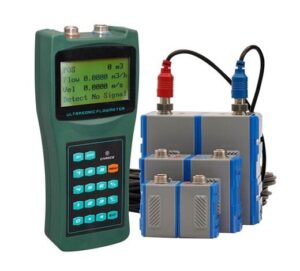
A transducer is a small device that sends and receives sound pulses. Most ultrasonic meters use two transducers. One transducer sits upstream. One transducer sits downstream.
The plain English idea is simple. Sound travels faster with the flow than against the flow. The meter times each pulse in both directions. The time gap tells the meter how fast the water moves. The meter then multiplies speed by pipe area to get flow rate. Our flow rate to velocity conversion guide shows this math step by step.
Engineers use two main methods. The right method depends on your fluid.
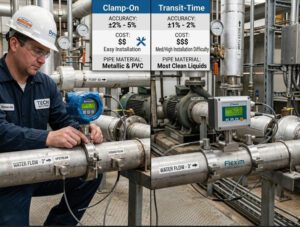
Transit-time is the time-gap method above. The method needs fairly clean water. Clean water lets the sound pulse cross the pipe without loss.
Doppler is the echo method. The meter sends sound into the water. Bubbles and solid particles bounce the sound back. The echo shifts in pitch, and the shift tells the meter the flow speed. The method needs particles or bubbles to work at all.
The video below explains both methods with clear drawings.
https://www.youtube.com/watch?v=XdzMDfwrSaA
| Point of comparison | Transit-time method | Doppler method |
|---|---|---|
| Best fluid | Clean water, treated water, chilled water | Wastewater, raw water, slurry, aerated water |
| What the meter needs | A clear sound path across the pipe | Bubbles or solids that reflect sound |
| Precisão típica | ±0.5% to ±1% of reading for inline models | ±2% to ±5% of reading |
| Main weakness | Heavy solids or many bubbles weaken the signal | Clean water gives the meter almost no echo |
| Common buyers | Utilities, HVAC plants, OEM skids | Wastewater plants, mining, MRO teams |
Non-intrusive design matters for one clear reason. Zero contact with the water means zero erosion of the sensor. Zero contact also means zero contamination of the water. Drinking water stays clean. Process water stays pure. The sensor stays whole.
III. Strategic Benefits for Water and Utility Applications
The meter removes pressure drop. Pressure drop is the loss of pressure as water pushes past an obstruction in the pipe. A turbine rotor blocks part of the pipe. The pump works harder to push water past the rotor. An ultrasonic meter leaves the pipe fully open. The pump keeps its normal load. Your energy bill stays lower every hour of every year.
The meter removes routine maintenance. The meter has no rotor to replace. The meter has no bearing to grease. The meter has no seal to leak. Your crew stops planning meter shutdowns into the production calendar. The crew spends its time on work that adds value.
The meter covers a wide flow range. Turndown ratio is the gap between the highest and lowest flow that one meter can measure well. A wide turndown ratio lets one meter read a night-time trickle and a midday peak. A mechanical meter often misses the trickle. The missed trickle becomes lost data and lost revenue.

One field pattern shows the point well. Plant teams often find that night flow data exposes leaks that day flow data hides. The meter reads the small night flow with care. The team sees a base flow that never drops to zero. That flat night line often marks a leak, and the team can hunt the leak the next morning.
IV. Solving the “Installation Headache”: Integration Flexibility
Buyers fear one part of a meter project most. The fear is the shutdown. A plant loses money each hour that a line stands still. A utility upsets customers each hour that water stops.
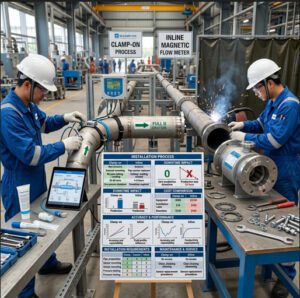
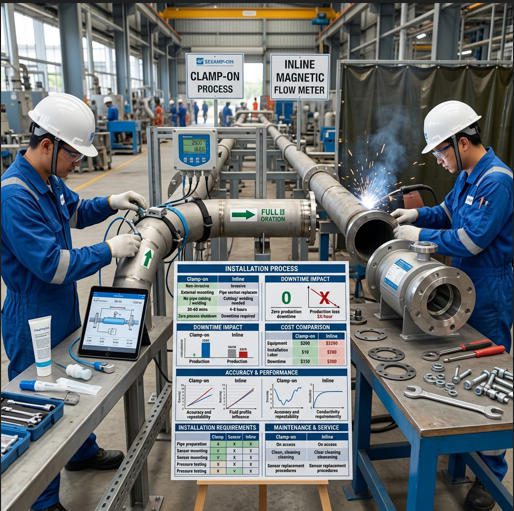
Clamp-on meters answer this fear. The crew straps the transducers on the outside of the pipe. The crew cuts nothing. The crew drains nothing. The line keeps running during the whole job.
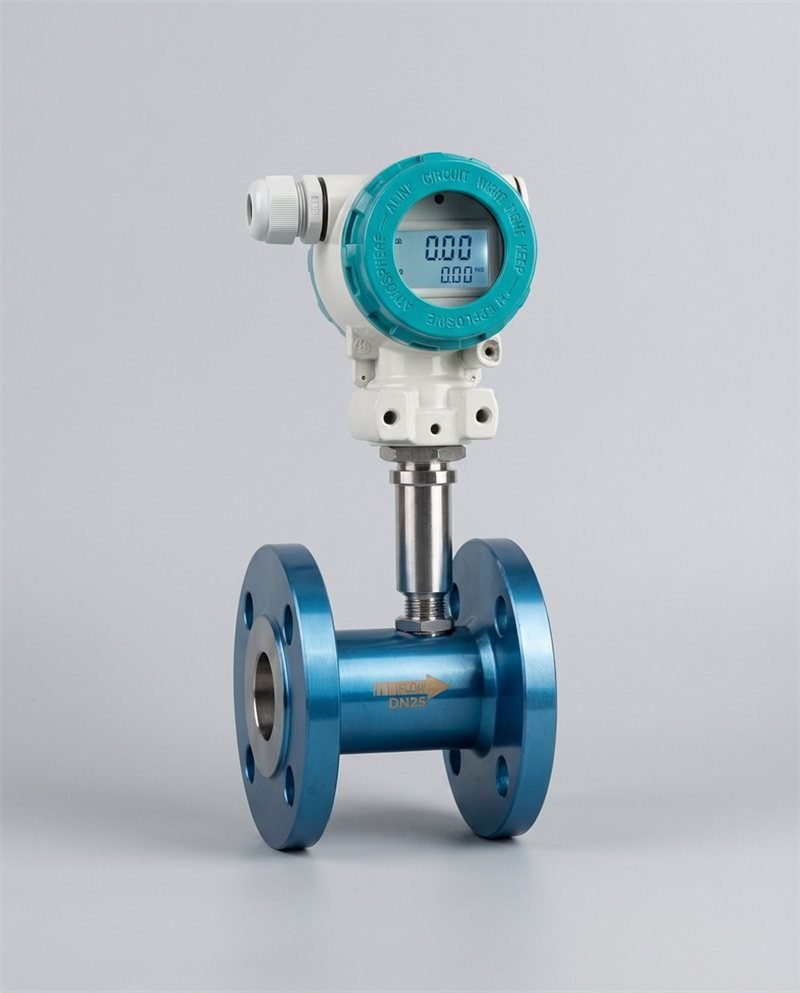
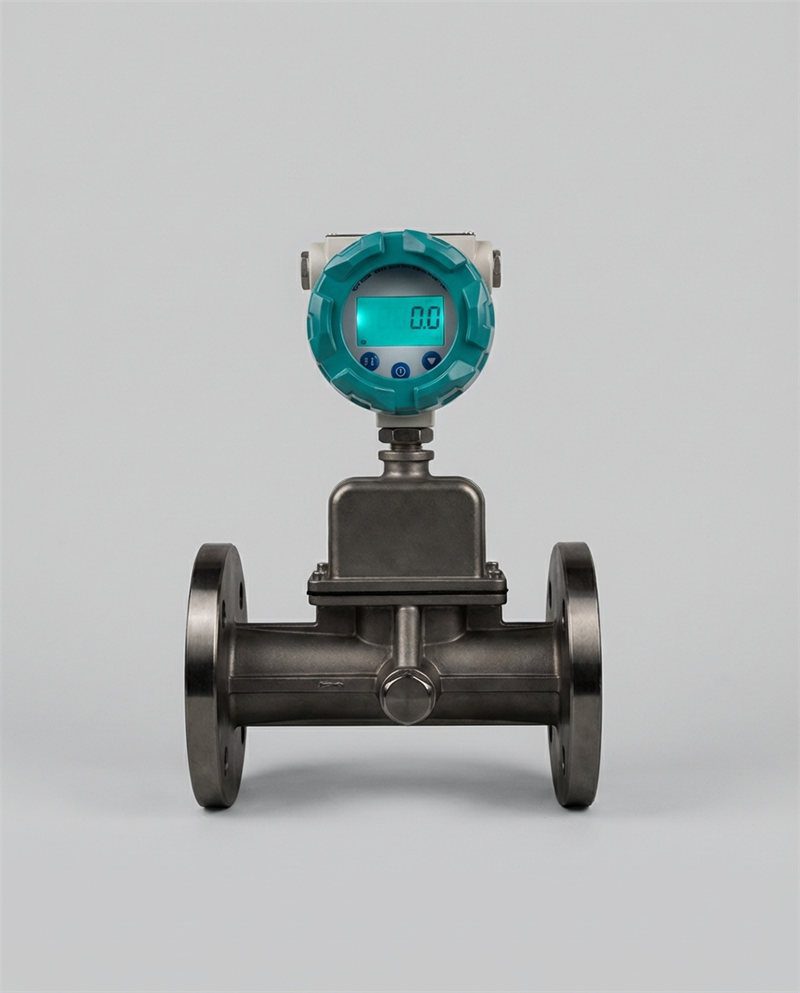
Inline meters take a different path. The crew cuts the pipe and bolts the meter body into the line. The job needs a planned shutdown. The result gives the buyer a fixed, factory-calibrated measuring section. Billing points and custody points often need this level of control.
| Point of comparison | Clamp-on meter | Inline meter |
|---|---|---|
| Shutdown needed | No shutdown in most cases | Planned shutdown needed |
| Pipe cutting | No cutting | Cutting and fitting needed |
| Best use | Audits, checks, retrofits, temporary metering | Permanent billing and process points |
| Accuracy level | Good, and site setup affects the result | Highest, and the factory sets the geometry |
| Moving the meter | The crew can move the meter to another pipe | The meter stays in one place |
| First cost | Lower install cost, mid meter cost | Higher install cost, higher meter cost |
Old pipes cause a second headache. Legacy networks mix steel, cast iron, PVC, and lined pipe on one site. Clamp-on transducers work on most of these materials. The crew only needs the pipe size, the wall thickness, and the lining type. The meter does the rest.
OEM builders gain a third benefit. A skid is a factory-built frame that holds pumps, valves, and instruments as one unit. A compact ultrasonic meter takes little space on the skid. The builder runs fewer fittings. The builder ships a cleaner unit, and the end user starts the unit faster.
V. Use Case: Municipal and Utility Infrastructure
Non-revenue water, or NRW, is water that a utility treats and pumps but never bills. Leaks cause part of this loss. Meter error causes another part. Theft and bad records cause the rest.
The U.S. Environmental Protection Agency reports a clear scale for this problem. Average water loss in public systems sits near 16 percent. The agency also notes that up to 75 percent of that loss is recoverable. The EPA guide on water audits and water loss control sets out the audit method in full. State programs follow the same logic. The Wisconsin water loss control program asks each utility to meter all sales and to verify meter accuracy on a set cycle.
Revenue-grade billing needs accuracy that lasts. A billing meter that reads 2 percent low loses 2 percent of revenue on every bill. The loss runs silently for years. A utility with 50,000 homes feels this loss in its budget fast. An ultrasonic meter holds its reading because no part wears down. Current ultrasonic water flow meter models target this billing and district metering work.
Main distribution monitoring needs live data. District metering splits a network into zones. One meter watches each zone inlet. Software compares night flow across zones. One zone with rising night flow points the crew to a likely leak area. The crew digs in the right street first.
Wastewater work needs a tougher method. Effluent carries solids, grease, and grit. A mechanical meter clogs in this stream. A Doppler ultrasonic meter uses the solids as reflectors. The solids help the meter read the flow. Corrosive fluids also suit ultrasonic design, because clamp-on sensors never touch the fluid at all.

VI. Use Case: Industrial Process and MRO
MRO stands for maintenance, repair, and operations. MRO teams keep a plant safe and productive. Flow data helps these teams in three daily jobs.
Cooling towers and chiller loops need balance. A chiller is a machine that cools water for air conditioning or process cooling. Heat exchange works well only when flow stays in the design range. Low flow cuts cooling power. High flow wastes pump energy. An ultrasonic meter on each loop shows the real flow at once. The team adjusts valves with facts, not guesses.
Chemical dosing needs exact ratios. A dosing system adds a small stream of chemical into a main stream. The ratio decides product quality. A drifting meter skews the ratio. The batch then fails its quality check. A stable ultrasonic reading holds the ratio steady across the full shift.
Plant-wide water audits need many measuring points. One audit team cannot cut pipes all over a live plant. A portable clamp-on meter solves this limit. The team clamps the meter on one line, logs the flow, and moves to the next line. The team maps the whole plant in days. The map shows waste streams that the plant can cut to meet sustainability targets.
Industry insight: audit teams often find the biggest waste in lines that nobody owns. Cooling water blowdown lines, wash-down lines, and overflow lines run without a meter for years. The first audit usually pays for itself on these lines alone.
VII. The OEM and System Integrator’s Perspective: Design Efficiency
A bill of materials, or BOM, lists every part in a build. Each extra fitting adds cost, labour, and leak risk. An ultrasonic meter trims the BOM. The design needs no strainer to protect a rotor. The design needs no flow straightener in many cases. The skid leaves the factory with fewer joints and fewer failure points.
Digital links decide the second half of the design. A PLC is a rugged computer that controls machines. SCADA is the software system that watches and controls a whole plant or network. A meter must speak the language of both systems.
| Signal or protocol | What the term means | Where the buyer uses it |
|---|---|---|
| 4-20mA | An analog current signal that carries one reading | Simple loops and older panels |
| Saída de pulso | One electrical pulse for each set volume of water | Total counts and batch control |
| Modbus | A digital language that carries many readings on one cable | PLC and SCADA links in most plants |
| HART | A digital signal that rides on the 4-20mA wires | Remote setup and device health checks |
O field guide to HART and fieldbus protocols explains how these digital languages differ. Jade Ant Instruments builds its meter outputs around these standard signals. The integrator wires the meter, sets the address, and sees live data in the control room the same day.
EPC stands for engineering, procurement, and construction. EPC teams work to hard deadlines. Commissioning is the final test phase before handover. A meter with clear menus and standard outputs shortens this phase. The team proves the loop fast and hands the project over on time.

VIII. Comparative Analysis: Ultrasonic vs. Electromagnetic and Mechanical
Total cost of ownership, or TCO, counts the full cost of a meter across its life. CapEx is the first purchase and install cost. OpEx is the yearly running cost. A cheap meter with high OpEx often costs more by year five.
The table below shows one worked example. The example uses a DN100 water line and index numbers. Your prices will differ. The shape of the cost curve is the point.
| Cost item over 5 years (index) | Turbine meter | Electromagnetic meter | Ultrasonic meter |
|---|---|---|---|
| Preço de compra | 100 | 150 | 118 |
| Install cost | 20 | 25 | 8 (clamp-on) to 22 (inline) |
| Parts and repair | 38 | 6 | 3 |
| Extra pumping energy | 27 | 0 | 0 |
| Shutdown and labour | 21 | 8 | 4 |
| Reading drift cost | 14 | 3 | 2 |
| 5-year total | 220 | 192 | 137 to 151 |
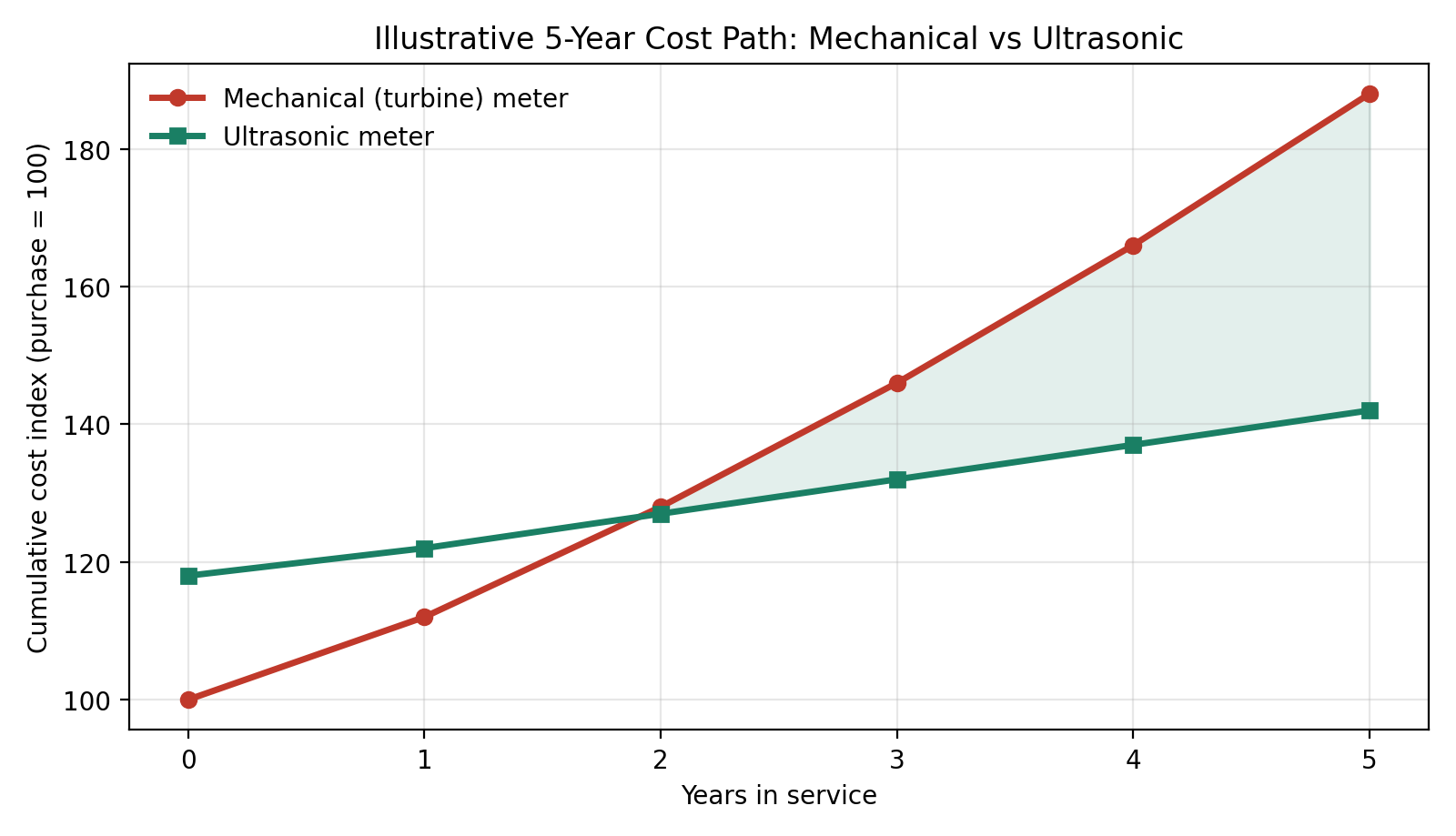

Accuracy tells the second half of the story. A new turbine meter reads well. Wear then pulls the reading down year by year. An electromagnetic meter holds accuracy well, but the fluid must conduct electricity. Pure water with very low conductivity can fail this test. An ultrasonic meter holds accuracy across clean water, and the meter does not care about conductivity at all. Buyers who need the electromagnetic option can compare the intelligent electromagnetic flow meter on the same duty before they decide.
| Your fluid and pipe case | Best first choice | Reason in one line |
|---|---|---|
| Clean water, no shutdown allowed | Clamp-on ultrasonic | The crew fits the meter on a live line |
| Clean water, billing point | Inline ultrasonic | The fixed section holds top accuracy |
| Conductive water or wastewater with solids in a fixed pipe | Eletromagnético | The method suits conductive fluids and has no moving parts |
| Wastewater with heavy solids, check metering | Doppler ultrasonic | Solids reflect the sound and drive the reading |
| Steam or gas | Vortex or turbine | Ultrasonic water meters target liquids |
| Very low flow at night, wide range | Inline ultrasonic | The wide turndown ratio catches the trickle |
IX. Buyer’s Guide: Avoiding Common Implementation Pitfalls
Straight run decides your accuracy. A straight run is a length of plain pipe before and after the meter. Bends, valves, and pumps twist the flow. Twisted flow gives the meter a false speed profile. Laminar flow is smooth, even flow that moves in clean layers. A good straight run lets the flow settle into this smooth state.
Use this field rule as your start point:
- The installer counts pipe diameters, or D, as the unit of length.
- The installer keeps 10D of straight pipe before the meter.
- The installer keeps 5D of straight pipe after the meter.
- The installer adds more length after a pump or a partly open valve.
- The installer checks the maker guide for the final number, because each model sets its own limit.
Pipe lining decides your sensor choice. Cement lining and epoxy lining change the sound path. The meter needs the true inner diameter and the lining thickness as setup data. Thick or loose lining can block clamp-on signals. Inline meters avoid this risk on lined billing pipes.
Power decides your site design. Remote utility sites often lack mains power. Battery models run for years on one pack and suit district metering. Mains-powered models suit plants with power at the panel. Solar charging fills the gap on open rural sites.
Verification keeps trust in the data. Most ultrasonic meters need no routine recalibration. The meter runs self-checks on signal strength and sound speed. A portable reference meter can verify the fixed meter in place. In situ means in place, without removal from the pipe. This check takes one visit and no shutdown in most cases.
X. Future-Proofing Water Infrastructure
Ultrasonic meters give water buyers three clear gains. Precision protects revenue and product quality. Durability removes wear parts and repair visits. Scalability lets one design serve a skid, a plant, and a city network.
Accurate measurement also drives sustainability. A team cannot cut waste that the team cannot see. Live flow data turns water saving from a slogan into a work list. Each leak fix and each balance fix shows up in the next month of data.
The shift is now in your hands. Reactive maintenance waits for failure. Proactive flow management watches the data and acts early. You can talk to the Jade Ant Instruments engineering team with your pipe size, fluid, and output needs. The team will match the meter type to your duty and your budget.
Glossary: Key Terms in Plain Words
| Termo | Plain meaning | Quick example |
|---|---|---|
| Transducer | The part that sends and receives sound pulses | The two grey boxes strapped on a clamp-on pipe |
| Transit-time | The method that times sound pulses with and against the flow | Clean water metering in a chiller loop |
| Doppler | The method that reads echoes from bubbles or solids | Wastewater flow checks at a treatment plant |
| Relação de redução | The range between the highest and lowest flow one meter reads well | One meter reads night trickle and noon peak |
| Pressure drop | Pressure lost as water pushes past a blockage | A turbine rotor forces the pump to work harder |
| Straight run | Plain pipe length that lets flow settle before the meter | 10 pipe diameters of clear pipe before the sensor |
| Non-revenue water (NRW) | Treated water that a utility pumps but never bills | Leak water plus meter error plus theft |
| TCO | The full cost of a meter across its whole life | Purchase plus energy plus repair plus downtime |
| SCADA | Software that watches and controls a full network | The utility control room screen with all zone flows |
| In situ | In place, without removal | A meter check that runs while the pipe stays live |
Perguntas frequentes
1. How does the accuracy of ultrasonic meters compare to traditional turbine meters over a 5-year period?
A turbine meter starts near ±0.5% to ±1% of reading. Wear on the rotor and bearings pulls the reading down over time. Many field teams see drift of several percent by year five. An inline ultrasonic meter starts near ±0.5% of reading. The reading stays near that level because no part touches the water or wears down.
2. Can clamp-on ultrasonic meters be used on lined pipes, such as cement or epoxy-lined pipes?
Yes, the meters work on many lined pipes. The installer enters the lining material and thickness into the setup. Sound crosses thin, well-bonded lining with ease. Thick or loose lining can weaken the signal. A site test with a portable unit settles the question before a full order.
3. What is the impact of air bubbles or suspended solids on transit-time measurement?
Bubbles and solids scatter the sound pulse. A small amount causes a small error. A large amount can break the signal path and stop the reading. Doppler models fit these fluids better. The buyer should match the method to the fluid before the buyer signs the order.
4. How do I determine the minimum required straight pipe length for an accurate installation?
The buyer counts length in pipe diameters. Most sites start with 10 diameters before the meter and 5 diameters after the meter. Pumps and partly open valves need more length. Each maker prints the exact rule in its manual. The installer should confirm the rule during the site survey.
5. What is the typical lifespan of the transducers, and are they replaceable without cutting the pipe?
Transducers often serve 10 years or more. The parts have no contact with the water in clamp-on design. Clamp-on transducers unstrap and swap in minutes, and the pipe stays whole. Inline sensor parts swap during a normal planned shutdown.
6. How does the device handle zero flow or extremely low-flow conditions?
The meter reads down to very low speeds. Many models read flow near 0.03 metres per second. The meter also applies a low-flow cut-off. The cut-off stops tiny noise signals from adding false volume at zero flow. Night leak checks rely on this low-end skill.
7. Which communication protocols are available for seamless integration into a centralized SCADA system?
Most models offer 4-20mA and pulse outputs as the base. Modbus over RS485 serves most SCADA links. HART adds device health data on the same wires. Some models add Ethernet options for new plants. The buyer should confirm the protocol list against the plant standard.
8. Do ultrasonic meters require periodic recalibration, and if so, can it be done in situ?
The meters need no fixed recalibration cycle in most duties. The electronics run self-diagnostics on each reading cycle. Regulated billing points may still need a proof check on a set cycle. A portable reference meter does this check in situ, with no pipe cutting.
9. How does the meter perform in environments with high electromagnetic interference (EMI)?
EMI is electrical noise from motors, drives, and welders. Good meter design uses shielded cables and filtered inputs. The sound-based measuring path ignores most electrical noise. Correct earthing at install keeps the signal clean. Site teams should route signal cables away from power cables.
10. Can these meters be used for bidirectional flow measurement in complex utility networks?
Yes, the meters read flow in both directions. Transit-time design sees the direction from the time gap sign. The meter reports forward volume, reverse volume, and net volume. Ring mains and storage fill-and-draw lines use this feature every day.