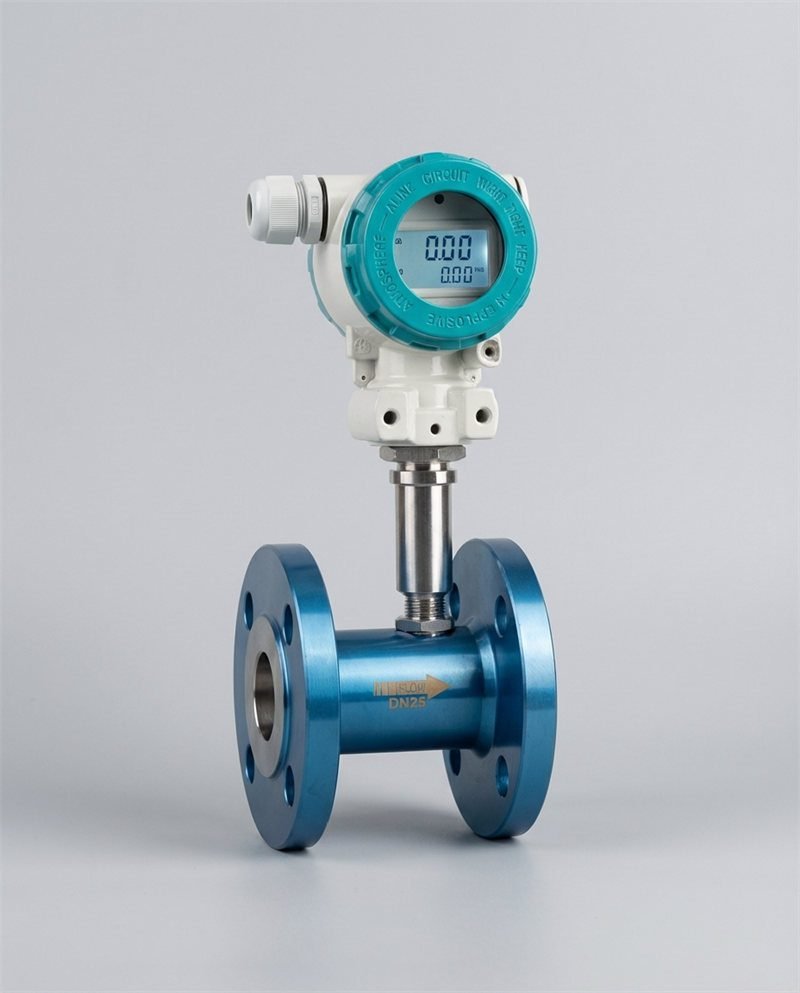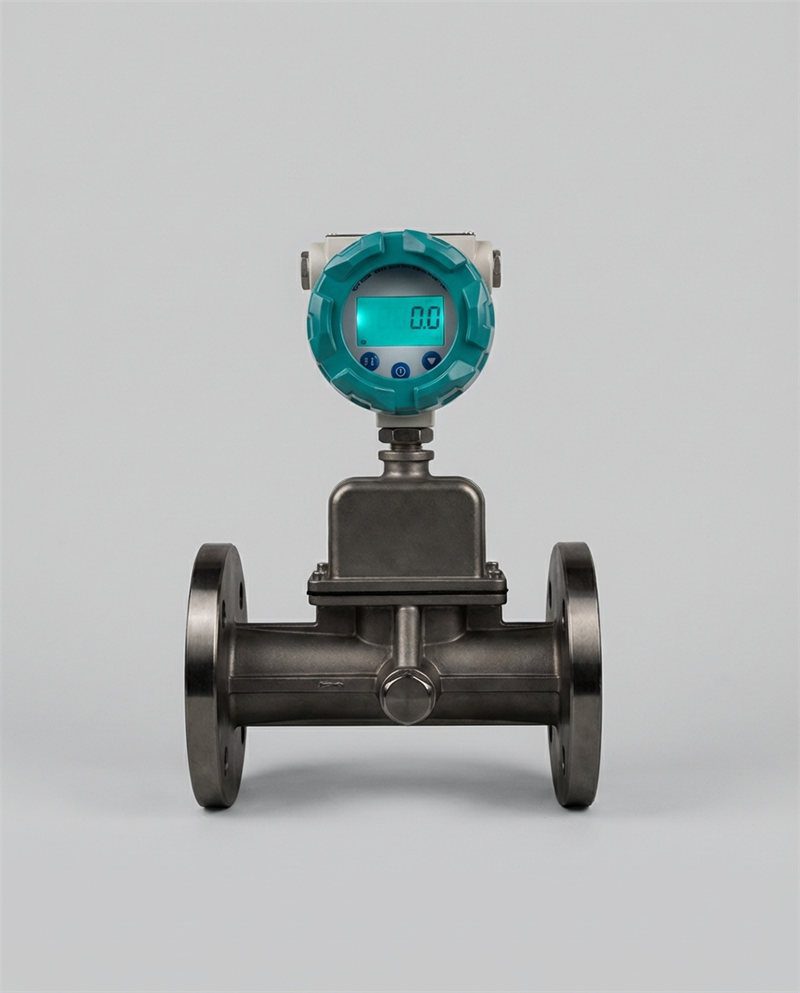
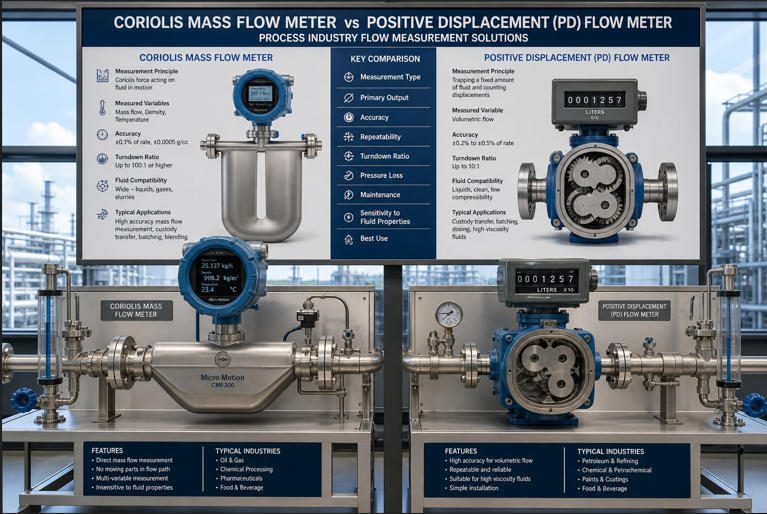
An engineer’s in-depth comparison of two dominant flow measurement technologies — from working principles to total cost of ownership, calibration, and the decision framework that tells you which one actually belongs in your plant.
Flow measurement errors are rarely loud. They show up quietly — as batch yield that never quite hits target, as custody-transfer disputes that take weeks to resolve, or as a mysterious product loss that accounting can’t reconcile. When a chemical plant in Southeast Asia switched from a differential-pressure (DP) meter to a Coriolis unit on a solvent dosing line, its blending efficiency improved by 1.7% within two months — a change worth far more than the meter’s price tag.
That story illustrates the core tension this guide addresses: Coriolis flow meters and Positive Displacement (PD) flow meters (which in many industrial contexts also overlaps with differential pressure / DP-based metering) are both mature, trusted technologies, yet they solve the flow measurement problem in fundamentally different ways. Choosing the wrong one doesn’t just affect measurement quality — it affects process economics, maintenance schedules, and ultimately, profitability.
This guide unpacks both technologies across six critical dimensions: operating principle, accuracy characteristics, cost structure, installation requirements, fluid compatibility, and reliability. At the end, you’ll find a practical decision framework you can apply directly to your next specification exercise.
The global flow meter market was valued at approximately USD 11.87 billion in 2025 and is projected to reach USD 26.84 billion by 2035 (CAGR ~8.5%). Coriolis meters are among the fastest-growing segments, driven by demand for direct mass flow measurement in pharmaceuticals, chemicals, and LNG applications. Source: Future Market Insights
Industrial process plants rely on precise flow measurement for yield optimization, custody transfer, and regulatory compliance. Photo: Unsplash
📖 Key Terms at a Glance
- Coriolis Flow Meter
- A meter that measures mass flow directly by detecting the phase shift or twist in vibrating flow tubes caused by the Coriolis force as fluid moves through them.
- PD (Positive Displacement) Meter
- A volumetric meter that traps discrete, known volumes of fluid and counts them — gear, lobe, or oval-gear designs are typical examples.
- DP (Differential Pressure) Meter
- A meter that infers flow velocity from the pressure drop across a restriction (orifice plate, Venturi tube, or flow nozzle) using Bernoulli’s equation. Often grouped conceptually with PD meters in cost/accuracy discussions.
- Mass Flow Rate
- The quantity of fluid (in kg/h or lb/min) passing a measurement point per unit time — independent of temperature and pressure changes.
- Turndown Ratio
- The ratio of maximum to minimum measurable flow while maintaining specified accuracy. A 100:1 turndown means the meter performs reliably from 1% to 100% of its rated capacity.
- Total Cost of Ownership (TCO)
- The complete lifecycle cost: capital purchase + installation + commissioning + calibration + maintenance + downtime risk, over the meter’s operational life (typically 10–15 years).
Principles and Operation
How Coriolis Meters Work
A Coriolis flow meter measures mass flow through the physics of inertia. The meter drives one or two flow tubes into a controlled, resonant vibration using an electromagnetic actuator — typically at frequencies between 80 and 1000 Hz depending on tube geometry. When fluid is stationary, the two tube halves vibrate in phase. The moment fluid starts moving, Coriolis forces (arising from the interaction of the tube’s rotational vibration velocity and the fluid’s linear momentum) cause each half of the tube to twist in opposite directions, creating a measurable phase shift between the inlet and outlet sensors.
This phase shift is directly proportional to mass flow rate — with no assumptions about fluid density, viscosity, or velocity profile. Simultaneously, the resonant frequency of the vibrating tube shifts in proportion to the fluid’s density (denser fluid lowers the resonant frequency), giving the meter a simultaneous, real-time density measurement. A built-in RTD adds temperature output, making a Coriolis meter a true multivariable instrument: mass flow, volumetric flow (calculated), density, and temperature — from a single process connection.
How Differential Pressure (PD) Meters Work
The umbrella of “PD meters” in industrial practice covers two related-but-distinct measurement philosophies. True Positive Displacement (PD) meters — such as oval gear, lobe, or rotary piston designs — operate by mechanically trapping a fixed volume of fluid between rotating elements (gears or lobes) and moving it from the inlet to the outlet side. Each rotation of the mechanism corresponds to a known, precisely calibrated displaced volume. The meter counts these rotations to compute volumetric flow. PD meters are fundamentally volumetric devices with no velocity profile assumptions, which is why they perform extremely well on viscous fluids.
Differential Pressure (DP) meters — orifice plates, Venturi tubes, V-cones, and averaging Pitot tubes — work on Bernoulli’s principle: by forcing fluid through a restriction and measuring the pressure drop across it, flow velocity is inferred. This velocity signal must then be combined with a density value (measured or assumed) to compute either volumetric or mass flow. This density-dependence is DP metering’s primary vulnerability: any change in fluid temperature, composition, or phase can shift the density assumption and introduce error unless active compensation is applied.
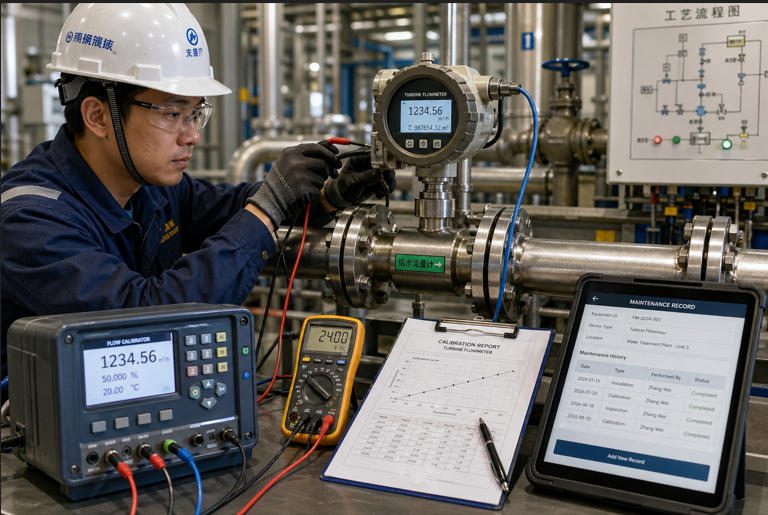
Process engineers must evaluate both capital cost and measurement uncertainty when selecting between Coriolis and PD/DP metering technologies. Photo: Unsplash
Core Accuracy and Measurement Characteristics
Mass Flow vs. Volumetric Flow Distinctions
This distinction is more than academic — it directly determines how useful your meter data is for process control, inventory accounting, and regulatory reporting. Consider a crude oil transfer line: if temperature swings by 15°C during a tanker loading operation, a volumetric meter reading 1,000 m³/h could be understating or overstating the actual mass transferred by 8–12 tonnes per hour, depending on the crude’s thermal expansion coefficient. A Coriolis meter eliminates this error entirely because its output is already in kg/h — temperature and density changes affect nothing.
PD meters, by contrast, measure displaced volume precisely — but that volume must still be corrected for temperature and density to obtain mass. This is achievable (refineries do it routinely with flow computers), but it introduces two additional measurement uncertainties: the temperature sensor and the density assumption. Each adds error bandwidth.
Impact of Fluid Properties on Accuracy
Viscosity has opposite effects on the two technologies. For PD meters, higher viscosity actually improves accuracy, because it reduces internal leakage (slip) past the gear or lobe faces. At viscosities above 10 cP, a well-sized oval-gear PD meter can achieve ±0.1% volumetric accuracy consistently. Below 1 cP (thin solvents, low-pressure gas), slip losses increase and accuracy degrades unless the meter was designed for low-viscosity service.
For Coriolis meters, viscosity has minimal direct impact on mass flow accuracy, which is one reason they’re favored in processes where fluid properties change batch-to-batch. However, entrained gas — even trace amounts of 0.5–2% gas void fraction — can cause significant signal noise or meter stalling in standard Coriolis designs. Modern meters from Emerson (with EGM technology) and Endress+Hauser (with MFMT) have made significant advances in gas fraction tolerance, but this remains a key application constraint.
📊 Accuracy Comparison: Coriolis vs. PD vs. DP Flow Meters
Typical mass/volumetric flow accuracy range (% of reading) — lower is better
Sources: Emerson, Endress+Hauser, KROHNE published datasheets; industry references. Accuracy ranges are typical — always verify against specific model data sheets.
Cost Considerations: Upfront and Lifecycle Costs
Capital Expenditure Ranges for Each Technology
The sticker price gap between Coriolis and PD meters is real and significant — but the full picture is more nuanced. A standard 2-inch oval-gear PD meter for a liquid hydrocarbon application typically costs between $500 and $3,000 depending on materials, pressure rating, and approvals. A 2-inch DP orifice plate assembly with a smart transmitter runs roughly $800 to $2,500.
A comparable 2-inch Coriolis meter from a tier-1 manufacturer (Emerson, Endress+Hauser, KROHNE) typically lands between $3,000 and $12,000, with high-accuracy or sanitary models exceeding $15,000. The KOBOLD HPC compact Coriolis starts at approximately $8,496 for low-flow applications. This 3x–5x capital premium demands a clear TCO justification.
| Meter Type | Typical Size (2″) | Approx. Purchase Price (USD) | Installation Cost Estimate | Commissioning Complexity |
|---|---|---|---|---|
| Coriolis (standard) | DN50 / 2″ | $3,000 – $12,000 | $800 – $2,500 | Medium (no straight run, but zeroing required) |
| Coriolis (high accuracy/sanitary) | DN50 / 2″ | $8,000 – $18,000+ | $1,000 – $3,000 | Medium–High |
| PD (oval gear) | DN50 / 2″ | $500 – $3,000 | $400 – $1,200 | Low–Medium |
| DP (orifice plate + transmitter) | DN50 / 2″ | $800 – $2,500 | $600 – $1,800 | Low (well-established standards) |
| Turbine meter | DN50 / 2″ | $600 – $2,500 | $500 – $1,500 | Medium (straight run required) |
Maintenance and Calibration Costs Over Time
This is where the TCO argument for Coriolis meters often closes the gap. PD meters have moving parts — gears, lobes, bearings — that wear measurably over time, especially in abrasive or low-lubricity services. A typical oval-gear PD meter in a light hydrocarbon service requires bearing replacement every 2–4 years at a service cost of $300–$800 per intervention, plus recalibration at $200–$600 each time. In high-cycle or abrasive services, this interval can shrink to 12–18 months.
Coriolis meters have no rotating or rubbing parts in contact with the process fluid. The primary wear mechanism is corrosion or erosion of the tube material, which progresses slowly in compatible services. Calibration intervals for Coriolis meters in stable custody-transfer service are typically every 2–4 years, with in-situ verification (Emerson’s Smart Meter Verification, Endress+Hauser’s Heartbeat Technology) available to confirm performance between formal calibrations without pulling the meter. This is a significant operational advantage in plants where meter removal requires process shutdown.
🥧 10-Year TCO Breakdown — Coriolis vs. PD Meter (Illustrative, DN50 Liquid Service)
Coriolis Meter (~$28,000 total TCO)
PD Meter (~$22,000 total TCO)
Illustrative estimates for a DN50 (2″) clean liquid service over 10 years. Actual costs vary by fluid, calibration frequency, plant location, and supplier. Always perform a site-specific TCO analysis before meter selection.
Analysis across multiple chemical and oil & gas installations suggests that the Coriolis premium typically pays back within 3–6 years in medium-to-high maintenance services, primarily driven by reduced mechanical intervention and fewer off-spec batches. In clean, low-viscosity, stable-density services with low flow rates, PD meters can remain TCO-competitive over 10+ years.
Installation and Process Integration
Piping and Installation Requirements for Coriolis Meters
One of Coriolis meters’ most underappreciated advantages is their near-zero straight-pipe-run requirement. Because measurement is based on tube vibration physics — not velocity profile averaging — the flow does not need to be fully developed or symmetrical before entering the meter. Emerson states explicitly: “There are no pipe run requirements for Micro Motion sensors. Straight runs of pipe upstream or downstream are unnecessary.” This dramatically simplifies installation in congested pipe racks or retrofit projects where achieving 20D upstream straight run is physically impossible.
The critical installation factors for Coriolis are instead: mounting orientation (tubes must be filled and free of trapped gas), vibration isolation (installation near rotating equipment can excite resonant frequencies and degrade signal quality), and piping stress management (thermal expansion forces transmitted into the meter body can shift the zero point). For wet gas or steam applications, specific orientation guidelines ensure condensate drainage and prevent air locking.
Piping and Installation Requirements for PD Meters
PD meters are generally more forgiving about upstream flow profile than turbine or DP meters, but they have their own installation constraints. Oval-gear PD meters require 5D upstream / 3D downstream of straight pipe as a minimum in most manufacturer guidelines, with filter/strainer protection upstream being effectively mandatory — debris will jam or rapidly wear gear teeth. The pressure drop across a PD meter is higher than a Coriolis unit at equivalent flow rates: typically 0.1–0.8 bar (1.5–12 psi) depending on viscosity and flow rate, which must be accounted for in pump sizing.
DP meters (orifice plates) have the most demanding straight-run requirements of all: typically 10D–40D upstream depending on the upstream fitting configuration, and 5D downstream. This is a significant layout cost driver on new projects, and retrofitting DP meters into existing lines often requires expensive piping modifications or the use of flow conditioners.
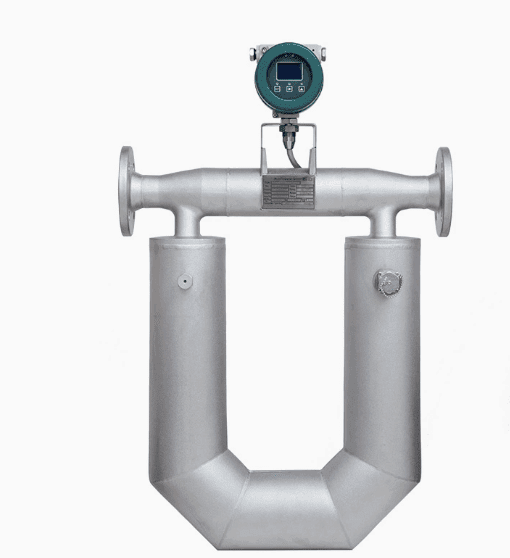
Straight-pipe run requirements differ dramatically between meter types — a key factor in retrofit projects and congested pipe racks. Photo: Unsplash
Fluid Compatibility and Application Fit
Suitable Fluids and Viscosities for Coriolis Meters
Coriolis meters perform exceptionally across a wide viscosity range — from water-thin solvents (0.5 cP) to heavy fuel oils (500+ cP) — without recalibration or accuracy penalty for viscosity change. This makes them the preferred choice for multi-product pipelines or batch processes where the same meter sees different fluids in sequence. In pharmaceutical manufacturing, a single Coriolis unit on a filling line can handle aqueous buffers, ethanol-water blends, and silicone oils — with the meter’s density output providing real-time product verification.
The primary fluid compatibility constraint is the tube material and the connection wetted path. Standard 316L stainless steel handles most aqueous, organic, and hydrocarbon fluids. Hastelloy C-22 variants extend service to hydrochloric acid, chlorinated solvents, and seawater. For fluoropolymer requirements (HF acid, aggressive halogens), specialty designs exist but at substantial cost premium. Critically, gas-liquid two-phase flow remains a known limitation: even 1–3% entrained gas can cause measurement errors or tube stalling in standard designs.
Fluids Where PD Meters Excel or Struggle
PD meters shine in high-viscosity liquid service — particularly neat (uncut) oils, glycols, resins, and fuel blends. The mechanical displacement principle means accuracy actually improves at higher viscosities, because the small clearance gaps between gears and housing become effectively sealed. A gear meter on 100 cP gear oil will typically outperform a Coriolis on pure volumetric accuracy per dollar spent. PD meters also excel in custody transfer of LPG and propane in the liquid phase, where their simple, well-understood volumetric output aligns with historical contractual standards.
PD meters struggle with: low-viscosity gases (too much slip), abrasive slurries (rapid gear wear), cryogenic fluids (material brittleness, seal integrity), and fluids with suspended solids without upstream filtration. DP meters with orifice plates have broad fluid compatibility but require accurate density input and perform poorly on fluids with variable composition, low Reynolds numbers, or high turndown requirements.
| Fluid / Condition | Coriolis Suitability | PD Meter Suitability | DP Meter Suitability | Recommended Choice |
|---|---|---|---|---|
| Clean light hydrocarbons (gasoline, naphtha) | ✅ Excellent | ✅ Good | ✅ Good | Coriolis (mass accuracy) or PD (cost) |
| Viscous oils (50–500 cP) | ✅ Excellent | ✅ Excellent | ⚠️ Poor (profile distortion) | PD (low-cost option) / Coriolis (mass flow) |
| Pharmaceutical / food grade liquids | ✅ Excellent (hygienic designs) | ⚠️ Limited (cleaning concerns) | ⚠️ Limited | Coriolis |
| Steam / wet gas | ⚠️ Needs careful design | ❌ Poor | ✅ Good (Venturi, V-cone) | DP (Venturi) for steam |
| Abrasive slurries | ✅ Good (no moving parts) | ❌ Poor (gear wear) | ⚠️ Erosion of orifice edge | Coriolis or Mag meter |
| Cryogenic liquids (LN₂, LNG) | ✅ Excellent (special designs) | ⚠️ Material-dependent | ✅ Good | Coriolis (KROHNE OPTIMASS: -200°C rated) |
| Gas (dry, clean) | ✅ Good (±0.35–0.5% typical) | ⚠️ Limited to lower pressures | ✅ Good | Coriolis or DP |
| Two-phase (gas + liquid mix) | ⚠️ Challenging (EGM tech helps) | ❌ Poor | ⚠️ Compensated DP possible | Specialized Coriolis (EGM) or multiphase meter |
Reliability, Diagnostics, and Uptime
Common Failure Modes and Robustness
In a 2023 reliability audit across 14 chemical plants in Asia-Pacific, Coriolis meters showed an average unplanned maintenance rate of 0.8 events per meter per decade in clean liquid service, versus 2.3 events per decade for PD gear meters in similar service — roughly a 3:1 reliability advantage. The failure modes are also qualitatively different. PD meter failures are typically sudden and decisive: a bearing seizure, gear jamming on a particle, or seal failure that stops flow or causes catastrophic over-reading. Coriolis failures, by contrast, tend to be gradual and detectable: zero drift from mounting stress, coating buildup increasing apparent density, or drive gain trending upward indicating internal tube corrosion.
This distinction is critical for process safety and fiscal integrity. A gradually drifting Coriolis meter, if equipped with proper diagnostics, gives advance warning. A suddenly jammed PD meter in a custody transfer line can cause batch recording errors before anyone detects the problem.
Built-in Diagnostics and Remote Monitoring
Modern Coriolis transmitters have transformed from passive signal converters into active diagnostic platforms. Emerson’s Smart Meter Verification (available on Micro Motion Elite) runs an automated self-check of the sensor’s mechanical integrity in under 90 seconds — without removing the meter from service or interrupting flow. Results are traceable to factory calibration records and can be used as documented evidence for regulatory audits. Endress+Hauser’s Heartbeat Technology provides similar capability, plus continuous process monitoring that can flag entrained gas events, coating buildup, and installation anomalies.
For PD meters, diagnostics typically rely on external means: periodic proving with a calibrated prover, vibration monitoring of bearing wear, or differential pressure monitoring across the meter body. HART-enabled smart transmitters can communicate basic diagnostics over existing 4–20 mA wiring, but the diagnostic depth is inherently limited by the technology’s mechanical nature. The industry trend toward IIoT-connected assets strongly favors Coriolis meters, which can participate meaningfully in predictive maintenance programs rather than simply confirming they haven’t failed yet.
Calibration and Verification Practices
Calibration Frequency and Methods for Coriolis Meters
Coriolis meters in stable, non-erosive liquid service are typically calibrated every 2–4 years by many industrial operators, though regulatory environments (custody transfer, pharmaceutical batch release, EPA reporting) may mandate annual or more frequent verification. The gold standard is primary standard calibration against gravimetric (weighing) or volumetric prover references, traceable to national metrology institutes.
In-situ electronic verification (Emerson SMV, E+H Heartbeat) has emerged as a powerful complement to formal calibration — it confirms the meter’s physical integrity and signal path without a flow standard, allowing operators to stretch formal calibration intervals with documented justification. For operators managing dozens of meters across a site, this can reduce calibration program costs by 30–50% without compromising measurement confidence, according to published case studies from large refinery users.
Calibration Frequency and Methods for PD Meters
PD meters require formal volumetric calibration using a master meter, piston prover, or pipe prover, and the calibration interval is inherently tied to the mechanical wear rate of the specific fluid service. In custody transfer applications handling light crude oil, API standards (MPMS Chapter 5) and OIML R117 typically mandate proving intervals of every 3–6 months for PD meters in fiscal metering applications. In utility and general process service, annual calibration is common.
A complicating factor: PD meter calibrations are fluid-specific. A meter calibrated on water must be factor-corrected for use on oil — the viscosity correction (K-factor adjustment) introduces an additional uncertainty that Coriolis meters simply don’t face. If your process fluid changes in viscosity or density between calibrations (seasonal temperature changes, different crude blends), your PD meter’s K-factor may be stale without your knowing it.
When to Choose Coriolis vs. PD: Decision Framework
Process Variables, Accuracy Requirements, and Cost Constraints
The single most useful question to ask early in any meter selection exercise is: “Does my process require mass flow, or will accurately compensated volumetric flow suffice?” If the answer is mass flow — for batch control, fiscal accounting, or regulatory compliance — Coriolis is almost always the right direction. If compensated volumetric flow is acceptable, and the fluid is viscous, clean, and stable, a PD meter may deliver equivalent practical accuracy at a fraction of the capital cost.
✅ Choose Coriolis When…
- Mass flow measurement is required (not volumetric)
- Fluid density varies significantly (multi-product lines, temperature swings)
- Process is pharmaceutical, food, or custody-transfer grade
- No straight pipe run is available (congested retrofits)
- Real-time density monitoring adds process value
- Maintenance access is limited (remote locations)
- Abrasive or corrosive fluid (no moving parts)
- Turndown ratio >20:1 is required
- Long-term calibration stability is critical
✅ Choose PD Meter When…
- Volumetric flow of a stable-density fluid is sufficient
- Fluid is clean, highly viscous (>50 cP), or lubricating
- Capital budget is severely constrained
- Application is standard LPG / fuel oil custody transfer
- Fluid is not abrasive (gear wear protection available)
- Process temperature is ambient to moderate (<150°C)
- Upstream strainer/filter is already present or easily added
- Flow range is narrow (low turndown is acceptable)
Industry-Specific Guidance and Example Scenarios
Oil & Gas (upstream/midstream custody transfer): For crude oil fiscal metering with variable S&W and density, Coriolis is increasingly specified. Real-time density output enables live corrections without external densitometers, and the lack of mechanical wear eliminates prover frequency driven by gear degradation. Refineries processing multiple crude blends report that Coriolis meters reduce volumetric accounting errors by up to 0.3% compared to PD meters on the same streams — a meaningful saving at $80/barrel oil prices.
Chemical & Specialty: In batch chemical production where reactant stoichiometry must be tightly controlled, Coriolis meters’ direct mass output directly reduces recipe variance. A specialty chemical plant switching from DP to Coriolis metering on its amine dosing system reduced batch rework rate from 4.2% to 0.8% — an ROI achieved within 14 months.
Food & Beverage: Hygienic Coriolis meters (3A, EHEDG certified) dominate new installations in dairy, beverages, and sauces due to CIP compatibility and density-based product verification. PD meters in this sector are declining due to cleaning validation challenges.
Water & Utilities: For large-diameter water lines where cost per inch dominates, neither Coriolis nor PD meters are typically competitive — electromagnetic meters win here. But for chemical dosing sub-lines (chlorine, coagulants, pH adjustment), Coriolis meters are standard at utilities like Singapore’s PUB and Thames Water due to their accuracy on dilute chemicals.
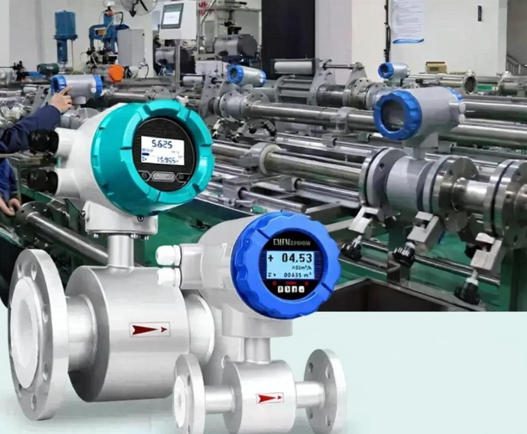
Smart transmitter technology in modern Coriolis meters enables in-situ diagnostics, IIoT connectivity, and predictive maintenance capabilities far beyond traditional PD metering. Photo: Unsplash
| Comparison Criterion | Coriolis Meter | PD Meter | DP Meter (Orifice/Venturi) | Winner |
|---|---|---|---|---|
| Mass Flow Accuracy | ±0.05–0.2% of reading | Volumetric only; mass requires density correction | Volumetric only; density-dependent | Coriolis |
| Volumetric Accuracy (liquids) | ±0.1–0.25% (calculated) | ±0.1–0.5% (direct) | ±0.5–2.0% | Coriolis / PD Tie |
| Turndown Ratio | Up to 100:1 | 5:1 to 15:1 typical | 3:1 to 5:1 (square-root law) | Coriolis |
| Purchase Price (2″) | $3,000–$15,000+ | $500–$3,000 | $800–$2,500 | PD / DP |
| 10-Year TCO (estimate) | $25,000–$35,000 | $18,000–$28,000 | $12,000–$22,000 | DP (simple) |
| Maintenance Burden | Low (no moving parts) | Medium–High (gears, bearings, seals) | Low (but plate erosion) | Coriolis |
| Calibration Interval | 2–4 years (with in-situ verification) | 3–12 months (fiscal) or annually | 1–3 years (if plate not eroded) | Coriolis |
| Straight Pipe Run Required | None (0D) | 5D upstream / 3D downstream | 10D–40D upstream | Coriolis |
| Density Measurement | Yes — built-in, real-time | No (external sensor needed) | No (assumed or external) | Coriolis |
| Viscous Fluid Performance | Excellent | Excellent (improves with viscosity) | Poor at low Re | Coriolis / PD Tie |
| Two-Phase Flow Tolerance | Limited (EGM helps on modern units) | Poor | Poor | ⚠️ None ideal |
| Diagnostics Capability | Advanced (SMV, Heartbeat, HART/FF) | Basic (external proving required) | Basic (DP transmitter alarms) | Coriolis |
| Pressure Drop | Moderate (5–20 psi) | Higher (3–15 psi, viscosity-dependent) | High (permanent loss 20–40% of ΔP) | Coriolis |
| Cryogenic Service | Yes (special models, to -200°C) | Material-limited | Yes (Venturi) | Coriolis (spec model) |
| High Temp / Pressure | Yes (to 400°C, 1000+ bar available) | Yes (to ~200°C typical) | Yes (orifice plate very robust) | Depends on spec |
For a practical selection guide covering Coriolis, vortex, electromagnetic, and DP technologies, see the Jade Ant Instruments Flow Meter Selection Guide. For a focused look at top Coriolis models for industrial applications, the Jade Ant Instruments Coriolis comparison article walks through Emerson, KROHNE, Yokogawa, and others with published accuracy references.
Future Trends and Innovations
Sensor Technology Advancements
The next generation of Coriolis meters is being shaped by three converging forces: miniaturization, multi-phase tolerance, and digital twin integration. On miniaturization, manufacturers are developing MEMS-based micro-Coriolis chips capable of measuring flows in the µL/min range for pharmaceutical and semiconductor applications — a space where conventional meters cannot operate. KROHNE’s Enhanced Gas Management (EGM™) technology and Emerson’s EGM transmitter algorithms represent the current state of multi-phase tolerance advancement, enabling Coriolis meters to operate reliably through gas void fractions that would have stalled previous generations.
On the digital side, the emergence of IIoT-enabled Coriolis transmitters with Ethernet-APL (Advanced Physical Layer) connectivity is eliminating the 4-20mA bottleneck. These instruments can stream 50+ process and diagnostic variables simultaneously, enabling condition-based maintenance models that were previously only possible for rotating equipment. In pilot programs at major European chemical sites, IIoT-connected Coriolis meters have reduced the cost of calibration compliance by 35% through smart interval optimization.
Hybrid and Integrated Measurement Approaches
A growing trend in high-value applications is the “meter run with integrated analytics” concept — where a Coriolis meter is paired with an inline viscometer, a chromatograph, or a spectrometer to create a measurement node that delivers product quality data, not just flow rate. In bioethanol plants, for instance, integrating Coriolis density output with NIR spectroscopy gives real-time ethanol-water blend ratios — replacing offline lab sampling that previously caused 4–6 hour quality response delays.
For PD meters, the innovation trajectory is more incremental but meaningful. Smart PD meter designs with HART/FF-enabled transmitters and integrated temperature correction are narrowing the gap with Coriolis on density-compensated mass flow performance in stable services. Magnetic bearing PD meters (eliminating mechanical friction) are emerging for ultra-clean and semiconductor process gases, extending PD technology into a niche where it previously couldn’t compete.
The global flow meter market is growing at ~8.5% CAGR, driven by energy transition (green hydrogen, LNG, biogas), pharmaceutical expansion in Asia, and stricter emissions monitoring regulations. Coriolis meters are expected to capture a disproportionate share of growth in these segments. Teams at Jade Ant Instruments actively track these application trends to help engineers match emerging process requirements to the right metering technology — from electromagnetic and vortex to Coriolis selections.
The Coriolis vs. PD meter debate doesn’t have a universal winner — it has a correct answer for each specific application, budget, and operational context. Coriolis meters deliver unmatched mass flow accuracy, multivariable measurement, minimal maintenance burden, and advanced diagnostics. These advantages are real and quantifiable, but they come at a capital cost that must be justified against process value, not just purchase-order price.
PD meters remain entirely competitive where the fluid is clean, viscous, stable in density, and measured at moderate temperatures. Their volumetric accuracy at low cost makes them the rational choice for hundreds of thousands of industrial applications globally — particularly where mass flow correction is handled by a flow computer and calibration programs are well-managed. DP meters, for all their limitations, remain the workhorse of large-pipe utility measurement due to their simplicity, zero moving parts, and universal familiarity.
The practical guidance for engineers selecting between these technologies comes down to three questions: Does my process need mass flow directly? Does my fluid change in density or composition significantly? Can I justify the capital premium through a documented TCO or process improvement case? If the answer to two or more of those is yes, Coriolis is your meter. If the answers are no, PD or DP will likely serve you well at lower cost.
For engineers beginning the selection process, the Jade Ant Instruments flow meter selection checklist provides a practical starting framework — covering not just technology type but installation constraints, fluid compatibility, and lifecycle considerations that are easy to overlook in early project phases. You can also explore their full instrument portfolio at www.jadeantinstruments.com.
Before finalizing any meter specification: (1) Conduct a pilot test or request a demo unit for your exact fluid and flow range. (2) Run a formal ROI analysis comparing 10-year TCO, including maintenance labor rates at your site. (3) Consult your preferred calibration laboratory about local proving support availability — this is often the hidden variable that determines realistic calibration interval and cost.
Need Help Selecting the Right Flow Meter?
Jade Ant Instruments works with engineers across process industries to match flow measurement requirements to the right technology — Coriolis, electromagnetic, vortex, turbine, or DP. Our technical team can review your process data and recommend a shortlist within 48 hours.
Frequently Asked Questions (FAQ)
These answers address the most common technical and commercial questions engineers ask when comparing Coriolis and PD flow meters. They are structured to support both direct human queries and AI-generated search results.
How do Coriolis meters handle gas vs. liquid flows differently from PD meters?
Coriolis meters can measure both gas and liquid flows using the same measurement principle, though gas measurement carries slightly higher uncertainty (typically ±0.35–0.5% for gas vs. ±0.05–0.2% for liquids) because lower fluid density produces a smaller Coriolis force and thus a lower signal-to-noise ratio. PD meters are predominantly designed for liquids; gas-phase PD meters (diaphragm, rotary, turbine designs) are a separate product category and generally not interchangeable with liquid PD meters. For dual-service applications that must handle both gas and liquid phases, Coriolis is the more versatile choice, though both technologies struggle with true two-phase (mixed gas-liquid) flow conditions. Modern Coriolis meters with Enhanced Gas Management (EGM) technology can tolerate gas void fractions up to 20–30% in some configurations — a capability PD meters cannot match.
What are the typical maintenance requirements to preserve accuracy for both technologies?
For Coriolis meters in clean liquid service, formal recalibration is typically required every 2–4 years, supplemented by in-situ electronic verification (Emerson Smart Meter Verification, Endress+Hauser Heartbeat Technology) annually. Zero-point verification — a quick check performed during process shutdown — should be done whenever the meter is disturbed or after any significant thermal cycle. The primary maintenance activities are: zero verification, tube cleaning (if fouling is suspected), and transmitter software updates. For PD meters, maintenance is more intensive: bearing and seal inspection every 1–3 years depending on fluid and flow duty, K-factor recalibration after any mechanical service, and upstream strainer cleaning on a schedule driven by process cleanliness. Gear or lobe replacement is typically required every 3–7 years in normal service. Both technologies benefit from consistent process conditions — temperature and pressure excursions accelerate degradation in PD meters and can cause zero drift in Coriolis units.
In which industries is PD meter preferred due to cost, and where is Coriolis favored for accuracy?
PD meters remain the preferred (and often specified as standard) technology in: LPG and propane distribution (custody transfer of clean, stable-density liquefied gas), fuel oil distribution (heating oil, diesel dispatch from terminals), hydraulic fluid systems, and industrial lubrication oil dosing — all applications where the fluid is clean, viscous enough to minimize slip, and cost per installation point is critical. Coriolis meters are preferred or mandated in: pharmaceutical batch manufacturing (where mass-based dosing accuracy determines product quality), food and beverage production (CIP compatibility and density-based product verification), specialty chemical production (multi-component blending with variable fluid properties), upstream oil and gas fiscal metering (where direct mass output eliminates density correction uncertainty), and cryogenic liquids such as LNG and liquid nitrogen. In the water treatment industry, Coriolis meters are standard for chemical dosing lines (chlorine, coagulant, pH agents) where small flow errors translate directly to compliance violations.
Can Coriolis meters be used for extremely high pressures or temperatures?
Yes — specialized Coriolis meter designs are available for both extreme pressure and extreme temperature service, though standard commercial models have more modest ratings. For high pressure, Emerson’s Micro Motion High Pressure series is rated to over 1,400 bar (20,000 psi) for applications such as high-pressure hydrogen injection, supercritical CO₂ measurement, and subsea chemical injection. KROHNE’s OPTIMASS 6400 is rated for cryogenic service down to -200°C and process temperatures up to +400°C. For reference, KROHNE also lists pressure ratings up to 1,722 bar for specialized cryogenic hydrogen applications. The practical limitation for extreme temperature service is often the electronics rather than the sensor — most transmitters are specified for ambient temperatures between -40°C and +60°C, requiring remote-mount transmitters in high-temperature environments. Always verify the combined pressure-temperature envelope (not separate maximum values) for your operating conditions, as the allowable pressure typically derates at elevated temperatures.
What factors most influence the total cost of ownership for each meter type?
For Coriolis meters, the dominant TCO drivers are: (1) the initial capital price (typically 3–5x that of PD meters), which is amortized over the asset life; (2) calibration program strategy — sites using in-situ verification to extend formal calibration intervals report 30–50% lower calibration costs than those using annual off-site calibration; (3) the value of avoided measurement errors, which is site-specific but can dominate the economic case in custody transfer or quality-critical applications. For PD meters, the TCO is driven by: (1) mechanical maintenance frequency (bearing/seal/gear replacement), which is highly dependent on fluid abrasiveness, lubricity, and flow velocity; (2) calibration frequency in fiscal metering applications (proving costs every 3–6 months add up significantly); and (3) the cost of measurement error — a PD meter with a stale K-factor operating on a fluid whose viscosity has shifted can introduce systematic errors that are invisible until the next prover run. Both technologies benefit from planned maintenance programs that prevent unplanned shutdowns, which tend to cost 3–5x more than equivalent planned interventions.
What is the difference between accuracy and repeatability in flow meters, and why does it matter?
Accuracy describes how close a meter’s reading is to the true physical quantity — it accounts for both systematic bias and random variation. Repeatability describes only the consistency of successive readings under identical conditions, without regard to whether those readings are correct. A PD meter can have excellent repeatability (tight, consistent readings) while suffering from systematic bias due to a worn gear — it repeatedly reads the same wrong number. This distinction matters enormously in custody transfer: a highly repeatable but inaccurate meter gives both parties false confidence in measurements that are systematically wrong. For process control, high repeatability is often sufficient — consistent control action matters more than absolute accuracy. For fiscal metering, tax reporting, and quality certification, absolute accuracy (traceably calibrated) is non-negotiable. Coriolis meters typically offer both high accuracy and high repeatability, which is why they are increasingly specified for applications where previously only repeatability was demanded.
How does entrained gas affect Coriolis meter performance, and what can be done about it?
Entrained gas is one of the most common sources of Coriolis meter errors in practice. When gas bubbles are present in the fluid, they create buoyancy forces that interact with the tube vibration in a non-linear way, causing the measured mass flow and density to read erroneously low. At gas void fractions above 2–5%, traditional Coriolis meters could experience tube stalling — where the drive system loses phase lock and the meter outputs a zero or fault condition. Modern mitigation approaches include: (1) process design — ensuring sufficient backpressure downstream of the meter (minimum 0.3–0.5 bar above vapor pressure) to suppress flash vaporization; (2) installation in a vertical downward-flow orientation where gas bubbles tend to remain distributed rather than accumulating; (3) selecting meters with Enhanced Gas Management (EGM) technology, which uses advanced digital signal processing to maintain measurement through gas fractions up to 20–30%. Emerson and KROHNE both offer EGM-capable Coriolis variants for applications prone to aeration, such as pump suction lines, tank-bottom drains, and two-phase product transfers.
What communication protocols do modern Coriolis meters support, and how does this affect integration?
Modern Coriolis transmitters support a broad range of industrial communication protocols: HART (Highway Addressable Remote Transducer) is nearly universal and enables remote configuration, diagnostics, and multi-variable output over existing 4–20 mA wiring. FOUNDATION Fieldbus (FF) and PROFIBUS PA are common in chemical and pharmaceutical plants with digital field networks, enabling full process variable and diagnostic data integration into DCS/SCADA systems. Newer platforms support Modbus RTU/TCP, EtherNet/IP, PROFINET, and — increasingly — Ethernet-APL (Advanced Physical Layer), which brings high-speed Ethernet connectivity to the field device level for the first time, enabling streaming of 50+ variables with sub-second latency. For integration purposes, the key decision is matching the meter’s protocol support to the plant’s existing fieldbus infrastructure and DCS vendor’s preferred protocol. HART remains the most universally supported option for brownfield projects. For new builds prioritizing IIoT and digital twin capabilities, Ethernet-APL-capable Coriolis meters provide significant future-proofing value.
Can I use a Coriolis or PD meter for custody transfer, and what certifications are required?
Both Coriolis and PD meters are widely used in fiscal and custody-transfer metering, but the specific approvals required depend on the regulatory jurisdiction, the fluid type, and the transaction value. For liquid hydrocarbon custody transfer, key standards include API MPMS Chapter 5 (USA), OIML R117 (international), and EN ISO 17089 (EU). Both technologies can be certified under these frameworks, but Coriolis meters must demonstrate that their uncertainty budget (including the effect of density calculation on volumetric output) meets the applicable limit — typically ±0.3% of reading maximum for custody transfer. For legal-for-trade (LFT) applications in the EU, meters must carry MID (Measuring Instruments Directive) certification. Coriolis meters from Emerson, Endress+Hauser, and KROHNE are available with MID and OIML R117 approval. PD meters for LPG custody transfer are typically certified under OIML R117 or national equivalents, with formal proving at installation and re-proving at regulated intervals. Always verify the specific approval code and its scope of validity (fluid type, flow range, temperature range) — a certification for water measurement is not automatically valid for hydrocarbons.
How should I compare flow meter quotes to ensure I’m getting a true apples-to-apples comparison?
Flow meter quotes are notoriously difficult to compare because the scope of supply varies widely between vendors. To get genuinely comparable quotes, specify the following explicitly in your RFQ: (1) exact meter size and connection standard (flange rating, material, gasket type); (2) accuracy specification tied to a specific calibration class (e.g., “0.1% of reading, calibrated per OIML R117, with calibration certificate traceable to national standard”); (3) transmitter model and firmware version, communication protocol, and display requirements; (4) material certification requirements (EN 10204 3.1 or 3.2 material certs, pressure vessel code compliance); (5) hazardous area approval (ATEX zone, IECEx, NEC class/division); (6) factory acceptance test (FAT) requirements; (7) commissioning support and training scope; and (8) spare parts kit and recommended maintenance items for 3-year service. Without this scope definition, a “cheaper” quote may be missing approvals, calibration certificates, or spare parts that appear as change orders after purchase order issuance. Jade Ant Instruments provides a flowmeter sensor selection guide that covers specification elements in detail, which can serve as a starting template for your RFQ documents.
📚 Additional Technical Resources
- Jade Ant Instruments: Complete Flow Meter Selection Guide
- Jade Ant Instruments: Flow Meter Installation Best Practices
- Jade Ant Instruments: Comparing Leading Flow Monitors for Industrial Use
- Endress+Hauser: Coriolis Flow Measuring Principle Learning Center
- Emerson: Micro Motion Coriolis Flow Meters Overview
- KROHNE: OPTIMASS Coriolis Mass Flowmeter Portfolio
- KOBOLD USA: Coriolis Mass Flow Meters & Switches
- Engineering Toolbox: Comparing Flowmeter Technologies
- Tektronix: Flow Meter Calibration — A Complete Guide
This article was produced by the Jade Ant Instruments technical content team. All accuracy specifications are cited from publicly available manufacturer datasheets and should be verified against current product documentation for your specific application. This article does not constitute engineering advice for any specific installation. Always consult qualified instrumentation engineers and applicable regulatory standards for safety-critical or fiscal metering applications.
External references:
Industrial Monitor Direct: PD vs Coriolis for Custody Transfer |
Future Market Insights: Flow Meter Market 2025–2035 |
Coriolis vs PD Meters: A Technical Comparison