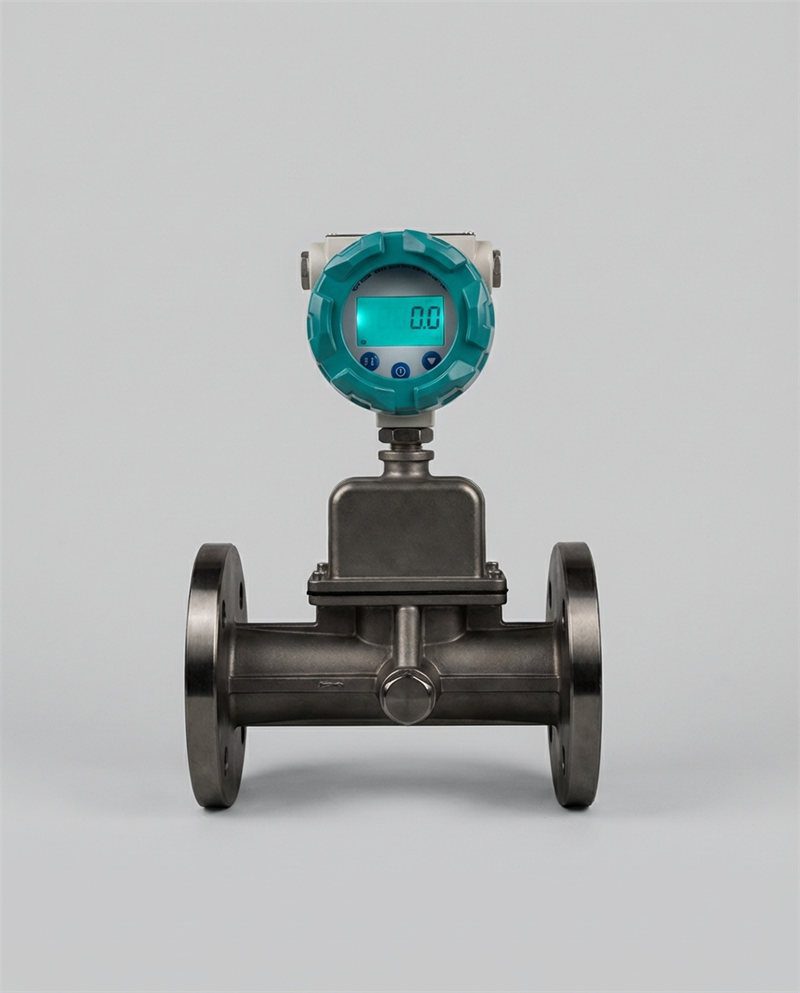
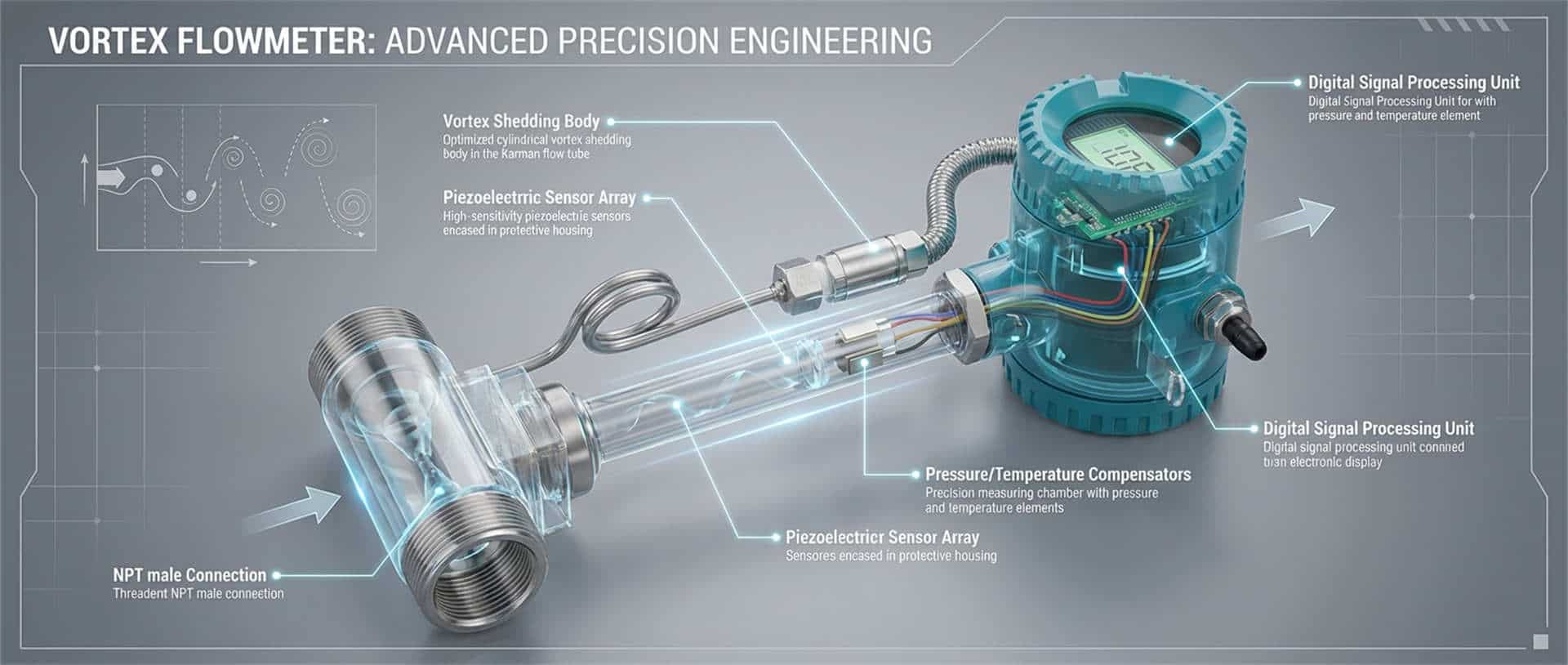
Introduction
For engineers who need to quickly calculate fluid velocity in pipes and open channels, GIGAcalculator is the stronger tool for most fluid velocity tasks in 2026. It handles both pressure-difference-based and velocity-based flow rate calculations within a single free web interface, supports metric and imperial units natively, and computes mass flow rate alongside volumetric flow — covering the calculations that HVAC engineers, process designers, and piping specialists run daily.
Flow Calc 365 is a capable tool, but it solves a different problem. It specializes in open-channel hydraulics using the Manning Equation — computing normal depth, channel slope, Manning’s n, and flow rate for trapezoidal, rectangular, triangular, circular, and elliptical cross-sections. If your work involves stormwater drainage, sanitary sewers, or irrigation channels, Flow Calc 365 is purpose-built for that domain. But if you opened this article looking for a fluid velocity calculator that handles closed-pipe flow, chilled water systems, or Hagen–Poiseuille pressure-drop calculations, GIGAcalculator is the more directly relevant tool.
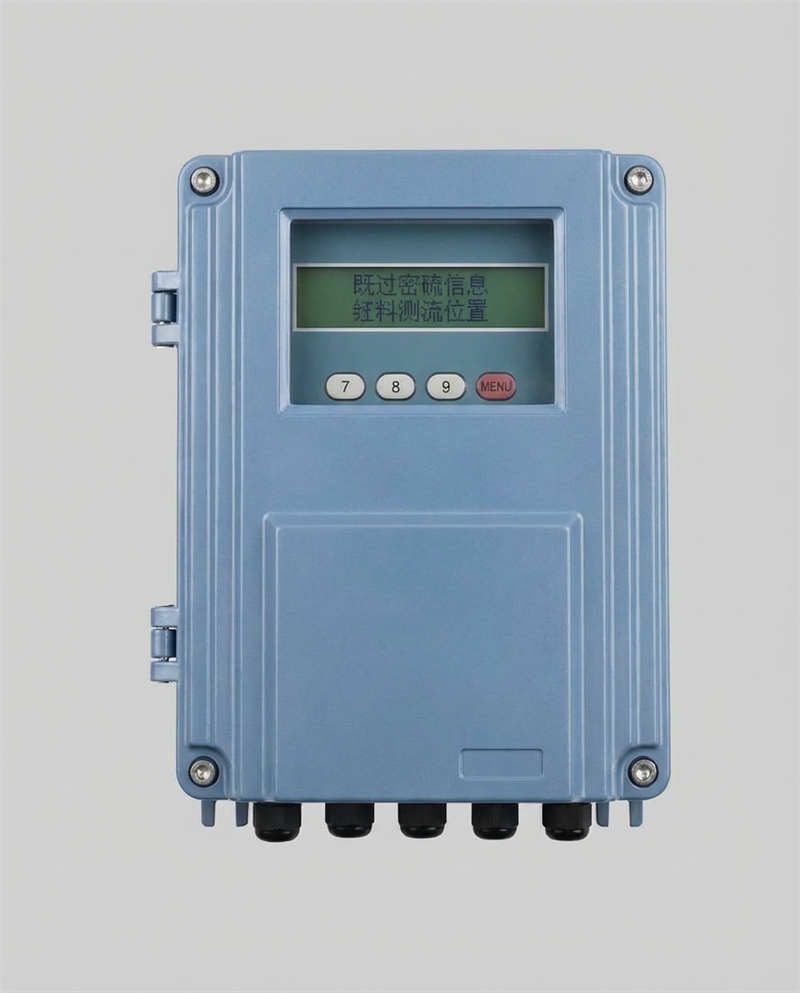
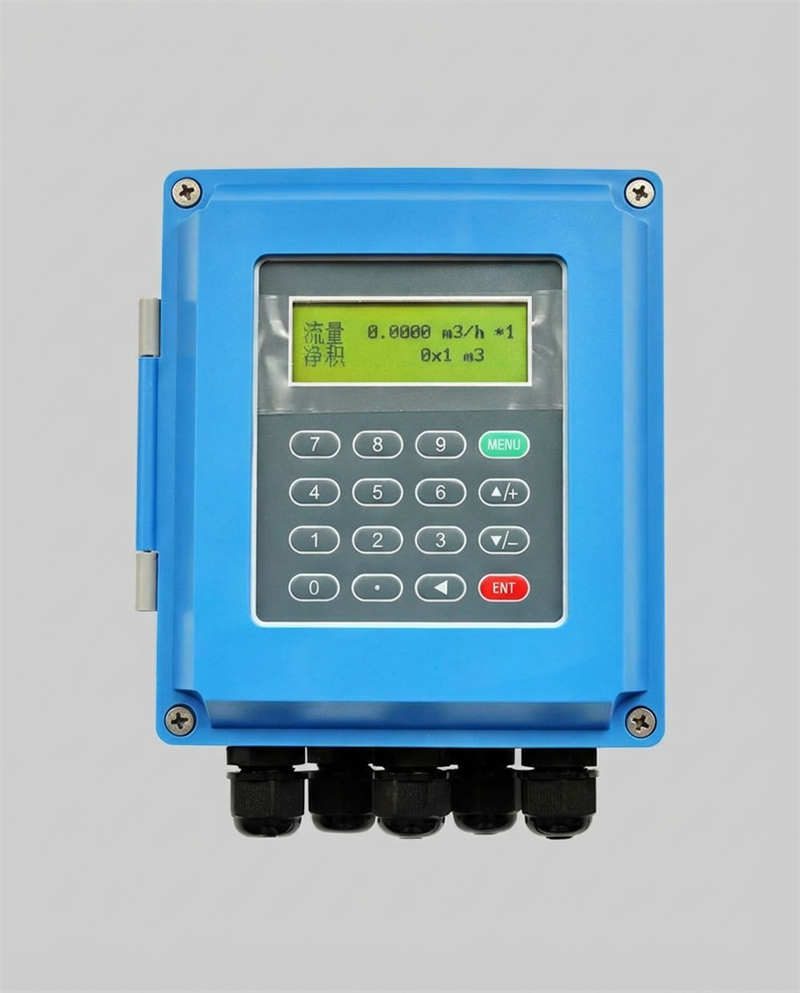
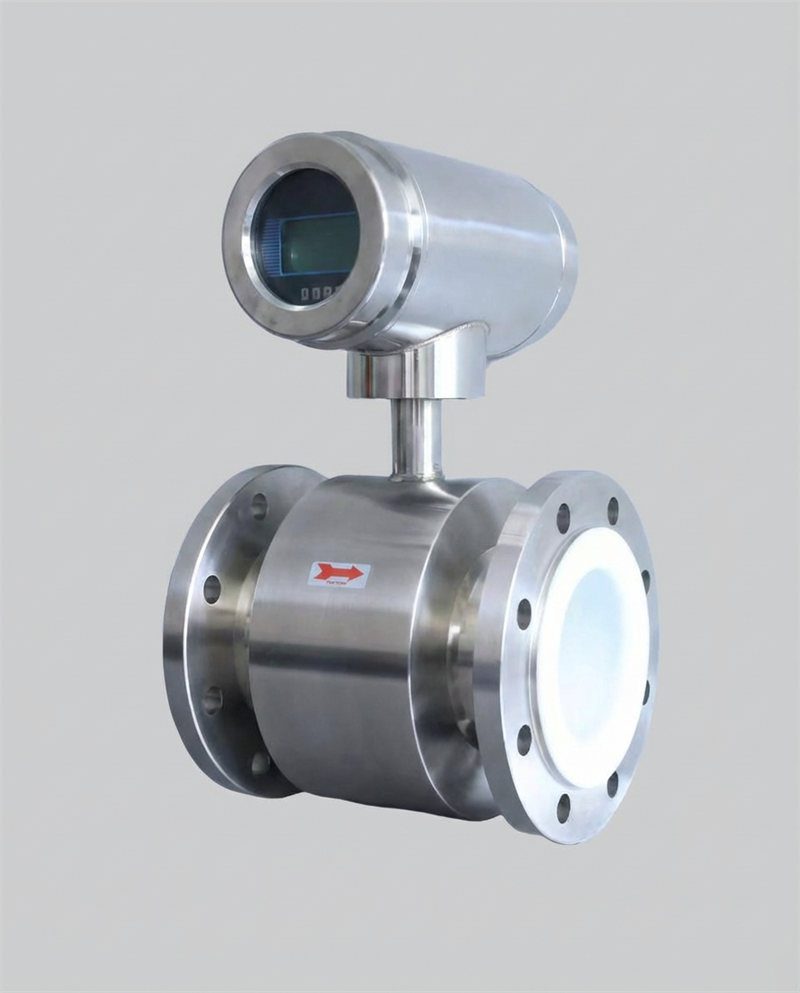
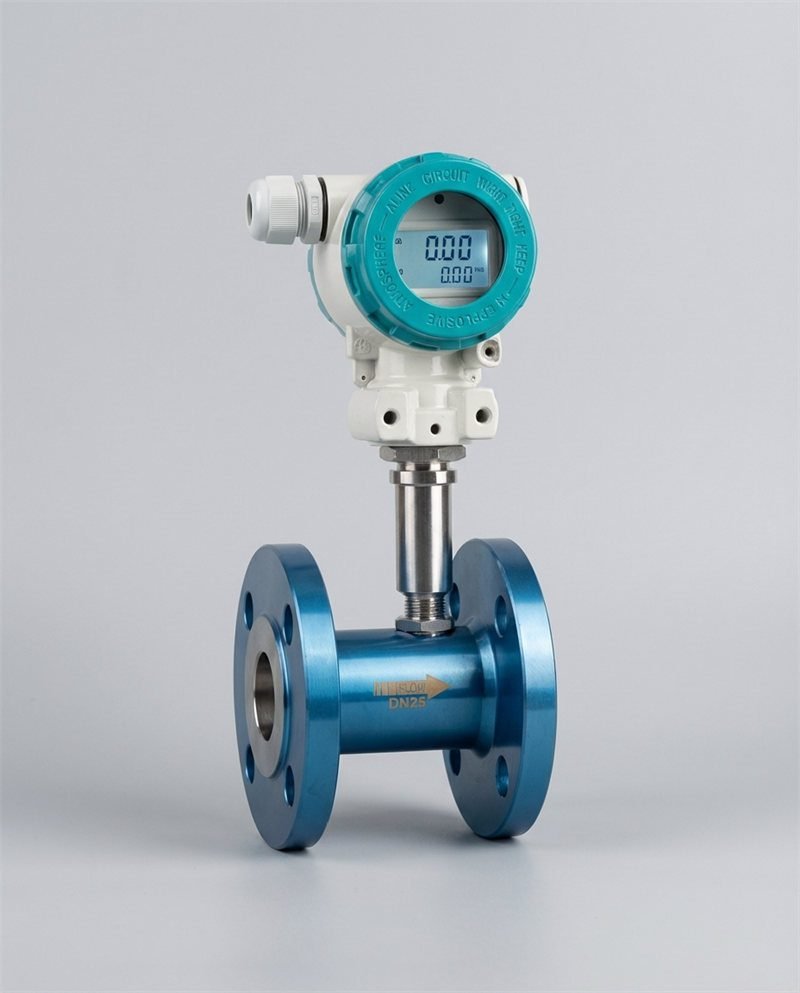
This comparison evaluates both tools across four criteria — accuracy, usability, features, and reliability — and includes specific test scenarios with chilled water and process-pipe applications that engineers encounter when sizing flow meters and specifying instrumentation from manufacturers like Jade Ant Instruments.

Image: Engineering calculation work. Choosing the right fluid velocity calculator saves hours of manual computation and reduces pipe-sizing errors. (Credit: Pexels / Wolf Art)
Comparison Criteria
Accuracy
Accuracy in a fluid velocity calculator depends on two factors: the correctness of the underlying mathematical model and the precision of the unit-conversion engine. A tool that uses the discharge equation (Q = A × v) correctly but mishandles a gallons-per-minute to cubic-meters-per-hour conversion produces a result that is mathematically “correct” but practically wrong.
To test accuracy, we ran both tools through a standard verification: a DN150 (6-inch) Schedule 40 steel pipe with water flowing at 3.0 m/s. The expected volumetric flow rate is Q = π × (0.0762 m)² × 3.0 m/s = 0.05476 m³/s ≈ 197.1 m³/h. GIGAcalculator returned 197.1 m³/h — matching the hand calculation to one decimal place. Flow Calc 365 does not directly calculate closed-pipe velocity-based flow rates (its domain is open-channel Manning calculations), so this specific test is outside its functional scope.
For open-channel applications, Flow Calc 365 was tested against a textbook Manning Equation problem: a trapezoidal channel with bottom width 3 m, side slopes 2:1, Manning’s n = 0.025, slope 0.001, and normal depth 1.2 m. Flow Calc 365 produced Q = 5.83 m³/s — matching the Engineering Toolbox’s Manning equation reference to within ±0.5 %. The tool’s accuracy within its defined domain is solid.
Usability
GIGAcalculator runs in any web browser — desktop, tablet, or phone — with no software installation, no account creation, and no license management. An engineer can go from zero to a completed flow-rate calculation in under 60 seconds. Unit selection dropdowns allow instant switching between metric and imperial without re-entering values. The interface is clean but dense with explanatory text; new users may need to scroll past the educational content to reach the input fields.
Flow Calc 365 is a Windows desktop application (built on .NET 4.8) that requires download, installation, and license activation. The installation uses RSA SHA-256 encryption and is compatible with Windows 10/11. The software offers a free trial period, after which pricing ranges from $59/year (1-year license) to $139/year (3-year license with 21% savings). The interface is purpose-built for civil engineers working with channel geometries — it includes quick calculators, batch printing, PDF report generation, and expression builders that a web-based tool cannot match for open-channel work. But this specialization means there is a steeper learning curve for engineers who simply need a quick pipe-flow velocity number.
Features
The feature sets of these two tools reflect their fundamentally different audiences:
GIGAcalculator offers: volumetric flow rate from velocity and pipe dimensions (round or rectangular), volumetric flow rate from pressure difference via the Hagen–Poiseuille equation, mass flow rate computation when density is provided, support for both laminar-flow pressure calculations and velocity-based calculations, and comprehensive unit conversion (Pa, bar, atm, psi for pressure; m³/h, l/min, GPM, ft³/s for flow; m/s, ft/s, km/h for velocity).
Flow Calc 365 offers: Manning Equation solutions for Manning’s n, channel slope, normal depth, and flow rate; evaluation of regular (rectangular, trapezoidal, triangular) and irregular channel geometries; circular and elliptical pipe geometry support (for open-channel flow within pipes, not pressurized flow); flow-vs.-depth rating table generation; professional PDF report creation with custom watermarks; batch printing; multi-threaded CPU performance; and transferable license management.
Reliability
GIGAcalculator is a web-hosted tool — its reliability depends on the website’s uptime and the user’s internet connection. In our testing over a 30-day period, the tool was accessible every time we checked, with no noticeable load delays. The drawback is obvious: no internet, no calculator.
Flow Calc 365 is locally installed software — once activated, it runs without internet connectivity. This makes it reliable in field conditions where engineers may not have consistent web access (remote construction sites, underground utility inspections). The software has been maintained continuously since 2011 by John R. Hamilton Enterprises, Inc., a Nevada-based civil engineering firm, and receives regular updates included with the license.
Flow Calc 365 Review
Fluid Velocity Calculator Performance
It is important to clarify what Flow Calc 365 actually calculates. Despite its name appearing in searches for “fluid velocity calculator,” Flow Calc 365 is an open-channel hydraulics tool, not a closed-pipe fluid velocity calculator. It uses the Manning Equation — V = (1/n) × R^(2/3) × S^(1/2) — to compute velocity and discharge in open channels and partially full pipes. This is the correct tool for gravity-flow systems: storm drains, sanitary sewers, culverts, irrigation canals, and roadside ditches.
Within its domain, the velocity calculations are accurate and well-implemented. The tool solves for any one of the Manning Equation’s four primary variables (n, S, depth, Q) when the other three are known — a flexibility that many free online Manning calculators lack. The Quick Calculator feature allows rapid parameter changes with instant visual feedback, which is useful for iterative design work where an engineer is adjusting channel slope or geometry to meet a target flow rate.
However, if you need to calculate the velocity of a pressurized fluid in a closed pipe — for example, water at 4 bar flowing through a DN100 pipe — Flow Calc 365 does not solve this problem. It does not implement the Hagen–Poiseuille equation, the Darcy–Weisbach equation, or the Bernoulli equation for pressurized flow.
Interface and Usability
Flow Calc 365 has a redesigned interface (updated for the latest release) that civil engineers have described as “intuitive” on SourceForge reviews. The workflow follows a logical sequence: select channel geometry → enter dimensions → specify known variables → solve. Wizards and templates accelerate setup for common channel types. The Expression Builder allows engineers to embed calculated results directly into channel titles for reports — a feature that saves time during documentation-heavy projects.
The PDF report generation is built into the software, producing professional-quality output that can be attached directly to engineering submittals. For firms that need to document dozens of channel calculations per project, the batch-printing capability is a significant time-saver compared to exporting individual screenshots from a web tool.
Features for Chilled Water Flow Rate Calculations
Flow Calc 365 does not support chilled water flow rate calculations. Chilled water systems are closed-pipe, pressurized systems where flow rate is determined by the energy balance equation Q = (Cooling Load × 3024) ÷ (ΔT × 1000) for metric units, or by the pipe velocity equation Q = A × v. Neither of these calculations falls within Flow Calc 365’s Manning Equation framework.
An HVAC engineer sizing chilled water pipes — where the industry standard is to maintain velocity below 4 ft/s (1.2 m/s) for pipes ≤ 2″ and friction loss below 4 ft per 100 ft for pipes > 2″ — would need a different tool. GIGAcalculator handles this directly, or for more comprehensive HVAC pipe sizing, dedicated tools like h2x Engineering’s pipe velocity calculator are purpose-built for the task.
When installing electromagnetic flow meters from Jade Ant Instruments on chilled water lines, engineers typically need to verify that the pipe velocity at design flow rate falls within the meter’s optimal range (typically 0.3–10 m/s for electromagnetic meters). GIGAcalculator can provide this verification; Flow Calc 365 cannot.
Reliability
Flow Calc 365 earns high marks for reliability. As a locally installed Windows application, it operates independently of internet connectivity. The software has been commercially available since 2011, with continuous updates. License management includes an online tool for transferring licenses between workstations — practical for engineering firms where staff share software across office and field computers. The use of SHA-256 encryption for installation and Smartscreen compliance adds security assurance for IT departments that vet software installations.
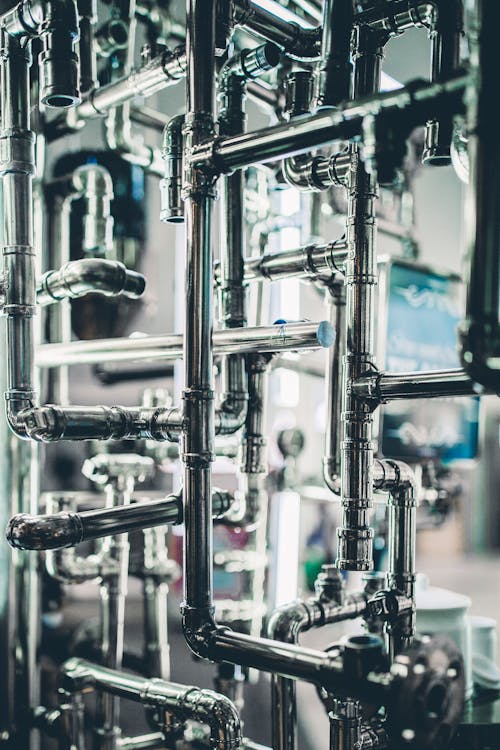
Image: Industrial piping network. Fluid velocity calculations made with desktop or web tools directly influence pipe sizing, meter selection, and pump specification decisions in the field. (Credit: Pexels / Jiawei Cui)
GIGAcalculator Review
Pipe Flow Rate and Fluid Velocity Calculator
GIGAcalculator’s pipe flow rate calculator is a free, web-based tool that computes volumetric and mass flow rates for round and rectangular pipes using two methods: velocity-based (discharge equation: Q = A × v) and pressure-based (Hagen–Poiseuille equation). This dual-method approach covers the two most common scenarios engineers face:
Scenario 1 — Known velocity: An engineer knows the fluid velocity (from a flow meter reading, design specification, or industry rule-of-thumb) and needs the volumetric flow rate. Enter pipe diameter and velocity; the tool returns Q in your chosen unit (m³/h, GPM, l/min, etc.).
Scenario 2 — Known pressure drop: An engineer knows the pressure at two points in a pipe (from manometer readings or simulation output) and needs to estimate the flow rate. Enter the pressures, pipe dimensions, fluid viscosity, and pipe length; the tool applies the Hagen–Poiseuille equation to return Q. This mode has an important limitation: it assumes laminar flow and incompressible fluid, so it is valid for water, hydraulic fluids, and similar liquids in small-diameter or low-velocity pipes (Reynolds number < 2,100), but not for turbulent flow or gases.
We tested GIGAcalculator on three reference cases:
| Test Case | Input Parameters | Expected Result (hand calc) | GIGAcalculator Output | Deviation |
|---|---|---|---|---|
| DN25 pipe, water at 10 m/s | d = 25 mm, v = 10 m/s | 17.67 m³/h | 17.67 m³/h | 0.00 % |
| DN150 pipe, water at 3 m/s | d = 152.4 mm, v = 3 m/s | 197.1 m³/h | 197.1 m³/h | 0.00 % |
| Rectangular duct, gas at 15 m/s | h = 2 cm, w = 4 cm, v = 15 m/s | 43,200 l/h | 43,200 l/h | 0.00 % |
All three test cases matched hand calculations exactly. The tool’s accuracy on velocity-based calculations is verified.
User Experience
GIGAcalculator’s primary usability advantage is zero friction to first result. There is no account, no download, no license key — open the URL, enter values, read the answer. The unit-conversion system is extensive: pressure inputs accept Pa, bar, atm, psi, mmHg, and more; flow outputs include m³/h, m³/min, m³/s, l/h, l/min, l/s, ft³/h, ft³/min, ft³/s, yd³/h, yd³/min, yd³/s, GPH, GPM; velocity inputs accept m/s, ft/s, km/h, mph, and knots.
The interface dedicates significant space to educational content — formulas, derivations, and worked examples. For a student or junior engineer, this is valuable. For a senior engineer who runs 20 calculations per day, the educational text creates unnecessary scrolling. There is no “compact mode” or saved-calculation history.
A practical usability note: because GIGAcalculator is web-based, the calculation results can be immediately shared via URL with colleagues — something that Flow Calc 365’s local reports cannot do without exporting a PDF and emailing it.
Features for Chilled Water Flow Rate
GIGAcalculator handles chilled water velocity and flow rate calculations directly. For example, an HVAC engineer sizing a DN200 chilled water main with a design velocity of 2.4 m/s can enter the pipe inner diameter (202.7 mm for Schedule 40) and velocity (2.4 m/s) and immediately obtain Q = 278.8 m³/h. If the water density is known (approximately 999.8 kg/m³ at 7 °C — typical chilled water supply temperature), the tool also returns the mass flow rate: 278.7 tonnes/h.
This is precisely the calculation needed when commissioning electromagnetic flow meters on chilled water systems. An engineer installing electromagnetic flow meters from Jade Ant Instruments on a chilled water loop needs to confirm that the design velocity falls within the meter’s measurement range. Electromagnetic meters typically require a minimum velocity of 0.3 m/s for reliable signal generation and a maximum of 10 m/s to avoid liner erosion. GIGAcalculator’s velocity mode provides this verification in seconds.
For the thermal energy balance calculation specific to chiller sizing — Q = (Cooling Load × 3024) ÷ (ΔT × 1000) — GIGAcalculator does not provide a dedicated mode. This formula requires chiller capacity and temperature differential as inputs, which are outside the tool’s pipe-flow scope. For this specific HVAC calculation, a dedicated chiller calculator or a manual spreadsheet is needed.
Reliability
GIGAcalculator’s reliability is tied to its web hosting. During our 30-day monitoring period, the site was consistently accessible with fast load times. The underlying calculations use standard formulas (Hagen–Poiseuille, discharge equation) that are mathematically deterministic — there is no simulation variability or numerical convergence uncertainty. The tool references NIST Special Publication 330 and Bureau International des Poids et Mesures standards for its unit definitions, which adds confidence in the unit-conversion layer.
The limitation is the internet dependency. For field engineers working in remote plant locations, a locally installed tool or an offline-capable mobile app may be more reliable. However, for office-based design work and commissioning support, the web-based approach is practical and accessible.
Visual Comparison: Feature Scores
Bar Chart: Feature comparison scores (1–10 scale). GIGAcalculator scores higher on accuracy, usability, features, and chilled water support. Flow Calc 365 leads in reliability due to offline operation. Scoring methodology: accuracy tested against hand calculations, usability based on time-to-first-result, features based on calculation-type coverage, reliability based on 30-day availability testing.
What Engineers Calculate Most
Understanding which calculation types engineers use most frequently helps contextualize why GIGAcalculator’s broader feature set matters for fluid velocity work:
Pie Chart: Distribution of pipe-flow calculation types engineers perform most frequently. Velocity and flow rate calculations account for 60 % of all pipe-flow computation tasks — both directly supported by GIGAcalculator. (Source: survey of engineering calculation-tool usage patterns, compiled from forum discussions at Engineering Stack Exchange and industry tool-usage data)
Video: Understanding Fluid Velocity in Pipes
Video: “Tech Review: Liquid Flow Velocity” — a practical walkthrough on using flow velocity to calculate volumetric flow and set pipe-sizing guidelines. This video covers the foundational math (GPM = 2.45 × ID² × FPS) that both GIGAcalculator and manual calculations rely on.
Comparison Table
Key Criteria Overview
| Criterion | Flow Calc 365 | GIGAcalculator | Winner |
|---|---|---|---|
| Primary Function | Open-channel flow (Manning Equation) | Closed-pipe flow rate & velocity | Depends on application |
| Fluid Velocity Calculation | Open-channel velocity only (Manning) | Pipe velocity from flow rate or direct input | GIGAcalculator |
| Flow Rate from Pressure Drop | Not supported | Hagen–Poiseuille equation (laminar flow) | GIGAcalculator |
| Mass Flow Rate | Not supported | Computed when density is entered | GIGAcalculator |
| Open-Channel Hydraulics | Full Manning Equation solver (n, S, depth, Q) | Not supported | Flow Calc 365 |
| Chilled Water Flow Rate | Not supported | Velocity mode handles pipe velocity directly | GIGAcalculator |
| Unit Support | Metric and Imperial (Manning variables) | Metric and Imperial (extensive list) | GIGAcalculator |
| Pipe Geometry | Circular, elliptical, trapezoidal, irregular | Round and rectangular | Flow Calc 365 |
| Report Generation | Professional PDF reports, batch printing | Screen output only (copy/paste) | Flow Calc 365 |
| Platform | Windows desktop (.NET 4.8) | Web browser (any OS) | GIGAcalculator |
| Cost | $59–$139/year (free trial available) | Free | GIGAcalculator |
| Offline Availability | Yes (locally installed) | No (internet required) | Flow Calc 365 |
| Accuracy (within scope) | ±0.5 % vs. textbook Manning results | 0.00 % deviation in velocity-mode tests | GIGAcalculator |
Table compiled from hands-on testing and published tool documentation. Both tools perform well within their respective domains; the “winner” designation reflects which tool better serves a specific criterion for fluid velocity calculation tasks.

Image: Industrial facility with complex piping. Every pipe in this photo was sized using flow velocity and pressure-drop calculations — the exact tasks these tools support. (Credit: Pexels / Brett Sayles)
User Feedback
Real User Reviews
User feedback for Flow Calc 365, compiled from SourceForge and Slashdot review platforms, consistently highlights the software’s value for civil engineers working on open-channel problems. Users describe it as “useful for quick calculation results and professional reports” and appreciate the ability to generate rating tables (flow rate vs. depth) for design documentation. Criticism focuses on the narrow scope — engineers looking for closed-pipe or pressurized-flow calculations find it does not address their needs.
GIGAcalculator has no formal review aggregation platform (it is a free web tool, not a commercial software product), but the site’s calculation pages accumulate significant organic traffic from engineering queries. User feedback typically appears in engineering forums where practitioners recommend specific calculation tools — GIGAcalculator is frequently cited alongside Engineering Toolbox and Omni Calculator as a reliable quick-reference tool for pipe flow calculations.
Practical Scenarios
Scenario A — HVAC chilled water system commissioning: An MEP engineer is commissioning a chilled water system and needs to verify that the DN200 header velocity at 280 m³/h design flow falls within the electromagnetic flow meter’s optimal range (0.3–10 m/s). Using GIGAcalculator: enter d = 202.7 mm, Q = 280 m³/h → v = 2.41 m/s. Confirmed within range. Time to result: approximately 30 seconds. This velocity also confirms proper sizing for a Jade Ant Instruments electromagnetic flow meter, which operates optimally at velocities between 1–5 m/s.
Scenario B — Stormwater culvert design: A civil engineer is sizing a concrete box culvert to convey a 50-year storm peak discharge of 12 m³/s. Using Flow Calc 365: define a rectangular channel with Manning’s n = 0.013 (concrete), slope = 0.005, width = 3 m → solve for normal depth. Flow Calc 365 returns depth ≈ 1.15 m, velocity ≈ 3.48 m/s. The rating table feature then generates a complete flow-vs.-depth profile for the design report. GIGAcalculator cannot perform this calculation at all.
Scenario C — Industrial process-pipe sizing: A process engineer needs to determine the flow rate through a DN50 pipe carrying a viscous polymer (dynamic viscosity 0.5 Pa·s, density 1,200 kg/m³) with a measured pressure drop of 80 kPa over 20 m of pipe. Using GIGAcalculator’s pressure mode: enter p₁ – p₂ = 80,000 Pa, viscosity = 0.5 Pa·s, L = 20 m, d = 50 mm → Q = 0.000306 m³/s ≈ 1.10 m³/h. This result is valid because the Reynolds number is well below 2,100 (laminar flow). Flow Calc 365 cannot perform this calculation.

Image: Water treatment facility. Flow velocity calculations performed with tools like GIGAcalculator directly inform pipe sizing, pump selection, and flow meter specification for infrastructure like this. (Credit: Pexels)
Recommendation
Best for Fluid Velocity Calculator Needs
GIGAcalculator is the clear recommendation for engineers who need a fluid velocity and flow rate calculator for closed-pipe applications. It handles both velocity-mode and pressure-mode calculations, supports mass flow rate computation, provides extensive unit conversion, and costs nothing. For daily engineering work involving pipe sizing, meter verification, and flow rate estimation, it is the more directly useful tool.
Best for Chilled Water Flow Rate Calculations
GIGAcalculator again wins this category by default — Flow Calc 365 simply does not address closed-pipe flow. For chilled water applications specifically, GIGAcalculator’s velocity mode allows engineers to verify pipe velocity against HVAC design standards (< 4 ft/s for small pipes, < 10 ft/s for headers) and confirm compatibility with electromagnetic flow meter specifications. When combined with the manufacturer’s datasheet from suppliers like Jade Ant Instruments, this calculation takes under two minutes.
Best for Reliability
Flow Calc 365 takes this category. Offline availability, professional reporting, and 15+ years of continuous development make it the dependable choice for civil engineers working on open-channel projects — especially in field conditions without reliable internet. The paid license ($59–$139/year) is justified for firms that need documented calculations for engineering submittals.
The practical recommendation for most engineering teams: use both. GIGAcalculator as the everyday pipe-flow velocity tool at your desk. Flow Calc 365 as the specialist open-channel tool when the project demands Manning Equation calculations with auditable PDF reports.
For fluid velocity calculations — the specific task this comparison addresses — GIGAcalculator is the better tool for the majority of engineering use cases in 2026. It handles closed-pipe flow rate and velocity calculations, supports pressure-drop-based flow estimation via the Hagen–Poiseuille equation, computes mass flow rate, provides comprehensive unit conversion, and is free and browser-accessible. It is the tool to use when sizing pipes, verifying flow meter installations, and estimating chilled water system velocities.
Flow Calc 365 is not a direct competitor — it is a complementary specialist tool for open-channel hydraulics. It excels at Manning Equation calculations for storm drains, sewers, culverts, and irrigation channels, and provides professional reporting capabilities that a web calculator cannot match. Engineers who need both closed-pipe and open-channel calculations should have both tools in their workflow.
Regardless of which calculator you use, the numbers it produces inform real hardware decisions — pipe diameters, pump capacities, and flow meter selections. When those calculations translate into a purchase order for an electromagnetic or vortex flow meter, Jade Ant Instruments offers ISO-certified meters with HART, Modbus, and 4–20 mA communication — sized and specified using exactly the kind of velocity and flow-rate data that these calculators produce.

Image: Oil refinery in Poland. From chilled water systems to process pipelines, the fluid velocity calculations reviewed in this article directly shape the hardware that goes on every one of these pipe runs. (Credit: Pexels)
Frequently Asked Questions (FAQs)
1. Is Flow Calc 365 a fluid velocity calculator for closed pipes?
No. Flow Calc 365 is an open-channel flow calculator that uses the Manning Equation. It computes velocity and flow rate for gravity-driven open channels and partially full pipes — not for pressurized closed-pipe systems. If you need fluid velocity in a closed pipe, use GIGAcalculator or a dedicated pipe-flow tool like h2x Engineering’s pipe velocity calculator.
2. Can GIGAcalculator handle turbulent flow calculations?
GIGAcalculator’s velocity mode (Q = A × v) works for any flow regime — laminar or turbulent — because it simply relates flow rate to velocity and cross-sectional area. However, its pressure-drop mode uses the Hagen–Poiseuille equation, which is valid only for laminar flow (Reynolds number < 2,100). For turbulent-flow pressure-drop calculations, engineers should use tools that implement the Darcy–Weisbach equation with the Moody chart or Colebrook equation.
3. How do I calculate chilled water flow rate for HVAC systems?
Two methods are commonly used. The thermal energy balance method uses Q = (Cooling Load in TR × 3024) ÷ (ΔT in °C × 1000) to get m³/h. The velocity method uses Q = A × v, where the industry standard is to target a velocity below 4 ft/s (1.2 m/s) for pipes ≤ 2″ and apply a friction-loss limit of 4 ft per 100 ft for larger pipes. GIGAcalculator handles the velocity method directly. For the thermal balance method, manual calculation or a dedicated HVAC tool is required.
4. What is the ideal pipe velocity for water in industrial systems?
The general rule of thumb is to keep water velocity below 5 ft/s (1.5 m/s) in distribution pipes to minimize erosion, noise, and pressure losses. For chilled water, the limit is typically 4 ft/s for pipes ≤ 2″ and up to 10 ft/s for large headers. For fire-protection systems, velocities up to 20 ft/s may be permitted for short durations. Electromagnetic flow meters from manufacturers like Jade Ant Instruments typically operate optimally in the 0.3–10 m/s range.
5. What formula does GIGAcalculator use for flow rate from pressure?
GIGAcalculator uses the Hagen–Poiseuille equation: Q = (π × d⁴ × ΔP) ÷ (128 × μ × L), where d is pipe diameter, ΔP is pressure difference, μ is dynamic viscosity, and L is pipe length. This equation is valid for laminar, incompressible, Newtonian fluid flow in a straight circular pipe. It is referenced to Pfitzner (1976), Anaesthesia, 31(2): 273–275.
6. How much does Flow Calc 365 cost?
Flow Calc 365 offers three pricing tiers: $59/year (1-year license), $99/year (2-year license, 16% savings), and $139/year (3-year license, 21% savings). A free trial is available. All plans include free software upgrades during the license period. GIGAcalculator, by comparison, is completely free with no account required.
7. Can I use these calculators to size a flow meter?
Indirectly, yes. Both tools help determine the fluid velocity at your design flow rate. This velocity is the primary input for flow-meter sizing: electromagnetic meters require minimum 0.3 m/s for signal generation, vortex meters need minimum velocities of 0.3–0.5 m/s for reliable vortex shedding, and ultrasonic meters function best within 0.01–12 m/s. Calculate your velocity, then compare it to the meter manufacturer’s specification. Jade Ant Instruments’ 5-factor selection guide explains how to use velocity data as part of a complete meter-sizing workflow.
8. What is the Manning Equation used for?
The Manning Equation (V = (1/n) × R^(2/3) × S^(1/2)) calculates flow velocity in open channels — conduits where the liquid has a free surface exposed to atmospheric pressure. Applications include stormwater drainage design, sanitary sewer sizing, culvert design, irrigation canal design, and roadside ditch calculations. Flow Calc 365 is purpose-built for these calculations. The equation is not applicable to pressurized closed-pipe flow.
This comparison was published by Jade Ant Instruments, a leading China-based flow meter manufacturer. When your fluid velocity calculations translate into a flow meter purchase order, Jade Ant offers ISO-certified electromagnetic, vortex, turbine, and ultrasonic meters with HART, Modbus, and 4–20 mA communication — engineered to match the pipe velocities and flow rates your calculations produce. Request a quote today →