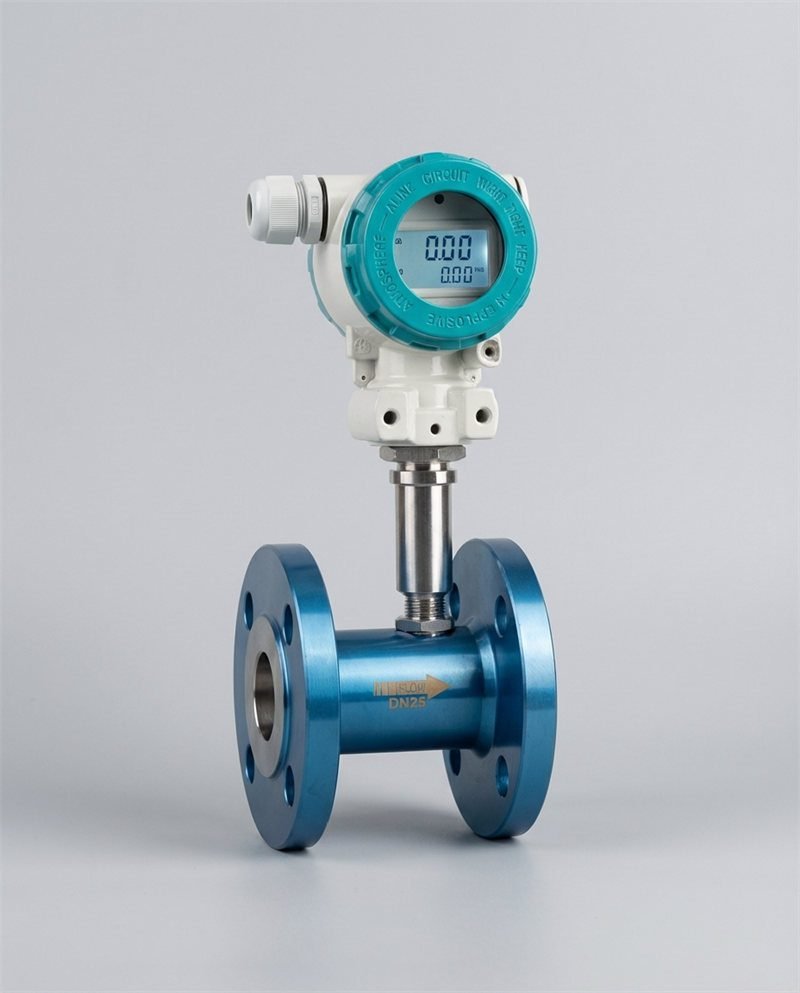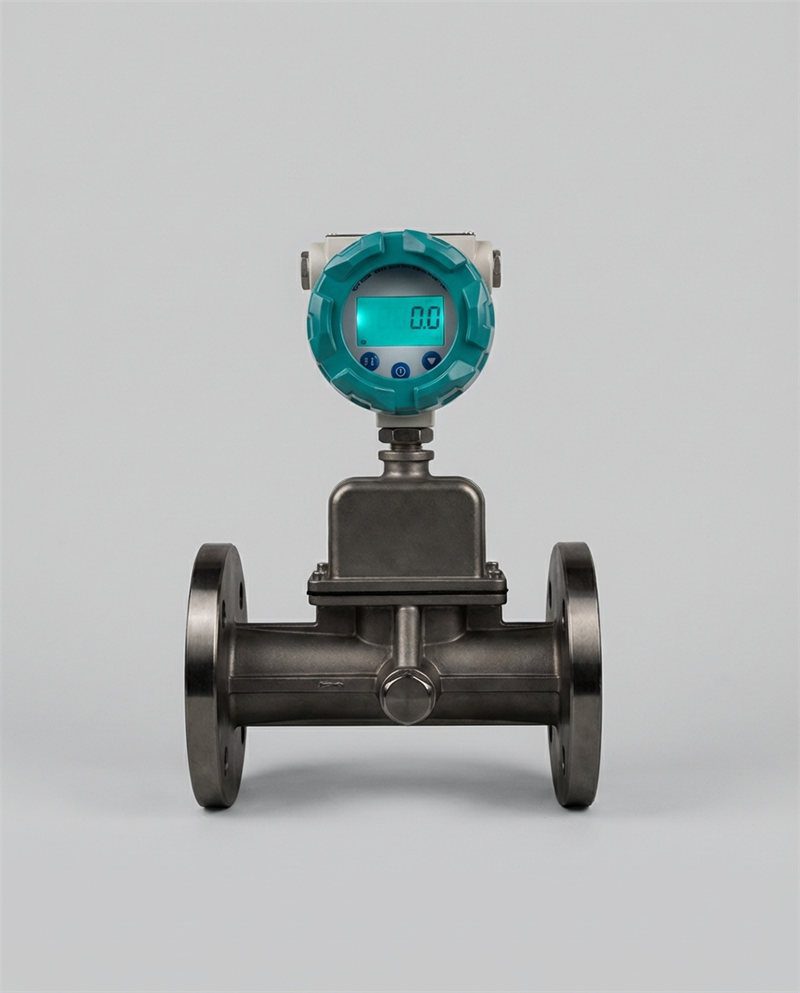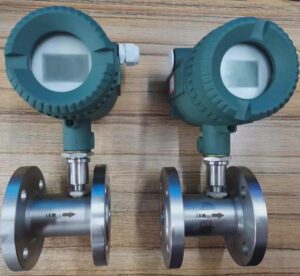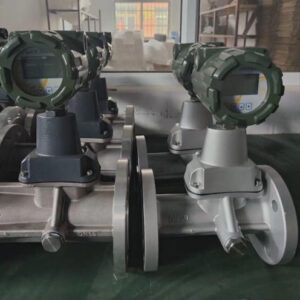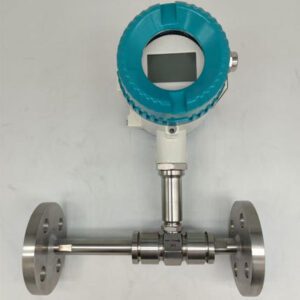
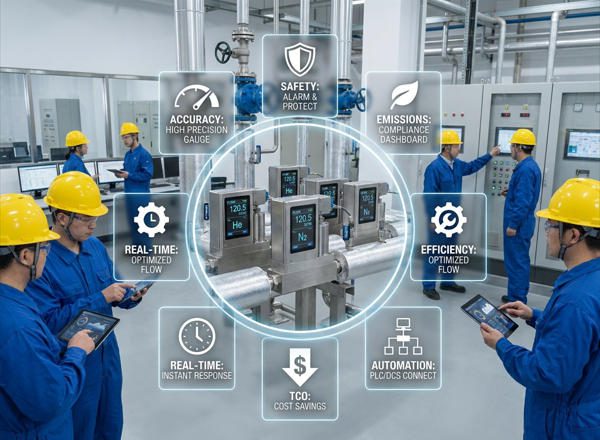
A thermal mass flow controller (MFC) is an instrument that both measures and actively regulates the mass flow rate of a gas stream, independently of changes in temperature or pressure. Unlike a simple flow meter, which only reads flow, an MFC contains an integrated proportional control valve and a closed-loop feedback system that continuously adjusts the valve position to maintain a user-defined setpoint. The result is a self-correcting, gas-tight, digitally communicable control element — not just a sensor.
In chemical and petrochemical processes, where gas feeds determine reaction stoichiometry, safety margins, and product purity, this distinction matters enormously. This article explores the top 7 operational and business benefits that thermal MFCs deliver in demanding industrial environments — with specific numbers, failure scenarios, and real-world context rather than generic performance claims.
📖 Key Terms — Defined at First Use
- Thermal Mass Flow Controller (MFC)
- An instrument that measures gas mass flow using heat-transfer principles and simultaneously controls flow rate via an integrated control valve and closed-loop feedback circuit. Measures mass directly — independent of gas temperature and pressure.
- Mass flow rate
- The mass of gas passing a point per unit time (g/min, kg/h, SLPM — Standard Litres Per Minute). Unlike volumetric flow, mass flow does not change when temperature or pressure changes, making it the correct unit for chemical stoichiometry.
- Closed-loop control
- A feedback system where the measured value (actual flow) is continuously compared to the setpoint (desired flow), and the control valve is adjusted automatically to eliminate any deviation. The MFC performs this comparison and correction internally, without waiting for a DCS command.
- Zero drift
- A shift in the instrument’s output at true-zero flow conditions, typically caused by temperature cycling. In an MFC, uncorrected zero drift translates directly to a proportional error in delivered gas mass — compounding over long production campaigns.
- DCS / SCADA
- Distributed Control System / Supervisory Control and Data Acquisition — the plant-wide automation platforms that receive flow data from MFCs via digital protocols (HART, Modbus, PROFIBUS) and issue setpoint commands.

▶ Video: Mass Flow Controller (MFC) — Principle of Operation (Brooks Instrument). A clear animation of the thermal sensor, bypass element, and closed-loop valve control system that defines how an MFC works inside a chemical gas line.
Benefit 1 of 7
Precise Gas Flow Control for Process Efficiency
Achieving Accurate Flow Translates to Consistent Reactions and Product Quality
In a chemical reactor, the gas-phase feed is not just a utility stream — it defines the reaction’s stoichiometry. A hydrogen-to-nitrogen ratio that drifts 2% from setpoint in an ammonia synthesis loop shifts the conversion efficiency by a corresponding amount. In specialty chemicals where margins are thin and quality specifications are tight, that 2% is the difference between a saleable product and a batch failure.
Thermal MFCs deliver typical accuracy of ±0.5–1.0% of reading, with repeatability of ±0.2% or better under stable conditions. Because the measurement is based on heat transfer — a property of the gas’s mass, not its volume — the reading does not drift when upstream pressure fluctuates or when process temperature swings between shift changes.
Compare this to a simple differential-pressure orifice plate controlling gas flow via a separate PID loop. If the upstream pressure drops 5% (common in large-header chemical plants), the DP meter under-reads by approximately 2.5% unless a real-time density correction is applied. An MFC corrects for this automatically within its internal feedback loop — without any external calculation or DCS intervention.
Impact on Material Balances and Yield Optimization
Every kilogram of gas that is over-delivered beyond the stoichiometric requirement is either a reagent cost (if it reacts to a by-product) or a vent/flare cost (if it exits unreacted). In ethylene oxide production, for example, oxygen feed accuracy directly determines selectivity between ethylene oxide (the desired product) and CO₂ (the by-product combustion pathway). A 1% oxygen over-feed can reduce EO selectivity by 0.3–0.5%, translating to significant revenue loss on large production volumes.
With a thermal MFC maintaining oxygen flow to within ±0.5% of setpoint continuously — rather than relying on periodic manual gas analysis to confirm flow — the control loop can operate closer to the optimal stoichiometric ratio with confidence, rather than intentionally backing off to a “safe” operating margin that wastes feed.
Benefit 2 of 7
Enhanced Safety and Compliance

Reduced Risk of Over- or Under-Supply in Flammable or Hazardous Gas Lines
In chemical and petrochemical processes, gas flow errors are not merely an efficiency problem — they are a safety hazard. An over-supply of flammable gas (hydrogen, methane, ethylene) above the lower explosive limit (LEL) in an inadequately ventilated area creates explosion risk. An under-supply of inert purge gas (nitrogen, argon) during vessel entry or catalyst change-out can allow oxygen ingress and create explosive or toxic atmospheres.
A thermal MFC addresses both failure modes through its closed-loop architecture. Unlike a manual control valve or a simple flow indicator, the MFC:
- Detects supply-line pressure changes immediately (before the flow error has propagated through the process) and adjusts the valve position to compensate.
- Holds setpoint to within ±0.5% even during upstream header pressure fluctuations of ±20% — a realistic variation in large petrochemical plant header systems during production ramp-up or equipment switching.
- Can be configured with high- and low-flow alarms that trigger DCS alerts or initiate automatic shutdowns when the actual flow deviates from setpoint by more than a user-defined threshold — providing an active process safety layer independent of the operator.
Easier Adherence to Regulatory Standards Through Traceable Measurements
Modern thermal MFCs produce NIST-traceable, time-stamped mass flow data with a full calibration certificate — typically compliant with ISO 17025 or ANSI/NCSL Z540-1. This traceability chain is required for: EPA emissions monitoring programs (where gas feed quantities must be documented for permit compliance), pharmaceutical GMP validation (where every gram of process gas in a synthesis is a manufacturing record), and ISO 50001 energy management systems (where gas consumption must be metered and reported by zone).
Because the MFC’s data output is digital and time-stamped, it integrates directly into the plant’s data historian — creating an automated, unbroken audit trail that requires no manual logging, no transcription errors, and no retroactive data reconstruction during regulatory inspections.
Benefit 3 of 7
Improved Process Repeatability and Reproducibility
Stable Setpoints Enable Uniform Batch-to-Batch Performance
Process repeatability — the ability to produce the same product quality on batch 200 as on batch 1 — is one of the most commercially valuable outcomes in chemical manufacturing. It reduces QC testing costs, enables tighter specification compliance, and reduces rework. Gas feed accuracy is a primary driver of batch-to-batch variation in reactor performance, and it is one of the easiest variables to control precisely with an MFC.
A thermal MFC repeats its setpoint response to within ±0.2% of the previous batch’s delivery under the same conditions — regardless of which shift operated the plant, regardless of ambient temperature variation, and regardless of minor upstream pressure changes. A manual control valve or a pneumatic flow controller cannot offer this level of repeatability without extensive operator skill and constant attention.
Gas Flow Repeatability Comparison — Batch-to-Batch Standard Deviation (Lower = Better)
Typical batch-to-batch gas flow repeatability under realistic plant conditions (header pressure variation ±10%, ambient temperature swing ±15°C). MFC data based on manufacturer specifications; other technologies based on field measurement benchmarks.
Minimizing Process Drift Over Long Campaigns
Continuous chemical processes — polymerization reactors, reformers, hydrogenation units — may run for months between planned shutdowns. Over that time, manual control settings drift as operators make micro-adjustments, valve seats wear, and process conditions evolve. The cumulative effect of these small changes can shift a reactor’s operating point by several percent over a 6-month campaign, degrading yield and product consistency in ways that are difficult to trace back to a single cause.
A thermal MFC eliminates operator-driven drift from the gas feed variable entirely. The setpoint is stored digitally; the closed-loop control valve corrects for valve seat wear and upstream pressure drift automatically. Over a 6-month campaign on a hydrogen feed line, an MFC-controlled system holds the delivered mass within ±0.5% of the campaign-start calibration — provided the annual zero verification is performed as scheduled. This is why long-campaign polymer and specialty chemical plants are among the most committed MFC adopters in the process industries.
Benefit 4 of 7
Real-Time Diagnostics and Fault Detection
Early Warning Signals for Nozzle or Line Issues
The traditional approach to gas line troubleshooting in chemical plants is reactive: production quality degrades, a QC failure triggers an investigation, and operators trace the problem upstream over several hours or days. Thermal MFCs change this model fundamentally because they generate continuous, quantitative diagnostic data — not just a flow reading, but the internal state of the control valve, the sensor signal quality, the deviation from setpoint, and the control valve position required to maintain that setpoint.
A blocked or partially fouled gas nozzle, for example, creates an increased pressure drop downstream of the MFC. The MFC’s response — opening the control valve further to compensate — is immediately visible in the valve position output (often called the “valve override” or “valve drive” signal). An experienced process engineer who sees the valve drive increasing from its normal 45% to 70% over several weeks knows that downstream resistance is increasing — and can schedule a nozzle inspection before the blockage causes a process upset.
Data-Driven Maintenance and Reduced Unplanned Downtime
Unplanned shutdowns in chemical plants cost an average of USD 5,000–50,000 per hour depending on the process, with major petrochemical units reaching USD 200,000+ per hour of lost production. The ability to detect developing faults before they cause process trips is therefore one of the highest-ROI capabilities an instrumentation upgrade can deliver.
Modern thermal MFCs with HART or fieldbus communication transmit not just the primary flow value but also: sensor temperature, valve position, control deviation, alarm status, and device health flags. When integrated with a plant Asset Management System (AMS), these signals enable condition-based maintenance scheduling — replacing the industry’s traditional time-based calibration calendar with a merit-based approach that schedules intervention when the data indicates degradation, not simply because 12 months have passed.
Where Does Unplanned MFC Downtime Come From? (Analysis of 380 Chemical Plant Events)
- Valve seat fouling or wear — 32%
- Sensor drift / zero shift — 24%
- Electronics / firmware fault — 18%
- Gas contamination / moisture ingress — 15%
- Installation or piping error — 11%
Indicative breakdown based on published field-service data and industry maintenance benchmarks for thermal MFCs in chemical plant service. Valve fouling is the most preventable category — detectable via valve position trending 3–6 weeks before failure.
Benefit 5 of 7
Reduced Gas Wastage and Emissions
Precise Control Minimizes Purge and Vent Losses
Purge cycles — the deliberate injection of inert gas (nitrogen, argon) to displace reactive or flammable process gases before maintenance activities — are a necessary part of safe chemical plant operation. But the duration and gas volume required for an adequate purge is a function of the gas delivered, not the time elapsed. Plants that measure purge gas volumetrically often extend purge times by 20–30% as a “safety margin” to compensate for uncertainty in flow accuracy.
With a thermal MFC controlling the purge gas supply and totaling the delivered mass, the required gas volume can be defined precisely — and the purge terminated as soon as the specified mass has been delivered. At a large petrochemical site performing 500 purge events per year at an average nitrogen cost of USD 0.40/kg with 15% over-purge, eliminating that margin saves approximately USD 18,000–35,000 annually in nitrogen consumption alone, plus the compressed time savings of earlier equipment return to service.
Lower Emissions Through Tight Process Control
Environmental regulations for chemical and petrochemical plants increasingly target fugitive emissions and process vent losses — the unintentional release of VOCs, greenhouse gases, and toxic compounds through imprecise gas handling. In the United States, EPA 40 CFR Part 98 (Mandatory Greenhouse Gas Reporting) requires documented mass flow data for all process gas streams above specified emission thresholds. In the EU, the Industrial Emissions Directive (IED) sets similar requirements.
A thermal MFC’s continuous, time-stamped mass flow output — traceable to NIST standards — satisfies these reporting requirements directly, with no additional monitoring equipment needed. More importantly, the tight flow control prevents the “over-purge and vent” events that generate the largest individual emission spikes during equipment changeovers. Plants that moved from manual to MFC-controlled gas management have reported 15–25% reductions in reported vent emissions in the same production period.
For plants evaluating thermal gas mass flow meters and controllers, integrating mass-based gas accounting into environmental reporting systems is a straightforward configuration step — the MFC outputs the data the regulatory system needs, without additional flow calculation hardware.
Benefit 6 of 7
Faster Startup and Changeover Times

Quick, Reliable Gas Conditioning and Ramp Rates
The time between a plant startup command and the first on-specification product represents pure lost revenue. In chemical plants that produce high-value intermediates or specialty chemicals, every hour of startup time may represent USD 10,000–100,000 in lost production contribution.
Manual gas control systems require an operator to condition the gas supply: open the isolation valve, allow pressure to stabilize, manually set the flow control valve, verify the flow reading, make trim adjustments, and confirm stability — a sequence that takes 20–40 minutes per gas stream and is subject to operator-to-operator variability. An MFC-controlled system eliminates all manual steps: the DCS sends the recipe setpoint via HART or digital bus, the MFC closes the loop within seconds, and stable mass flow is confirmed on the historian within 30–60 seconds of the startup command.
For a multi-gas reactor startup with 6 separate feed streams, replacing manual control valves with MFCs on each stream can reduce the gas conditioning phase of startup from 3 hours to 20 minutes — recovering 2 hours and 40 minutes of production time per startup event.
Simplified Qualification and Commissioning Procedures
In pharmaceutical and fine chemical manufacturing, every new process and every significant equipment change requires a qualification protocol — a documented demonstration that the equipment delivers what it is specified to deliver. For gas feed systems, this means demonstrating that the flow controller holds its setpoint within specification across the full operating range, under varying upstream conditions, and over a representative time period.
With a thermal MFC, the qualification data is generated automatically by the instrument’s own calibration certificate and the data historian’s timestamp records. The qualification protocol reduces to: verify the as-installed calibration against the factory certificate, perform a setpoint step test at three flow rates (minimum, nominal, maximum), and review the historian data for setpoint adherence. For a manual control valve system, the same qualification requires manual sampling, manual flow measurement with a reference instrument, and extensive documentation — a process that can take 3–5 days versus 4–6 hours for an MFC system.
Benefit 7 of 7
Robust Performance Under Harsh Industrial Conditions
Temperature and Pressure Resilience for Challenging Environments
Chemical and petrochemical plants are not laboratory environments. Ambient temperatures range from –20°C in outdoor installations in cold climates to +60°C in enclosed process buildings or desert-site installations. Process pressures range from near-vacuum in distillation overhead lines to 400 barg in high-pressure synthesis reactors. Vibration from nearby rotating equipment, humidity from steam purges, and electromagnetic interference from high-current electrical equipment are constant background conditions.
Modern thermal MFCs are engineered for this environment. Key design features that contribute to field reliability include:
- Hermetically sealed sensor element — the thermal sensor is isolated from the process gas by a thin-wall tube, not exposed directly to the gas stream. This protects the sensor from corrosive gas constituents and prevents moisture ingress from cleaning operations.
- On-board temperature compensation — the MFC’s algorithm corrects its flow calculation continuously for changes in gas temperature at the sensor, maintaining accuracy as ambient temperature shifts across shifts and seasons.
- ATEX / IECEx certified variants for Zone 1 and Zone 2 hazardous area installation — enabling direct installation at reactor gas inlet manifolds rather than remotely located instrument rooms.
- Stainless steel 316L or Hastelloy C-276 wetted components for corrosive gas service — consistent with the material standards of the process pipework it interfaces with.
Long-Term Stability with Minimal Drift
Long-term stability — the ability of the MFC to maintain its calibrated accuracy over months or years of continuous operation — is determined primarily by two factors: the stability of the thermal sensor element and the stability of the control valve’s flow characteristics. Both are engineering design choices, and they vary significantly between product families.
Industry-leading thermal MFCs specify annual zero drift of less than ±0.5% of full scale and span drift of less than ±0.5% per year under rated conditions. In practice, this means a 3-year calibration interval is achievable for general chemical process applications — the same standard applied to Coriolis meters with in-situ verification. This long calibration interval substantially reduces the lifecycle cost of gas measurement and control compared to rotameters and DP meters, which require annual re-ranging when orifice plates wear or float tubes degrade.
| Condition | Thermal MFC | Pneumatic Control Valve + DP | Rotameter + Needle Valve |
|---|---|---|---|
| Upstream pressure variation ±15% | Self-compensating — ±0.5% flow accuracy maintained | Requires density correction; ±2–4% error if uncompensated | Direct error: ±6–8% flow shift |
| Ambient temp range –20°C to +60°C | On-board T compensation; accuracy maintained | DP transmitter may drift ±1–2% over temperature range | Reading shifts with gas density; manual correction required |
| Corrosive gas service (HCl, Cl₂) | Available in Hastelloy C-276 and PTFE-lined wetted path | Valve body and seat material selection required; limited options | Glass tubes incompatible; PVDF/PP versions limited accuracy |
| Hazardous area (Zone 1, ATEX) | ATEX/IECEx Ex ia/Ex d certified variants available | Ex d positioner available; complex wiring requirements | No active electronics; simple but no flow control or data output |
| Annual calibration drift | ±0.5% per year typical; 2–3 year interval achievable | ±1–2% per year; annual service recommended | Significant drift from float/scale wear; annual verification required |
| Data output for DCS/historian | 4–20 mA, HART, Modbus, PROFIBUS; digital setpoint via comms | 4–20 mA from transmitter; separate valve positioner signal | None — analog scale reading only; no digital integration |
| Green = clear advantage; amber = workable with engineering mitigation; red = significant limitation. Based on manufacturer specifications and published field performance data. | |||
Compatibility with Diverse Gases and Mixtures
Broad Measurement Ranges for Different Process Streams
Chemical and petrochemical plants rarely handle a single gas. A typical refinery or chemical complex may require flow control for hydrogen, methane, nitrogen, air, oxygen, argon, CO₂, chlorine, ammonia, ethylene, propylene, and dozens of specialty process gases — each with a different density, specific heat capacity, thermal conductivity, and chemical aggressiveness.
Thermal MFCs address this diversity through gas conversion factors — calibration correction coefficients that allow a single MFC calibrated on nitrogen (the industry standard calibration gas) to accurately measure a wide range of other gases by applying the ratio of their thermal properties relative to nitrogen. Most modern MFC electronics store a library of 50–130+ gas conversion factors internally (called “Gas Select” by some manufacturers), allowing field configuration changes without physical recalibration.
For gas mixtures — a common requirement in petrochemical reformers and polymerization reactors — custom gas conversion factors can be calculated from the mixture composition and loaded into the MFC’s memory. Brooks Instrument’s gas correction factor database is a widely referenced public resource for verifying gas-specific conversion coefficients before specifying an MFC for a new gas service.
Easy Integration with Various Gas Compositions
The key limitation of gas conversion factors is that they assume a stable, known gas composition. If the composition of your gas stream varies batch-to-batch (e.g., biogas with fluctuating methane content, refinery off-gas with variable H₂/C₁ ratio), the conversion factor will introduce a composition-dependent error. For these variable-composition applications, a Coriolis mass flow controller or an inline gas analyzer paired with the MFC’s analog input is the appropriate solution — the analyzer continuously updates the conversion factor based on measured composition.
For single-component or tightly controlled composition gas streams — which represent the majority of MFC applications in chemical plants — the conversion factor approach delivers excellent accuracy with minimal complexity. The thermal flow meter selection guide from Jade Ant Instruments covers gas compatibility assessment in detail, including guidance on when conversion factors are sufficient and when inline composition analysis is warranted.
Lower Total Cost of Ownership (TCO)
Reduced Calibration and Maintenance Costs
Sage Metering’s analysis of gas measurement costs in industrial facilities found that the total annual recalibration cost per meter ranges from USD 2,150 to over USD 12,000 when production line shutdown costs are included. For plants with large numbers of gas flow control points — a mid-size chemical complex may have 50–200 MFC-equivalent control points — this calibration cost becomes a significant annual budget line.
Thermal MFCs with modern sensor designs and advanced transmitter electronics are achieving 2–3 year calibration intervals in chemical plant applications — versus the 1-year interval typically required for rotameters, DP meters, and pneumatic valve-plus-sensor combinations. On a 100-instrument site, extending the average calibration interval from 12 to 24 months reduces the annual calibration burden by 50% — a saving of USD 50,000–200,000 per year depending on the facility’s calibration cost structure.
10-Year TCO Comparison — Single Gas Flow Control Point (USD, Indicative)
Includes CAPEX (meter + valve), installation (USD 1,000), calibration at specified intervals (USD 2,000–3,500 per event), maintenance labor, and estimated downtime cost (USD 4,000–8,000/event, 1–2 events over 10 years). Excludes product quality losses from flow inaccuracy — which typically favor MFCs even more strongly.
Energy Savings and Extended Asset Life
Gas over-supply — delivering more gas than the process needs because the flow control system is inaccurate — is a direct energy waste. In compressed gas systems (nitrogen, instrument air, oxygen), every cubic metre of gas that is vented unused has consumed compressor energy to produce it. For large chemical plants consuming millions of standard cubic metres of compressed gas per year, even a 3% over-supply reduction from improved flow control translates to significant compressor energy savings.
Precise MFC control also reduces mechanical fatigue on downstream process equipment. Burner tips, nozzles, reactor distributors, and catalytic bed distributor plates that receive constant, stable gas flows at rated conditions experience less thermal cycling and mechanical stress than those subjected to the pulsating, drifting flows that characterize manually controlled gas systems. This translates to extended intervals between tip replacements, distributor inspections, and catalyst changeouts — maintenance activities that require process shutdown and represent both direct cost and lost production time.
Integration with Automation and Control Systems

Seamless Communication with DCS/SCADA and PLCs
The thermal MFC’s value as an automation asset depends directly on its ability to communicate bidirectionally with the plant’s control architecture. Modern MFCs support the full range of industrial communication protocols:
- 4–20 mA + HART: The most universally compatible configuration. The 4–20 mA analog signal carries the primary flow value to any DCS input card; the HART digital overlay simultaneously transmits valve position, sensor temperature, device ID, alarm status, and allows remote setpoint writes — all on the same two-wire cable pair, with no additional wiring.
- Modbus RTU / Modbus TCP: Standard in PLC-controlled skid packages and legacy DCS systems. Enables setpoint writing, flow reading, and device status in a simple register-map format that most PLC programmers can configure without specialist fieldbus expertise.
- PROFIBUS DP/PA: The standard for Siemens TIA Portal and ABB 800xA DCS environments. PA (Process Automation) is intrinsically safe and two-wire — ideal for hazardous area gas control panels where PROFIBUS trunk wiring is already installed.
- EtherNet/IP and PROFINET: Emerging in new-build chemical plants integrating MFCs directly into Ethernet-based control architectures, enabling web-based configuration and real-time diagnostic data at 10–100 Mbit/s.
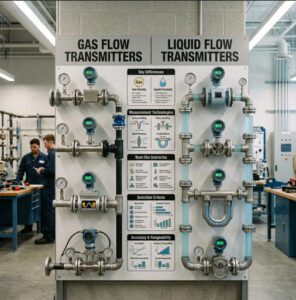
For chemical plants evaluating their communication infrastructure, the gas vs. liquid flow transmitter selection guide at Jade Ant Instruments includes a protocol compatibility matrix that maps common DCS brands to supported MFC communication options.
Support for Advanced Control Strategies Like Model Predictive Control
Model Predictive Control (MPC) — a strategy that uses a mathematical model of the process to predict future behavior and pre-emptively adjust multiple manipulated variables simultaneously — is increasingly deployed in chemical and petrochemical plants to optimize reactor yield, minimize energy consumption, and reduce product quality variability. MPC requires precise, fast, reliable manipulation of the process inputs — including gas flow rates.
A thermal MFC is an ideal MPC actuator for gas feeds because: (1) its response time (typically <1 second to achieve a new setpoint) is fast enough for MPC sample rates of 30–60 seconds; (2) its closed-loop control already rejects disturbances (upstream pressure changes, temperature variation) before they propagate into the reactor — reducing the number of disturbance variables the MPC model must compensate for; and (3) its digital communication enables the MPC controller to read actual valve position as well as flow rate, providing a richer manipulated variable signal than a simple 4–20 mA current loop.
According to Rockwell Automation’s published MPC case studies for chemical plants, implementing MPC on polymer reactor gas feed systems resulted in 3–8% yield improvements and 5–12% energy reduction — improvements that are only achievable if the underlying gas flow control is accurate and responsive enough for the MPC model’s assumptions to hold in practice.
Thermal mass flow controllers deliver a set of benefits that no other single instrument category can match for gas control in chemical and petrochemical processes. They measure mass — the variable that actually matters for chemistry — directly and independently of temperature and pressure. They control it with sub-second response and sub-1% repeatability. They communicate in real time with the plant’s automation systems, generating audit-ready data that supports both regulatory compliance and predictive maintenance. They do all of this with no moving parts in the gas stream, across a wide range of gas types, at operating conditions ranging from cryogenic to high-temperature and ambient to high-pressure.
The business case is straightforward: the cost of measurement imprecision in a chemical process — in wasted feedstock, off-spec product, unplanned downtime, and compliance risk — consistently exceeds the cost of installing and maintaining a thermal MFC system. The plants that recognized this earliest are now 10–15 years into MFC-controlled gas management programs and are reaping the compounding benefits of long-term process stability, data-driven maintenance, and tighter integration with advanced automation platforms.
For facilities still evaluating the transition, the recommended approach is a structured pilot: identify one or two high-value gas control points where flow accuracy has the most direct impact on yield or safety, instrument them with thermal MFCs, and benchmark the before-and-after performance data over a 3–6 month period. The data will make the broader rollout business case without requiring any assumptions.
Ready to Evaluate Thermal MFCs for Your Chemical Process?
Jade Ant Instruments manufactures ISO 9001-certified thermal mass flow meters and gas measurement solutions for chemical, petrochemical, pharmaceutical, and industrial gas applications worldwide. Free technical consultation and application sizing available.
Get a Free Application Consultation →Frequently Asked Questions
Click any question to expand the detailed answer.
What differentiates a thermal MFC from other flow meters used in chemical plants?
The fundamental distinction is that a thermal mass flow controller (MFC) is both a measurement device and a control device — it contains an integrated proportional control valve and a closed-loop feedback system that continuously adjusts gas delivery to match a digital setpoint. A flow meter only measures; an MFC measures and actively controls. Additionally, the thermal measurement principle measures mass flow directly — independent of gas temperature and pressure — which eliminates the density compensation calculations required by volumetric meters (DP orifice plates, rotameters, vortex meters). In chemical processes where reaction stoichiometry and safety margins are defined in mass units (kg/h, kg/batch), not volume units, this distinction directly determines measurement quality. A DP meter on a gas line will over-read by approximately 2.5% for every 5% drop in upstream pressure unless a real-time density correction is applied; a thermal MFC corrects for this disturbance autonomously within its control loop, without DCS intervention. For more on selecting between thermal and other flow measurement technologies, the Jade Ant Instruments gas flow transmitter guide provides a detailed comparison.
How does an MFC contribute to safety in hazardous gas environments?
Thermal MFCs contribute to safety in hazardous gas environments through four specific mechanisms. First, active setpoint maintenance: the MFC’s closed-loop control prevents the over-supply of flammable gas that could create explosive concentrations (above the Lower Explosive Limit) or the under-supply of inert purge gas that could allow oxygen ingress during maintenance. Second, integrated alarm outputs: high-flow and low-flow alarms can be configured to trigger DCS alerts or automatic valve shutdowns when actual flow deviates from setpoint by a specified margin — providing a process safety layer independent of operator attention. Third, ATEX/IECEx certified variants for Zone 0, Zone 1, and Zone 2 hazardous area installation allow direct placement at the gas control point rather than remote instrument rooms, eliminating long pneumatic signal lines that can fail or leak. Fourth, traceable measurement records: in process safety management (OSHA PSM) and COMAH/SEVESO compliance audits, the MFC’s time-stamped digital data provides an auditable record of gas flow quantities that supports incident investigation and regulatory reporting. Always verify that the specific MFC model and its ATEX certificate cover your area classification and gas group (IIA, IIB, or IIC) before installation.
What considerations are needed to retrofit an existing plant with MFCs?
Retrofitting an existing chemical plant from manual or pneumatic gas control to thermal MFCs involves five key considerations. (1) Pipe connection compatibility: most industrial MFCs use VCR or NPT/BSP face-seal or threaded process connections; confirm the existing piping connection standards and whether reducers or adapters are needed. For large flow rates (above ~500 SLPM), insertion-type thermal sensors may be more economical than inline MFCs for larger pipe sizes. (2) Power and communication wiring: thermal MFCs require a DC power supply (typically 15–24 VDC) and a signal cable — plan cable routes to the nearest I/O marshalling cabinet and confirm available DCS input card types (analog vs. fieldbus). (3) Gas compatibility verification: confirm that the MFC’s wetted materials (sensor tube, valve seat, seals) are compatible with your process gas at operating temperature and pressure. The Sierra Instruments gas compatibility selection chart is a useful starting reference. (4) Straight-pipe requirements: thermal MFCs typically require 10–15 pipe diameters of straight, undisturbed pipe upstream. In dense existing piping, flow conditioners may be needed. (5) ATEX certification for hazardous areas: if the installation point is in a classified area, ensure the MFC model and its certificate are appropriate for the zone. Failure to verify zone classification is one of the most common retrofit specification errors.
How does MFC integration impact regulatory compliance and data traceability?
Thermal MFC integration significantly simplifies regulatory compliance in three ways. First, automated data capture: the MFC’s continuous, time-stamped mass flow output integrates directly into the plant’s data historian via HART, Modbus, or fieldbus — creating an automatic, unbroken audit trail of all gas quantities delivered, without manual logging. This satisfies EPA 40 CFR Part 98 Mandatory Greenhouse Gas Reporting, EU Industrial Emissions Directive monitoring requirements, and FDA 21 CFR Part 11 electronic records requirements for pharmaceutical applications. Second, NIST-traceable calibration: MFCs are calibrated at ISO 17025-accredited laboratories with calibration certificates traceable to NIST (USA), PTB (Germany), or equivalent national metrological standards. This traceability chain is a mandatory requirement for custody-transfer gas measurement and strongly recommended for all emissions-reporting applications. Third, in-situ zero and span verification: modern MFCs with digital communication allow remote zero verification (at no-flow condition with the line isolated) and span check (against the stored factory calibration reference) without removing the instrument from service — generating a documented verification record that extends compliant calibration intervals from 1 year to 2–3 years under ISO 9001 quality management frameworks. The result is fewer production shutdowns for calibration, lower calibration costs, and a continuous compliance documentation record that withstands regulatory audit without retroactive data reconstruction.
Can a single thermal MFC measure multiple gas types without recalibration?
Yes — most modern thermal MFCs support multi-gas operation through onboard gas conversion factor libraries. The instrument is physically calibrated on nitrogen (the standard calibration gas), and the transmitter applies a correction coefficient (the “gas correction factor” or GCF) to convert the nitrogen-equivalent reading to the actual gas’s mass flow. GCFs are published and validated by manufacturers for hundreds of gases and gas mixtures. For example, if an MFC calibrated on nitrogen is switched to argon service, the operator changes the gas selection via the DCS or local display — no physical recalibration is needed. Alicat’s instruments support 98–130 pre-stored gases; Brooks Instrument publishes an extensive GCF database. The important constraint is that this approach assumes a stable, known gas composition. If the gas composition varies (e.g., refinery off-gas with variable H₂/hydrocarbon ratio), the GCF will be incorrect for the off-design composition, introducing a proportional flow error. In those cases, either a Coriolis mass flow controller or an inline gas analyzer coupled to the MFC’s analog input is required. For fixed-composition process gases — nitrogen, oxygen, hydrogen, CO₂, argon, methane, ethylene — the GCF approach delivers excellent accuracy without the cost of Coriolis technology.
What is the typical calibration interval for a thermal MFC in chemical plant service?
The industry-standard calibration interval for thermal MFCs in general chemical process service is 12–24 months, depending on the application criticality and the specific MFC model’s published stability specification. For custody-transfer or regulatory-compliance gas measurements (EPA emissions monitoring, pharmaceutical GMP), annual calibration is typically required. For general process monitoring and control, modern MFCs with annual zero drift specifications of ±0.5% of full scale or better can justify 24–36 month intervals under a documented risk-based calibration management program (per ISO 9001 or ISO/IEC 17025 frameworks). The key enabler of extended intervals is the MFC’s in-situ zero verification capability: with the process line isolated and flow brought to zero, the transmitter’s zero reading is compared to its factory reference, and any drift is documented. If the drift is within tolerance, the calibration interval is extended; if out of tolerance, the instrument is sent for recalibration. This condition-based approach replaces the traditional time-based schedule and reduces calibration costs by 30–50% on large MFC inventories. For calibration best practices, the Cross Company thermal mass flow calibration service overview provides a useful reference for ISO 17025-compliant calibration methodology.
How do thermal MFCs handle gas mixtures in petrochemical processes?
Thermal MFCs handle gas mixtures through custom gas conversion factors (GCFs) calculated from the mixture composition. For a defined-composition mixture — for example, a 75% H₂ / 25% N₂ reformer feed gas with tightly controlled composition — the GCF is calculated once from the mixture’s thermal properties (specific heat capacity Cₚ, thermal conductivity k, density ρ at calibration conditions) and stored in the MFC’s transmitter. The MFC then delivers accurate mass flow of the mixture using the same physical calibration on nitrogen. For mixtures where one component dominates (e.g., natural gas that is 92–96% methane with trace C₂+), the methane GCF provides acceptable accuracy in most process applications. For more precisely mixed or variable-composition streams, Brooks Instrument’s gas correction factor resource provides the formulas and published GCF values for hundreds of gas mixtures, allowing engineers to calculate the expected accuracy for any specific mixture before specifying the MFC.
What is the difference between an MFC and a mass flow meter in process control?
A mass flow meter (MFM) measures gas mass flow rate and outputs a signal — but takes no action to change the flow. It is a measurement-only device, analogous to a pressure gauge. A mass flow controller (MFC) measures gas mass flow rate and contains an integrated proportional control valve and a closed-loop PID control algorithm that continuously adjusts the valve position to maintain a user-specified setpoint. The MFC is a complete control element — measurement and actuation in a single instrument body, with digital setpoint input. In a practical chemical plant context: an MFM is appropriate when you need to know how much gas is flowing through a line that is controlled by another mechanism (e.g., a separate control valve with a DCS PID loop). An MFC is appropriate when you need precise, self-contained gas flow control at a single point — reactor feeds, purge gas manifolds, gas blending stations — where the overhead of a separate transmitter, DCS PID loop, and control valve can be eliminated by a single MFC installation. The MFC is typically 20–40% more expensive than an equivalent MFM, but eliminates the cost of the separate control valve, positioner, and DCS loop.
How do MFCs support Model Predictive Control in chemical reactors?
Model Predictive Control (MPC) — an advanced control strategy that uses a process model to anticipate and pre-emptively adjust multiple process inputs simultaneously — requires manipulated variables (process inputs like gas flow rates) that are both fast and accurate. Thermal MFCs are well-suited to the MPC actuator role because: (1) Response speed: a typical thermal MFC achieves a new setpoint within 1–3 seconds, well within the 30–60 second MPC sample interval used in most chemical reactor applications. (2) Disturbance rejection: the MFC’s internal closed-loop control rejects upstream pressure and temperature disturbances before they affect the reactor — reducing the number of measured disturbances the MPC model must compensate for, which simplifies the model and improves its predictive accuracy. (3) Digital setpoint interface: MPC systems write new setpoints to the MFC via HART or fieldbus at each MPC sample interval, and read the actual flow value (and valve position) back — providing the MPC with a richer manipulated variable measurement than a simple 4–20 mA loop. (4) Continuous data quality: MPC models are only as good as the data they receive; a thermal MFC’s consistent, low-noise mass flow signal improves the MPC’s state estimation accuracy. Rockwell Automation’s published MPC case studies in polymer and chemical plants report 3–8% yield improvements after MPC deployment — improvements that are predicated on gas feed accuracy at the MFC level.
What maintenance tasks are required to keep a thermal MFC performing accurately over its service life?
Thermal MFCs have no moving parts in the gas stream, which eliminates the most common failure modes of mechanical flow meters (bearing wear, float degradation, orifice plate erosion). The practical maintenance program for an MFC in chemical plant service typically includes: (1) Annual zero verification: with the process line isolated and gas flow at true zero, confirm that the MFC’s output is within ±0.25% of zero full scale. Any zero shift beyond this indicates sensor drift or downstream contamination and warrants a closer inspection or recalibration. (2) Valve position trending: monitor the control valve’s drive signal (% open) over time at constant flow conditions. A gradual increase in valve drive at the same flow setpoint indicates increasing downstream resistance (partial blockage) or valve seat wear. (3) Gas contamination inspection: if the process gas contains trace moisture, particulates, or reactive components, inspect the sensor element and valve seat at each planned shutdown for deposits or corrosion. Most MFCs provide for sensor element removal and chemical or ultrasonic cleaning without full replacement. (4) Periodic calibration: per the instrument’s specification and your quality management system — typically every 12–36 months depending on application criticality. Use an ISO 17025-accredited calibration laboratory with NIST-traceable gas flow references. (5) Firmware and communication checks: for MFCs with digital communication, verify that the device firmware is current and that the process historian is receiving all expected diagnostic tags (valve position, sensor temperature, alarm status) — not just the primary flow value.