A detailed comparison guide that helps medical facilities and distributors understand the accuracy, cost, and application differences between these two common flowmeters — plus real-world case studies to guide your purchasing and distribution decisions.

Why Your Flowmeter Choice Matters to Your Bottom Line and Your Clients’ Patient Outcomes
The Hidden Cost of Choosing the Wrong Flowmeter
Here’s a statistic that most distributors in the respiratory equipment space have never seen, but that should inform every conversation you have with a facility procurement team: a peer-reviewed multicenter field study conducted across eight hospitals in France and Belgium found that, of 476 oxygen flowmeters tested in actual clinical use, approximately one in three failed to deliver flow within acceptable accuracy limits under ISO 15002 standards. At low flow rates — the 2–4 L/min range critical for COPD patients and neonates — the dispersion was extreme: delivered flow ranged from 48% to 185% of the prescribed nominal value.
Let that land for a moment. A patient whose physician prescribed 2 L/min of oxygen could be receiving anywhere between 0.96 L/min and 3.7 L/min — depending on which flowmeter happened to be attached to their wall outlet that day.
This is not a minor calibration discrepancy. For a patient with COPD managing hypercapnic risk, oxygen over-delivery triggers respiratory acidosis. For a premature infant, even modest hyperoxia causes retrolental fibroplasia (damage to the developing retina). The study authors estimated that 2,000–4,000 deaths per year in Britain alone could be avoided if oxygen delivery were more accurate and consistent.
For you, as a distributor or agent in respiratory equipment, this data point is simultaneously a liability warning and a commercial opportunity. The liability: recommending or supplying equipment that contributes to this accuracy problem exposes you to complaints, compliance findings, and relationship damage. The opportunity: the facility that understands this data has an urgent reason to upgrade their equipment — and the distributor who brings this evidence to the conversation is positioned as an expert advisor, not a commodity vendor.
Getting the Bourdon gauge versus Thorpe tube decision right for each client is not a technical nicety. It is a core competency for anyone serious about building sustainable revenue in medical respiratory equipment distribution.
Understanding the Fundamental Differences Between Bourdon Gauges and Thorpe Tubes
How Bourdon Gauges and Thorpe Tubes Work (And Why the Mechanics Matter to Your Sales)
Bourdon Gauge Technology — The Mechanical Advantage
A Bourdon gauge (named after French engineer Eugène Bourdon, who patented the design in 1849) operates on a deceptively simple mechanical principle. A curved, hollow metal tube — typically C-shaped — is connected to the gas supply at its sealed end. As gas pressure increases, the tube attempts to straighten. This deflection is transmitted through a small gear and lever mechanism to a dial indicator.
In respiratory applications, the Bourdon gauge functions as a fixed-orifice, pressure-variable flowmeter — meaning the opening through which gas flows is constant, and the flow rate is indicated by the pressure registered on the gauge dial. Per the FDA’s regulatory definition under 21 CFR § 868.2300, a Bourdon gauge flowmeter is “a device intended for medical purposes that is used in conjunction with respiratory equipment to sense gas pressure” and is classified as a Class II medical device under FDA’s device classification system.
The critical practical advantage: because the measurement relies on pressure sensing rather than gravity-dependent float position, Bourdon gauges work accurately regardless of orientation. They can be used upside down, sideways, and at any angle — a feature that no float-based system can match. For emergency transport, portable oxygen systems, and field applications where equipment orientation is unpredictable, this is not a preference. It’s a clinical necessity.
Bourdon gauge durability in high-pressure environments is a second mechanical advantage. The curved metal tube construction handles continuous exposure to 50 PSI oxygen source pressure without degradation, making it robust in bulk oxygen distribution systems and high-demand acute care environments.
Thorpe Tube Technology — The Precision Approach
The Thorpe tube flowmeter is a variable-orifice, constant-pressure (or rotameter) design. A graduated transparent tube — typically acrylic or glass — is mounted vertically and contains a small float (historically spherical, now available in bobbin, spool, and plumb-bob designs). Gas enters at the bottom of the tube, passes around the float, and exits at the top. The float rises to a height where the upward force of gas flow exactly balances the downward force of the float’s weight.
The flow reading corresponds to the height of the float center (or the float’s widest point, depending on manufacturer specification) against the graduated scale on the tube. This is a genuinely elegant physics-based measurement with no moving mechanical parts beyond the float itself.
Two critical variants exist in clinical practice — and confusing them is one of the most common distributor mistakes:
Compensated (Pressure-Compensated) Thorpe Tube: The needle valve that controls flow is located downstream of the float tube — after the reading point. Gas in the graduated tube is at pipeline pressure (typically 50 PSI). This design is accurate even when the downstream patient circuit creates back-pressure (resistance). The compensated Thorpe tube is the clinically appropriate design for use with devices that impose back-pressure — nebulizers, humidifiers, CPAP systems, and any mask or cannula with significant resistance.
Uncompensated (Non-Pressure-Compensated) Thorpe Tube: The needle valve is located upstream of the float tube — before the reading point. If back-pressure develops downstream, the actual flow rate drops below what the float indicates. This design can deliver dangerously inaccurate readings when connected to high-resistance delivery systems.
The FDA separately classifies these two designs: 21 CFR § 868.2320 governs uncompensated Thorpe tubes, and 21 CFR § 868.2340 covers compensated Thorpe tubes. The distinction matters to your liability documentation — recommending an uncompensated design for a high-resistance application is a specifiable error.
Accuracy Comparison — What Your Clients Actually Need to Know
Measurement Precision: Where Each Flowmeter Wins and Loses
Bourdon Gauge Accuracy Profile
A properly calibrated Bourdon gauge in new condition delivers acceptable accuracy for most respiratory applications — typically ±10% of the indicated value, consistent with the Compressed Gas Association (CGA) standard G-4.3 allowable error specification applied in North America.
However, two factors systematically degrade Bourdon gauge accuracy in field conditions:
Gravity and orientation affect the mechanical zero of the gauge. While the Bourdon tube itself is position-independent, the gear and lever linkage that translates tube movement to dial deflection can shift slightly with repeated orientation changes, introducing cumulative mechanical drift. In a portable device that is frequently repositioned, this drift accumulates faster than in a fixed wall-mounted configuration.
Downstream obstruction creates a specific accuracy problem unique to Bourdon gauges: if the patient circuit becomes partially or completely blocked, the gauge continues to display a flow reading based on the pressure it senses — but the actual delivered flow may be substantially lower or zero. The gauge has no mechanism to detect the difference between “gas flowing freely at X L/min” and “gas blocked at X L/min with pressure building behind the obstruction.” This is not a theoretical concern — it has been documented as a cause of patient desaturation events in clinical incident reports.
Calibration cycles for Bourdon gauges in hospital service are typically annual, with more frequent calibration recommended in high-use environments (emergency departments, transport teams). Calibration requires removal from service and comparison against a reference flow standard — typically a calibrated thermal mass flowmeter, the same technology used in the multicenter accuracy study cited earlier.
Thorpe Tube Accuracy Profile
Under controlled laboratory conditions with proper installation (perfectly vertical, correctly connected, appropriate float design), a compensated Thorpe tube delivers accuracy within ±10% of indicated value per ISO 15002 and within ±10% per CGA standards — similar to the Bourdon gauge specification on paper.
The clinical difference emerges in the 精度 (repeatability) and failure mode characteristics.
The float-based measurement system is transparent: if the float is not rising correctly, the clinician can see it. A Thorpe tube that is not working properly shows an abnormal float behavior — floating too high, bouncing erratically, or failing to rise. These are visible indicators that something is wrong. A Bourdon gauge that is delivering inaccurate flow due to mechanical drift or obstruction shows no such visual indicator.
The accuracy challenge unique to Thorpe tubes is positioning sensitivity. Thorpe tubes must be mounted vertically within approximately ±2° of plumb to read accurately. Even slight tilting shifts the float’s equilibrium point. In a rushed clinical environment where equipment is sometimes leaned against walls or stored horizontally and then used without repositioning, this is a real accuracy risk — not a design flaw, but an installation discipline issue that your facility training and support programs need to address proactively.
The multicenter study’s key finding on Thorpe tube accuracy in actual hospital use: while median delivered flows were close to nominal values, the dispersion was clinically significant, particularly at low flow rates. At 2 L/min, the range of actual delivery spanned from 48% to 185% of the prescribed value. The compensated Thorpe tubes performed better at low flow rates than the non-compensated type — a specific finding that supports always specifying pressure-compensated designs for critical care applications.
Head-to-Head Accuracy Scenarios
Scenario 1: Low-Flow Oxygen Delivery (Pediatric and Neonatal Applications)
Flow rates: 0.1–2.0 L/min. Patient sensitivity: extreme. Error tolerance: minimal.
At these flow rates, Bourdon gauge readability is the limiting factor — gauge divisions at the low end of the scale are compressed, making precise setting difficult. A Thorpe tube with a low-flow specialized float (available in 0–1 L/min and 0–3 L/min ranges for neonatal applications) provides far better resolution at these critical flow rates. A 100 mL/min error at 500 mL/min prescribed flow is a 20% error; in a 28-week premature infant receiving supplemental oxygen, this is the difference between adequate oxygenation and hyperoxia-induced retinal damage.
Verdict for Scenario 1: Thorpe tube (low-flow calibrated scale) is the clinically correct choice. Bourdon gauge is not appropriate.
Scenario 2: High-Flow Respiratory Support (Emergency and Critical Care Adults)
Flow rates: 8–15 L/min. Patient context: acute hypoxemia, non-rebreather mask, emergency transport.
At high flow rates, both technologies perform within acceptable accuracy limits. However, in the emergency context, the equipment orientation during transport is unpredictable. A Bourdon gauge in a portable transport cylinder regulator works accurately regardless of whether the cylinder is upright, horizontal, or inverted. A Thorpe tube connected to a transport cylinder is unusable in any position other than vertical.
Verdict for Scenario 2: Bourdon gauge has a decisive practical advantage in mobile/transport applications. Thorpe tube is appropriate for fixed bedside high-flow use.
Scenario 3: Mixed-Gas and Humidified Delivery Systems
Flow rates: 2–8 L/min. Downstream device: humidifier, nebulizer, or aerosol mask.
These systems create significant back-pressure (resistance to gas flow). An uncompensated Thorpe tube in this application will indicate a higher flow than is actually delivered — potentially by 15–30% depending on the back-pressure magnitude. Only a pressure-compensated Thorpe tube, or a Bourdon gauge (which reads pressure, not flow, and is also affected by back-pressure in a different way), should be used in this application. A compensated Thorpe tube is the technically correct recommendation.
Verdict for Scenario 3: Pressure-compensated Thorpe tube is the required specification. Uncompensated Thorpe tube is a clinical risk. Document your recommendation explicitly.
| Accuracy Factor | Bourdon Gauge | Compensated Thorpe Tube | Uncompensated Thorpe Tube |
|---|---|---|---|
| Standard accuracy spec | ±10% of reading | ±10% of reading | ±10% of reading (no back-pressure) |
| Low-flow resolution | Poor | Excellent (with correct float range) | Good (no back-pressure) |
| Position dependence | None — any orientation | Must be vertical (±2°) | Must be vertical (±2°) |
| Back-pressure response | Reads pressure, not actual flow | Accurate regardless of back-pressure | Reads higher than actual delivery |
| Obstruction detectability | No visual indicator | Float visible — abnormal behavior visible | Float visible |
| Calibration interval | Annual minimum | Annual minimum | Annual minimum |
| ISO 15002 compliance | For fixed-pressure applications | はい | Conditional |

Cost Analysis for Distributors — Making the Business Case
Total Cost of Ownership: Purchase Price Isn’t the Whole Story
Initial Purchase Costs and Margin Implications
At list pricing, Bourdon gauges and Thorpe tube flowmeters occupy overlapping but distinct price bands. Standard Bourdon gauge units for hospital use run $45–$120 per unit at retail, with distributor cost typically in the $25–$70 range depending on volume and manufacturer. Standard pressure-compensated Thorpe tubes range $55–$180 per unit at retail for common 0–15 L/min ranges, with premium designs, DISS (Diameter Index Safety System) connectors, and specialty low-flow configurations commanding the upper end of that range.
The margin opportunity is not in the unit price — it’s in the total system solution. A facility standardizing on pressure-compensated Thorpe tubes for their 48-bed ICU, 12-bed NICU, and 32-bed respiratory care unit represents 92 units plus appropriate fittings, bracket mounting hardware, and installation support. At a conservative 35% distributor margin on an average unit price of $95, that’s a $3,050 margin opportunity from a single standardization decision. Add the annual calibration service contract and the margin compounds over multiple years.
When facility managers push back on unit cost, the conversation needs to shift from “our Thorpe tube costs $40 more than that Bourdon gauge” to “the Bourdon gauge requires replacement every 3–5 years from mechanical wear, requires annual calibration at $18–$35 per unit labor cost, and carries accuracy risks in your NICU that the compensated Thorpe tube eliminates.” That framing resets the reference point for the conversation.
For volume accounts, negotiate pricing tiers at 10, 25, 50, and 100+ unit levels and document them in a written pricing agreement. Facilities that have written supply agreements are significantly harder for competitors to displace — the relationship is formalized, the pricing is transparent, and switching costs (new vendor qualification, staff retraining) create meaningful inertia.
Operational and Maintenance Costs
The true total cost of ownership for a medical flowmeter over a 5-year period — the planning horizon that most hospital CFOs use for capital medical equipment — includes four cost categories beyond the initial purchase price:
Calibration costs are the most consistently underestimated. Per ISO 15002 and CGA standards, medical flowmeters should be calibrated annually in hospital service. The multicenter accuracy study found that 35% of flowmeters in active hospital use were outside acceptable accuracy limits — suggesting that many facilities are already falling short of this standard. Calibration cost per unit (including biomedical engineering labor or third-party service cost) typically runs $18–$45 per unit per year. For a 100-unit facility fleet, that’s $1,800–$4,500 annually in calibration-related labor — a budget line that most procurement teams don’t include in their initial equipment cost comparison.
Replacement frequency differs between the two technologies. Bourdon gauges contain mechanical components — the curved tube, gear linkage, and dial mechanism — that experience wear over time, particularly in high-use acute care environments. Typical field service life in hospital acute care: 4–7 years. Thorpe tubes with acrylic bodies are vulnerable to mechanical damage (dropping, impact) but have no wearing mechanical components — the float rides on gas flow, not on mechanical bearings. Properly handled Thorpe tubes routinely serve 7–10+ years before replacement in fixed wall-mount configurations.
Training requirements are asymmetric between the two technologies. Thorpe tube use requires staff training on the positioning requirement (vertical installation), the float reading technique (read the center of the float, not the top or bottom), the back-pressure implications of compensated versus non-compensated designs, and the visible quality check (float behavior indicates meter function). Bourdon gauge training is simpler: read the dial, confirm the regulator is connected. Facilities switching from Bourdon gauges to Thorpe tubes will need a formal training event — budget for this in your proposal and include it as a value-added service, not as an afterthought.
| Cost Element | Bourdon Gauge | Comp. Thorpe Tube | 注記 |
|---|---|---|---|
| Unit purchase (100 units) | $6,000–$9,000 | $7,500–$14,000 | Volume pricing assumed |
| Annual calibration (×5 years) | $9,000–$22,500 | $9,000–$22,500 | Similar calibration burden |
| Replacement units over 5 years | 15–20% | 8–12% | Bourdon wears faster in acute care |
| Staff training events | 1–2 initial | 2–3 initial + refresher | Thorpe requires more upfront training |
| 5-Year Estimated TCO (100 units) | $18,000–$37,000 | $20,000–$44,000 | Thorpe costs more; delivers more |
| Clinical risk cost (accuracy failures) | Higher in low-flow apps | Lower with comp. design | Not quantifiable — but significant |
The right framing with a hospital CFO: “The premium for Thorpe tubes in your NICU is approximately $1,200 per year over the Bourdon gauge alternative. That is less than the cost of a single bed-hour in your ICU. It is also less than the cost of a single adverse event attributed to oxygen delivery inaccuracy in a regulatory audit.”
Long-Term Value Proposition
The facilities that generate the highest long-term distributor revenue are not the ones that bought the lowest-cost equipment — they’re the ones that bought the right equipment and retained you as their go-to advisor for the next upgrade cycle. When you help a facility avoid a Joint Commission finding related to oxygen delivery equipment, they remember who guided them to the right choice. When a competitor approaches them with a lower unit price two years later, the switching cost — both financial and relational — works in your favor.
Clinical Applications — Where Each Flowmeter Belongs
Matching Flowmeters to Real-World Respiratory Scenarios
Bourdon Gauges — Best Applications for Your Clients
Transport and mobile oxygen systems are the primary domain where Bourdon gauges have no viable competitor. Cylinder regulators for patient transport, emergency response, and home oxygen delivery require a position-independent flowmeter. The Bourdon gauge is the only common technology that provides this. Every hospital transport team, every paramedic unit, and every home oxygen therapy patient on a portable cylinder is using or should be using a Bourdon gauge-based regulator.
Bulk oxygen distribution headers and high-pressure monitoring are a second appropriate Bourdon gauge application. At the main oxygen panel where bulk liquid oxygen storage interfaces with the hospital’s pipeline distribution system, the Bourdon gauge’s ability to display system pressure directly is operationally appropriate.
Facilities with limited calibration infrastructure — particularly smaller community hospitals, rural facilities, and international markets with limited biomedical engineering resources — benefit from the Bourdon gauge’s simplicity. Fewer failure modes, simpler maintenance, and wide mechanical robustness make it the appropriate default in resource-constrained environments.
Emergency department environments with rapid patient throughput and unpredictable equipment handling (equipment moved between bays, positioned at various angles during procedures) benefit from the Bourdon gauge’s orientation independence, even in wall-mounted applications where the base orientation changes frequently during use.
Thorpe Tubes — Where Precision Becomes Non-Negotiable
Neonatal and pediatric intensive care is the application where getting this decision wrong has the most severe consequences. Flow prescriptions of 0.1–2.0 L/min require precise delivery and readable scales — neither of which the Bourdon gauge provides at the low end. Pressure-compensated Thorpe tubes with pediatric-range scales (0–3 L/min or 0–1 L/min) are the medically appropriate specification for these units. This is not a preference — it reflects the clinical standard of care, and it is the specification that Joint Commission surveyors and state health department inspectors look for during medical gas system inspections.
Anesthesia delivery systems require the highest available measurement precision. Anesthesia machines in modern practice use precision flowmeters (often Thorpe tube technology at their core) calibrated for specific gas mixtures. The accuracy demands of anesthetic gas delivery — where over-delivery causes anesthetic depth complications and under-delivery causes awareness under anesthesia — are beyond what Bourdon gauge technology provides.
Nebulizer and aerosol medication delivery requiring precise flow rates for effective particle size generation. Nebulizer performance is flow-dependent: too low, and aerosol particle generation is inadequate; too high, and particles are too large to reach the lower airways. A pressure-compensated Thorpe tube is essential because the nebulizer itself creates the back-pressure that would make an uncompensated design inaccurate.
Long-term oxygen therapy (LTOT) patient monitoring stations in pulmonology units and outpatient respiratory clinics, where flow consistency and documented accuracy for patient records require the precision that Thorpe tubes provide.
Hybrid Approaches — When Facilities Need Both
The most commercially attractive scenario — and the one that most sophisticated distributors should be proposing to large multi-unit facilities — is a tiered deployment strategy that matches technology to application:
- Thorpe tubes (compensated, 0–8 L/min) for all NICU and PICU bedside positions
- Thorpe tubes (compensated, 0–15 L/min) for ICU, surgical care, and respiratory ward bedside positions
- Bourdon gauge regulators for all portable transport cylinder setups
- Bourdon gauge panel monitors for bulk oxygen distribution system pressure display
- Thorpe tubes (compensated, 0–15 L/min) for emergency department wall outlet positions with fixed mounts
This tiered approach maximizes patient safety by applying the right technology to each application, and maximizes your revenue by requiring multiple product SKUs and appropriate quantity depth across the facility. Package it as a “respiratory equipment standardization program” rather than a purchase order list — it reads as a clinical quality initiative, which it genuinely is.
Real-World Case Studies — Lessons from Actual Facility Decisions
Case Study 1: Regional Hospital Network’s Equipment Standardization Challenge
The Problem
A 340-bed regional hospital with three campuses was operating a mixed inventory of oxygen flowmeters accumulated over 15 years of decentralized procurement decisions. The inventory included Bourdon gauges, compensated Thorpe tubes, and — critically — both compensated and uncompensated Thorpe tubes, with no consistent labeling system to distinguish them at the point of care.
During a Joint Commission survey preparation audit, the biomedical engineering team discovered that nursing staff in the cardiac care unit were routinely selecting uncompensated Thorpe tubes for use with high-flow humidification systems — a configuration that systematically over-displayed flow, meaning patients were receiving less oxygen than prescribed. The compliance officer flagged this as a patient safety vulnerability requiring immediate documentation and remediation.
Budget constraints were real: the procurement committee had approved $12,000 for respiratory equipment standardization, spread across three campuses covering 240 bedside positions.
The Solution and Results
The distributor working this account — one who had provided the evidence base from the multicenter accuracy study and the compensated versus uncompensated distinction in their initial proposal — developed a phased procurement plan:
Phase 1 (immediate): Remove all uncompensated Thorpe tubes from clinical service and replace with clearly labeled pressure-compensated units at all bedside positions connected to humidification or nebulization devices. 96 units, all three campuses, 90-day timeline.
Phase 2 (60–90 days): Standardize Bourdon gauge transport regulators across all cylinder transport equipment. 28 units with matching DISS connections.
Phase 3 (180 days): Establish an annual calibration service contract covering all 124 units at $22 per unit annually, delivered by the distributor’s biomedical engineering partner.
Outcomes documented at 12-month review: zero compliance findings related to oxygen flowmeter specification in the next Joint Commission survey cycle, two near-miss events identified and prevented through the labeling standardization (documented in the facility’s safety event reporting system), and a consolidated maintenance contract that replaced three separate fragmented service relationships with a single vendor relationship.
Key Takeaway for Your Business
This case exemplifies the “trusted advisor” positioning that generates durable revenue. The distributor’s initial proposal investment — researching the compensated/uncompensated distinction, preparing the clinical accuracy data — took two additional hours of preparation compared to a standard catalog quote. The payoff: a three-phase contract worth approximately $28,000 in equipment revenue plus a recurring $2,728/year service contract. No competitor could displace this relationship by offering a 10% unit price reduction, because the relationship was built on knowledge, not price.
Case Study 2: Specialty Respiratory Clinic’s Accuracy Crisis
The Problem
A pulmonology clinic managing 180 active COPD and pulmonary fibrosis outpatients was conducting routine clinical follow-up appointments when two patients in the same month reported unexplained worsening of exercise tolerance, despite maintaining their prescribed home oxygen flow rates. Blood gas analysis showed both patients were chronically hypoxic — their arterial oxygen levels were below targets that their flow rates should have maintained.
The clinical investigation found that both patients’ flowmeters were Bourdon gauge designs from the same manufacturer, both approximately 6 years old, and both were delivering significantly less oxygen than the dial indicated — consistent with mechanical drift in aging instruments. One device was delivering 1.3 L/min when set to 2 L/min; the other was delivering 1.8 L/min when set to 3 L/min.
The clinic faced a compliance audit triggered by the adverse event documentation, reputational concern from two deteriorating patients, and staff frustration with equipment they had been using without question for years.
The Solution and Results
The flowmeter supplier brought in to assess and remediate the situation took the following approach:
First, immediate testing of all 23 wall-mounted and portable Bourdon gauge flowmeters in the clinic using a calibrated reference flow measurement device. Seven of the 23 units (30%) were outside acceptable accuracy limits — consistent with the multicenter study findings of approximately one-third of hospital flowmeters being out of tolerance in actual use.
Second, replacement of all bedside Bourdon gauges with pressure-compensated Thorpe tubes for clinic use (where the vertical installation requirement is easily managed in a fixed clinical environment), and replacement of patient home equipment with newly calibrated Bourdon gauge units after a documented accuracy verification.
Third, implementation of a documented semi-annual flowmeter accuracy check protocol for clinic equipment — a procedure the distributor provided as a written standard operating procedure, with training delivered to clinic nursing staff.
Outcome: both affected patients showed clinical improvement after equipment replacement. Compliance audit closed with no findings after the corrective action documentation was submitted. Staff confidence in equipment reliability was restored.
Key Takeaway for Your Business
Identify your at-risk accounts before they have the crisis. Any facility running flowmeters older than 5 years without documented regular calibration is an at-risk account. A proactive outreach conversation — “When did you last verify your flowmeter accuracy fleet-wide?” — positions you as a quality partner and typically surfaces remediation opportunities that the facility didn’t know they needed. The retrospective fix is valuable, but the proactive identification is what builds the advisory relationship.
Case Study 3: Trauma Center’s High-Volume Operational Efficiency
The Problem
A Level II trauma center’s emergency department was experiencing a pattern of equipment damage and premature replacement in their oxygen delivery equipment. The ED processed approximately 65,000 patient visits annually, with high volumes requiring oxygen therapy during initial assessment and stabilization. The flowmeters at each of the 28 trauma bay and assessment positions were being replaced at an average rate of 4–5 units per year — a combination of mechanical damage from the physical demands of a trauma environment and routine accuracy drift in aging units.
The biomedical engineering team estimated flowmeter replacement and calibration cost at approximately $3,800/year, consuming a disproportionate share of the ED’s equipment maintenance budget.
The Solution and Results
The distributor assessment identified two distinct use environments within the ED that required different technology approaches:
Fixed-position bedside monitoring at individual patient bays: These positions had standard wall outlets, predictable vertical installation, and patients who remained relatively stationary. A high-durability compensated Thorpe tube with a polycarbonate (impact-resistant) housing, rather than standard acrylic, was specified for these 22 positions. Polycarbonate Thorpe tubes at approximately 40% higher unit cost showed a 65% reduction in breakage-related replacement over 18 months in documented follow-up.
Rapid-assessment and transport positions: The 6 mobile carts used in the trauma bay and for initial rapid assessment received high-quality Bourdon gauge cylinder regulators — the orientation independence being essential when carts are moved rapidly and cylinders are handled at various angles during emergencies.
The combined result: annual equipment replacement cost fell from $3,800 to approximately $1,900 within 18 months, with no increase in calibration-related compliance events. The tiered solution cost more per unit upfront but generated a documented 50% reduction in annual replacement spending.
Key Takeaway for Your Business
Trauma and emergency environments are the most demanding use cases for respiratory flowmeters — and they’re also the environments where most distributors propose only the cheapest option. The impact-resistant housing specification, the orientation-independent technology for mobile applications, and the documented ROI on reduced replacement frequency are differentiating elements that justify a higher-value proposal and protect margin against pure price competition.
Installation, Integration, and Support Considerations
What Your Technical Teams Need to Know Before Recommending Equipment
Installation Requirements and Complexity
Bourdon gauge installation is straightforward: thread or DISS (Diameter Index Safety System — a standardized connector system that prevents misconnection between different medical gases) connect to the gas outlet, verify pressure reading is within the normal pipeline range (50 ± 5 PSI for most U.S. hospital systems), and confirm the dial reads zero when gas is off. No mounting orientation requirement; no positioning critical zone.
Thorpe tube installation requires vertical mounting within ±2° of plumb. Wall-mounted bracket systems should be specified with adjustable positioning to ensure vertical alignment even when outlet plates are not perfectly level. Inlet and outlet connections must match the facility’s gas outlet standard — DISS is standard in the U.S.; NIST (National Institute of Standards and Technology) probe connectors are used in some international markets. Verify the connector standard before quoting.
Common installation mistakes that create clinical accuracy problems and distributor complaints:
- Installing a Thorpe tube on a sloped or angled bracket — the float reads incorrectly even at modest tilts
- Using an uncompensated Thorpe tube upstream of a nebulizer or humidifier without clinical awareness of the accuracy implications
- Connecting a Thorpe tube rated for 0–15 L/min to a neonatal circuit requiring 0.1–2 L/min precision — the scale resolution is inadequate
- Installing a Bourdon gauge on a pipeline system without verifying pipeline pressure is within the gauge’s calibrated range
Integration with Existing Systems
The connector standard in a hospital’s medical gas system is a non-negotiable compatibility constraint. In the U.S., DISS connectors are the Joint Commission-required standard for flowmeter-to-wall connections. In some older facilities, pin-index safety systems (PISS) are in use on cylinders, and non-interchangeable locking connectors (NIST or Schraeder) may be present on aging wall outlets. Your site survey before specifying must document the connector system in use — a flowmeter with the wrong inlet connector is a return, a delay, and a client confidence problem.
For facilities upgrading from legacy Bourdon gauge systems to Thorpe tubes, the outlet connector is typically compatible (assuming both are DISS) but the mounting hardware usually is not — Thorpe tubes require vertical bracket mounting that Bourdon gauges did not. Budget for bracket hardware and wall-mount installation labor in your upgrade proposals. Not doing so is the most common cause of “cost overruns” in respiratory equipment standardization projects — and cost overruns are relationship risks.
Training and Support Burden
For a 60-bed ward switching from Bourdon gauges to Thorpe tubes, budget for:
- One 60–90 minute in-service training session for nursing staff on each shift (typically 3 shifts)
- Written quick-reference guides posted at each nursing station (laminated cards or wall posters)
- A competency verification exercise for clinical staff who will be handling these devices independently
- One follow-up visit 30–60 days post-installation to address any questions or issues
Providing this training as a bundled service with the equipment purchase — at a documented value of $300–$500 — creates two advantages: it protects the clinical outcome (which protects your reputation), and it creates a relationship touchpoint that puts you physically in the facility shortly after the sale, positioned to identify the next opportunity.

Regulatory, Compliance, and Quality Assurance Factors
Meeting Standards and Protecting Your Distributor Liability
Relevant Regulatory Standards and Certifications
FDA 21 CFR Part 868 governs medical gas equipment including flowmeters. Bourdon gauge flowmeters (§ 868.2300), uncompensated Thorpe tubes (§ 868.2320), and compensated Thorpe tubes (§ 868.2340) are each separately classified as Class II medical devices requiring 510(k) premarket notification. When sourcing flowmeters for U.S. medical facilities, verify that each product has a current FDA 510(k) clearance number. Equipment without this clearance cannot legally be sold for use in U.S. medical facilities, regardless of price or international certifications.
ISO 15002:2024 (revised and reissued in 2024) specifies requirements for flow control devices connected to medical gas supply systems. The accuracy requirement under this standard is: flow rate should not deviate from the nominal value by more than 0.5 L/min for flow rates below 5 L/min, and by more than 10% for flow rates above 5 L/min. As the multicenter study demonstrated, approximately one-third of flowmeters in active hospital use fail this standard in actual field conditions — creating a documented compliance gap in most facility equipment fleets.
Joint Commission EC.02.05.01 requires hospitals to maintain their medical gas systems, including flow-metering equipment, in a way that protects patients from harm. During Joint Commission surveys, medical gas systems — including flowmeter calibration documentation — are reviewed under the Environment of Care chapter. Facilities without documented calibration records for their oxygen flowmeters are at risk of findings that require corrective action plans.
CGA G-4.3 (Commodity Specification for Oxygen) sets the accuracy standard applied in North American markets: ±10% of nominal value across the full operating range. This is a less stringent standard than ISO 15002 at low flow rates but is the reference standard in U.S. facility audits.
Quality Assurance and Testing Protocols
Pre-delivery testing is your first line of protection against returns, complaints, and liability exposure. For every shipment of medical flowmeters, verify:
- Unit accuracy against a calibrated reference at three flow points: 2 L/min, 8 L/min, and maximum rated flow
- Connector integrity (no cross-threading, proper DISS seating)
- Float function for Thorpe tubes (float rises freely, settles to stable position at each test flow)
- Dial legibility and scale integrity for Bourdon gauges
Provide a calibration certificate with each unit shipped to medical facilities. This document states the serial number, test date, test results, technician identification, and reference standard used. Facilities with Joint Commission or DNV accreditation need this documentation for their equipment inventory records. If your current supply chain does not include calibration certificates with each unit, add that requirement to your procurement specification — it’s a differentiator that larger commodity distributors frequently skip.
Liability Protection for Your Distribution Business
The documentation practice that protects you legally is straightforward but requires consistent discipline: every product recommendation for a clinical application should be documented in writing, referencing the application requirements and the specific product specified for those requirements.
If you recommend a pressure-compensated Thorpe tube for a nebulizer application, document it. If the facility substitutes a non-compensated unit from a different supplier without consulting you, and an adverse event occurs, your documentation demonstrates that your recommendation was clinically appropriate and was not followed.
If a facility asks you to supply the lowest-cost Bourdon gauge available for their NICU, and you know that application requires a precision low-flow Thorpe tube — document your recommendation for the correct equipment and document the facility’s decision to proceed with the alternative. Your job is to advise correctly; protecting yourself requires that the correct advice be in writing.
Decision-Making Framework — Your Sales and Consulting Tool
A Structured Approach to Help Clients Choose Confidently
Assessment Questions to Ask Facility Managers
Before proposing any flowmeter specification, gather the following information. These questions are both discovery tools and demonstration of technical expertise — the facility manager who has never been asked these questions by a distributor is meeting a different kind of supplier than they’re used to:
Application-specific questions:
- “Where specifically are these flowmeters being used — fixed bedside, transport, portable cylinders, or a mix?”
- “What flow rates are typical in each location? Are there neonatal or pediatric applications?”
- “Are any of these positions connected to humidifiers, nebulizers, or other devices with internal resistance?”
Equipment ecosystem questions:
- “What connector standard are your wall outlets — DISS or another system?”
- “Are your current flowmeters pressure-compensated or non-compensated? Do you know?”
- “When was your last fleet-wide calibration verification?”
Compliance and documentation questions:
- “Do you have calibration certificates on file for your current flowmeter inventory?”
- “Have you had any Joint Commission or DNV findings related to medical gas equipment?”
- “Are you subject to state health department inspections that review medical gas systems?”
Budget and timeline questions:
- “Are you looking at a complete replacement or incremental upgrade?”
- “Do you have capital budget approval or does this need to go through a budget request cycle?”
- “What’s your target timeline for having new equipment in place?”
Evaluation Matrix for Your Sales Team
Use this scoring tool to guide your recommendation and document your rationale for facility managers:
| Criterion | Weight | Bourdon Gauge Score (1–5) | Thorpe Tube Score (1–5) | 注記 |
|---|---|---|---|---|
| Mobile / transport use required | 高 | 5 | 1 | Bourdon wins decisively |
| Pediatric / neonatal applications | 高 | 2 | 5 | Thorpe required |
| Back-pressure from nebulizer / humidifier | 高 | 2 | 5 (compensated) | Comp. Thorpe required |
| Fixed installation with reliable mounting | 中 | 4 | 5 | Thorpe preferred |
| Limited staff training capacity | 中 | 5 | 3 | Bourdon simpler |
| High-impact environment (ED, trauma) | 中 | 4 | 3 | Impact-resistant housing needed |
| Budget sensitivity (lowest unit cost) | 低 | 4 | 3 | Bourdon lower upfront |
| 5-year TCO efficiency | 低 | 3 | 4 | Thorpe better long-term |
| Compliance documentation strength | 高 | 4 | 5 | Thorpe with calibration certs |
Score each criterion on application relevance, weight by clinical importance, and the resulting profile will clearly indicate the appropriate recommendation for each specific use case within the facility.
Implementation Roadmap
For a facility undertaking a significant flowmeter standardization program, propose a phased implementation that respects operational realities:
Weeks 1–2: Site survey and inventory audit. Document all existing flowmeter types, locations, connector standards, and calibration status. Identify immediate compliance risks (uncompensated Thorpe tubes in back-pressure applications, severely out-of-calibration units).
Weeks 3–6: Phase 1 equipment delivery and installation. Priority: clinical areas with highest accuracy requirements (NICU, PICU, ICU) and any areas with documented compliance risks.
Weeks 7–10: Staff training across all affected units. Concurrent with Phase 2 installation in lower-acuity areas.
Weeks 11–16: Phase 2 completion, final inventory documentation, calibration certificate file establishment.
Ongoing: Annual calibration service contract activation, beginning at the 12-month mark from Phase 1 completion.
Market Trends and Future Considerations
Staying Ahead — What’s Changing in Respiratory Flowmeter Technology
Digital Integration and Smart Monitoring
The global oxygen flow meters market was valued at USD 1.91 billion in 2025, growing at approximately 6.0% CAGR to reach USD 2.31 billion by 2033. The primary growth driver — beyond population aging and increasing chronic respiratory disease prevalence — is the emergence of digital flow monitoring that interfaces with hospital information systems.
Smart flowmeters with embedded sensors, digital displays, and wireless data transmission are moving from ICU pilot programs to broader hospital deployment. These devices record actual delivered flow rates, generate alarms for flow deviations beyond set thresholds, and transmit data to the electronic health record (EHR) — creating an automatic documentation trail that satisfies regulatory requirements without manual recording. For facilities where Joint Commission compliance documentation is a persistent challenge, this capability has direct procurement justification.
For distributors, the implication is two-sided: traditional mechanical Thorpe tubes and Bourdon gauges will remain the majority of volume for 5–8 years as facilities balance cost constraints against digital capability interest. But establishing yourself now as the advisor who understands both traditional and digital flowmeter technology positions you to capture the upgrade cycle when it arrives. The facilities that trusted you for their mechanical flowmeter standardization will look to you first when their digital upgrade budget is approved.
Sustainability and Cost Efficiency Trends
The shift from multi-use to single-use and the reverse trend — from single-use back to reusable designs — are both active in the respiratory equipment market. Thorpe tube flowmeters with disposable float tubes and reusable housings represent a hybrid approach that addresses infection control concerns without the continuous cost of fully disposable designs.
In markets with high infection control standards (post-COVID protocols remain in effect in many ICU and immunocompromised patient care environments), single-use Thorpe tube components priced at $8–$15 per patient use represent a significant recurring revenue opportunity compared to the one-time capital sale of a reusable unit. Structure these conversations with facility infection control and materials management teams, not just respiratory therapy.
Evolving Clinical Standards
The 2024 revision of ISO 15002 tightened the accuracy specification language and clarified the distinction between compensated and non-compensated flowmeter applications. Facilities that have not updated their equipment procurement policies to reflect the 2024 standard revision are operating with outdated specifications. This creates an opportunity to bring the updated standard to procurement and compliance teams — and to propose a specification review and equipment audit to ensure alignment.
The British Thoracic Society’s oxygen therapy guidelines and similar clinical practice guidance documents in multiple markets continue to reinforce the accuracy requirements for oxygen delivery — particularly for COPD patients where over-oxygenation carries documented mortality risk. Being current with these clinical guidelines, and being able to reference them in customer conversations, is the technical credibility that separates expert advisors from catalog-quoting distributors.
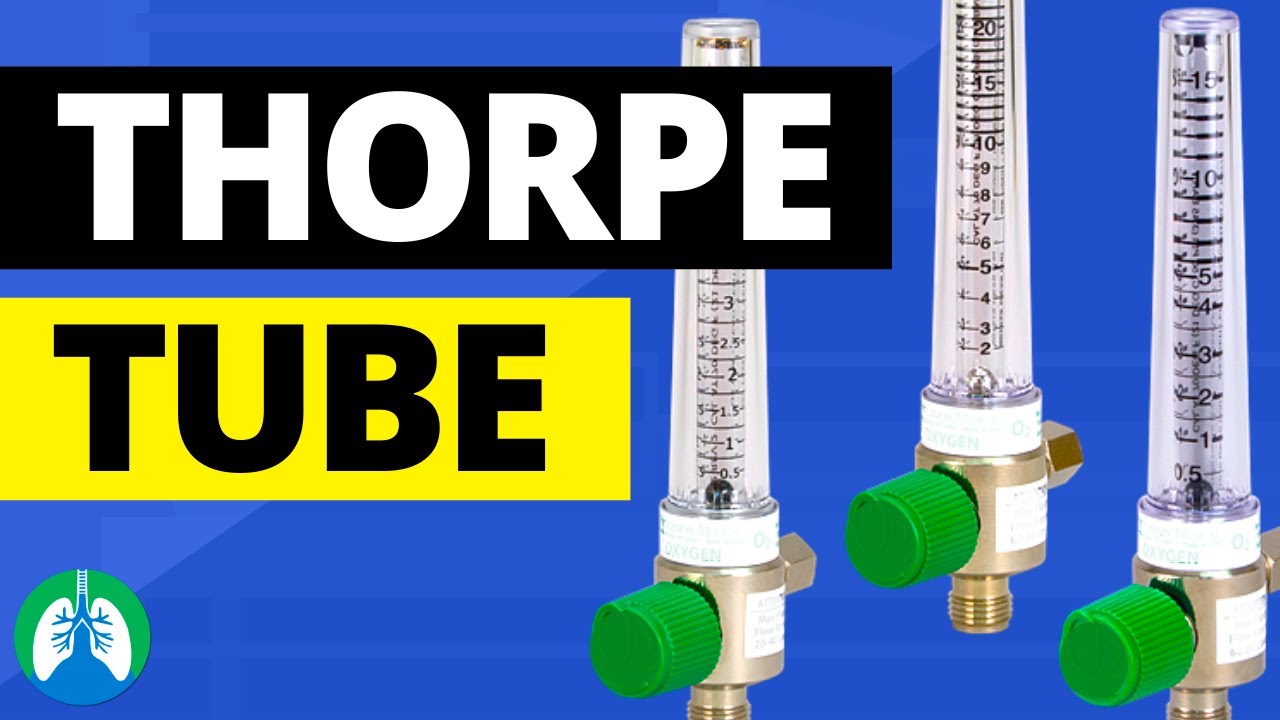
Watch: Thorpe Tube vs. Bourdon Gauge — Clinical Explanation
This video provides a clear clinical explanation of the functional differences between Thorpe tube and Bourdon gauge flowmeters — including the compensated/uncompensated distinction that is the most common source of clinical errors in oxygen delivery. Use it in your team training and share with facility clinical educators.
▶️ Thorpe Tube vs. Bourdon Gauge — Clinical Explanation — YouTube
Building Your Distribution Strategy Around Flowmeter Solutions
Positioning Yourself as the Expert Advisor Your Clients Trust
Developing Your Technical Expertise
The technical gap between what most respiratory equipment distributors know about oxygen flowmeters and what the clinical literature actually documents is significant — and it’s your competitive advantage if you close it first. The multicenter accuracy study, the compensated/uncompensated clinical distinction, the ISO 15002:2024 revision, and the FDA classification structure are all pieces of knowledge that most distributors in this market have never encountered.
Build a one-page technical briefing document for your sales team covering the three critical points: (1) one in three hospital flowmeters currently in use fails ISO accuracy standards — here’s the evidence; (2) the compensated/uncompensated distinction is a clinical safety issue, not a preference; (3) Bourdon gauges are the correct technology for transport, Thorpe tubes for precision bedside care. These three points, delivered with the supporting evidence, position you differently than every competitor who walks in with a price list.
For deeper technical development, resources from the American Association for Respiratory Care (AARC) and the respiratory therapy clinical education programs at WisTech Open — including their open-access Medical Gas chapter — provide structured clinical context that helps your sales team understand how these devices fit into the broader respiratory care workflow.
Structuring Your Product Mix and Inventory
A well-structured medical flowmeter inventory for a regional respiratory equipment distributor serving a mix of hospital and clinic accounts should include:
- Pressure-compensated Thorpe tubes, 0–15 L/min: Core SKU for hospital bedside. Maintain 60–90 days of demand in stock — these are your highest-volume unit.
- Pressure-compensated Thorpe tubes, 0–3 L/min: Neonatal/pediatric specialist item. Smaller volume but critical application; stockout risk is unacceptable.
- Bourdon gauge cylinder regulators, DISS outlet: Standard for portable and transport applications. Maintain 30–45 days in stock; lead time from manufacturer is typically 2–3 weeks.
- Polycarbonate (impact-resistant) Thorpe tubes, 0–15 L/min: Specify for ED, trauma, and other high-impact environments. Higher unit cost, lower replacement frequency.
- Calibration kit: A portable reference flow measurement device for field verification. This is a capital investment ($800–$2,500 depending on specification) that pays back in both service revenue and technical credibility.
The distributors who cannot respond to an urgent need — a facility needing 12 compensated Thorpe tubes this week because of a Joint Commission preparation audit — lose the account to the supplier who can. Adequate safety stock is a competitive differentiator, not just an inventory cost.
Customer Education and Relationship Building
Quarterly facility newsletters (one page, email-delivered) covering one clinical topic per issue — “What Is a Compensated Thorpe Tube and Why Does Your NICU Need One?”, “Joint Commission Medical Gas Compliance: What Your Survey Revealed”, “The 2024 ISO 15002 Update and What It Means for Your Equipment Fleet” — keep you present in the facility’s operational consciousness between purchase events. Write these from a clinical quality perspective, not a product promotion perspective, and they will be read and shared internally rather than deleted.
Annual “respiratory equipment health check” site visits — where you verify calibration status, identify aging units approaching replacement, and document the facility’s equipment inventory — create a systematic renewal and replacement revenue stream that is relationship-driven rather than competitive bid-driven.
The insight from the instrumentation field that applies directly here: the most durable distributor relationships in precision measurement — whether industrial flow meters or medical gas flowmeters — are built on documented expertise and proactive service, not on price. At ジェイド・アント・インストゥルメンツ, the principle that drives our distributor support framework is the same one that should drive yours: the measurement instrument is the starting point, but the knowledge and service that surround it are the competitive moat.

主要用語集
| Term | Plain-Language Definition |
|---|---|
| Bourdon Gauge | A mechanical flowmeter using a curved metal tube that deflects under pressure to indicate flow — position-independent, suitable for transport and portable oxygen systems |
| Thorpe Tube | A gravity-dependent rotameter flowmeter where a float rises in a graduated vertical tube proportional to gas flow — used for precision bedside oxygen delivery |
| Compensated (Pressure-Compensated) Thorpe Tube | A Thorpe tube design where the control valve is downstream of the float — reads accurately even when downstream devices create back-pressure. Required for nebulizer and humidifier use |
| Uncompensated Thorpe Tube | A Thorpe tube design where the control valve is upstream of the float — reads higher than actual delivery when downstream back-pressure exists. Not suitable for use with humidifiers or nebulizers |
| DISS | Diameter Index Safety System — a standardized medical gas connector system that uses different physical dimensions for each gas type to prevent misconnection |
| ISO 15002 | International standard (2024 edition) specifying accuracy requirements for flow-metering devices connected to medical gas supply systems |
| 21 CFR § 868 | U.S. FDA regulation governing anesthesiology devices including oxygen flowmeters — establishes device classification and regulatory requirements |
| 510(k) Clearance | FDA premarket notification clearance required for Class II medical devices including flowmeters — verify this number before selling any flowmeter for U.S. medical use |
| CGA G-4.3 | Compressed Gas Association standard specifying allowable accuracy tolerance of ±10% for medical oxygen delivery devices — the North American compliance reference |
| Back-Pressure | Resistance to gas flow created by downstream devices (humidifiers, nebulizers, masks) — causes uncompensated Thorpe tubes to over-read flow |
| Nominal Value (NV) | The prescribed or set flow rate. Accuracy is expressed as a percentage of nominal value — the multicenter study found delivery ranging from 48% to 185% NV in hospital conditions |
| LTOT | Long-Term Oxygen Therapy — continuous supplemental oxygen prescribed for patients with chronic hypoxemia, typically COPD — accuracy is critical for both clinical outcome and patient survival data |
| Joint Commission EC.02.05.01 | The Environment of Care standard requiring hospitals to maintain medical gas systems safely — includes flowmeter calibration documentation requirements |
よくある質問
1. What’s the typical accuracy difference between Bourdon gauges and Thorpe tubes, and does it matter for standard respiratory applications?
Both technologies are specified to ±10% accuracy at calibration, but their real-world performance profiles differ significantly. The multicenter study of 476 hospital flowmeters found that approximately 33% of Thorpe tubes in actual hospital use were outside ISO 15002 acceptable limits — not because of design failure, but because of aging, improper positioning, and lack of calibration maintenance. For standard adult respiratory applications at mid-range flows (4–10 L/min), a freshly calibrated unit of either type is clinically adequate. The accuracy difference becomes clinically decisive in three specific situations: low-flow pediatric applications (where Thorpe tube scale resolution is superior), back-pressure applications with humidifiers or nebulizers (where only a compensated Thorpe tube is accurate), and transport/mobile applications (where only a Bourdon gauge maintains accuracy at non-vertical orientations).
2. How do I explain the cost difference to facility managers who only look at purchase price?
Start with a single number from the clinical literature: one in three hospital flowmeters currently fails ISO accuracy standards in actual use. Then ask: “What does a Joint Commission finding related to medical gas equipment cost your facility in corrective action plans, resurvey fees, and staff time?” Most facility managers have direct experience with compliance event costs and can calculate quickly that a $40 premium per unit is a small insurance payment against a $15,000–$40,000 compliance event. Then add the 5-year TCO comparison: the premium-priced Thorpe tube with documented lower replacement frequency and included calibration certificate often costs less over five years than the lowest-bid Bourdon gauge with its maintenance overhead. Build the TCO model with their specific numbers and let the arithmetic make your case.
3. Can we use Bourdon gauges and Thorpe tubes interchangeably in the same facility?
No — not interchangeably, but deliberately in a tiered deployment strategy. The correct approach is to map each use application to the appropriate technology: Thorpe tubes for all fixed bedside positions (especially any connected to humidification or nebulization devices), Bourdon gauges for all transport and portable cylinder applications. Using them interchangeably — selecting whichever unit is available at a given moment — introduces the risk of an uncompensated Thorpe tube being used in a back-pressure application, or a Bourdon gauge being substituted in a neonatal application where its scale resolution is inadequate. Your standardization proposal should document the technology assignment for each application type, and the facility should implement physical storage or labeling practices that maintain the assignment in daily operations.
4. What’s the typical calibration frequency for each type, and what should we budget for service costs?
Both technologies require annual calibration at minimum under ISO 15002 and CGA G-4.3 standards. In high-use environments (ICU, ED) or for devices used with high-risk patient populations (neonates, COPD), semi-annual calibration is defensible practice and supported by the accuracy data showing that field performance degrades between calibration events. Budget $18–$45 per unit per year for biomedical engineering labor or third-party calibration service — the range reflects differences in regional labor rates and whether calibration is performed in-field or at a service center. Structure your service contracts to include calibration, documentation, and certificate issuance. Pricing these contracts at $22–$28 per unit per year provides a reasonable margin while being competitive with in-house biomedical engineering costs at most community hospital facilities.
5. Which flowmeter is better for high-flow oxygen delivery applications?
At high flows (8–15 L/min), both technologies perform within acceptable accuracy ranges when properly calibrated. The decision comes down to the installation context. For fixed bedside high-flow positions (non-rebreather mask delivery, high-flow nasal cannula), a compensated Thorpe tube is appropriate and provides the visible float confirmation of flow delivery. For transport scenarios or emergency applications where the equipment may be moved rapidly and orientation is unpredictable, a Bourdon gauge is the required technology. Never use an uncompensated Thorpe tube for high-flow applications connected to any device with downstream resistance — the over-reading error at high flows can lead to significant under-delivery if the flow is set high to compensate for what is actually instrument inaccuracy.
6. How do we handle equipment upgrades when a facility has been using Bourdon gauges for years?
Position the upgrade as a quality improvement project driven by current evidence and regulatory standards — not as a product switch. Start with the clinical data: show the accuracy study findings, show the ISO 15002:2024 accuracy requirements, and identify which of their current applications are operating with technology that cannot meet those requirements. Propose a phased approach that begins with the highest-acuity applications (NICU, ICU) where the accuracy stakes are clearest, and phases in the remaining areas over 6–12 months. Include a formal in-service training program for nursing and respiratory therapy staff, and provide a written transition guide they can post at each nursing station. The change management investment upfront protects the implementation and prevents the “nurses are going back to the old equipment because it’s familiar” failure mode that derails otherwise well-planned upgrades.
7. What compliance documentation do we need to provide with each flowmeter type?
For every medical flowmeter shipped to a U.S. medical facility: an FDA 510(k) clearance certificate (verifying the product is legally cleared for medical use), a calibration certificate documenting the unit was tested before shipment with specific test results and the reference standard used, a product data sheet with ISO classification and accuracy specification, and the manufacturer’s instructions for use. For international markets, CE marking documentation and the corresponding ISO or national standard conformity declaration. Facilities undergoing Joint Commission preparation should also receive from you a service checklist document — a one-page summary of required maintenance activities and their recommended intervals — that they can include in their Environment of Care binder for survey purposes. Providing this documentation proactively, without being asked, is the practice that distinguishes you from the distributor who merely ships product in a box.
8. Are there specific installation requirements that could affect our delivery timelines or service costs?
Yes — and conducting a pre-delivery site survey is the most effective way to prevent installation surprises from becoming relationship problems. Key installation variables to verify before quoting installation scope: connector standard at each outlet (DISS is standard in U.S. new construction, but older facilities may have non-standard fittings requiring adapters), wall outlet condition and support structure (Thorpe tube bracket mounting requires solid backing), available space for vertical alignment (some facilities have equipment crowding at wall outlet positions that makes proper Thorpe tube mounting difficult), and pipeline pressure verification (Thorpe tubes calibrated for 50 PSI may read inaccurately in facilities with pipeline pressures significantly different from standard). Each of these variables, if discovered after delivery, becomes a service call that costs you margin and relationship trust.
9. How do we handle customer complaints about flowmeter accuracy or performance?
The first step is diagnostic, not defensive. When a facility reports that a flowmeter is “not working correctly,” the clinical detail matters: What flow is being set? What flow is believed to be delivered? Is this a reading complaint (the display looks wrong) or a patient outcome complaint (the patient’s oxygen saturation is not responding as expected)? Get a calibrated reference measurement if possible — either by visiting the site with a reference flow meter or by directing the facility biomedical team to test against their internal reference standard. In a large proportion of cases, the complaint traces to an improper use situation (uncompensated Thorpe tube in a back-pressure application, Thorpe tube installed at a tilt) rather than a product defect. Resolving it correctly — identifying the root cause, correcting it, and documenting the resolution — turns a complaint into a demonstration of your technical competence.
10. What’s the typical lifespan of each flowmeter type, and when should facilities plan for replacement?
Bourdon gauges in continuous hospital use: 4–7 years before mechanical drift and wear create accuracy problems that calibration cannot resolve. The wear pattern is progressive — annual calibration will catch drift before it becomes clinically dangerous, but by year 5–6, calibration intervals are effectively masking rather than preventing the underlying drift. Plan proactive replacement discussion at 5 years.
Pressure-compensated Thorpe tubes in fixed wall-mount clinical use: 7–10+ years if the acrylic body is not mechanically damaged. The float and tube are the wearing elements; manufacturers offer replacement float kits that extend service life at lower cost than unit replacement. In high-impact environments (emergency departments, trauma bays), polycarbonate housing design extends practical service life significantly compared to standard acrylic.
Replacement planning guidance for facility materials managers: inventory any unit with a service date more than 5 years ago for evaluation and calibration verification. Any unit failing calibration at the 5-year point should be replaced rather than returned to service. At the 7–8 year mark, plan fleet replacement regardless of current calibration status — preventive replacement at this stage is less expensive than the combination of calibration costs and emergency replacement when units fail unexpectedly.
11. Can we bundle flowmeters with other respiratory equipment to create more attractive package deals?
Absolutely — bundling is one of the highest-leverage margin strategies in respiratory equipment distribution. Natural bundling combinations: oxygen flowmeters + DISS wall outlets + mounting brackets + flow tubing + humidifier bottles for a “complete bedside oxygen station” package; flowmeters + portable cylinder regulators + cylinder carts for a “patient transport oxygen system” package; flowmeters + calibration service contract + annual inspection + replacement unit coverage for a “flowmeter management program.” Each bundle creates a higher total sale value, reduces the unit-price comparison dynamic (you’re selling a solution, not a component), and creates service touch-points that extend the relationship. Margin on the service contract component of a bundle is typically higher than on hardware — aim for 40–50% gross margin on service elements versus 30–40% on equipment.
12. How do Bourdon gauges and Thorpe tubes perform in different environmental conditions?
Both technologies are specified for use at standard temperature (23°C ± 2°C) and atmospheric pressure (1013 hPa) under ISO 15002. Real-world variations:
Altitude: Thorpe tubes calibrated at sea-level conditions will read slightly high at altitude (lower atmospheric pressure reduces the downward gravitational component on the float). At 1,500 meters elevation (a relevant consideration for high-altitude hospitals in Colorado, Andean cities, or East African facilities), the reading error can reach 2–4% — typically within acceptable tolerance for adult applications but potentially relevant for neonatal precision requirements. Some manufacturers offer altitude-corrected calibrations.
温度: Bourdon gauge accuracy is stable across wide temperature ranges. Thorpe tube accuracy is mildly temperature-sensitive in uncompensated designs (gas density changes slightly with temperature affect float equilibrium). In climate-controlled hospital environments (18–24°C), this is not a significant factor.
Humidity: High ambient humidity can cause moisture condensation inside Thorpe tube acrylic bodies in environments with dramatic temperature swings — a consideration for facilities in tropical climates or for equipment stored in untempered spaces. Moisture condensation on the inside of a Thorpe tube body is visible as fogging, which makes the float difficult to read accurately.
13. What training should we provide to facility staff, and what’s our liability if they use the equipment incorrectly?
Your training obligation, and your liability protection, both depend on the documentation. Provide: written instructions for use (manufacturer IFU is the baseline; your supplementary quick-reference card should be application-specific), in-service training with a documented attendance register and competency demonstration, and a follow-up contact point (email or phone) for questions. Your liability exposure is limited when you have provided appropriate training and the facility has acknowledged receipt. Your liability exposure increases significantly when equipment is used in an application for which you did not recommend it, but where you had no documented conversation with the facility about appropriate use. The documentation practice — in-service attendance records, written recommendations for each application type — is your protection, and it also happens to be the practice that professional facilities expect from professional distributors.
14. Are there specific brands or manufacturers you recommend, and how do their products compare?
The medical flowmeter manufacturer landscape includes large diversified companies (Allied Healthcare, Philips Respironics, Ohio Medical) alongside specialist manufacturers (Precision Medical, Genstar Technologies, Maxtec) and international suppliers at various price points. Key differentiation points to evaluate when selecting supply sources: FDA 510(k) clearance verification (non-negotiable), ISO 15002 certification and compliance documentation quality, calibration certificate issuance with each unit (standard practice among top suppliers, absent among low-cost sources), warranty terms and replacement support, and domestic versus international inventory availability for urgent orders.
In the industrial flow measurement space, precision manufacturers like ジェイド・アント・インストゥルメンツ apply rigorous calibration and quality documentation standards to every unit shipped — a quality discipline that the medical device supply chain requires equally. When evaluating any new medical flowmeter supplier, ask for a sample calibration certificate on an actual production unit before committing to supply. The quality of that document tells you more about the supplier’s quality culture than any audit questionnaire.
15. How do we position flowmeter solutions to compete against larger medical equipment suppliers?
Your structural advantage over large national suppliers is not price — it’s presence, knowledge, and response time. The procurement manager at a 200-bed community hospital who needs 12 compensated Thorpe tubes by Thursday because their Joint Commission self-assessment identified a gap will not get a same-day response from a national distributor’s customer service line. You can be there on Thursday. The clinical educator who needs an in-service training session for the night shift next Tuesday cannot schedule that through a national distribution portal. You can schedule it with a phone call.
Your technical knowledge advantage — the multicenter accuracy data, the compensated/uncompensated clinical distinction, the ISO 15002:2024 update — is content that most large distributor reps have not accessed and cannot deploy in a customer conversation. When you present this material in a facility meeting, you are demonstrating a quality of preparation that the national rep’s standard pitch deck cannot match. Specialty knowledge, local presence, and service responsiveness are your moat. Price competition is their moat. Do not fight them on their ground.
Making the Right Choice for Your Clients and Your Business
The Bottom Line — Why This Decision Matters
The choice between a Bourdon gauge and a Thorpe tube is not a preference — it’s a clinical specification with documented consequences for patient outcomes and documented compliance implications for the facilities your clients operate. One in three flowmeters currently in hospital use fails the accuracy standards that protect patients. The facilities that don’t know this yet are vulnerable. The facilities that do know it are looking for the distributor who can help them fix it.
Your competitive advantage in this market is not the lowest unit price on a catalog item. It is the knowledge to specify the right technology for each application, the documentation practices to protect both your client and yourself from compliance risk, and the service capability to support the clinical teams who depend on accurate oxygen delivery every day.
Become the distributor who walks into a facility meeting with the clinical evidence, the regulatory framework, and the specific application guidance that the room hasn’t seen before — and you will walk out with a relationship that no competitor can displace with a lower quote.
Additional Resources:
- Jade Ant Instruments — Flow Meter Technology and Application Resources
- FDA 21 CFR § 868.2300 — Bourdon Gauge Flowmeter Regulation
- FDA 21 CFR § 868.2340 — Compensated Thorpe Tube Regulation
- ISO 15002:2024 — Flow-Metering Devices for Medical Gas Supply
- Accuracy of Medical Oxygen Flowmeters: Multicenter Field Study (SCIRP)
- American Association for Respiratory Care (AARC) — Clinical Resources
- Joint Commission Medical Gas Compliance Guide — Compass Cryo
- WisTech Open — Respiratory Therapy: Medical Gas Systems (Free Clinical Reference)
Ready to Become the Flowmeter Expert Your Clients Depend On?
Your clients are making oxygen delivery decisions today — some with equipment that fails accuracy standards, some without a clear understanding of which technology is required for their most critical applications, and almost all without a distributor who has walked them through the clinical evidence that should be driving their procurement choices.
That’s your opening.
→ Download Your Free Flowmeter Selection Checklist for Distributors
→ Schedule a Consultation to Structure Your Flowmeter Distribution Strategy
→ Request Application-Specific Technical Guidance for Your Accounts
The technical knowledge in this guide took 60+ years of clinical research to generate. It took you 20 minutes to read. The distributor who brings it to the next facility meeting — with the accuracy data, the regulatory framework, and the tiered application recommendations — is the one who earns the contract. Make sure that distributor is you.