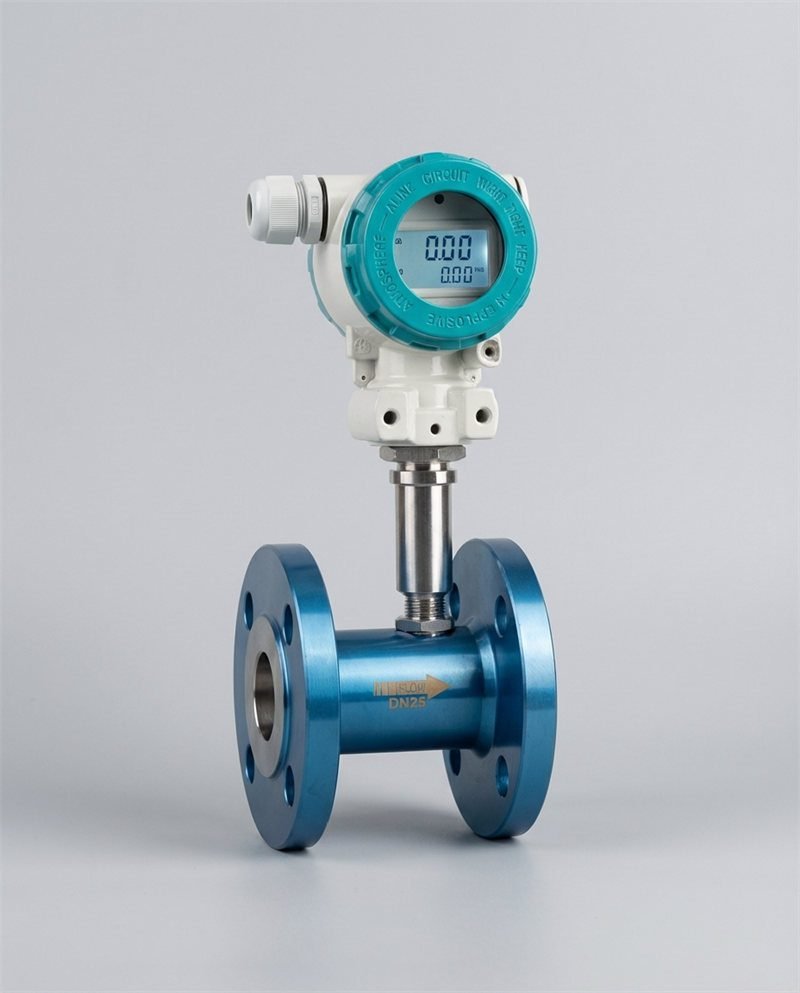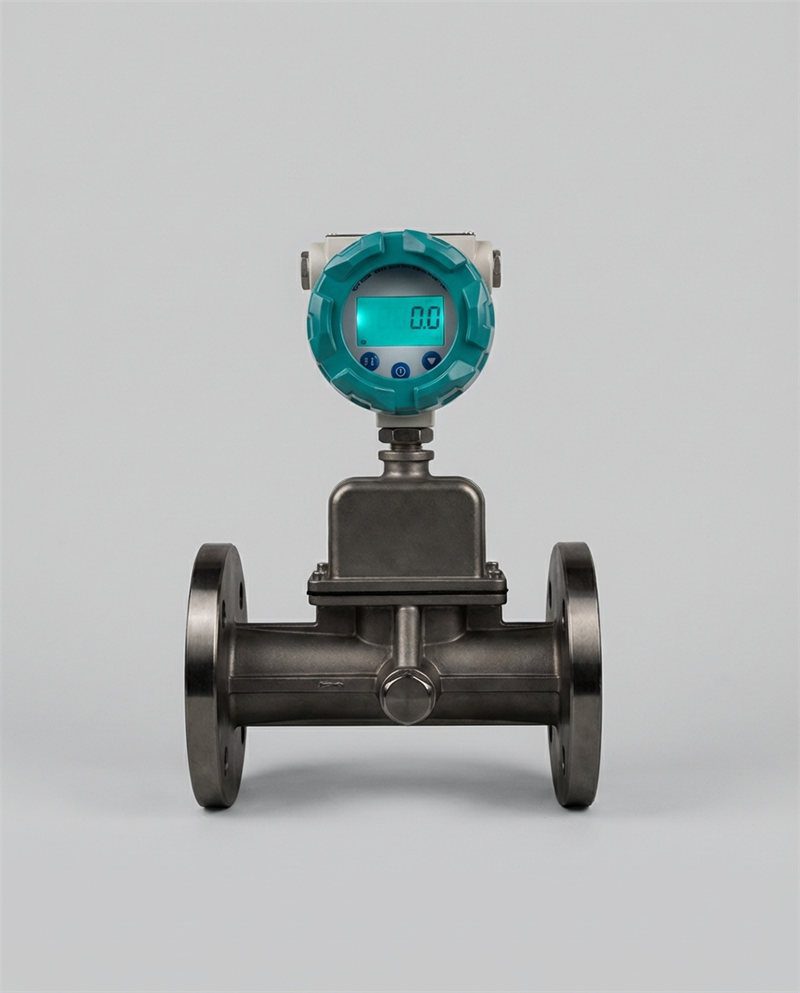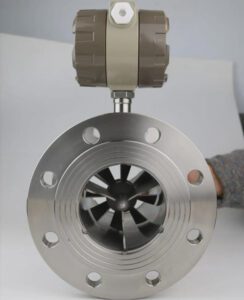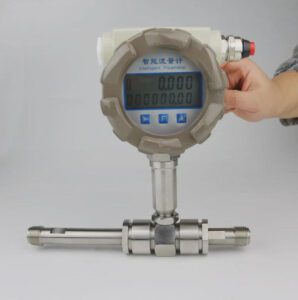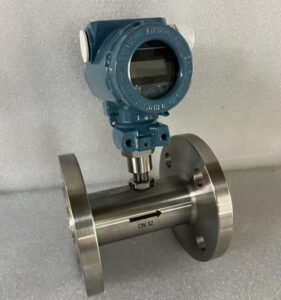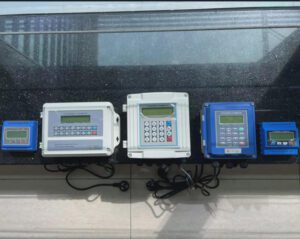
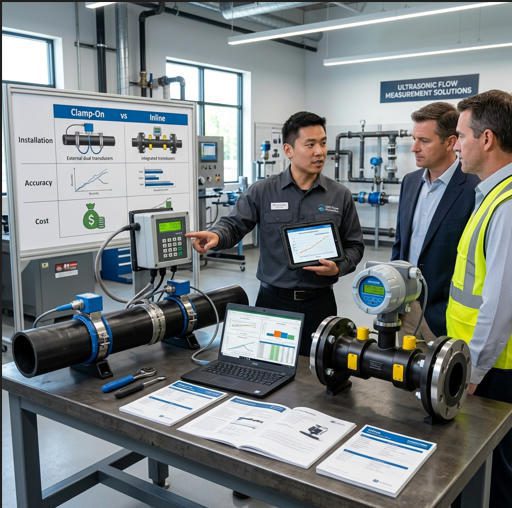
A 1% measurement error on a crude oil transfer line carrying 50,000 barrels per day translates to roughly $35,000 in unaccounted product every 24 hours. The meter you recommend to your clients is not a commodity decision — it is a financial and operational one. This guide gives distributors and agents a structured framework to match the right ultrasonic flow meter technology — clamp-on or inline — to every project scenario your customers bring you.
Introduction: Understanding Your Flow Measurement Options
The Critical Role of Flow Meter Selection in Industrial Operations
Ultrasonic flow meters have displaced mechanical technologies across process industries over the past two decades — not because of marketing, but because of measurable economics. No moving parts means no bearing wear, no seal replacement, and no rotor fouling. Non-contact measurement means zero process fluid exposure risk. Bidirectional operation means one device covers both directions of flow at identical accuracy. The global ultrasonic flow meter market, valued at USD 2.08 billion in 2025, is projected to grow to USD 3.56 billion by 2034 at a CAGR of approximately 5.5% (Fortune Business Insights, 2025), driven by oil and gas modernisation, chemical plant expansions, and the industrial push toward predictive maintenance and digital integration.
Within the ultrasonic category, two distinct installation architectures dominate: clamp-on meters, which attach ultrasonic transducers to the outside of an existing pipe without any process interruption, and inline meters, which replace a section of pipe and position transducers with direct acoustic coupling to the fluid. Both use the same underlying transit-time measurement principle — but their installation profiles, cost structures, and optimal use cases are fundamentally different.
Why B2B Distributors Need a Clear Comparison Framework
For distributors and agents in the flow instrumentation channel, recommending the wrong technology is not just a customer service issue — it is a margin and relationship risk. A customer who buys inline meters for a retrofit project discovers that pipe cutting alone costs three times the meter price. A customer who buys clamp-on meters for a custody transfer installation discovers the accuracy certificate is rejected by their trading partner’s auditor. Both scenarios result in returns, replacement orders, and — more expensively — lost confidence in your technical guidance.
The framework in this guide draws on the specification data and application experience that Jade Ant Instruments — a manufacturer and supplier of precision flow measurement instruments with a 15+ year track record across industrial sectors — has accumulated from thousands of installations worldwide. Each section is structured to give your sales and technical team actionable decision criteria, not just product features.

Large-diameter industrial pipelines in process facilities represent the core B2B market for ultrasonic flow meter distributors. The choice between clamp-on and inline technology can mean the difference between a two-hour installation and a three-day planned outage.
Installation Requirements and Complexity
Clamp-On Ultrasonic Flow Meters: Non-Invasive Installation Advantages
Minimal Downtime and Process Disruption
The defining commercial advantage of clamp-on ultrasonic meters is the complete elimination of process shutdown as a prerequisite for installation. A two-person team can install a fixed clamp-on meter on a DN200 carbon steel pipeline in under 90 minutes — no welding permits, no pressure testing, no production loss. For a process plant running at a production cost of $50,000 per hour, this difference alone can justify the entire meter purchase price before operational savings are even considered.
This is particularly relevant in retrofit scenarios where the existing piping was designed without flow measurement in mind — the typical condition in facility upgrade projects, energy sub-metering implementations, and condition monitoring programmes. Clamp-on meters transform what would otherwise require a major capital project (pipe modification, temporary bypass installation, system re-pressurisation) into a routine instrumentation task.
Step-by-Step Installation Process for Your Clients
The installation sequence for a clamp-on meter follows five steps that your field technicians or your clients’ maintenance teams can complete without specialist contractors:
1. Pipe survey — Measure outside diameter, determine wall thickness (UT gauge or data sheet), confirm pipe material and condition. Identify a straight run section meeting upstream/downstream straight pipe requirements (typically 10× and 5× pipe diameter).
2. Transducer spacing calculation — Enter pipe parameters into the meter’s built-in calculator or the manufacturer’s software tool to determine the correct transducer separation distance for the specified measurement mode (V-mode for small pipes, Z-mode for large or acoustically challenging pipes).
3. Surface preparation — Clean the mounting area, removing loose paint, scale, or corrosion to ensure acoustic coupling. Apply ultrasonic couplant gel or grease in a thin, uniform layer.
4. Transducer mounting — Attach transducers using the provided rail-and-clamp or cable-tie mounting system. Confirm acoustic signal quality on the transmitter display (signal strength and signal quality index should meet manufacturer minimums).
5. Commissioning — Configure pipe parameters, set output ranges, verify zero-flow reading, and integrate with the plant’s 4–20 mA, HART, or Modbus communication loop.
Equipment and Tools Required for Field Deployment
The entire field kit for clamp-on installation fits in a standard instrument carry case: the transmitter unit, two transducers with mounting hardware, a reel of signal cable, ultrasonic couplant compound, a steel tape measure, an ultrasonic wall thickness gauge, and a laptop or tablet for configuration software. No welding equipment, no pressure testing pump, no scaffolding. This low logistics burden directly benefits distributors managing multi-site installation contracts — one trained technician with a single kit can complete three to five installation points per day.
▲ Step-by-step clamp-on ultrasonic flow meter installation guide covering pipe survey, transducer spacing, coupling, and commissioning — practical reference for distributor technical teams and end-user field engineers.
Inline Ultrasonic Flow Meters: Integration Considerations
Pipe Cutting and System Shutdown Requirements
Inline spool-piece meters replace a defined length of existing pipe — typically 5 to 10 pipe diameters — with a pre-fabricated metering section containing permanently installed transducers. This requires isolating and depressurising the relevant pipeline section, cutting out the existing pipe, and welding or bolting in the new spool piece. In a live process plant, this sequence demands a formal shutdown permit, a pressure test sign-off, and a restart procedure — typically a minimum of 4 to 8 hours of total outage time for a single meter installation on a DN100 to DN200 line.
For new construction (greenfield projects), this is not a constraint — the spool piece is installed during the initial pipe erection phase, and there is no operating system to disrupt. But for brownfield retrofit work — the dominant scenario in most distribution channels — the planned shutdown cost must be factored into the total project budget presented to the client.
Flange Connection Standards and Compatibility
Inline meters are supplied with flanged ends to ASME B16.5, EN 1092-1, or JIS B 2220 standard depending on the geographic market and customer specification. The distributor must confirm the exact flange standard, pressure class (typically ANSI 150#, 300#, or 600# for process applications), and pipe material schedule before ordering — a DN100 Class 150 ASME flange and a DN100 PN16 EN flange are not interchangeable. This detail-level specification requirement is one reason inline meter sales tend to require more pre-sale technical dialogue between distributors, their manufacturer support teams, and end-user engineering departments.
Professional Installation Timelines and Labor Costs
A realistic budget for inline meter installation on a process line in an operating plant includes: mechanical contractor time for pipe cutting and flange installation (4 to 8 hours, at industrial contractor rates of $80 to $150 per hour per person), instrument technician time for wiring and commissioning (2 to 4 hours), pressure testing and sign-off (1 to 2 hours), and any facility-specific permit costs. Total installation labour for a single DN100 inline meter in a brownfield environment typically runs $1,200 to $3,500 — comparable to or exceeding the meter’s own purchase price in many segments. This cost is absent from the clamp-on scenario entirely.

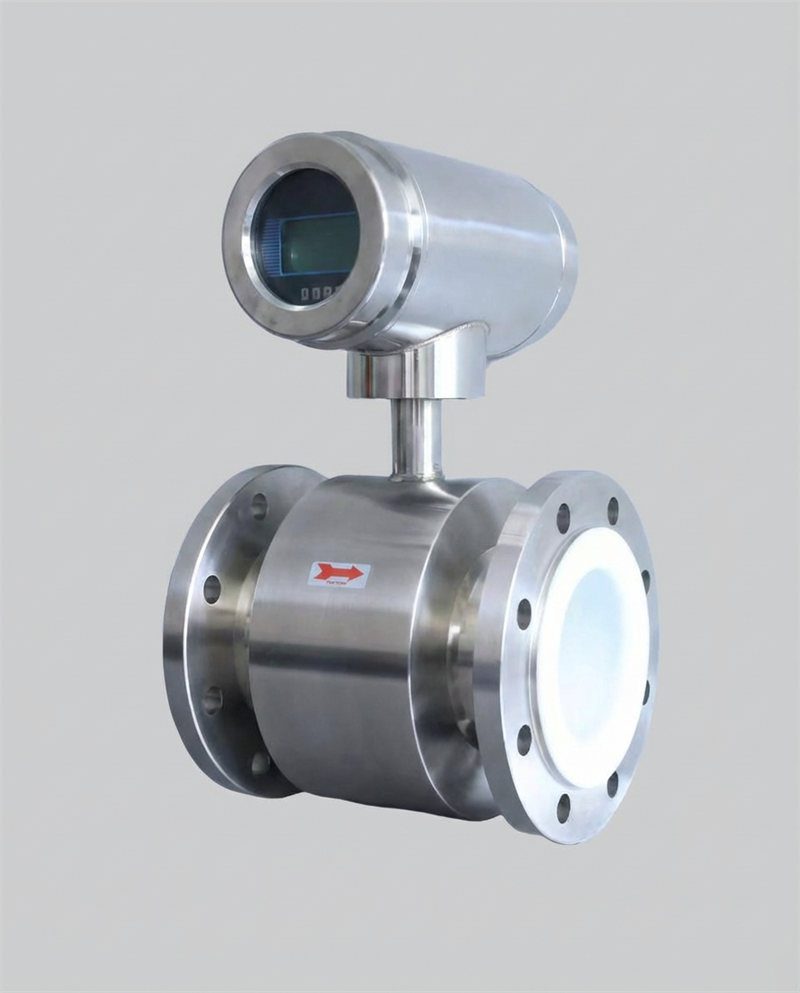
Inline spool-piece installation involves flange matching to ASME, EN, or JIS standards, pipe cutting, and system pressure testing — a process requiring planned shutdown windows and certified mechanical contractors.
Cost Analysis: Capital Expenditure and Total Cost of Ownership
Initial Purchase Price Comparison
Clamp-On Meter Pricing Structures
Clamp-on ultrasonic meters span a wide price range determined by transducer temperature rating, accuracy class, pipe size coverage, and communication protocol suite. Entry-level portable units for pipe sizes up to DN200 start around $500 to $1,500 — used primarily for energy audits and commissioning verification. Fixed-installation single-path clamp-on meters for permanent monitoring on DN50 to DN600 pipes are typically priced between $1,200 and $4,500. Dual-path and multi-path clamp-on configurations offering ±0.5% accuracy on larger pipes range from $4,000 to $10,000+ depending on configuration. (BCST Group, 2026 Pricing Guide)
Inline Meter Pricing Structures
Inline spool-piece meters are priced by pipe size, path count, and certification level. A single-path inline meter for DN15 to DN50 process lines (common in HVAC and pharmaceutical applications) typically costs $800 to $2,500. Mid-range DN50 to DN200 two-path process meters for oil and gas and chemical applications run $3,000 to $12,000. High-accuracy four-path to eight-path fiscal custody transfer meters for DN200 and above — meeting AGA-9 or API MPMS Ch. 5.8 certification requirements — are priced from $15,000 to $50,000 or above, reflecting the factory wet-flow calibration and third-party certification costs included in the price.
Hidden Costs in Equipment Procurement
The purchase price is only the most visible cost element. For inline meters, distributors must account for delivery lead time (4 to 16 weeks for custom-flanged spool pieces), local flange gasket and stud bolt kits (not always included in the meter supply), impulse line accessories where applicable, and any surface protection or insulation jackets required by the process environment. For clamp-on meters, the hidden procurement cost is typically couplant compound supply and replacement scheduling — a minor recurring cost but one that must be included in any multi-year maintenance contract.
Table 1: Initial Purchase and Installation Cost Comparison — Clamp-On vs. Inline Ultrasonic Flow Meters (Illustrative USD Ranges)
| Cost Element | Clamp-On (Single-Path, DN100) | Inline (2-Path, DN100) | Notas |
|---|---|---|---|
| Meter purchase price | $1,200 – $3,500 | $3,000 – $8,000 | Inline price includes factory calibration |
| Installation labour | $150 – $400 | $1,200 – $3,500 | Clamp-on: 1–2 hrs. Inline: 4–8 hrs + pipe work |
| Process shutdown cost | $0 | $2,000 – $15,000+ | Depends on facility production value/hour |
| Pipe cutting & flanging | $0 | $600 – $2,000 | Mechanical contractor cost |
| Pressure testing & sign-off | $0 | $200 – $800 | Required after inline installation |
| Commissioning & loop check | $100 – $300 | $300 – $800 | Instrument technician time |
| Total Installed Cost (estimate) | $1,450 – $4,200 | $7,300 – $30,100 | Brownfield retrofit scenario |
(Illustrative USD, DN100 brownfield process line)
Source: Compiled from manufacturer data sheets, industry TCO studies, and Jade Ant Instruments non-invasive meter comparison data. Values are illustrative; actual costs vary by facility, region, and application.
Long-Term Maintenance and Operational Costs
Maintenance Requirements for Clamp-On Technology
Clamp-on meters have no process-wetted components to inspect, clean, or replace. The primary maintenance activity is couplant compound inspection — a 15-minute visual check and reapplication task performed quarterly to annually depending on environmental exposure (outdoor installations in high-temperature or UV-intensive environments degrade couplant faster). Transducer cable integrity should be checked annually. In IP67/IP68-rated installations, the transmitter enclosure gasket should be inspected every two years. Total annual maintenance cost for a well-installed clamp-on meter is realistically $50 to $200 — primarily technician time, not parts.
Maintenance Requirements for Inline Technology
Inline spool-piece meters require internal inspection in services prone to scaling, fouling, or abrasion. A refinery fuel gas meter on a clean hydrocarbon stream may require only biennial calibration verification — a two-hour procedure costing $400 to $800. A water meter in a system with high calcium hardness may develop scale deposits on the transducer faces within 18 to 36 months, requiring removal, cleaning, and recalibration at a cost of $1,500 to $4,000 including the production shutdown. Fiscal metering applications (custody transfer) typically mandate annual or biennial wet-flow calibration at an ISO 17025-accredited flow calibration laboratory — a cost of $2,000 to $8,000 per meter depending on size.
Replacement and Upgrade Considerations
When a clamp-on transducer fails or degrades, it can be replaced in under an hour without any process interruption — a straightforward field exchange. When an inline meter requires replacement, the full installation cost applies again: pipe cutting, shutdown, pressure testing. This asymmetry means that in high-MTTR (Mean Time To Repair) environments or in facilities where unplanned shutdowns carry severe financial consequences, the lower equipment cost of clamp-on technology compounds into a significantly better 10-year position.
Technical Performance and Measurement Accuracy
Accuracy Specifications and Standards Compliance
Clamp-On Meter Accuracy Ratings
Single-path clamp-on meters on clean, well-characterised pipes — carbon steel or stainless steel, within normal temperature range, with adequate straight pipe run — routinely achieve ±1.0% to ±2.0% of reading. Dual-path clamp-on configurations on well-prepared installations achieve ±0.5% to ±1.0%. These figures are field-realistic, not laboratory ideals: a 2022 study in Medición de caudales e instrumentación (ScienceDirect) found that clamp-on meters on pipes with greater than 15% wall thickness variation from corrosion showed errors up to 2–5%, underscoring the importance of pipe condition assessment before specifying clamp-on technology.
Inline Meter Accuracy Ratings
Inline spool-piece meters, with transducers in fixed geometric relationship to the pipe bore and factory-calibrated against a traceable reference standard, achieve ±0.15% to ±0.5% of reading for multi-path configurations. Even single-path inline meters on small pipe sizes (DN15 to DN50) typically achieve ±0.5% to ±1.0% — notably better than equivalent clamp-on units at the same pipe size. The accuracy advantage of inline meters at small pipe sizes is particularly significant, because the transit-time path length is short and the uncertainty from pipe wall coupling (present in clamp-on) represents a larger fraction of the total path.
Industry Standards and Certification Requirements
The most widely referenced accuracy standards for ultrasonic flow meters in industrial applications are Informe n.º 9 de la AGA (natural gas custody transfer, multipath meters, maximum allowable error ±0.7%), API MPMS, capítulo 5.8 (liquid custody transfer, ±0.25% fiscal accuracy), and ISO 17089-1 (general gas metering, calibration traceability and diagnostic requirements). Custody transfer applications invariably specify inline multi-path meters certified to these standards. Process monitoring and energy sub-metering applications typically accept clamp-on meters with manufacturer accuracy statements backed by periodic verification.
Table 2: Accuracy Class Comparison — Clamp-On vs. Inline Ultrasonic Flow Meters by Application
| Solicitud | Precisión requerida | Clamp-On Suitability | Inline Suitability | Recommended Standard |
|---|---|---|---|---|
| Process flow monitoring | ±1–2% | ✔ Excellent | ✔ Excellent | Manufacturer spec. |
| Energy sub-metering (ISO 50001) | ±1–2% | ✔ Suitable | ✔ Suitable | OIML R 75 / EN 1434 |
| Fiscal billing (water utilities) | ±0,51 TP3T | ⚠ Marginal (dual-path) | ✔ Preferred | OIML R 49 / MID |
| Transferencia de custodia de gas natural | ±0.5–0.7% | ✘ Not certified | ✔ Required | AGA-9 |
| Liquid hydrocarbon custody transfer | ±0.25% | ✘ Not achievable | ✔ Required | API MPMS 5.8 |
| High-pressure boiler feedwater | ±0.5–1% | ⚠ Subject to pipe condition | ✔ Preferred | ISO 17089-1 |
Pipe Material and Thickness Limitations
Clamp-On Compatibility with Various Pipe Materials
Clamp-on meters work by transmitting an ultrasonic signal through the pipe wall and into the fluid. The pipe wall must be acoustically transparent — that is, it must transmit the ultrasonic pulse without excessive attenuation or distortion. Compatible materials include carbon steel, stainless steel, duplex stainless, copper, brass, PVC, CPVC, HDPE, PP, and PVDF. Challenging or incompatible conditions include: severely corroded pipe (wall roughness scatters the signal), rubber-lined or bitumen-lined pipe (the inner lining creates an air gap that blocks the acoustic path), cast iron with graphite flake structure (scatters ultrasound), and concrete-lined pipe (high attenuation in the lining material). For a complete compatibility matrix, the Jade Ant Instruments clamp-on ultrasonic flow meter specification page covers pipe diameter ranges from DN32 to DN1000 and lists supported material categories.
Inline System Material Considerations
Inline spool-piece meters are manufactured as complete pipe sections, so the meter body material must match the process specification. Standard offerings cover carbon steel, 316L stainless steel, duplex stainless, and PVC. Exotic alloys (Hastelloy C-276, titanium, Inconel) are available from specialist manufacturers for corrosive chemical service — at a significant price premium. The transducer wetted faces must also be specified in the appropriate material: zirconia ceramic faces for HF acid service, PEEK polymer faces for moderate acid service, titanium for oxidising media. This material engineering depth is a key advantage of inline meters in high-severity chemical service.
Dealing with Challenging Pipe Conditions
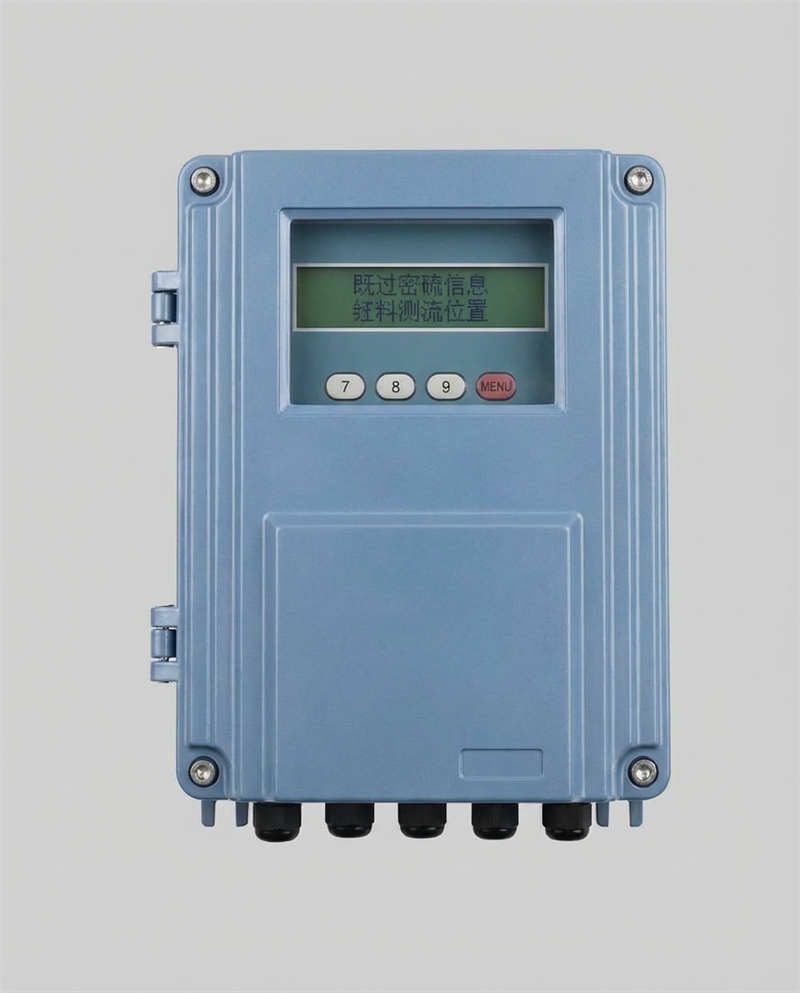
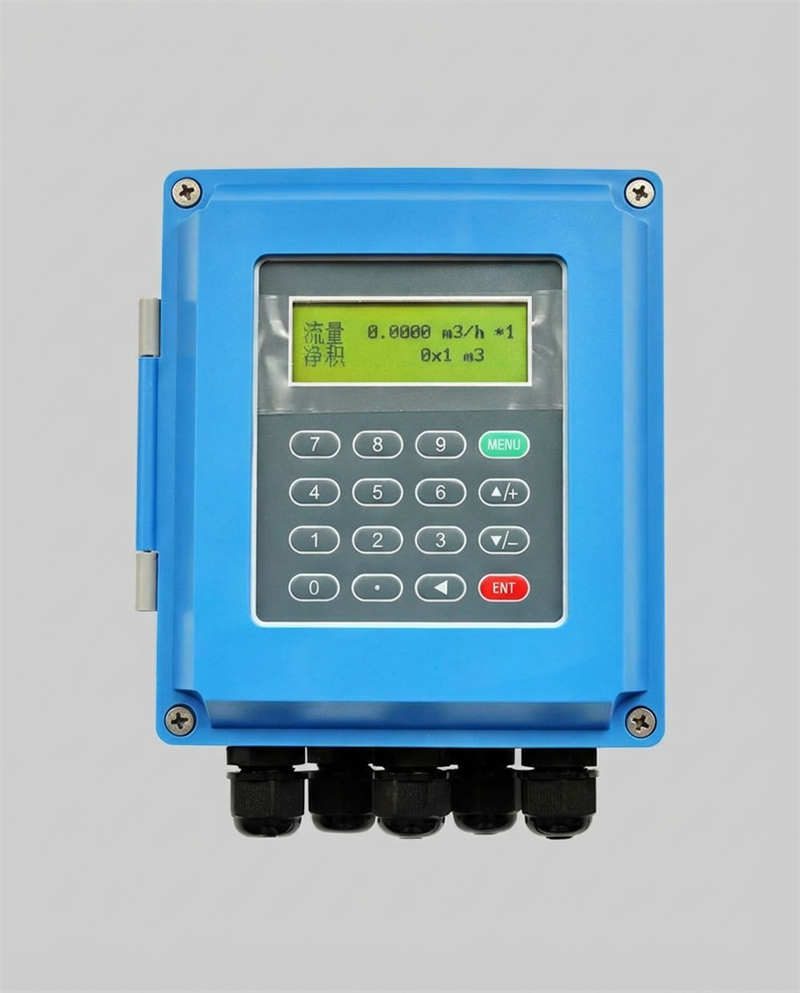
When a customer presents a pipe with uncertain wall condition — common in ageing water distribution networks and legacy chemical plants — the practical guidance for distributors is to conduct a field signal quality assessment before committing to a clamp-on specification. Most modern clamp-on meters, including Jade Ant’s wall-mounted ultrasonic flow meter range, display a real-time signal quality index (SQI) or signal strength indicator during installation. An SQI below the manufacturer’s minimum threshold (typically 50–60% on a 0–100% scale) is a clear indicator that the pipe condition will compromise accuracy, and inline installation or hot-tap insertion should be recommended instead.

Correct transducer mounting with uniform acoustic couplant application is critical for clamp-on signal integrity. Real-time SQI monitoring during installation verifies that the pipe condition supports the specified accuracy class.
Signal Quality and Environmental Factors
Temperature Compensation in Clamp-On Systems
The speed of sound in water rises from approximately 1,480 m/s at 20°C to approximately 1,550 m/s at 80°C — a 5% change that would translate directly into a 5% flow reading error without active compensation. Quality clamp-on meters embed temperature sensors in the transducer housing and apply continuous correction to the transit-time calculation. However, the external position of the transducers means they measure the pipe surface temperature, not the fluid temperature — a potential error source of ±0.5% to ±1.0% in systems with large temperature gradients between pipe surface and fluid centre. For high-temperature applications (above 120°C), this limitation favours inline meters, which can incorporate a direct-immersion temperature element within the spool piece.
Temperature Compensation in Inline Systems
Inline meters fitted with a thermowell or direct-immersion RTD measure actual process fluid temperature with ±0.1°C to ±0.5°C accuracy — an order of magnitude better than external surface measurement. In gas measurement applications requiring PTZ (Pressure-Temperature-Compressibility) correction, this superior temperature measurement quality directly improves the accuracy of the standard-condition volume calculation, which is why AGA-9-compliant fiscal meters mandate inline temperature measurement as part of the standard configuration.
Noise Interference and Signal Optimisation
Industrial environments introduce acoustic noise from pumps, compressors, control valves, and pipe vibration that can corrupt ultrasonic measurements on inadequately specified meters. Modern digital signal processing (DSP) in quality ultrasonic transmitters applies frequency-domain filtering and signal averaging to separate the flow signal from ambient noise. In pump-intensive environments, installing the meter at least 20 pipe diameters downstream of the nearest pump discharge and 10 pipe diameters from the nearest control valve is the first line of defence — a guideline specified in the meter manufacturer’s installation manual and in Endress+Hauser’s ultrasonic flow meter engineering guidance.
Ideal Use Cases and Application Scenarios
(Estimated % of global installed base, 2025)
- Clamp-On: Retrofit & Upgrade Projects (28%)
- Clamp-On: Permanent Monitoring (22%)
- Clamp-On: Portable / Audit (10%)
- Inline: Process Control (25%)
- Inline: New Construction (10%)
- Inline: Custody Transfer (5%)
Estimated distribution based on industry analyst reports and manufacturer application data. Clamp-on technology accounts for approximately 60% of ultrasonic meter deployments by unit volume, driven by the dominance of retrofit projects in total market activity.
When Clamp-On Meters Deliver Maximum Value
Retrofit and Upgrade Projects
Retrofit installations represent the single largest segment of ultrasonic flow meter demand in most distribution territories. Existing plants built without adequate flow measurement (a common condition in pre-2000 industrial facilities) need metering added to operating pipelines without disrupting production. Clamp-on meters are the only technology that delivers this without a plant shutdown. In one documented energy management project at a mid-sized chemical plant in Southeast Asia, 47 clamp-on meters were installed across 14 process units over three weeks — zero production interruptions, total installation cost $68,000 versus an estimated $310,000 for equivalent inline installations requiring planned shutdowns. The energy optimisation enabled by the new measurement data delivered ROI in 11 months.
Temporary Flow Monitoring Installations
Portable clamp-on meters are a revenue opportunity for distributors that goes beyond permanent product sales. Rental programmes — providing a portable kit to a client for a commissioning audit, a leak detection survey, or a process troubleshooting investigation — generate recurring revenue from the same installed base and keep your technical team in continuous contact with the client’s plant. A portable kit covering DN15 to DN600 (an entry-level Jade Ant Instruments clamp-on ultrasonic meter with interchangeable transducers) costs $2,000 to $4,500 and can generate rental income of $200 to $600 per week in active deployment — typically recovering its cost within one year of programme launch.
Multi-Point Measurement Strategies
Plants implementing ISO 50001 energy management systems or LEED certification programmes often need to meter 20, 50, or even 100+ flow measurement points across a facility — far more than budget allows if inline meters are specified throughout. Clamp-on meters on the non-critical monitoring points (cooling water sub-branches, compressed air sub-headers, process water distribution arms) at $1,200 to $2,500 per point enable comprehensive measurement coverage at a fraction of the cost of inline alternatives. The strategic combination — inline meters on fiscal and high-criticality points, clamp-on meters everywhere else — is the standard recommendation from experienced instrumentation consultants and the approach that Jade Ant’s application engineering team advocates for multi-point projects.
Systems with Limited Shutdown Windows
Continuous process industries — pharmaceutical, food and beverage, semiconductor fabrication, and petrochemical — operate on planned maintenance turnarounds of annual or longer intervals. An installation window of 30 to 90 minutes (clamp-on) versus a requirement for a 4 to 8-hour planned outage (inline) can determine whether a measurement project is feasible within the current turnaround schedule or must wait 12 to 18 months for the next opportunity. For distributors, understanding a client’s turnaround calendar is a key qualification question that can immediately determine technology selection.
Facilities with Budget Constraints
In capital-constrained environments — municipalities, SME manufacturers, developing-market industrial facilities — the total installed cost gap between clamp-on and inline can be the decisive factor. A water utility in Southeast Asia that needs to meter 20 distribution sub-mains at $2,500 per point (clamp-on, installed) versus $9,000 per point (inline, installed) is making a $130,000 vs. $180,000 budget decision — a difference that frequently determines whether the project is approved at all.
When Inline Meters Are the Optimal Choice
New Construction and Greenfield Projects
In greenfield construction — new plants, new pipeline systems, new building services infrastructure — inline meters are installed during the initial piping erection phase. There is no existing process to disrupt, no shutdown cost, and no retrofit complexity. The installation cost differential between clamp-on and inline largely disappears in this context, and the superior long-term accuracy, calibration stability, and audit traceability of inline meters become the dominant decision criteria. For any project where the P&ID is being drawn fresh, distributors should default to recommending inline meters unless specific application reasons favour clamp-on.
High-Precision Process Control Applications
Batch reactor charging, blending system control, and chemical dosing applications require accuracy tighter than the ±1% to ±2% typical of clamp-on meters. A pharmaceutical batch where the active ingredient is added at ±0.1% of target volume — a regulatory requirement under FDA 21 CFR Part 211 and ICH Q7 guidelines — requires a DN25 to DN50 inline meter with ±0.2% to ±0.5% accuracy and a valid calibration certificate. No clamp-on meter at DN25 reliably meets this specification. The cost of a measurement error — a rejected batch worth $50,000 to $500,000 — dwarfs the incremental cost of inline specification.
Custody Transfer and Billing Applications
Any application where the flow measurement is used as the basis for financial transactions — natural gas billing, crude oil pipeline transfers, refined product terminal operations, water utility billing — requires a meter certified to the applicable custody transfer standard (AGA-9 for gas, API MPMS Ch. 5.8 for liquid hydrocarbons, OIML R 49 for water). These standards mandate multi-path inline meters with factory wet-flow calibration traceable to national standards. Clamp-on meters are not currently certified for custody transfer under any major international standard — a hard boundary for distributors to communicate clearly to clients who may be tempted to substitute them on cost grounds.
High-Temperature and High-Pressure Systems
Process conditions above 150°C or above 100 bar (1,450 psi) progressively narrow the viable options for clamp-on meters. Above 200°C, standard couplant compounds fail and high-temperature alternatives (ceramic couplants, waveguide transducer designs) add cost and complexity. Inline meters with appropriate high-temperature transducer materials (PEEK, ceramic, or metallic waveguide designs) routinely handle conditions up to 300–450°C and 400 bar — ranges that serve high-pressure steam systems, supercritical boiler feed lines, and high-pressure hydrocarbon process systems that are completely outside the operating envelope of any standard clamp-on product.

High-pressure and high-temperature process lines in refineries and petrochemical plants demand inline meters with matching pressure class flanges, high-temperature transducer materials, and traceable calibration certificates — conditions that define the upper boundary of clamp-on applicability.
Operational Flexibility and Scalability
Portability and Redeployment Capabilities
Clamp-On Meters as Portable Assets
A clamp-on meter that was measuring cooling water flow on Building A last month can be measuring compressed air flow on Building B this month — without any process modification, without any tooling, and without any shutdown. This redeployment capability transforms the meter from a fixed capital asset into a mobile operational tool. For large industrial clients managing distributed manufacturing campuses or multi-site process plants, a fleet of 5 to 10 portable clamp-on meters managed as shared instrumentation resources can replace the need for 30 to 50 permanently installed meters at specific monitoring points, with periodic manual logging supplementing the permanent instruments at the critical points.
Quick Relocation Between Pipe Sections
Relocation of a clamp-on meter between pipe sections takes 15 to 45 minutes depending on pipe accessibility and the distance between measurement points. For commissioning engineers validating a new installation — checking pump flow balance across a heat exchanger network, for example — this means a single portable meter can survey an entire 20-point system in a single working day. An equivalent survey with inline meters would require 20 permanent installations, 20 planned shutdown windows, and weeks of engineering and installation work.
Inventory Management Strategies for Distributors
Distributors maintaining a stock of portable clamp-on kits covering key pipe size ranges (DN15 to DN600 is the most commercially relevant band) can offer same-day or next-day deployment for urgent client requirements — emergency flow monitoring after a pump failure, commissioning support for a new installation, or a spot-check audit before a client’s annual energy review. This service capability builds client dependence on your technical support team and creates upsell opportunities for permanent meter installations once the temporary need has established the measurement value.
Fixed Installation Benefits and Constraints
Inline Meter Permanence and Reliability
Inline spool-piece meters deliver one advantage that no clamp-on product can fully replicate: absolute measurement point permanence. The transducers are in a fixed, factory-verified geometric relationship to the pipe bore. The measurement path length is known to sub-millimetre accuracy. The velocity profile correction factor is validated against a calibrated flow reference. These conditions, established at the factory and certified on the calibration certificate, remain unchanged for the life of the meter — provided the spool piece is not physically altered. A clamp-on meter, by contrast, has accuracy that is partly dependent on the repeatability of the installer’s transducer positioning — a source of variability that is manageable with good installation discipline but that is always present.
System Integration with SCADA and Control Systems
Modern inline ultrasonic meters support the full range of industrial automation protocols. The standard output package includes 4–20 mA analog (universal compatibility), HART 7 (remote diagnostics and multi-variable access), and Modbus RTU/TCP (direct integration with SCADA data historians such as OSIsoft PI, Ignition, and Wonderware). Premium configurations add PROFIBUS DP/PA, PROFINET, Foundation Fieldbus, and BACnet/IP for building automation integration. Clamp-on meters support the same protocol range on most premium transmitters, but the integration depth — particularly real-time diagnostic variables such as velocity profile symmetry, signal quality index, and internal transducer health status — is typically more comprehensive in inline meter platforms, which are designed from the outset for permanent supervisory integration. For more information on protocol-to-platform matching, the Jade Ant Instruments ultrasonic flow meter industrial applications guide covers SCADA integration considerations in detail.
Expansion and Future-Proofing Considerations
An inline meter installation commits the facility to a specific pipe size, pressure class, and flange standard for the life of the measurement point. If the process is expanded — for example, if a DN100 line is upgraded to DN150 to accommodate higher throughput — the inline meter requires replacement. A clamp-on meter on the same line would simply be reconfigured to the new pipe parameters and remounted on the larger pipe, with no capital expenditure on the meter itself. For facilities in active growth or frequent process modification, this future-proofing advantage of clamp-on technology can represent a significant long-term capital saving.
Regulatory Compliance and Industry Standards
Custody Transfer and Billing Applications
Standards for Clamp-On Meter Certification
No current international custody transfer standard certifies clamp-on ultrasonic meters for fiscal measurement of gas or liquid hydrocarbons. This is a hard technical boundary, not a commercial preference. The reason lies in the geometry: custody transfer standards require a known, stable, factory-verified measurement path. Clamp-on meters depend on field-positioned transducers that can be mispositioned, shifted by thermal expansion, or disturbed by pipe vibration — none of which is permissible in a measurement system whose output forms the basis of a commercial invoice. Distributors who encounter customers attempting to use clamp-on meters for custody transfer should treat this as a re-qualification opportunity: the correct answer is an inline multi-path meter with the appropriate certification, and the conversation should address the total project cost, not just the meter price.
Standards for Inline Meter Certification
The primary standards governing inline ultrasonic meter certification are Informe n.º 9 de la AGA (North American natural gas, specifying accuracy, diagnostic requirements, and calibration traceability for multipath meters), API MPMS, capítulo 5.8 (liquid hydrocarbon custody transfer, requiring ±0.25% accuracy with NIST-traceable wet-flow calibration), ISO 17089-1 (international gas meters, broadly aligned with AGA-9 requirements), and OIML R 49 (water meters under the EU Measuring Instruments Directive). For European markets, the MID (Measuring Instruments Directive 2014/32/EU) governs legal-for-trade meters including heat meters and water meters.
Documentation and Audit Trail Requirements
Custody transfer applications require a comprehensive documentation package: the original factory calibration certificate with reference standard traceability chain, the installation record (spool piece serial number, flange orientation, upstream/downstream straight pipe compliance), the commissioning record, and subsequent recalibration records at the mandated interval (typically annual or biennial). Most national regulatory authorities and commercial trading agreements also require a meter proving programme — the capability to verify in-situ meter performance against a portable reference prover at defined intervals. Inline meters can be incorporated into conventional pipeline prover systems; clamp-on meters cannot.
Environmental and Safety Regulations
Compliance for Different Industrial Sectors
Sector-specific regulatory requirements define which meter technology is acceptable beyond accuracy considerations. In pharmaceutical and biotech applications, FDA 21 CFR Part 211 and European GMP Annex 1 prohibit flow devices that create dead legs, crevices, or non-drainable volumes in product-contact or purified water systems — a specification that virtually mandates clamp-on meters on validated WFI and ultrapure water loops. In nuclear power applications, the dominant requirement is minimising pipe penetrations and radiation exposure during maintenance — again pointing to clamp-on for cooling water circuits. In oil and gas processing, ATEX/IECEx Zone 1 and Zone 2 certification requirements apply to all electrical instruments in flammable atmosphere areas, and both clamp-on and inline meters are available with the required hazardous area certifications.
Hazardous Area Classifications and Certifications
For hazardous area applications, both clamp-on and inline meters must carry the appropriate certification: ATEX/IECEx for European and international markets (Zone 1 or Zone 2 for explosive atmospheres), NEC Class I Division 1 or 2 for North American applications, or NEPSI for Chinese markets. Clamp-on meters carry one specific safety advantage in hazardous areas: they eliminate the pipe penetrations that would otherwise be required for inline installation — every eliminated penetration is a potential leak point removed from the hazardous area piping system. In a facility with 20 metering points on hydrocarbon lines, switching from inline to clamp-on meters removes 40 pipe flanges from the hazardous area — a reduction in process safety incident risk that safety engineers treat as a tangible benefit.
Key Differentiators: Making the Recommendation Decision
Comparative Advantages Matrix
Table 3: Head-to-Head Comparison Matrix — Clamp-On vs. Inline Ultrasonic Flow Meters
| Criterion | Clamp-On | Inline | Edge |
|---|---|---|---|
| Installation speed | 30 min – 2 hrs, no shutdown | 4 – 8+ hrs, planned shutdown required | Clamp-On ✔ |
| Initial installed cost | $1,450 – $4,200 (DN100 brownfield) | $7,300 – $30,100 (DN100 brownfield) | Clamp-On ✔ |
| Precisión de medición | ±1.0 – 2.0% (single-path) | ±0.15 – 0.5% (multi-path) | Inline ✔ |
| Custody transfer certification | Not certifiable | AGA-9, API 5.8, ISO 17089 certified | Inline ✔ |
| High-temp / high-pressure | Typically ≤150°C / ≤100 bar (standard) | Up to 450°C / 400 bar | Inline ✔ |
| Portability / redeployment | Full portability, 15–45 min relocation | Permanently installed | Clamp-On ✔ |
| Corrosive / pure fluid service | No fluid contact — ideal | Requires material engineering | Clamp-On ✔ |
| Long-term calibration stability | Subject to transducer shift risk | Factory-set, stable geometry | Inline ✔ |
| 5-year maintenance cost | $500 – $1,000 (couplant, verification) | $2,000 – $8,000 (internal inspection, calibration) | Clamp-On ✔ |
| SCADA / DCS integration depth | Full protocol support (premium models) | Full protocol support + deeper diagnostics | Inline (slight edge) |
| Cast iron / lined pipe compatibility | Limited / challenging | Unaffected by pipe exterior | Inline ✔ |
| Hazardous area safety benefit | Eliminates pipe penetrations | Requires flanged connections | Clamp-On ✔ |
Helping Your Clients Choose: Decision Framework for B2B Distributors
Qualifying Questions to Ask Your Customers
Understanding Their Current System Configuration
Before any product recommendation, your sales team needs three pieces of pipe information: outside diameter (or nominal pipe size and schedule), wall thickness, and pipe material. These determine whether clamp-on is technically viable at all. A DN50 CPVC line and a DN800 cast iron water main require completely different conversations — one may be ideal for clamp-on, the other may not support the required signal quality.
Identifying Budget Parameters and Constraints
Ask the client not just for their meter budget but for their total project budget — meter plus installation plus commissioning plus any process disruption cost. The answer often reveals that what appears to be a tight budget for inline meters is actually entirely adequate for a clamp-on solution at the same measurement performance level, once the avoided shutdown cost and piping contractor cost are factored in.
Determining Measurement Accuracy Requirements
The single most important technical qualifying question is: “Is this measurement used for financial transactions, regulatory reporting, or process control?” If the answer involves billing, custody transfer, or a regulatory submission, the requirement is almost certainly inline. If the answer is energy monitoring, process optimisation, or general flow balancing, clamp-on is almost certainly sufficient — and the cost saving is significant.
Assessing Timeline and Operational Downtime Tolerance
Ask when the next planned maintenance shutdown is scheduled and what the cost of unplanned production loss is per hour. These two answers define the boundary condition for inline installation feasibility. If the next planned shutdown is 14 months away and the facility runs at $80,000 production value per hour, a 6-hour inline installation carries a potential opportunity cost of $480,000 — a number that reframes the clamp-on vs. inline decision entirely.
Evaluating Long-Term Strategic Objectives
Is the client building a permanent metering infrastructure to support an ISO 50001 certification, a carbon accounting programme, or a plant digitalisation initiative? Or is this a point-in-time project to solve an immediate operational problem? Permanent infrastructure projects favour inline meters for the higher calibration stability, deeper SCADA integration, and compliance documentation trail. Operational troubleshooting projects almost always favour the speed and flexibility of clamp-on.
Creating Custom Recommendation Strategies
Developing Comparative Cost Models
The most effective sales tool for an instrumentation distributor is a site-specific TCO model that the client’s engineering or procurement team can take to their budget committee. Build a simple spreadsheet with five rows: equipment cost, installation labour, process shutdown cost, 5-year maintenance cost, and 5-year calibration cost. Complete both columns — clamp-on and inline — with real numbers from the client’s site context (their contractor rates, their shutdown cost per hour, their calibration service provider’s quotation). In most brownfield retrofit scenarios, this model will show clamp-on at 25 to 60% of inline TCO, a difference that justifies the recommendation in purely financial terms and positions your technical team as a credible advisor rather than a product seller.

Technical consultation — presenting a site-specific TCO comparison rather than a product catalogue — is the differentiator that separates value-added distributors from commodity suppliers in the flow instrumentation market.
Presenting ROI Projections to Stakeholders
For larger multi-point projects, frame the ROI argument around the measurement value unlocked by the instrumentation, not just the equipment cost. A 20-point energy metering programme that identifies 12% compressed air waste (a typical finding in unmonitored industrial systems) on a $240,000/year compressed air energy spend returns $28,800/year — recovering the instrumentation investment in 18 to 24 months. This framing moves the conversation from procurement cost to capital investment return, which is a much easier budget approval process in most industrial organisations.
Positioning Solutions for Different Customer Segments
Segment your customer base by decision criteria: process engineers respond to accuracy data and standards compliance evidence — lead with the technical comparison table and certification documentation. Procurement managers respond to TCO data and vendor track record — lead with the 5-year cost model and reference installation list. Plant managers and operations directors respond to downtime risk and production continuity — lead with the zero-shutdown installation narrative and the redeployment flexibility story. The same product may require three different value propositions depending on who you are presenting to.
Building Long-Term Customer Relationships Through Consultation
The distributor who can walk a client’s plant with a portable clamp-on kit and identify 15 unmetered flow points — quantifying the energy waste and operational risk at each one — creates a project pipeline that goes far beyond a single meter sale. This kind of application audit, offered as a complimentary service to key accounts, positions your team as an engineering partner rather than a product supplier and generates qualified projects at a cost of sales that is a fraction of conventional marketing spend. It is also the highest-value use of a portable clamp-on kit in your inventory.
📖 Key Terms — Quick Reference Glossary
- Transit-Time Measurement
- The core operating principle of most ultrasonic flow meters. Two transducers exchange pulses — one upstream, one downstream. The difference in travel time (Δt) is proportional to fluid velocity. Works best in clean, acoustically transparent liquids. Example: Natural gas in a DN200 steel header.
- Clamp-On Configuration
- Ultrasonic transducers mounted on the exterior of an existing pipe without cutting or penetration. No process contact. Installation in under 2 hours. Typical accuracy: ±1–2% (single-path). Example: Cooling water monitoring on an operating process line.
- Inline (Spool-Piece) Meter
- A pre-fabricated pipe section replacing a length of existing pipe, with transducers positioned in direct contact with the fluid environment. Best accuracy: ±0.15–0.5% (multi-path). Requires planned process shutdown for installation. Example: Natural gas custody transfer on a pipeline header.
- Índice de calidad de la señal (SQI)
- A real-time meter diagnostic indicator (typically 0–100%) showing the strength and clarity of the received ultrasonic signal. Below 50–60% SQI, clamp-on measurement accuracy is compromised. A critical field check before commissioning any clamp-on installation.
- Informe n.º 9 de la AGA
- The American Gas Association’s performance standard for multipath ultrasonic meters in natural gas fiscal metering. Specifies ±0.7% maximum error from Qmin to Qmax, plus diagnostic requirements and calibration traceability. The reference standard for gas custody transfer in North America.
- API MPMS, capítulo 5.8
- American Petroleum Institute measurement standard for liquid hydrocarbon custody transfer using ultrasonic meters. Requires ±0.25% accuracy with NIST-traceable wet-flow calibration. Mandatory for crude oil and refined product pipeline transfers.
- PTZ Compensation
- Correction of gas volumetric flow for actual Pressure (P), Temperature (T), and compressibility factor (Z) to convert to standard conditions (0°C, 1 atm). Essential for accurate gas measurement at elevated process pressures. Without PTZ, a meter calibrated at atmospheric conditions will significantly over-read at elevated pressure.
- TCO (Total Cost of Ownership)
- The full 5 to 10-year cost of a meter installation including purchase price, installation labour, process shutdown cost, maintenance, calibration, and replacement parts. TCO analysis routinely shows clamp-on meters at 25–60% of inline TCO for brownfield retrofit applications.
- ATEX / IECEx
- European (ATEX) and international (IECEx) certification frameworks for electrical instruments in explosive atmospheres. Zone 1: explosive atmosphere likely in normal operation. Zone 2: only under abnormal conditions. Required for meters in oil & gas, chemical, and petrochemical hazardous areas.
- V-Mode / Z-Mode Installation
- The geometric arrangement of clamp-on transducers on the pipe. V-mode: both transducers on the same side of the pipe, signal bouncing off the opposite wall. Used for smaller pipes (typically DN50–DN300). Z-mode: transducers on opposite sides. Used for larger pipes or acoustically challenging materials where V-mode signal attenuation is excessive.
Concluding Recommendations: Strategic Positioning for Your Sales Team
The Future of Ultrasonic Flow Measurement Technology
Several technology trends are actively reshaping the clamp-on vs. inline competitive landscape in ways that favour distributors who stay ahead of the curve. Multi-path clamp-on meters — using dual-plane transducer arrangements to partially compensate for velocity profile distortion — are progressively narrowing the accuracy gap with single-path inline meters, with leading-edge products now achieving ±0.5% on well-conditioned pipes. IoT-connected clamp-on transmitters with embedded 4G/LTE or Wi-Fi connectivity are enabling remote monitoring of temporary installations and expanding the geographic reach of clamp-on service offerings into remote and unmanned facilities. And AI-assisted installation guidance apps — integrating pipe parameter input, transducer positioning calculation, and real-time SQI feedback in a single smartphone interface — are reducing the installation skill requirement and shortening commissioning time, which expands the viable installer base for clamp-on deployment.
The global ultrasonic flow meter market’s projected growth from $2.08 billion in 2025 to $3.56 billion by 2034 is not primarily driven by new greenfield construction — it is driven by the retrofit and upgrade of the enormous installed base of ageing mechanical meters in water utilities, chemical plants, and energy systems. This is the core commercial opportunity for distributors in the clamp-on segment, and it is growing.
Building Competitive Advantage Through Expert Guidance
The instrumentation distribution channel is consolidating. Clients who once bought meters from catalogue are now selecting distributor partners based on technical depth — the ability to specify correctly, install reliably, commission accurately, and support over the full product life cycle. Distributors who master the clamp-on vs. inline decision framework and can articulate it fluently — in a TCO model, in a site audit, in a technical presentation to a client’s engineering team — are the ones who win the multi-point projects, the long-term service contracts, and the preferred supplier agreements that define a profitable distribution business.
The team at Jade Ant Instruments is structured to support this model. With a product range covering clamp-on meters from DN32 to DN1000, inline spool-piece meters from DN15 to DN1200, and insertion-type meters for DN50 to DN6000 — all with IP67/IP68 protection ratings and a complete communication protocol suite — the product portfolio maps directly to the full range of application scenarios covered in this guide. Distributor technical training, application engineering support, and competitive pricing frameworks are available to help your team translate the technical knowledge in this guide into closed projects.
Ready to Strengthen Your Product Knowledge and Close More Deals?
Access Jade Ant Instruments’ complete technical resources — specification sheets, pricing frameworks, application selection tools, and customer qualification templates — designed specifically for flow meter distributors and agents.
Explore Ultrasonic Flow Meters Request Distributor Technical TrainingPreguntas frecuentes
Answers to the questions your clients ask most — structured to give your sales team accurate, fast, technically credible responses.