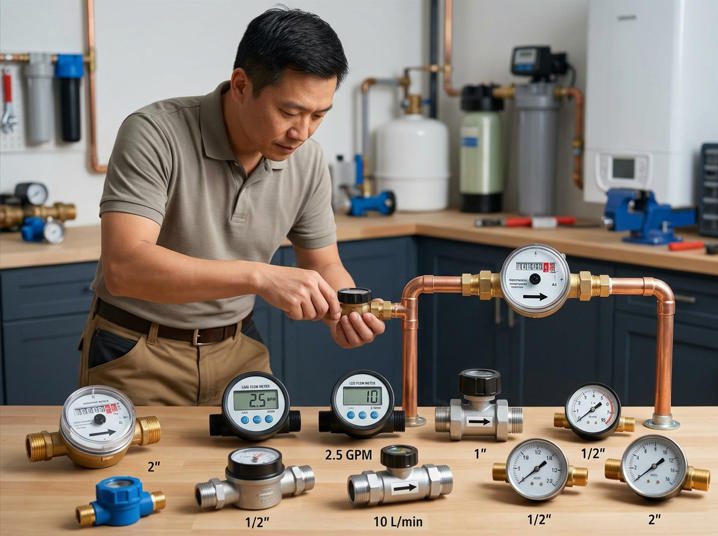
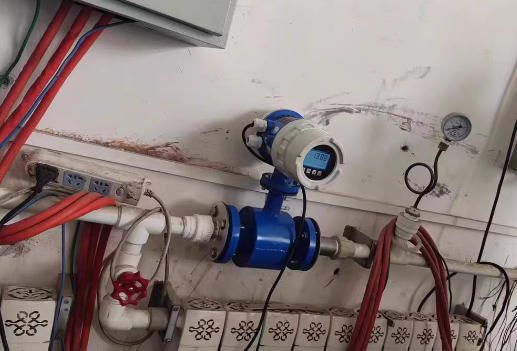
Complete outline of this guide — covering gauge types, specifications, installation, reading, troubleshooting, and practical home projects.
A water flow rate gauge is one of the most underused tools in residential plumbing. Most homeowners notice a flow problem only after visible symptoms appear — weak shower pressure, a water heater that short-cycles, or a utility bill that jumps 40% in a single quarter. A flow rate gauge installed at the right point catches these issues weeks or months earlier, turning reactive repair into proactive maintenance.
This guide covers how to choose, install, and read a water flow rate gauge for common home plumbing projects. You will learn gauge basics, selection criteria, step-by-step installation, how to interpret readings to diagnose flow issues, and how to optimize performance across irrigation, showers, water heaters, and boiler feed lines. The information draws on residential plumbing standards, manufacturer data, and practical field experience — including resources from Jade Ant Instruments’ flow meter selection guide, which covers both industrial and residential-scale measurement principles.
Understanding Water Flow Rate Gauges
What Flow Rate Gauges Measure (Units and Concepts)
A water flow rate gauge measures the volume of water passing through a pipe per unit of time. In the United States, the standard unit is gallons per minute (GPM). In metric countries, liters per minute (LPM) or cubic meters per hour (m³/h) are used. According to Aquasana’s residential water guide, a typical whole-house flow rate ranges from 6 to 12 GPM, depending on the number of simultaneous fixtures in use, pipe diameter, and municipal supply pressure.
Flow rate is distinct from water pressure, though they are related. Pressure — measured in pounds per square inch (psi) — is the force pushing water through the system. Flow rate is the resulting volume that actually moves. A home can have high pressure (80 psi) but low flow rate if pipes are corroded or undersized. A flow rate gauge measures the output; a pressure gauge measures the input force. Understanding both gives you a complete diagnostic picture.
Why Accurate Flow Readings Matter in Home Plumbing
Accurate flow readings serve three practical purposes in residential plumbing. First, they detect hidden problems: a kitchen faucet that dropped from 2.2 GPM to 0.9 GPM likely has a clogged aerator, mineral buildup in the supply line, or a partially closed valve — problems that worsen over time if undetected. Second, flow readings validate fixture performance: after installing a new low-flow showerhead rated at 2.0 GPM, a gauge confirms whether the actual delivered flow matches the manufacturer’s claim at your home’s pressure. Third, flow data supports water conservation: the EPA WaterSense program estimates that the average American family uses over 300 gallons of water per day, and identifying fixtures that deliver more flow than necessary is the first step toward reducing waste.
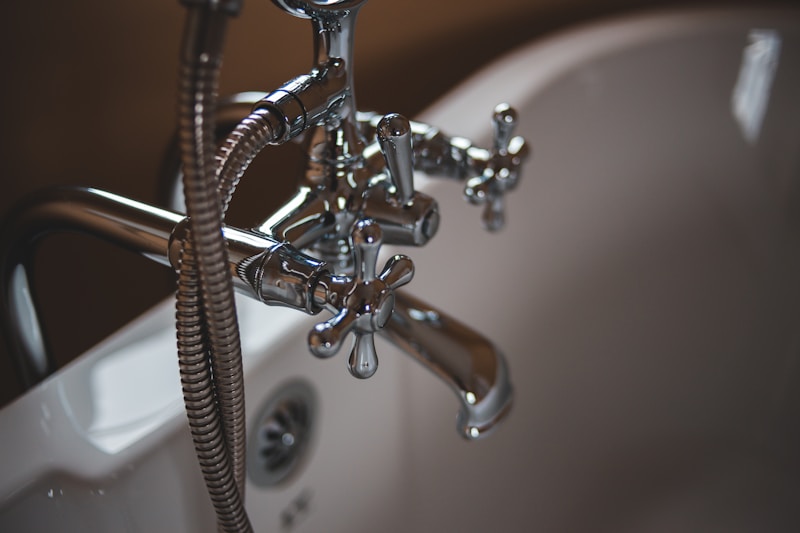
Residential plumbing system — installing a flow rate gauge at the main supply or individual fixture lines provides actionable diagnostic data.
Types of Gauges for Home Plumbing
Inline vs. Clamp-On vs. Digital Models
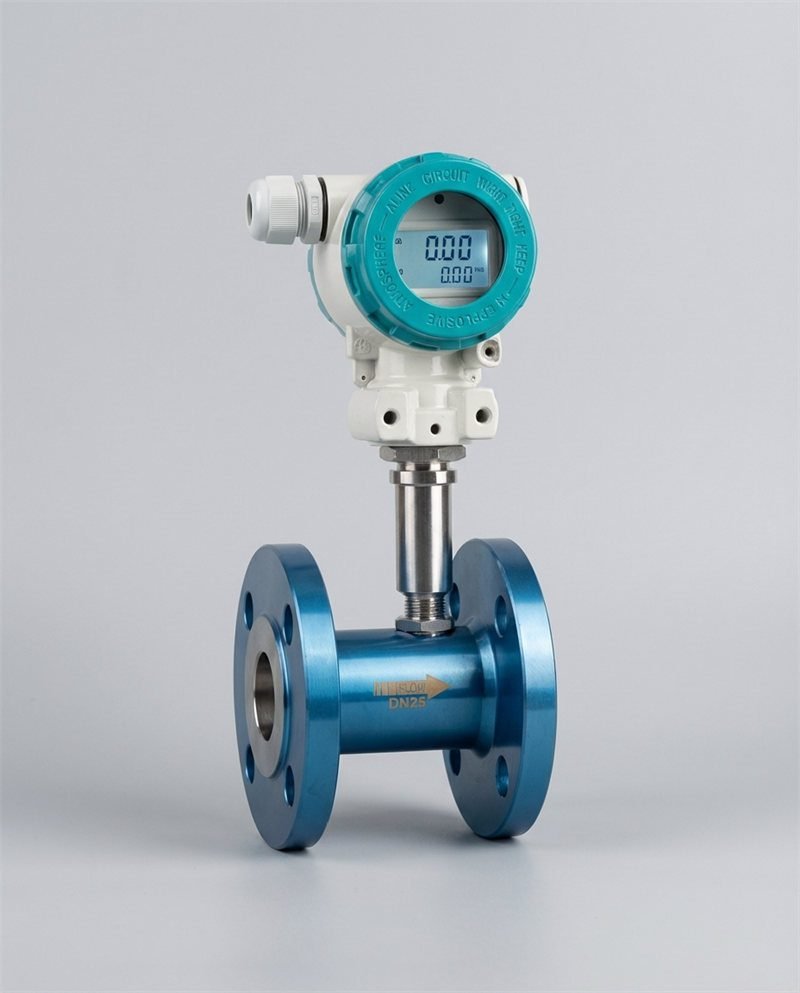
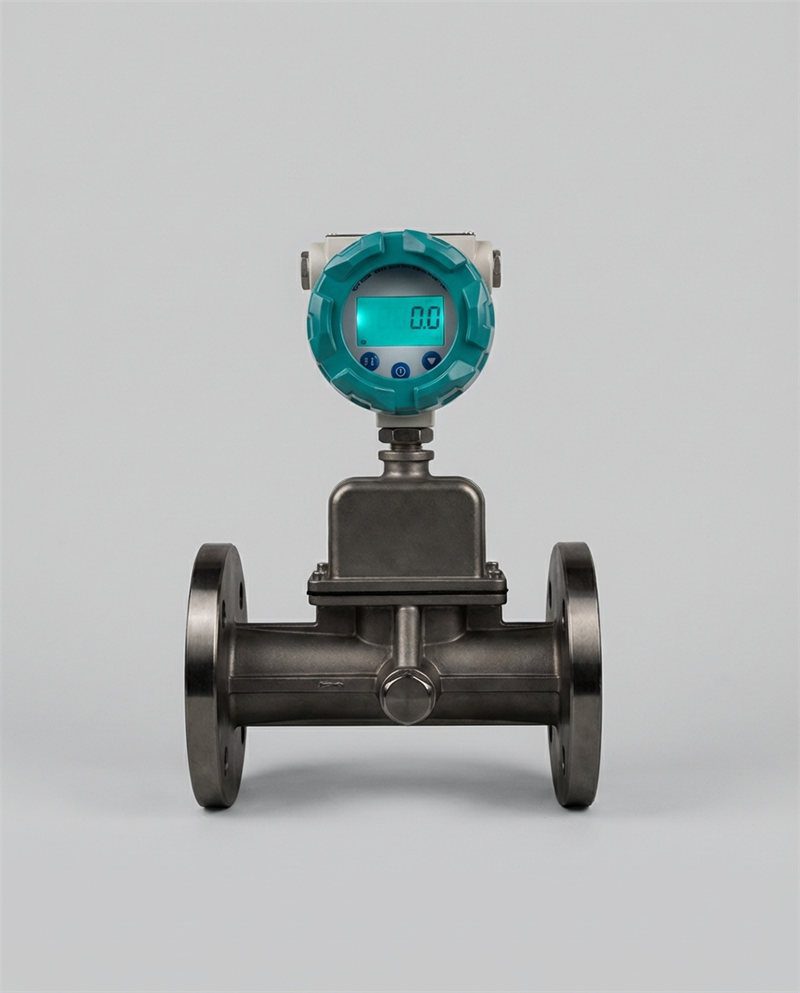
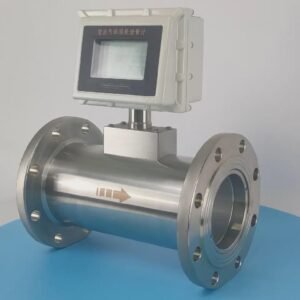
Three gauge categories dominate the residential market. Inline mechanical gauges (turbine-type or paddle-wheel) install directly into the pipe by cutting in or using threaded connections. They place a moving element in the flow path — a small turbine or paddle wheel spins proportionally to flow velocity, and an analog dial or digital display reads out the GPM value. These are the most affordable option ($15–$80) and provide reasonable accuracy (±2–5% of full scale) for home use.
Clamp-on ultrasonic gauges attach to the outside of the pipe without cutting or threading. They send ultrasonic pulses through the pipe wall and measure the transit-time difference between upstream and downstream signals to calculate flow velocity. No pipe modification is required, making them ideal for renters, temporary diagnostics, or situations where cutting pipe is impractical. Consumer-grade clamp-on models range from $50–$300, with accuracy typically ±2–5% depending on pipe material and installation quality.
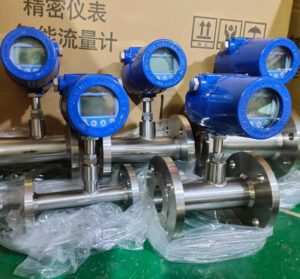
Digital flow meters with display combine an inline sensor (turbine, paddle wheel, or electromagnetic) with an electronic display that shows real-time GPM, cumulative total gallons, and sometimes temperature. Some models connect via Wi-Fi or Bluetooth to smartphone apps for remote monitoring and leak alerts. Products like the Flo by Moen combine flow measurement with automatic shutoff capability, targeting whole-house leak protection.
Pros, Cons, and Typical Use Cases
| Gauge Type | Pros | Cons | Best Use Case | Price Range |
|---|---|---|---|---|
| Inline Mechanical (Turbine/Paddle) | Low cost, no power needed, simple reading | Requires pipe cut, moving parts wear over time | Permanent fixture monitoring, irrigation lines | $15–$80 |
| Clamp-On Ultrasonic | No pipe modification, portable, reusable | Accuracy depends on pipe material, higher cost | Diagnostics, rentals, temporary troubleshooting | $50–$300 |
| Digital with Display/App | Real-time data, leak alerts, totalization | Requires power/battery, higher cost, complexity | Whole-house monitoring, smart home integration | $80–$500+ |
| Bag/Bucket Method (Manual) | Free, no installation, immediate results | Measures only open-discharge fixtures, labor-intensive | Quick faucet/showerhead GPM checks | $0 |
For homeowners who need a permanent, always-on measurement on the main supply line, an inline digital meter with totalization provides the most value. For one-time diagnostic checks or rental properties, a clamp-on model or even the bucket-and-stopwatch method (fill a 5-gallon bucket and time how long it takes) delivers a quick answer without any installation. Jade Ant Instruments’ comparison of liquid flow measurement devices covers the operating principles behind each technology in greater depth.
Key Specifications to Consider
Accuracy, Pressure Rating, and Contact Materials
Three specifications separate a useful gauge from a frustrating one. Accuracy for residential gauges is typically expressed as a percentage of full scale (FS). A gauge rated at ±2% FS on a 0–20 GPM scale has a maximum error of ±0.4 GPM at any point on the scale. At 10 GPM (mid-scale), that error is 4% of reading — acceptable for most home diagnostics. At 2 GPM (low flow), the same ±0.4 GPM error becomes 20% of reading — essentially unusable. This means sizing the gauge to your expected flow range matters as much as the accuracy class itself.
Pressure rating must exceed your home’s maximum water pressure. Residential systems in the U.S. typically operate between 40 and 80 psi, with the International Plumbing Code capping residential supply at 80 psi. Most residential flow gauges are rated to 150–200 psi, providing adequate margin. If your home uses a pressure booster pump or sits at the bottom of a hilly municipal system, verify that the gauge’s pressure rating exceeds your measured static pressure.
Contact materials — the metals and seals that touch the water — determine both durability and potable-water safety. Brass bodies with EPDM or Viton seals are the residential standard. For homes with aggressive water chemistry (low pH, high chloride), stainless steel bodies or polymer construction may be necessary. Avoid gauges with lead-containing brass if the gauge is installed on a potable drinking water line; look for NSF 61 or lead-free certification.
Measurement Range and Compatibility with Fluids
Select a gauge whose measurement range brackets your expected flow. For a single fixture line (faucet, shower), a 0–5 GPM or 0–10 GPM range is appropriate. For a whole-house main supply (typically ¾” or 1″ pipe), a 0–20 GPM or 0–30 GPM range covers most residential scenarios. Over-ranging — selecting a 0–50 GPM gauge for a line that maxes at 8 GPM — pushes your reading into the bottom 15% of the scale, where accuracy degrades significantly.
Most residential gauges are designed for clean potable water at temperatures up to 140°F (60°C). If the gauge will be installed on a hot water line downstream of a water heater (where temperatures can reach 120–140°F), confirm the gauge’s temperature rating and seal material compatibility. Standard EPDM seals tolerate hot water well; Buna-N seals may degrade faster above 120°F.
How to Choose the Right Gauge for Your Project
Assessing Location, Install Space, and Connection Types
Before purchasing, answer three questions. Where will the gauge be installed? On the main supply line after the shutoff valve, on an individual fixture branch, or temporarily on an outdoor hose bib? The location determines connection size and type. Main supply lines are typically ¾” or 1″ copper or PEX; fixture branches are usually ½”. Outdoor hose bibs use ¾” garden hose thread (GHT), which is not the same as ¾” NPT pipe thread — a common source of leaks when the wrong adapter is used.
Measure the available space. Inline gauges need 4–8 inches of straight pipe for installation, plus room for fittings on both ends. If space is tight (common in utility closets and crawl spaces), a compact digital gauge or a clamp-on model may be the only practical option.
Compatibility with Existing Piping and Fittings
Match the gauge’s connections to your pipe material. Copper pipe typically uses sweat (solder) connections or compression fittings. PEX pipe uses crimp rings, push-fit (SharkBite-style), or expansion fittings. CPVC uses solvent-welded or threaded adapters. Most residential flow gauges come with ¾” or 1″ NPT (National Pipe Thread) female connections, requiring a threaded adapter matched to your pipe material. The 5-factor flow meter selection guide from Jade Ant Instruments covers the adapter and connection compatibility logic in detail.
Tools and Materials You’ll Need
Basic Tools, Sealing Compounds, and Mounting Accessories
For a typical inline gauge installation on threaded connections, you need: two adjustable wrenches (or pipe wrenches for larger sizes), PTFE thread seal tape (yellow gas-rated tape is thicker but works on water too; white tape is standard for water), pipe-thread sealant paste (Rectorseal or equivalent) for extra leak insurance, a pipe cutter or hacksaw if cutting into an existing line, deburring tool to remove pipe burrs, a bucket and towels for residual water, and the appropriate threaded adapters or transition fittings for your pipe material.
Safety Gear and Handling Tips
Shut off the main water supply and open a downstream faucet to relieve pressure before any cutting or threading work. Wear safety glasses — pressurized water and pipe debris can spray unexpectedly if a valve is not fully closed. If working with copper and solder connections, use a flame-resistant cloth behind the joint and have a fire extinguisher nearby. Never apply excessive torque to brass gauge bodies; brass cracks more easily than steel. Hand-tighten plus one to one-and-a-half turns with a wrench is typically sufficient for NPT connections with proper sealant.
Step-by-Step: Installing a Water Flow Rate Gauge
Pre-Install Checks and Shutoff Procedures
Before installation, run through this checklist: (1) Confirm the gauge’s connection size matches your pipe or adapters. (2) Verify the gauge’s flow direction arrow matches the intended water flow direction — installing backwards will produce zero reading on most mechanical gauges and can damage check-valve-equipped models. (3) Shut off the main water supply valve completely. (4) Open a faucet downstream of the installation point to drain residual pressure. (5) Place a bucket below the work area to catch residual water.
Installation Steps: Alignment, Threading, and Leaks
Wrap all male NPT threads with 3–5 wraps of PTFE tape in a clockwise direction (when viewing the thread end-on). Apply a thin layer of pipe-thread sealant paste over the tape for extra sealing assurance. Thread the gauge onto the first adapter hand-tight, then tighten with a wrench — hold the gauge body with one wrench and turn the fitting with the other to avoid stressing the gauge. Repeat for the second connection. Ensure the gauge is oriented so the display or dial faces a readable direction; some gauges allow rotation of the dial after installation.
Video: How to Install a Water Meter Yourself — DIY Step-by-Step Tutorial (Source: YouTube)
Post-Install Verification and Initial Calibration
With all connections made, slowly open the main shutoff valve — crack it open first to pressurize the system gradually and check for leaks at every joint. If dripping appears, tighten the leaking connection by ⅛ turn increments. Do not over-tighten; if a joint continues to leak after two additional ⅛ turns, disassemble, reapply sealant, and reassemble.
Once leak-free, open a fixture fully and compare the gauge reading against a bucket test: time how long it takes to fill a 1-gallon container, then calculate GPM. If the gauge reads 2.5 GPM and the bucket test yields 2.3 GPM, the readings are within ±10%, which is acceptable for most residential purposes. If the discrepancy exceeds 15%, recheck the gauge orientation, ensure no air is trapped in the line, and consult the manufacturer’s calibration instructions.
Common Installation Pitfalls and How to Avoid Them
Leaks, Air Pockets, and Flow Obstruction
The three most common post-installation problems are leaks at threaded joints, trapped air causing erratic readings, and flow obstruction from debris or incorrect installation. Leaks almost always trace to insufficient thread sealant, cross-threaded connections, or over-tightened brass fittings that crack. Air pockets form when the system is refilled too quickly after draining — open faucets at the highest points in the house to bleed trapped air before trusting gauge readings. Flow obstruction can occur if pipe burrs, solder blobs, or debris from construction lodge against the gauge’s internal sensor; installing a simple Y-strainer upstream of the gauge catches particulates before they reach the measurement element.
Incorrect Orientation or Placement Issues
Mechanical turbine gauges must be installed in the correct flow direction (follow the arrow on the body) and, for most models, in a horizontal pipe run. Installing a horizontal-mount gauge on a vertical pipe can cause the turbine to stick or free-spin under gravity, producing inaccurate readings. Digital ultrasonic clamp-on models must have their transducers correctly spaced and aligned with the pipe’s longitudinal axis — even a 5° misalignment can introduce 3–8% measurement error. Always follow the manufacturer’s spacing chart for your specific pipe diameter and material.
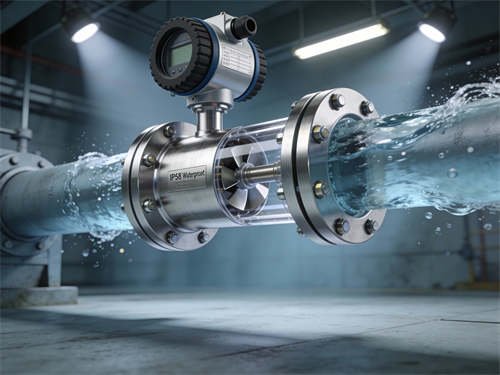
Installation verification — checking gauge orientation, connection integrity, and flow direction prevents the majority of accuracy complaints.
How to Read and Interpret Gauge Readings
Reading Scales, Minimum/Maximum Values, and Units
Analog dial gauges display flow rate on a graduated arc, typically in GPM. The needle should rest at zero when no water is flowing. Read the needle position at eye level to avoid parallax error — viewing from an angle can shift the apparent reading by 0.2–0.5 GPM on a small dial. Digital displays eliminate parallax but may show fluctuating numbers if flow is pulsating (common with reciprocating pumps or partially open valves). Use the display’s “damping” or “averaging” function if available to smooth readings.
Record three values for any diagnostic measurement: the zero reading (all fixtures closed — should be 0.0 GPM; any positive reading suggests a leak), the single-fixture reading (one fixture open fully), and the peak simultaneous reading (multiple fixtures open at once). Comparing these against the expected values in the table below tells you whether your system is performing normally or indicates a problem.
Table: Typical Residential Water Flow Rates by Fixture
| Fixture | Expected Flow Rate (GPM) | WaterSense / Low-Flow (GPM) | Red Flag (Below This, Investigate) |
|---|---|---|---|
| Kitchen Faucet | 2.0–2.2 | 1.5 | < 1.0 |
| Bathroom Faucet | 1.5–2.2 | 1.0–1.2 | < 0.5 |
| Shower Head | 2.0–2.5 | 1.5–2.0 | < 1.0 |
| Bathtub Faucet | 4.0–7.0 | N/A (not regulated) | < 2.5 |
| Dishwasher | 2.0–4.0 | N/A | < 1.5 |
| Washing Machine | 3.0–5.0 | N/A | < 2.0 |
| Outdoor Hose Bib | 4.0–8.0 | N/A | < 3.0 |
| Toilet (fill valve) | 1.0–3.0 | N/A | < 0.5 |
| Whole House (peak) | 6–12 | N/A | < 4.0 |
Source: Aquasana residential flow data, EPA WaterSense specifications, and plumbing code references.
Zeroing, Calibration Checks, and When to Recalibrate
Check the gauge’s zero point monthly: close all fixtures, wait 2 minutes for the system to stabilize, and verify the gauge reads 0.0 GPM. If it reads above zero with all fixtures confirmed closed, you may have a leak — toilet fill valves and outdoor irrigation valves are the most common culprits. For calibration verification, the bucket-and-stopwatch method (described above) is the homeowner’s most practical tool. If the gauge consistently reads more than 15% different from the bucket test, it may need professional recalibration or replacement. According to BCST Group’s calibration guide, annual verification is recommended for continuous-service meters.
Typical Residential Fixture Flow Rates — Bar Chart
Typical Residential Water Flow Rates by Fixture (GPM)
0
2
4
6
8
2.2
1.5
2.5
5.5
4.0
6.0
3.0
2.0
Kitchen
Faucet
Bath
Faucet
Shower
Head
Bathtub
Faucet
Washing
Machine
Outdoor
Hose Bib
Dish-
washer
Toilet
Fill
Source: EPA WaterSense, manufacturer data, and residential plumbing code references
Average U.S. Household Water Usage by Category — Pie Chart
Understanding where water goes in a typical home helps you prioritize which fixture lines are worth monitoring with a flow gauge. The breakdown below is based on the EPA’s residential water use data.
Toilet 24%
Shower 20%
Faucet 19%
Washer 17%
Leaks 12%
Other 8%
Toilet (24%)
Shower (20%)
Faucet (19%)
Washer (17%)
Leaks (12%)
Other (8%)
Source: EPA WaterSense residential water use statistics. Note: “Leaks” accounting for 12% of indoor use underscores the value of continuous flow monitoring.
Maintenance and Troubleshooting
Cleaning, Gasket Maintenance, and Replacing Seals
Mechanical flow gauges benefit from annual cleaning to remove mineral deposits that accumulate on the turbine or paddle wheel. Shut off water, remove the gauge, disassemble per the manufacturer’s instructions, and soak internal components in a 50/50 white vinegar and water solution for 30 minutes to dissolve calcium and lime deposits. Inspect O-ring gaskets for cracking, flattening, or hardening — these are the most common leak points and cost less than $2 to replace. EPDM gaskets typically last 3–5 years in residential potable water service; Viton gaskets last longer but cost more.
For digital gauges with batteries, replace batteries annually or when the low-battery indicator activates. Battery failure is the most common cause of “dead” digital flow gauges — not sensor failure. Keep a spare gasket kit and battery on hand so maintenance can be completed without waiting for parts.
When Readings Seem Abnormal and Diagnostic Steps
If a gauge that previously read accurately starts giving erratic or consistently wrong readings, follow this diagnostic sequence: (1) Check the zero: close all fixtures and verify 0.0 GPM. If not zero, look for a running toilet or leaking valve. (2) Run a bucket test on the same line and compare. (3) Inspect for air in the line — open the highest faucet in the house to bleed trapped air. (4) Check for debris obstruction — remove and visually inspect the gauge sensor. (5) Verify installation orientation — confirm the flow arrow matches the water direction. (6) If all checks pass and readings remain off, the gauge may need professional recalibration or replacement. The Jade Ant Instruments diagnostic guide covers additional sensor-specific troubleshooting for different gauge technologies.

Annual gauge maintenance — disassembly, vinegar soak, gasket inspection, and reassembly takes 20 minutes and extends gauge accuracy for years.
Applications: Practical Home Projects and Tips
Irrigation System Flow Checks and Nozzle Calibration
A flow gauge on the irrigation supply line provides two critical pieces of information: total system flow rate (which should match the sum of all zone nozzle ratings) and zone-by-zone flow (which reveals clogged nozzles, broken heads, or valve problems). If your irrigation system is designed for 8 GPM total across 6 spray heads and the gauge reads only 5.2 GPM, at least one zone has a problem — a clogged nozzle, a pressure loss at a fitting, or a valve not fully opening. According to the University of Florida IFAS irrigation guide, a 30-minute seasonal tune-up using a flow gauge can reduce water waste by 15–25%.
Faucet and Shower Flow Optimization
The EPA’s WaterSense program certifies showerheads at a maximum of 2.0 GPM and bathroom faucets at 1.5 GPM. A flow gauge confirms whether your fixtures actually deliver these rates — manufacturer ratings assume 60 psi supply pressure, but many homes operate at 45–55 psi, which reduces actual flow. If your WaterSense showerhead delivers only 1.1 GPM at your home’s pressure, the shower experience may be unsatisfying — and the issue is low supply pressure, not the showerhead. Conversely, if an older faucet delivers 3.5 GPM, replacing the aerator with a 1.5 GPM model saves approximately 730 gallons per person per year (assuming 5 minutes of daily faucet use).
Water Heater and Boiler Feed Considerations
Tankless water heaters are rated by flow capacity at a specific temperature rise. The U.S. Department of Energy states that a demand water heater should deliver at least 3.25 GPM for typical household use. A flow gauge on the cold-water inlet to the heater verifies that your supply can actually deliver this flow. If the gauge reads 2.1 GPM during simultaneous shower and dishwasher use, the tankless heater cannot maintain the rated temperature rise — resulting in lukewarm water. The fix may be increasing pipe diameter, adjusting the pressure regulator, or reducing simultaneous demand.
For homes with hydronic (boiler) heating systems, a flow gauge on the return loop confirms that the circulator pump is delivering the design flow rate. A Taco 007 circulator, for example, is rated for approximately 10 GPM at zero head — but actual flow depends on the system’s total pressure drop. If the gauge reads 4 GPM against a design target of 8 GPM, the system is under-circulating, which reduces heating efficiency and can cause uneven room temperatures.

Residential irrigation system — a flow gauge on the supply line detects clogged nozzles, broken heads, and valve problems that waste 15–25% of water.
A water flow rate gauge is a practical tool for diagnosing and optimizing home water systems. By understanding gauge types — inline mechanical, clamp-on ultrasonic, and digital with app integration — you can select the right model for your project. By following proper installation steps (correct orientation, adequate sealant, leak testing, and post-install calibration), you ensure accurate readings from day one. And by regularly checking zero, running bucket-test comparisons, and maintaining gaskets and batteries, you keep the gauge performing accurately for years.
The practical payoff is real: detecting a toilet fill valve leak early saves 200+ gallons per day. Confirming that a tankless water heater receives adequate supply flow prevents chronic lukewarm-water complaints. Verifying irrigation nozzle flow rates reduces outdoor water waste by 15–25%. These are not theoretical savings — they are the documented outcomes of homeowners who measure flow instead of guessing. For additional selection guidance that bridges residential and industrial flow measurement, the Jade Ant Instruments water flow meter checklist provides a structured approach.
Need Help Selecting the Right Flow Measurement Solution?
Jade Ant Instruments manufactures electromagnetic, turbine, vortex, and ultrasonic flow meters for applications ranging from residential water systems to full-scale industrial plants — all ISO 9001 certified with direct factory engineering support.
Frequently Asked Questions (FAQs)
Q1: What is a typical acceptable flow rate for residential fixtures?
Federal plumbing standards in the U.S. set maximum flow rates at 2.2 GPM for kitchen and bathroom faucets (at 60 psi) and 2.5 GPM for showerheads. EPA WaterSense-certified fixtures are further limited to 1.5 GPM for lavatory faucets and 2.0 GPM for showerheads. A whole-house flow rate of 6–12 GPM during peak simultaneous use is normal for a typical 2–4 bathroom home.
Q2: Can I use a water flow gauge on hot water lines?
Yes, provided the gauge is rated for the temperature. Most residential gauges with EPDM seals handle water up to 140°F (60°C), which covers standard water heater output (typically set at 120°F). For higher temperatures — such as the discharge of a commercial water heater or boiler — verify the gauge’s maximum temperature rating and select seals rated for continuous hot-water service (Viton or PTFE).
Q3: How often should I calibrate a flow rate gauge?
For residential use, annual verification using the bucket-and-stopwatch method is sufficient. If the gauge is installed in a line with hard water (above 120 ppm calcium carbonate), mineral buildup on the sensor can cause drift faster — in these cases, a 6-month check is advisable. Professional recalibration is recommended if the bucket test consistently disagrees with the gauge by more than 15%.
Q4: Do digital gauges require batteries or power?
Most standalone digital flow gauges use replaceable batteries (AA or lithium coin cells) with a typical life of 12–24 months depending on display refresh rate and data logging frequency. Smart whole-house monitors (like Flo by Moen or Phyn) require hardwired 110V power or a plug-in transformer. Basic inline mechanical gauges with analog dials require no power at all — they are entirely gravity and flow driven, making them ideal for remote or off-grid installations.
Q5: How do I fix leaks if a gauge installation starts dripping?
First, determine whether the leak is at the threaded connection or from the gauge body itself. Connection leaks are almost always caused by insufficient thread sealant — shut off water, disassemble the joint, clean the threads, reapply 4–5 wraps of PTFE tape plus pipe-joint compound, and reassemble. Body leaks (dripping from the gauge housing) typically indicate a cracked body (common with over-tightened brass) or a failed internal O-ring — replace the O-ring if accessible, or replace the gauge if the body is cracked.
Q6: What causes a flow gauge to read zero when water is clearly flowing?
Three common causes: (1) the gauge is installed backwards — the flow arrow doesn’t match the water direction, so the internal turbine or paddle spins in the wrong direction or not at all; (2) the turbine is jammed by debris, corrosion, or mineral deposits — remove and clean the gauge; (3) for digital gauges, the battery may be dead or the sensor wire may be disconnected. A simple bucket test confirms whether the problem is the gauge or the water supply.
Q7: Can I install a flow gauge on PEX pipe?
Yes. Most flow gauges have NPT threaded connections, which require a PEX-to-NPT transition fitting. Push-fit (SharkBite-style) adapters make this conversion without special tools and are removable for future gauge replacement. For permanent installations, crimp or expansion PEX fittings with a brass NPT adapter provide a more secure connection. Ensure all fittings are rated for potable water and lead-free per NSF 61 standards.
Q8: What’s the difference between a flow rate gauge and a water pressure gauge?
A flow rate gauge measures the volume of water moving through the pipe per unit of time (GPM or LPM). A pressure gauge measures the force of water against the pipe walls (psi or bar). You can have high pressure but low flow (restricted pipe), or low pressure but adequate flow (large pipe with a gravity-fed supply). For a complete plumbing diagnostic, measuring both provides the most useful data. The Jade Ant Instruments sensor selection guide explains how flow rate and pressure interact in different measurement applications.
Q9: Will a flow gauge restrict my water flow?
Any inline device creates some pressure drop. For properly sized residential gauges, this drop is typically 1–3 psi at normal flow rates — negligible in most systems. Undersized gauges (e.g., installing a ½” gauge on a ¾” main line) can create noticeable restriction. Always match the gauge size to the pipe size, or use the gauge on a branch line rather than the main supply if restriction is a concern.
Q10: Can a flow gauge detect a hidden water leak?
Yes — this is one of the most valuable uses for a whole-house flow gauge. Close every fixture and appliance in the house, then check the gauge. If it reads anything above 0.0 GPM, water is flowing somewhere it shouldn’t be. Even 0.1 GPM of continuous leakage adds up to 144 gallons per day — roughly $200–$400 per year in water and sewer charges depending on your utility rates. Smart flow monitors with app alerts can detect these leaks automatically and notify you before the next billing cycle reveals the problem.