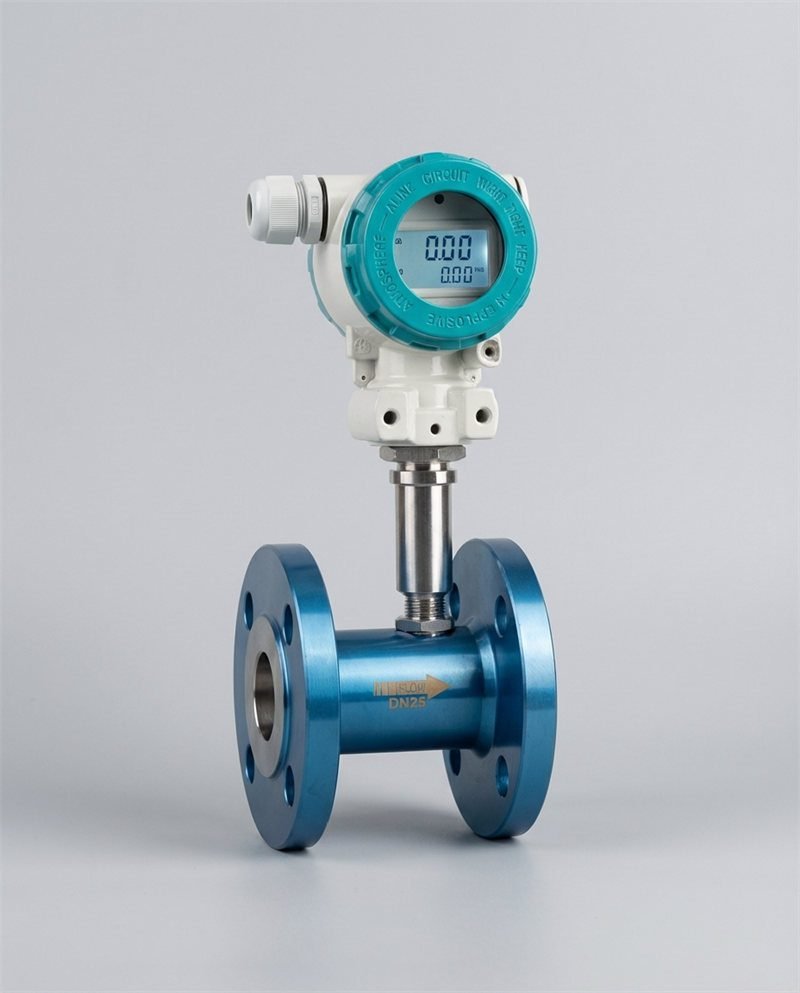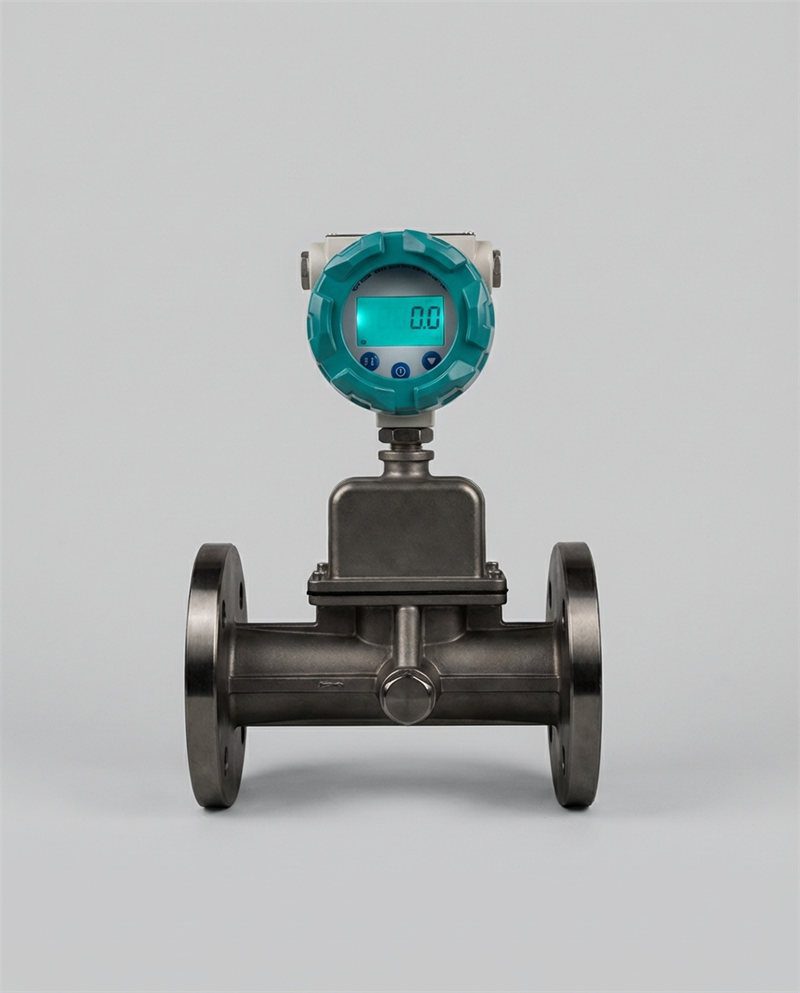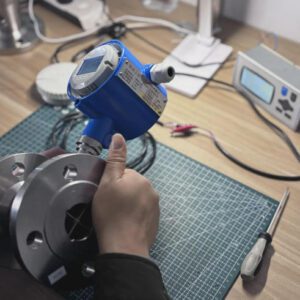
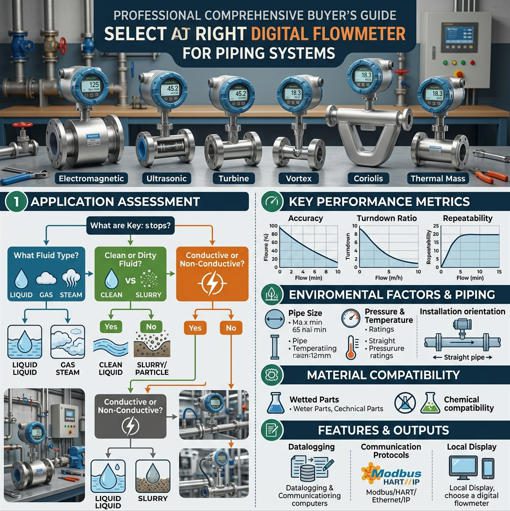
The digital flowmeter you install today will generate measurement data for the next 10–20 years. During that time, it will influence process control decisions, energy consumption calculations, raw material accounting, regulatory compliance reporting, and maintenance scheduling. A meter that is undersized by one pipe class, incompatible with your fluid’s conductivity, or installed without adequate straight-run pipe will not simply read “a little off” — it will systematically distort every downstream decision that depends on its output. According to industry lifecycle cost data, the purchase price of a flow meter typically represents only 25–35% of its total cost of ownership; the remaining 65–75% accumulates through installation, calibration, maintenance, downtime, and energy losses from pressure drop.
This guide walks you through every decision point — from understanding what digital flowmeters actually measure, through technology comparison, piping compatibility, accuracy and calibration requirements, communication protocols, sizing methodology, total cost of ownership, vendor selection, and retrofit planning. The framework is built from application engineering data compiled across chemical processing, water treatment, oil and gas, food and beverage, and pharmaceutical installations where Jade Ant Instruments has supported specification and commissioning projects.
Understanding Digital Flowmeter Fundamentals
What a Digital Flowmeter Measures and How It Differs from Traditional Meters
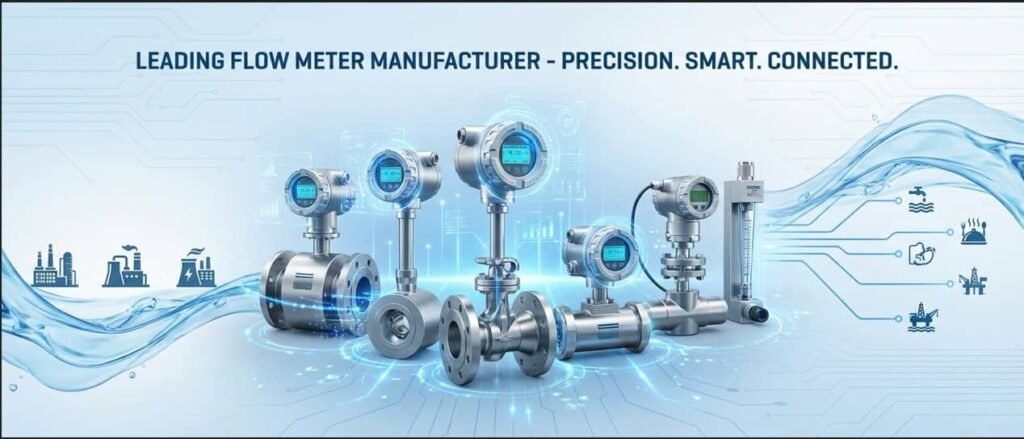
A digital flowmeter converts a physical flow phenomenon — velocity, mass displacement, frequency shift, pressure differential, or thermal transfer — into an electronic signal that is processed by onboard microprocessors and output as a calibrated flow rate (volumetric or mass), totalized volume, and often additional process variables such as fluid temperature, density, or diagnostic status. This differs fundamentally from traditional mechanical meters (rotameters, positive displacement meters, turbine meters with mechanical registers) in three ways that directly impact your plant’s measurement capability.
First, digital processing enables real-time compensation. A digital electromagnetic flowmeter can correct for electrode coating buildup using empty-pipe detection and noise floor analysis — something a traditional meter with a local pointer simply cannot do. Second, digital meters store calibration data, diagnostic history, and configuration parameters in non-volatile memory, making field verification and recalibration faster and more traceable. Third, digital communication protocols (HART, Modbus, Profibus, Ethernet/IP) allow the meter to transmit not just the flow reading but also health status, alarm conditions, and raw diagnostic data to a central control system — enabling predictive maintenance rather than reactive repair.
Key Terms and Metrics to Know
Before evaluating any digital flowmeter, five metrics must be clearly understood because manufacturers use them in ways that are not always directly comparable across technologies.
Flow rate is the measured output — either volumetric (liters per minute, gallons per hour, cubic meters per hour) or mass (kilograms per hour). The distinction matters: volumetric flow changes with temperature and pressure (especially for gases), while mass flow does not. If your process control or material balance requires mass-based accounting, either choose a technology that measures mass directly (Coriolis) or ensure the volumetric meter includes adequate temperature and pressure compensation.
Accuracy describes how close the meter’s reading is to the true value under specified conditions — expressed as either percent of reading (%RD) or percent of full scale (%FS). A Coriolis meter rated ±0.1% of reading maintains that error proportion at any flow point; an electromagnetic meter rated ±0.5% of reading does the same. But a vortex meter rated ±1% of full scale has 1% absolute error at every point — which at 20% of range becomes ±5% of reading. Always confirm the accuracy basis before comparing datasheets.
Repeatability is the meter’s ability to reproduce the same output under identical conditions — typically ±0.05–0.15% for high-end digital meters. For process control applications (where the controller reacts to changes, not absolute values), repeatability often matters more than accuracy.
Turndown ratio (rangeability) is the ratio of maximum to minimum measurable flow at specified accuracy. A 100:1 turndown means the meter holds its accuracy specification across a 100-fold flow range. Electromagnetic meters commonly achieve 100:1 or higher; Coriolis meters typically offer 20:1 to 80:1; ultrasonic transit-time meters achieve 30:1 to 100:1; and vortex meters are limited to 15:1 to 30:1 due to their minimum Reynolds number requirement.
Pressure loss is the permanent pressure drop the meter creates in the piping system. Full-bore electromagnetic and transit-time ultrasonic meters have essentially zero pressure loss. Coriolis meters, with their bent or straight tube geometry, create moderate pressure loss that increases with viscosity and flow rate. Vortex meters, with a bluff body obstruction, create moderate to significant loss. Over a 10-year operating life, the energy cost of pumping against meter-induced pressure drop can exceed the meter’s purchase price — particularly in large-pipe, high-flow, continuous-duty applications.
Typical Applications and Industry Standards
Digital flowmeters serve every major industrial sector, but application requirements vary dramatically. Water and wastewater plants (governed by EPA Clean Water Act reporting requirements) prioritize long-term stability, low maintenance, and SCADA connectivity. Chemical processing demands material compatibility, hazardous area certification (ATEX/IECEx), and resistance to aggressive fluids. Oil and gas custody transfer requires traceable accuracy to API Manual of Petroleum Measurement Standards. Food and pharmaceutical operations require sanitary design per 3-A or EHEDG standards, plus FDA 21 CFR Part 11 compliance for electronic records. Calibration traceability follows ISO/IEC 17025 laboratory accreditation standards, with NIST providing the U.S. primary measurement reference.
Core Performance Parameters to Evaluate
Accuracy, Repeatability, and Turndown Ratio Explained
The interplay between accuracy, repeatability, and turndown defines the meter’s usable measurement envelope — and it is the single most common area where specification errors occur. Consider a real scenario: a chemical plant specified a vortex flowmeter for a cooling water line with a normal flow of 150 m³/h and a nighttime setback flow of 30 m³/h. The meter’s rated accuracy was ±1% of reading with a 20:1 turndown from a maximum of 300 m³/h — meaning the minimum measurable flow at rated accuracy was 15 m³/h. In practice, the meter performed well at 150 m³/h but produced unstable, unreliable readings at 30 m³/h because the flow velocity dropped below the minimum Reynolds number required for stable vortex shedding. Replacing it with an electromagnetic meter (100:1 turndown, ±0.5% of reading from 3 to 300 m³/h) resolved the issue — and the Jade Ant Instruments engineering team now flags this vortex-to-mag swap as one of their most common retrofit recommendations.
| Parameter | Electromagnetic | Ultrasonic (Transit-Time) | Coriolis | Thermal Mass |
|---|---|---|---|---|
| Accuracy | ±0.2–0.5% RD | ±0.5–1.0% RD | ±0.05–0.1% RD (liquid mass) | ±1–2% RD |
| Repeatability | ±0.1–0.15% | ±0.15–0.5% | ±0.05% | ±0.5% |
| Turndown Ratio | 100:1 to 1000:1 | 30:1 to 100:1 | 20:1 to 80:1 | 50:1 to 100:1 |
| Pressure Loss | Zero (full bore) | Zero (clamp-on) to low (inline) | Moderate to high | Low (insertion) to moderate |
| Measures | Volumetric (conductive liquids) | Volumetric (liquids & gases) | Mass + density (any fluid) | Mass (gases) |
| Typical Price Range | $800–$8,000 | $1,500–$15,000 | $3,000–$30,000+ | $1,000–$5,000 |
Pressure and Temperature Ratings, Viscosity Effects
Every digital flowmeter has a defined operating envelope for pressure and temperature. Electromagnetic meters are typically rated to 40 bar and 180°C (with specialty liners extending to 200°C+). Ultrasonic inline meters can handle higher pressures (up to 250 bar for custody-transfer designs) and temperatures to 260°C. Coriolis meters can reach 400 bar and 350°C or higher in exotic alloy constructions. Thermal mass meters for gas service typically operate to 30 bar and 450°C.
Viscosity impacts different technologies differently. Electromagnetic meters are inherently viscosity-insensitive — they measure velocity based on Faraday’s Law and the voltage generated is independent of fluid viscosity. Ultrasonic transit-time meters can be affected by high viscosity because sound attenuation increases, reducing signal strength and potentially narrowing the usable flow range. Coriolis meters handle viscous fluids well mechanically but suffer increased pressure drop at high viscosities. Thermal mass meters are gas-specific and viscosity is typically not a limiting factor.
Overview of Flowmeter Technologies
Electromagnetic Flowmeters
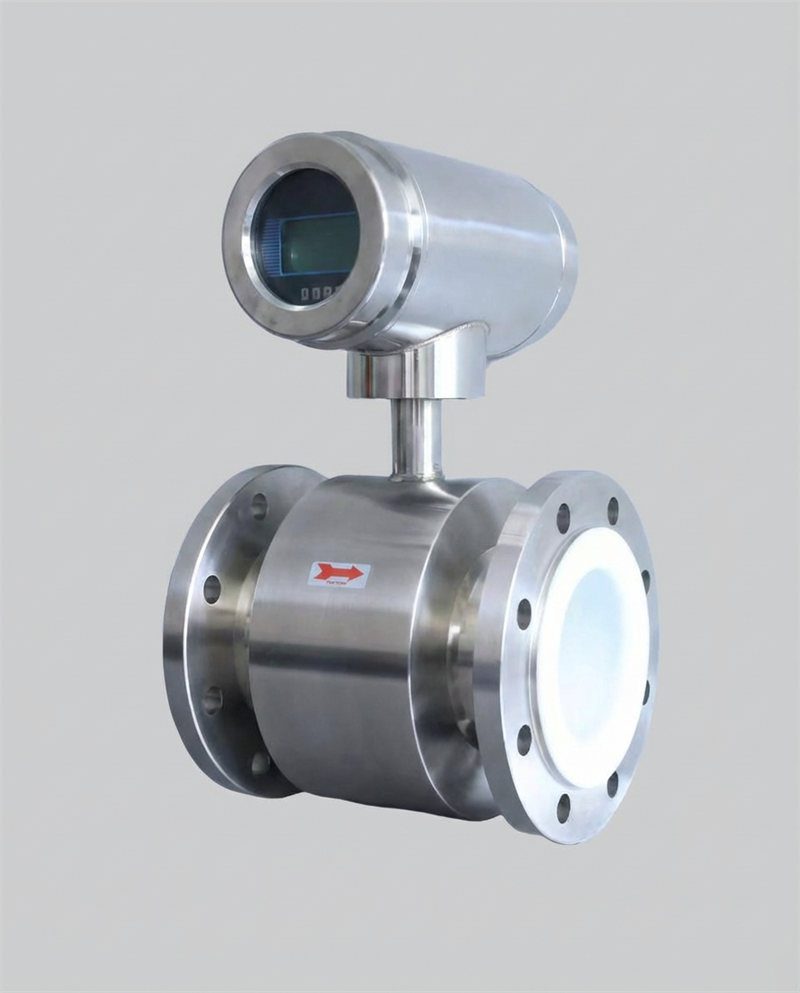
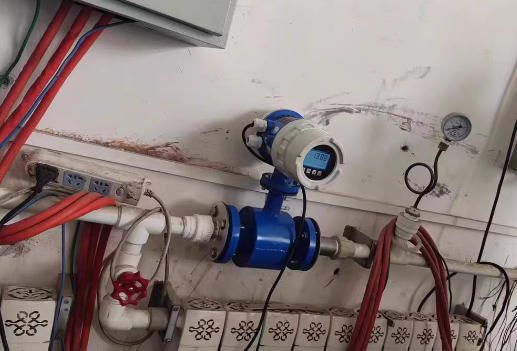
Electromagnetic (mag) flowmeters apply Faraday’s Law of electromagnetic induction: a conductive liquid moving through a magnetic field generates a voltage proportional to its velocity. Two electrode pairs embedded in the pipe wall capture this signal, and onboard electronics process it into a calibrated flow rate. The technology’s defining advantages in industrial applications include zero pressure drop (full-bore, no obstruction), insensitivity to viscosity changes, tolerance for suspended solids and slurries, and extremely wide turndown ratios (100:1 to 1000:1 in modern designs). Jade Ant Instruments’ electromagnetic flowmeters are available in sizes from DN10 to DN2000, with liner options (PTFE, hard rubber, PFA, ceramic) and electrode materials (316L SS, Hastelloy C, tantalum, platinum) selected based on fluid chemistry and operating temperature.
The non-negotiable limitation: the fluid must be electrically conductive — typically ≥5 µS/cm for standard designs. This eliminates hydrocarbons, pure solvents, and gases from the measurement envelope. For conductive liquids, however, mag meters dominate global installations in water treatment, chemical processing, food and beverage, mining, and pulp and paper industries.
Ultrasonic Flowmeters
Ultrasonic flowmeters measure flow by transmitting acoustic signals through the fluid and analyzing their transit time or Doppler shift. Transit-time models send ultrasonic pulses diagonally across the pipe in both directions; the difference in travel time between the upstream and downstream signals is proportional to the fluid velocity. Doppler models transmit a signal into the fluid and measure the frequency shift caused by particles or bubbles — making them suited for dirty or aerated fluids where transit-time methods lose signal integrity.
The standout advantage of ultrasonic technology is installation flexibility. Clamp-on models mount externally on the pipe surface, requiring no pipe cutting, no process shutdown, and no wetted parts — making them ideal for retrofit applications, temporary measurement, and situations where the pipe material or fluid makes inline installation impractical. Inline multi-path transit-time meters (3–5 acoustic paths) achieve custody-transfer accuracy (±0.15% of reading) for petroleum pipelines and fiscal metering. Jade Ant Instruments’ ultrasonic flowmeter range includes both clamp-on and inline configurations for pipe sizes from DN15 to DN6000.
Coriolis and Thermal Mass Flowmeters
Coriolis flowmeters vibrate one or two fluid-carrying tubes at their natural frequency. As fluid flows through the vibrating tubes, the Coriolis effect induces a twist proportional to the mass flow rate. Simultaneously, the natural frequency of the vibrating tubes shifts with fluid density, providing a direct density measurement without additional sensors. This dual output — mass flow and density — makes Coriolis meters the reference technology for custody transfer, batch control, and applications requiring the highest accuracy (±0.05–0.1% of reading for liquid mass flow). The tradeoffs are significant: Coriolis meters are the heaviest, most expensive, and create the highest pressure drop of any common digital flowmeter technology. Leading Coriolis meter comparisons highlight the importance of matching tube geometry, material, and size to process conditions.
Thermal mass flowmeters operate on a different principle entirely: they measure the heat transfer rate from a heated sensor element to the flowing gas. Because heat transfer depends on mass flow (not volume), thermal meters provide direct mass flow measurement for gases without requiring separate pressure and temperature compensation. They are particularly effective for compressed air monitoring, biogas measurement, flare gas quantification, and nitrogen or oxygen distribution — applications where Jade Ant Instruments’ thermal flowmeters are specified for their low-pressure-drop, insertion-style design that allows installation on large-diameter stacks and ducts without process interruption.
Video: How to Choose the Right Flow Meter Based on Media Type (Source: YouTube)
How to Assess Compatibility with Your Piping System
Pipe Size, Installation Orientation, and Upstream/Downstream Requirements
The meter size must match your actual flow velocity requirement — not simply your pipe diameter. In practice, this means selecting the meter bore that places your normal operating flow within the manufacturer’s recommended velocity window: typically 1–3 m/s for liquids and 5–30 m/s for gases. If your pipe is oversized relative to the flow (a common situation in systems designed for future capacity), installing a meter sized to the pipe will produce low-velocity conditions that degrade accuracy and increase sensitivity to noise. The correct approach is to size the meter to the flow and use concentric reducers to match it to the pipe — a practice that is standard in Jade Ant Instruments’ installation engineering methodology.
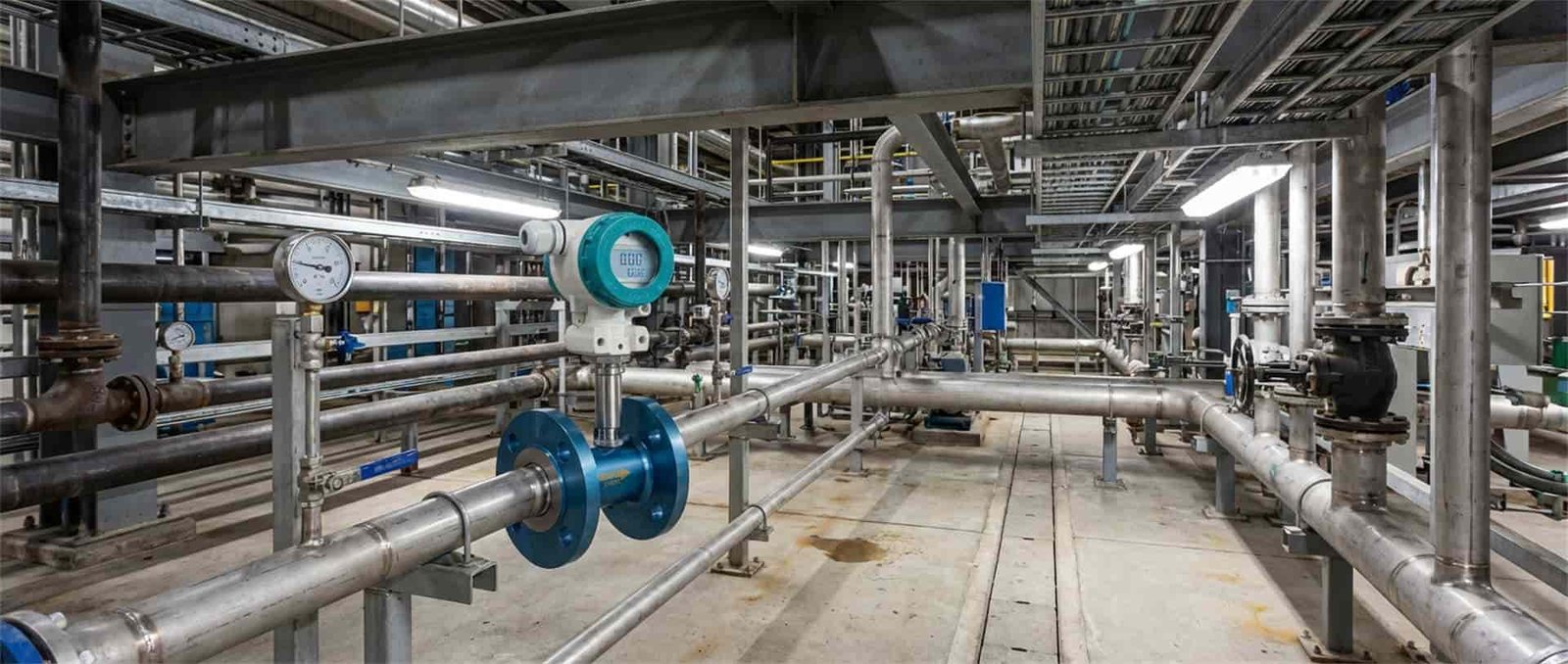
Straight-run requirements vary dramatically by technology. Electromagnetic meters are the most installation-friendly, requiring only 5D upstream and 3D downstream (where D = pipe diameter). Ultrasonic transit-time meters need 10–20D upstream and 5D downstream, depending on the number of acoustic paths. Coriolis meters have no straight-run requirement (their measurement principle is flow-profile independent), but they are sensitive to mounting stress and vibration. Vortex meters require 15–20D upstream and 5D downstream. For reference: in a DN100 pipe, 20D upstream means 2 meters of straight pipe — a requirement that many compact skids and retrofits simply cannot accommodate.
Pipe Material Compatibility and Wetted Parts
The pipe material affects both mechanical compatibility (flange ratings, gasket selection, thermal expansion) and measurement quality. Electromagnetic meters require an insulating liner between the pipe wall and the electrodes — common liner materials include PTFE (good to ~180°C, excellent chemical resistance), hard rubber (good for slurries, limited temperature), PFA (superior to PTFE for some aggressive acids), and ceramic (extreme abrasion resistance for mining slurries). The electrode material must resist corrosion from the process fluid: 316L stainless steel handles most water and mild chemicals; Hastelloy C-276 covers strong acids and chloride environments; tantalum handles hot sulfuric acid; platinum is reserved for pharmaceutical ultra-purity applications.
For ultrasonic clamp-on meters, the pipe wall material and condition directly affect acoustic transmission. Carbon steel, stainless steel, and copper pipes produce reliable signals. Concrete-lined, FRP, or heavily corroded pipes can attenuate signals to the point of measurement failure. Pipe wall thickness variations greater than ±10% of nominal can also introduce systematic errors in clamp-on measurements.
Cleanliness, Filtration, and Flow Conditioning Needs
Fluid cleanliness requirements vary by technology and can drive significant upstream infrastructure costs. Electromagnetic meters are the most tolerant — they can handle suspended solids, fibers, and slurries without filtration, provided the solids are conductive (or at least not insulating enough to coat the electrodes). Ultrasonic transit-time meters require relatively clean, homogeneous fluid; excessive particles or bubbles scatter the acoustic signal and reduce accuracy. Coriolis meters tolerate moderate solids but can suffer erosion in highly abrasive slurries. Turbine meters and vortex meters (though less common in the “digital” category, both are available with digital transmitters) require clean fluid and typically need upstream strainers.
Flow conditioning — using perforated plates, tube bundles, or profiling devices to straighten and normalize the velocity profile upstream of the meter — can substitute for straight-run pipe length. A typical flow conditioner reduces the upstream straight-run requirement by 50–70%, but adds cost ($500–$3,000 for the conditioner plus installation) and creates additional pressure drop.
Accuracy, Reliability, and Data Quality Considerations
Calibration Requirements and Traceability
Every digital flowmeter ships from the factory with a calibration certificate — but the quality, traceability, and applicability of that calibration vary enormously between manufacturers. The gold standard is calibration performed in an ISO/IEC 17025-accredited laboratory with traceability to national standards (NIST in the United States, PTB in Germany, NMi in the Netherlands). This accreditation means the calibration facility’s measurement uncertainty is independently audited and verified — not just claimed by the manufacturer.
Calibration intervals in the field follow industry practice rather than a universal standard. The Endress+Hauser learning center notes that annual recalibration is the industry default, though many meters in clean-fluid services demonstrate drift well under specification limits over 3–5 year intervals when verified using in-situ methods. Jade Ant Instruments’ calibration guidance recommends establishing a risk-based calibration interval: custody-transfer meters on a 12-month cycle, process-critical meters on 24 months, and monitoring-only meters on 36 months — with in-situ verification checks at intermediate points.
Diagnostics, Diagnostics-to-Connectivity Features, and Fault Indicators
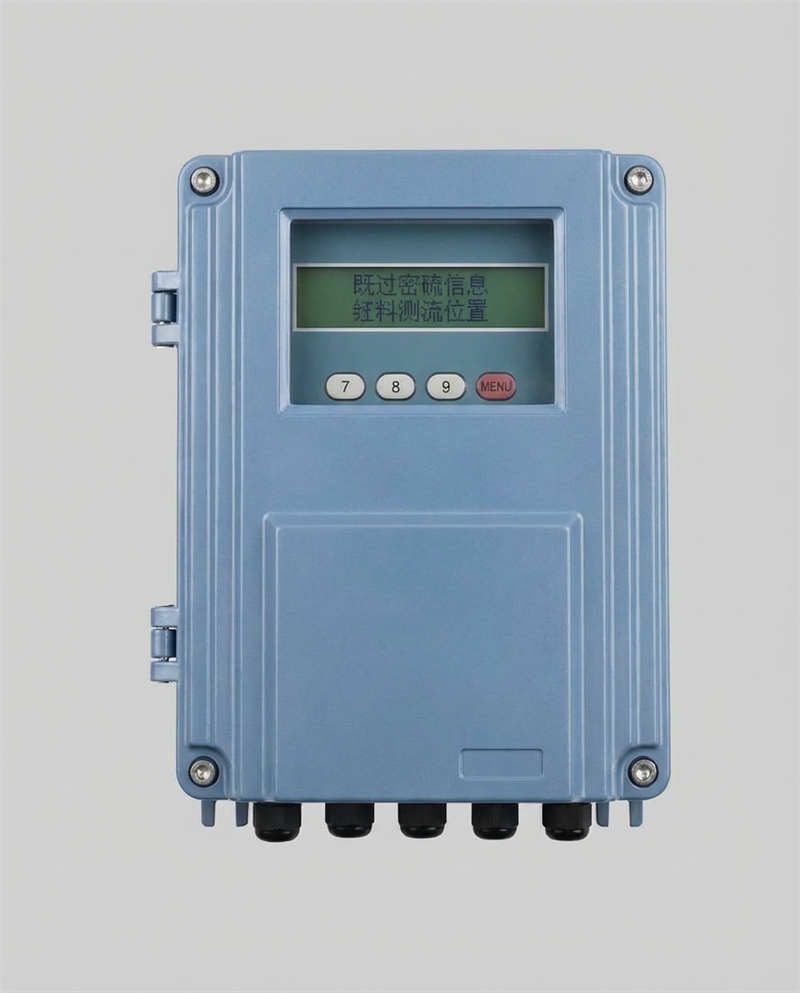
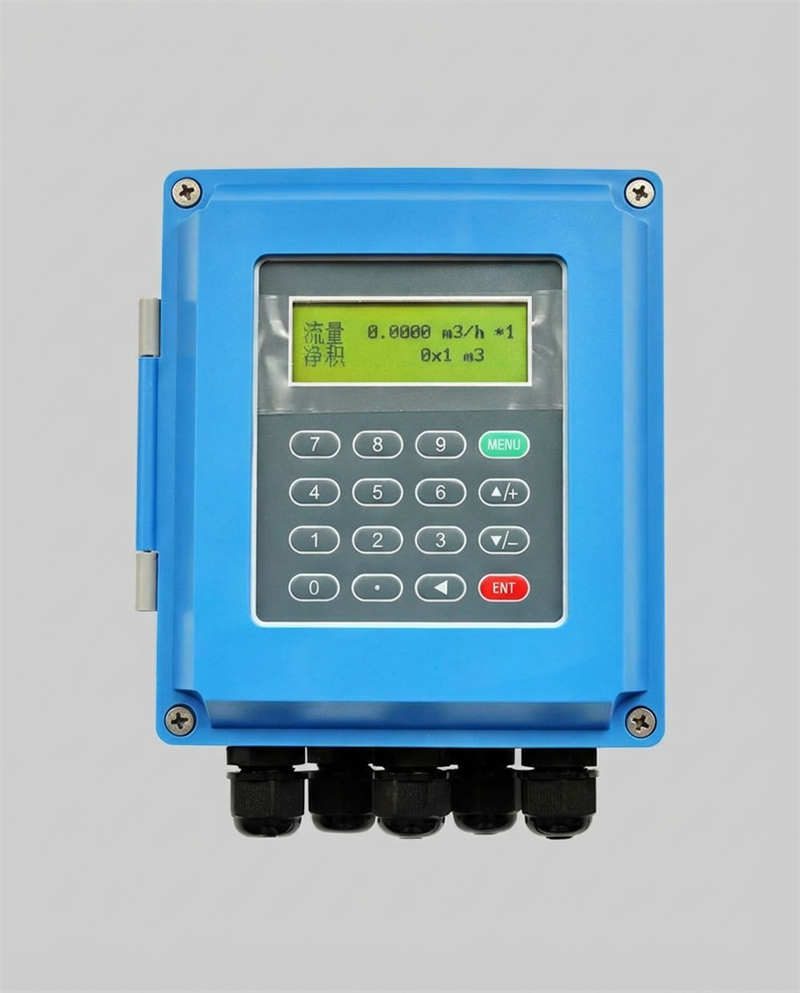
Modern digital flowmeters include self-diagnostic capabilities that go far beyond the simple “fail” alarm of previous generations. Advanced electromagnetic meters detect electrode coating, empty pipe conditions, conductivity changes, process noise levels, and grounding faults. Coriolis meters monitor tube integrity, drive gain, sensor symmetry, and density offset. Ultrasonic meters track signal quality, gain, signal-to-noise ratio, and path velocity profiles. These diagnostics, when integrated into a SCADA/PI/DCS system via HART or digital fieldbus, enable condition-based maintenance — replacing meters before they fail rather than after a process upset.
The emerging standard for diagnostic communication is NAMUR NE 107, which defines four standardized device status categories: failure, function check, out of specification, and maintenance required. Meters that support NE 107 provide consistent, manufacturer-independent status reporting to the control system, reducing the operator training burden and accelerating fault response.
Installation and Commissioning Considerations
Insertion vs Inline Meters, Installation Locations, and Avoidance of Disturbances
Inline meters are installed directly in the pipe (flanged, wafer, threaded, or tri-clamp connections) and measure the full flow cross-section. Insertion meters are probe-style instruments installed through a tapping in the pipe wall, sampling the velocity at one or several points and inferring the average flow. The tradeoff: inline meters are more accurate and self-contained but require pipe cutting and process shutdown for installation. Insertion meters can be installed under pressure (hot-tap) without shutdown, but their accuracy depends on the velocity profile being predictable and the insertion depth being correct — assumptions that break down near elbows, valves, and other disturbances.
Location selection follows a universal hierarchy: avoid installing downstream of partially open valves (turbulence and cavitation), within 5D of pumps (pulsation), near thermal hot spots (pipe expansion), or at pipe high points (gas accumulation in liquid service) or low points (sediment accumulation). For electromagnetic meters, ensure the pipe is full at the sensor location — the most common commissioning failure is installing a mag meter at a pipe high point where air pockets periodically interrupt electrode contact.
Electrical, Communication Interfaces, and Power Options
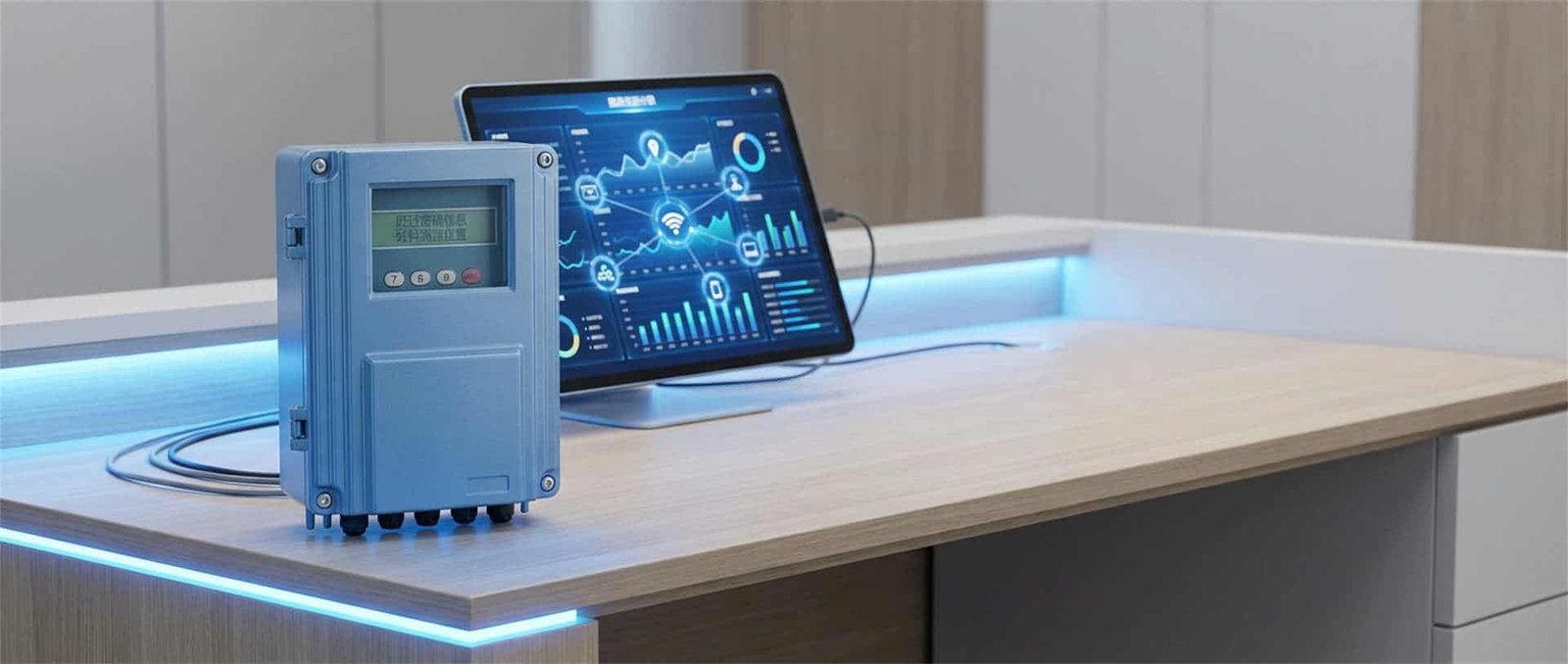
Digital flowmeters require power (typically 18–36 VDC loop-powered or 85–265 VAC line-powered) and produce output signals that must be compatible with your plant’s control infrastructure. The 4–20 mA analog signal with HART digital overlay remains the most widely installed configuration — it provides both a continuous analog signal for the control loop and digital access for configuration, diagnostics, and multi-variable data retrieval over the same two-wire connection. For fully digital architectures, Foundation Fieldbus H1, Profibus PA, and increasingly Ethernet-based protocols (EtherNet/IP, PROFINET, Modbus TCP) enable higher-speed communication, more variables per device, and easier integration with modern DCS and SCADA platforms.
Battery-powered options exist for remote installations without process power — particularly useful for clamp-on ultrasonic meters on remote pipelines, thermal mass meters on wellhead gas lines, and electromagnetic meters on irrigation systems. Battery life ranges from 3 to 10 years depending on update rate and communication frequency. Jade Ant Instruments’ industrial flow monitors include battery-powered configurations for off-grid applications.
Maintenance, Calibration, and Long-Term Support
Calibration Intervals and Procedures
Field calibration of a digital flowmeter can be performed using several methods, each with distinct cost, accuracy, and disruption characteristics. Gravimetric (weigh-tank) and volumetric (prover) methods provide the highest accuracy (±0.02–0.1%) but require process interruption and specialized facilities. In-situ verification methods — comparing the meter’s output against a reference meter installed in series, or using the meter’s built-in verification diagnostics — provide a “health check” without removal but cannot confirm absolute accuracy to calibration-laboratory standards. Transfer-standard methods using a calibrated portable meter provide intermediate accuracy (typically ±0.25–0.5%) with moderate disruption.
The frequency depends on the application risk. Custody-transfer meters (where measurement errors directly affect financial transactions) are typically calibrated annually with traceable methods. Process-control meters in stable, clean-fluid services can often extend to 24–36 month intervals if in-situ verification shows no drift. Monitoring-only meters (trend tracking, alarm triggers) may only require verification every 3–5 years. Documenting calibration history builds the statistical basis for extending intervals where the data supports it — reducing both cost and downtime without compromising measurement confidence.
Sensor Replacement, Downtime, and Spare Parts Availability
The practical maintenance burden varies dramatically by technology. Electromagnetic meters with no moving parts require the least routine maintenance — periodic electrode inspection (every 2–5 years in fouling-prone services), liner integrity checks, and grounding verification are the primary tasks. Ultrasonic inline meters require transducer health checks and occasional replacement (every 5–10 years in normal service). Coriolis meters require tube integrity monitoring (corrosion, erosion, fatigue) and transmitter firmware updates. Thermal mass meters require sensor cleaning (insertion types can accumulate buildup in dirty gas streams) and periodic recalibration because the thermal transfer coefficient can shift with sensor surface condition changes.
Spare parts strategy is a procurement consideration that many plants underestimate until a failure occurs during a production-critical period. At minimum, stock a replacement transmitter (electronics module) for each technology type deployed in significant quantities, and a complete sensor assembly for any meter in a critical measurement point. Jade Ant Instruments maintains regional spare parts inventory and offers guaranteed 48-hour dispatch for critical replacement components across their electromagnetic, ultrasonic, vortex, and turbine meter product lines.
Data Integration, Connectivity, and Cybersecurity
Protocols (Modbus, HART, IMI, etc.) and SCADA/PI Integration
Integrating a digital flowmeter into your plant’s data infrastructure requires matching the meter’s communication protocol to your control system’s input capabilities. The most common configurations and their characteristics are summarized below:
4–20 mA + HART: The industry workhorse. One analog signal for the control loop, plus a digital overlay carrying up to four process variables, device diagnostics, and remote configuration capability. Compatible with virtually every DCS and PLC built in the last 30 years. Limitation: HART communication speed is slow (1200 baud) — fine for configuration and periodic diagnostic polling but not for real-time multi-variable data streaming.
Modbus RTU/TCP: A widely supported serial/Ethernet protocol ideal for integration with SCADA systems, flow computers, and data loggers. Modbus TCP operates over standard Ethernet infrastructure, enabling IP-based communication and easier network management. Most modern digital flowmeters support Modbus as a secondary or primary protocol.
Foundation Fieldbus / Profibus PA: Fully digital bus protocols that replace 4–20 mA wiring. They support multiple variables per device, device-level diagnostics, and interoperability between different manufacturers’ instruments. Adoption is strongest in large chemical and petrochemical plants with dedicated fieldbus infrastructure.
Ethernet/IP and PROFINET: Industrial Ethernet protocols offering high-speed communication, large data payloads, and integration with IT-standard networking equipment. Increasingly adopted in new plant designs and Industry 4.0 / IIoT architectures.
Data Logging, Visualization, and Alerting Capabilities
Many modern digital flowmeters include onboard data logging with 1–12 months of storage (depending on logging interval and memory capacity), enabling local trend analysis even without an external historian connection. This is particularly valuable during commissioning, when process conditions may not yet be stable enough for central data collection. For ongoing operation, flow data is typically archived in a plant historian (OSIsoft PI, Honeywell PHD, GE Proficy) and visualized through SCADA/HMI screens with configurable alarm thresholds for high flow, low flow, rate-of-change, totalization targets, and diagnostic fault codes.
A 2026 ARC Advisory Group report flagged cybersecurity as an emerging risk for smart flowmeters connected to plant networks. Meters with Ethernet connectivity, wireless communication, or cloud integration create potential entry points for cyber threats. Mitigation practices include network segmentation (isolating the instrument network from the enterprise network), disabling unused communication ports on the meter, using encrypted protocols where available, and maintaining firmware updates per the manufacturer’s security advisories.
Sizing, Selection, and a Practical Evaluation Checklist
Step-by-Step Sizing Considerations for New Installations
Step 1: Define the fluid. Document the fluid name, phase, conductivity, viscosity at operating temperature, density, chemical composition, and particulate/gas content. This single step eliminates incompatible technologies immediately.
Step 2: Establish the flow range. Record minimum, normal, and maximum flow rates (both volumetric and mass if applicable). The meter’s turndown must cover your full operating range — including startup, shutdown, night setback, and upset conditions — at acceptable accuracy.
Step 3: Size the meter. Calculate the optimal meter bore based on achieving 1–3 m/s for liquids or 5–30 m/s for gases at normal operating flow. Use concentric reducers if the meter size differs from the pipe size. Manufacturers provide online sizing tools; Jade Ant Instruments’ datasheet guide explains how to interpret the velocity and Reynolds number ranges from specification sheets.
Step 4: Verify pressure/temperature/material compatibility. Confirm that the meter’s flange rating, liner material, electrode material, and housing material are compatible with the process fluid at worst-case (not just normal) operating conditions.
Step 5: Evaluate installation constraints. Measure available straight-run pipe upstream and downstream. Identify nearby disturbances (elbows, valves, pumps, tees). Determine whether the pipe can be cut or if a clamp-on/insertion solution is required.
Step 6: Specify communication and output. Match the meter’s output protocol to your control system’s input capability. Define the number of variables required (flow rate, total, temperature, density, diagnostics). Confirm hazardous area classification and select the appropriate Ex protection method (Ex ia, Ex d, Ex n).
Decision Matrix: Performance, Cost, and Risk Factors
Weighted Decision Factors by Technology (Score 1–10, Higher = Better)
| Factor | Electromagnetic | Ultrasonic | Coriolis | Thermal Mass |
|---|---|---|---|---|
| Accuracy | 8 | 7 | 10 | 5 |
| Turndown Range | 10 | 8 | 6 | 8 |
| Installation Ease | 8 | 9 | 4 | 9 |
| Maintenance Burden | 9 | 8 | 6 | 7 |
| Fluid Versatility | 6 | 8 | 10 | 4 |
| 10-Year TCO | 9 | 7 | 5 | 8 |
Electro-
magnetic
Ultra-
sonic
Coriolis
Thermal
Mass
Aggregate scores across 6 decision factors. Higher = more favorable overall. Coriolis and Thermal Mass tied at 41 but excel in completely different applications.
Total Cost of Ownership and Return on Investment
Capex vs. Opex Considerations
The purchase price of a digital flowmeter — the capex — is the most visible cost, but field data consistently shows it represents only 25–35% of the total 10-year spend. A Fuji Electric analysis of industrial flowmeter economics found that a meter costing $4,000 that generates $2,000 in annual utility savings pays for itself in just 2 years. Conversely, a “cheap” meter that requires $1,500/year in maintenance and causes 2 hours of unplanned downtime annually (at a plant downtime cost of $5,000/hour) effectively costs $16,000/year to operate — four times its purchase price, every year.
The opex components that drive total cost include installation labor and pipe modification ($500–$5,000 depending on size and complexity), annual calibration and verification ($200–$2,000 per meter), consumable parts (gaskets, O-rings, electrodes, bearings — $100–$1,000/year depending on technology), energy cost of pumping against pressure drop (significant for Coriolis and DP meters in large pipes), and the productivity impact of both planned and unplanned downtime. A complete TCO comparison must account for all of these elements, weighted by your specific plant’s cost structure.
Procurement, Vendor Selection, and Risk Mitigation
Supplier Qualifications, Warranties, and Service Agreements
Evaluating a digital flowmeter supplier requires looking beyond the product datasheet. Key qualification criteria include: ISO 9001 quality management certification (the baseline for any reputable manufacturer), ISO/IEC 17025 accredited calibration laboratory (ensures traceable measurement standards), ATEX/IECEx or FM/CSA hazardous area certifications (if applicable to your installation), and regional technical support with demonstrated response time commitments.
Warranty terms vary significantly. A standard 12-month warranty covering manufacturing defects is the minimum acceptable. Extended warranties of 24–36 months, performance guarantees tied to accuracy specifications (not just component function), and service-level agreements that include guaranteed spare parts delivery times (48-hour or next-day) provide meaningful risk reduction. Jade Ant Instruments offers ISO-certified manufacturing, standard 24-month warranty, and direct engineering support for application sizing and commissioning — a combination that has been validated through over 50 countries of delivery experience across water, chemical, and industrial OEM sectors.
Documentation, Training, and After-Sales Support
A complete delivery package should include: factory calibration certificate with traceable uncertainty statement, installation and operation manual in your operating language, dimensional drawings and weights, material certificates for wetted parts (especially important for food-grade and pharmaceutical applications), wiring diagrams for your specific output configuration, and a spare parts recommendation list with pricing. Training should cover physical installation, commissioning procedures, transmitter configuration, diagnostic interpretation, and basic troubleshooting. For plants deploying 10+ meters of the same type, on-site training from the manufacturer’s application engineer is far more effective than generic documentation — a service that manufacturers like Jade Ant Instruments provide as part of project-scale quotations.
Replacement and Retrofit Scenarios
How to Evaluate Retrofit Feasibility and Downtime
Retrofitting an existing flowmeter — replacing a legacy mechanical or analog device with a modern digital unit — involves technical, logistical, and economic evaluation. The technical question centers on physical compatibility: does the new meter’s face-to-face length, flange rating, and process connection match the existing pipe penetration? Can the existing straight-run pipe accommodate the new meter’s upstream/downstream requirements? Does the control system have the input capability (spare 4–20 mA channel, HART-compatible input card, or fieldbus segment capacity) to accept the new meter’s signal?
The logistical question is downtime: how long must the pipe be out of service for the swap? For flanged inline meters, a like-for-like replacement can be completed in 4–8 hours including pipe preparation, gasket change, alignment, torquing, wiring, and commissioning. For wafer-style meters (common in smaller electromagnetic units), the swap is even faster — typically 2–4 hours. Clamp-on ultrasonic meters can be installed with zero process downtime, making them the preferred retrofit technology when measurement accuracy requirements permit it.
Upgrading from Legacy Meters to Digital Solutions
The most common legacy-to-digital upgrades encountered in the field are: orifice plates with pneumatic transmitters → electromagnetic or vortex meters with digital transmitters (eliminating impulse lines, reducing pressure drop, and gaining diagnostics); mechanical turbine meters with mechanical registers → digital turbine or electromagnetic meters (gaining electronic totalization, alarms, and communication); and analog magnetic meters (early-generation, 2-wire) → modern mag meters with HART/fieldbus capability (gaining verification diagnostics, expanded turndown, and improved low-flow performance).
In an Emerson case study, a polyester fiber production facility replaced legacy orifice-plate DP systems with vortex flowmeters on steam lines, eliminating plugged impulse lines that had caused 15+ hours/month of maintenance time. The digital vortex meters provided stable measurement with zero impulse-line maintenance, and the payback period was under 9 months based on maintenance savings alone.
Case Studies and Industry Examples
Real-World Criteria and Outcomes
A municipal water treatment plant in Southeast Asia operated 45 flow measurement points across raw water intake, chemical dosing, filter backwash, and treated water distribution. The original installation used a mix of mechanical rotameters (for chemical dosing) and analog electromagnetic meters (for process lines), with no central data collection. Maintenance records showed 8–12 unplanned meter failures per year, averaging 4 hours of downtime per incident. Working with Jade Ant Instruments’ water flow meter engineering team, the plant standardized on digital electromagnetic meters with HART output for all conductive-liquid points and digital vortex meters for aeration air lines. Post-upgrade data over 24 months showed zero unplanned meter failures, 97% reduction in meter-related maintenance hours, and a 3.2% improvement in chemical dosing accuracy that reduced reagent consumption by an estimated $18,000/year.
Lessons Learned and Best Practices
Across hundreds of digital flowmeter installations, several patterns consistently emerge. First, oversizing is the most common specification error — it degrades accuracy at normal flow and often costs more than the correctly sized meter. Second, grounding deficiencies cause more electromagnetic meter commissioning failures than any other single factor. Third, straight-run violations are the leading cause of vortex and DP meter inaccuracy complaints. Fourth, communication protocol mismatches between the meter and the control system create weeks of commissioning delay that could be prevented by a 5-minute compatibility check during specification. Fifth, skipping the in-situ verification check at commissioning means the first indication of a problem may be months later when process data anomalies trigger an investigation.
| Pipe Size (DN) | Liquid Flow @ 2 m/s (m³/h) | Gas Flow @ 15 m/s (Nm³/h) | 5D Straight Run (mm) | 15D Straight Run (mm) |
|---|---|---|---|---|
| DN25 (1″) | 3.5 | 26.5 | 125 | 375 |
| DN50 (2″) | 14.1 | 106 | 250 | 750 |
| DN100 (4″) | 56.5 | 424 | 500 | 1,500 |
| DN200 (8″) | 226 | 1,696 | 1,000 | 3,000 |
| DN300 (12″) | 509 | 3,817 | 1,500 | 4,500 |
| DN500 (20″) | 1,414 | 10,603 | 2,500 | 7,500 |
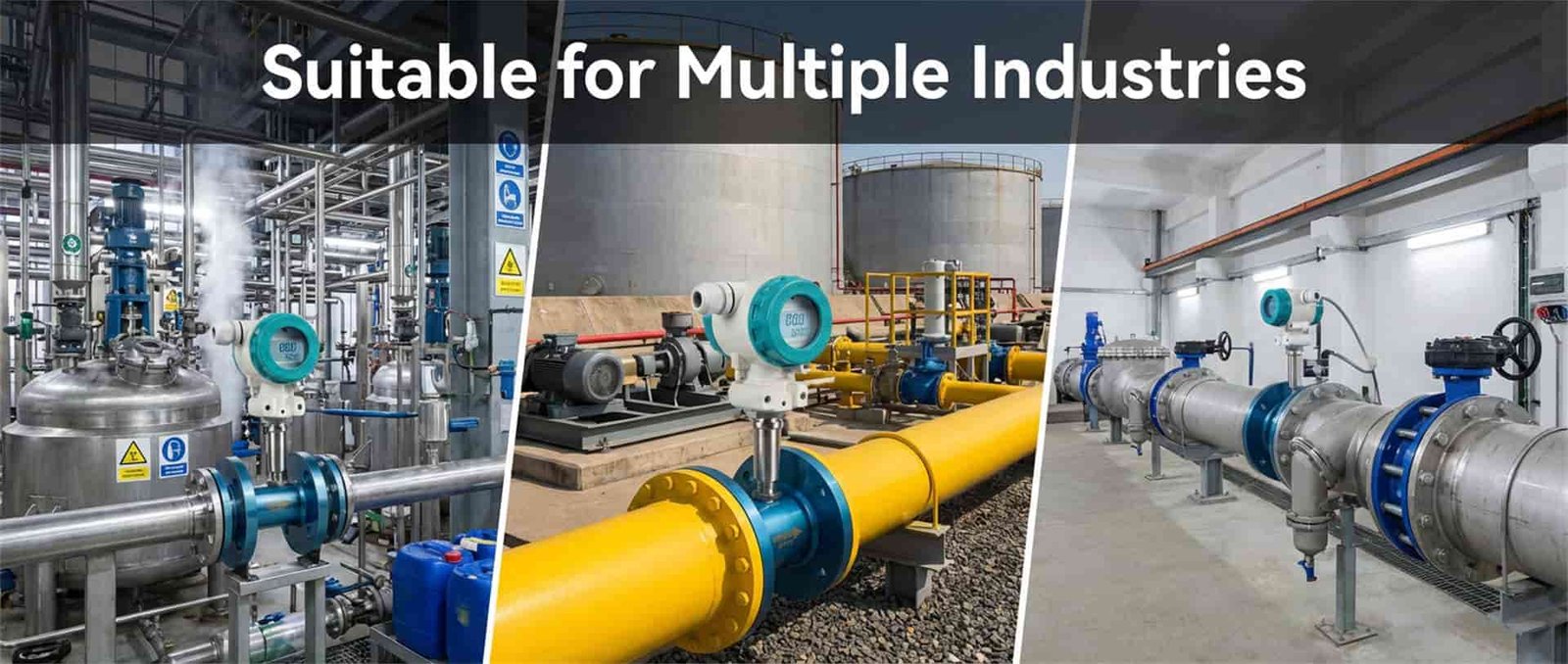
Selecting the right digital flowmeter for your piping system follows a structured decision path: define the fluid and its properties (phase, conductivity, viscosity, particulates, corrosivity); establish the measurement requirement (volumetric or mass, accuracy class, turndown range); evaluate the installation envelope (pipe size, straight-run availability, orientation, access for maintenance); confirm data integration requirements (protocol, variables, diagnostic depth); and model the total cost of ownership across the expected service life — not just the purchase price. Every decision in this chain either narrows or opens the technology options; the goal is to arrive at the one technology (or at most two candidates) that satisfies all constraints simultaneously.
Use the evaluation checklist in Table 1, the sizing reference in Table 2, and the decision matrix bar chart to structure your specification. Share this data with potential suppliers and request application-specific sizing and material compatibility confirmation before finalizing your purchase. Jade Ant Instruments’ engineering team provides free specification reviews and will deliver a complete quotation package — including GA drawings, material certificates, calibration scope, and installation guidance — within 48 hours of receiving your completed application data form.
Frequently Asked Questions (FAQs)
What are the top factors to consider when choosing a digital flowmeter for high-viscosity fluids?
For high-viscosity fluids (above 100 cP), the primary factors are: measurement principle sensitivity to viscosity (electromagnetic meters are viscosity-independent; ultrasonic transit-time meters lose signal in very viscous media; Coriolis meters handle viscosity well but generate high pressure drop), pressure drop at operating viscosity (which may be 5–10× the water-calibration value), and the ability to maintain sufficient flow velocity for accurate measurement at your minimum operating flow. In practice, electromagnetic meters are the default choice for conductive viscous liquids, while Coriolis meters serve non-conductive high-viscosity applications such as heavy oils and polymer melts. Jade Ant Instruments’ technology comparison data provides viscosity-specific guidance across meter types.
How do I justify ROI for a digital flowmeter upgrade in a mature plant?
Build the business case on four quantifiable categories: maintenance cost reduction (document current maintenance hours and parts spend on legacy meters, compare with projected digital meter requirements — typical savings are 40–70%), measurement accuracy improvement translated to financial impact (better accuracy in chemical dosing reduces reagent waste; better accuracy in custody transfer reduces giveaway), downtime reduction (quantify the production cost of historical meter-related shutdowns), and data quality improvement (better process visibility enables optimization that legacy meters cannot support). A Fuji Electric payback analysis showed that a $4,000 flowmeter generating $2,000/year in utility savings achieves payback in 2 years — many industrial upgrades achieve payback in 12–18 months when maintenance savings are included.
Which technologies are best for clean water versus viscous industrial liquids?
For clean water (municipal, industrial cooling, boiler feed): electromagnetic flowmeters are the dominant technology, offering ±0.2–0.5% accuracy, zero pressure drop, 100:1+ turndown, and minimal maintenance. For viscous industrial liquids, the choice depends on conductivity: conductive viscous liquids (food syrups, chemical solutions, slurries) → electromagnetic; non-conductive viscous liquids (crude oil, heavy fuel oil, polymer melts) → Coriolis for accuracy-critical applications, or positive displacement for cost-sensitive applications. Ultrasonic clamp-on meters serve as a viable alternative for either category when non-intrusive measurement is required, though accuracy is typically ±1–3% compared with ±0.2–0.5% for inline designs.
What pipe modifications are typically needed when installing a digital flowmeter?
The modifications depend on the technology and installation type. For inline flanged meters: pipe cutting to match the meter’s face-to-face length, flange welding (if flanges don’t already exist), concentric reducers if the meter size differs from the pipe size, and potentially adding straight-run pipe sections. For wafer-style meters: pipe bolt removal, meter insertion between existing flanges, and centering gasket installation — no welding or cutting required. For clamp-on ultrasonic: zero pipe modification — sensors mount externally using straps or fixtures. For insertion meters: drilling or hot-tapping a single pipe penetration, plus installing an isolation valve if hot-removal capability is needed. Budget $500–$5,000 for pipe modifications per installation point, depending on pipe size, material, and complexity.
How often do digital flowmeters need recalibration?
The industry-standard baseline is annual calibration, but modern digital meters in clean-fluid services frequently demonstrate calibration stability over 3–5 years. A risk-based approach is recommended: custody-transfer meters every 12 months; process-critical meters every 24 months with intermediate in-situ verification checks; and monitoring-only meters every 36 months. Meters in aggressive-fluid or fouling-prone services should follow the manufacturer’s specific recommendation — Jade Ant Instruments publishes calibration interval guidance specific to each meter type and application category.
What is the difference between percent-of-reading and percent-of-full-scale accuracy?
Percent of reading (% RD) means the error is proportional to the actual measured value — at 100 m³/h, ±0.5% RD equals ±0.5 m³/h; at 20 m³/h, it equals ±0.1 m³/h. Percent of full scale (% FS) means the error is a fixed absolute amount regardless of reading — if full scale is 200 m³/h, ±1% FS equals ±2 m³/h at every point. At low flow (20 m³/h), the ±2 m³/h FS error becomes ±10% of reading. This distinction is critical when evaluating meters for applications with wide flow variation: % RD specifications maintain accuracy across the range, while % FS specifications degrade dramatically at low flow. Always compare meters using the same accuracy basis.
Can I install a clamp-on ultrasonic meter for permanent custody-transfer measurement?
Technically possible with premium multi-path clamp-on systems, but practically limited by two factors: accuracy (clamp-on systems typically achieve ±1–3% versus ±0.15% for inline custody-transfer ultrasonic meters) and long-term stability (coupling gel degradation, pipe wall changes, and temperature cycling can shift the calibration). For custody-transfer applications subject to fiscal metering regulations or API standards, inline meters with traceable calibration are strongly preferred. Clamp-on meters are better positioned as verification tools, temporary measurement instruments, or permanent process-monitoring devices where ±1–3% accuracy is acceptable.
How does cybersecurity apply to digital flowmeters?
Any digital flowmeter connected to a plant network via Ethernet, wireless, or cloud interface creates a potential cybersecurity entry point. The risk is not theoretical — the ARC Advisory Group’s 2026 report documented specific threat vectors targeting smart field instruments. Mitigation measures include: network segmentation (isolate the OT instrument network from the IT enterprise network), disabling unused protocols and ports on each meter, using encrypted communications where supported, applying firmware updates per the manufacturer’s security advisories, and following IEC 62443 (industrial automation cybersecurity) principles for zone and conduit design.
What should I look for in a digital flowmeter supplier’s after-sales support?
Five non-negotiable elements: guaranteed spare parts availability with committed delivery times (48-hour maximum for critical components); application engineering support (not just product sales — the ability to review your process conditions and recommend the correct sizing, materials, and installation); factory calibration with ISO/IEC 17025 traceability; clear warranty terms covering both manufacturing defects and accuracy performance; and accessible technical documentation in your operating language. The absence of any one of these elements is a disqualifying risk factor — a meter that cannot be repaired, recalibrated, or supported in the field becomes a liability regardless of its datasheet specifications.