What is the difference between volumetric and mass flow rate, and which is best for industrial applications? This is one of the most frequently asked questions among instrumentation engineers, plant managers, and process designers — and for good reason. Selecting the wrong type of flow measurement can lead to inaccurate billing, process inefficiencies, safety hazards, and regulatory non-compliance. In modern industrial environments, where margins are thin and precision is paramount, understanding the distinction between these two fundamental metrics is not optional — it is essential.
Accurate flow measurement sits at the heart of nearly every industrial process. From chemical dosing in pharmaceutical manufacturing to custody transfer in the oil and gas sector, the way you measure fluid movement directly impacts product quality, operational efficiency, and profitability. According to a report by MarketsandMarkets, the global flow meter market is projected to reach over USD 10 billion by 2027, underscoring just how central this technology is to industrial operations worldwide.
Both volumetric flow rate and mass flow rate are indispensable — but they serve fundamentally different purposes. Volumetric flow rate measures the volume of fluid passing through a given cross-section per unit time, making it ideal for applications where the physical space occupied by a fluid is the key concern. Mass flow rate, on the other hand, quantifies the actual amount of matter moving through a system, regardless of changes in temperature, pressure, or density. This makes mass flow rate the preferred choice for chemical reactions, combustion processes, and any scenario where the quantity of material — not just its volume — is what matters.
This comprehensive guide provides a practical, side-by-side comparison of volumetric and mass flow rate for industrial applications. We will explore how each is defined and calculated, examine the instruments used to measure them, analyze the effects of temperature and pressure on accuracy, and identify the industrial scenarios where each metric excels. Whether you are specifying a new flow meter from Jade Ant Instruments or auditing your existing measurement infrastructure, this article will give you the technical foundation and real-world guidance to make the right choice.
Volumetric Flow Rate vs Mass Flow Rate
What Is Volumetric Flow Rate?
Volumetric flow rate, commonly denoted as Q, is defined as the volume of fluid that passes through a specific cross-sectional area per unit of time. The standard formula is:
Q = A × v
Where Q is the volumetric flow rate (m³/s), A is the cross-sectional area of the pipe (m²), and v is the average velocity of the fluid (m/s). Alternatively, volumetric flow rate can be expressed as Q = V / t, where V is the total volume passed and t is time. Common units include cubic meters per second (m³/s), liters per minute (L/min), and gallons per minute (GPM).
Volumetric flow rate is fundamentally about the size or space a fluid occupies as it moves through a system. For example, if a pipe carries 500 liters of water per minute, the volumetric flow rate is 500 L/min — regardless of the water’s temperature, density, or composition. This simplicity is one of its greatest strengths and also its most significant limitation, because the same 500 L/min of water at 20°C contains slightly more mass than 500 L/min at 80°C, due to thermal expansion.
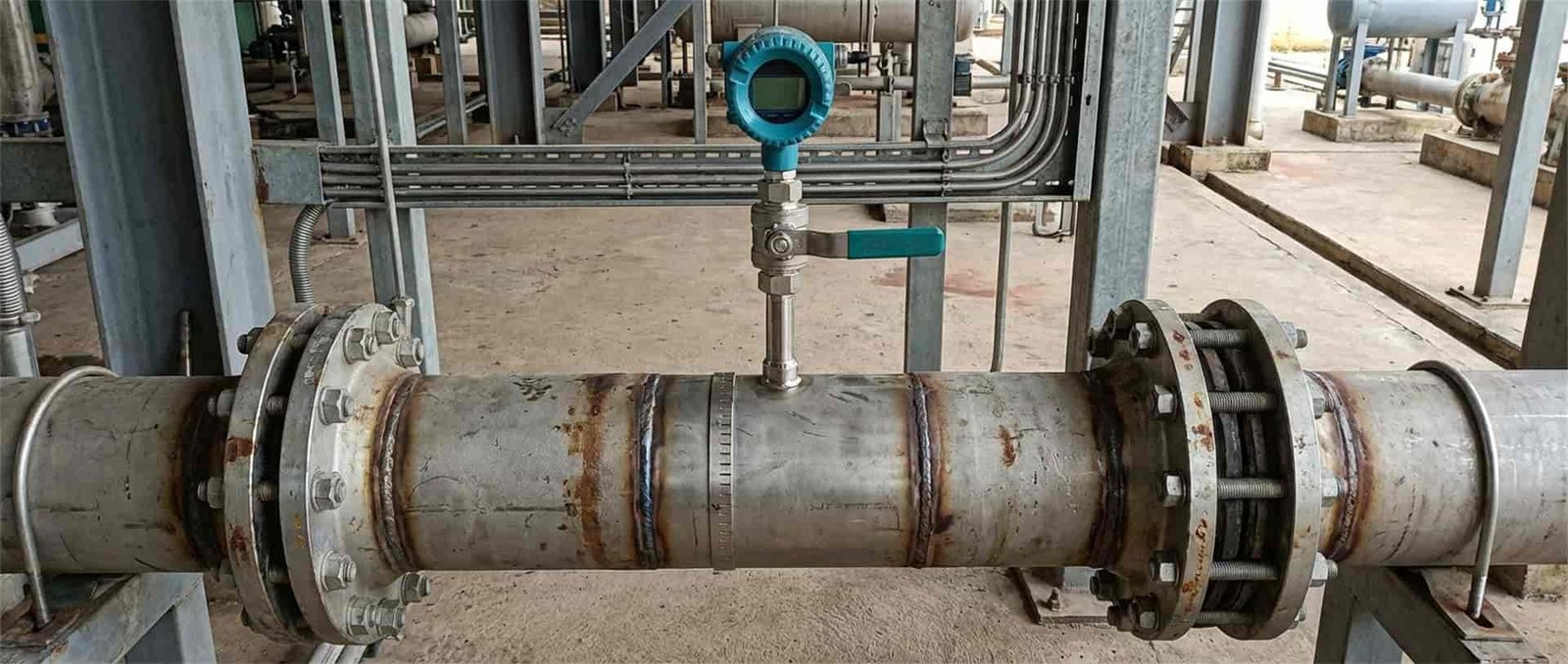
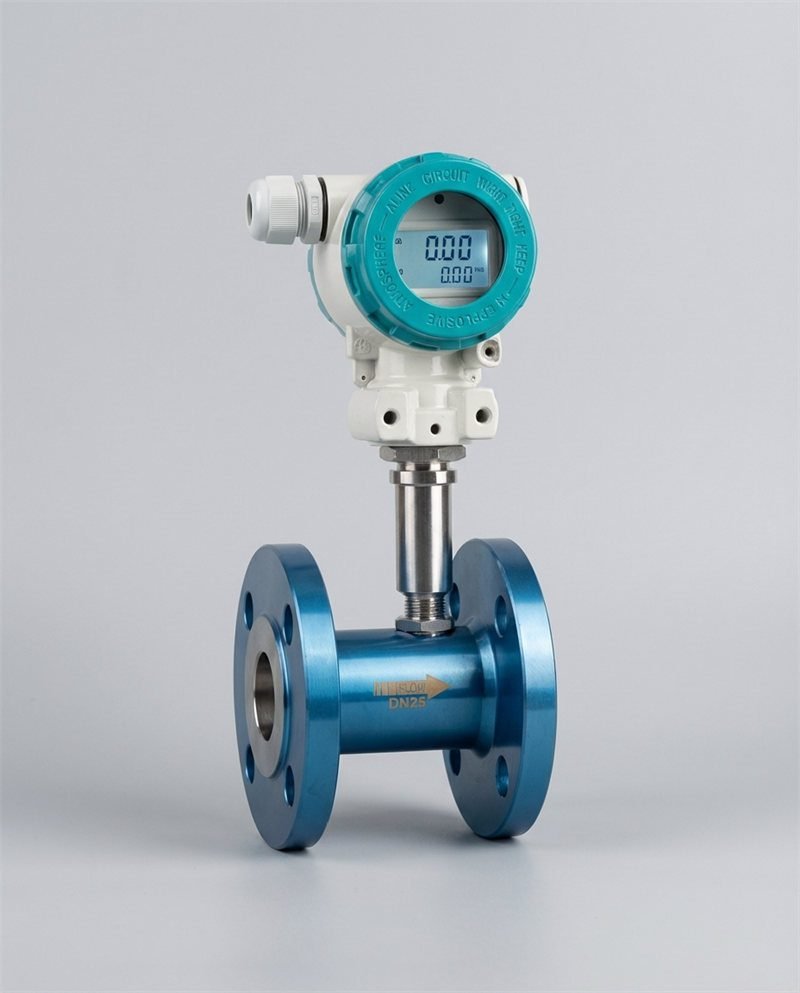
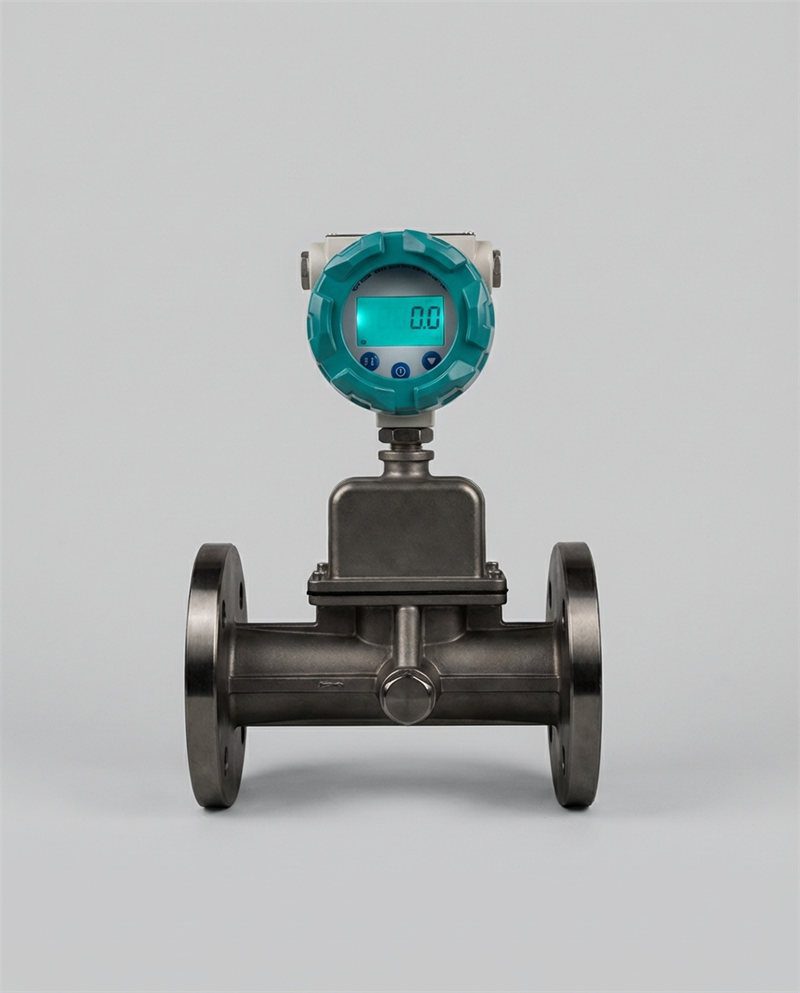
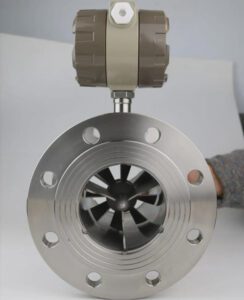
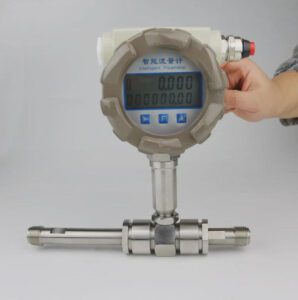
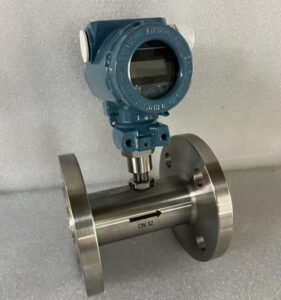
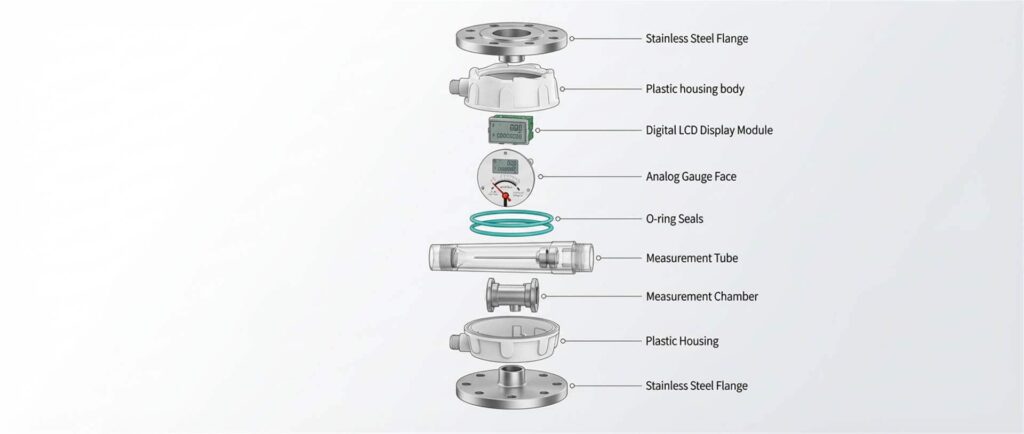
In everyday industrial settings, volumetric flow rate is widely used for water distribution, HVAC systems, irrigation, and general-purpose liquid handling where conditions remain relatively stable. Instruments like ultrasonic flow meters, turbine flow meters, and variable area (rotameter) flow meters are commonly employed to measure volumetric flow.
What Is Mass Flow Rate?
Mass flow rate, typically denoted as ṁ (m-dot), measures the mass of fluid passing through a cross-section per unit of time. The formula is:
ṁ = ρ × Q = ρ × A × v
Where ṁ is the mass flow rate (kg/s), ρ is the fluid density (kg/m³), A is the cross-sectional area, and v is the average velocity. Common units include kilograms per second (kg/s), kilograms per hour (kg/h), and pounds per hour (lb/h).
The critical advantage of mass flow rate is that it accounts for changes in fluid density. When temperature rises, most fluids expand — their volume increases but their mass stays the same. Similarly, gases compressed to higher pressures occupy less volume but contain more mass per unit volume. Mass flow rate captures the actual material throughput, making it indispensable for processes where chemical stoichiometry, energy balance, or custody transfer accuracy is required.
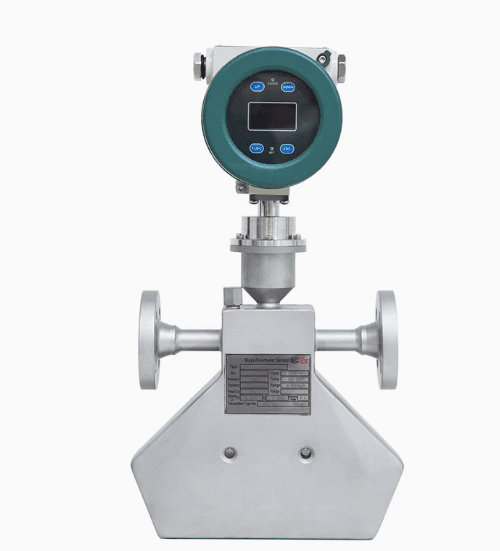
Coriolis flow meters are widely regarded as the gold standard for direct mass flow measurement, as they measure mass flow without requiring external density or temperature compensation. Thermal mass flow meters are another common technology, particularly for gas applications. For industries like oil and gas, pharmaceuticals, food and beverage, and chemical processing, mass flow measurement provides the accuracy and reliability that volumetric measurement alone cannot guarantee.
“Coriolis meters are extremely accurate. In fact, a Coriolis meter is often used as a standard for calibrating other types of flow meters in the field.” — Industry field note, Jade Ant Instruments
Key Differences
The following table provides a clear side-by-side comparison of volumetric flow rate and mass flow rate across the parameters that matter most to industrial engineers and procurement teams:
Parameter Volumetric Flow Rate (Q) Mass Flow Rate (ṁ) What It Measures Volume of fluid per unit time Mass of fluid per unit time Formula Q = A × v ṁ = ρ × A × v Common Units m³/s, L/min, GPM kg/s, kg/h, lb/h Affected by Temperature? Yes — volume changes with temperature No — mass remains constant Affected by Pressure? Yes — especially for gases No — mass is pressure-independent Best For Water systems, HVAC, irrigation Chemical dosing, custody transfer, combustion Typical Instruments Turbine, ultrasonic, rotameter, electromagnetic Coriolis, thermal mass flow meters Accuracy Under Variable Conditions Lower — requires compensation Higher — inherently compensated Cost Generally lower Generally higher In essence, the choice between volumetric and mass flow rate depends on what your process truly needs to know. If you need to understand how much space a fluid occupies — for tank filling, pipe sizing, or pump selection — volumetric flow rate is sufficient. If you need to know how much material is flowing — for billing, reactions, or energy calculations — mass flow rate is the correct choice. Many modern flow measurement systems from manufacturers like Jade Ant Instruments can provide both readings simultaneously by incorporating density compensation into their electronics.
Measuring Flow Rates
Volumetric Flow Rate Calculator and Methods
Calculating volumetric flow rate in practice relies on well-established principles of fluid dynamics. The most fundamental approach uses the continuity equation: Q = A × v, where the cross-sectional area of the pipe and the average fluid velocity are known or measured. In real-world applications, engineers often use standardized calculators and instrumentation software to convert sensor signals into calibrated volumetric flow readings.
Common Volumetric Flow Measurement Methods
Differential Pressure (DP) Methods: These include orifice plates, venturi tubes, and flow nozzles. They work by creating a pressure drop as fluid passes through a constriction. The relationship between the pressure differential and flow rate is governed by Bernoulli’s principle. DP meters are among the oldest and most widely deployed flow measurement technologies, with well-documented standards such as ISO 5167.
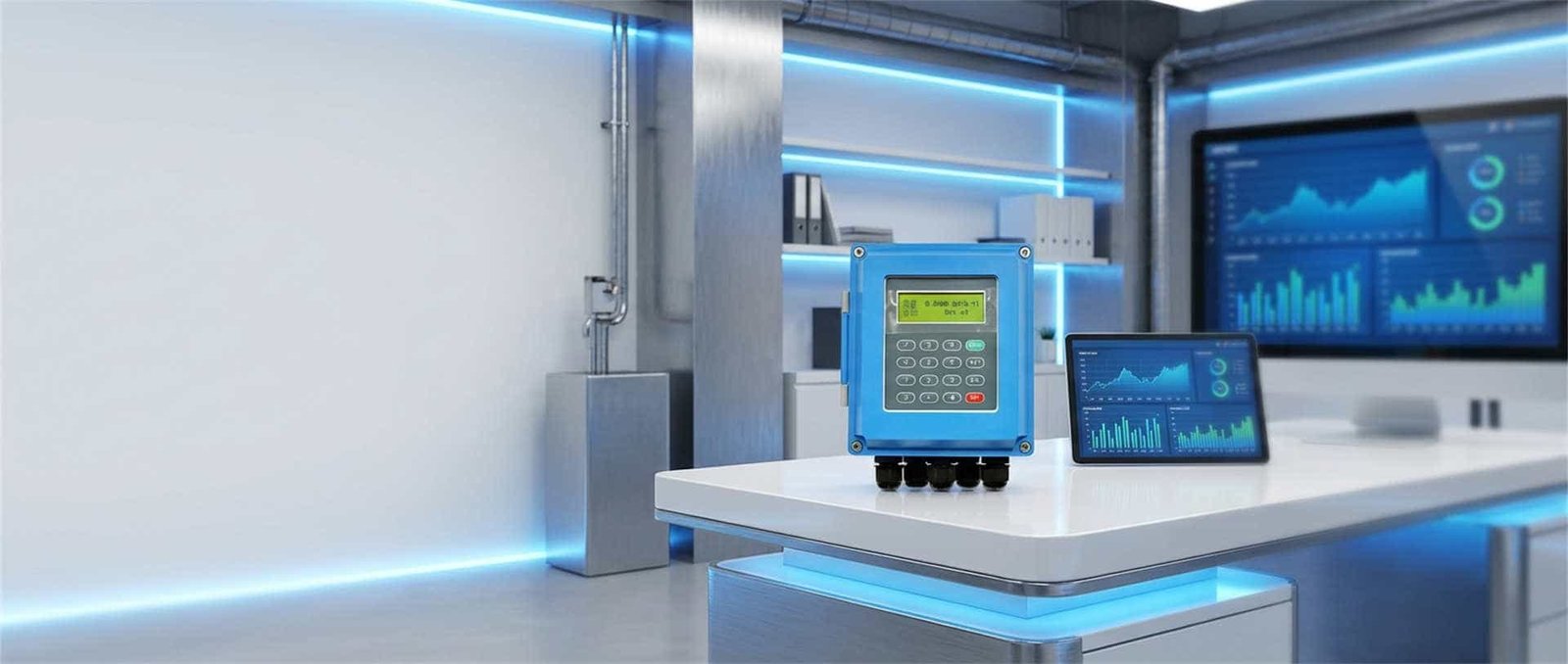
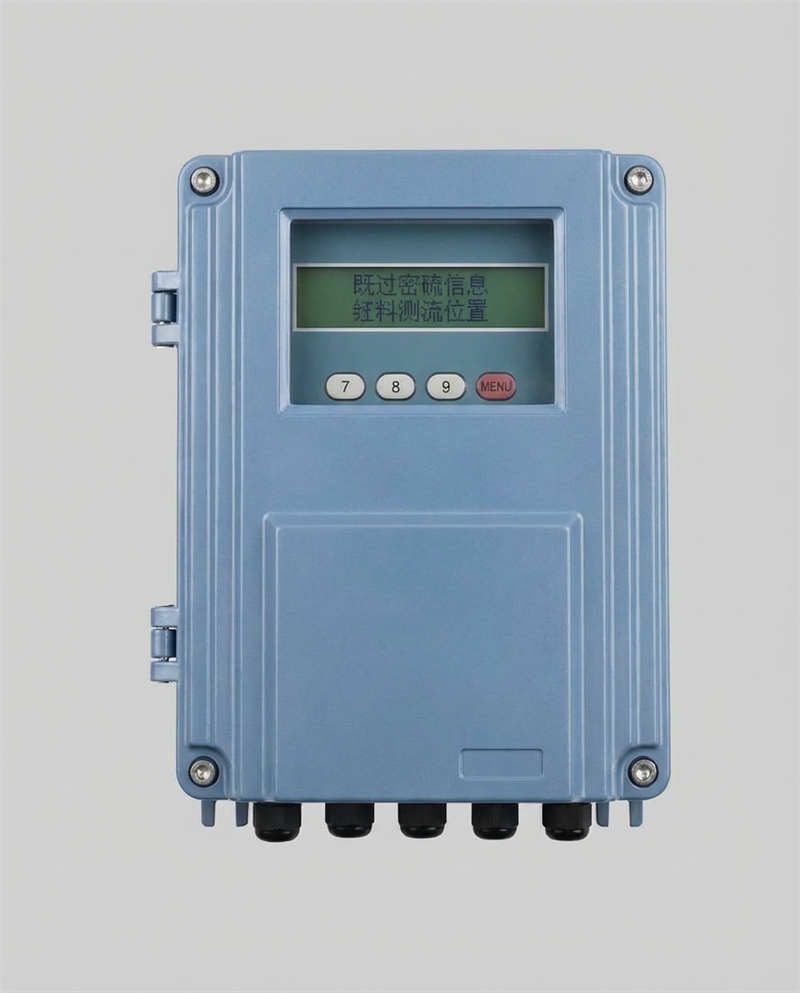
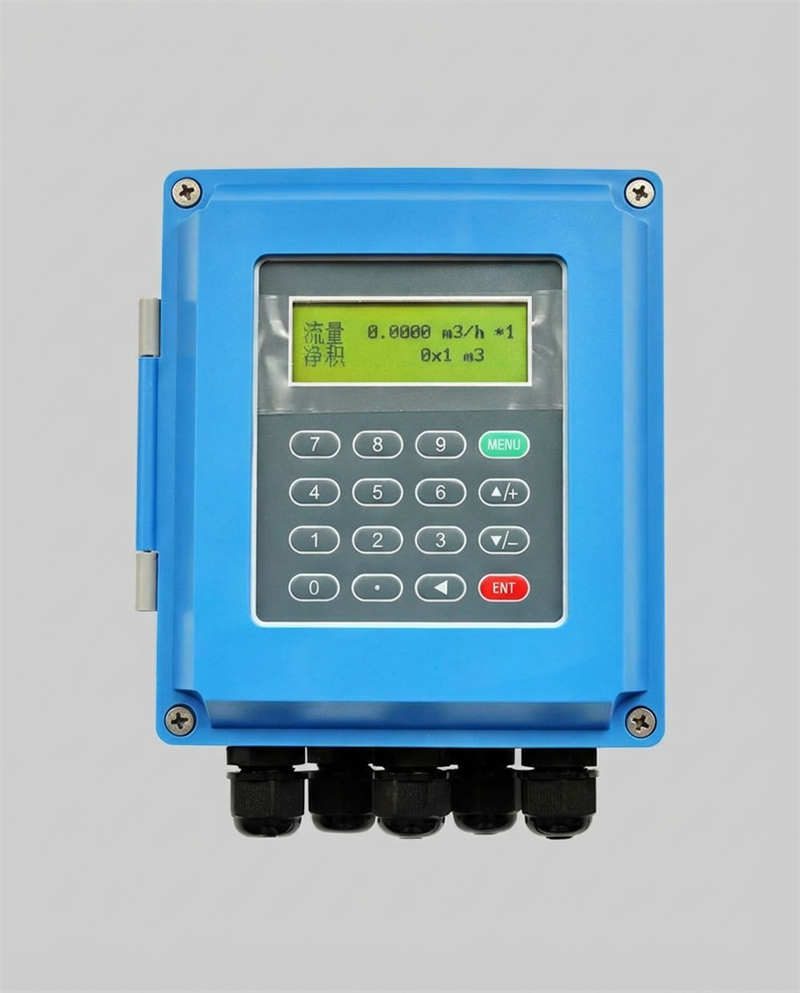
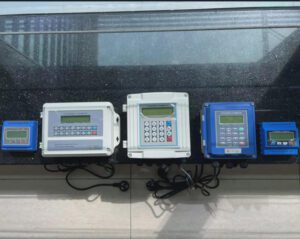
Velocity-Based Methods: Turbine flow meters and ultrasonic flow meters measure the velocity of the fluid directly and compute volumetric flow rate from the known pipe diameter. Ultrasonic flow meters from Jade Ant Instruments, for example, offer non-invasive, clamp-on options that measure flow without any pressure drop, achieving accuracy of ±1.0% for pipe diameters ranging from DN32 to DN6000.
Positive Displacement (PD) Methods: PD meters capture discrete volumes of fluid in a known chamber and count the fill-and-empty cycles. They are extremely accurate for clean, viscous liquids and are commonly used in fuel dispensing, oil metering, and food-grade applications.
For quick estimations, the volumetric flow rate can also be calculated using the formula Q = V / t — simply measuring the time required to fill a container of known volume. While this “bucket and stopwatch” method is rudimentary, it remains a valid field calibration check referenced by organizations like the National Institute of Standards and Technology (NIST).
Mass Flow Rate Measurement Techniques
Unlike volumetric flow rate, which can be inferred from velocity or differential pressure, mass flow rate requires either a direct measurement of mass or a combination of volumetric measurement with real-time density compensation.
Direct Mass Flow Measurement
Coriolis Flow Meters: These are the most accurate direct mass flow instruments available. A Coriolis meter works by vibrating one or more tubes through which the fluid passes. The Coriolis effect causes a phase shift in the tube vibration that is directly proportional to the mass flow rate. Modern Coriolis meters can achieve accuracies of ±0.1% for liquids and ±0.5% for gases, making them the preferred technology for custody transfer, chemical batching, and high-value fluid processing. As noted by Emerson, Coriolis meters also provide simultaneous density and temperature measurements.
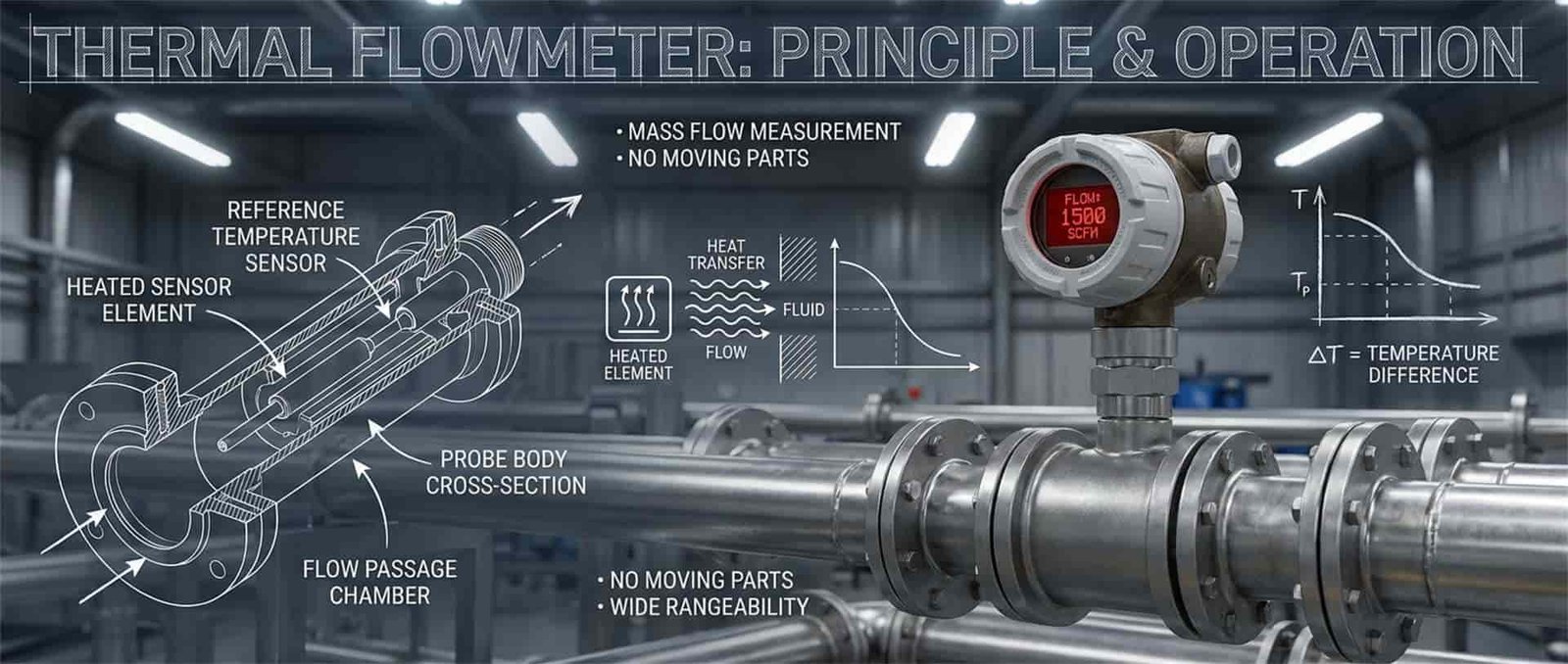
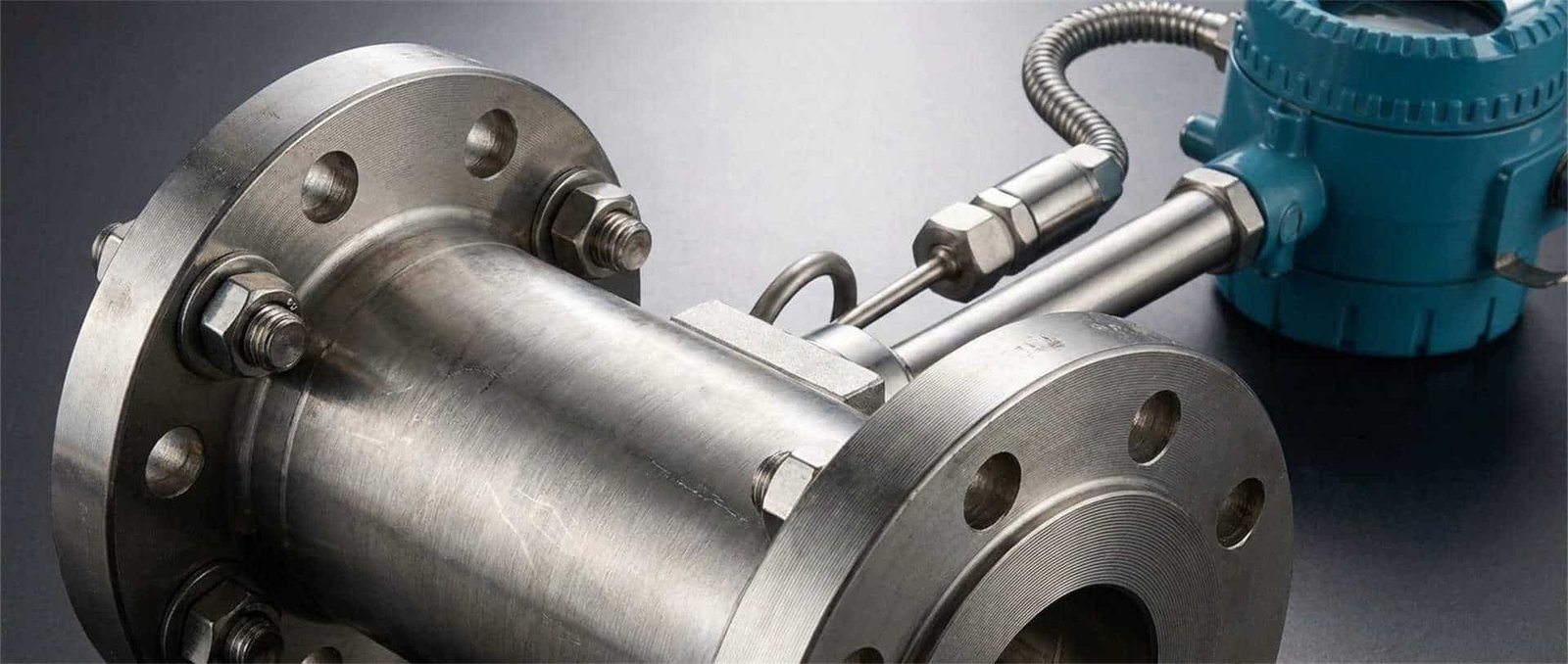
Thermal Mass Flow Meters: These instruments measure mass flow by detecting the heat transfer caused by fluid movement across a heated sensor element. They are particularly well-suited for gas flow measurement in applications such as flare gas monitoring, HVAC air flow, and compressed air auditing. Thermal dispersion flow meters offer good accuracy without moving parts, which reduces maintenance requirements.
Indirect Mass Flow Measurement
When a direct mass flow meter is not economically justified, engineers often pair a volumetric flow meter with a density measurement device (such as a densitometer or calculated density from temperature and pressure inputs) to compute mass flow rate: ṁ = ρ × Q. Many modern smart flow meters offered by Jade Ant Instruments feature built-in temperature and pressure compensation that automatically corrects volumetric readings to standard conditions or provides an inferred mass flow output.
Instrumentation Overview
The following table summarizes the most common flow measurement instruments and their suitability for volumetric versus mass flow measurement:
Instrument Type Measurement Principle Volumetric Mass Typical Accuracy Best Application Electromagnetic Flow Meter Faraday’s Law of Induction ✅ ❌ (indirect) ±0.2–0.5% Conductive liquids, water, wastewater Ultrasonic Flow Meter Transit time / Doppler ✅ ❌ (indirect) ±0.5–1.0% Clean liquids, large pipes, non-invasive Vortex Flow Meter Vortex shedding frequency ✅ ✅ (with T/P comp.) ±0.75–1.0% Steam, gas, liquid Turbine Flow Meter Rotor speed proportional to velocity ✅ ❌ (indirect) ±0.25–0.5% Clean liquids, fuels Coriolis Flow Meter Coriolis effect (tube vibration) ✅ ✅ (direct) ±0.1–0.5% Custody transfer, chemicals, high-value fluids Thermal Mass Flow Meter Heat transfer proportional to mass flow ❌ ✅ (direct) ±1.0–2.0% Gas flow, compressed air, flare gas Differential Pressure Meter Bernoulli’s principle ✅ ❌ (indirect) ±1.0–3.0% Steam, general-purpose industrial
As this overview demonstrates, no single instrument is universally best. The right choice depends on the fluid type, process conditions, required accuracy, and whether your application demands volumetric or mass measurement — or both. Jade Ant Instruments offers a comprehensive selection guide to help engineers match the right technology to their specific needs.
Effects of Temperature and Pressure
Impact on Volumetric Flow Rate
Temperature and pressure have a profound effect on volumetric flow rate measurements, particularly for gases and compressible fluids. When temperature increases, most fluids expand — their molecules move faster and occupy more space. For gases, this relationship is governed by the Ideal Gas Law: PV = nRT. A gas at 100°C occupies significantly more volume than the same mass of gas at 20°C if pressure remains constant. This means that a volumetric flow meter will report a higher flow rate at elevated temperatures, even though the actual amount of material passing through the pipe has not changed.
Pressure has an equally significant but inverse effect. Compressing a gas into a smaller volume means that the same mass flow will register as a lower volumetric flow rate at higher pressures. In industrial piping systems where pressure can fluctuate due to compressor cycling, demand changes, or valve operations, raw volumetric readings can vary dramatically — sometimes by 10% or more — without any change in the actual throughput of the process.
For liquids, the effect is smaller but still meaningful in precision applications. Water, for instance, has a thermal expansion coefficient of approximately 0.0002 per °C near room temperature. At industrial process temperatures (80–150°C), this expansion can introduce errors of 1–3% in uncorrected volumetric measurements — enough to cause significant billing discrepancies or recipe deviations in pharmaceutical and food production.
To mitigate these effects, many volumetric meters incorporate temperature and pressure compensation. For example, Jade Ant Instruments’ vortex flow meters feature integrated temperature and pressure sensors that automatically correct the volumetric reading to standard reference conditions (typically 15°C and 101.325 kPa, or as defined by API, ISO, or national standards). This compensated volumetric flow rate is often referred to as the “normal” or “standard” volumetric flow rate (Nm³/h or SCFM).
Impact on Mass Flow Rate
One of the principal advantages of mass flow rate measurement is its inherent immunity to temperature and pressure fluctuations. Because mass is a fundamental property of matter — unlike volume, which is a state-dependent property — the mass flow rate of a fluid remains constant regardless of whether the fluid is heated, cooled, compressed, or expanded. One kilogram of steam at 150°C is still one kilogram at 200°C, even though its volume has changed substantially.
This characteristic makes mass flow measurement essential for processes where accuracy must be maintained across variable conditions. In steam metering, for example, the energy content of steam is directly related to its mass, not its volume. A boiler delivering 1,000 kg/h of steam provides a consistent energy output that can be reliably calculated, whereas the same steam expressed in volumetric terms would require continuous correction for temperature and pressure to be meaningful.
“In any process where the chemical or energy content of a fluid stream matters — combustion, blending, reaction control — mass flow rate is the only measurement that gives you the true picture. Volumetric readings without compensation are essentially guessing.” — Dr. Richard Furness, Industrial Flow Measurement Consultant, published in Flow Control Magazine
Coriolis flow meters achieve this immunity naturally because they measure mass directly through the vibrating-tube principle. Thermal mass flow meters similarly respond to the heat capacity of the flowing mass, not its volume. These instruments produce stable, repeatable readings even when process conditions fluctuate — a critical advantage in applications like natural gas distribution, chemical injection, and custody transfer billing.
Real-World Considerations
In practice, the choice between volumetric and mass flow measurement is often influenced by the specific environmental and process conditions at a given installation site. Consider the following real-world scenarios:
Compressed Air Systems: A factory measuring compressed air consumption with a volumetric flow meter at 7 bar will report roughly one-eighth the flow rate compared to the same air measured at atmospheric pressure. Without pressure compensation, tracking actual air usage across multiple points at varying pressures becomes unreliable. A thermal mass flow meter eliminates this problem by measuring the actual mass of air consumed, regardless of local pressure.
Steam Metering: Saturated steam transitions between wet and dry states depending on pressure and temperature conditions along the pipe. Volumetric measurements of steam are notoriously unreliable because the density of steam changes dramatically with small changes in superheat or wetness fraction. Vortex flow meters with built-in temperature and pressure compensation — such as those available from Jade Ant Instruments — can infer mass flow from corrected volumetric readings, providing a cost-effective alternative to Coriolis meters in steam applications.
Chemical Dosing: In water treatment plants, precise chemical dosing depends on knowing the exact mass of reagent being added. A volumetric pump delivering 10 L/h of sodium hypochlorite at 25°C delivers a slightly different mass than the same 10 L/h at 5°C due to density changes. Over time, these small discrepancies compound, potentially leading to under- or over-dosing. Mass flow control eliminates this risk.
Understanding how temperature and pressure interact with your chosen measurement method is not just a theoretical exercise — it directly impacts operational costs, product quality, and regulatory compliance across virtually every industrial sector.
Industrial Applications
When to Use Volumetric Flow Rate
Volumetric flow rate measurement is the preferred choice in a wide range of industrial applications where conditions are relatively stable, the fluid is incompressible (or nearly so), and the primary concern is the volume of fluid being transported rather than its mass. Here are the key scenarios where volumetric flow rate excels:
Water and Wastewater Management
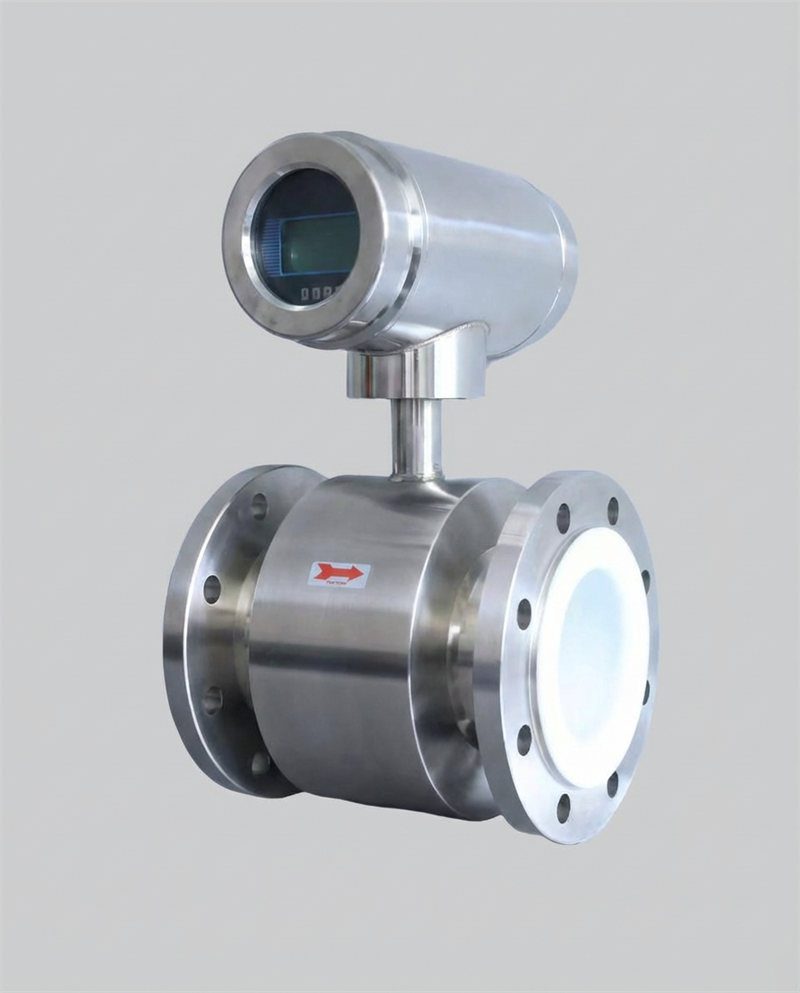
Municipal water distribution, wastewater treatment, and irrigation systems are archetypal volumetric flow rate applications. Water’s density changes only marginally across typical operating temperatures (5–40°C), making uncorrected volumetric measurements sufficiently accurate for billing, monitoring, and process control. Ultrasonic flow meters and electromagnetic flow meters from Jade Ant Instruments are particularly popular in these applications because they have no moving parts, introduce zero pressure drop, and require minimal maintenance.
HVAC and Building Services
Heating, ventilation, and air conditioning systems rely on volumetric flow rate to size ductwork, select fans, and balance air distribution. The performance of an HVAC system is defined in terms of cubic feet per minute (CFM) or cubic meters per hour (m³/h), making volumetric measurement the natural fit.
General Liquid Transfer and Tank Filling
When the goal is simply to fill a tank of known volume, monitor a pump’s output, or verify that a pipeline is delivering fluid at the expected rate, volumetric flow measurement provides the most straightforward and cost-effective solution. Turbine flow meters and rotameters are frequently deployed in these roles due to their simplicity and low cost.
Open-Channel Flow
In environmental monitoring and stormwater management, flow in open channels and partially filled pipes is inherently measured in volumetric terms. Weirs, flumes, and level-based flow estimation techniques all produce volumetric readings. These applications rarely require mass flow data because the fluid (water) has a nearly constant density under ambient conditions.
When to Use Mass Flow Rate
Mass flow rate measurement becomes essential whenever the actual quantity of material — rather than the space it occupies — is the critical process variable. The following application areas consistently demand mass flow accuracy:
Custody Transfer and Fiscal Metering
In the oil and gas industry, crude oil, refined products, and natural gas are bought and sold based on mass. Custody transfer — the handover of product ownership at a pipeline or terminal — requires the highest possible measurement accuracy because even a 0.1% error on millions of barrels translates into millions of dollars. Coriolis meters are the dominant technology in this space, endorsed by standards bodies such as the American Petroleum Institute (API) for their unparalleled accuracy and direct mass measurement capability.
Chemical Processing and Pharmaceutical Manufacturing
Chemical reactions depend on the stoichiometric ratios of reactants — which are defined by mass, not volume. A reaction requiring 100 kg of Reagent A and 50 kg of Reagent B will fail if the dosing system delivers the wrong mass, regardless of whether the volumetric flow rate was “correct.” In pharmaceutical manufacturing, mass flow control is mandated by Good Manufacturing Practice (GMP) regulations to ensure dosing accuracy and batch consistency.
Combustion and Energy Management
The energy content of a fuel is proportional to its mass. Optimizing boiler efficiency, controlling combustion air-to-fuel ratios, and calculating energy consumption all require mass flow rate data. Natural gas billing in many countries is transitioning from volumetric (m³) to energy-based (kWh or MJ) metering, which requires mass flow measurement combined with calorific value analysis.
Food and Beverage Production
Ingredients in food production are specified by weight. Whether it is milk solids in dairy processing, syrup concentration in beverage manufacturing, or flour in baking, mass flow meters ensure recipe accuracy and product consistency. Coriolis meters are widely used in these applications because they also provide density measurement, which is valuable for quality control of concentration and specific gravity.
Cost and Practicality
The decision between volumetric and mass flow measurement is not purely technical — cost and practicality play a significant role, particularly for small and medium-sized operations that must balance measurement accuracy against budget constraints.
Instrument Cost: Volumetric flow meters such as turbine meters, rotameters, and differential pressure devices are generally less expensive than mass flow meters. A standard electromagnetic flow meter suitable for a DN50 pipe might cost several hundred to a few thousand dollars, while a Coriolis meter for the same pipe size can cost several times more. However, this initial price gap has been narrowing as manufacturing efficiency improves and competition intensifies among suppliers like Jade Ant Instruments, which offers ISO-certified, factory-direct pricing that significantly reduces the cost barrier for mass flow measurement technologies.
Installation and Maintenance: Volumetric meters with moving parts (turbine, PD) require periodic calibration and replacement of wear components. Non-invasive options like clamp-on ultrasonic meters offer minimal installation disruption. Coriolis meters, while having no moving parts in the flow path, are heavier and require more rigid mounting to avoid vibration interference. Thermal mass flow meters are generally lightweight and low-maintenance but may require periodic recalibration for process gas composition changes.
Total Cost of Ownership: When evaluating the true cost, engineers should consider not just the purchase price but also installation labor, commissioning time, ongoing calibration, spare parts, downtime costs, and the financial impact of measurement errors. In many high-value processes, the higher upfront cost of a mass flow meter is recouped within months through improved accuracy and reduced product giveaway.
Video: Mass flow vs volumetric flow — What’s the difference? (Source: YouTube)
Choosing Between Mass Flow and Volumetric Flow
Decision Criteria
Selecting the right flow measurement approach requires a structured evaluation of several interconnected factors. Rather than defaulting to the cheapest or most familiar option, engineers should work through a systematic decision framework that considers the following criteria:
1. What Does Your Process Actually Need to Know? This is the most fundamental question. If your process control loops, billing systems, or quality specifications are defined in terms of volume (liters, gallons, cubic meters), then volumetric flow rate is the natural measurement. If they are defined in terms of mass (kilograms, pounds, tonnes), energy (kWh, BTU), or molar quantity, then mass flow rate is required. Misalignment between the measurement type and the process requirement introduces unnecessary conversion steps and potential error sources.
2. How Variable Are Your Process Conditions? If temperature and pressure remain relatively constant (within ±5°C and ±10% of nominal pressure), compensated volumetric flow meters can deliver acceptable accuracy at lower cost. If conditions fluctuate significantly — as in steam systems, compressed gas networks, or outdoor installations with wide ambient temperature swings — mass flow meters provide inherently more stable readings.
3. What Is the Fluid? Clean, single-phase, Newtonian liquids at near-ambient conditions are the easiest to measure volumetrically. Multi-phase flows, slurries, high-viscosity fluids, gases with variable composition, and fluids near their boiling point all present challenges that are better addressed by mass flow measurement or by specialized volumetric instruments with advanced compensation.
4. What Accuracy Do You Need? For general monitoring and trending (±2–5% accuracy), almost any flow meter will suffice. For process control (±0.5–1.0%), calibrated volumetric or thermal mass meters are appropriate. For custody transfer and fiscal metering (±0.1–0.25%), Coriolis meters are typically the only option that meets the requirement without external proving systems.
5. What Is Your Budget — Including Lifecycle Costs? As discussed in the cost section above, the cheapest meter is rarely the most economical. A comprehensive comparison of flow meter manufacturers should include lifecycle cost modeling, not just purchase price.
Industry Standards
Compliance with industry standards is not merely a regulatory checkbox — it directly affects measurement accuracy, interoperability, and legal defensibility. Different industries and applications are governed by specific standards that dictate whether volumetric or mass flow measurement is required, and what accuracy thresholds must be met.
Oil and Gas: The American Petroleum Institute (API) publishes standards such as API MPMS Chapter 5 (metering) and API 2531 (mechanical displacement meter proving), which specify requirements for custody transfer. Mass flow measurement via Coriolis meters is endorsed under API MPMS Chapter 5.6. The International Organization of Legal Metrology (OIML) provides international recommendations for measuring systems used in trade.
Water and Wastewater: ISO 4064 governs water meters used for revenue metering. Most water metering standards are volumetric in nature, reflecting the fact that water density is sufficiently constant under normal distribution conditions. Jade Ant Instruments’ ultrasonic water flow meters are ISO 4064 compliant, ensuring they meet the accuracy and durability requirements for municipal and industrial water measurement.
Steam and Energy: Standards from organizations like the American Society of Mechanical Engineers (ASME) and the International Electrotechnical Commission (IEC) govern steam flow measurement. Mass-based steam metering is increasingly preferred for energy auditing and carbon accounting because it directly relates to thermal energy content.
Pharmaceutical and Food: FDA 21 CFR Part 211 and EU GMP Annex 15 require that critical process parameters — including flow rates used in dosing and blending — be measured with validated instruments traceable to national standards. Mass flow meters are often specified for these applications because of their superior accuracy and independence from process condition variations.
When in doubt, consulting the applicable standard for your industry is the best starting point for determining whether volumetric or mass flow measurement is required. Jade Ant Instruments’ engineering team provides application support to help customers navigate these requirements.
Common Mistakes
Even experienced engineers can fall into traps when specifying flow measurement systems. Here are the most common mistakes — and how to avoid them:
Mistake #1: Using Volumetric Meters for Gas Without Compensation. This is perhaps the single most prevalent error in industrial flow measurement. A volumetric gas flow meter installed without temperature and pressure compensation can produce readings that are off by 20–50% or more, depending on how much conditions deviate from the calibration reference. Always specify compensated volumetric meters or use thermal/Coriolis mass flow meters for gas applications.
Mistake #2: Assuming “Higher Accuracy” Always Means “Better.” A Coriolis meter with ±0.1% accuracy is overkill — and a waste of budget — for monitoring cooling water flow in an HVAC system. Match the instrument’s accuracy class to the actual requirement of the application. Over-specifying accuracy drives up cost without delivering proportional value.
Mistake #3: Ignoring Installation Effects. Both volumetric and mass flow meters are sensitive to installation conditions. Insufficient straight pipe runs upstream and downstream of the meter, improper grounding (for electromagnetic meters), vibration near Coriolis meters, and incorrect orientation can all degrade accuracy far below the manufacturer’s stated specification. Always follow the manufacturer’s installation guidelines — Jade Ant Instruments provides detailed installation documentation with every product.
Mistake #4: Confusing Standard and Actual Volumetric Flow. “Standard” volumetric flow (Nm³/h, SCFM) has been corrected to reference conditions and is effectively a proxy for mass flow. “Actual” volumetric flow is the uncorrected reading at process conditions. Mixing these up in control system configurations, reports, or billing calculations is a surprisingly common source of costly errors.
Mistake #5: Neglecting Long-Term Drift and Recalibration. All flow meters drift over time due to wear, fouling, or electronic aging. Volumetric meters with moving parts (turbine, PD) tend to drift faster than solid-state instruments. Establishing a regular calibration schedule — and budgeting for it — is essential for maintaining measurement integrity.
The choice between volumetric flow rate and mass flow rate is one of the most consequential decisions in industrial instrumentation. As this guide has demonstrated, these two metrics measure fundamentally different properties of fluid flow, and selecting the wrong one can lead to measurement errors, process inefficiencies, compliance failures, and financial losses.
To summarize the key takeaways: volumetric flow rate measures the space a fluid occupies and is ideal for stable-condition liquid applications such as water distribution, HVAC, and tank filling. Mass flow rate measures the actual quantity of material and is essential for chemical dosing, custody transfer, combustion control, and any process where temperature and pressure variations affect fluid density. Both measurement types are supported by mature instrumentation technologies — from electromagnetic and ultrasonic meters for volumetric applications, to Coriolis and thermal mass meters for direct mass measurement.
The right choice depends on your specific application requirements, process conditions, accuracy needs, industry standards, and total cost of ownership. Use the decision criteria and comparison tables provided in this article as your starting checklist, and always consult the applicable industry standard for your sector.
Your Next Step
Ready to select the right flow meter for your application? Jade Ant Instruments offers a complete range of ISO-certified electromagnetic, vortex, turbine, ultrasonic, and thermal flow meters — all manufactured in-house with full OEM/ODM customization support. Our engineering team provides free application consultations to help you match the right measurement technology to your process requirements.
👉 Visit JadeAntInstruments.com to request a free quote or speak with an application engineer today.
Frequently Asked Questions: Volumetric Flow Rate vs Mass Flow Rate
1. What is the main difference between volumetric flow rate and mass flow rate?
Volumetric flow rate (Q) measures the volume of fluid passing through a cross-section per unit time, expressed in units like liters per minute or cubic meters per hour. Mass flow rate (ṁ) measures the mass of fluid per unit time, expressed in kilograms per second or pounds per hour. The key distinction is that volumetric flow changes with temperature and pressure (because volume changes), while mass flow remains constant regardless of conditions. For applications requiring precise material accounting, mass flow rate is the more reliable metric.
2. How do you convert volumetric flow rate to mass flow rate?
The conversion formula is: ṁ = ρ × Q, where ṁ is mass flow rate, ρ (rho) is the fluid density at actual process conditions, and Q is the volumetric flow rate. For example, if water flows at 10 L/min (0.000167 m³/s) and the density is 998 kg/m³, the mass flow rate is approximately 0.167 kg/s. For gases, the density must be calculated at the actual temperature and pressure using the Ideal Gas Law or real-gas equations of state.
3. Which flow meter measures mass flow rate directly?
Coriolis flow meters and thermal mass flow meters are the two main technologies that measure mass flow rate directly. Coriolis meters use the vibration of tubes and the resulting Coriolis effect to determine mass flow, density, and temperature simultaneously. Thermal mass flow meters measure the heat transferred by the flowing fluid, which is proportional to mass flow. Both technologies are available from manufacturers like Jade Ant Instruments.
4. Why does temperature affect volumetric flow rate but not mass flow rate?
Temperature affects volumetric flow rate because thermal expansion changes the volume of a fluid. As temperature rises, most fluids expand — they occupy more space for the same amount of material. Mass flow rate is unaffected because the total mass of material does not change with temperature; only its volume does. This is why mass flow measurement is preferred in processes with significant temperature variations.
5. When should I use volumetric flow rate instead of mass flow rate?
Use volumetric flow rate when your process operates at stable temperature and pressure, the fluid is an incompressible liquid (like water), and your specifications are defined in volumetric terms. Common examples include municipal water metering, HVAC airflow measurement, irrigation, pump performance testing, and general-purpose tank filling. Volumetric meters are also typically less expensive, making them the cost-effective choice when mass accuracy is not critical.
6. What is standard volumetric flow rate (Nm³/h or SCFM)?
Standard volumetric flow rate is a corrected volumetric reading that has been adjusted to a defined reference temperature and pressure (commonly 0°C and 101.325 kPa for Nm³/h, or 60°F and 14.696 psi for SCFM). It effectively represents a proxy for mass flow because it normalizes volume to fixed density conditions. While not a true mass measurement, standard volumetric flow rate is widely used in gas industry reporting and billing.
7. Can one flow meter measure both volumetric and mass flow rate?
Yes. Coriolis flow meters directly measure mass flow rate and density, from which volumetric flow rate is calculated (Q = ṁ / ρ). Many modern vortex, electromagnetic, and ultrasonic flow meters can also output both volumetric and inferred mass flow readings when equipped with temperature and pressure compensation. Jade Ant Instruments offers smart flow meters with built-in compensation that provide both measurements simultaneously.
8. What is the most accurate flow meter for mass flow measurement?
Coriolis flow meters are widely regarded as the most accurate instruments for mass flow measurement, with typical accuracy ratings of ±0.1% for liquids and ±0.35–0.5% for gases. They are considered the gold standard for custody transfer, pharmaceutical dosing, and high-value chemical processing. For gas-only applications where lower cost is desired, thermal mass flow meters offer ±1.0–2.0% accuracy.
9. How do I choose between an electromagnetic flow meter and a Coriolis meter?
Electromagnetic flow meters are ideal for measuring conductive liquids (water, acids, slurries) on a volumetric basis with excellent accuracy (±0.2–0.5%) and no moving parts. Coriolis meters are preferred when you need direct mass flow, density measurement, or are dealing with non-conductive fluids, custody transfer, or variable-density applications. If your fluid is conductive and conditions are stable, an electromagnetic meter from Jade Ant Instruments will deliver excellent performance at a lower cost. If mass accuracy under variable conditions is critical, invest in a Coriolis meter.
10. What industries benefit most from mass flow rate measurement?
Industries that benefit most from mass flow rate measurement include oil and gas (custody transfer, fiscal metering), chemical and petrochemical processing (reactor feed control, blending), pharmaceutical manufacturing (precise dosing under GMP), food and beverage production (recipe consistency), power generation (steam and fuel metering), and semiconductor fabrication (ultra-precise gas delivery). Any process where the actual material quantity determines product quality, safety, or financial outcome is a strong candidate for mass flow measurement.