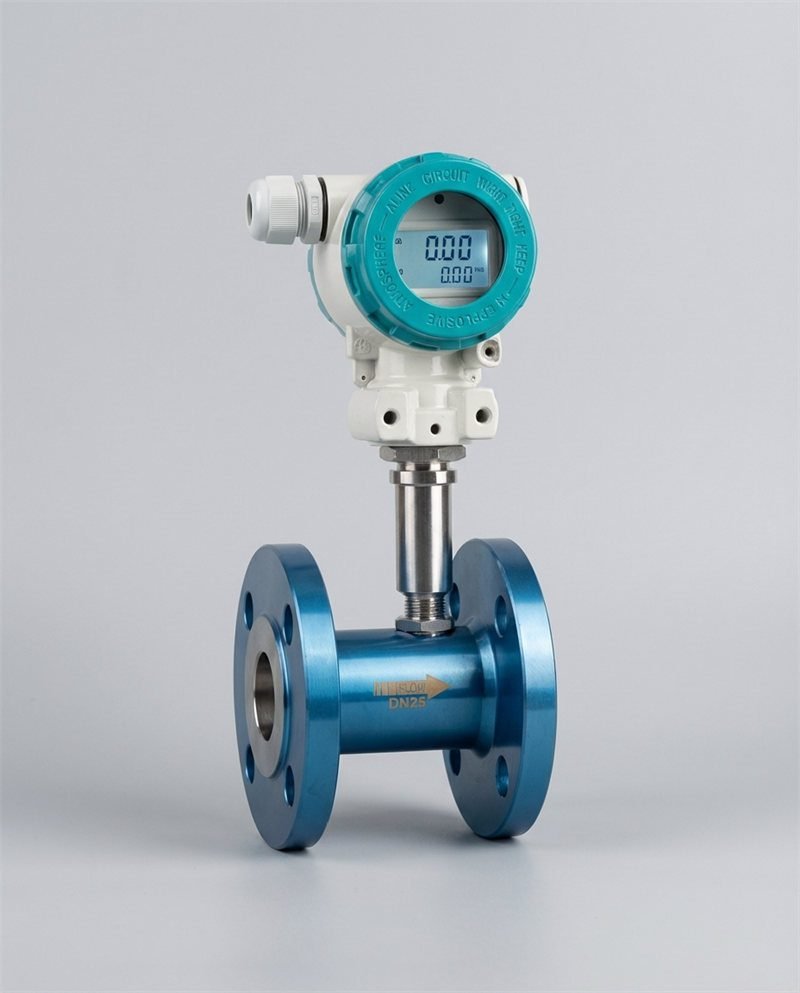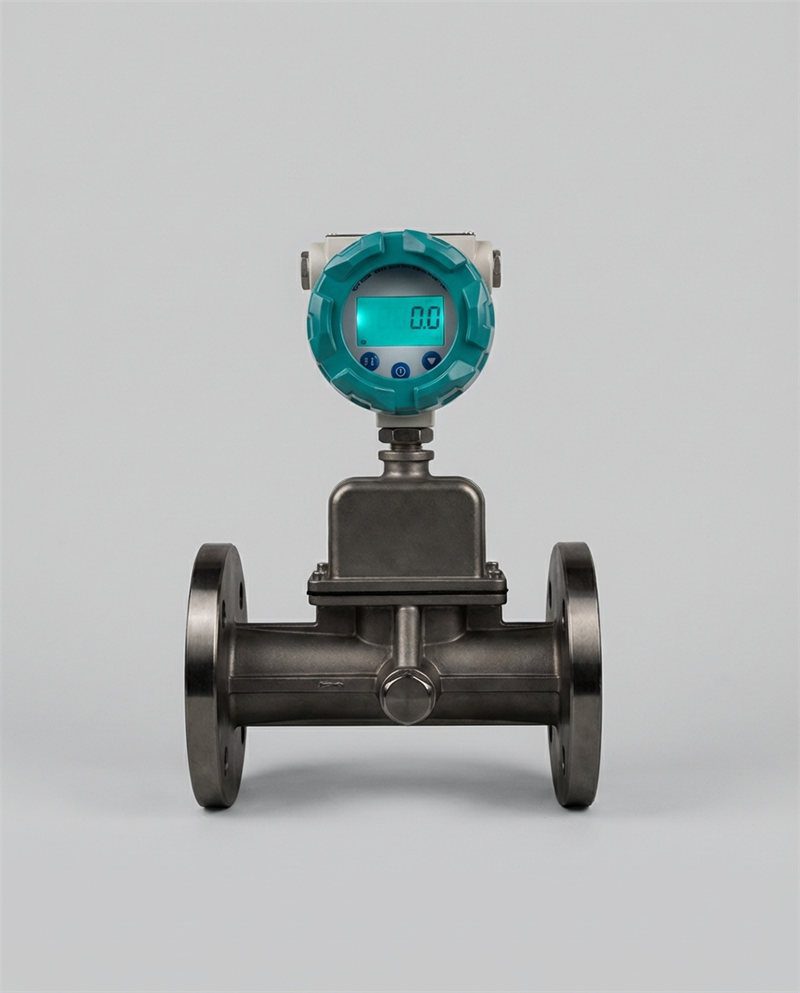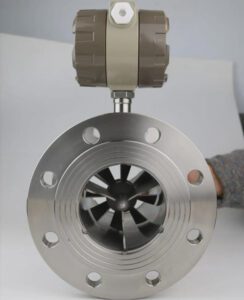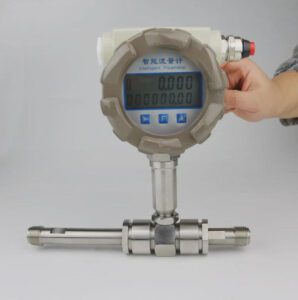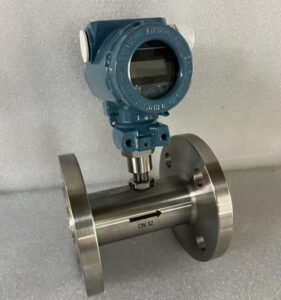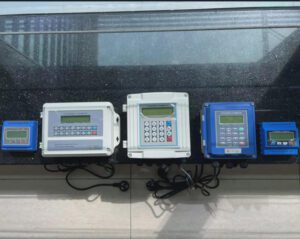
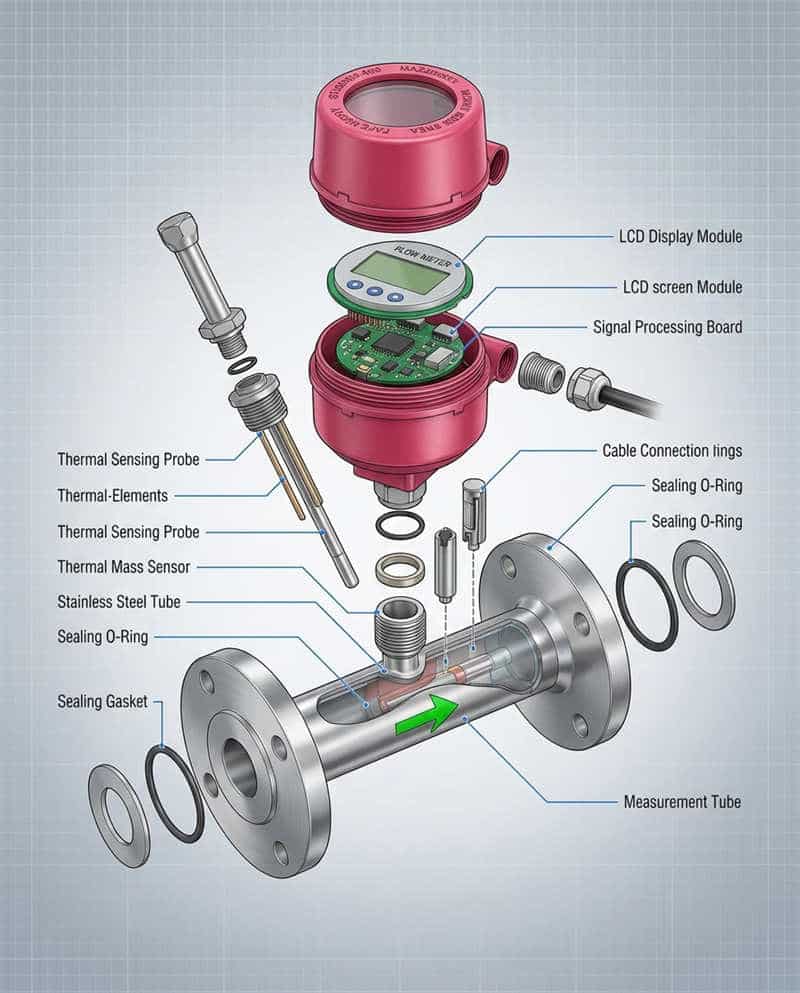
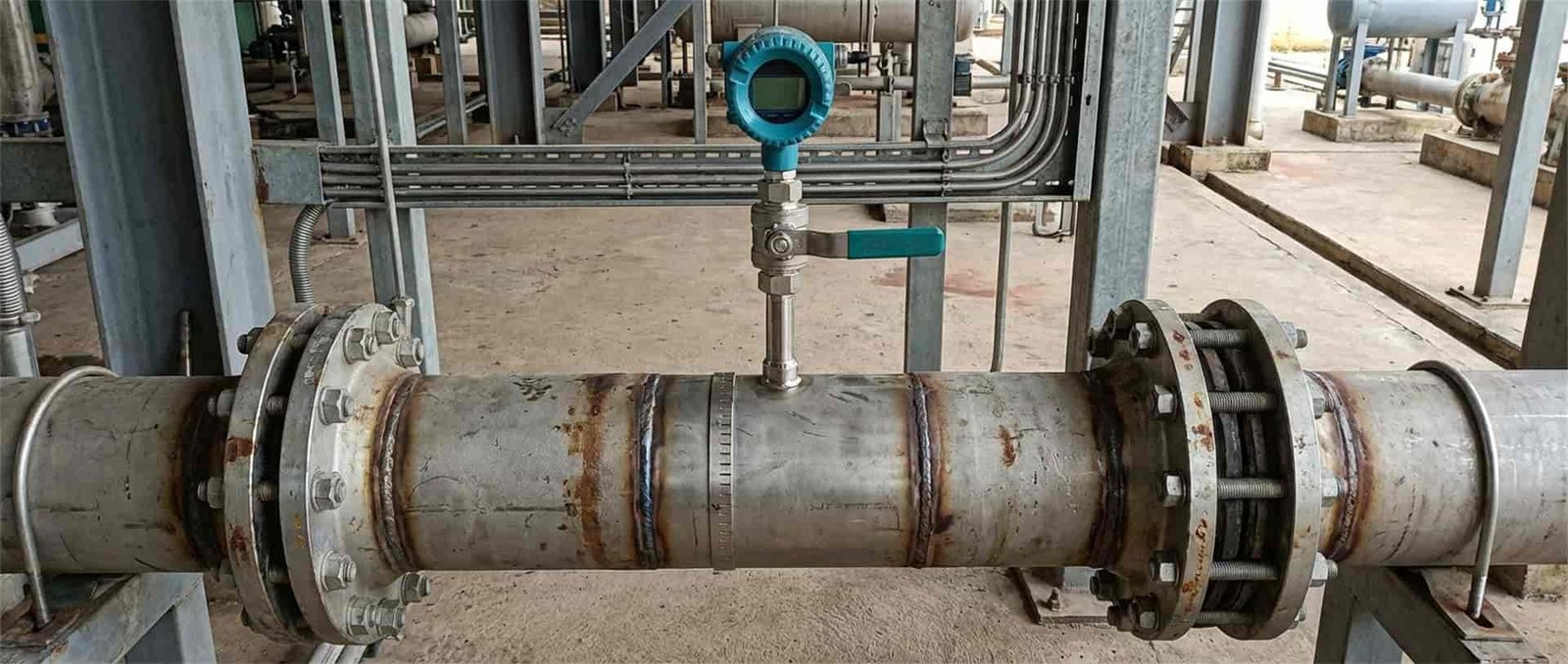
When it comes to measuring air flow with precision and reliability, thermal air flow meters have become indispensable tools across countless industries. Whether you’re working in HVAC systems, environmental monitoring, pharmaceutical manufacturing, or energy management, selecting the right thermal air flow meter can significantly impact your operational efficiency and measurement accuracy.
This comprehensive guide directly addresses which thermal air flow meter types are best suited for different applications in 2026. We’ll highlight the importance of choosing the right meter for gas, air, and liquid measurement, and suggest introducing you to the main categories of flow measurement technologies and why thermal air flow meters stand out. Most importantly, we’ll encourage a clear, professional, and approachable tone that sets up actionable insights for engineers and facility managers like you.
⚡ Quick Picks for 2026
Best by Application
- HVAC Systems: Constant Temperature Thermal Anemometers
- Low-Flow Gas Measurement: Calorimetric Thermal Meters
- High-Temperature Processes: Constant Power Thermal Anemometers
- Laboratory Research: Immersion Type Thermal Probes
Key Criteria
- Measurement Range and Accuracy Requirements
- Operating Temperature and Pressure Conditions
- Response Time and Real-Time Monitoring Needs
- Installation Method (Intrusive vs. Non-Intrusive)
- Budget and Total Cost of Ownership
Flow Measurement Technologies
Volumetric vs. Thermal Mass Measurement
Understanding the fundamental difference between volumetric and thermal mass flow measurement is essential when selecting the right technology for your application. Volumetric flow measurement quantifies the volume of fluid passing through a point per unit time, typically expressed in cubic feet per minute (CFM) or liters per minute (LPM). This measurement is straightforward and works well for incompressible liquids, but becomes problematic with gases because gas density varies significantly with temperature and pressure changes.
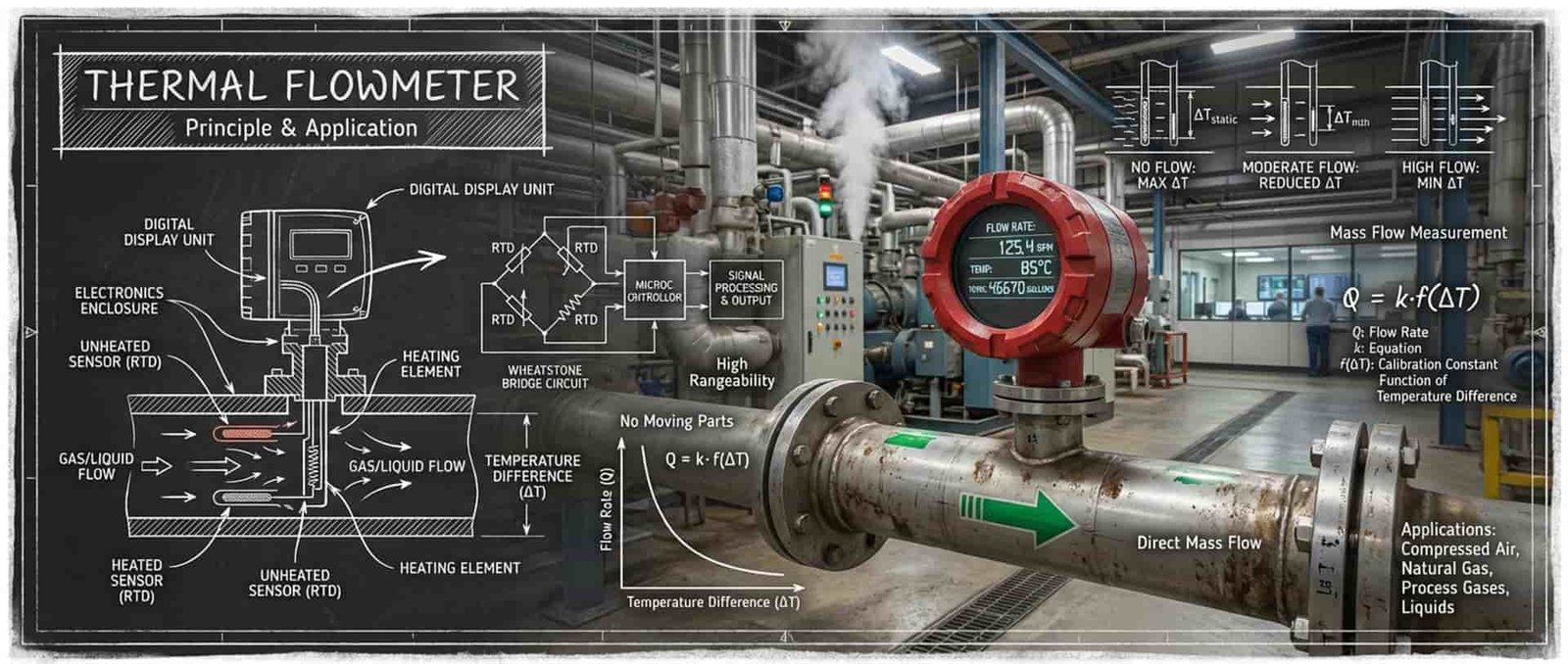
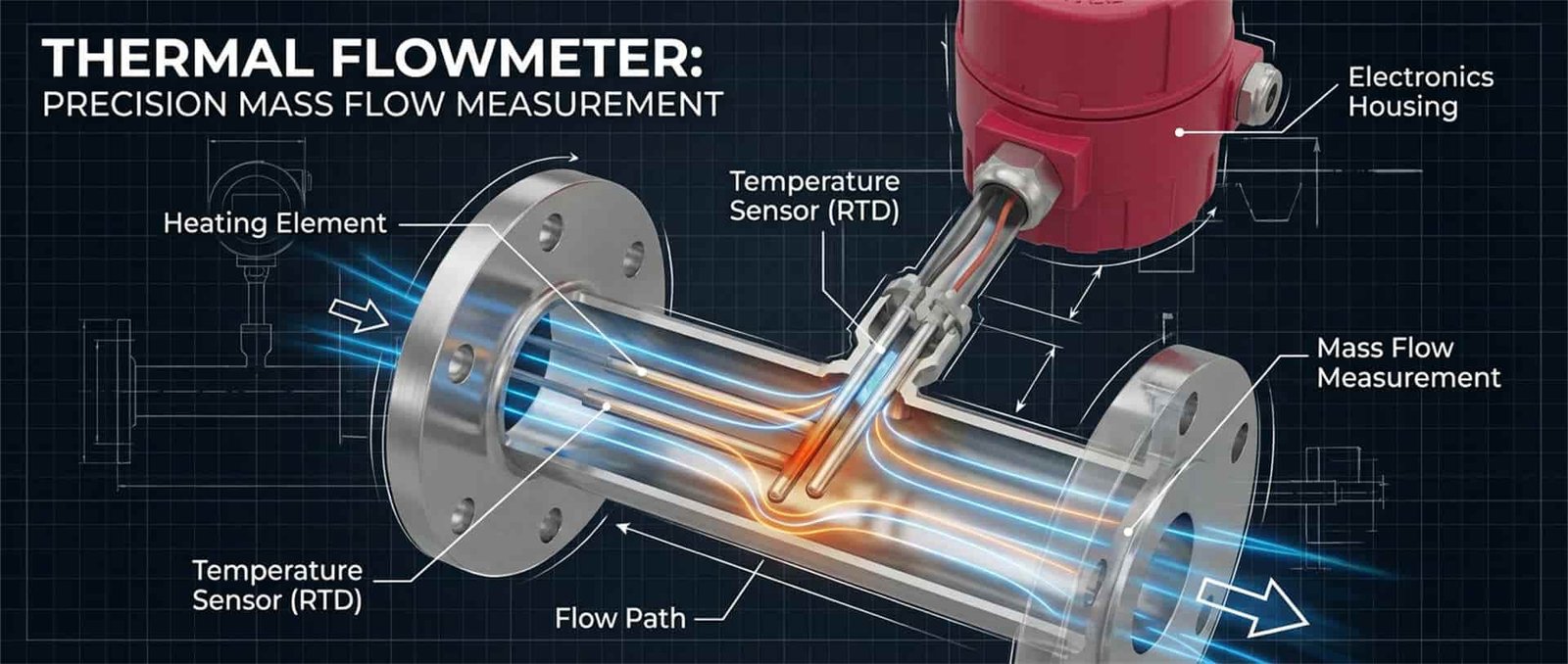
Thermal mass flow measurement, by contrast, directly measures the mass of fluid flowing through the system, expressed in pounds per hour (lb/h) or kilograms per hour (kg/h). This approach is far superior for gas flow applications because it’s independent of temperature and pressure fluctuations. The thermal mass flow principle works by heating a sensor element and measuring how much energy is required to maintain a constant temperature as fluid flows across it. This energy requirement is directly proportional to the mass flow rate, making thermal meters exceptionally accurate for gases including air, natural gas, and process gases.
At Jade Ant Instruments, we’ve found that thermal mass flow measurement consistently delivers superior accuracy for air flow applications compared to volumetric methods, particularly in applications where temperature or pressure conditions vary. The investment in thermal measurement technology typically pays for itself through improved process control and reduced energy waste within the first few years of operation.
Coriolis vs. Thermal Air Flow Meter
Coriolis flow meters and thermal air flow meters are two distinctly different technologies, each with specific advantages and best-use scenarios. Coriolis meters work by measuring the deflection of vibrating tubes as fluid flows through them. This deflection is proportional to the mass flow rate, allowing Coriolis meters to provide extremely accurate measurements for both liquids and gases. However, Coriolis technology comes with significant drawbacks for air flow applications: they require a minimum flow velocity to operate effectively, they’re sensitive to vibration and installation conditions, and they carry a price tag that can be five to ten times higher than thermal alternatives.
Thermal air flow meters, particularly constant temperature and constant power designs, excel where Coriolis meters struggle. They can accurately measure very low flow rates that would be below the operating range of Coriolis devices. Thermal meters have virtually no moving parts, making them less sensitive to installation vibration. Most importantly, thermal anemometers respond incredibly quickly to flow changes—sometimes within milliseconds—whereas Coriolis meters typically require several seconds to stabilize.
For low-velocity air flow applications, such as clean room monitoring or HVAC system verification, thermal meters are invariably the better choice. For high-accuracy mass flow measurement of liquids or for applications requiring custody transfer measurement, Coriolis meters are often specified despite their higher cost. The key is matching the technology to your specific application requirements rather than assuming one is universally superior to the other.
Thermal Air Flow Meter Types
Constant Temperature Design (CTA)
Constant Temperature Anemometry (CTA) is perhaps the most refined and widely-used thermal measurement principle in modern flow measurement. In a CTA system, a heated sensor element (typically a platinum wire or film) is maintained at a constant temperature above the fluid temperature. As flow passes across the sensor, it carries away heat through convection. To maintain the constant temperature setpoint, the control electronics must supply more electrical power. This power requirement is directly proportional to the mass flow rate, creating a signal that can be converted to flow reading.
The beauty of CTA is its exceptional accuracy and linearity across a wide range of flow velocities. Because the sensor operates at a fixed temperature, the measurement signal relationship remains stable across varying operating conditions. Response time is exceptionally fast—often less than 100 milliseconds—making CTA ideal for transient flow measurements and rapid feedback control systems. CTA sensors are also available in multiple configurations including hot-wire probes for laboratory applications, hot-film sensors for more robust field installation, and dual-sensor designs that can measure both velocity and direction in complex flow fields.
The limitations of CTA include the requirement for relatively frequent calibration, sensitivity to dirt and contamination accumulating on the sensor, and the need for careful installation to avoid sensor damage from mechanical shock or vibration. For clean, controlled environments such as HVAC systems, pharmaceutical manufacturing facilities, or laboratory research, CTA is often the preferred choice. The sensors are available from manufacturers like Jade Ant Instruments’ anemometer solutions, with options ranging from basic laboratory probes to sophisticated integrated measurement systems.
Constant Power Design (CPD)
Constant Power sensors operate on a different principle than CTA, though they achieve similar flow measurement results. In CPD systems, a fixed amount of electrical power is continuously supplied to the heated sensor element. As flow velocity increases, convection cooling increases, causing the sensor temperature to drop. The temperature change is measured and converted to a flow signal. Conversely, as flow decreases, less convective cooling occurs, the sensor temperature rises, and the flow signal decreases accordingly.
CPD technology offers several distinct advantages over CTA in certain applications. First, CPD sensors can typically operate at higher temperatures—up to 260°C or even 454°C in some designs—making them suitable for high-temperature process monitoring that would damage CTA sensors. Second, CPD systems often have simpler electronics and faster startup compared to CTA, which can be important in applications requiring rapid system initialization. Third, the constant power approach can sometimes provide better stability in the presence of background temperature fluctuations.
The trade-offs with CPD include generally less precise linearity across the measurement range compared to CTA, slightly slower response time, and a somewhat narrower dynamic range for very low flow measurements. CPD is the technology of choice for high-temperature applications such as furnace outlet air monitoring, turbine inlet temperature measurement in power generation, or any process where sensor temperatures regularly exceed 150°C. Modern CPD designs have largely overcome the accuracy limitations of older generations, making them competitive with CTA for many applications despite the temperature advantage being their primary differentiator.
Calorimetric Thermal Design
Calorimetric thermal flow measurement represents a simplified and often more robust approach to thermal mass flow measurement compared to hot-wire or hot-film technologies. Rather than maintaining or monitoring a single heated sensor element, calorimetric designs employ multiple temperature sensors to measure the temperature rise of a fluid as it passes across a heated section. The temperature rise, combined with knowledge of the fluid’s thermal properties, directly indicates the mass flow rate.
Calorimetric designs are exceptionally simple, offering excellent repeatability and minimal calibration drift over time. They excel in applications with very low flow rates where traditional anemometers might struggle. Many calorimetric meters require no moving parts and can be implemented as non-intrusive systems clamped directly to a pipe or duct exterior, making installation trivial in retrofit applications. They’re also generally more tolerant of dirty or contaminated gases compared to delicate hot-wire sensors.
The limitations include slower response time than hot-wire CTA systems—typically measured in seconds rather than milliseconds—and a narrower range of measurable flow rates. Calorimetric designs work best for dedicated low-flow applications such as monitoring pilot burners, measuring instrument air supply, or verifying bleed air flows in aerospace applications. For applications requiring rapid response or wide dynamic range, CTA or CPD technologies are generally preferred.
Immersion Type Thermal Probes
Immersion type thermal sensors represent the most basic category of thermal flow measurement devices—simple, robust, and cost-effective solutions for applications where other measurement technologies are either impractical or unnecessary. These probes typically consist of a heated element mounted directly in the flow stream, often integrated into pipe penetration fittings or duct insertion ports.
Immersion probes are commonly used in laboratory and research applications where flexibility and ease of deployment matter more than ultimate accuracy. They’re also used in educational settings to teach fluid dynamics principles and in field troubleshooting applications where a technician needs quick flow verification. Modern immersion probes often include wireless connectivity, making them valuable for temporary measurement campaigns or diagnostic work.
The limitations are significant for precision applications: immersion probes typically offer moderate accuracy (±3-5% of reading), exhibit strong dependence on installation location and upstream flow development, and have relatively slow response times. However, for applications where these limitations are acceptable, immersion probes offer simplicity and cost-effectiveness that’s hard to beat. They’re routinely specified for commissioning work, research projects, and temporary flow monitoring where the convenience factor outweighs the need for maximum accuracy.
Comparing Thermal Air Flow Meters
Accuracy & Range Considerations
When evaluating thermal air flow meters for your specific application, accuracy and measurement range are typically the first performance criteria you’ll encounter. Accuracy specifications can be expressed in multiple ways—as a percentage of reading, a percentage of full-scale output, or in absolute units—and this distinction significantly affects how you compare different instruments.
Constant Temperature Anemometers (CTA) typically deliver accuracy of ±2% of reading under ideal conditions, with some premium laboratory-grade systems achieving ±1% accuracy. This exceptional accuracy comes from the linear relationship between heat transfer rate and velocity in the CTA design. Constant Power systems generally achieve ±3-4% of reading accuracy, slightly lower than CTA but still excellent for most industrial applications. Calorimetric meters typically offer ±3-5% accuracy, depending on the specific design and how carefully upstream and downstream conditions are controlled.
The measurement range—the span from the lowest to highest measurable flow rates—varies dramatically between technologies. CTA systems typically offer dynamic ranges exceeding 100:1, meaning a single sensor can accurately measure flows ranging from very low velocities (sometimes below 0.5 m/s) up to several tens of meters per second. This wide range makes CTA attractive for applications where you need to monitor everything from near-zero flows during system startup to full operating conditions. CPD systems often have somewhat narrower ranges, around 50:1 to 100:1, while calorimetric designs might offer 10:1 to 50:1 depending on specific implementation.
TechnologyTypical AccuracyDynamic RangeFlow Range (m/s)Best ApplicationsConstant Temperature (CTA)±1-2%100:1 – 200:10.3 – 200+HVAC, Lab research, Precision monitoringConstant Power (CPD)±3-4%50:1 – 100:10.5 – 100+High-temperature processes, FurnacesCalorimetric±3-5%10:1 – 50:10.01 – 5Low-flow measurement, Pilot gas, ResearchImmersion Type±3-5%5:1 – 20:10.5 – 20Field verification, Commissioning, TroubleshootingCoriolis (for reference)±0.5-1.0%100:1Minimal flow – Very highCustody transfer, High-precision liquid/gas
The key to proper accuracy evaluation is understanding the difference between an instrument’s specification accuracy and its performance in your actual application. Thermal meters achieve their best accuracy when installed properly with adequate upstream flow development—typically a minimum of 10 to 20 pipe diameters of straight pipe upstream. Inadequate upstream length or installation in turbulent flow regions can degrade accuracy by 1-3%, so proper installation is critical.
Pressure Loss & Efficiency Analysis
An often-overlooked consideration in thermal flow meter selection is the pressure loss (or pressure drop) the meter creates in the flow stream. Unlike differential pressure flow devices such as orifice plates that create significant permanent pressure loss, thermal meters operating on the anemometer principle typically create minimal pressure loss. This is one of their major advantages compared to other measurement technologies.
Most thermal anemometers have negligible pressure drop because they don’t obstruct flow in the traditional sense. The heated sensor element is tiny compared to the duct or pipe diameter, and the flow passes around it with minimal disturbance. Pressure losses are typically less than 0.5 inches of water column (0.125 kPa) even at high velocities, which is virtually undetectable in most applications and certainly doesn’t require additional fan or pump capacity to overcome.
This low-pressure-drop characteristic makes thermal meters particularly attractive for energy-conscious applications. If you were comparing thermal meters to differential pressure devices like orifice plates or venturi tubes, the energy savings from eliminating pressure loss recovery could easily justify the higher capital cost of thermal measurement technology over a 5-10 year operational period.
Calorimetric meters using external heating elements also create minimal pressure loss, as do properly installed immersion probes. CPD and CTA sensors create essentially identical pressure loss characteristics. The absence of significant pressure drop is a major operational advantage that often gets overlooked in initial technology selection but becomes increasingly important when calculating total cost of ownership over the meter’s operational lifetime.
Maintenance & Reliability Factors
The maintenance requirements and long-term reliability of thermal air flow meters vary significantly between technology types, and this variation should factor heavily into your selection decision. Understanding these differences can prevent costly surprises and help you plan realistic operational budgets.
Constant Temperature Anemometers require the most frequent calibration because their measurement principle depends on maintaining precise temperature control. Factory calibration is typically valid for 6-12 months of operation in clean environments, or less frequently if the operating environment is dusty. The heated sensor elements can become contaminated with dust, moisture, or condensation, which degrades accuracy. Regular cleaning—either chemical or thermal cleaning—is recommended, and sensor elements eventually require replacement after several years of use. Despite these maintenance requirements, the superior accuracy of CTA makes the maintenance burden worthwhile for critical applications.
Constant Power Designs generally require less frequent maintenance than CTA systems. The absence of active temperature control circuitry makes CPD sensors more stable and less prone to drift over time. Calibration intervals of 12-24 months are typical even with moderate contamination. CPD sensors are also somewhat more robust to mechanical damage and thermal shock compared to delicate CTA wires.
Calorimetric designs offer perhaps the best reliability story—many calorimetric meters require no maintenance beyond annual visual inspection for physical damage or leaks. The absence of moving parts or delicate sensor elements makes them inherently robust. Many calorimetric systems maintain calibration accuracy for years without recalibration, particularly if used in clean, stable environments.
Immersion type sensors fall somewhere in the middle, typically requiring inspection and occasional cleaning but less frequent calibration than CTA systems. Modern designs with digital electronics and self-diagnostics can alert you to sensor degradation before accuracy suffers significantly.
For critical applications where downtime is costly, the robustness of calorimetric or immersion designs often outweighs the superior accuracy of CTA systems from a total-cost-of-ownership perspective. The choice often comes down to whether you prioritize absolute measurement accuracy or operational simplicity and availability.
Maintenance FactorCTACPDCalorimetricImmersionCalibration FrequencyEvery 6-12 monthsEvery 12-24 monthsEvery 24+ monthsAnnual or as-neededSensor CleaningMonthly to quarterlyQuarterly to semi-annualAnnual or as-neededAs visible contaminationTypical Sensor Life2-4 years3-5 years5-10+ years3-7 yearsDowntime per Maintenance2-4 hours1-2 hours30 minutes15-30 minutesParts Cost (annual)$500-1,500$300-800$100-300$200-500
Cost & Value Proposition
Initial purchase price is often the most visible difference between thermal flow meter options, but it’s only part of the total cost of ownership equation. A comprehensive cost analysis should include instrument cost, installation expense, ongoing maintenance and calibration, sensor replacements, and the operational impact of any measurement uncertainty or downtime.
Constant Temperature systems represent the premium end of the thermal meter market, with laboratory-grade CTA anemometer systems ranging from $2,000 to $8,000+ depending on sensor configuration and data acquisition features. Industrial CTA flow measurement systems typically cost $4,000-$15,000 when fully configured with transmitters and display electronics. These higher initial costs are justified by superior accuracy and rapid response characteristics in applications where measurement precision directly impacts process control or product quality.
Constant Power systems typically cost 20-40% less than comparable CTA systems, ranging from $1,500-$10,000 depending on temperature rating and integration features. The cost savings combined with their high-temperature capability make CPD systems attractive for furnace and high-temperature process applications where the temperature advantage would require expensive exotic materials in CTA sensors.
Calorimetric meters range from $1,000-$5,000 depending on measurement range and accessories. Their simplicity and minimal maintenance requirements often deliver excellent value for dedicated low-flow applications. Over a 10-year operational period, the lower maintenance costs of calorimetric designs can result in lower total cost of ownership even if initial purchase price is comparable to CTA systems.
Immersion type probes represent the most economical option, with basic models available for $300-$1,000. For temporary measurement applications, field troubleshooting, or commissioning work, the cost-effectiveness of immersion probes is unmatched. The trade-off is modest accuracy (±3-5%) and limited flexibility, but for many applications these limitations are perfectly acceptable.
Application Fit & Suitability
Selecting the optimal thermal air flow meter requires matching the technology’s strengths to your specific application requirements. Let’s examine how different thermal meter types fit various real-world scenarios.
HVAC & Building Systems: Constant Temperature Anemometers dominate in building automation and HVAC applications. Their accuracy, rapid response, and wide measurement range make them ideal for balancing ductwork, commissioning HVAC systems, and monitoring outdoor air supply for demand-controlled ventilation. The robust hot-film sensors available in modern CTA designs tolerate duct environments better than laboratory hot-wire probes, while maintaining excellent accuracy for feedback control of dampers and fan speeds.
Industrial Process Monitoring: Constant Power designs excel in high-temperature industrial processes. Furnace outlet air monitoring, stack emission measurement, and turbine inlet temperature applications all benefit from CPD’s high-temperature capability. The moderate accuracy of CPD (±3-4%) is typically sufficient for process monitoring where you’re tracking trends rather than requiring absolute precision.
Low-Flow Measurement: Calorimetric designs shine in dedicated low-flow applications. Pilot gas supply monitoring in burners, instrument air measurement in control systems, and bleed air flow verification in aerospace all benefit from calorimetric designs’ simplicity and reliability. The low-flow sensitivity that would be difficult to achieve with CTA is inherent to calorimetric operation.
Research & Development: Constant Temperature Anemometers are the technology of choice for research applications. Their superior accuracy, exceptional temporal resolution, and ability to resolve complex flow fields make CTA the standard in research laboratories, wind tunnels, and CFD validation studies.
Field Commissioning & Troubleshooting: Immersion type thermal probes are invaluable for field work. Their portability, rapid setup, and robustness make them essential tools for technicians diagnosing airflow problems, verifying proper system operation, or performing system balance in existing buildings where more sophisticated permanent measurement systems haven’t been installed.
2026 Advancements
Digital Integration & IoT Capabilities
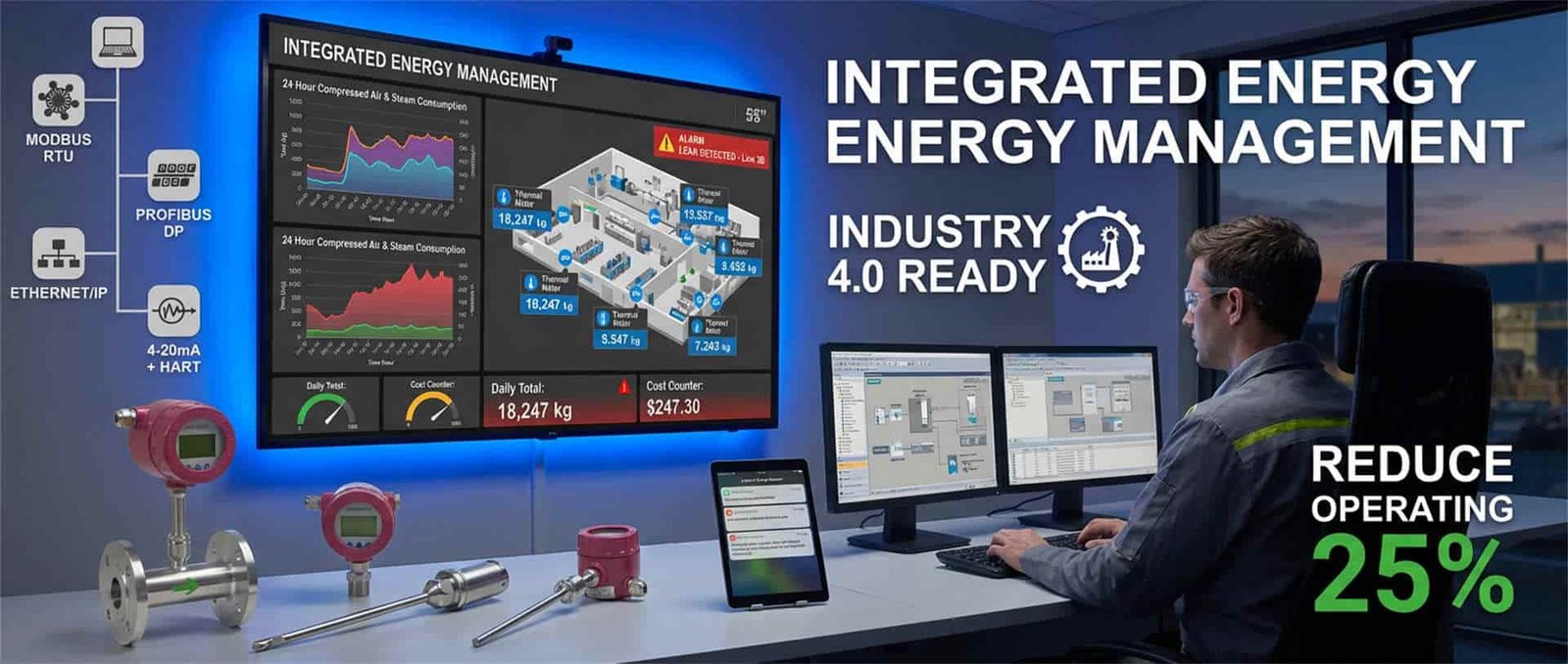
The flow measurement industry in 2026 continues to embrace digital integration and Internet of Things (IoT) connectivity, and thermal flow meters are no exception. Modern thermal anemometer systems now feature wireless connectivity, cloud-based data logging, and integration with building management systems (BMS) and industrial control networks.
Many new CTA and CPD systems include built-in data logging, eliminating the need for separate data acquisition hardware. Some advanced systems can store months of flow data with timestamps and export it via USB or wireless connection. This capability is invaluable for trend analysis, fault detection, and documenting performance over extended periods.
Wireless integration is particularly transforming how thermal meters are deployed in HVAC applications. Rather than running long signal cable runs from multiple measurement points to a central control system, modern wireless thermal sensors enable rapid deployment of temporary measurement networks for system commissioning and balancing. Once commissioning is complete, these sensors can be relocated to permanent installation locations.
Integration with IoT platforms enables remote monitoring of flow conditions, automated alerting when flows drift outside expected ranges, and predictive maintenance capabilities based on sensor degradation patterns. Some advanced systems can now predict when sensor cleaning or calibration will be needed based on gradual accuracy drift detection.
Materials & Durability Innovations
Material science advances have led to more durable thermal flow sensors capable of withstanding increasingly challenging environments. New platinum alloys and coating technologies extend CTA sensor life in contaminated environments from the traditional 2-4 years to 5+ years even with moderate dust contamination.
CPD sensors now commonly feature ceramic coatings and advanced alloy constructions that extend high-temperature operation capability from 260°C to 454°C (from 500°F to 850°F) in specialized applications. This temperature extension enables measurement in previously inaccessible applications like direct furnace temperature monitoring.
Calorimetric sensors have benefited from improved materials for pressure vessels and heating elements, with many modern designs now rated for higher pressures (up to 5,000 PSI) and offering better temperature stability across broader ambient temperature ranges.
Industry Trends & Future Outlook
Several major trends are shaping thermal flow meter adoption and technology development as we move through 2026 and beyond. Energy efficiency initiatives continue to drive demand for accurate air flow measurement in HVAC systems, as facility managers seek to optimize energy consumption. IAQ (Indoor Air Quality) regulations increasingly mandate verification of outdoor air supply, driving installation of permanent thermal measurement systems in buildings that previously relied on manual duct measurements.
Industrial process efficiency programs are pushing for better real-time monitoring of utility consumption. Air, gas, and steam flow measurement—all applications where thermal meters excel—are increasingly integrated into energy management systems that track consumption against production metrics.
The pandemic-driven emphasis on indoor air quality has created renewed interest in HVAC system optimization and has led to widespread deployment of permanent flow measurement in buildings to verify adequate outdoor air supply and ensure proper air mixing. This trend is expected to continue as codes and standards increasingly mandate air quality verification.
Thermal Air Flow Meter Selection
Assessing Your Specific Needs
The first step in selecting the right thermal air flow meter is conducting an honest assessment of your actual requirements rather than specifying capabilities you might not need. Ask yourself these critical questions:
- What accuracy do I actually need? Does your application require ±1% accuracy, or would ±5% be perfectly adequate? Many applications don’t justify the cost premium of high-accuracy systems.
- What flow ranges must I measure? Do you need to accurately measure from near-zero flows to high velocities, or is your measurement confined to a narrower range? Wider ranges typically require more sophisticated (and expensive) sensors.
- What are the temperature and pressure conditions? Is your application at ambient conditions, or do you face high-temperature or high-pressure challenges that would require specialized sensors?
- How clean is the environment? Will the sensor operate in a clean, controlled environment, or in a dusty, contaminated space that would require frequent cleaning?
- What response time do I need? Does your application require rapid response for transient flow detection, or can you tolerate slower measurement systems if they’re simpler and more reliable?
- How often can the meter be serviced? Do you have in-house capabilities for sensor cleaning and maintenance, or would you need to contract service to external specialists?
Matching Type to Intended Use
Once you’ve defined your actual requirements, match them against the capability profiles of different thermal meter types. Create a simple scoring matrix where you rate each available technology on your critical factors, weighted by importance. For example, if accuracy is paramount and your application is in a clean environment, CTA systems would score highest. If you’re operating in a furnace or high-temperature environment, CPD becomes the obvious choice. If you’re working with very low flows in a laboratory setting, calorimetric or specialized low-flow CTA systems excel.
The thermal meter selection guide from Jade Ant Instruments can help you navigate this comparison systematically, providing detailed specification tables and application examples to support your decision-making.
Don’t fall into the trap of “gold-plating” your measurement system by specifying more capability than necessary. A $4,000 laboratory-grade CTA anemometer is not necessarily better than a $1,500 industrial CTA system or a $2,000 CPD system for your specific application. The best meter is the one that reliably meets your actual requirements at the lowest total cost of ownership over its operational lifetime.
Buyer Tips for 2026
As you evaluate thermal air flow meter options in 2026, keep these practical tips in mind:
- Request demonstration units: Reputable manufacturers like Jade Ant Instruments can often provide demonstration equipment allowing you to test performance in your actual application before committing to purchase. This is invaluable for verifying accuracy claims and assessing user interface preferences.
- Consider total cost of ownership: Request detailed quotes that include initial price, estimated calibration costs, sensor life expectations, and typical maintenance labor. A higher initial cost system might deliver lower TCO if it requires less frequent maintenance.
- Verify connectivity standards: If integration with your existing systems is important, confirm that the thermal meter uses standard protocols (4-20 mA analog, digital Modbus, BACnet, or similar) rather than proprietary interfaces.
- Check warranty and support: Thermal flow meters require periodic service. Verify the availability of local service support and understand warranty coverage before purchase.
- Review calibration documentation: Request copies of manufacturer calibration certificates and ensure the calibration methodology is traceable to NIST or equivalent national standards.
- Plan for installation: Confirm that your installation team has experience with the specific meter type. Improper installation is one of the most common causes of measurement problems.
Thermal air flow meters represent a mature, proven technology for accurate gas and air flow measurement across countless industrial and commercial applications. The variety of thermal measurement approaches—constant temperature, constant power, calorimetric, and immersion designs—ensures that solutions exist for nearly any application from ultra-low flows in laboratory settings to high-temperature industrial process monitoring.
In 2026, the selection of thermal air flow measurement technology has never been better, with advanced materials extending temperature and pressure capabilities, digital integration enabling seamless connection to control systems, and reliability improvements reducing maintenance burden. Whether you prioritize maximum accuracy for critical process control, high-temperature capability for furnace applications, simplicity and robustness for industrial settings, or cost-effectiveness for temporary measurements, an appropriate thermal meter technology exists.
The key to optimal selection is honest assessment of your actual application requirements, thorough comparison of candidate technologies, and total cost of ownership analysis that accounts for initial capital cost, maintenance burden, operational impact of measurement uncertainty, and expected sensor lifespan. Making the right choice in thermal flow meter selection has immediate benefits in improved process control, accurate utility tracking, and better energy efficiency.
🎯 Ready to Select the Perfect Thermal Flow Meter for Your Application?
Don’t let uncertainty about thermal flow meter options slow your project timeline. The experts at Jade Ant Instruments bring decades of combined experience selecting and implementing thermal flow measurement solutions across every major industry segment and application type.
Whether you’re designing a new HVAC system, upgrading industrial process monitoring, commissioning a facility, or troubleshooting flow measurement problems, our consultative approach ensures you get honest, application-specific recommendations tailored to your unique requirements and budget constraints.
📞 Schedule Your Free Thermal Flow Meter Consultation
✉️ info@jadeantinstruments.com | ☎️ +86-18017532529 | 🌐 www.jadeantinstruments.com
❓ Frequently Asked Questions
📚 Recommended External Resources & References
- Sierra Instruments – How Thermal Mass Flow Meter Technology Works (Technical Overview)
- Fox Thermal – Air Flow Meter Applications & Case Studies
- Bronkhorst – Constant Temperature Anemometry Working Principle
- Dwyer & Omega Engineering – Anemometer Types & Selection Guide
- VP Instruments – Advancements in Flow Measurement Technology
- Alicat – Comparing Thermal vs. Differential Pressure Flow Measurement
- Jade Ant Instruments – Complete Thermal Flow Meter Product Line
- Jade Ant Instruments – Flow Meter Selection & Application Guide
- Jade Ant Instruments – Technical Support & Consultation Services