You can use the formula v = Q / A to find how fast a fluid moves. In this formula, v means velocity, Q means flow rate, and A means the cross-sectional area. This formula tells us that the speed of the fluid depends on how much fluid moves and how big the pipe or channel is.
The particles in the fluid move at speed v₁ at the wide end of the pipe and at speed v₂ at the narrow end. The equation of continuity says that the fluid going into the pipe must also come out, because the fluid cannot go anywhere else.
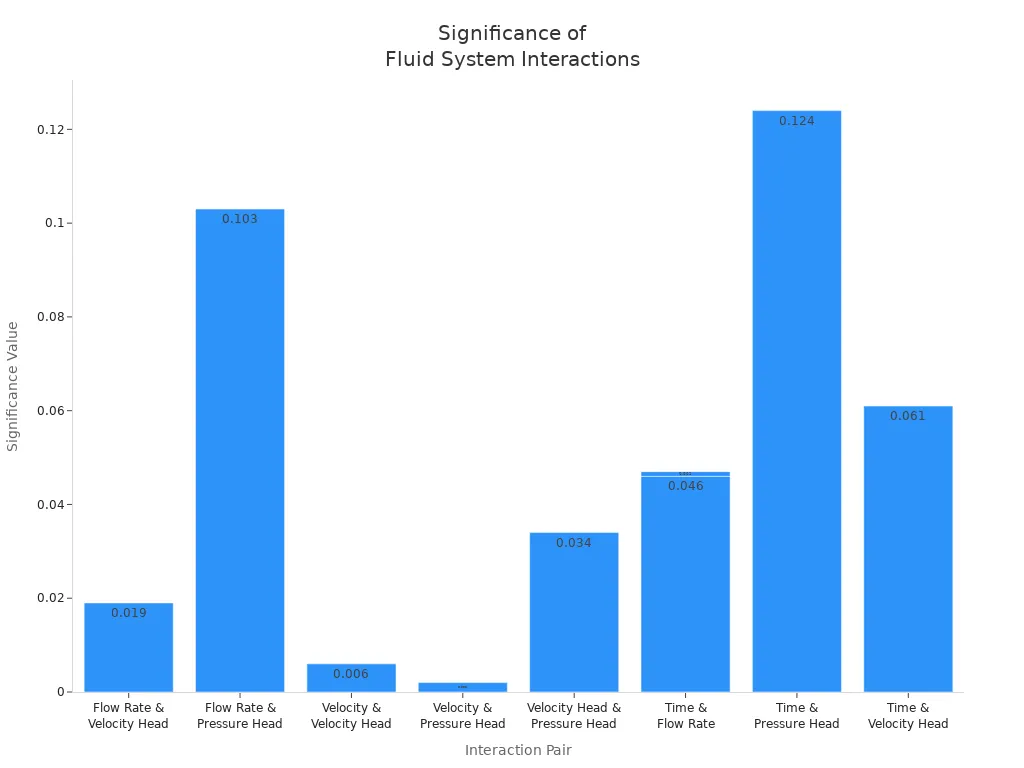
You can see this rule in many real-life examples, like checking city wastewater, measuring water in factories, watering farms, and studying rivers. It is important to know about this rule because there are strong links between these things:
| Interaction | Correlation | Significance Value |
|---|---|---|
| Flow Rate & Velocity Head | 0.885 | 0.019 |
| Velocity & Pressure Head | 0.966 | 0.002 |
A flow to velocity calculator uses these rules to help you solve problems with fluids.
Key Takeaways
- Use the formula v = Q / A to find fluid velocity. This formula shows how flow rate and cross-sectional area change speed.
- Always measure flow rate using the same units. Mixing metric and imperial units can cause big mistakes in math.
- Collect all needed data before you start. You must know the flow rate and pipe size for correct answers.
- Check your cross-sectional area with care. Changes in area will change fluid velocity, so you need good measurements.
- Use good tools to measure flow rate and area. Tools from Jade Ant Instruments can help you get exact numbers.
Key Terms
Flow Rate Explained
You often hear about flow rate when you work with fluids. Flow rate tells you how much fluid passes through a certain spot in a system during a set amount of time. You can measure flow rate in two main ways. Volumetric flow rate measures the volume of fluid, like liters per minute or cubic meters per hour. Mass flow rate measures the mass, such as kilograms per second. You might use different tools to measure flow rate, like turbine flow meters for volume or Coriolis meters for mass. When you know the flow rate, you can better understand how much water, oil, or air moves through pipes or channels.
Velocity Defined
Velocity shows you how fast and in what direction the fluid moves. In fluid systems, velocity means the rate at which a fluid particle changes its position. You usually see velocity measured in meters per second (m/s). Velocity helps you figure out how quickly the fluid travels through a pipe or open channel. If you want to control or predict the movement of fluids, you need to know the velocity.
- Velocity is a key part of the flow rate and velocity relationship. When you know the velocity and the cross-sectional area, you can find the flow rate.
Cross-Sectional Area
The cross-sectional area is the size of the surface that the fluid flows through. Imagine you cut a pipe straight across and look at the circle you see. That circle is the cross-sectional area. You measure this area in square units, like square meters. The cross-sectional area plays a big role in fluid systems. If you keep the flow rate the same but make the cross-sectional area smaller, the velocity increases. If you make the cross-sectional area bigger, the velocity drops.
Tip: Always check your cross-sectional measurements before you use a flow rate and velocity formula. Tools from Jade Ant Instruments can help you get accurate readings.
The relationship between flow rate, velocity, and cross-sectional area is simple but powerful. The formula Q = A × v shows that flow rate equals cross-sectional area times velocity. If you know any two of these, you can always find the third. This relationship helps you solve many real-world problems in fluid systems.
Formula and Principles
Flow to Velocity Calculator Formula
The equation of continuity links flow rate, velocity, and area. The main formula is:
v = Q / A
- The equation of continuity says flow rate equals velocity times area.
- You can change the formula to find velocity if you know flow rate and area.
- This formula works best when velocity is even and the cross-section is flat.
A flow to velocity calculator uses this rule. If you know two values, you can find the third. This helps you check how well different flow meters work, like those from Jade Ant Instruments.
Flow Rate in Calculations
The equation of continuity is important for all fluids. For incompressible fluids, use it with constant density. This means the flow rate does not change as the fluid moves. For compressible fluids, you need special equations because density can change. The equation of continuity still works, but you must adjust for pressure and density changes.
- For incompressible fluids, use the equation of continuity and the Darcy-Weisbach equation.
- For compressible fluids, use equations like Panhandle A/B or AGA when pressure drops a lot.
Different fluids, like water, oil, or gas, can change how you use the equation. Viscosity and gravity can affect flow, so always check the fluid type before you start.
Constant Flow Rate in Closed Systems
In closed systems, the equation of continuity says the flow rate stays the same. This is because the fluid cannot leave or enter from outside. The equation of continuity and Bernoulli’s theorem both support this idea. When the area changes, the velocity must change to keep the flow rate the same. If the pipe gets smaller, velocity goes up. If the pipe gets bigger, velocity goes down.
Remember: The equation of continuity is a key rule in fluid systems. It helps you know how fluids move and lets you solve real-world problems with confidence.
Conversion Steps
Turning flow rate into velocity is simple if you follow steps. You can use a flow to velocity calculator or do the math yourself. Here is an easy guide to help you get the right answer every time.
Gather Data
First, collect all the information you need. You must know the flow rate and the size of the pipe or channel. The table below lists the main things you need:
| Parameter | Description | Units |
|---|---|---|
| v | velocity | ft/min, ft/s (Imperial) or m/s (SI) |
| q | volume flow | ft³/s, ft³/min (Imperial) or m³/s (SI) |
| d | pipe inside diameter | ft (Imperial) or m (SI) |
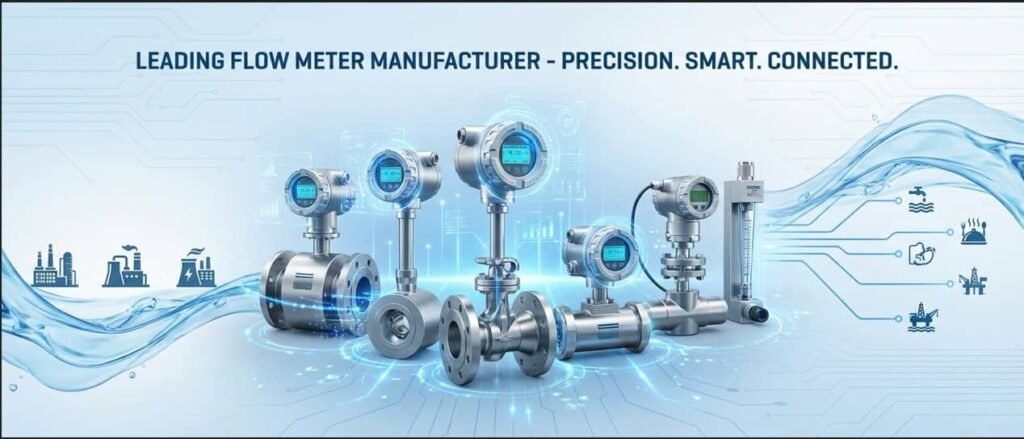
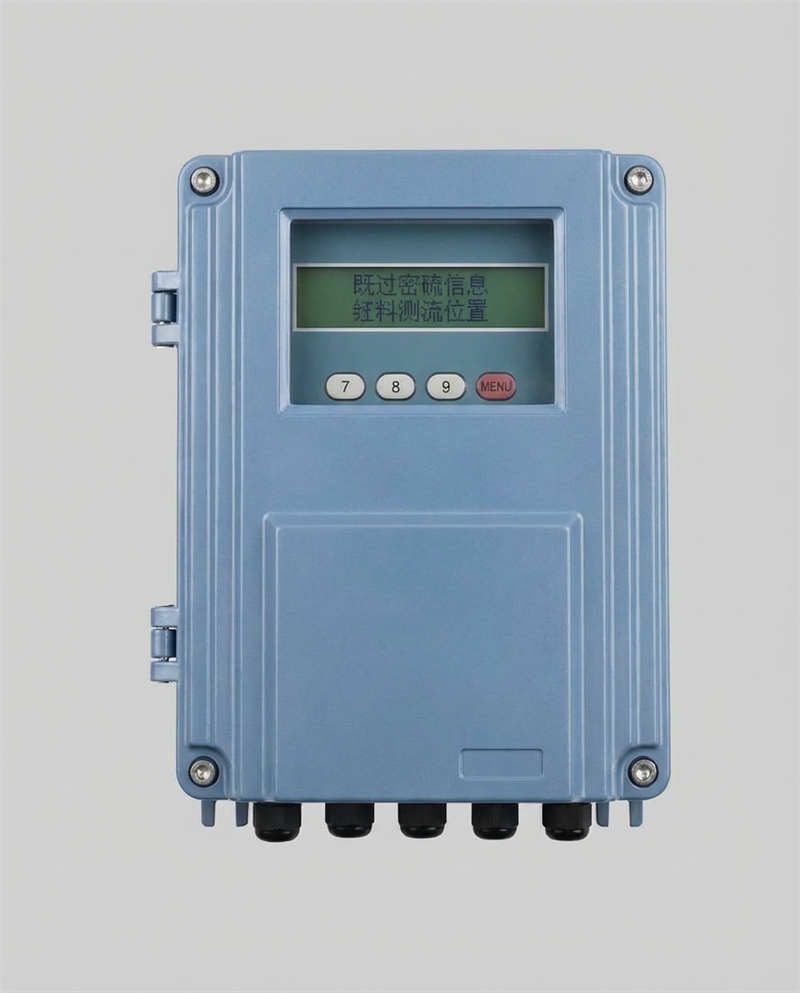
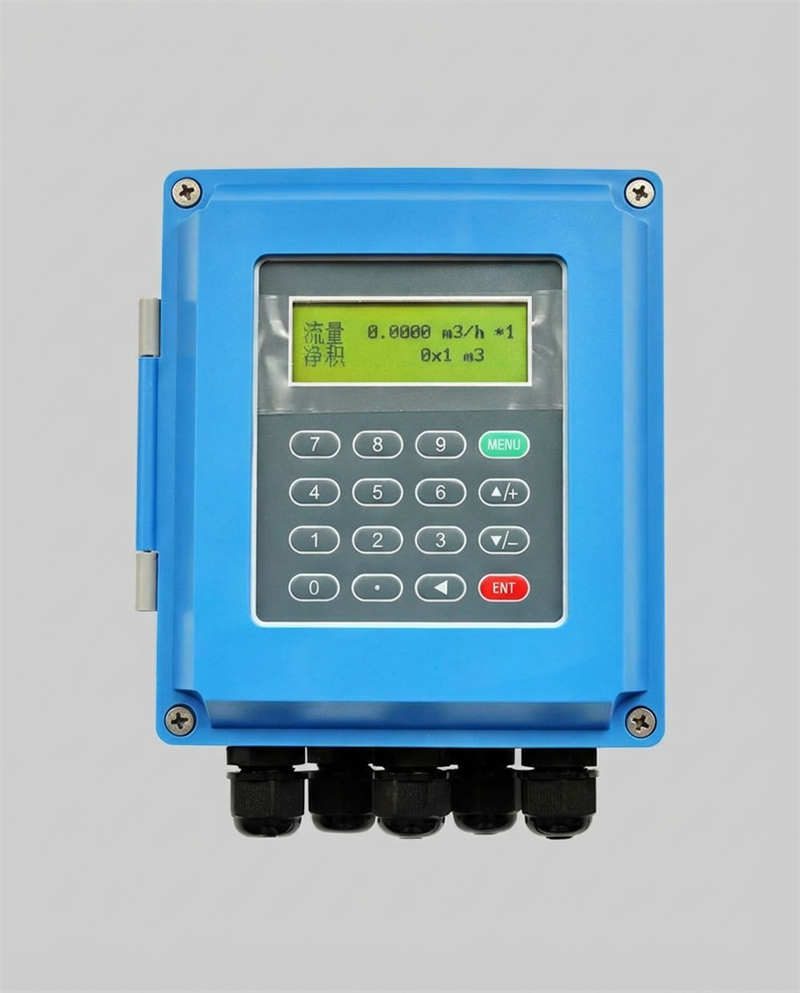
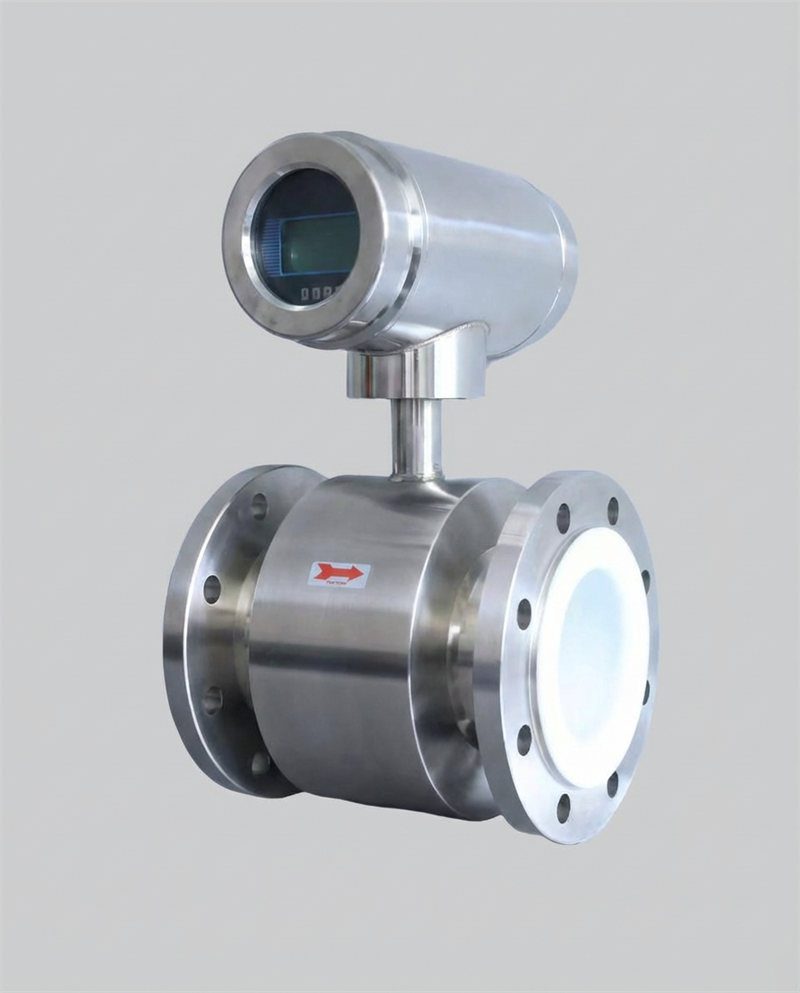
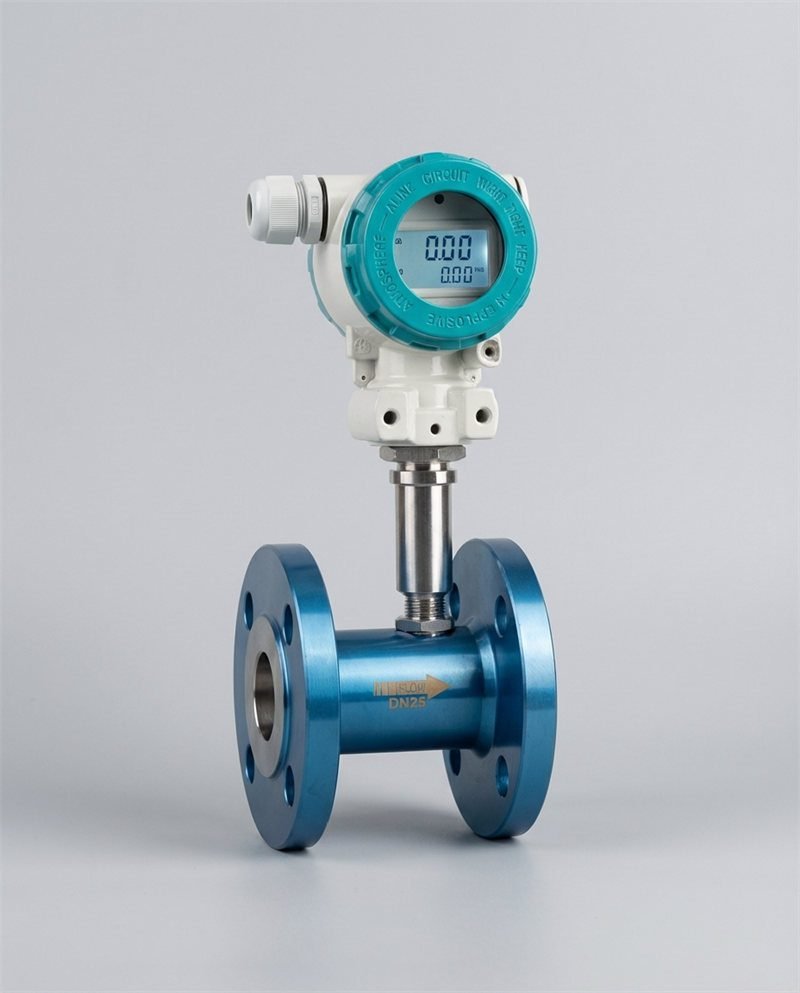
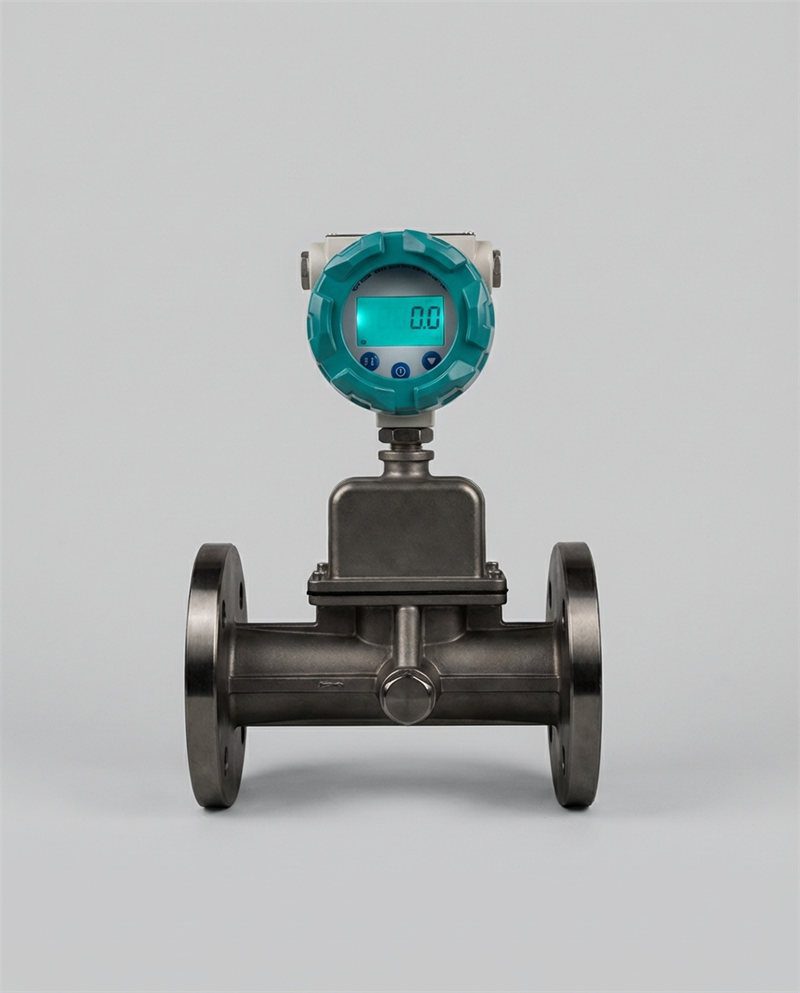
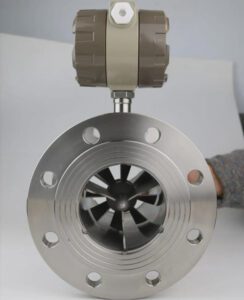
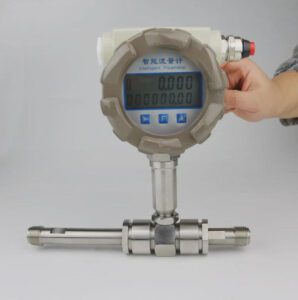
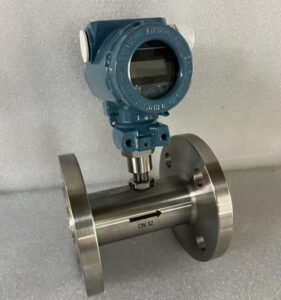
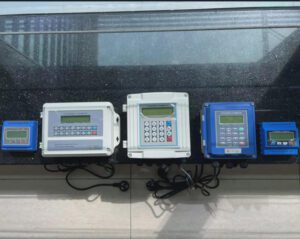
You can measure flow rate with different tools. Variable area flowmeters, like rotameters, are common in the field. These tools use a float to show the flow rate. You can also use velocity flow meters. Some examples are turbine meters, paddlewheel meters, electromagnetic meters, ultrasonic meters, and vortex flow meters. Mass flow meters, like Coriolis and thermal mass flow meters, work well when fluid density changes. Jade Ant Instruments has good tools for these jobs.
Particle Image Velocimetry (PIV) is a common way to check low flow velocity. Engineers often use the orifice method for low velocity flows. Always check your measurements with trusted standards to make sure your results are right.
Calculate Area
Next, find the cross-sectional area of the pipe or channel. This step is important because the area changes the average velocity. If you have a round pipe, use this formula for the area:
Area = π × (d / 2)²
You can measure the inside diameter with a ruler or caliper. For harder jobs, you can use optical methods like video recording with an endoscope. Tomography methods, such as wire-mesh sensors, also give good area measurements.
There are many ways to measure the cross-sectional area of pipes. Optical methods like video with an endoscope give phase distribution information. Tomography methods can be non-intrusive (using radiation or sound) or intrusive (like wire-mesh sensors). The wire-mesh sensor is very good for measuring cross-sectional void fraction. It does not have the problems that non-intrusive methods have.
Jade Ant Instruments has tools that help you measure both flow rate and area very well.
Apply the Formula
Now you can use the main formula to find the average velocity:
velocity = flow rate / cross-sectional area
You can also write it as:
v = Q / A
If you use a flow to velocity calculator, type in your flow rate and area. The calculator will give you the velocity. If you do the math by hand, make sure your units match. For example, use meters per second for velocity, cubic meters per second for flow rate, and square meters for area.
To find flow rate, use this formula:
flow rate = velocity × cross-sectional area
This helps you check your work and see how area or flow rate changes affect velocity.
Example Calculation
Let’s look at a real example. Suppose you have a pipe with a diameter of 0.1 meters and a flow velocity of 3 m/s. Here is how you find the flow rate and check your math:
- Find the cross-sectional area:
- Area = π × (0.05)² ≈ 0.00785 m²
- Find the volumetric flow rate:
- Flow Rate = 3 m/s × 0.00785 m² ≈ 0.0236 m³/s
If you want to use a flow to velocity calculator, type in the flow rate (0.0236 m³/s) and the area (0.00785 m²). The calculator will show you the average velocity as 3 m/s.
- If you know the flow rate and area, use the formula:
- velocity = flow rate / area
- velocity = 0.0236 m³/s / 0.00785 m² ≈ 3 m/s
You can use this method for any pipe or channel. Always check your units and measurements. Use tools from Jade Ant Instruments for the best results in the field.
Tip: Write down your measurements and math. Calibration and validation are important steps. Use trusted ways and compare your results with standard references to make sure your flow to velocity calculator gives you the right answers.
Units and Mistakes
Choosing Units
You must use the same units for every calculation. Mixing metric and imperial units causes big problems. For example, measuring diameter in inches and area in square meters gives wrong answers. Pick one unit system and use it for everything. The table below lists common units in fluid systems:
| Measurement Type | Common Units |
|---|---|
| Pipe Inner Diameter (D) | mm, cm, m, in, ft |
| Flow Velocity (v) | m/s, ft/min |
| Volumetric Flow Rate (Q) | m³/h, L/s, GPM |
Using the wrong units can cause errors. These mistakes can hurt safety and how well things work. You might see bad results or even broken systems. The table below explains why using the same units matters:
| Key Point | Description |
|---|---|
| Inconsistent Unit Usage | Can lead to significant errors in calculations. |
| Establish a Primary Unit System | Convert all inputs to a single unit system before calculations. |
Rules like ISO 3104 and ASTM D445 say you must use certified materials and check your tools often. Jade Ant Instruments follows these rules to help you get good results.
Common Errors
You can stop many mistakes if you know what to watch for. Here are some common errors:
- Using different units for diameter, area, or velocity in one calculation.
- Forgetting to square the diameter when finding the area.
- Not checking the pipe or orifice shape, which changes the area.
- Using volume flow rate instead of mass flow, which is less accurate.
- Guessing flow in large or odd pipes, sometimes missing by over 50%.
If you use equations with wrong units, you can make unsafe designs. Always check your math before you finish.
Tips for Accuracy
You can get better results with a few easy steps:
- Use one unit system for all measurements.
- Calibrate your tools often, following the rules.
- Write down every measurement and calculation.
- Use trusted instruments, like those from Jade Ant Instruments.
- Change valve openings based on your system’s shape.
- Small errors are normal, but keep them low.
Tip: Small changes in diameter matter a lot. If you double the diameter, flow goes up four times. If you double the velocity, flow doubles. Always measure carefully.
If you follow these steps, you can avoid mistakes and get the right answers.
You can change flow rate to velocity in three easy steps. First, collect your data. Next, find the area. Last, use the formula. Always use the same units for everything. Double-check your math to avoid mistakes. Knowing these steps helps you make better fluid systems. Here are some important things to remember:
- Flow rate is important for controlling how things work.
- Knowing if you need volumetric or mass flow rate helps you pick the right way to measure.
- Some tools work better for certain fluids.
If you want to know more, look at these resources:
- Fluid Mechanics by Frank M. White
- Introduction to Fluid Mechanics by Fox and McDonald
- Khan Academy – Volume flow rate & continuity
- Khan Academy – Fluids unit (AP/college level)
Jade Ant Instruments has good tools to help you measure and solve problems easily.
FAQ
What if my pipe is not round?
You can use the same formula for any shape. Just measure the cross-sectional area of your pipe. For a square or rectangle, multiply width by height. Always use the correct area in your calculation.
How do I measure velocity in a real system?
You can use a flow meter or a velocity sensor. Some tools, like those from Jade Ant Instruments, give you digital readings. Always follow the instructions for your device to get the best results.
Can I use these formulas for gases?
Yes, you can use the formulas for gases. Make sure the gas is moving at a steady rate. If the gas changes pressure or temperature a lot, you may need more advanced methods.
Why does my answer seem too high or too low?
Check your units and measurements. Make sure you use the right area and flow rate. Small mistakes in diameter or area can change your answer a lot. Double-check your math before you finish.
Do I need special tools to measure flow?
You do not always need special tools. For simple checks, you can use a stopwatch and a bucket. For more accurate results, use professional tools like those from Jade Ant Instruments.