Differentiate Your Distribution Business and Build Customer Loyalty by Offering the Services Your Wholesalers Actually Need

A flow instrumentation agent reviewing technical documentation with a wholesaler team — the kind of relationship that goes far beyond product supply.
Why “Just Selling Products” Isn’t a Strategy Anymore
Here’s a situation that plays out every month across the flow instrumentation channel.
A wholesaler calls you asking for a quote on 20 electromagnetic flow meters. You come in at a competitive price. Two days later, they go with another agent — not because of price, but because that agent offered same-week calibration support and a dedicated technical contact who could answer application questions in real time.
You lost the deal before the quote even mattered.
This isn’t an isolated story. The flow meter market is projected to grow from USD 9.9 billion in 2025 to USD 20.2 billion by 2035 (Research Nester), and the agents capturing that growth aren’t doing it by offering the lowest price. They’re doing it by becoming indispensable — through services, expertise, and the kind of partnership that makes switching feel too costly to bother with.
This guide is written for one specific reader: the flow meter agent or distributor who supplies wholesalers and is looking for a concrete strategy to protect margins, reduce churn, and build a business that compound grows year after year.
1. The Problem with Competing on Price Alone
Why Your Wholesaler Customers Are Looking Beyond the Catalog
Walk through any trade show in the instrumentation sector and you’ll hear the same complaint from agents: “Margins are getting squeezed. Everyone can get the same products. The internet has made pricing completely transparent.”
That’s true. And it will only get worse.
When you compete purely on price, you’re fighting against manufacturers selling direct, online marketplaces listing instruments at factory margin, and larger distributors with better bulk pricing. That’s a battle geography and relationships can delay, but never win indefinitely.
What your wholesalers actually want — and will pay for — is a reduction in their own operational risk. They need someone who can answer a technical question on a Tuesday afternoon without putting them on hold for 45 minutes. They need calibration certificates that show up before site inspections, not two weeks after. They need an agent who already understands their end-user base and can recommend the right instrument before a costly specification error occurs.
The Real Cost of Losing a Wholesaler Account
Replacing a lost wholesaler account costs far more than most agents account for. Beyond the immediate revenue loss, there’s the sales time spent identifying and qualifying a replacement, the relationship-building cycle that takes 6–18 months before meaningful volume develops, and the competitive intelligence a lost account carries to a rival agent.
According to data from CustomerGauge, average B2B retention rates across industrial sectors sit around 72.5% — meaning more than one in four customers is at risk of churning in any given year. In flow instrumentation, where accounts can be worth USD 200,000–500,000 annually in consistent repeat orders, a single lost account can wipe out months of new business development.
Value-added services are the most reliable way to raise that retention rate. Wholesalers who depend on you for calibration, technical support, and training don’t leave for a 3% price difference on an order.
Building Relationships That Survive Market Fluctuations
A distributor relationship built on price is fragile by definition — it only takes one competitive quote to break it. A relationship built on services creates dependency that’s worth far more than any margin point. When your wholesaler knows that switching to another agent means losing access to their dedicated technical contact, their calibration partner, and their documentation support, the switching cost becomes real and significant.
De acordo com BCG’s Industrial Distributors Value Creators research, value-added distributors that combine technical capability with service depth consistently achieve higher margins and revenue per customer than product-only distributors. The data is consistent: services create stickiness that pricing never can.
2. Understanding Your Wholesaler’s Pain Points
The Challenges Keeping Your Customers Up at Night
Before you can build services that matter, you have to understand the actual operational pressures your wholesalers are facing. These aren’t abstract business challenges — they’re specific, recurring problems that cost them money, time, and customer relationships every week.
- Installation and commissioning delays are one of the most common frustrations. When an end-user has a scheduled maintenance window and the instrument arrives without adequate commissioning support, that delay creates real production downtime — and the wholesaler gets the blame.
- Technical questions they can’t answer create lost sales every day. A plant engineer asks about straight-run requirements for a vortex meter on a DN150 steam line, and the wholesaler has no one to call. They lose confidence. Sometimes they lose the sale entirely.
- Inventory pressure is intensifying. Wholesalers are being pushed to reduce working capital tied up in stock while simultaneously being expected to deliver faster. This tension creates a constant risk of being caught short when demand spikes.
- Compliance and documentation burdens are growing across every industry the flow instrumentation sector serves — water utilities, food and beverage, pharmaceuticals, oil and gas. Calibration certificates, traceability records, and conformity documentation are now standard requirements, not optional extras.
- Specialized application needs are increasingly common. An end-user processing aggressive chemicals, a pharmaceutical plant requiring hygienic clamp-on metering, a water utility requiring EN 1434-compliant heat measurement — these aren’t edge cases anymore. They’re regular orders that require expertise a generalist wholesaler simply doesn’t have.
The Cost of Poor Technical Support
When a wholesaler can’t get a technical question answered quickly, the downstream impact is direct and measurable. A plant engineer who can’t get application guidance chooses a competitor’s product. A maintenance team that can’t troubleshoot an instrument failure raises a warranty claim instead of fixing a wiring issue. A site supervisor who gets conflicting information from two different contacts loses confidence in the supplier entirely.
As CIL’s flow control distribution research notes, as applications and technology become more complex and operators streamline their internal resources, customers are becoming even more reliant on distributors and their capabilities. The agent who steps into that gap becomes essential. The one who doesn’t gets replaced.

Calibration is not just a compliance requirement — it’s a recurring revenue stream and a gateway to deeper customer relationships.
3. Calibration Services: A High-Margin, High-Value Offering
Why Calibration Is the Gateway to Deeper Customer Relationships
Calibration — the process of comparing a flow meter’s output against a traceable standard and adjusting or documenting any deviation — is one of the most universally required services across every industry that uses flow instrumentation.
It’s also one of the highest-margin services you can offer.
De acordo com IPS Calibration’s ROI analysis, one facility realized a net ROI of over 350% on calibration investment — because accurate measurement directly prevented production losses, warranty disputes, and regulatory penalties. When you frame calibration this way to your wholesalers, you shift the conversation from “cost” to “risk protection.”
From a regulatory standpoint, the demand is only growing. ISO 4064 governs water meter testing. ISO 5167 governs differential pressure devices. OIML R 49 covers water meters for custody transfer. API MPMS standards govern oil and gas measurement. Every one of these standards requires documented, traceable calibration — and every end-user operating under them needs a supplier who can deliver it.
Setting Up In-House or Partner Calibration Capabilities
There are two routes: build your own lab, or partner with an accredited calibration provider and act as the commercial interface for your wholesalers.
Building in-house requires significant upfront investment. A basic flow calibration lab capable of handling DN15–DN200 meters typically costs USD 50,000–150,000 in equipment, with additional costs for ISO 17025 accreditation (the international standard for testing and calibration laboratory competence). The payback period is typically 18–36 months at moderate throughput.
For most agents starting out, the more practical approach is a partnership model: identify one or two accredited calibration providers in your region, negotiate preferred rates and turnaround times, and offer the service to your wholesalers under your brand. The administrative markup and coordination service itself carries 15–25% margins with zero capital investment.
Tektronix Calibration Services provides a useful reference on calibration fundamentals and standards for distributors building their understanding of what customers actually need from the process.
Turnaround Times That Keep Wholesalers Competitive
Standard flow meter calibration turnaround at external labs typically runs 5–10 business days for standard orders, with premium rates available for 2–3 day turnaround. According to Flowell’s calibration cost analysis, on-site calibration costs USD 700–1,500 per instrument, while lab calibration runs USD 300–800 depending on meter size and technology.
Your wholesalers’ competitive advantage improves significantly if you can guarantee faster turnaround than they can source independently. Build a service-level agreement (SLA) into your calibration offering: commit to specific turnaround times, and honor them consistently.
Pricing Your Calibration Services for Profitability
Structure your calibration pricing in tiers:
| Service Level | Scope | Typical Turnaround | Your Target Margin |
|---|---|---|---|
| Standard Calibration | Single instrument, lab-based, certificate included | 5–7 business days | 25–35% |
| Priority Calibration | Single instrument, expedited, 3-day turnaround | 3 business days | 35–45% |
| On-Site Calibration | Multi-instrument, no removal required | Scheduled half-day | 40–55% |
| Annual Contract | Quarterly calibration, all instruments, priority access | Rolling schedule | 40–60% |
Annual calibration contracts are particularly powerful because they convert one-time transactions into predictable recurring revenue, and they create a structured reason to visit your wholesaler accounts multiple times per year.
How Calibration Services Drive Instrument Sales
Here’s the underappreciated commercial dynamic: every calibration appointment is a sales opportunity. When your technician or partner lab identifies a flow meter operating at the edge of its accuracy specification, the natural next conversation is about replacement or upgrade. A meter that’s 8 years old with worn internals isn’t just a calibration problem — it’s a sales lead.
Agents who track calibration records systematically are effectively maintaining a replacement pipeline for their entire installed base. This is a significant competitive advantage that purely transactional agents never develop.
4. Technical Support That Actually Solves Problems
Moving Beyond “Call the Manufacturer”
The single most damaging phrase in flow instrumentation distribution is “you’ll need to contact the manufacturer for that.”
Every time a wholesaler hears those words, their confidence in you as a technical partner drops. They start wondering whether a different agent — one who can actually answer questions — might serve them better. Over time, repeated redirections to manufacturers erode the relationship that took months to build.
Your wholesalers need a trusted technical resource who knows their application landscape, understands their end-users’ industries, and can give them an answer — not a referral.
Creating a Technical Support Infrastructure
Effective technical support doesn’t require a team of PhDs. It requires documented systems, accessible knowledge bases, and clear escalation paths.
Start by mapping the most common technical questions your wholesalers ask: application selection questions (which meter for which fluid?), installation questions (straight-run requirements, grounding, orientation), troubleshooting questions (error codes, unstable readings, output issues), and compliance questions (which certification for which application?).
Build a knowledge base that answers these questions with clear, visual documentation. If you work with Instrumentos Jade Ant, leverage their interactive flowmeter selection tool e common flowmeter mistakes guide as foundation resources that your team can build on.
Set response-time commitments and publicize them: same-day response for urgent technical issues, 24-hour response for non-critical questions. Then deliver on them without exception. Reliability in response time is more valuable to a wholesaler than perfect answers — they need to know they can reach you, not just that you’re knowledgeable.
Application-Specific Troubleshooting
Flow instrumentation challenges cluster around a predictable set of issues that repeat across industries and installations:
- Unstable readings on electromagnetic meters — almost always a grounding issue or a partially-filled pipe. If you can diagnose this remotely in 10 minutes, you prevent a service call, a warranty claim, and a damaged customer relationship.
- Vortex meters reading zero at low flows — typically below the minimum measurable velocity. Understanding the minimum detectable flow for each model and pipe size is basic knowledge that saves significant frustration.
- Turbine meter bearing wear — predictable with usage hours, preventable with proper lubrication schedules, but only if someone tracks it.
- Clamp-on ultrasonic accuracy degradation — frequently caused by incorrect transducer spacing or coupling issues. Solvable with the right training and a basic spacing calculator.
Training your wholesalers’ own staff to handle these common issues is one of the highest-leverage investments you can make. When their team can answer first-level technical questions confidently, your phone rings less for routine issues — and more for the complex, high-value conversations that actually advance sales.
Remote Diagnostics and Preventive Maintenance
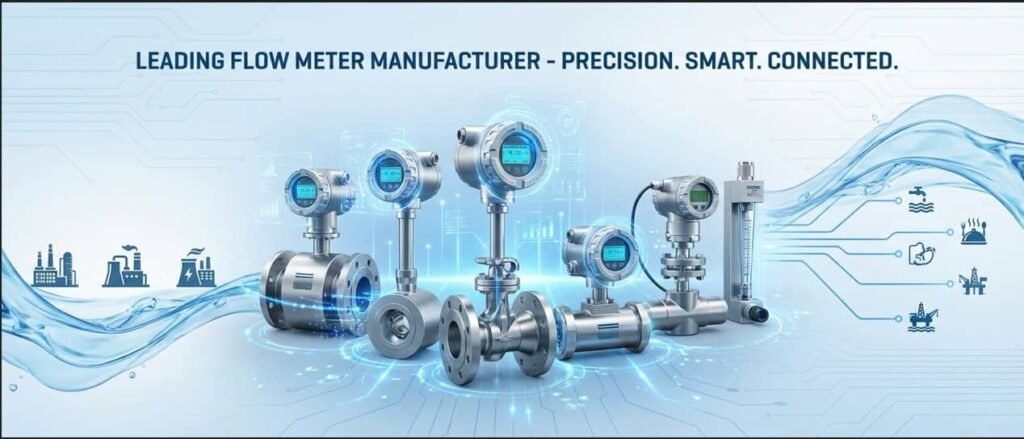
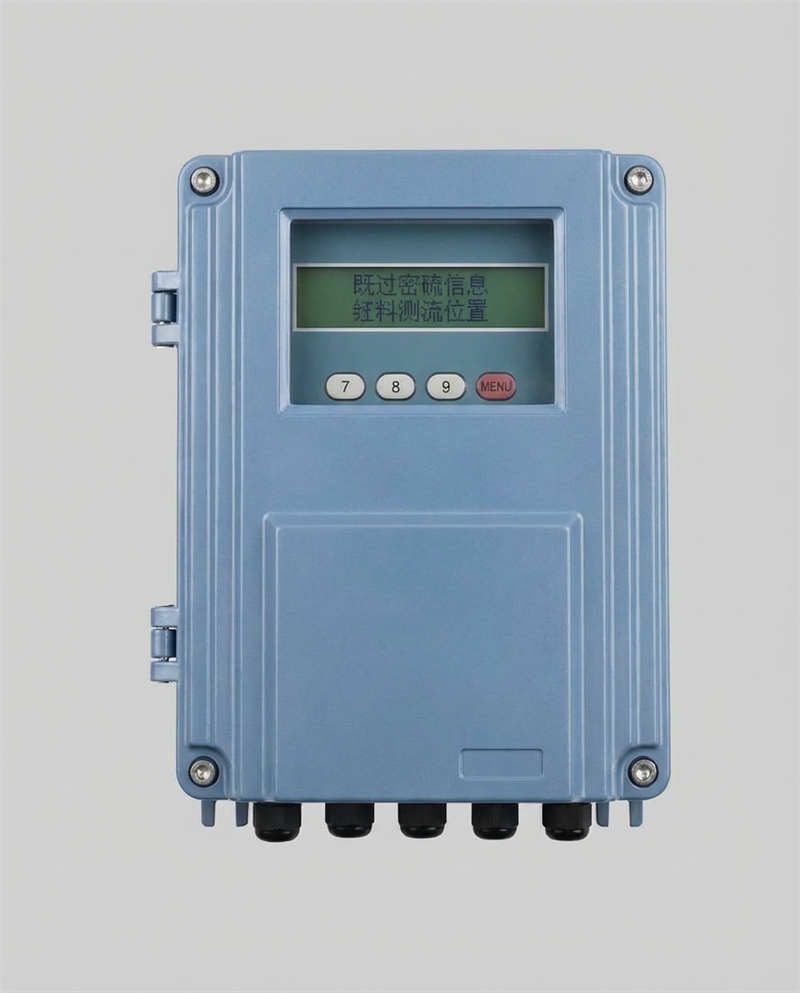
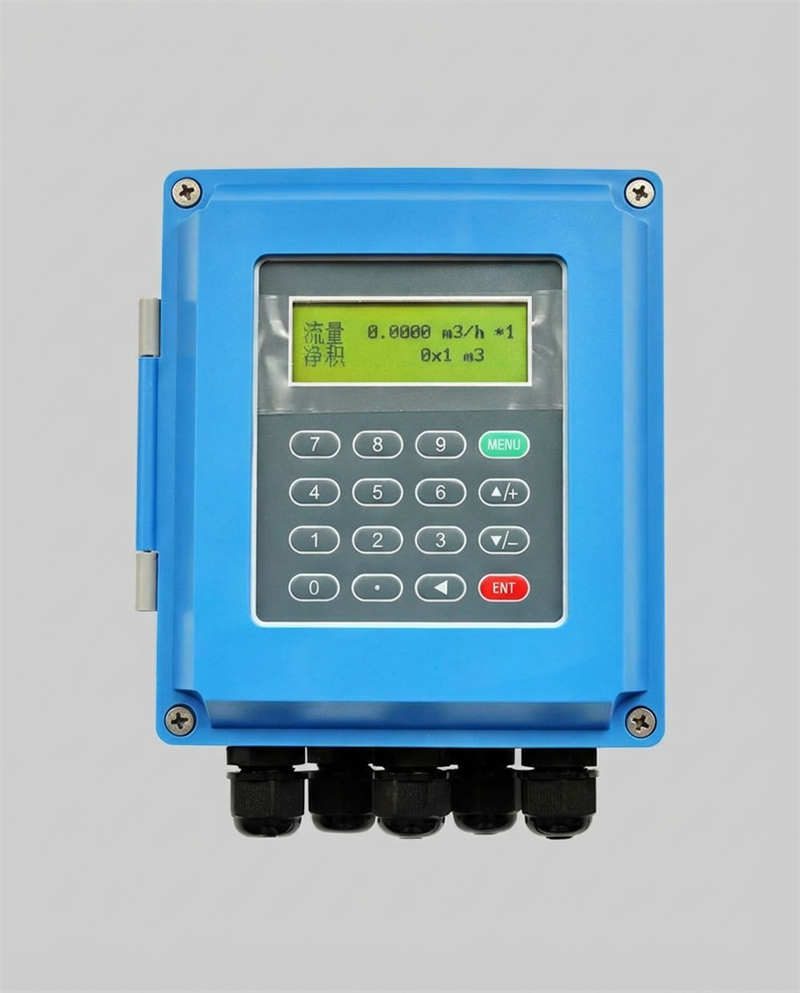
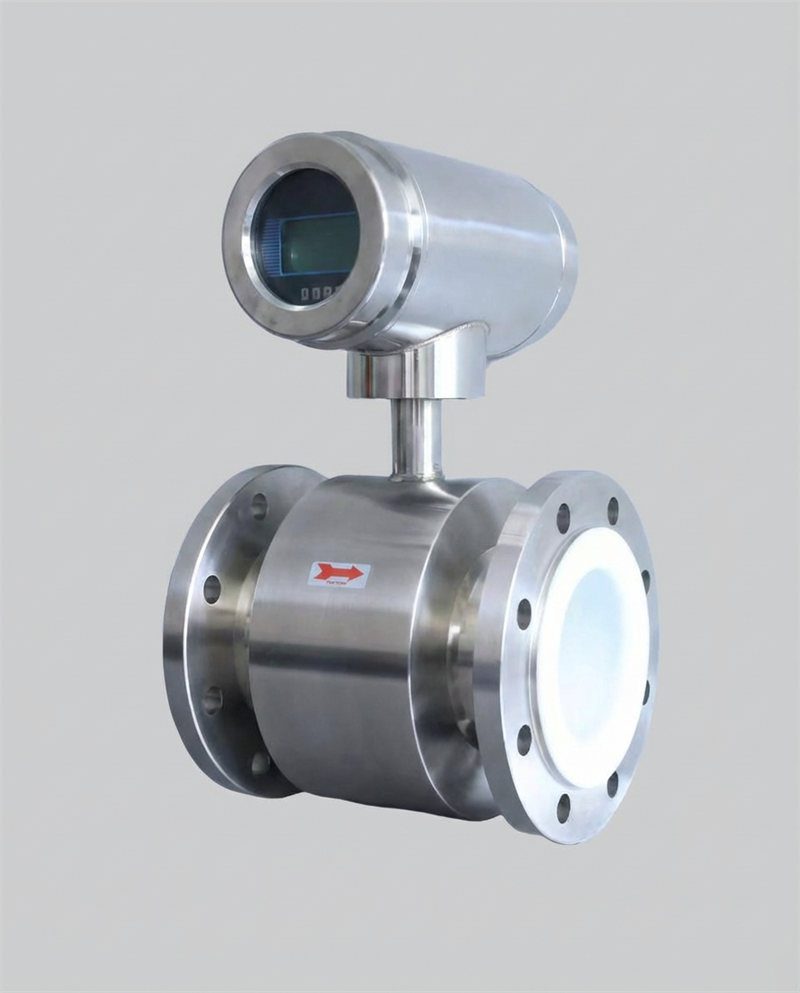
Modern smart flow meters — including the electromagnetic, vortex, and thermal meters in Jade Ant Instruments’ product range — offer digital outputs (Modbus RTU, HART, 4–20mA) that enable remote monitoring of performance parameters.
If you can offer wholesalers a simple remote monitoring setup — even a basic data logger connected to a cloud dashboard — you create genuine predictive maintenance capability. Instruments that are trending toward out-of-specification performance can be flagged before they fail, preventing the end-user downtime that always traces back to the instrument supplier in a customer’s mind.
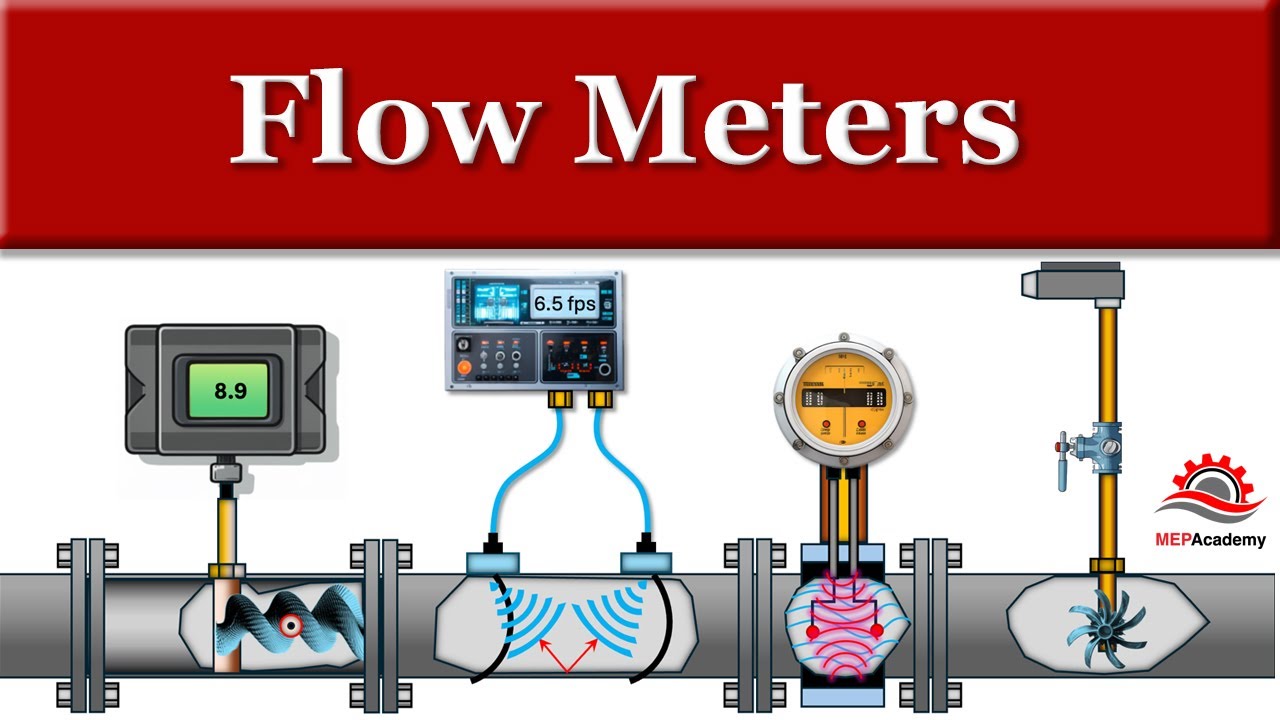
📹 Video: Flow Meters Explained — Types, Working Principles & Applications. An essential foundation for agents training their wholesaler teams on core instrumentation concepts. Watch on YouTube →
5. Customized Solutions That Competitors Can’t Match
Why One-Size-Fits-All Doesn’t Work in Flow Instrumentation
Flow meter applications don’t read the catalog. A pharmaceutical plant running ultra-pure water at low flow rates through a DN25 line has completely different measurement requirements than a water utility monitoring bulk flow through a DN400 main. A mining operation metering aggressive slurry through a DN150 line needs a completely different solution than a food manufacturer processing fruit juice through a hygienic DN80 connection.
Standard catalog products satisfy the majority of applications. But the minority — the specialized, unusual, or demanding applications — are often where the highest margins and most loyal relationships are built. If your competition can’t configure a meter for those applications, and you can, you’ve permanently secured that account.
Understanding Your Wholesalers’ Application Landscape
Start by mapping the industries and specific applications your top 10–15 wholesaler accounts serve. You’re looking for clusters of application types where standard products regularly fall short.
Common problem areas in flow instrumentation include aggressive chemical services (requiring Hastelloy C-276 wetted materials or PTFE liners), hygienic applications (requiring 3-A or EHEDG certification for food and pharmaceutical service), extreme temperature applications (high-temperature steam or cryogenic liquid metering), and bidirectional flow measurement (where turbine meters require special design).
Once you’ve identified these clusters, you have a product development agenda. Work with your manufacturer partners — including Jade Ant Instruments, who can configure electromagnetic meters with specialized liner and electrode materials — to develop standard configurations for your most common custom needs. These become proprietary solutions that your competition doesn’t offer because they haven’t invested in understanding the application well enough to build them.
From Problem to Solution: Your Development Process
When a wholesaler brings you an unusual application, resist the temptation to immediately quote a standard product and hope it works. Instead, establish a consistent application review process:
Capture the complete process conditions (fluid type, flow range, pressure, temperature, conductivity, viscosity, gas or solid content). Map these against technology constraints using a systematic selection guide like the 5-factor flow meter selection guide developed by Jade Ant Instruments. Identify the configuration that genuinely fits — including material compatibility, installation constraints, and compliance requirements. Document the solution with full traceability so you can replicate it for future similar applications.
Building Case Studies That Show What’s Possible
Every solved application problem is a case study waiting to be written. A case study doesn’t need to be elaborate — a one-page document describing the application, the challenge, the solution, and the measured outcome is enough to demonstrate capability to a new wholesaler considering whether to bring you their difficult applications.
Build a library of 10–15 such case studies across the industries you serve. When a new wholesaler asks “can you handle chlorine service?” you don’t just say “yes” — you hand them a document describing how you solved exactly that problem for another customer, complete with the material specification, the instrument configuration, and the outcome data.

Customized solutions and hands-on application support separate agents who compete on value from those who compete on price.
6. Training and Education Programs That Build Competence
Why Your Wholesalers’ Success Depends on Their Knowledge
A wholesaler whose sales team can confidently discuss flow meter selection with a plant engineer is 3–4 times more likely to win that inquiry than one who has to “check with the agent and get back to you.” Confidence and competence in the sales conversation are directly tied to win rate — and both are teachable.
Training is also one of the most effective retention tools available to agents. Wholesalers who’ve invested time in your training programs, whose staff hold certifications you’ve issued, and whose entire technical framework was built with your support, don’t leave for a 5% price difference. They’re committed to the relationship at a level that transcends individual transactions.
According to industry research on manufacturing training ROI, structured training programs in technical fields generate 180–220% ROI on average, with payback periods of 8–14 months. In distribution, the dynamic is similar — trained wholesaler staff close more deals, generate fewer returns, and require less agent support time, all of which directly improve your economics.
Designing Training Programs That Stick
A useful flow instrumentation training curriculum for wholesaler teams covers five core areas:
| Training Module | Key Topics | Recommended Format | Frequency |
|---|---|---|---|
| Product Knowledge | Technology principles, spec reading, model selection | In-person / video | Quarterly |
| Application Training | Industry-specific requirements, material compatibility, compliance | Workshop with case studies | Semi-annual |
| Sales Skills | Consultative selling, ROI conversations, specification writing | Role-play sessions | Quarterly |
| Troubleshooting & Maintenance | Common fault patterns, diagnostic procedures, preventive care | Hands-on lab session | Annual |
| Compliance & Documentation | Applicable standards, calibration records, certification requirements | Online modules | Annual |
The most effective training programs combine multiple formats: brief video modules for product fundamentals that staff can review anytime, quarterly in-person or virtual workshops for application and sales training, and annual comprehensive sessions for compliance and new product lines.
Measuring Training ROI
Track these indicators consistently to demonstrate and improve training value:
- Conversion rate on technical inquiries before and after training
- Reduction in warranty claims and returns from trained accounts vs untrained
- Reduction in technical support calls from wholesalers whose teams have completed application training
- Average order value comparison for trained vs untrained accounts over a rolling 12-month period
When you can show a wholesaler that their trained sales reps close 40% more instrumentation inquiries than their untrained colleagues, the conversation about investing time in your training program becomes very easy.
7. Inventory Management and Logistics Support
Solving the Inventory Puzzle for Your Wholesalers
Every wholesaler managing a flow instrumentation portfolio faces the same uncomfortable tension: carry enough stock to fill urgent orders, but not so much that capital sits tied up in slow-moving SKUs. Get it wrong in either direction and the consequences are immediate — either a lost urgent order or a cash flow problem that constrains the rest of the business.
This is a problem you are uniquely positioned to help solve, because you see the demand patterns across multiple wholesale accounts simultaneously. Your aggregate view of what’s selling, where, and in what cycle, gives you planning intelligence that no individual wholesaler possesses.
Demand Forecasting and Planning
Use your sales data across accounts to identify seasonal patterns, application-driven demand cycles, and emerging application types that will require new product categories.
For example, if three of your water utility wholesalers are showing increasing demand for electromagnetic meters in DN100–DN300 sizes driven by aging infrastructure replacement programs, that’s a signal to recommend those wholesalers increase their inventory positions in that range before demand peaks. You protect them from stockouts while deepening the advisory relationship.
Flow meter demand in the US market, currently at USD 2.9 billion and projected to reach USD 4.3 billion by 2035 (FactMR), is not linear — it spikes around capital project cycles, regulatory compliance deadlines, and seasonal maintenance windows. Agents who can map those cycles across their territory and help wholesalers prepare are providing genuine, measurable value.
Just-in-Time Delivery and Rapid Replenishment
Build logistics partnerships that support fast turnaround for high-demand SKUs. For standard electromagnetic and vortex meters in common sizes and configurations, establish a consignment stock or rapid-replenishment program that keeps a buffer of the most commonly ordered variants available for next-day or same-week delivery.
The business impact is significant: a wholesaler who can tell their end-user customer “we can have that meter on site by Thursday” rather than “lead time is 6–8 weeks” wins that order. Your logistics capability is their competitive advantage.
Consignment and Vendor-Managed Inventory Programs
For your highest-volume wholesale accounts, consider a vendor-managed inventory (VMI) arrangement — where you maintain and replenish a defined inventory of instruments held at or near the wholesaler’s location, and invoice only as items are consumed.
VMI programs shift inventory carrying costs from the wholesaler to you (which they will clearly value), but in exchange you gain visibility into their real-time demand, tighter integration into their procurement process, and a higher share of their total flow meter spend. Done correctly, VMI turns a transactional account into an integrated supply partnership.
8. Compliance, Documentation, and Risk Management
Why Wholesalers Need Help Navigating Regulatory Requirements
The compliance landscape for flow instrumentation has grown significantly more complex in the past decade. End-users in water utilities, food and beverage, pharmaceuticals, and oil and gas face an expanding set of documentation requirements — and they look to their instrumentation suppliers to help them meet those requirements correctly.
Key standards your team should understand and be able to explain to wholesalers include:
- ISO 4064 — Water meters for cold potable water and hot water
- OIML R 49 — Water meters intended for the metering of cold potable water
- ISO 5167 — Measurement of fluid flow by means of pressure differential devices
- API MPMS — Manual of Petroleum Measurement Standards (custody transfer)
- ATEX / IECEx — Explosive atmosphere equipment certification
- MID (EU) 2014/32/EU — Measuring instruments directive for trade billing meters
- EN 1434 — Heat meters for district heating applications
Instruselect’s flow meter standards guide provides a useful mapping of standards to application types for reference.
Creating Compliance Resources
Build a documentation library that your wholesalers can rely on:
A certificate tracking system that records calibration dates, certificate numbers, and renewal schedules for every instrument in their installed base. Traceability documentation templates that satisfy ISO and audit requirements without requiring the wholesaler to research the format themselves. Product certification records (ATEX, OIML, MID, etc.) organized by model and size, accessible in less than 5 minutes when an auditor asks.
Most wholesalers don’t have the bandwidth to build these systems themselves. An agent who provides them ready-made becomes operationally embedded in a way that creates genuine switching costs.
Building Confidence in Your Wholesalers’ Customers
Proper documentation isn’t just about compliance — it’s a sales tool. An end-user who receives a calibration certificate, a material traceability record, and a full IOM (installation, operation, and maintenance manual) as part of their instrument delivery is demonstrably receiving higher value than one who gets a box with a basic datasheet.
That documentation package is something the end-user will remember when renewal or replacement time comes. It’s something they associate with the wholesaler — and by extension, with you.

Complete documentation and compliance support — delivered consistently — is one of the most underused competitive advantages in flow instrumentation distribution.
9. Market Intelligence and Sales Enablement
Giving Your Wholesalers the Information They Need to Win
Your position in the supply chain gives you visibility that individual wholesalers don’t have. You see trends across multiple accounts, multiple industries, and multiple geographies. That visibility is an asset — and sharing it strategically with your wholesalers is one of the highest-value things you can do for them.
Key intelligence your wholesalers need right now:
- The flow meter market is expanding rapidly, with the US market alone projected at USD 4.3 billion by 2035. Specific growth verticals include data center cooling infrastructure, LNG export facilities, semiconductor manufacturing water systems, and aging water utility infrastructure replacement programs. Wholesalers who get into these verticals early gain durable positioning.
- Regulatory changes are creating new demand. The EU Energy Efficiency Directive, US EPA Lead and Copper Rule updates, and SEC climate disclosure requirements are all driving investment in measurement infrastructure. Agents who can explain these regulatory tailwinds to their wholesalers are helping them have better conversations with end-users.
- Chinese manufacturers at the Tier 1 level — including companies like Jade Ant Instruments — are closing the quality and certification gap with Western suppliers while maintaining a 30–60% price advantage on comparable products. Wholesalers who understand how to position this competitively are winning specifications that previously defaulted to European or US brands automatically.
Creating Sales Tools and Resources
Develop a suite of tools your wholesalers can use directly in their customer conversations:
| Sales Tool | Descrição | Impact |
|---|---|---|
| Technology Selection Guide | Simple decision tree for matching meter type to application | Reduces specification errors, speeds up inquiry-to-order |
| TCO Calculator | 5-year total cost of ownership comparison across technologies | Justifies premium products with hard numbers |
| ROI Calculator | Quantifies the cost of measurement error at the end-user’s production rate | Converts technical accuracy specs into business language |
| Application Case Studies | Documented examples of successful installations in key industries | Builds credibility with unfamiliar application types |
| Compliance Quick Reference | Standards applicable by industry and application type | Reduces compliance-related delays and customer uncertainty |
O competitive manufacturer comparison resource from Jade Ant Instruments is a practical starting point for building comparison tools that help wholesalers understand the landscape without having to research it themselves.
Collaborative Selling and Account Development
Some of your most important wholesaler accounts have key accounts of their own that require senior-level technical engagement. Offer to join those conversations — not to sell, but to provide technical depth that the wholesaler’s sales team can’t deliver independently.
A joint account call where you walk a plant manager through a meter selection analysis, backed by application data and compliance documentation, closes business that a catalog and a price list never could. It also deepens your relationship with the wholesaler in a way that no volume discount ever matches.
10. Building Long-Term Partnerships That Grow Together
Moving Beyond Transactions to True Collaboration
The agent-wholesaler relationship has traditionally been transactional: they order, you supply, you negotiate on price at year-end. That model is becoming less and less viable as the flow instrumentation market consolidates, digital procurement platforms erode price differences, and end-users demand more from their entire supply chain.
The agents who will define the next decade of flow instrumentation distribution are those who operate as strategic partners — who understand their wholesalers’ business models deeply enough to have informed opinions about how those businesses should grow, and who invest in capabilities that make that growth possible.
Regular Business Reviews and Performance Analysis
Conduct formal quarterly business reviews with your top 10–15 wholesale accounts. These aren’t sales calls — they’re structured conversations about performance data, market trends, and growth strategy.
A useful QBR agenda for a flow meter wholesale account:
- Review of order volume, product mix, and margin trends vs prior quarter and prior year
- Identification of applications where business was lost and why
- Market trends relevant to the wholesaler’s end-user base
- New products, capabilities, or services you’re adding
- Joint growth targets for the coming quarter with specific, accountable action items
The discipline of doing this consistently — even when business is good — is what separates agents who grow accounts from those who merely maintain them.
Investing in Your Top Wholesalers
Not every account deserves the same level of investment. Create a tiered service model that allocates your most intensive support — senior technical contacts, priority calibration slots, joint marketing investments — to the accounts with the highest growth potential and the strongest alignment with your business model.
Your Tier 1 accounts (top 20–25% by revenue and growth trajectory) should receive:
- Dedicated technical account manager or named technical contact
- Priority access to calibration services with guaranteed turnaround times
- First access to new products and configurations before general release
- Joint marketing support including co-branded materials and case studies
- Quarterly senior leadership meetings to discuss strategic direction
This differentiated investment model rewards the wholesalers who invest in the relationship with you — and creates a clear incentive for lower-tier accounts to grow their business to qualify for higher levels of support.
Feedback Loops That Improve Your Offering
The most valuable intelligence about your service quality comes from your wholesalers, not from your own assessment. Build regular, structured feedback collection into every service touchpoint.
After calibration jobs, send a simple 3-question survey: Was the turnaround time acceptable? Was the documentation complete and useful? Would you recommend this service to another wholesaler? After training sessions, collect structured feedback on content relevance, format preference, and what topics wholesalers wish had been covered in more depth.
Act visibly on the feedback you receive. When a wholesaler suggests that your training materials need more case studies from the water utility sector, add them — and tell the wholesaler you did. That closed loop of listening and responding is one of the most powerful relationship-building tools available to an agent.
Cost-Benefit Reference: Value-Added Services Investment vs Return
The following table summarizes the typical investment and return profile for each major service category discussed in this guide. These are indicative figures based on industry benchmarks for flow instrumentation distribution — your specific numbers will vary based on territory size, account volume, and service depth.
| Service Category | Typical Investment | Expected Margin | Payback Period | Retention Impact |
|---|---|---|---|---|
| Technical Support (basic) | USD 15,000–40,000/yr (staff or contractor) | Indirect (sales conversion lift) | 6-12 meses | High — reduces competitive vulnerability |
| Calibration (partner model) | USD 5,000–15,000 (setup and admin) | 25–45% gross margin | 12 a 18 meses | Very High — creates recurring touchpoints |
| Calibration (in-house lab) | USD 50,000–150,000 (capex) | 40–60% gross margin | 24 a 36 meses | Very High |
| Training Programs | USD 8,000–25,000/yr (content and delivery) | Indirect (avg order value lift 20–35%) | 8–14 months | Alta |
| Inventory Management/VMI | USD 20,000–50,000 (stock investment) | 15–25% carrying premium | 12-24 meses | Very High — deep operational integration |
| Sales Enablement Tools | USD 5,000–15,000 (development) | Indirect (win rate improvement) | 6-12 meses | Medium-High |
| Compliance Documentation | USD 3,000–8,000/yr (management) | Indirect (account stickiness) | 6–9 months | Alta |
Market Share Breakdown: Service vs Product Revenue in High-Performing Distributors
The following chart illustrates how high-performing industrial distributors, as identified in BCG’s value creator research, structure their revenue between product sales and service-based revenue:
Revenue Mix — Product-Only vs Value-Added Distributor
Product-Only Distributor:
Product Revenue    ████████████████████ 95%
Service Revenue    █ 5%

High-Performing Value-Added Distributor:
Product Revenue    ████████████████ 65%
Service Revenue    ████████ 35%
Distributors generating 30–35% of revenue from value-added services consistently outperform product-only peers on gross margin (typically 8–12 percentage points higher), customer retention, and revenue per account — because services carry higher margins and create stronger customer dependency than product sales alone.
Where Jade Ant Instruments Fits in Your Value-Added Strategy
Agents building a value-added services practice need manufacturer partners who can support — not undermine — that model. Instrumentos Jade Ant operates specifically as a manufacturer-to-distributor supplier, with no direct-to-end-user sales model, which means your margin and your customer relationship are protected.
The product range — electromagnetic, vortex, turbine, and thermal flow meters with a broad selection of liner materials, electrode options, and communication protocols — gives you the configurability to solve the unusual application problems that generate the highest-value custom solution business. The flow meter selection mistakes case studies e interactive selection tool give your team the technical resources to build a competent support practice without starting from scratch.
For agents looking to develop a more consultative relationship with their wholesalers around custody transfer applications specifically, the custody transfer compliance and ROI guide addresses the compliance and financial case that end-users in oil and gas and utilities need to see before approving a significant measurement infrastructure investment.

The flow instrumentation market is growing — but the agents capturing that growth are the ones building services and partnerships, not just selling products.
The Path Forward
The agents who will lead flow instrumentation distribution over the next decade aren’t necessarily the ones with the lowest prices or the widest product catalog. They’re the ones who’ve made themselves genuinely difficult to replace.
That difficulty comes from services. From the wholesaler who knows that their technical questions get answered the same day. From the calibration contract that renews automatically every year. From the training sessions that their sales team looks forward to because they actually improve their close rate. From the documentation package that makes their end-users feel confident, not just served.
Value-added services aren’t an add-on to your distribution business — they’re the foundation of a distribution business that can sustain competitive margins, retain accounts through market fluctuations, and grow in ways that pricing can never deliver.
Start with one or two services you can deliver excellently. Expand as you build capability and confidence. And build every service with a clear answer to the question your wholesalers are always asking: what does this do for my business?
Ready to assess your current value-added service capability and identify your highest-impact next step?
Contact the Jade Ant Instruments team for a consultation on building a distributor-focused service strategy, or explore the flow meter product range to understand the full configuration options available to support your custom solution business.
Perguntas frequentes
Q1: Which value-added services should flow meter agents prioritize first if starting from zero?
Start with technical support and application-specific troubleshooting. These two services require the least capital investment, can be launched within 30–60 days, and have the most immediate impact on wholesaler confidence. The ability to answer a technical question accurately and quickly is the foundation every other service builds on. Once your support capability is established, expand into calibration partnerships — where the margin impact becomes direct and measurable — followed by training programs as your third priority.
Q2: How do I price calibration services without undercutting my own product margins?
Price calibration as a separate service line with its own clear value proposition — documented accuracy, regulatory compliance, and risk reduction — rather than bundling it as a discount on instrument purchases. When calibration is priced on its own merits, it carries 25–45% gross margin in a partner model and 40–60% in an in-house model. Position it to wholesalers as a service they can resell to their end-users at a further markup, which makes the conversation about justification very straightforward.
Q3: Can we offer meaningful technical support without hiring dedicated instrumentation engineers?
Yes, especially at the outset. Build a structured knowledge base covering the 80% of questions your wholesalers ask most frequently — application selection, installation requirements, common fault codes — and train your existing team to use it confidently. Partner with your manufacturer (Jade Ant Instruments offers technical resources and support for their distributor network) for escalation of complex questions. As volume grows and the economics justify it, bringing a dedicated technical specialist in-house typically becomes worthwhile around USD 800,000–1,000,000 in annual service revenue.
Q4: How do I convince wholesalers to pay for services they currently expect to get for free?
Reframe the conversation: they’re not paying for services, they’re buying reliability, speed, and risk reduction. Show them the cost of not having the service — a miscalibrated meter that triggers a warranty claim, a lost technical inquiry that went to a competitor who could answer it, an end-user who switched suppliers because documentation wasn’t complete. Real, quantified examples of what poor support costs are far more persuasive than abstract service propositions.
Q5: What’s a realistic ROI expectation for launching a training program for wholesaler teams?
Industry benchmarks for structured technical training programs in manufacturing and distribution show average ROI of 180–220% with payback periods of 8–14 months. In flow instrumentation specifically, the measurable indicators are conversion rate improvement on technical inquiries (typically 20–40% improvement), reduction in returns and warranty claims (15–30% reduction), and reduced agent support time per account (20–35% reduction). Combine these effects and a well-executed training program typically more than pays for itself within 12 months.
Q6: How does vendor-managed inventory (VMI) benefit the agent, not just the wholesaler?
VMI gives you continuous, real-time visibility into the wholesaler’s demand patterns — intelligence you’d otherwise never have. You gain higher share of wallet (because the wholesaler orders from you by default rather than shopping the order), tighter operational integration that makes switching suppliers extremely disruptive, and early visibility into demand spikes that lets you plan your own inventory more accurately. The carrying cost is real, but the strategic value of the account integration typically outweighs it for your top-tier accounts.
Q7: How do we compete against large distributors who can offer lower prices on everything?
Focus on what large distributors structurally cannot offer: personalized technical support, rapid response from someone who knows the account, customized configurations, and local market intelligence. Large distributors optimize for transaction efficiency — they don’t have the margin or the incentive to send a technical specialist to a customer site for a complex application problem. You do. Make that capability visible, measurable, and consistently delivered, and you compete on a dimension where size is irrelevant.
Q8: What compliance documentation do flow meter agents need to maintain for their accounts?
At minimum: calibration certificates for every instrument supplied (with NIST-traceable or national standard traceability), material traceability certificates for wetted components, equipment certification documentation (ATEX, OIML, MID, API MPMS, EN 1434, as applicable to the application), and installation records noting configuration parameters, installation date, and commissioning readings. For pharmaceutical and food and beverage accounts, IQ/OQ/PQ documentation (Installation Qualification, Operational Qualification, Performance Qualification) is increasingly required. Building a systematic tracking system for all of this is one of the highest-value compliance services you can offer wholesalers.
Q9: How should we structure a tiered service program across our wholesale account base?
A practical three-tier structure works well for most agent businesses. Tier 1 (top 20% of accounts by revenue and growth potential): priority calibration, dedicated technical contact, joint QBRs, co-marketing support, first access to new products. Tier 2 (middle 40%): standard calibration SLA, shared technical support pool, bi-annual business reviews, training program access. Tier 3 (remaining 40%): self-service knowledge base access, standard product support, annual account review. Review tier assignments annually and make advancement criteria explicit — high-performing Tier 2 accounts should know exactly what volume or commitment level moves them to Tier 1 benefits.
Q10: How do we use market intelligence to help wholesalers grow into new application areas?
Start by identifying the growth applications in your territory — data center cooling, LNG infrastructure, pharmaceutical manufacturing expansion, aging water utility replacement programs — and map which of your wholesale accounts are positioned to serve those end-users. Then brief those accounts specifically on the instrumentation requirements of those applications: which meter types, which certifications, which installation considerations. You’re not just sharing market data — you’re giving them a specific sales agenda. Wholesalers who receive this kind of proactive intelligence view their agent as a genuine business development partner, not just a product supplier.
Glossário de termos-chave
Calibração — The process of comparing a flow meter’s measurement output against a known, traceable reference standard. The result is a calibration certificate documenting the deviation found and any adjustments made. Required for regulatory compliance in most industrial applications.
Turndown Ratio (Rangeability) — The ratio between the maximum and minimum flow rates a meter can measure with its specified accuracy. A meter with 20:1 turndown can accurately measure flows from 5% to 100% of its maximum rated flow.
VMI (Vendor-Managed Inventory) — An arrangement where the supplier (agent) takes responsibility for monitoring and replenishing the customer’s (wholesaler’s) inventory, typically maintaining an agreed minimum stock level on the customer’s behalf.
QBR (Quarterly Business Review) — A structured, periodic meeting between agent and wholesale account focused on performance data, market trends, and joint growth planning — distinct from routine sales calls.
ISO 17025 — The international standard specifying general requirements for the competence of testing and calibration laboratories. A lab with ISO 17025 accreditation has been independently assessed to operate calibrations that meet defined quality and traceability requirements.
HART Protocol — Highway Addressable Remote Transducer. A communication protocol widely used in process instrumentation that allows digital communication over the same wiring as the traditional 4–20mA analog signal. Enables remote diagnostics and configuration of smart field instruments.
TCO (Total Cost of Ownership) — The complete cost of a flow meter over its operational lifetime, including purchase price, installation, calibration, maintenance, energy consumption (pressure drop), and end-of-life replacement. TCO analysis is the primary tool for justifying premium instruments over cheaper alternatives.
ATEX — European Union directive covering equipment and protective systems intended for use in potentially explosive atmospheres. Flow meters installed in areas where flammable gases or dusts may be present must carry ATEX certification (or equivalent IECEx certification for non-EU territories).
Article prepared with reference to industry data from BCG Industrial Distributors Value Creators Research, CIL Flow Control Distribution Insights, CustomerGauge B2B Retention Benchmarkse Jade Ant Instruments technical resources.