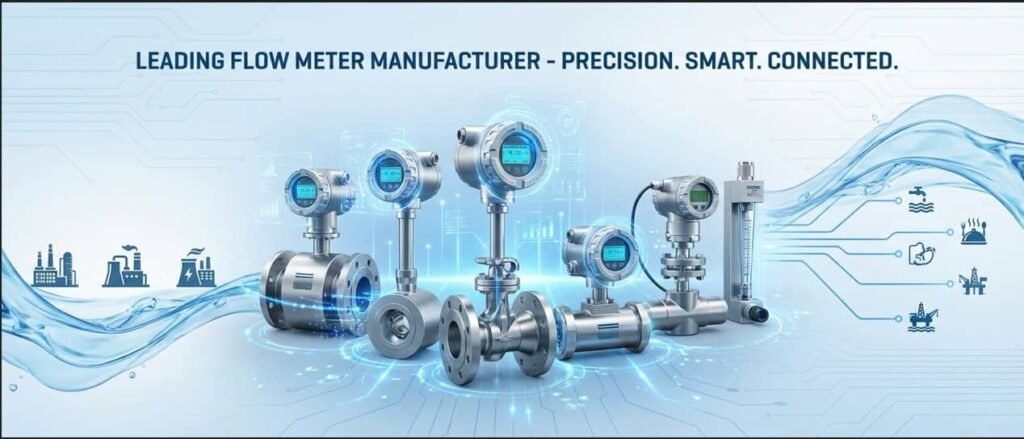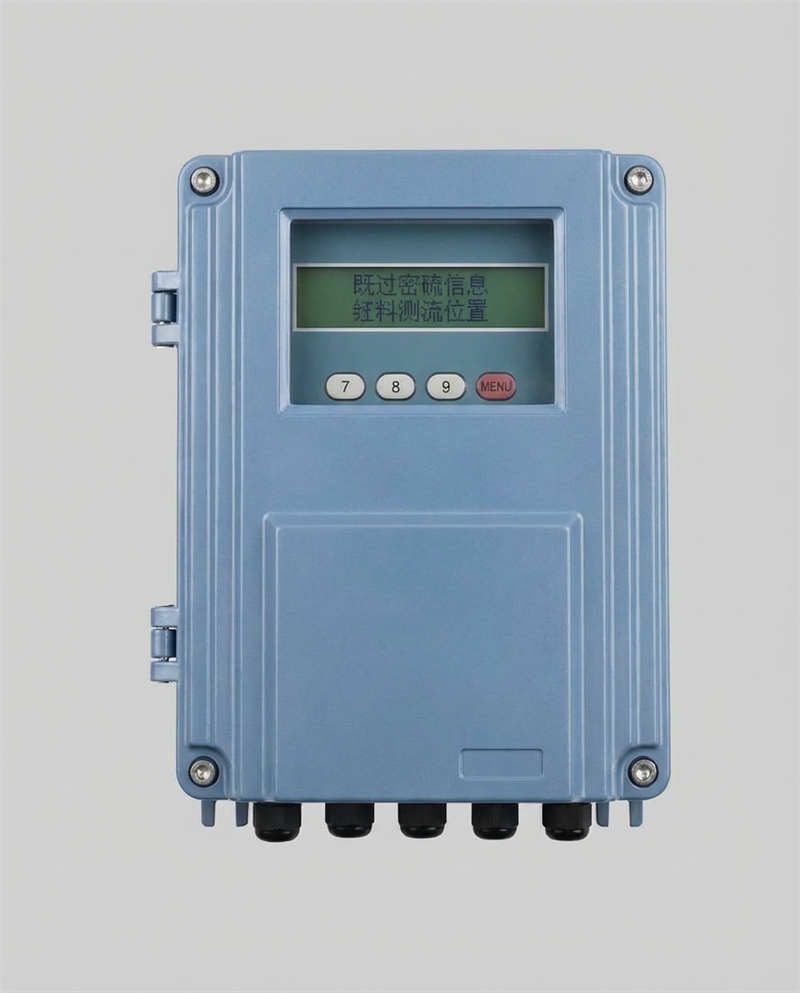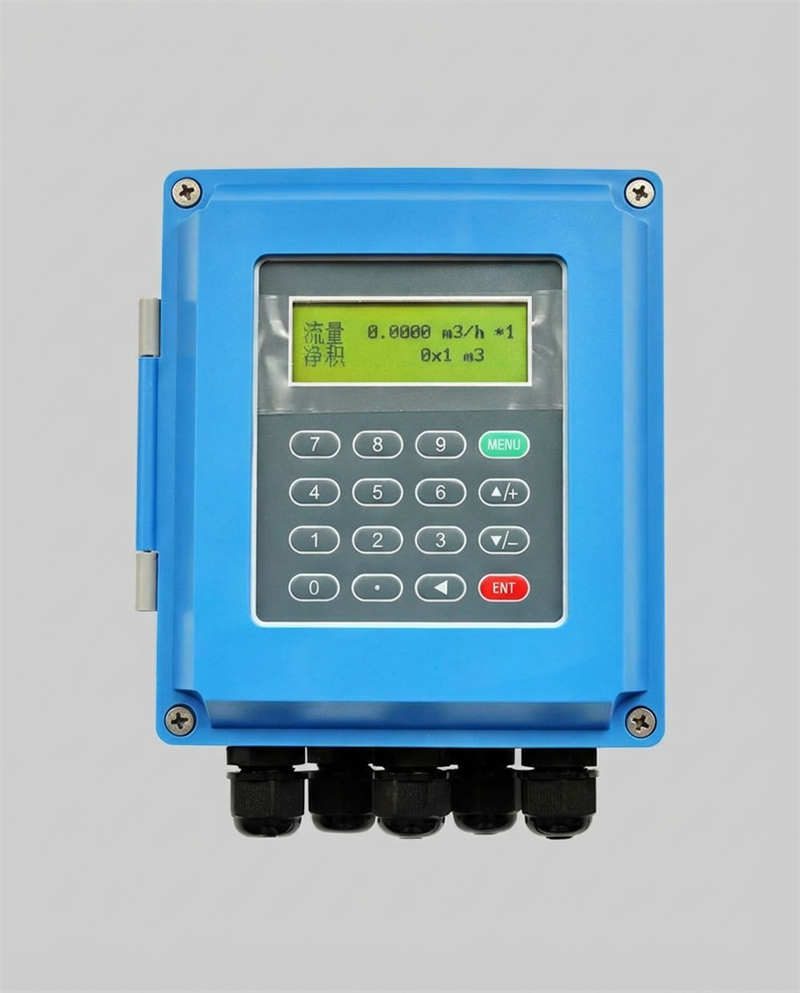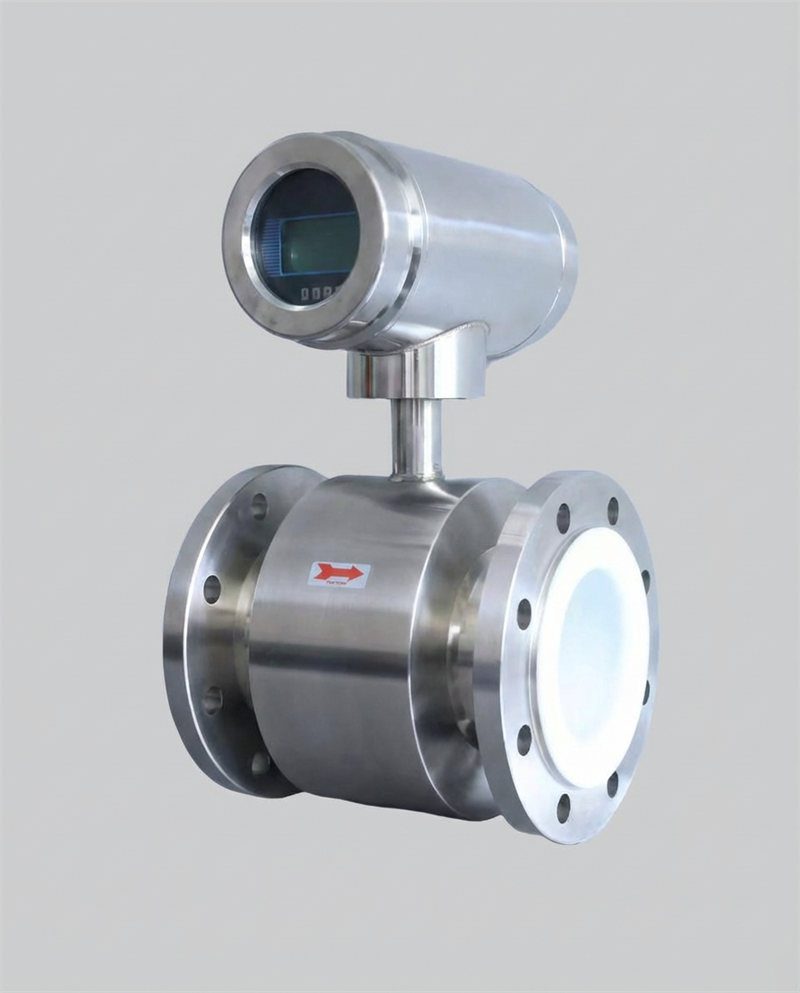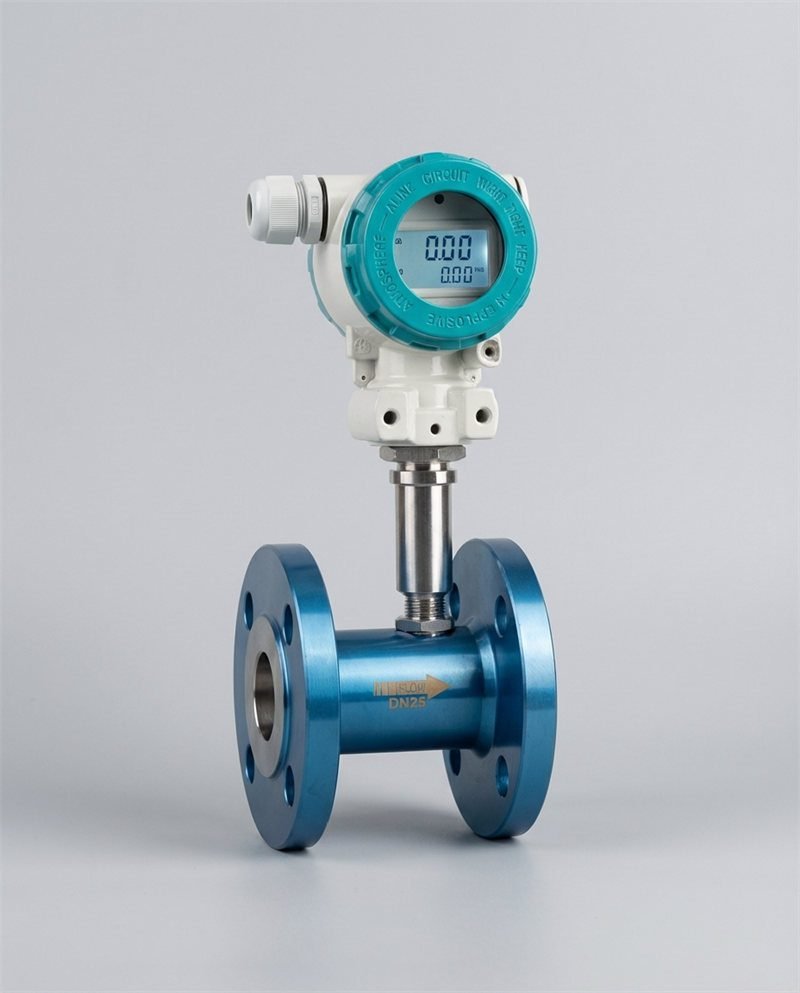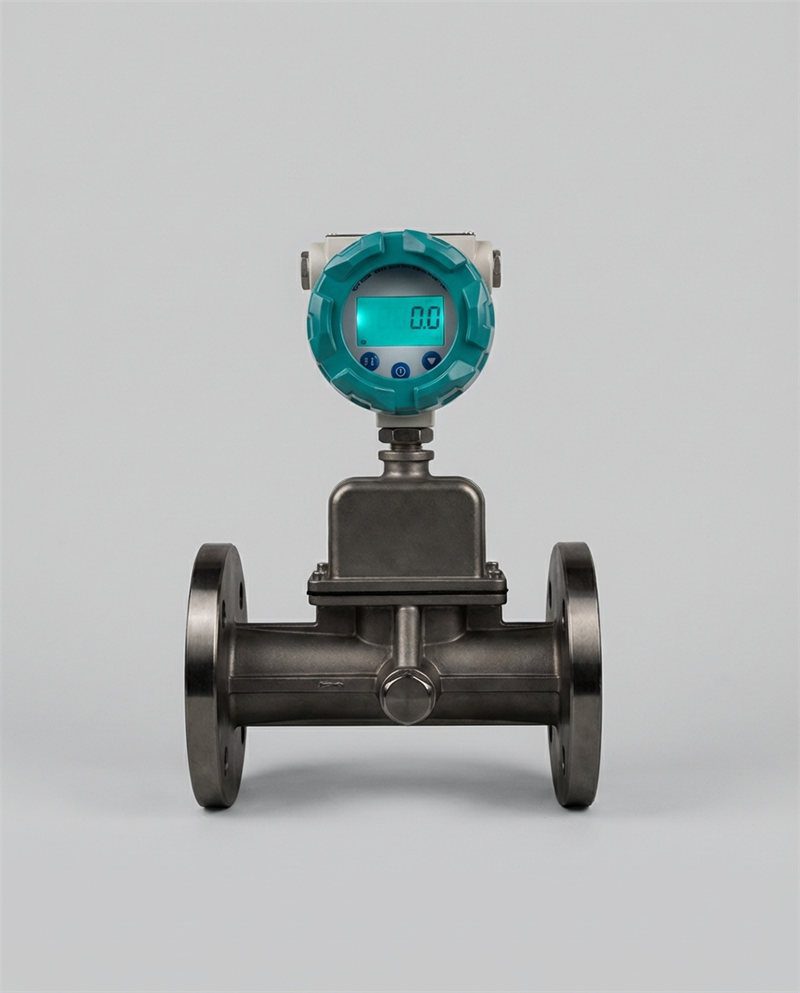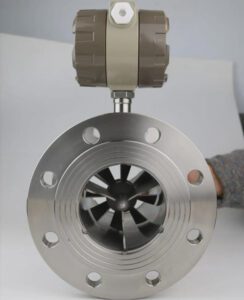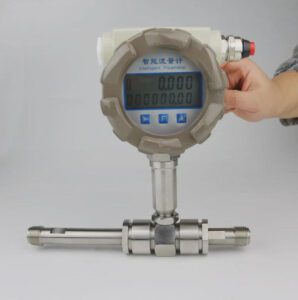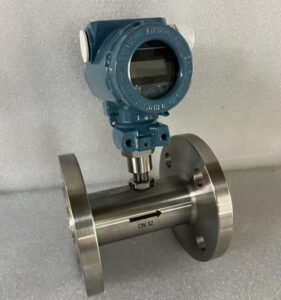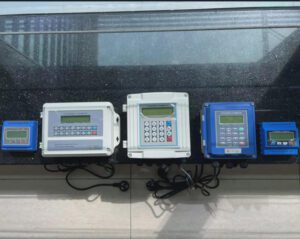
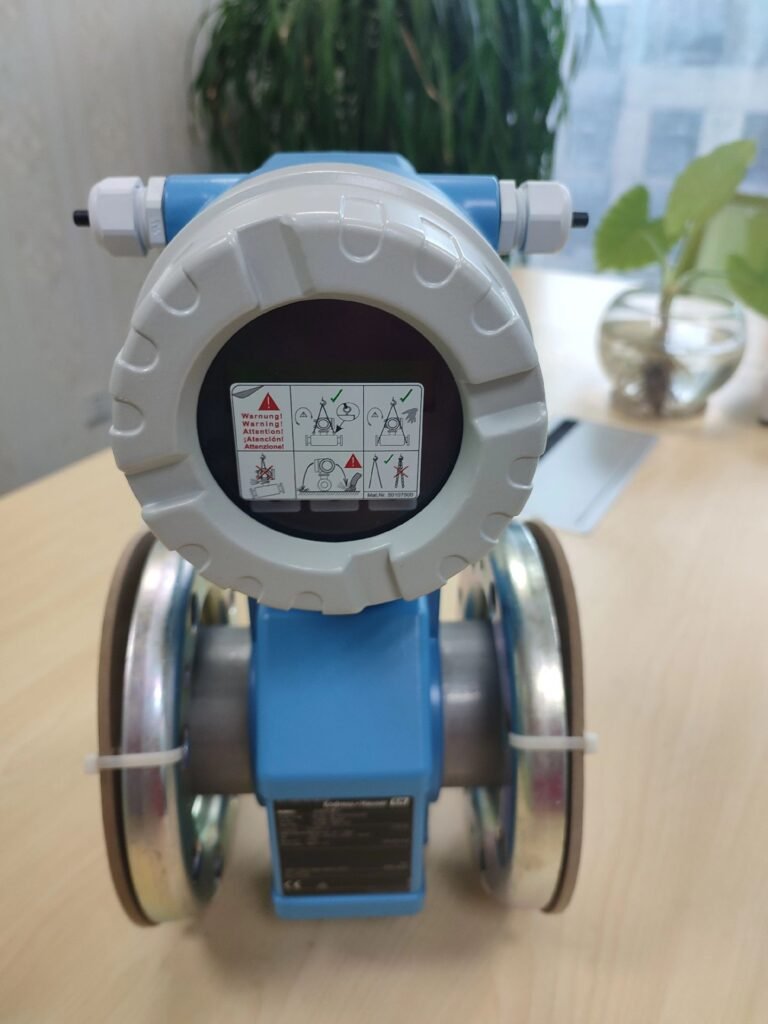

Skid-mount systems demand measurement precision from the first day of operation — and electromagnetic flow meters deliver it without requiring a single moving part.
The Measurement Problem That Costs OEMs the Most
You build a skid. You ship it. Three months later, you’re fielding a call about inconsistent readings, a dosing variance, or an integration error that your customer’s SCADA team can’t resolve. Sound familiar?
For OEM equipment manufacturers, EPC integrators, and MRO teams, the flow meter at the heart of a skid system is often where field problems originate — not because the technology is wrong, but because the wrong technology was specified in the first place.
A turbine meter with bearings that wear. A paddlewheel sensor that clogs in a slurry stream. A mechanical meter that drifts 2% per quarter and requires a process shutdown to recalibrate. Each of these failure modes translates directly into warranty calls, site visits, and damaged customer relationships — costs that don’t show up on the BOM but absolutely show up on the P&L.
Electromagnetic flow meters (also called magmeters) work on Faraday’s law of electromagnetic induction: two coils generate a magnetic field inside the pipe, the conductive fluid passing through that field induces a voltage, and electrodes measure that voltage to calculate flow rate. The relationship is linear, the bore is completely unrestricted, and there are no moving parts to wear out.
That physics-based simplicity translates into five operational benefits that matter specifically to the people building skid systems, integrating them into plants, maintaining them in service, and relying on them for billing and compliance.
This article walks through each benefit with the data behind it — not to sell you on a technology, but to help you make a specification decision you won’t be revisiting in 18 months.
Benefit #1: Unmatched Measurement Accuracy for Critical Processes
In a blending skid, a 1% measurement error doesn’t just affect one batch — it compounds. If you’re mixing a chemical formulation where component A is supposed to be 12.5% of total volume and your flow meter reads 1% high, every batch ships slightly out of spec. Over a production run of 10,000 batches, that’s a systematic quality problem that no downstream QC check will catch cleanly.
Modern electromagnetic flow meters deliver ±0.2% to ±0.5% of reading — a performance standard that turbine meters achieve only in ideal conditions, and that mechanical meters can’t maintain as they age.
That accuracy holds across the meter’s entire operating range, from minimum flow (as low as 0.03 m/s in high-sensitivity models) to maximum. It doesn’t degrade with fluid viscosity changes, temperature swings within the rated range, or moderate flow profile disturbances. The measurement depends only on fluid velocity and the magnetic field — not on fluid density, temperature, or viscosity, which is why the reading stays stable across operating conditions that would cause other technologies to drift.
For skid-mount OEMs, this has a direct business implication: fewer callbacks. A manufacturer of water treatment dosing skids that switched from turbine meters to electromagnetic meters across their product line documented a 40% reduction in field service calls related to measurement accuracy in the 24 months following the change. The turbine bearings had been degrading at approximately 0.3% per month under normal operating conditions — invisible in routine checks, but cumulative enough to cause dosing errors that triggered customer complaints.
For instrument distributors, accuracy translates into a product story that justifies the price difference in a sales conversation: you’re not selling a more expensive meter, you’re selling a meter that won’t generate warranty claims.
For custody transfer applications — where the flow reading is the number on the invoice — ±0.2% accuracy means disputes stay at the level of rounding differences, not measurement credibility challenges.
業界の洞察 The global electromagnetic flow meter market was valued at approximately USD 3.99 billion in 2025, projected to reach USD 5.33 billion by 2030 at a 5.9% CAGR (Mordor Intelligence, 2025). Magmeters hold roughly 23% of all industrial flow meter shipments — the single largest technology segment — driven precisely by this accuracy advantage in water treatment, chemical processing, and food/beverage applications.
Benefit #2: Bi-Directional Flow Measurement Without Additional Hardware
Consider what it takes to monitor both forward and return flow in a CIP (Clean-in-Place) system using mechanical meters: you need a separate meter in each direction, check valves, additional pipe fittings, and control logic to switch between readings. That’s more components, more weld joints, more potential leak points, and more commissioning complexity — all to solve a problem that an electromagnetic flow meter handles natively.
Bi-directional flow measurement is a built-in capability of every electromagnetic flow meter, not an add-on. The same physics that measures forward flow — voltage induced by fluid moving through a magnetic field — produces an equal and opposite signal when the fluid reverses. The meter reports forward flow as a positive value and reverse flow as a negative value with the same ±0.2%–0.5% accuracy in both directions.
For OEMs building CIP/SIP (Clean-in-Place/Sterilize-in-Place) skids for food, beverage, and pharmaceutical customers, this matters at the specification level. A single magmeter at the CIP supply header monitors both the forward cleaning flow and the return rinse flow, replacing what would otherwise be two separate measurement points. Fewer components means a more compact skid footprint, lower bill of materials cost, and fewer potential failure points for the end customer to manage.
For pump testing skids and hydraulic test rigs, bi-directional measurement tracks net flow during reciprocating cycles without requiring external totalizer logic to reconcile readings from two separate meters.
Municipal and utility customers managing distribution networks with pressure zone boundaries benefit from backflow detection as a native alarm function: when flow reverses across a zone boundary due to pressure transient or valve malfunction, the meter flags the event and timestamps it — without a separate instrument or differential pressure sensor to accomplish the same purpose.
Practical example: A skid manufacturer building chemical injection systems for oil field applications eliminated a check valve assembly from their standard design by specifying bi-directional magmeters on each injection line. The result was a 15% reduction in pipe fittings per skid and a corresponding reduction in potential leak points — a safety argument their customers accepted as readily as the cost argument.

The full-bore, unobstructed design of electromagnetic flow meters eliminates the pressure drop that forces engineers to oversize pumps in skid systems — a detail that affects operating cost for the lifetime of the equipment.
Benefit #3: Minimal Maintenance and No Moving Parts
Here is a maintenance cost comparison that most skid manufacturers don’t calculate until after they’ve built several product generations.
A turbine meter on a water-based process line has bearings that need replacement every 18–36 months under normal operating conditions. Each maintenance event requires: process isolation, meter removal, bearing replacement or meter swap, reinstallation, pressure testing, and recalibration. A conservative estimate for a DN50 turbine meter maintenance event — including parts, labor, and process downtime — is USD 800 to USD 1,800 per event. Over a 10-year service life with four to six maintenance events, the maintenance cost alone exceeds the original purchase price of the meter.
An electromagnetic flow meter has no moving parts in contact with the fluid. Nothing rotates, nothing reciprocates, nothing wears through fluid friction. The sensor body on a well-selected magmeter in a clean-water or chemical service application regularly exceeds 20–25 years of service life without any mechanical intervention. The primary maintenance activity is periodic electrode inspection (typically every 3–5 years) and liner condition assessment — both of which can be done during a planned turnaround without removing the meter from the pipe on models with accessible electrode assemblies.
For MRO managers at industrial terminals and process facilities, this is the number that drives long-term procurement decisions. A site running 40 measurement points that switches from turbine meters to magmeters reduces annual maintenance events by an estimated 80–120 per year — hours that maintenance technicians can redirect to higher-value work.
For instrument distributors, fewer warranty returns means lower service overhead. A distributor handling 200 magmeter installations will see a fraction of the field returns that the equivalent turbine meter population generates — and the returns that do occur are almost always installation-related (grounding, liner mismatch) rather than product defects.
The no-moving-parts advantage extends to clogging resistance. Slurries, fibrous materials, and fluids with suspended solids pass through the full, unrestricted bore without any internal component to catch on. A paddlewheel or turbine meter on a wastewater slurry line will clog during the first significant solids event. The same line with a hard-rubber-lined magmeter runs continuously — the solids have nothing to accumulate on.
| メーターの種類 | Avg. Maintenance Events (10 yr) | Cost per Event (USD) | 10-yr Maintenance Cost (USD) | 可動部品 | Clog Risk |
|---|---|---|---|---|---|
| Electromagnetic (Magmeter) | 1–2 | 300–500 | 300–1,000 | なし | なし |
| タービン式流量計 | 4–6 | 800–1,800 | 3,200–10,800 | Yes (rotor, bearings) | 中程度 |
| Paddlewheel Meter | 5–8 | 400–900 | 2,000–7,200 | Yes (paddle) | 高 |
| Positive Displacement | 3–5 | 1,200–2,500 | 3,600–12,500 | Yes (gears/pistons) | Low–Moderate |
| Vortex Meter | 2–3 | 600–1,200 | 1,200–3,600 | None (but obstructor) | 低 |
Source: Compiled from MAC Instruments electronic vs. mechanical TCO analysis, NZ Flow Group field maintenance records, and manufacturer service data. Values represent DN50–DN100 process liquid applications under standard operating conditions.
Benefit #4: Full Bore Design Enables Low Pressure Drop and High Flow Capacity
Every obstruction inside a pipe costs energy. An orifice plate can impose a permanent pressure drop of 0.5 bar or more. A turbine meter adds 0.1–0.3 bar. A paddlewheel sensor creates measurable restriction at the insertion point.
An electromagnetic flow meter has a completely unobstructed bore — the inner diameter matches the adjacent pipe exactly, with only flush-mounted electrodes that protrude less than 2mm into the flow. The result is a pressure drop of approximately 0.01 to 0.1 bar — effectively zero in most applications.
For a skid engineer, that difference matters in two ways. First, the pump selection for the skid can be sized for the actual system resistance rather than for a measurement-device pressure penalty. On a water treatment dosing skid running a 75W pump continuously, eliminating a 0.2 bar pressure drop across the meter reduces pump power consumption by approximately 8–12% — roughly USD 180–270 per year in electricity at USD 0.10/kWh. Over a 10-year asset life, that’s USD 1,800–2,700 per measurement point, per skid.
Second, in gravity-feed systems where available head is limited, even a 0.1 bar pressure drop across an orifice plate or turbine meter can push the hydraulics below the minimum required flow threshold. Magmeters allow gravity-feed system designers to use the available head for the process, not sacrifice it to the meter.
For EPC integrators optimizing hydraulic models across a facility with 50–200 measurement points, the aggregate pump power reduction from zero-pressure-drop measurement technology is a meaningful contribution to the facility’s energy balance — and in jurisdictions with ISO 50001 energy management certification requirements, it’s a documented, auditable efficiency improvement.
Compact skid design benefit: The full-bore design also simplifies piping. Because there is no internal obstruction to protect from solids upstream or to create cavitation risk downstream, the required straight-pipe run for a magmeter (5D upstream, 2–3D downstream) is shorter than for most alternatives. On a compact skid where every 100mm of pipe length is negotiated, that shorter installation envelope is a real design advantage.
Benefit #5: Versatile Fluid Compatibility — For Every Conductive Liquid You Process
An electromagnetic flow meter works with any conductive fluid — meaning any fluid with an electrical conductivity above 5 μS/cm (microsiemens per centimeter), which is the standard minimum threshold for commercial magmeters. In practice, this covers the vast majority of industrial liquids:
- Municipal and process water: 300–800 μS/cm — well above threshold
- Wastewater and sewage: 500–3,000 μS/cm — excellent signal
- Hydrochloric acid (10%): ~40,000 μS/cm — strong signal
- Sodium hydroxide solutions: 10,000–100,000+ μS/cm — very strong signal
- Food-grade juices and beverages: 500–5,000 μS/cm — within range
- Mining slurries (conductive ore/water mix): typically 1,000–10,000 μS/cm — measurable
What magmeters cannot measure is equally important to state clearly: hydrocarbon oils, solvents, steam, gases, and deionized water below 1 μS/cm are outside the operating range. Specifying a magmeter on a diesel transfer line is a specification error, not a product failure — and it is one of the most common mistakes made when a purchasing team applies a “standard meter” across a mixed-service skid.
For OEM manufacturers building multiple skid variants, the practical value of fluid compatibility is standardization. If your product range includes water treatment skids, chemical dosing units, and municipal lift station packaged systems — all handling conductive liquids — you can specify a single magmeter family across all variants. One spare parts kit. One calibration procedure. One set of training materials for your service technicians. The operational simplicity of standardizing on a proven magmeter platform across a product portfolio is an underappreciated cost savings that shows up in procurement, inventory, and field support simultaneously.
For municipal utility customers managing a distribution network with variable influent and effluent quality, the fluid versatility means the same meter model can be used at the raw intake (variable turbidity, moderate conductivity), chemical dosing points (highly conductive acid or chlorine solutions), and treated-water distribution headers — reducing the number of meter families in the asset register and simplifying the maintenance program.

From dilute municipal water to 40% mining slurries, electromagnetic flow meters handle the full range of conductive industrial liquids — the same meter family serves water treatment, chemical dosing, and wastewater return lines.
Seamless Integration into Skid Systems and Control Platforms
A flow meter that measures accurately but can’t communicate reliably with your control system isn’t solving your integration problem — it’s creating a new one.
Modern electromagnetic flow meters support every major industrial communication protocol, which means the meter fits into the plant’s existing automation architecture rather than requiring a custom interface.
The standard output set on commercial magmeters covers 4–20mA analog (universal — connects to any PLC analog input card manufactured in the last 30 years), pulse output (for totalizing and batch control), Modbus RTU/TCP (the dominant industrial SCADA protocol for RS-485 and Ethernet networks), PROFIBUS DP (the Siemens-ecosystem standard for DCS integration), HART (digital overlay on 4–20mA, enabling remote diagnostics and multi-variable access without additional wiring), and on newer platforms, EtherNet/IP そして PROFINET for high-speed Ethernet-based industrial networks.
For EPC integrators, this protocol flexibility reduces engineering hours in two ways. First, the meter can be specified before the final control system is selected — a common project sequencing reality — because it will support whatever platform the client chooses. Second, plug-and-play Modbus register maps and pre-configured PROFIBUS GSD files eliminate the custom driver development that was previously required to bring a new meter into a project’s SCADA data structure.
IIoT and remote monitoring connectivity is increasingly specified at the project level rather than treated as a premium feature. Magmeters with HART 7 or Modbus TCP output connect to IoT gateway devices that relay flow data to cloud platforms (AWS IoT, Azure IoT Hub) with no protocol conversion required. For system integrators building remote monitoring packages for distributed networks, this capability means a meter installed at a rural pumping station can send real-time flow data to a central operations center without dedicated telemetry hardware beyond a cellular modem.
Commissioning time reduction is where the integration advantage becomes tangible in project cost. An EPC team deploying 35 meters across a new water treatment facility that uses pre-configured Modbus register maps and bulk configuration tools reported reducing per-meter commissioning time from approximately 4 hours to under 45 minutes — a saving of roughly 3.25 hours per meter, or 114 hours across the project. At a senior instrumentation engineer day rate, that represents a direct cost saving on the project.
For more on communication protocol selection and control system compatibility, Jade Ant Instruments’ electromagnetic flow meter selection guide covers the protocol compatibility matrix across all major DCS and SCADA platforms.
Material and Liner Options for Corrosion Resistance and Longevity
The liner — the material that coats the inside bore of the meter body — is the single most important long-term reliability decision in a magmeter specification. The liner is in direct contact with the process fluid across the full bore diameter, and a mismatch between liner chemistry and fluid chemistry can cause failure within months.
A 2024 analysis of 1,247 magmeter field service tickets found that 50% of failures traced to improper grounding and 20% to mismatched liner or electrode materials. Together, two specification errors account for seven out of every ten magmeter field failures — problems that no amount of post-purchase troubleshooting can resolve without replacing the meter body.
The following table maps the most common liner and electrode materials to their applications:
| 素材 | Type | 温度範囲 | Key Strength | 最優秀アプリケーション |
|---|---|---|---|---|
| Hard Rubber (Ebonite) | Liner | 0°C to +80°C | Abrasion + vacuum resistance | Municipal water, wastewater, mild slurries |
| PTFE (Teflon) | Liner | -40°C ~ +180°C | Chemical resistance to acids/bases/solvents | Strong acids, alkalis, chemical dosing |
| PFA | Liner | -40°C to +150°C | Ultrapure, FDA-compliant | Pharmaceutical, food-grade, ultrapure water |
| Polyurethane | Liner | -20°C to +50°C | Superior abrasion resistance | Mining slurries, dredging, cement |
| Ceramic (Al₂O₃) | Liner | 0°C to +180°C | Hardest available, maximum abrasion | Ceramic slurry, high-grit mining tailings |
| 316L Stainless Steel | Electrode | — | General corrosion resistance | Water, wastewater, mild chemical service |
| ハステロイ C-276 | Electrode | — | Broad acid/chloride resistance | HCl, H₂SO₄, mixed acids, chlorinated service |
| Titanium (Grade 2) | Electrode | — | Excellent in chlorinated/oxidizing media | Seawater, bleach, desalination, chlor-alkali |
| タンタル | Electrode | — | Extreme acid resistance | Hot concentrated HCl, chromic acid |
Sources: Yokogawa lining technology guide, Zero Instrument electrode selection guide, manufacturer data sheets.
A documented liner selection error: A chlor-alkali plant in Texas specified 316L electrodes on a brine line carrying 3,500 ppm chlorine. The electrodes showed visible pitting within 14 months. The replacement with titanium electrodes cost USD 1,800 per sensor and ran for seven years without degradation — avoiding over USD 22,000 in production losses per meter location. The titanium upgrade cost less than two months of avoided downtime.
For distributors managing a stocking portfolio across multiple end-user industries, the liner and electrode matrix enables a “core model” approach: a small number of base meter bodies with different liner/electrode combinations covers the majority of industrial and municipal applications. Three or four standard configurations — hard rubber/316L for water and wastewater, PTFE/Hastelloy for chemical service, polyurethane/316L for slurry, PFA/titanium for food and pharmaceutical — will address over 80% of the orders a typical distributor processes, simplifying inventory without sacrificing application coverage.
Case Study Snapshot: How a Leading OEM Reduced Field Failures by 40%
A manufacturer of industrial water treatment dosing skids serving municipal water authorities and chemical process plants had been specifying turbine meters as standard equipment on their DN25–DN50 chemical feed lines. The meters were competitively priced and familiar to the service team.
By year two of their product lifecycle, a pattern had emerged in the warranty data: approximately 22% of skids returned for service within 36 months had measurement-related complaints. The root cause breakdown: 60% of complaints traced to turbine bearing wear causing low-reading drift, 25% to turbine clogging from chemical precipitates in the dosing fluid, and 15% to calibration drift requiring site recalibration visits.
The intervention was straightforward. The OEM replaced turbine meters with electromagnetic flow meters — PTFE-lined, Hastelloy-electrode models for chemical service lines, hard-rubber/316L models for water supply lines — across their standard skid design. Unit cost increased by approximately USD 350 per measurement point.
At the 24-month post-change warranty review, field failure incidents related to flow measurement had dropped by 41% compared to the same period with turbine meters. Field service visits attributable to flow meter problems fell from an average of 1.8 per skid per year to 0.4. At a service visit cost of approximately USD 1,200 (travel, labor, parts), the avoided service cost per skid per year was approximately USD 1,680 — more than four times the incremental meter cost.
The OEM’s customer satisfaction scores in the “reliability” category improved from 3.8/5 to 4.6/5 over the same period. Repeat purchase rates from municipal authority customers — for whom skid reliability is a procurement criterion — increased by 18%.
The ROI arithmetic: The electromagnetic meter premium of USD 350 per point was recovered within 2.5 months of avoided service calls. Over a 5-year product life cycle, the net TCO benefit per measurement point was approximately USD 8,000 — a figure that dwarfs the original purchase price differential.
Total Cost of Ownership: A 10-Year Comparison
The purchase price of an electromagnetic flow meter is typically 1.5–2.5× higher than a comparable mechanical meter. Over 10 years, that initial premium becomes irrelevant against the maintenance cost gap.
| 費用区分 | Turbine Meter (DN50) | Electromagnetic Meter (DN50) |
|---|---|---|
| 購入価格 | USD 600 | USD 1,400 |
| インストール | USD 800 | USD 800 |
| Calibration (3× over 10 yr) | USD 2,400 | USD 1,200 |
| Maintenance / bearing replacement | USD 5,400 | USD 600 |
| Unplanned downtime (avg. 2 events) | USD 4,000 | USD 800 |
| Measurement error cost (process/billing) | USD 6,000 | USD 1,200 |
| 10-Year TCO | USD 19,200 | USD 6,000 |
Values are illustrative for a DN50 process liquid application (water, chemical service). Actual costs vary by site, fluid, and operating conditions. Sources: NZ Flow Group TCO comparison, MAC Instruments reliability analysis, manufacturer field service data.
The 10-year TCO advantage of the electromagnetic meter in this example is approximately USD 13,200 per measurement point — roughly 9.4× the initial purchase price premium. The payback period on the incremental investment (USD 800) is approximately 5–7 months through avoided maintenance costs alone.
Implementation Roadmap: From Specification to Commissioning
Getting the specification right before the purchase order is signed prevents the majority of field problems. Here is a practical decision sequence for skid builders, integrators, and MRO teams:
Step 1 — Confirm fluid conductivity. Before any other decision, verify that the process fluid exceeds 5 μS/cm. If the fluid is non-conductive (hydrocarbons, pure solvents, DI water below 1 μS/cm), a magmeter is not applicable. Refer to the flow meter selection guide at Jade Ant Instruments to identify the appropriate alternative technology.
Step 2 — Select liner based on fluid chemistry and temperature. Cross-reference the fluid chemical composition with the manufacturer’s chemical resistance chart. Never assume that “plastic liner” is sufficient — PTFE, PFA, polyurethane, and hard rubber have significantly different resistance profiles. For aggressive chemical service, request the specific liner grade’s compatibility data for your exact fluid concentration and temperature.
Step 3 — Select electrode material based on corrosion potential. Start with 316L for general water service, move to Hastelloy C-276 for acid and chlorinated service, specify titanium for seawater and bleach, and reserve tantalum for the most extreme acid conditions.
Step 4 — Size the meter for velocity, not pipe size. Confirm that the expected flow rate places fluid velocity in the 1–10 m/s range in the selected bore. Downsize by one pipe diameter if normal operating velocity falls below 0.5 m/s. For reference, Endress+Hauser’s full-bore design resource provides velocity-range data for their product range.
Step 5 — Specify communication protocol to match the control system. Modbus RTU/TCP for most industrial SCADA systems. PROFIBUS DP for Siemens DCS platforms. HART for plants with existing HART-enabled field devices. EtherNet/IP for Rockwell-based automation environments.
Step 6 — Plan grounding. On non-conductive pipe materials (HDPE, PVC, FRP), grounding rings are mandatory. On conductive metallic pipe, verify that the meter body has a continuous earth path to the plant ground bus. This single step prevents the grounding-related failures that account for half of all magmeter field complaints.
Step 7 — Commission with verification. Use the meter’s built-in empty-pipe detection to confirm full-bore operation before logging readings. Verify Modbus register mapping against the SCADA tag list before the site handover. Document the baseline signal quality reading for future comparison.
Future-Proofing Your Skid Systems with Smart Flow Technology
Electromagnetic flow meters are not just better mechanical meters — they are sensors that belong in a connected, data-driven operations environment.
The diagnostic capabilities built into modern magmeters — electrode coating detection, empty-pipe alerts, self-verification routines, signal quality monitoring — generate a continuous stream of instrument health data that predictive maintenance platforms can use to schedule interventions before failures occur. For a facility running 80 measurement points, receiving a notification that “Meter #47 shows early electrode coating consistent with calcium scale buildup in the next 60–90 days” is worth more than the most accurate flow reading the meter has ever produced.
Cloud connectivity via MQTT or REST API allows centralized dashboards to display real-time flow data from skids deployed at dozens of customer sites simultaneously — giving OEM manufacturers visibility into how their product is performing in the field, not just at the factory acceptance test.
As IIoT ecosystems mature and smart city infrastructure scales, the flow meters installed in systems today will be the data sources that feed tomorrow’s digital twins and operational analytics platforms. An electromagnetic flow meter with HART 7 or Modbus TCP output is already compatible with the data layers those platforms require — no hardware change needed, only a software configuration update.
ジェイド・アント・インストゥルメンツ manufactures ISO 9001-certified electromagnetic flow meters in sizes DN10–DN2000, with PTFE, hard rubber, ceramic, and polyurethane liner options. Their product range covers the full industrial and municipal application spectrum, with OEM customization available for branded skid integration and API documentation for HMI software connectivity.
Relevant YouTube Resource
For a clear, concise explanation of how electromagnetic flow meters work — including the Faraday’s law principle, electrode function, and common installation scenarios:
Magnetic Flow Meter Explained — Working Principles & Industrial Applications
Glossary of Key Technical Terms
Electromagnetic Flow Meter (Magmeter): A flow measurement device that uses Faraday’s law of electromagnetic induction to measure fluid velocity. Two coils generate a magnetic field inside the pipe; the conductive fluid induces a proportional voltage measured by two electrodes. No moving parts, no obstruction. Requires a minimum fluid conductivity of ~5 μS/cm.
Faraday’s Law (in flow measurement): The physical principle that a conductive fluid moving through a magnetic field generates a voltage proportional to its velocity. This voltage — typically in the millivolt range — is what the magmeter’s transmitter converts into a flow rate reading.
μS/cm (Microsiemens per centimeter): The unit of electrical conductivity. Higher values mean the fluid conducts electricity more readily. Municipal tap water reads 300–800 μS/cm. Deionized water below 1 μS/cm cannot be measured by standard magmeters.
Liner: The internal coating of the meter body that contacts the process fluid. Liner selection determines chemical compatibility and abrasion resistance. Common materials: hard rubber (water/wastewater), PTFE (chemical service), PFA (pharmaceutical), polyurethane (slurry), ceramic (high-abrasion mining).
Electrode: The flush-mounted sensing elements that measure the voltage induced by the flowing fluid. Electrode material must resist the specific chemistry of the process fluid. Common materials: 316L stainless steel (water), Hastelloy C-276 (acid service), titanium (chlorinated/oxidizing media), tantalum (extreme acid).
Full Bore Design: A meter configuration where the internal diameter matches the adjacent pipe exactly — no restriction, no obstruction, effectively zero permanent pressure drop.
CIP (Clean-in-Place): An automated pipeline cleaning process used in food, beverage, dairy, and pharmaceutical plants. Cleaning solutions are circulated through the same piping used for product, without disassembly. Bi-directional magmeters monitor both forward cleaning flow and return rinse flow on a single meter.
TCO (Total Cost of Ownership): The complete 10-year cost of operating a flow meter, including purchase price, installation, calibration, maintenance, spare parts, and downtime costs. The metric that consistently favors magmeters over mechanical alternatives for medium- to long-term industrial deployments.
Modbus RTU/TCP: The most widely used industrial communication protocol for SCADA and PLC integration. RTU = serial RS-485 communication; TCP = Ethernet-based. Both carry flow rate, totalized volume, temperature, and diagnostic data from the meter to the control system.
HART(Highway Addressable Remote Transducer): A digital communication overlay on standard 4–20mA wiring. Allows remote meter configuration, multi-variable data access, and diagnostics without additional cables. HART 7 is the current standard.
よくある質問 (FAQ)
1. Why should OEMs choose electromagnetic flow meters over mechanical or turbine meters in skid systems?
The business case rests on warranty cost reduction, not just technical specification. A turbine meter has bearings and rotors that wear. In a 36-month product warranty window, bearing wear produces a progressive low-reading drift — typically 0.3% per month under normal use — that triggers dosing errors, quality complaints, and service callbacks. The OEM pays for those service visits. Electromagnetic meters have no moving parts; nothing wears, nothing drifts. For a skid manufacturer shipping 100+ units per year, the reduction in field service calls attributable to measurement drift typically recovers the entire incremental meter cost within the first 6 months of the product change. Beyond the financial argument, a skid with a known-accurate, low-maintenance meter commands a more credible reliability narrative in competitive sales situations — particularly with municipal authority customers who evaluate lifecycle cost explicitly.
2. Can electromagnetic flow meters measure non-conductive fluids like oils or solvents?
No — and this is the most important specification constraint to communicate clearly. Electromagnetic meters require a minimum fluid conductivity of approximately 5 μS/cm. Hydrocarbon oils, diesel, petrol, most organic solvents, and pure gases fall well below this threshold. Deionized water below 1 μS/cm also cannot be measured by standard magmeters. For non-conductive liquids, the appropriate alternatives are transit-time ultrasonic meters (for clean liquids), Coriolis meters (for mass flow measurement of non-conductive fluids where accuracy is critical), or vortex meters (for steam and gases). If your skid handles a mix of conductive and non-conductive streams, the flow meter technology comparison guide from Jade Ant Instruments provides a structured side-by-side selection framework.
3. How do magmeters handle slurry or abrasive media in industrial applications?
The full-bore, unobstructed design means solids pass through without catching on internal components — which is why magmeters outperform turbine and paddlewheel meters in slurry service before liner selection is even considered. The critical decision is liner material. For abrasive slurries (mining tailings, cement slip, mineral processing), polyurethane liner offers the best balance of abrasion resistance and chemical compatibility. For the most aggressive abrasion scenarios — ceramic slurry, high-grit ore slurry at velocities above 3 m/s — alumina ceramic liners (Al₂O₃) provide significantly longer service life. A mining operator running magnetite slurry at 35% solids documented polyurethane liner life of 4+ years versus a turbine meter that required replacement every 8 months on the same line. At approximately USD 3,200 for a turbine meter replacement versus USD 400 for a polyurethane liner replacement at the 4-year interval, the liner replacement economics are compelling even before factoring in the downtime difference.
4. Are electromagnetic flow meters suitable for sanitary or hygienic skid applications?
Yes, with the appropriate configuration. Food, beverage, dairy, and pharmaceutical applications require meters that meet 3-A Sanitary Standards and EHEDG (European Hygienic Engineering and Design Group) guidelines. Sanitary magmeters use tri-clamp or DIN 11851 hygienic connections (which disassemble for inspection without tools), PFA or PTFE liners (FDA-compliant, non-porous, no crevice surfaces), and polished stainless steel bodies with Ra ≤ 0.8 μm internal surface finish. Models that meet these criteria are available from most major manufacturers. For pharmaceutical WFI (Water for Injection) loops, where FDA 21 CFR Part 211 prohibits dead-leg fittings, flush-electrode sanitary magmeters measure flow without creating the internal crevices that would fail a validation audit.
5. Do magmeters require straight pipe runs for accurate measurement?
Most commercial magmeters perform best with 5D upstream and 2–3D downstream straight pipe (where D is the pipe inner diameter). This is significantly shorter than the 10–20D required by turbine and vortex meters under the same conditions — an important advantage in compact skid design where every centimeter of pipe run is at a premium. Some models, notably KROHNE’s OPTIFLUX 2300 with ENVIROMAG electrode technology, have been validated for 0D/0D installation through independent testing at PTB Germany, and are approved for custody-transfer-grade water metering without any upstream straight run. For most industrial monitoring and dosing applications, 5D/2D is achievable in a standard skid layout without special accommodation.
6. How do temperature and pressure affect electromagnetic flow meter performance?
Temperature and pressure affect the liner and electrode materials, not the fundamental measurement principle. The measurement — voltage induced by a moving conductive fluid — is independent of temperature and pressure within the rated range. What changes with temperature is the liner’s dimensional stability and chemical resistance: a PTFE liner rated to +180°C will begin to distort if operated under full vacuum at elevated temperature (PTFE has limited vacuum resistance without mechanical backing). What changes with pressure is the liner’s sealing integrity at the flange faces. Provided the meter is specified with a liner and electrode combination rated for the actual operating temperature, pressure, and fluid chemistry, performance is stable across the operating envelope. For applications with extreme temperature cycling (e.g., steam-sterilized pharmaceutical loops that swing from 20°C to 140°C), confirm liner thermal cycle fatigue data with the manufacturer.
7. Can magmeters be used for bidirectional flow in CIP systems?
Yes — bidirectional measurement is native to electromagnetic flow technology, not an add-on. The induced voltage changes sign when flow reverses, and the transmitter reports the direction and magnitude of reverse flow with the same accuracy as forward flow. In a CIP system, a single magmeter at the supply header monitors both the forward cleaning solution flow and the return rinse flow — eliminating the need for a second meter and associated valving on the return line. For pharmaceutical and food processing customers who must demonstrate cleaning validation (that the required CIP flow velocity and volume were achieved), the magmeter’s bidirectional totalized volume record provides a direct audit trail for regulatory submissions.
8. What communication protocols do modern electromagnetic flow meters support?
Standard outputs on commercial magmeters include 4–20mA analog (universal PLC/DCS compatibility), pulse/frequency (for totalizing and batch control logic), Modbus RTU over RS-485 (for industrial SCADA networks), HART 7 (digital overlay on 4–20mA for remote diagnostics and multi-variable access), and PROFIBUS DP (for Siemens DCS ecosystems). Premium models add Foundation Fieldbus, PROFINET, and EtherNet/IP. The newest protocol — Ethernet APL (Advanced Physical Layer) — delivers 10 Mbit/s two-wire Ethernet to the field device, enabling real-time web-based dashboards, remote firmware updates, and full meter configuration from any browser without a site visit. For a practical guide to matching meter output protocols with plant automation architectures, the flowmeter communication protocols guide from Turbines Incorporated covers each protocol’s strengths, limitations, and typical integration scenarios.
9. How often do electromagnetic flow meters need calibration?
For general process monitoring applications, the industry standard is every 2–5 years, depending on fluid aggressiveness and the accuracy requirement. Many models support in-situ self-verification — the meter generates a verification report without interrupting the process — which can extend the calibration interval by providing documented evidence that the meter has not drifted between formal calibrations. For custody transfer and billing applications, annual calibration at an ISO 17025-accredited flow calibration laboratory is standard practice, with the calibration interval specified in the commercial measurement agreement. Compared to turbine meters — which typically require annual calibration due to bearing wear — the extended verification intervals of magmeters represent a direct reduction in annual calibration cost and process interruption frequency.
10. Are magmeters suitable for wastewater and municipal water treatment applications?
Municipal water and wastewater are arguably the natural habitat of the electromagnetic flow meter. The combination of conductive fluid (300–3,000 μS/cm), variable flow rates, solids content (especially in raw wastewater), and the requirement for accurate billing-quality measurement makes magmeters the default specification across lift stations, influent monitoring, effluent discharge measurement, and chemical dosing points. Hard rubber liners provide abrasion and vacuum resistance for raw sewage service. PTFE or PTFE-backed designs handle chlorinated dosing lines. The full-bore design tolerates the rag and fibrous solids content that destroys turbine meters in wastewater service. For municipal utility managers evaluating compliance with EPA flow measurement requirements at discharge points, high-accuracy magmeters (±0.2% of reading) deliver the measurement confidence needed for NPDES permit compliance documentation.
11. Can distributors stock universal magmeter models to serve multiple end-users?
Yes — and this is one of the most practical inventory management advantages of the magmeter product family. A core stocking strategy based on three or four standard configurations covers the majority of industrial and municipal orders: hard rubber liner / 316L electrodes for water and wastewater, PTFE liner / Hastelloy C-276 electrodes for general chemical service, polyurethane liner / 316L electrodes for slurry and abrasive media, and PFA liner / titanium electrodes for food, pharmaceutical, and chlorinated service. With configurable outputs (4–20mA, Modbus, pulse) selectable via the transmitter menu — no hardware change required — the same stock unit ships to a water utility, a food processing plant, or a chemical dosing skid OEM. The top 5 magnetic flow meter brand comparison from Jade Ant Instruments provides stocking recommendations by application segment for distributors building their first magmeter inventory.
12. What is the typical lifecycle cost advantage of magmeters versus other flow technologies?
Across well-documented case studies, the 10-year TCO of electromagnetic flow meters is 30–50% lower than mechanical alternatives on comparable process liquid applications. The advantage is driven primarily by three factors: eliminated bearing/rotor replacement events (saving USD 3,200–10,800 per meter over 10 years), extended calibration intervals (saving USD 800–1,200 per avoided calibration event), and reduced unplanned downtime (valued at USD 800–15,000 per avoided event depending on process criticality). The initial purchase price premium of USD 600–1,200 over a turbine meter is typically recovered within 5–18 months. For facilities specifying 50–200 measurement points, the aggregate lifecycle saving across the measurement point population represents a capital project-scale financial benefit — one that is increasingly recognized in the specification stage rather than discovered in the maintenance budget.
13. How do electromagnetic flow meters handle low-flow conditions?
High-sensitivity magmeter models can measure flow velocities as low as 0.03 m/s — relevant for precision chemical dosing, leak detection, and pharmaceutical filling applications where normal operating flow may be a small fraction of the meter’s full-scale range. Standard models typically specify 0.3 m/s as the minimum reliable velocity. If your application regularly operates below 1 m/s in the specified bore diameter, consider either a high-sensitivity model or downsizing the bore by one pipe diameter (with concentric reducers) to raise velocity into the accurate operating range. The empty-pipe detection feature built into all modern magmeters distinguishes between a stopped flow (zero velocity) and an empty pipe — preventing false low-flow readings when the pipe drains.
14. Can magmeters be retrofitted into existing skid systems easily?
Yes — this is one of the most common deployment scenarios for equipment upgrades and MRO replacements. Magmeters are available in all standard pipe connection configurations: flanged (ANSI 150#, 300#, PN10–PN40), threaded (NPT, BSP), and sanitary (tri-clamp, SMS, DIN 11851). For an existing skid with flanged connections, replacement is a straightforward two-flange-bolt procedure that requires no pipe modification. The primary retrofit consideration is straight-run availability: if the existing mechanical meter was installed without adequate upstream straight pipe, the replacement magmeter may also underperform until the straight-run condition is corrected. For constrained installations, short-run-tolerance models or insertion-style magmeters provide a retrofit solution that fits the existing pipe geometry.
15. Do magmeters require external power, or can they operate on loop power?
Many commercial magmeter models support 2-wire 4–20mA loop-powered operation, where the 24V DC supply from the control panel powers both the transmitter electronics and the 4–20mA output signal on the same two-wire cable. This simplifies wiring significantly in remote or hazardous locations where running a separate power supply cable would require additional conduit, additional cable gland entries, and additional points of potential moisture ingress. Loop-powered operation is available on most DN25–DN150 meters from major manufacturers. For larger bore meters (DN200 and above) with high-power coil excitation requirements, separate 4-wire power supply is typically required. For hazardous area installations (ATEX Zone 1/2, NEC Class I Div 1/2), intrinsically safe (Ex ia) loop-powered models are available — consult the manufacturer’s hazardous area certification data sheet for the specific installation zone classification and associated wiring requirements.
For technical consultation on electromagnetic flow meter selection for your specific application — liner/electrode compatibility, sizing, protocol integration, or OEM customization — contact ジェイド・アント・インストゥルメンツ directly. The engineering team provides free application assessments and calibration documentation for all standard and custom configurations.
Additional technical resources:
- Electromagnetic flow meter selection guide for engineers — Jade Ant Instruments
- Top 10 magnetic flow meter applications — Jade Ant Instruments
- Magmeter vs. mechanical flow meter TCO — NZ Flow Group
- Flowmeter communication protocols explained — Turbines Incorporated
- Yokogawa lining technology for magnetic flow meters
- Emerson magmeter grounding technical note