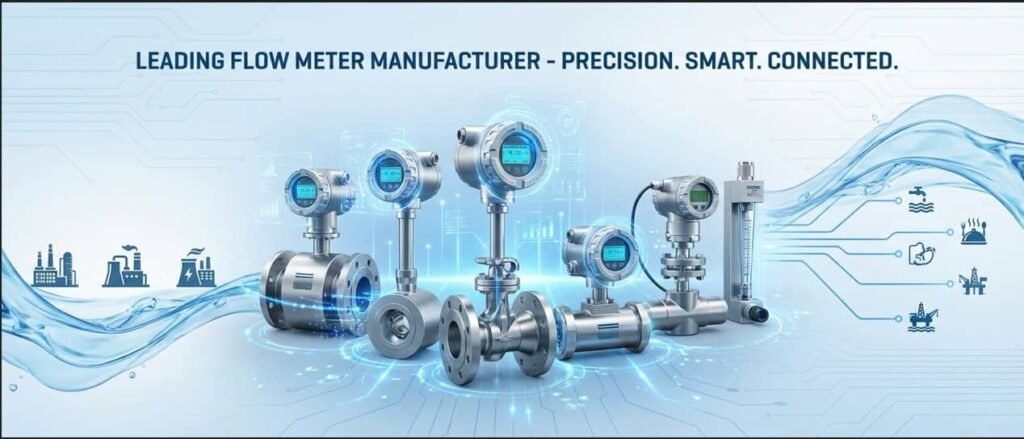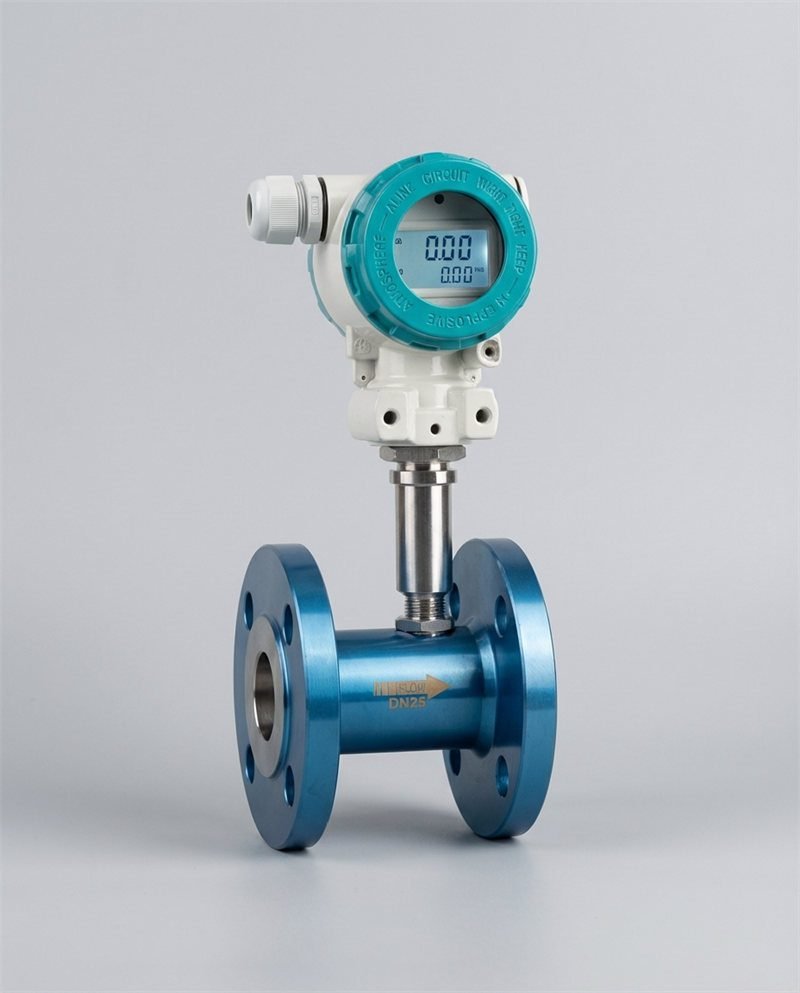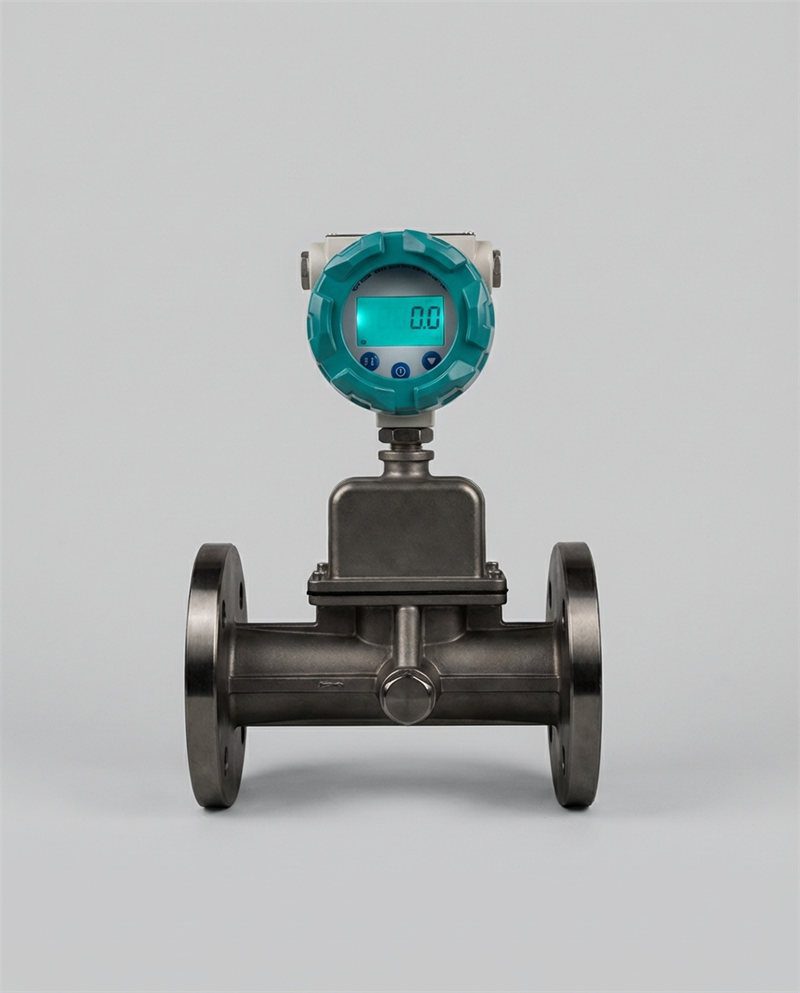
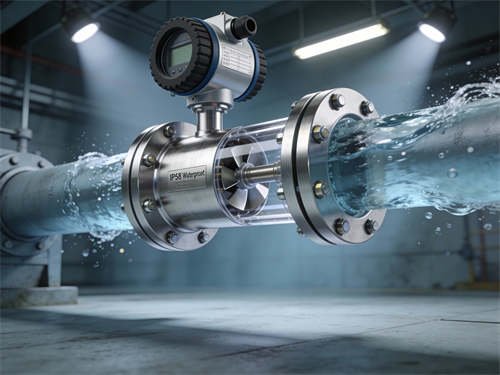
You want good data from your water flow meter. Picking the right one can seem hard.
- About 79% of factories use flow meters to watch their processes.
- Some problems are low-flow, rough flow, and setup mistakes:
| Challenge | Explanation |
|---|---|
| Low-flow conditions | Meters may not be exact when water moves slowly. |
| Turbulent flow | Swirls in water can make measurements less certain. |
Jade Ant Instruments helps you choose the best one for you.
Key Takeaways
- Decide what you want to measure before picking a water flow meter. You might want to track water use, find leaks, or watch a system. Knowing this makes choosing easier.
- Check the flow range and where you will put the meter. Think about how clean the water is, the pressure, and the temperature. These things help you get correct measurements.
- Pick the right flow meter type for your water. If your water is dirty, use non-contact meters like electromagnetic or ultrasonic. This helps stop clogging.
Define Your Water Flow Meter Application
Identify Measurement Goals
Before you pick a flow meter, you need to know what you want to measure and why. Are you tracking water use in a home, a business, or a city system? Each setting has its own goals. Here are some common reasons people use a water flow meter:
- Cities use flow meters to manage water systems. They help spot leaks, save water, and make sure everyone gets enough.
- Homes and businesses use flow meters to measure how much water they use. This helps track flow in different parts of the system.
Think about your main goal. Do you want to find leaks, control water use, or just get a total flow reading? Clear goals make flow meter selection much easier.
Assess Flow Range and Environment
Next, look at where you will install the flow meter. The environment can change what type you need. Check the flow range—do you expect low or high flow? Also, think about the water itself. Is it clean or does it have dirt or bubbles? These details matter for flow measurement.
Here’s a quick look at how the environment affects your choice:
| Factor | Impact on Flow Meter Selection |
|---|---|
| Application environment | Decides the flow range and size you need. |
| Pressure and temperature | These can change how well the flow meter works. |
| Pressure drop | Important for thick water or fluids. |
| Fluid viscosity and density | Changes in these can mean you need a special type of flow meter. |
If you feel unsure, Jade Ant Instruments can help you match the right flow meter to your needs.
Analyze Fluid Properties
Check Water Cleanliness and Particulates
Look at how clean your water is before choosing a flow meter. If water has dirt or sand, some meters can break or get blocked. Meters with moving parts, like turbine or positive displacement meters, need clean water. If water has lots of particles, use a non-contact flow meter. Electromagnetic, ultrasonic, or Coriolis meters work better with dirty water because they do not touch the fluid. This helps stop problems like wear and clogging.
Tip: If you do not know your water quality, Jade Ant Instruments can help test it and suggest the right flow meter.
Consider Conductivity, Temperature, and Pressure
Think about other fluid properties too. These can change how well your flow meter works. Here is a table that shows which properties matter most and why:
| Fluid Property | Impact on Performance |
|---|---|
| Viscosity | Changes pressure drop and response time, which can cause mistakes. |
| Density | Needed for mass flow measurement accuracy; changes can cause errors. |
| Temperature | Changes viscosity and density; needs adjustment for accuracy. |
| Composition | Different chemicals can change meter performance; corrosive fluids may need special meters. |
| Pressure | Changes fluid properties and meter reliability; must stay in safe ranges. |
Some flow meters work better with certain fluid properties. Mass flow meters are very accurate for fluids with changing density or temperature. Wall mount ultrasonic meters fit many uses, even when pressure or temperature changes. Positive displacement meters are best for clean liquids and direct volumetric measurement.
| Flow Meter Type | Advantages | Common Applications |
|---|---|---|
| Mass Flow Meters | Measures mass flow directly, very accurate, gives many outputs | Chemical production, natural gas, food and beverage, semiconductor manufacturing |
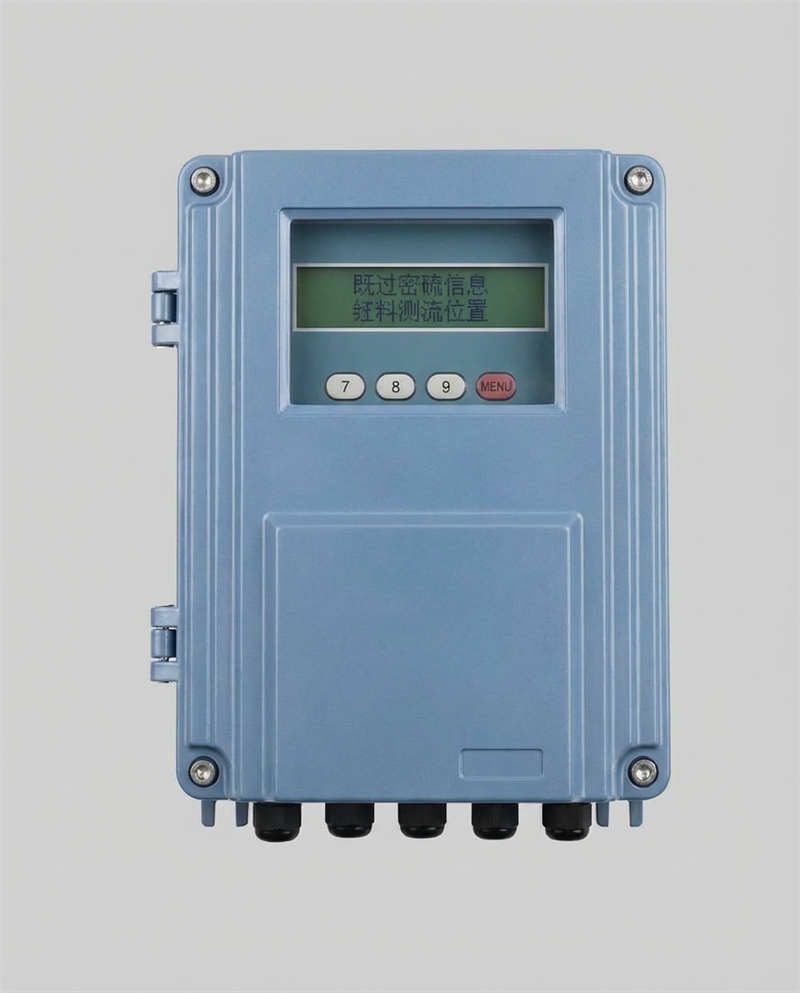
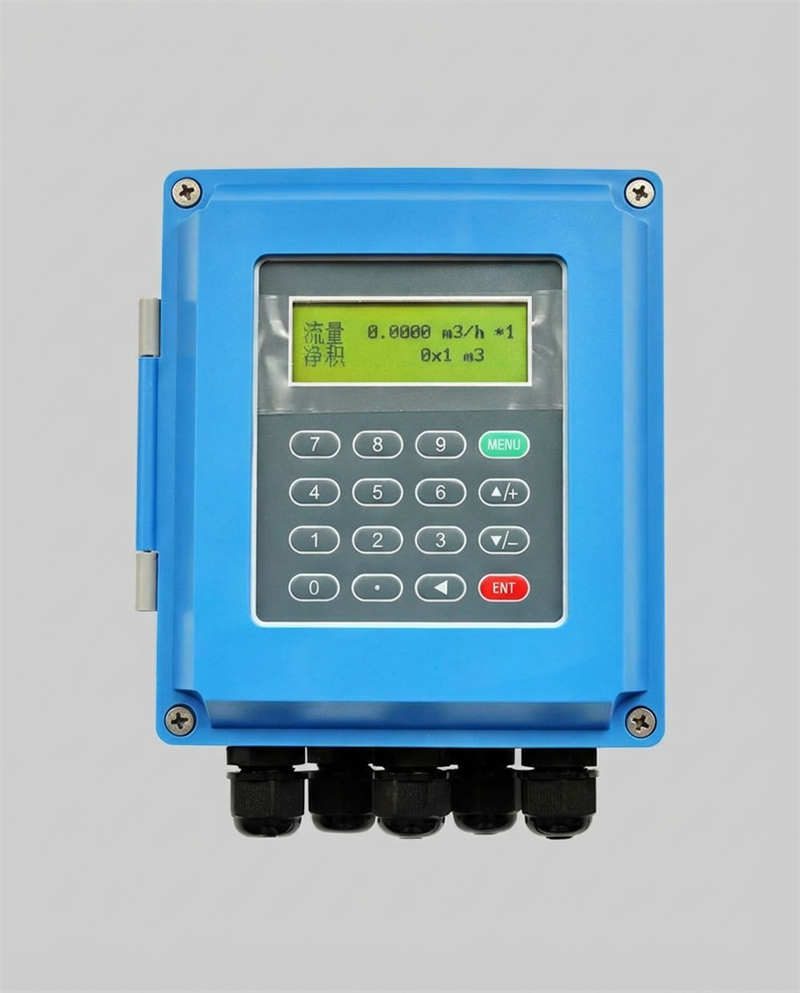
| Wall Mount Ultrasonic Flow Meter | Good for many uses | Water distribution, HVAC, chemical processing, oil and gas, food processing |
| Positive Displacement Flow Meters | Very accurate, measures volume directly, works with clean liquids | Fuel dispensing, chemical batching, lubrication monitoring, process liquids |
When you know your fluid’s properties, you can pick the best flow meter for your needs. Jade Ant Instruments can help you match your application to the right technology.
Match Flow Meter Type to Fluid
Select for Clean or Dirty Water
You need to pick a flow meter that matches your water. Clean water works with many types of meters. Dirty water or water with solids needs special meters. Here are some choices:
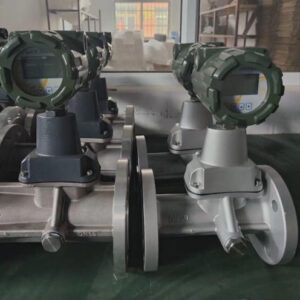
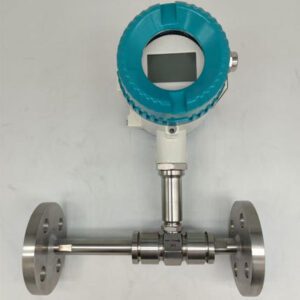
- Vortex shedding meters are accurate and have no moving parts. They last a long time.
- Turbine meters measure clean water very well. Dirt or sand can damage them.
- Paddle wheel and float style meters cost less. They work best with clean water but can break easily.
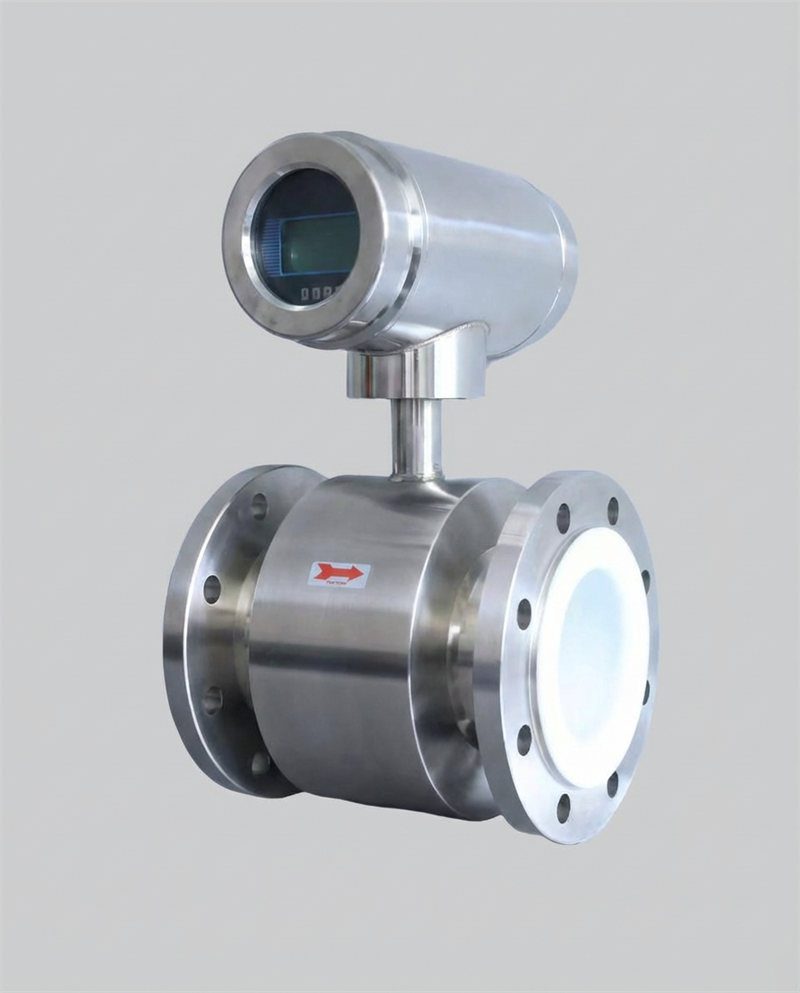
- Magnetic and ultrasonic meters are good for dirty water and slurries. They do not touch the water, so they do not clog or wear out.
- Positive displacement meters are accurate for clean water. Some types can also measure thick fluids.
Tip: If you do not know which flow meter to use, Jade Ant Instruments can help you pick the right one.
Choose Based on Viscosity and Composition
Viscosity and composition are important when picking a flow meter. Some meters work well with thick or sticky fluids. Others do not work as well. Look at this table to see how viscosity changes each meter type:
| Flow Meter Type | Viscosity Influence |
|---|---|
| Electromagnetic Flow Meters | Not significantly affected |
| Ultrasonic Flow Meters | Not significantly affected |
| Coriolis Mass Flow Meters | Not significantly affected |
| Positive Displacement Flow Meters | Slightly affected |
| Float Flow Meters | Greatly affected beyond certain viscosity |
| Turbine Flow Meters | Greatly affected beyond certain viscosity |
| Vortex Flow Meters | Greatly affected beyond certain viscosity |
If your fluid is thick or has a strange mix, do not use turbine or float meters. Electromagnetic and ultrasonic meters are better for these fluids. The right flow meter helps you get good data and saves money. Jade Ant Instruments can help you choose the best meter for your needs.
Ensure Required Accuracy
Set Accuracy Standards
You want your water flow meter to give you numbers you can trust. Not all flow meters are equally accurate. Some jobs need very exact numbers. Other jobs can use less exact numbers. For example, billing or chemical dosing needs high accuracy. If you just want to see how much water you use, you can use a meter with lower accuracy.
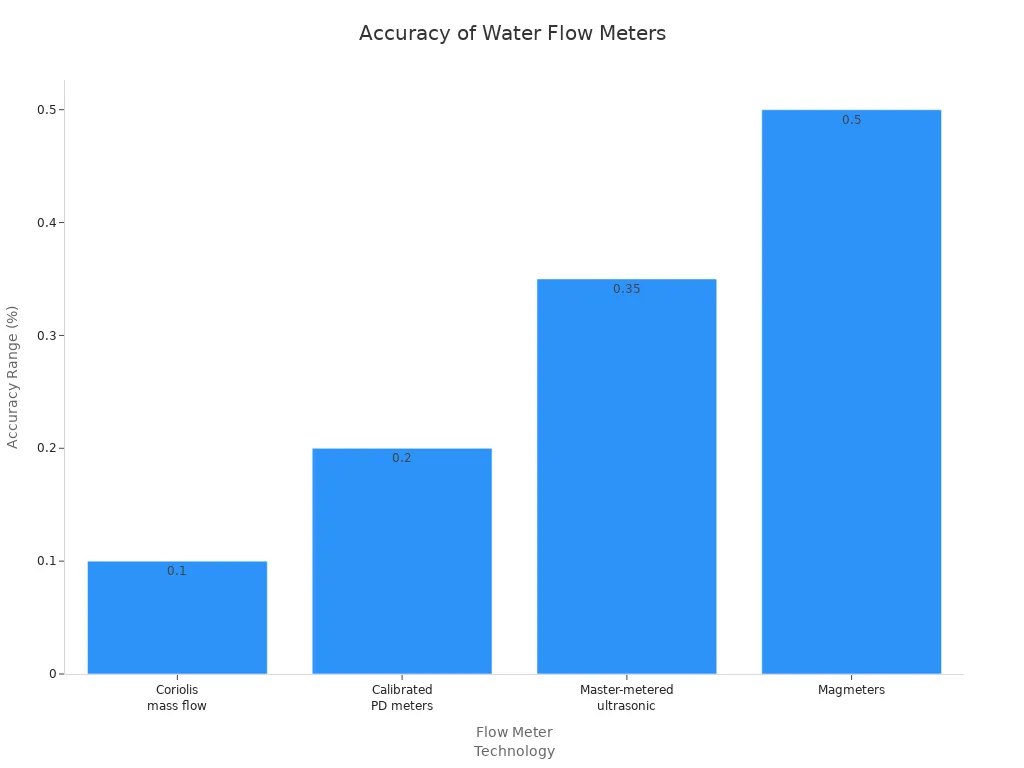
Here is a quick look at how some flow meter types compare:
| Flow Meter Technology | Accuracy Range |
|---|---|
| Coriolis mass flow | ±0.1% |
| Calibrated PD meters | ±0.2% |
| Master-metered ultrasonic | ±0.35% |
| Magmeters | ±0.5% |
You should also check for certifications. Look for NIST or ISO 17025 for accuracy and reliability. If you use the meter for drinking water, look for NSF-61 and NSF-372. These show the meter is safe for health. ISO 9001 means the company makes good quality products.
Align Accuracy with Application Needs
Think about what you need from your flow meter. Do you need to bill people? Do you need to control chemicals? These jobs need the most accurate meters. For simple tracking, you can use a meter that is less exact. Jade Ant Instruments can help you pick the right meter for your job. When you match your needs to the right meter, you get better data and save money.
Tip: Always ask your supplier about flow meter accuracy and certifications before you buy.
Review Installation Requirements
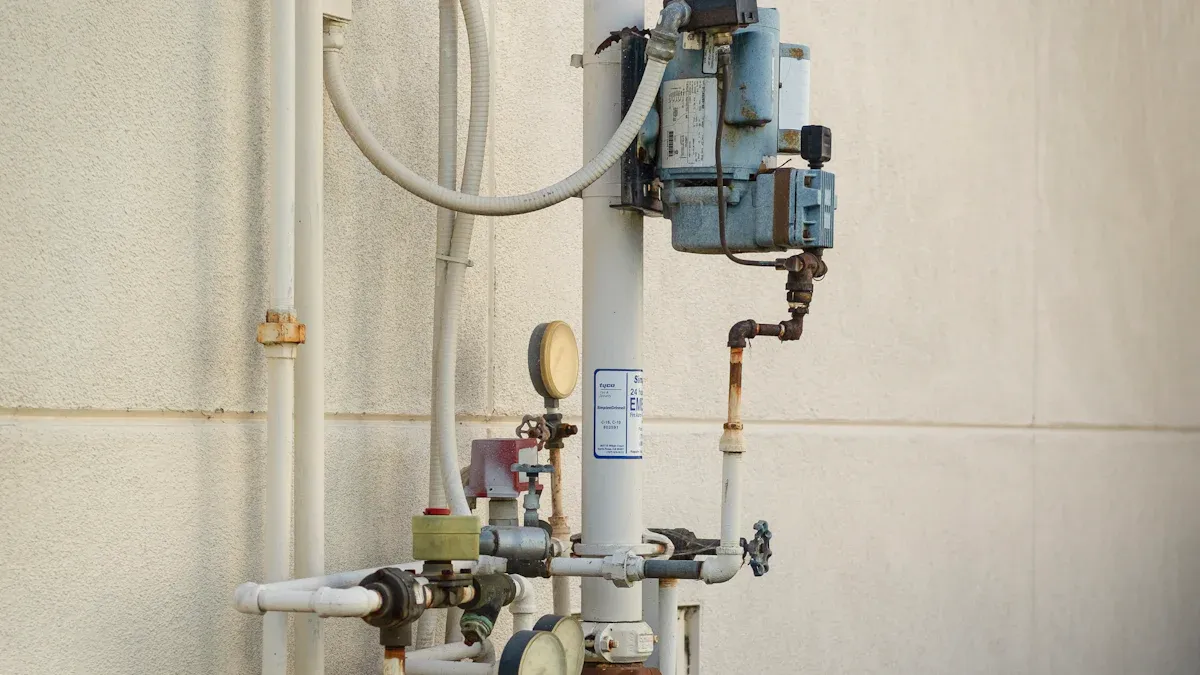
Confirm Pipe Size and Orientation
You want your water flow meter to work well. You need to check your pipe size and how it sits. The right pipe size helps you get good measurements. If your pipe is too big or too small, the meter might not fit. It also might not give good readings. How the pipe sits is important too. Some meters must be vertical to measure flow the right way. Look at this table to see how different meters need to be installed:
| Type of Flow Meter | Orientation Requirement | Reason for Orientation Requirement |
|---|---|---|
| Differential Pressure Flow Meters | Vertical | Minimizes the effect of gravity on fluid column for accurate pressure measurements. |
| Positive Displacement Flow Meters | Vertical | Prevents air or gas accumulation in the metering chamber, ensuring only liquid is measured. |
| Turbine Flow Meters | Vertical | Aligns rotor with fluid flow direction for optimal performance and accurate measurements. |
| Electromagnetic Flow Meters | Vertical | Reduces susceptibility to vibrations and external magnetic fields for consistent measurements. |
| Ultrasonic Flow Meters | Vertical (in some designs) | Aligns sensors with flow direction for unobstructed ultrasonic signal propagation, crucial for high precision. |
Many meters need a straight piece of pipe before and after the meter. This keeps the water moving smoothly. It stops swirls that can mess up your readings. If you skip this step, you might see mistakes or break your meter faster. After you put in the meter, calibration helps you get the best results.
Evaluate Space and Accessibility
You need enough space around your water flow meter. If you put it between boxes or walls, it will be hard to read or fix. Here’s a tip:
To install water flow meters the right way, keep at least one foot of clear space on all sides and three feet in front. Do not block this space with boxes, drywall, or big machines. This makes it easy to read, fix, or change the meter.
If you plan ahead, you will save time and avoid problems. Jade Ant Instruments can help you check your site and make sure your meter is in the right spot. Good planning helps your flow meter last longer and measure better.
Plan for Data Output and Integration
Determine Data Collection Needs
Think about how you want to use your flow meter data. Do you need updates right away, or just a daily report? Some people check water use every minute. Others only want totals at the end of the month. Modern flow meters can send data to your computer or phone. Many smart flow meters use AI and IoT. They give instant reports on flow volume, pressure, and temperature. This helps you find leaks and save water. If you need to keep records or watch flow from far away, pick meters that work with SCADA or telemetry systems. The Mueller HbMag magnetic flow meter is a good choice. It gives different signal outputs. You can see both total flow and flow rate.
Tip: Jade Ant Instruments can help you choose a flow meter that matches your data needs. You can get simple logs or advanced remote monitoring.
Check System Compatibility
Your flow meter should work with your building or factory system. Digital water flow sensors fit into building management setups. They help you watch everything from one place. Some meters, like the ALSONIC-EG, measure flow, temperature, and energy. You do not need to cut pipes or stop water. You can send data from many ALSONIC-EG units to a control room. Use protocols like Mbus, Bacnet, or MODBUS. Smart flow measurement systems help you spot trends and keep things running well. Wireless communication and IoT make it easy to connect and share data. If you want less downtime, pick meters with predictive maintenance features.
| Integration Feature | Benefit |
|---|---|
| Multiple output protocols | Easy connection to control room |
| Wireless communication | Fast setup and remote access |
| AI-driven diagnostics | Fewer surprises and quick fixes |
Jade Ant Instruments can help you check system compatibility. This way, your flow meter fits in and gives reliable measurements.
Consider Maintenance and Longevity
Estimate Maintenance Frequency
You want your flow meter to work well for a long time. Doing regular maintenance helps you get good measurements and saves money. Most flow meters need cleaning once every year. If your water is dirty or harsh, clean the meter more often. Check your meter every month to look for dirt or damage. Some meters, like turbine and positive displacement types, have moving parts. These need extra care. Look at seals and gaskets every few months. Calibration is important for accuracy. Try to calibrate your meter once a year. If your job is critical, do it twice a year. Keep a record of all maintenance. This helps you follow rules and find problems early.
Tip: Pick flow meters that need less care if your water is dirty or the place is tough. Magnetic and ultrasonic meters are good choices because they have fewer moving parts.
Evaluate Durability and Service Life
Think about how long your flow meter will last before you buy it. Some meters can work for more than ten years if you take care of them. Here is a table showing how long different meters last:
| Technology Type | Average Service Life |
|---|---|
| Electromagnetic Flow Meters | 10-15 years |
| Turbine Meters | 3-5 years |
| Ultrasonic Meters | 8-12 years |
| Coriolis Meters | 10-15 years |
| Wireless Water Meters | 10-20 years |
The place where you use your meter can change how long it works. Dirt, high heat, or rough water can make it wear out faster. Good installation and grounding help your meter last longer. When you buy a meter, check the warranty and support. Some brands, like Jade Ant Instruments, give strong warranties and good help. FLO-CORP gives a five-year warranty. ONICON offers up to three years. If you pick a trusted brand, you get better help and a meter that lasts longer.
Choosing the right water flow meter matters. Use these seven tips as your checklist. If you feel unsure, talk with experts like Jade Ant Instruments. They help you avoid common mistakes and match the best meter to your needs. The right choice gives you better accuracy, easy upkeep, and real savings.
FAQ
How often should you check your water flow meter?
You should check your meter every month. Clean it once a year. If your water is dirty, clean it more often.
What type of flow meter works best for dirty water?
Magnetic and ultrasonic meters work well with dirty water. They do not clog or wear out easily.
Can Jade Ant Instruments help you pick the right flow meter?
Absolutely! Jade Ant Instruments gives advice and helps you choose the best meter for your needs.