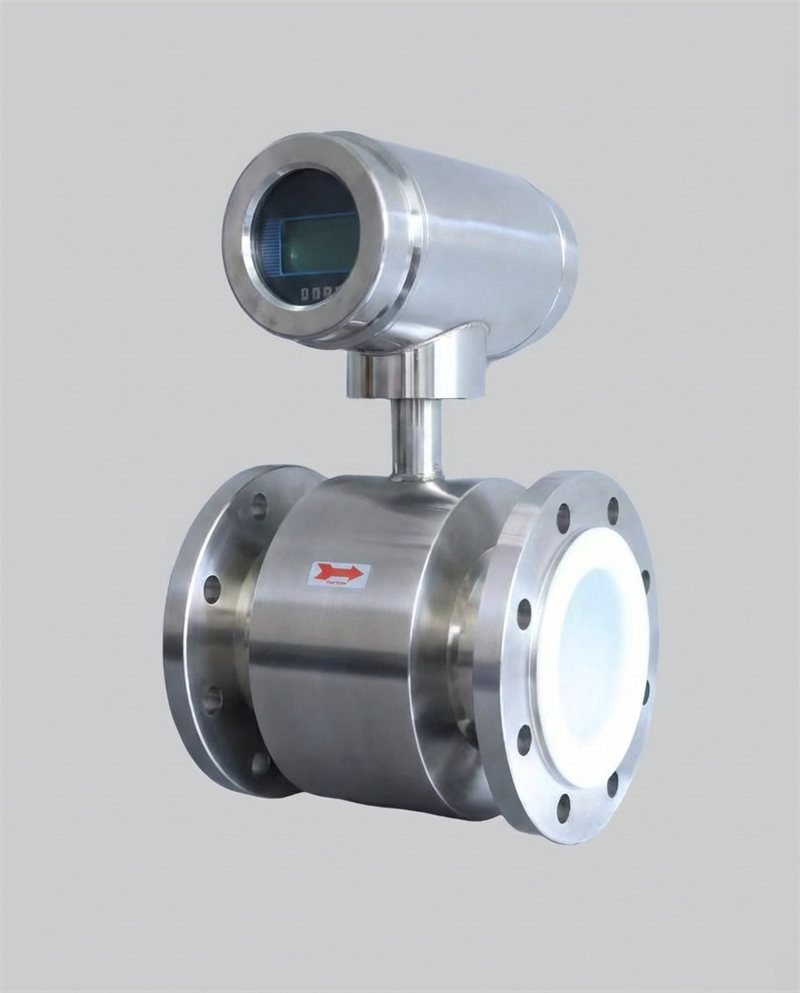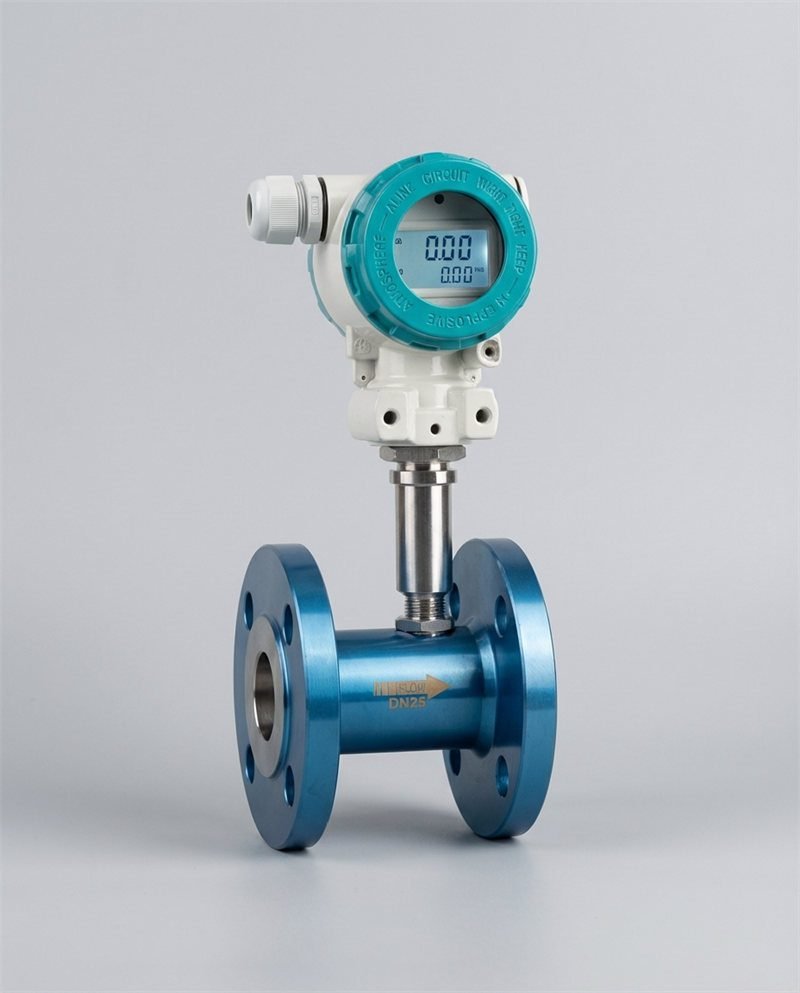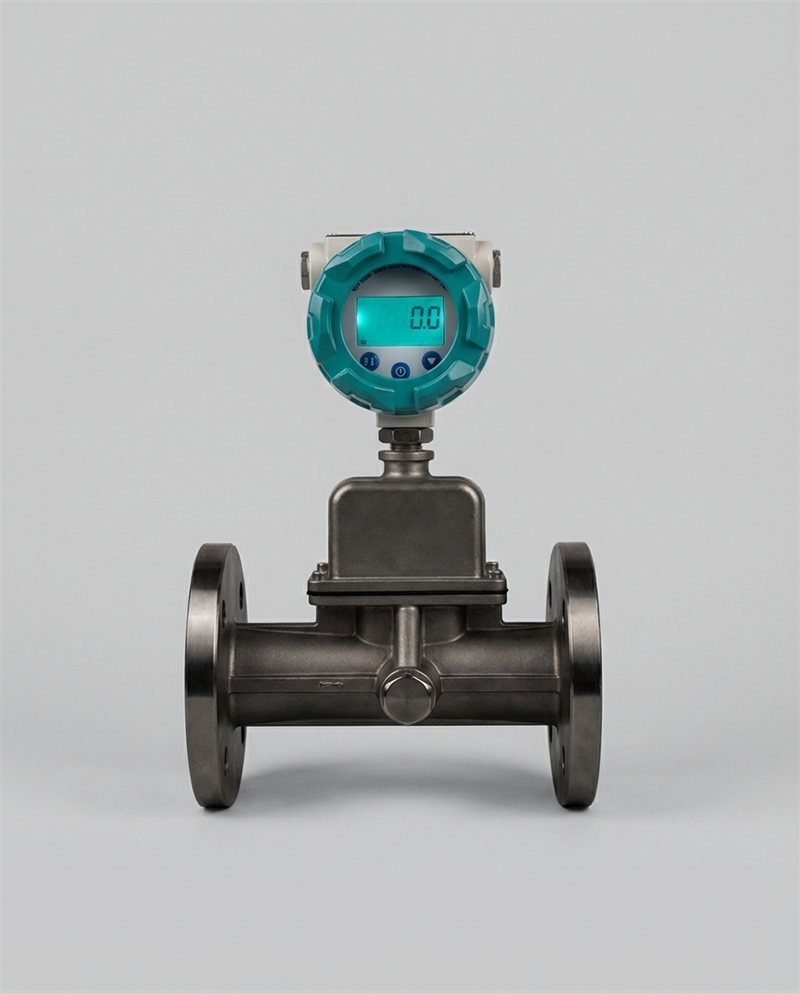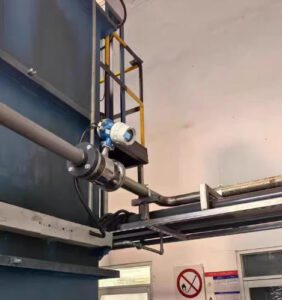
Magnetic flow meters — also called mag meters or electromagnetic flow meters — are the single most deployed flow measurement technology for conductive liquids worldwide. In 2026, the electromagnetic flowmeter market is valued at approximately USD 15.65 billion and growing at a 6.28% CAGR through 2031, according to Mordor Intelligence. That growth is driven by tightening environmental regulations, the push toward digital plant architectures, and the simple fact that mag meters solve problems other technologies cannot — zero pressure drop, no moving parts, and immunity to viscosity and density variations.
The top 10 applications for magnetic flow meters in 2026 span water and wastewater treatment, chemical processing, food and beverage production, pulp and paper manufacturing, mining, power generation, oil and gas, pharmaceuticals, industrial effluent monitoring, and agriculture. Each of these industries relies on mag meters because the technology measures volumetric flow by applying Faraday’s law of electromagnetic induction — a conductive fluid passing through a magnetic field generates a voltage proportional to its velocity. There are no obstructions in the flow path, nothing to wear out, and nothing to clog.
This article breaks down each application with real-world performance data, liner and electrode selection guidance, and the specific operational advantages that make mag meters the right choice. Where relevant, we reference solutions from Jade Ant Instruments, an ISO-certified manufacturer whose electromagnetic flow meters serve process industries across 10+ sectors with OEM/ODM customization, HART/Modbus/4-20 mA output options, and PTFE/rubber/ceramic liner configurations.
Magnetic Flow Meter Market Share by Application (2025 Estimated)
Water and wastewater treatment alone accounts for roughly 35% of all electromagnetic flowmeter deployments globally. Chemical processing follows at 15%, with food and beverage, mining, and oil and gas each claiming significant shares. The pie chart below illustrates the estimated market breakdown.
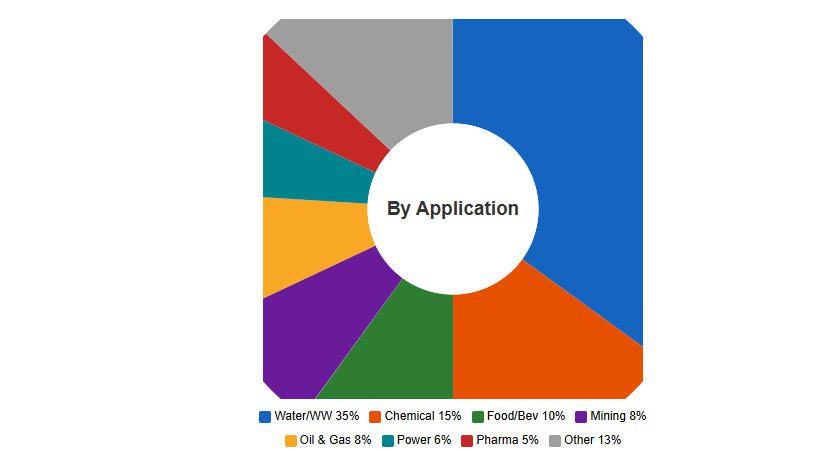
Sources: Mordor Intelligence, Credence Research, Spherical Insights — estimated data for 2025.
1. Water & Wastewater Applications
Industry Overview
The global water and wastewater treatment market is a $300+ billion industry driven by population growth, urbanization, and increasingly stringent discharge regulations. Every municipal treatment plant — from raw water intake to final effluent discharge — needs accurate flow data to manage process dosing, track water loss, meet billing requirements, and comply with NPDES (National Pollutant Discharge Elimination System) permits. Water and wastewater treatment represents roughly 35% of all electromagnetic flowmeter sales, making it the largest single application segment by a wide margin.
Flow Meter Usage
Mag meters are deployed at virtually every measurement point in a water treatment plant: raw water intake lines (typically DN150–DN600), filter backwash flow monitoring, chemical dosing (chlorine, alum, polymer), treated water distribution mains, and wastewater influent/effluent discharge. The key advantage is that mag meters handle water with suspended solids — raw sewage typically carries 200–400 mg/L TSS — without clogging or signal degradation. A rubber-lined mag meter with Hastelloy C electrodes will survive continuous exposure to raw municipal wastewater for 15–20 years. One midwest U.S. utility operating 14 mag meters across its headworks and secondary clarifiers reported zero unscheduled maintenance events over an 8-year period, with drift remaining within the original ±0.5% of rate specification at each annual verification.
Key Benefits
Zero pressure drop eliminates the need for larger pumps, saving energy costs that compound over decades of continuous operation. The absence of moving parts means no impellers to foul with rags, grit, or biological growth. Full-bore design avoids the dead zones that trap solids in orifice-plate or venturi installations. Bidirectional measurement capability is critical for distribution networks where reverse flow can occur during valve switching or pump trips. Jade Ant Instruments‘ electromagnetic flow meters for water applications are available in sizes from DN10 to DN2000, with hard rubber or PTFE liners and 316L SS or Hastelloy C electrodes — a configuration that handles everything from clean potable water to abrasive grit-laden sludge.

2. Chemical Processing Applications
Industry Overview
Chemical manufacturing — from bulk commodity chemicals (sulfuric acid, sodium hydroxide, hydrochloric acid) to specialty polymers and resins — requires flow measurement instruments that can survive continuous contact with aggressive media at elevated temperatures. The global chemical industry generates over $5 trillion in annual output, and process plants rely on precise flow data for reactor feed control, batch dosing accuracy, and yield optimization. Inaccurate flow measurement in a chemical reactor can result in off-spec product batches worth hundreds of thousands of dollars.
Magnetic Flow Meter Usage
Mag meters measure the flow of acids (H₂SO₄, HCl, HNO₃), bases (NaOH, KOH), solvents, polymer solutions, and chemical slurries across pipe sizes from DN3 (for precision micro-dosing) to DN300+ (for bulk transfer lines). The electrode material is the critical selection parameter: Hastelloy C handles most acids and chloride-bearing solutions; tantalum is specified for concentrated HCl and hot sulfuric acid; platinum is reserved for the most aggressive oxidizing acids. Liner selection is equally important — PTFE (Teflon) is the standard for chemical service because it resists virtually all chemicals at temperatures up to 180 °C, while PFA provides a smoother internal surface for applications sensitive to buildup. A specialty chemical plant in Jiangsu Province, China, documented a 22% improvement in batch-to-batch consistency after replacing rotameter-based dosing control with PTFE-lined mag meters on its six reactor feed lines, directly attributable to the mag meter’s ±0.3% of rate accuracy versus the rotameter’s ±5% reading.
Key Benefits
No moving parts means no seal faces to corrode and no bearings to fail — critical when the process fluid is a concentrated acid that would destroy a turbine meter in days. The full-bore design creates zero pressure drop, which matters in gravity-fed systems common in acid plants. Chemical compatibility is configurable: by selecting the right liner/electrode combination, a single mag meter platform can be deployed across dozens of chemical streams within the same facility.
3. Food & Beverage Applications
Industry Overview
Food and beverage processing is a $7+ trillion global industry governed by strict hygiene regulations — FDA 21 CFR, EU EC 1935/2004, and 3-A Sanitary Standards in the U.S. Flow meters used in dairy, brewing, juice, soft drink, and cooking oil production must meet CIP (Clean-in-Place) and SIP (Sterilize-in-Place) requirements, which means the wetted surfaces must withstand repeated exposure to hot caustic wash (2–5% NaOH at 80 °C) and acid rinse (1–2% HNO₃ at 60 °C) without degradation.
Flow Meter Usage
Sanitary mag meters with tri-clamp connections, electropolished 316L stainless steel bodies, and FDA-approved PTFE or PFA liners are used to measure milk flow from pasteurizers (typically 5,000–50,000 L/hr), beer transfer between fermentation and bright tanks, juice concentrate blending, and syrup dosing in carbonated beverage lines. A European dairy processing the equivalent of 1.2 million liters of raw milk per day reported that after switching from positive-displacement meters to sanitary mag meters on its six pasteurization lines, CIP cycle time dropped by 15 minutes per line per cycle — because the mag meter’s full-bore design eliminates the internal cavities that trap product and require extended flushing.
Key Benefits
Mag meters introduce no shear forces into the fluid stream, preserving the texture and quality of shear-sensitive products like yogurt, cream, and fruit pulp. The absence of moving parts eliminates particulate contamination risk — a critical concern in infant formula and pharmaceutical-grade beverage production. CIP/SIP compatibility reduces downtime between production runs. Sanitary models from manufacturers like Jade Ant Instruments are available with 3-A certification and FDA-compliant wetted materials, integrating directly into existing sanitary piping systems via tri-clamp or DIN 11851 connections.
4. Pulp & Paper Applications
Industry Overview
The pulp and paper industry processes vast quantities of water-based slurries — wood pulp stock at 3–6% consistency, white and black liquor, lime mud, coating colors, and recycled fiber suspensions. A single paper machine can consume 10,000–60,000 liters of water per ton of paper produced, and precise flow measurement at each process stage directly affects sheet weight uniformity, chemical usage efficiency, and wastewater discharge volumes.
Flow Meter Usage
Mag meters are used on stock preparation lines, headbox feed systems, broke repulping loops, chemical (alum, sizing, retention aid) dosing lines, and white water recirculation circuits. The primary challenge is slurry abrasion — pulp stock at 4%+ consistency contains wood fibers that erode conventional liners within 2–3 years. Ceramic (Al₂O₃) liners and tungsten carbide electrodes extend service life to 8–12 years in abrasive stock service. Emerson’s pulp and paper flowmeter guide notes that magnetic flow meters are “widely used throughout the mill on stock, liquor, chemicals, lime mud and water” — and that dual-frequency excitation technology improves measurement stability in high-solids slurries by distinguishing flow signal from slurry noise.
Key Benefits
Full-bore design eliminates the clogging risk that plagues orifice plates and V-cone meters in fibrous slurry service. No pressure drop means no additional pumping energy — a meaningful saving when a mill operates dozens of high-volume stock lines 24/7. Bidirectional measurement handles the reverse-flow conditions that occur during sheet breaks and machine stoppages.
5. Mining & Minerals Applications
Industry Overview
Mining operations rely on slurry transport — ore concentrate, tailings, and process water pumped through pipelines that can stretch for kilometers. These slurries are extremely abrasive (containing quartz, feldspar, magnetite, and other hard minerals at concentrations up to 65% solids by weight) and operate at high velocities (2–5 m/s) to prevent settling. A flow meter installed on a mine tailings line must survive continuous sandblasting from the inside.
Flow Meter Usage
Mag meters are installed on cyclone feed lines, flotation cell feeds, thickener underflow, tailings pipelines, and reagent dosing systems (xanthate, lime, flocculant). Ceramic-lined mag meters with tungsten carbide or Hastelloy B electrodes are the standard for abrasive slurry service. In a copper concentrator in Chile processing 80,000 tonnes per day of ore, ceramic-lined mag meters on the rougher flotation feed lines achieved a verified service life of 11 years before the first liner replacement — compared to 18–24 months for the rubber-lined meters they replaced. The abrasion resistance of 99.9% alumina ceramic (Vickers hardness ~1,700 HV) versus natural rubber (~35 Shore A) explains the difference.
Key Benefits
No moving parts eliminates the single biggest failure mode in slurry service — impeller wear. Full-bore design prevents the particle buildup and blockages that plague differential-pressure meters. The measurement principle is unaffected by changes in slurry density, viscosity, or particle size distribution, providing a stable reading even as ore grades and grind sizes vary throughout the day.
6. Power Generation Applications
Industry Overview
Thermal power plants (coal, gas, nuclear) and combined-cycle facilities consume enormous volumes of cooling water, boiler feedwater, condensate, and chemical treatment fluids. A 600 MW coal-fired unit can circulate 60,000–80,000 m³/hr of cooling water through its condenser. Accurate flow measurement is essential for heat balance calculations, boiler efficiency optimization, and environmental compliance (thermal discharge monitoring).
Flow Meter Usage
Mag meters are deployed on cooling water intake and discharge lines (DN600–DN2000), demineralized water systems, boiler chemical dosing (phosphate, hydrazine, ammonia), condensate return lines, and FGD (flue gas desulfurization) slurry systems. In FGD applications, the limestone slurry (15–25% solids) is highly abrasive and corrosive — rubber-lined mag meters with Hastelloy C electrodes are the standard, with ceramic liners specified for the most demanding installations. A 1,000 MW combined-cycle plant in Texas reported that replacing venturi meters with mag meters on its two main cooling water lines reduced measurement uncertainty from ±2.5% to ±0.5%, enabling more precise condenser performance monitoring and a measurable improvement in turbine heat rate.
Key Benefits
Zero pressure drop on large-diameter cooling water lines translates directly into reduced pumping energy — at the scale of a power plant, even a 0.1 bar pressure saving across a DN1200 line can represent tens of thousands of dollars in annual electricity costs. High-temperature liner options (PFA to 180 °C, ceramic to 200+ °C) handle condensate and boiler water applications that exceed the temperature limits of ultrasonic clamp-on meters.
7. Oil & Gas Applications
Industry Overview
While crude oil itself is not conductive enough for mag meter measurement, the oil and gas industry generates massive volumes of conductive fluids: produced water (often 5–10× the volume of crude produced), drilling mud, completion fluids, chemical injection streams, and refinery process water. The produced water management market alone exceeds $10 billion annually, and every barrel must be measured for allocation, treatment, and disposal reporting.
Flow Meter Usage
Mag meters are used on produced water disposal and reinjection lines, drilling mud flow monitoring (to detect lost circulation events), chemical injection systems (corrosion inhibitor, scale inhibitor, demulsifier), refinery cooling water circuits, and desalter wash water. ATEX/IECEx-certified and Class I Division 1/2 rated models are required for hazardous area installations. Liner selection for oilfield service typically specifies hard rubber or polyurethane for abrasive drilling mud, and PTFE for chemical injection lines handling corrosive additives. An offshore platform in the North Sea that installed mag meters on its produced water injection system achieved ±0.5% of rate accuracy at flow rates ranging from 200 to 8,000 barrels per day — critical for meeting OSPAR Convention discharge limits of 30 mg/L oil-in-water content, where flow accuracy directly affects concentration calculations.
Key Benefits
Mag meters handle the high salinity of produced water (often 100,000–200,000 mg/L TDS) — the higher the conductivity, the stronger the measurement signal, so brine-rich fluids actually improve performance. No moving parts means no downtime in remote or offshore locations where maintenance access is expensive and time-consuming. Explosion-proof certifications are standard from major manufacturers including Jade Ant Instruments, which offers ATEX-rated electromagnetic flow meters with 4-20 mA + HART communication for seamless integration with oilfield SCADA systems.
8. Pharmaceutical Applications
Industry Overview
Pharmaceutical manufacturing operates under the most stringent regulatory framework of any industry — FDA 21 CFR Parts 210/211, EU GMP Annex 1, and USP standards govern every aspect of production. Flow meters used in purified water (PW), water for injection (WFI), and active ingredient transfer must meet USP Class VI material biocompatibility, support electronic data recording for 21 CFR Part 11 compliance, and deliver repeatability that ensures batch-to-batch consistency in drug formulation.
Flow Meter Usage
Mag meters are installed on WFI distribution loops, clean steam condensate return lines, CIP/SIP supply systems, buffer preparation and media transfer lines, and active pharmaceutical ingredient (API) solution dosing. Pharmaceutical-grade mag meters feature electropolished 316L stainless steel wetted surfaces with Ra ≤ 0.8 μm surface finish, PFA liners (preferred over PTFE because PFA can be injection-molded to a smoother internal surface), and platinum or Hastelloy C electrodes that resist the dilute acids and bases used in cleaning cycles. A contract pharmaceutical manufacturer producing injectable biologics documented that its WFI loop mag meters maintained ±0.2% repeatability over 36 months of continuous operation — verified against a gravimetric reference during each semi-annual calibration check — satisfying FDA auditors’ requirements for measurement reliability in a critical quality attribute loop.
Key Benefits
No crevices, dead legs, or internal recesses where biofilm can form — this is non-negotiable in pharmaceutical water systems where microbial contamination limits are measured in CFU per 100 mL. Full drainability ensures the meter does not trap product between batches. Electronic batch recording with HART or Modbus output feeds directly into SCADA/MES systems for automated 21 CFR Part 11 compliant documentation.
9. Industrial Effluent Monitoring
Industry Overview
Industrial facilities — from electroplating shops and textile dyeing plants to semiconductor fabs and steel mills — generate wastewater streams that must be measured, treated, and reported before discharge to municipal sewers or receiving waters. In the United States, the EPA’s NPDES program requires accurate flow measurement at every permitted discharge point. Penalties for non-compliance can reach $25,000–$50,000 per day per violation under the Clean Water Act, making flow measurement accuracy a financial risk management issue, not just an operational one.
Flow Meter Usage
Mag meters are installed on effluent discharge pipes, equalization basin inlet/outlet lines, chemical treatment system feeds (pH adjustment, coagulation, flocculation), and sludge transfer lines. The fluids range from relatively clean rinse water (conductivity 50–500 μS/cm) to highly loaded industrial wastewater containing heavy metals, oils, surfactants, and suspended solids exceeding 1,000 mg/L. PTFE liners with Hastelloy C electrodes handle the chemical variability of mixed effluent streams, while hard rubber liners are specified for abrasive sludge lines. A metal finishing facility in Ohio that installed PTFE-lined mag meters on its three NPDES discharge points reported passing every quarterly compliance audit over a 5-year period — the ±0.5% accuracy and continuous totalizer output provided the auditable flow records the state environmental agency required.
Key Benefits
Continuous electronic totalization provides the tamper-resistant flow records that regulators demand. Bidirectional capability detects backflow events that could indicate sewer system surcharges. The absence of moving parts means the meter stays operational through slug loads and upsets that would stall or damage mechanical meters. Low-flow cutoff and empty-pipe detection prevent false readings during intermittent discharge operations.
10. Agriculture & Irrigation
Industry Overview
Agriculture consumes approximately 70% of global freshwater withdrawals, and as water scarcity intensifies, regulators and growers alike demand precise measurement of irrigation deliveries. In the western United States, water rights are adjudicated to the acre-foot, and state agencies require flow meters on all diversions above a minimum threshold. McCrometer, one of the largest suppliers to the agricultural sector, notes that electromagnetic flow meters are increasingly specified over propeller meters because of their broader flow range, higher accuracy, and zero maintenance requirement in sediment-laden canal water.
Flow Meter Usage
Mag meters are installed on main delivery lines from reservoirs and canals, pivot irrigation supply pipes, fertigation (fertilizer injection) systems, and drainage/tail water recovery pumps. Agricultural installations present unique challenges: remote locations with limited power (solar-powered meters are common), large pipe diameters (DN200–DN600 for main delivery lines), and water carrying sand, algae, and organic debris. Battery-powered and solar-compatible mag meters with low-power electronics (under 3 W) have made remote agricultural metering practical without running utility power to each measurement point.
Key Benefits
Zero pressure drop is a major advantage in gravity-fed irrigation systems where every millibar of head loss reduces water delivery to the field. No moving parts means the meter won’t stall or under-register when debris passes through — a chronic problem with propeller meters in canal water. Mag meters measure accurately down to 0.1 m/s velocity, capturing the low-flow conditions that occur during drip and micro-sprinkler irrigation. Jade Ant Instruments’ water flow meter selection guide covers sizing considerations for agricultural installations where flow rates vary widely between peak irrigation and off-season baseline.

Magnetic Flow Meter Application Comparison Table
The table below summarizes the key parameters — typical pipe sizes, liner and electrode materials, accuracy requirements, and primary measurement purpose — for each of the 10 applications covered in this guide.
| Application | Typical Pipe Size | Recommended Liner | Recommended Electrode | Accuracy Required | Primary Purpose |
|---|---|---|---|---|---|
| Water & Wastewater | DN50–DN2000 | Hard Rubber / PTFE | 316L SS / Hastelloy C | ±0.5% | Process control, billing, compliance |
| Chemical Processing | DN3–DN300 | PTFE / PFA | Hastelloy C / Tantalum / Pt | ±0.3–0.5% | Reactor feed, batch dosing |
| Food & Beverage | DN10–DN150 | PFA / PTFE (FDA) | 316L SS / Hastelloy C | ±0.5% | Batching, CIP monitoring |
| Pulp & Paper | DN100–DN600 | Ceramic / Hard Rubber | Hastelloy C / WC | ±0.5–1.0% | Stock flow, chemical dosing |
| Mining & Minerals | DN50–DN600 | Ceramic (Al₂O₃) | WC / Hastelloy B | ±0.5–1.0% | Slurry transport, tailings |
| Power Generation | DN100–DN2000 | Hard Rubber / PTFE | Hastelloy C / 316L SS | ±0.5% | Cooling water, FGD slurry |
| Oil & Gas | DN25–DN300 | Hard Rubber / PTFE | Hastelloy C | ±0.5% | Produced water, chem injection |
| Pharmaceutical | DN10–DN100 | PFA (Ra ≤ 0.8 μm) | Platinum / Hastelloy C | ±0.2–0.5% | WFI loop, API dosing |
| Industrial Effluent | DN50–DN600 | PTFE / Hard Rubber | Hastelloy C | ±0.5% | Discharge compliance (NPDES) |
| Agriculture & Irrigation | DN100–DN600 | Hard Rubber | 316L SS | ±1.0–2.0% | Water rights, delivery metering |
Typical Mag Meter Service Life by Application
Service life depends heavily on the aggressiveness of the process fluid. The bar chart below illustrates typical service life expectations (in years) before major maintenance or liner replacement is required.
Water/WW
Chemical
Food & Bev
Pulp & Paper
Mining
Power Gen
Oil & Gas
Pharma
Ind. Effluent
Agriculture
Figure: Typical mag meter service life (years) by application, assuming correct liner/electrode selection. Mining and pulp/paper have shorter life cycles due to abrasive media.
Watch: How Magnetic Flow Meters Work — Principles & Applications
Magnetic flow meters have earned their dominant position in conductive liquid measurement because the underlying physics — Faraday’s law applied in a full-bore, no-moving-parts package — translates into tangible operational advantages: zero pressure drop, immunity to viscosity and density changes, resistance to clogging by solids and fibers, and service lives that stretch to 15–20 years in favorable applications. Across the 10 industries examined in this guide, that core technology adapts to wildly different conditions through material selection (PTFE, PFA, ceramic, hard rubber liners; 316L SS, Hastelloy C, tantalum, tungsten carbide, platinum electrodes) and output configuration (4-20 mA, HART, Modbus, Profibus, FOUNDATION Fieldbus).
The electromagnetic flowmeter market’s projected growth to over $21 billion by 2031 reflects continued adoption driven by water scarcity pressures, tightening environmental discharge regulations, Industry 4.0 digital integration requirements, and the long-term cost advantage of a measurement technology that requires virtually no maintenance over its installed life. Looking forward, trends in this space include wider deployment of battery-powered mag meters for remote and agricultural applications, integration of onboard diagnostics for predictive maintenance (electrode coating detection, empty-pipe alerts, grounding verification), and the continued decline in per-unit costs as Chinese manufacturers like Jade Ant Instruments scale ISO-certified production to compete at global quality standards while maintaining the cost efficiency of China-based R&D and manufacturing.
The right mag meter for your application depends on a careful match between fluid chemistry, operating temperature/pressure, required accuracy, pipe size, and communication protocol. If you need help navigating that selection — whether it’s choosing between a PTFE and a ceramic liner for a slurry application, or specifying the correct electrode material for a concentrated acid — contact the Jade Ant Instruments engineering team for application-specific guidance.

Frequently Asked Questions (FAQ)
1. What is a magnetic flow meter and how does it work?
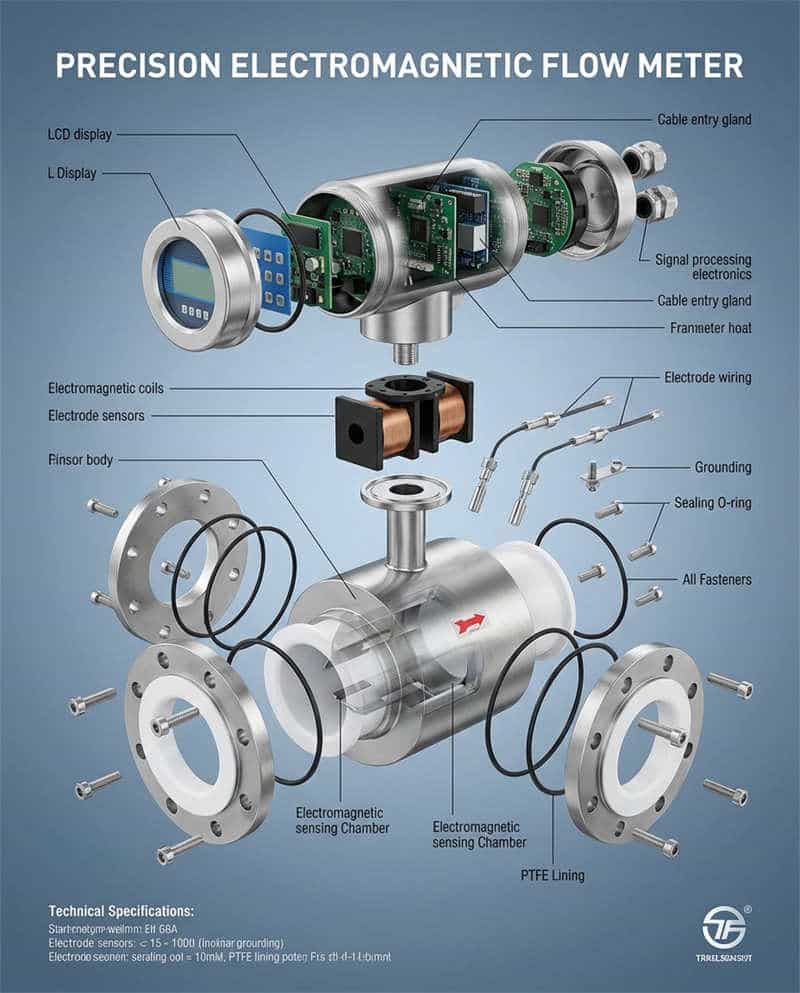
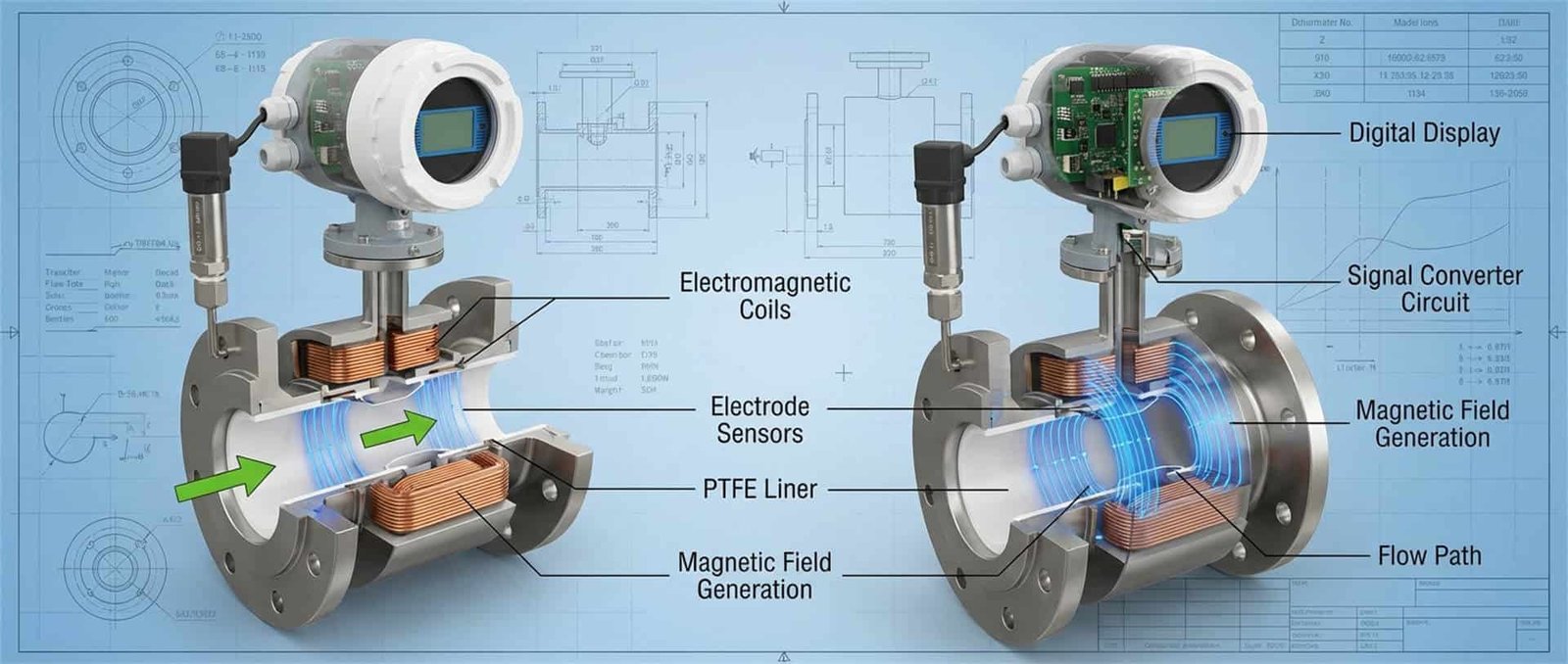
A magnetic flow meter (mag meter) applies Faraday’s law of electromagnetic induction to measure the volumetric flow rate of conductive liquids. The meter generates a magnetic field across the pipe bore using electromagnetic coils. When a conductive fluid passes through this field, it generates a voltage proportional to the fluid’s velocity. Electrodes embedded in the pipe wall detect this voltage, and the transmitter electronics convert it into a flow rate reading. The formula is E = k × B × D × V, where E is induced voltage, B is magnetic flux density, D is pipe diameter, and V is fluid velocity.
2. What minimum fluid conductivity does a magnetic flow meter require?
Standard industrial mag meters require a minimum fluid conductivity of 5 μS/cm (microsiemens per centimeter). Some high-sensitivity models can measure down to 1 μS/cm. For reference, tap water typically ranges from 50–800 μS/cm, and most industrial process liquids — acids, bases, slurries, and wastewater — are well above the 5 μS/cm threshold. Demineralized water (1–10 μS/cm) is on the borderline and may require a high-sensitivity model. Hydrocarbons, gases, and non-conductive solvents cannot be measured by mag meters.
3. Can magnetic flow meters measure slurries and fluids with suspended solids?
Yes — this is one of the mag meter’s primary strengths. Because there are no obstructions, orifices, or moving parts in the flow path, solids pass through freely without causing wear, clogging, or measurement error. Mag meters routinely measure mining slurries at 40–65% solids, paper stock at 3–6% consistency, raw sewage with 200–400 mg/L TSS, and food products containing fruit pulp or particulates. The key to long service life in abrasive slurry applications is selecting the correct liner — ceramic (Al₂O₃) for maximum wear resistance, or polyurethane for moderate abrasion at a lower cost.
4. What liner material should I choose for my magnetic flow meter?
Liner selection depends on the fluid chemistry and temperature. Hard rubber (Neoprene or EPDM) is the default for clean water and non-aggressive wastewater at temperatures up to 80 °C. PTFE (Teflon) resists virtually all chemicals and is rated to 180 °C — it is the standard for chemical processing, pharmaceutical, and aggressive wastewater service. PFA offers similar chemical resistance with a smoother surface finish, preferred in food/beverage and pharmaceutical applications. Ceramic (99.9% Al₂O₃) provides extreme abrasion resistance for mining slurries and pulp stock but is more expensive and fragile under mechanical shock. Jade Ant Instruments’ flow measurement device comparison guide includes liner material selection charts organized by fluid type.
5. How accurate are magnetic flow meters?
Industrial mag meters typically achieve ±0.5% of rate accuracy as standard, with high-performance models offering ±0.2% or even ±0.1% for custody transfer applications. Accuracy is maintained across a wide flow range — most mag meters are specified from 0.3 m/s to 10 m/s fluid velocity, covering a turndown ratio of approximately 30:1 or better. At very low velocities (below 0.1 m/s), accuracy may degrade due to signal-to-noise ratio limitations. Proper grounding, correct installation (5D upstream / 2D downstream straight run), and a full pipe are critical to achieving rated accuracy in the field.
6. Do magnetic flow meters require a full pipe to measure accurately?
Yes. Mag meters require the pipe to be completely full of liquid to produce an accurate reading. A partially filled pipe means the electrodes may be partially or fully exposed to air, which is non-conductive — this generates a zero or erratic signal. Most modern mag meters include empty-pipe detection (EPD) that alerts operators when the pipe is not full. For installations where partial-pipe conditions are unavoidable (such as gravity-fed sewer lines), an open-channel flow meter (e.g., ultrasonic + flume) is the correct alternative.
7. What is the typical service life of a magnetic flow meter?
In clean-water and pharmaceutical applications, a well-installed mag meter can operate for 15–20 years without liner replacement or major maintenance. In chemical processing and effluent monitoring, 10–15 years is typical. In abrasive slurry service (mining, pulp/paper), service life depends on liner material: rubber liners may last 2–5 years, while ceramic liners extend life to 8–12 years. The transmitter electronics typically last 15–25 years and can usually be re-paired with a new sensor body if the original liner wears out.
8. Can magnetic flow meters be used in hazardous (explosive) environments?
Yes. Mag meters are available with ATEX, IECEx, Class I Division 1, and Class I Division 2 certifications for installation in zones where flammable gases, vapors, or dust are present. This makes them suitable for refineries, chemical plants, oil platforms, grain processing facilities, and paint manufacturing plants. Always verify that the specific model’s hazardous area rating matches your site classification.
9. What are the installation requirements for a magnetic flow meter?
The standard recommendation is a minimum of 5 pipe diameters (5D) of straight run upstream and 2–3 pipe diameters (2–3D) downstream to ensure a fully developed flow profile. The meter should be installed in a section where the pipe is always full. Vertical installation (flow upward) is preferred for partially filled pipe scenarios, as gravity keeps the pipe full at the measurement point. Proper grounding is essential — without it, stray electrical currents can cause measurement drift. Grounding rings or grounding electrodes are used when the meter is installed in plastic or lined piping that lacks electrical continuity.
10. How does Jade Ant Instruments support magnetic flow meter selection?
Jade Ant Instruments is an ISO-certified Chinese manufacturer specializing in electromagnetic, vortex, turbine, and ultrasonic flow meters. Their engineering team provides application-specific recommendations covering pipe sizing, liner/electrode material selection, output protocol configuration (4-20 mA, HART, Modbus RS-485), and integration with existing SCADA/DCS systems. They support OEM/ODM customization, meaning customers can specify custom flange standards, special liner materials, or private-label branding for integration into their own product lines. Their electromagnetic flow meters are available in DN10–DN2000 with PTFE, hard rubber, and ceramic liner options.
Further Reading & Resources
Variable Area vs Turbine vs Electromagnetic Flow Meters — Jade Ant Instruments
Comparing Leading Flow Meter Companies — Jade Ant Instruments
Theory of Magnetic Flow Meters — Emerson
Electromagnetic Flowmeters for All Industries — Endress+Hauser
Magnetic Flow Meter — Wikipedia
Flow Measurement Compliance — U.S. EPA