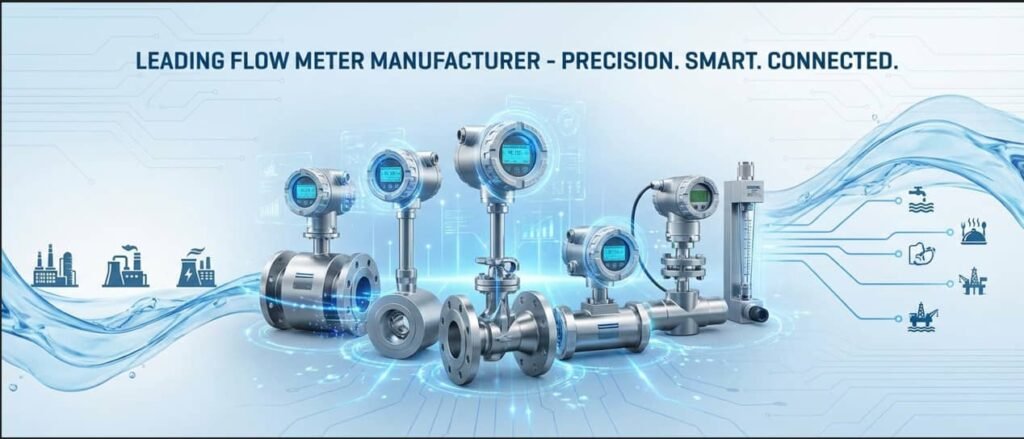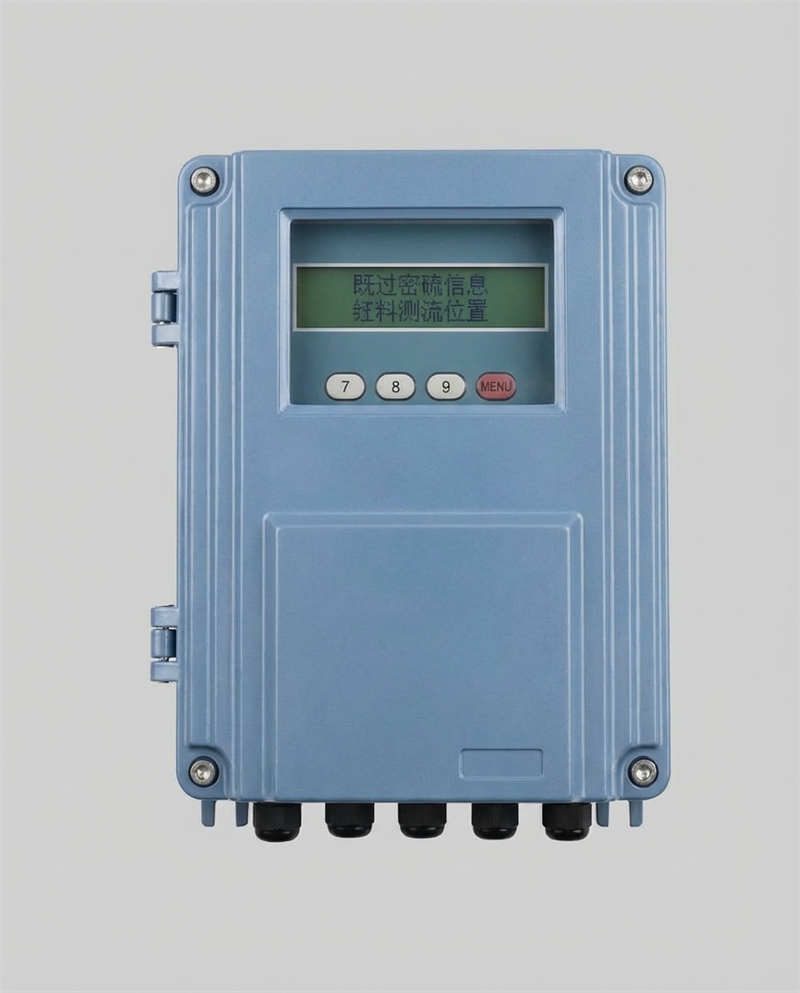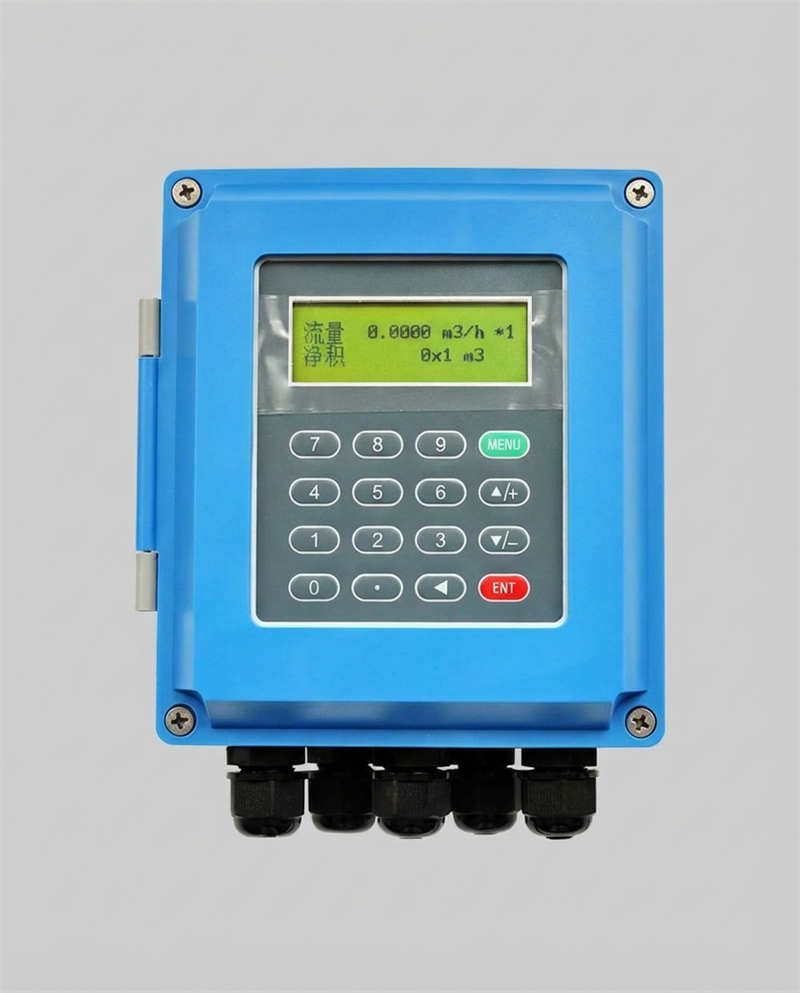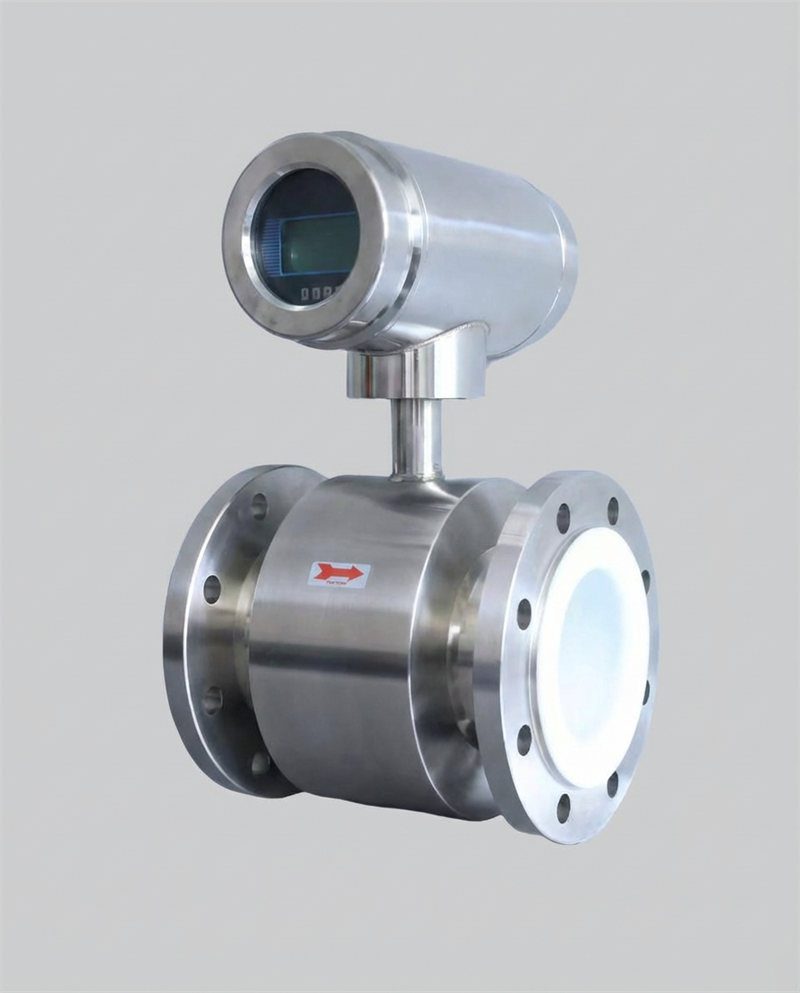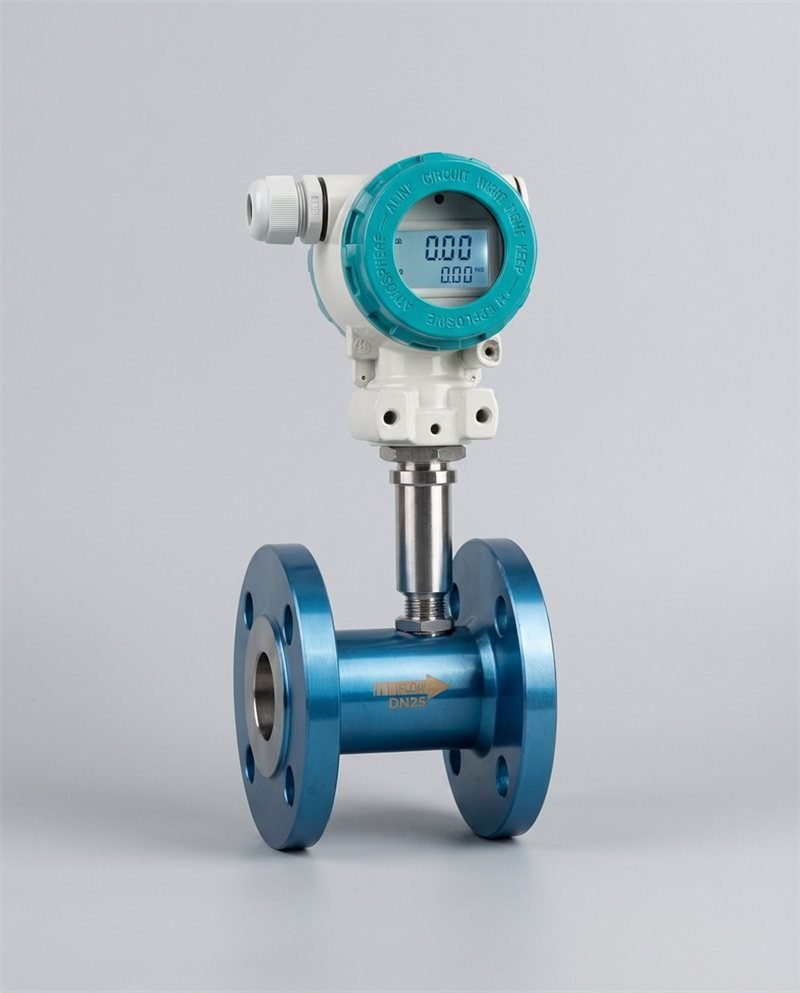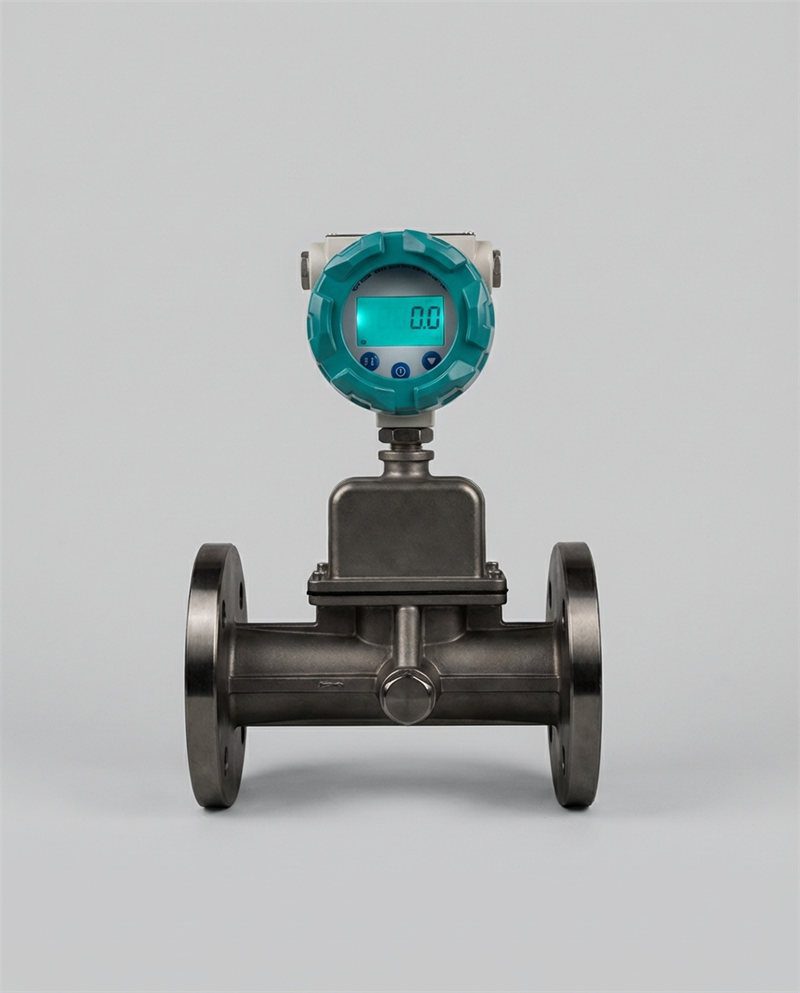
 Feature image: upload this file to your WordPress media library, then keep the filename above.
Ultrasonic water flow meters solve two pain points that mechanical meters cannot escape. The technology has no moving parts, so mechanical wear ends. The measurement is non-invasive or full-bore, so pressure loss and install downtime shrink. Together these traits cut measurement error and total cost of ownership for OEM manufacturers, system integrators, and utility providers.
This guide serves only trade readers. The readers are OEM equipment and skid-mount manufacturers, instrument distributors and importers, EPC firms and system integrators, industrial end users and MRO teams, and municipal and utility operators.
I.The Evolution of Flow Measurement: Transitioning from Mechanical to Sonic Technology
Water metering began with moving parts. Turbine, piston, and Woltmann meters read flow by spinning or sliding in the stream. Each design tied accuracy to the health of a mechanism.
Sonic technology broke that tie. An ultrasonic meter reads flow from sound travel times or echo shifts, with no mechanism in the water. The reading now depends on electronics and signal quality, and both hold steady far longer than bearings do.
Industry Pain Points: Addressing Pressure Loss, Mechanical Failure, and High Maintenance Costs in Traditional Metering
Three costs follow mechanical meters for life. The rotor blocks part of the bore, and pumps pay for that pressure loss every hour. The mechanism wears, and accuracy drifts down as clearances grow. The strainer and seals foul, and service crews visit on a fixed, expensive rhythm.
Failure adds a fourth cost. A seized rotor can stop a billing point or a process line without warning. Planned maintenance cannot remove the risk, because wear speed changes with water quality.
Value Proposition: How Ultrasonic Technology Secures Operational Continuity for Industrial and Municipal Stakeholders
Ultrasonic meters remove the wear mechanism from the measurement. The meter point keeps its accuracy tier for years, verifies in place, and in clamp-on form installs without a shutdown. Continuity is the real product: production lines keep running, districts keep billing, and crews stop chasing meter faults.
The sections below build the case in order. The case starts with the engineering core, then covers maintenance, precision, integration, municipal use, economics, implementation, and the digital future.
II. The Engineering Core: How Ultrasonic Flow Technology Works
Transit-Time vs. Doppler Effect: Technical Breakdown of Measurement Principles
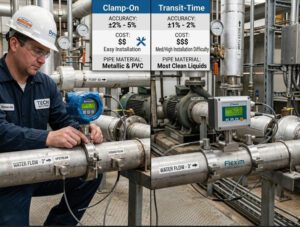
A transit-time meter sends sound pulses with the flow and against the flow. Moving water speeds one trip and slows the other, and the time gap gives the velocity. Clean water suits this method, and the method gives the top accuracy tier.
A Doppler meter reads echoes. The meter sends sound into the fluid and measures the frequency shift of echoes from particles and bubbles. Dirty, aerated, and slurry water suits this method, because such water carries reflectors by nature.
Сайт transit-time and Doppler working guide explains both principles with diagrams for engineering teams. This principle video walks through the same physics in motion:
https://www.youtube.com/watch?v=Bx2RnrfLkQg
Non-Invasive Integration: The Advantage of Clamp-On Sensors for Existing Infrastructure
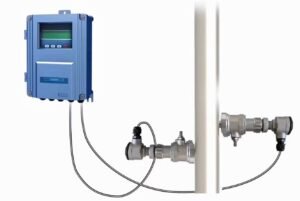
Clamp-on sensors mount on the pipe outside. The sound crosses the wall, reads the flow, and returns. The pipe stays sealed and the process stays live.
Existing infrastructure gains the most. A plant can add measurement points to lines that no one will cut: high-pressure mains, corrosive lines, and lines with no shutdown window. The same kit later moves to another point, so one purchase serves audits across a site.
Signal Processing: How Digital Conversion Ensures High-Precision Data in Complex Fluid Environments
Modern transmitters sample the received sound many times per second. Digital filters sort the true echo from pump noise, vibration, and electrical interference. The meter also reports signal strength and a quality index, so the crew can see path health, not just flow.
Сайт ultrasonic flow meter reference entry outlines the measurement physics behind this processing. The practical gain is simple: the meter holds a stable reading in plants where a mechanical unit would jitter, foul, or stall.
III. Solving the Maintenance Nightmare: Ultrasonic vs. Traditional Mechanical Meters
Eliminating Wear and Tear: No Moving Parts Means No Mechanical Degradation or Friction Loss
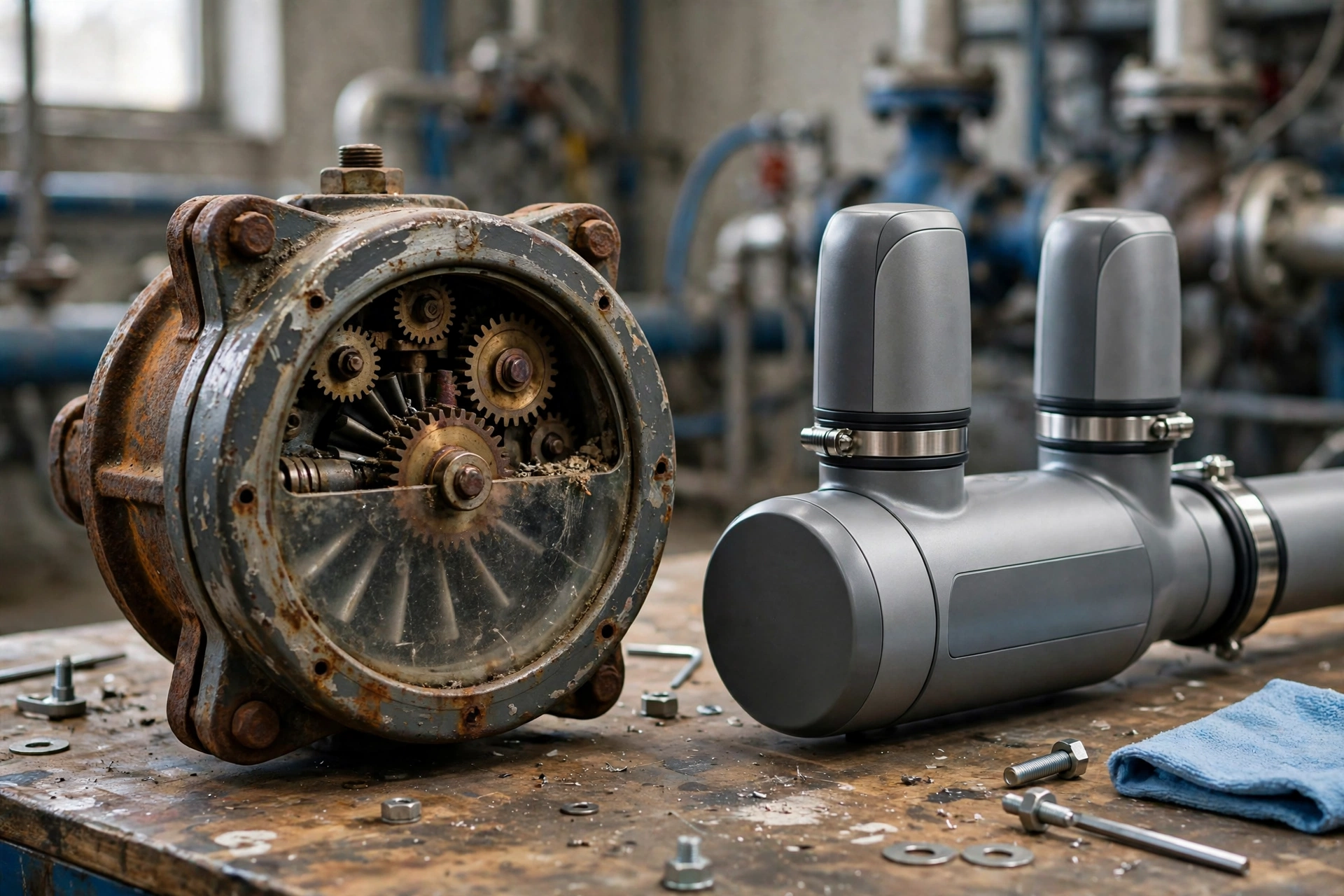
A mechanical meter’s accuracy is a countdown. Sand scores the rotor, scale grips the bearings, and each year steals a slice of the low-flow range first. Night flows vanish from the record long before the meter fails an official test.
An ultrasonic meter has no rotor to score and no bearing to grip. The inline bore stays smooth, and the clamp-on build never touches the water. Accuracy decay slows to the pace of electronics ageing and deposit growth, and both trends show in the diagnostic data years early.
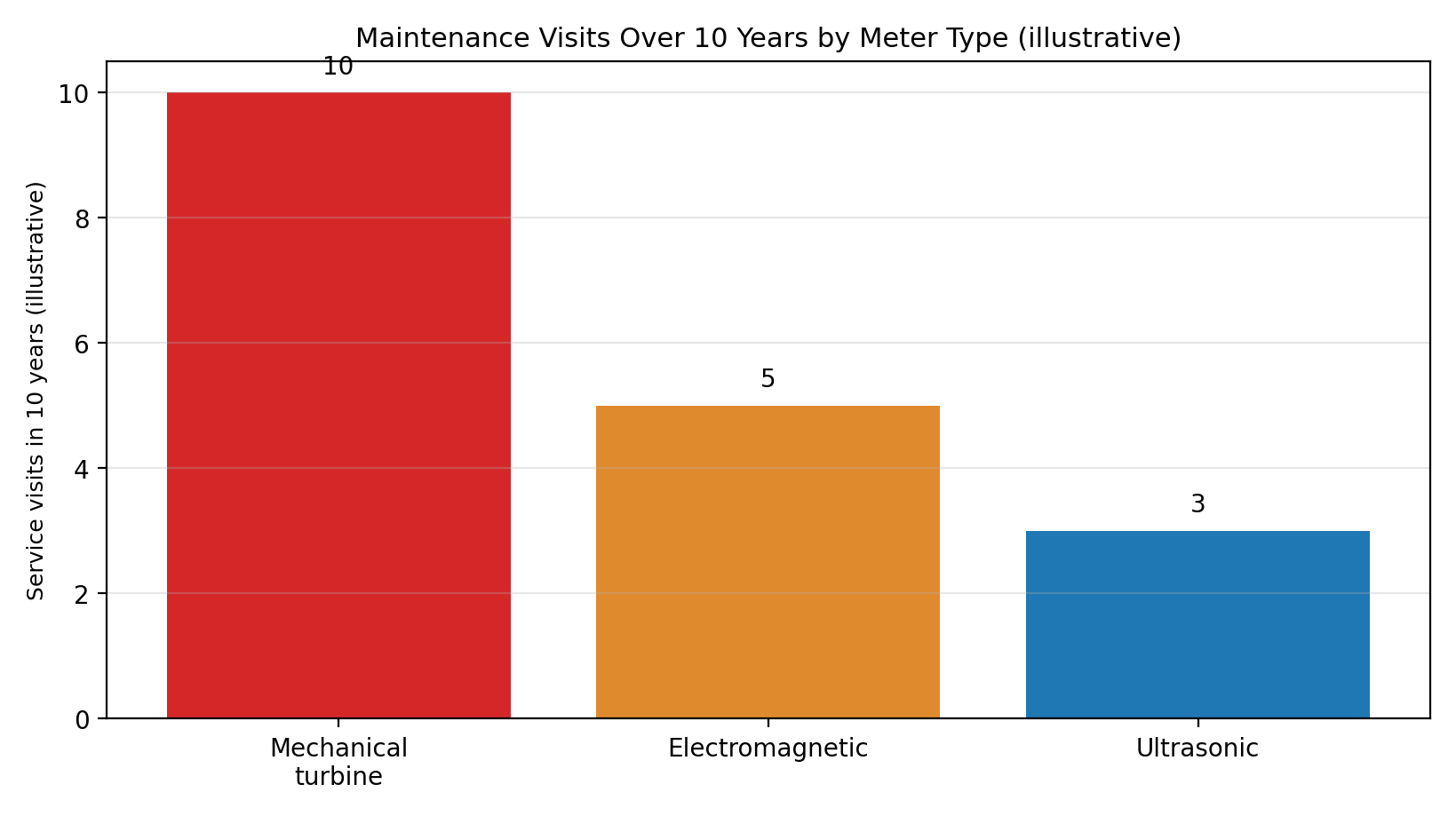 Replace this slot with your own chart or diagram. Suggested: bar chart of ten-year service visits by meter type, ultrasonic lowest.
Zero Pressure Drop: Impact on Pump Efficiency and Energy Savings for EPCs and System Integrators
A mechanical meter sits in the flow as an obstruction. The pump pays for that obstruction as pressure drop, hour after hour, for the meter’s whole life. On a large line, a modest drop can cost more energy per year than the meter cost to buy.
A full-bore ultrasonic body adds almost no drop, and a clamp-on build adds none at all. EPC designers can bank that saving in the energy model at tender stage. System integrators can also downsize pump margins that older designs padded for meter loss.
Long-Term Reliability: Reducing the Frequency of Calibration and Replacement Cycles
Mechanical fleets follow a rhythm of test, repair, and replace. Many utilities retire mechanical meters on cycles near 8 to 10 years in hard water, with bench tests between. Each cycle carries labour, spares, and billing disputes over tired meters.
Ultrasonic fleets run longer between interventions. Service centres on verification, not parts: check the signal, check zero, confirm the record. Replacement cycles stretch, and spare stock shrinks to electronics and sensors rather than full mechanisms.
IV. Precision and Accuracy in Challenging Industrial Environments
Handling Variable Flow Rates: Managing Turbulence and Low-Flow Scenarios Without Loss of Accuracy
Plant flow rarely sits still. Lines swing from night trickle to peak demand, and a meter must hold accuracy across the swing. Mechanical meters lose the bottom of the range first, because friction stalls the rotor at low speed.
Ultrasonic meters read down to very low velocities with no stall point. Wide turndown ratios, often 100:1 and beyond, keep one meter honest across the full day. Turbulence still matters: a disturbed profile bends any meter’s result, so install rules in Section VIII protect the top tier.
Material Compatibility: Suitability for Corrosive, High-Temperature, or High-Pressure Fluids
The inline build puts wetted parts in the fluid, so material choice sets service life. Stainless 316L covers most clean and mildly aggressive waters, and higher alloys cover chloride duty. The clamp-on build sidesteps the question for the harshest lines, because the sensors stay outside the pipe.
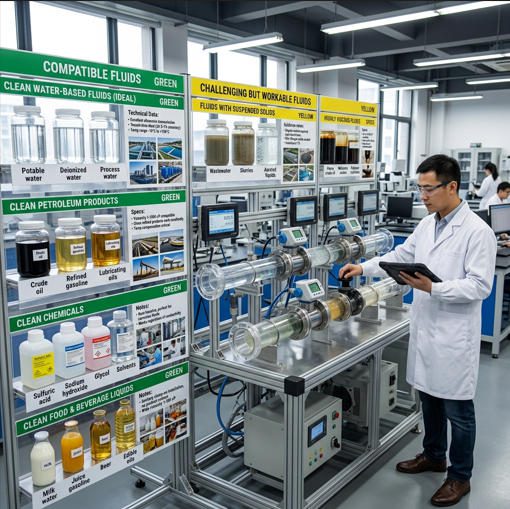
Temperature and pressure ratings need the same care. Hot lines need rated sensors and couplant. High-pressure lines need bodies and flanges with margin above surge peaks. The ultrasonic flow meter fluid compatibility guide maps fluid classes to safe build choices.
Stability Over Time: Maintaining Calibration Integrity Compared to Turbine or Electromagnetic Meters
A turbine meter’s calibration rides on its mechanism, and the mechanism changes daily. An electromagnetic meter holds stability well but needs a conductive fluid and clean electrodes. An ultrasonic meter’s calibration rides on geometry and electronics, and both change slowly.
Field data follows that logic. Ultrasonic points that pass a sound install and yearly verification hold their tier across many years. The meter also self-reports path health, so a stability problem announces itself before an auditor finds it.
V. Strategic Integration for OEM and Skid-Mount Manufacturers
Compact Design and Modular Integration: Simplifying the Footprint of Skid-Mounted Systems
Skid frames reward small, light instruments. Ultrasonic meters pack the measurement into a short body or a pipe-surface sensor pair, with the transmitter mounted where the designer wants it. No strainer run and no bulky mechanism compete for frame space.
Modular builds help product lines. One transmitter platform can serve several pipe sizes across a skid range, so the builder stocks fewer variants and trains one setup routine.
Ease of Installation: Reducing Labor Costs and Commissioning Time During the Build Phase
Factory fitting is fast. The crew bolts the inline body into the frame or straps the sensors onto a pipe run, wires the outputs, and tests the full skid. No meter-specific plumbing craft slows the line.
Commissioning shrinks too. Digital setup replaces mechanical adjustment, and the test record exports as data. Builders who ship many copies gain the most, because each copy leaves with the same setup file. Jade Ant Instruments supplies skid-ready builds across its range, and OEM teams can review the ultrasonic flow meter product range for frame-fit options.
Customization Potential: Integrating Smart Outputs (Modbus, HART, 4-20mA) for Seamless PLC Communication
One meter can speak several languages. Modbus serves SCADA-heavy plants, HART serves instrument shops, and 4-20mA serves simple loops. Pulse outputs still serve totalising into legacy panels.
Health data should ride the same link. A design that maps signal strength and alarms into the PLC lets the control room see meter health beside process values. That small spec choice turns later maintenance from detective work into a scheduled job.
VI. Optimizing Municipal Water Distribution and Utility Management
Leak Detection and NRW Reduction: Identifying Losses Through High-Sensitivity Measurement
Non-revenue water, or NRW, is water that a utility produces but never bills. Leaks form the largest share in most networks, and tired meters hide the second share by under-reading real use.
Low-flow sensitivity attacks both shares. An ultrasonic district meter still reads the small night flow that a worn mechanical meter misses. A zone whose night flow stays high hides a leak, and crews can hunt the zone with portable meters before they dig. Teams that run such surveys use portable ultrasonic meters for water audits as the standard field tool.
 Replace this slot with your own photo. Suggested: night leak-detection crew with a portable meter at an open chamber.
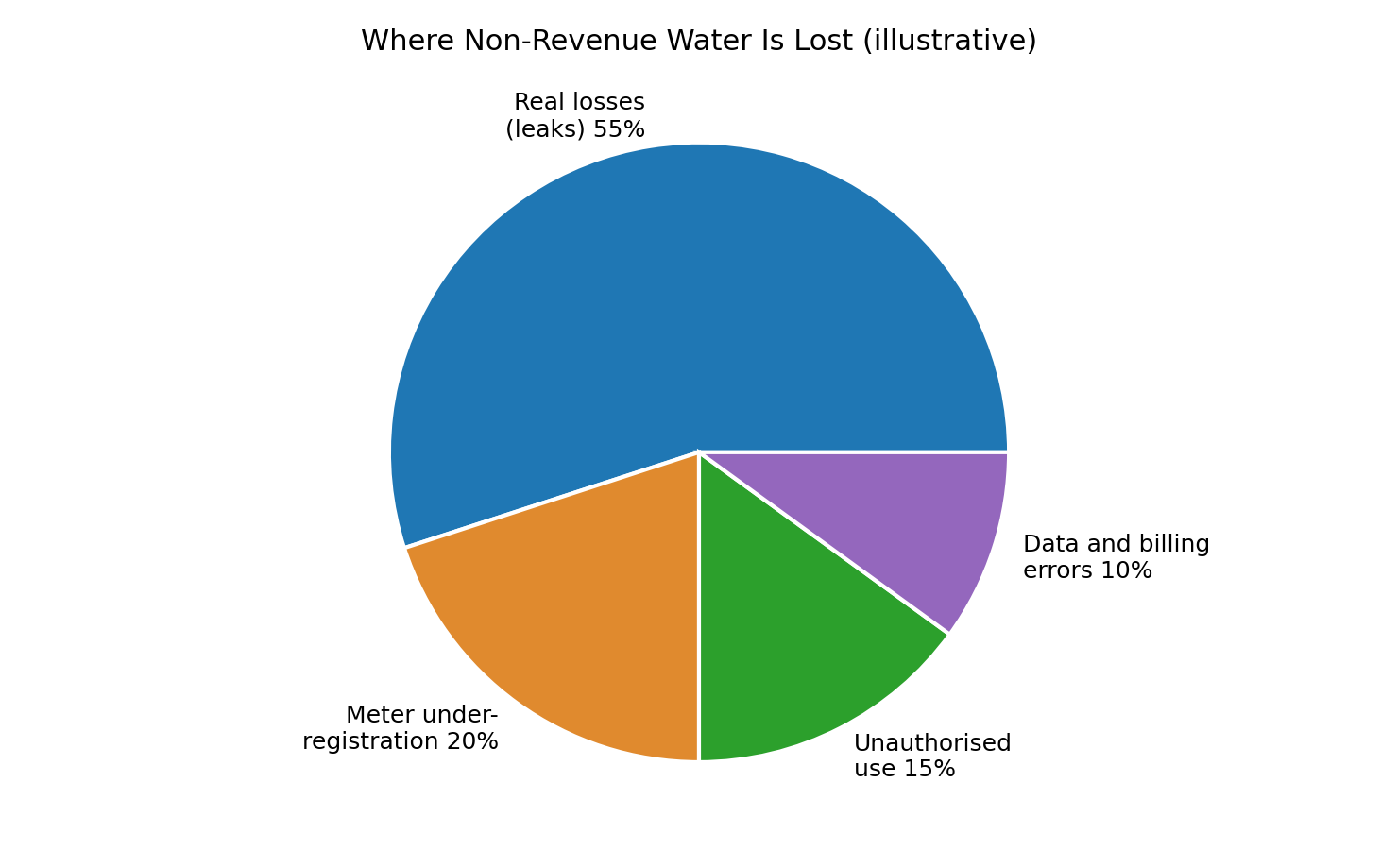 Replace this slot with your own chart or diagram. Suggested: pie chart of non-revenue water loss sources, leaks as the largest share.
Scalability: Implementing Ultrasonic Meters Across Diverse Pipe Diameters Without System Shutdowns
Networks mix small service lines with trunk mains. One ultrasonic platform covers that span: compact bodies for small lines, multi-path inline units for billing mains, and clamp-on kits for survey work. Clamp-on rollouts need no shutdown at all, so a utility can meter live districts in weeks rather than outage seasons.
Phased rollouts protect budgets. The utility meters the worst districts first, proves the NRW gain, and funds later phases from the recovered water.
Remote Monitoring: Leveraging IoT Integration for Real-Time Utility Oversight and Billing Accuracy
Battery and solar points report totals and alarms on a set rhythm. Control rooms see district inflow, night flow, and meter health without a site visit. Billing gains twice: totals arrive on time, and low-flow accuracy stops the silent under-billing that worn meters cause.
Specifiers for utility duty can review the utility-grade ultrasonic water flow meters for battery, output, and rating options per point class.
VII. Economic Impact: Analyzing Total Cost of Ownership (TCO)
Initial Capex vs. Long-Term Opex: Why Higher Initial Investment Leads to Lower Lifecycle Costs
The ultrasonic unit often costs more than a mechanical unit of the same size. The service ledger then flips the result. Fewer visits, no mechanism spares, longer replacement cycles, and better low-flow capture repay the gap.
Finance teams should model ten years, not the purchase quarter. On that horizon the mechanical meter’s cheap start carries repeat service and early replacement, while the ultrasonic meter’s cost stays near flat after install.
Reduction in Downtime: The Financial Value of Avoiding Cut-and-Cap Installations
A cut-and-cap install drains a line, stops a process, and restarts a system. The lost hours can outprice the meter on production and utility lines alike. Clamp-on points remove that event from the plan, and inline points on new builds install before the line ever runs.
Сайт ultrasonic flow meter cost savings and ROI guide turns avoided downtime into budget lines that finance teams can approve.
Energy Efficiency: Lowering Pumping Costs by Removing Flow Obstructions
Every obstruction in a line taxes the pump. A mechanical meter’s rotor and strainer tax it for life. A full-bore or clamp-on ultrasonic point removes that tax, and the saving repeats every hour the pump runs.
Precise data adds a second saving. Pumps scheduled against true demand, not padded estimates, cut energy again. Meter accuracy therefore pays twice: once in hardware behaviour, once in control quality.
VIII. Implementation Guide for EPCs and System Integrators
Site Assessment: Choosing Between Clamp-On and Inline Ultrasonic Meters
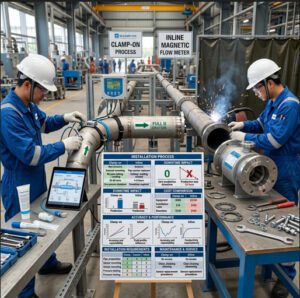
The assessment starts with five facts: fluid state, accuracy duty, shutdown window, pipe data, and access. Clean fluid plus billing duty points to inline. A live line plus audit duty points to clamp-on. Dirty fluid points to the Doppler principle in either build.
Сайт clamp-on ultrasonic flow meter retrofit guide lists the site questions that protect retrofit quotes, from wall state to access space.
 Replace this slot with your own photo. Suggested: technicians fitting clamp-on sensors on a live plant line without a shutdown.
Installation Best Practices: Ensuring Optimal Signal Quality Through Proper Pipe Preparation
Signal quality is built at install. The crew cleans the pipe spot to bare, smooth material. The crew measures the wall with a gauge rather than trusting old drawings. The crew applies an even couplant layer and sets the spacing from the transmitter’s computed value.
Straight runs protect the profile: about 10 pipe diameters before the point and 5 after it as the base rule. The crew then logs baseline values — signal strength, gain, quality index, and zero offset — so later visits can prove drift instead of debating it.
Integration Workflow: Mapping Flow Data into SCADA and Energy Management Systems (EMS)
The workflow has four steps. The team maps flow and totals into SCADA. The team maps health values beside them. The team sets alarm limits from the two-week baseline. The team links energy data in the EMS, so pump cost per cubic metre becomes a live figure, not a monthly guess.
A tested chain matters more than a long feature list. The integrator should prove one full path, sensor to screen, before the rollout scales.
IX. Future-Proofing Water Infrastructure
The Role of Digital Twins: Using Ultrasonic Data for Predictive Maintenance and Simulation
A digital twin is a software model that mirrors a real network or plant. Steady, accurate flow data feeds the model. Engineers can test a pump change or a new district split in the model before they touch the real system.
Predictive maintenance grows from the same data. Signal and gain trends flag fouling points weeks early, and work orders follow data instead of calendars.
Regulatory Compliance: Meeting Evolving Environmental and Efficiency Standards
Water rules tighten in most markets: loss reporting, metering accuracy, and energy audits all gain detail. Meters with verifiable accuracy and digital records answer auditors with data exports, not estimates. Billing points in regulated markets also carry metrology approvals, and buyers can check the current frame in the OIML recommendations list before a tender closes.
Smart City Integration: The Synergy Between Ultrasonic Metering and Urban Water Grids
Smart grids join meters, pressure sensors, and control systems into one view. Ultrasonic meters fit that view by design: digital outputs, health data, and low-flow vision come standard. A city that meters districts this way can price water honestly, find losses fast, and plan mains renewal from evidence.
 Replace this slot with your own photo. Suggested: utility control room wall screens with network flow dashboards.
X. Summary of Strategic Advantages: Reliability, Precision, and Efficiency
The case rests on three legs. Reliability: no moving parts means no wear clock on accuracy. Precision: digital sonic measurement holds wide-range accuracy and sees low flows that mechanical meters miss. Efficiency: no obstruction, no shutdown installs, and data that trims pump energy.
Final Call to Action: Transitioning to Ultrasonic Technology to Eliminate Operational Bottlenecks
Asset owners should start where pain is proven: the district with high NRW, the line that cannot shut down, the dosing point that drifts. One sound pilot on a real pain point builds the internal case better than any catalogue. Buyers can ask the Jade Ant Instruments team to scope your first ultrasonic pilot with the line data from that point.
Closing Vision: The Path Toward Autonomous, Zero-Waste Water Management
The direction of travel is clear. Meters report health, networks model themselves, and crews fix points before readings fail. Ultrasonic measurement is the sensor base for that future, because the technology delivers accurate data for a decade with little touch. Zero-waste water management starts with measurement that never sleeps and never wears out.
Glossary: Plain Words for Key Terms
| Term | Plain meaning | Example |
|---|---|---|
| Transit-time | A method that reads the time gap of sound pulses sent with and against the flow | A clean-water billing meter |
| Doppler | A method that reads the echo shift from particles or bubbles in the fluid | A raw sewage meter |
| Pressure drop | The pressure lost as water pushes through an obstruction | A strainer that costs pump energy |
| Коэффициент понижения напряжения | The span between the highest and lowest flow a meter reads within its accuracy | 100:1 reads 1 to 100 m³/h |
| NRW | Non-revenue water: water produced but never billed | Leak losses in a district |
| Wetted parts | The parts that touch the fluid | A rotor inside a turbine meter |
| Couplant | A gel that removes air between a sensor and the pipe | Gel under a clamp-on sensor |
| TCO | Total cost of ownership across the full service life | Unit plus service and energy |
| Digital twin | A software model that mirrors a real network or plant | A model that tests pump changes |
| SCADA | A central system that watches and controls plant data | A control room flow screen |
| EMS | Energy management system: software that tracks energy use | Pump cost per cubic metre report |
| Проверка на месте | A check of the meter in place, in the live line | A portable reference reads the same line |
Часто задаваемые вопросы
1. How does the accuracy of ultrasonic meters compare to electromagnetic meters in high-sediment water?
High sediment troubles both technologies in different ways. Sediment coats electromagnetic electrodes and drifts the reading. A Doppler ultrasonic meter uses the sediment as reflectors and keeps reading, at a wider accuracy tier. A transit-time meter fades in heavy sediment, so dirty lines belong to Doppler builds.
2. Can clamp-on ultrasonic meters be installed on lined pipes (e.g., cement or plastic linings)?
Yes, with care. A tight liner with the true thickness in the setup can give a sound reading. A loose or thick cement liner bends and fades the sound path. Crews should test one point on the real line before a fleet rollout on lined mains.
3. What is the expected lifespan of an ultrasonic flow meter compared to a turbine meter?
An ultrasonic meter often serves 12 to 15 years or more, because no mechanism wears. A turbine meter in hard water often needs major service or replacement near 8 to 10 years, with accuracy loss well before that date. Water quality and care move both figures.
4. How do these meters handle air bubbles or entrained gas in the water stream?
Bubbles scatter sound. A transit-time meter adds jitter under a light load and can fault under a heavy load. A Doppler meter tolerates more air, because bubbles reflect its signal. Chronic air points to a process fault, such as a suction leak, and the crew should fix the source.
5. What are the specific power requirements for remote installations in municipal grids?
Remote points run on long-life batteries or small solar panels. The meter’s logging rhythm sets the draw: frequent reports cost years of battery life. Specifiers should ask for draw figures at the real report rate and size the panel or battery pack with winter margin.
6. How often do ultrasonic meters require re-calibration, and can it be done in-situ?
Most process points verify once a year or on an 18 to 24 month cycle for low-duty points, and verification runs in place with a portable reference. Billing points under legal rules also owe rig calibration on the local cycle. A check that shows drift on a sound point triggers the deeper test.
7. Which communication protocols are supported for integration into existing SCADA systems?
Common options are Modbus RTU and TCP, HART, 4-20mA, and pulse outputs. Modbus carries flow plus health data in digital form and suits most SCADA systems. The specification should list the data points, not just the protocol name, so diagnostics reach the control room too.
8. For OEM skid-mounts, what is the minimum straight-run pipe requirement for stable readings?
The base rule is 10 pipe diameters before the meter and 5 after it. Compact skids can use less when the meter has flow conditioning or a multi-path build, and the builder proves the tier at factory test. The as-built file should record the real run, so site teams judge the reading tier honestly.
9. What is the ROI timeline when replacing mechanical meters with ultrasonic technology?
Many fleets see payback in two to four years. The gains stack: fewer service visits, no mechanism spares, recovered low-flow billing, and lower pumping energy. A district with high NRW can pay back faster, because leak gains start in the first season.
10. Are there specific certifications (e.g., MID, OIML) that these meters hold for legal billing?
Legal billing meters carry market approvals such as MID in Europe and follow OIML R 49 class frames in many regions. The certificate must name the exact model and size range. Buyers should request the certificate set at tender stage and confirm that the duty in the tender matches the certified duty.