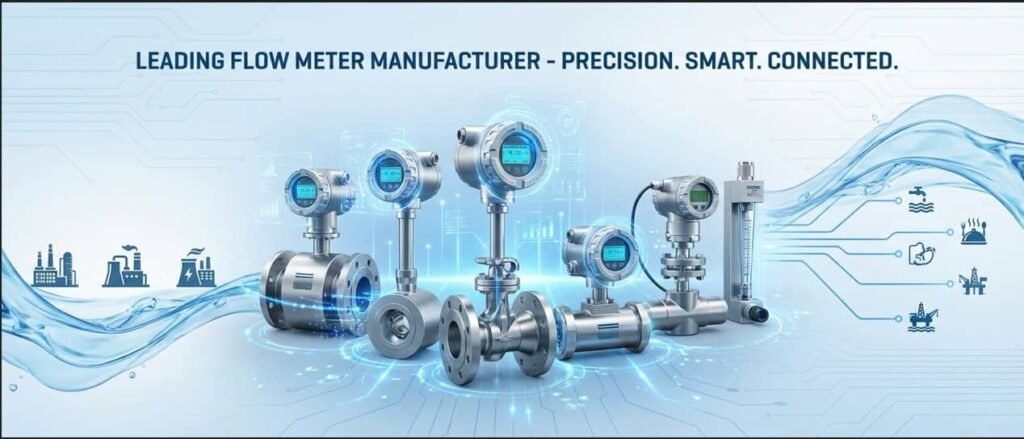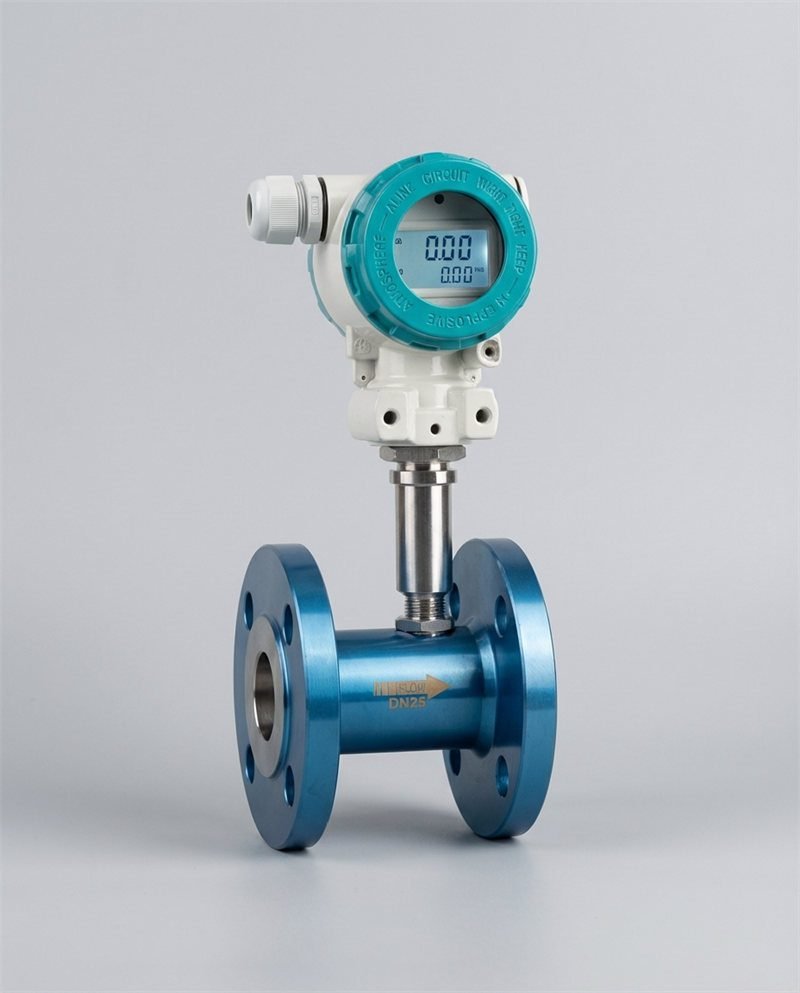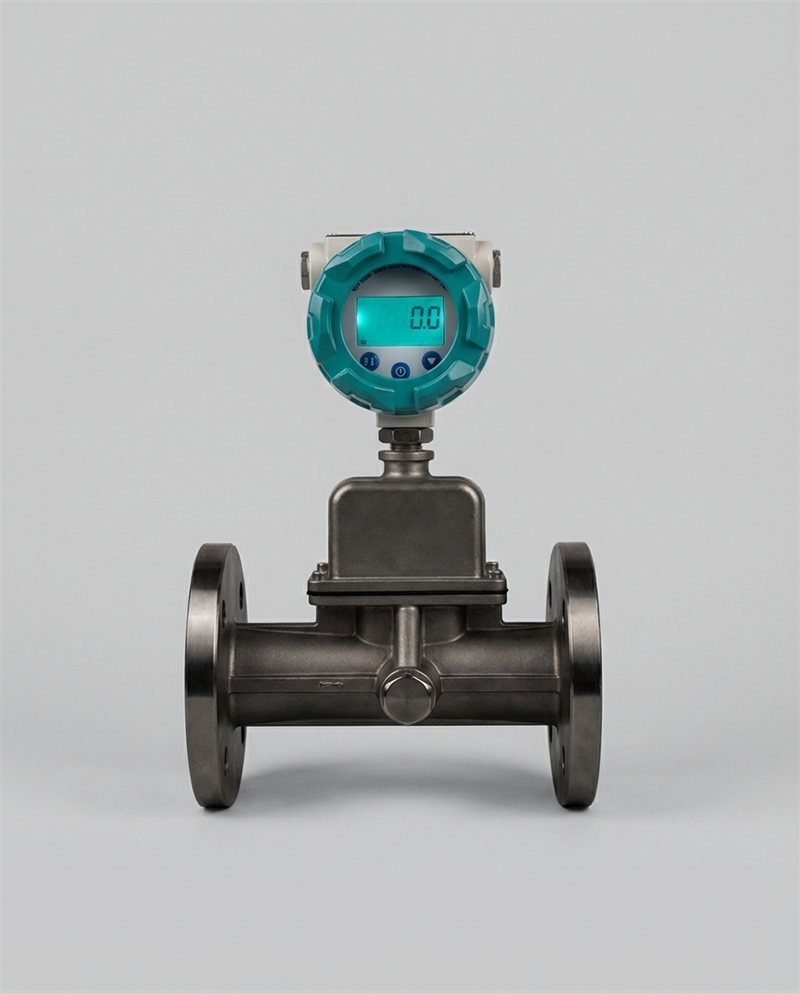
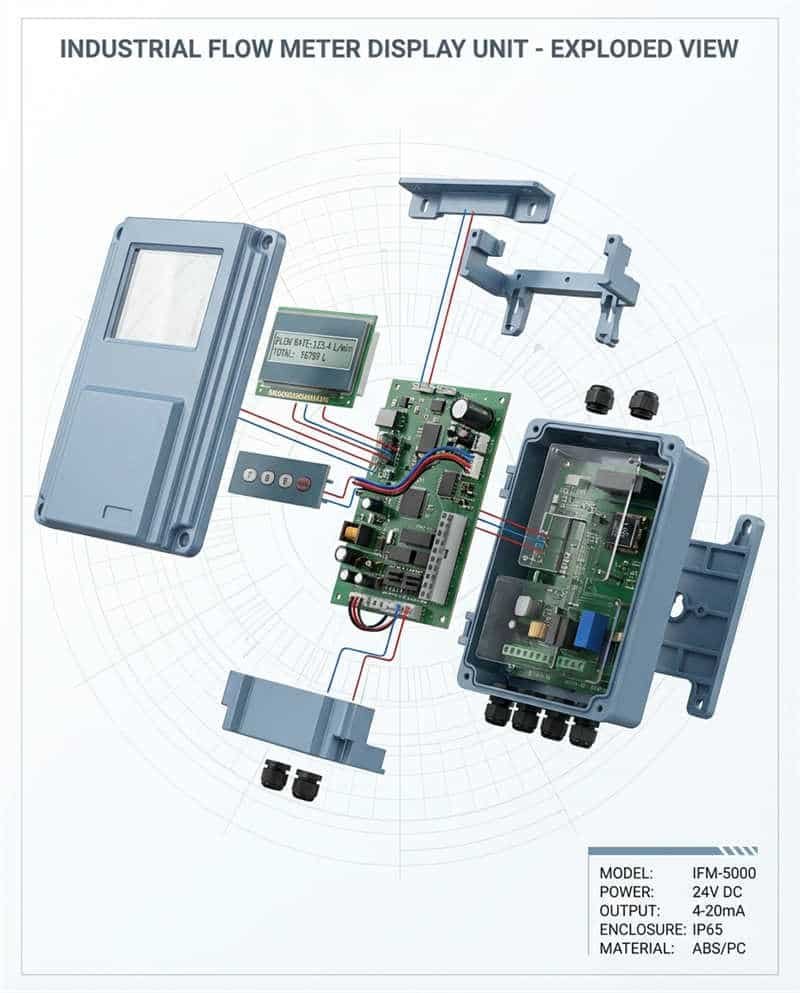
You need to pick the best flow meters for your water system. First, know what you want to do. Many people use flow meters water to check water flow. They also use them to follow safety rules. Flow meters help make work better and keep track of supplies. You should look at fluid properties and how the system works. Think about how well it performs and how you will install it. Also, look at the environment and how much it costs over time. Water meters give correct and quick measurements. This helps you make good choices. Jade Ant Instruments has answers for these needs.
Key Takeaways
- Find out what kind of fluid you have. Think about what you need the meter for. This helps you pick the right meter for your job.
- Look at how accurate and reliable the meter is. Good readings help you save money. They also stop you from making expensive mistakes.
- Check how easy it is to install and take care of the meter. Some meters need more attention. This can change how much you spend over time.
- Make sure the meter fits your water system. Different meters work best for different jobs. Pick the one that works for your needs.
- Ask a flow meter expert if you do not know what to do. Their advice can help you choose the right meter. It can also help you avoid mistakes.
Why the Right Flow Meter Matters
Accuracy and Reliability
You need flow meters water to give you correct numbers. If your water meter is accurate, you use less water and avoid problems. Wrong readings can make you spend more money fixing things. Testing and checking your meter often helps you find small mistakes early. Jade Ant Instruments has good products that help you feel sure about your water system. You can trust your numbers and make smart choices.
Efficiency and Cost Savings
Picking the right flow meter helps you save money and work better. Here are some ways you win:
- You measure water flow more exactly, so your work gets easier.
- You waste less stuff and use less energy by watching flow closely.
- You pay less for setup and fixing, especially with clamp-on meters that do not need pipe cutting.
- You need fewer types for different pipes, so you save time and paperwork.
- You keep your system working longer by checking flow fast and finding clogs early.
Compliance and Sustainability
You have to follow rules when you run water systems. Many flow meters meet tough standards for being correct and reliable.
MCERTS certification for flow meters shows these tools are tested for accuracy and reliability in checking the environment. This gives people and rule-makers proof that the flow numbers are good for reports and decisions.
Electromagnetic flow meters are good for water and wastewater because they measure conductive fluids well. You should look at flow range, space for setup, fixing needs, cost, and how the meter fits your water system. Picking the right flow meter helps you care for nature and follow the law.
Types of Flow Meters Water Systems Use
There are different flow meters in water systems. Each one measures water in its own way. Some meters work better for certain jobs. If you know the types, you can pick the right meter.
Mechanical Water Meter
Mechanical water meters have been used for a long time. Positive displacement meters are common in homes and small shops. These meters measure how much water goes through. They work best when water flows slowly or at a medium speed. You need to check them often because parts can wear out. Mechanical meters need regular care.
Electromagnetic Flow Meter
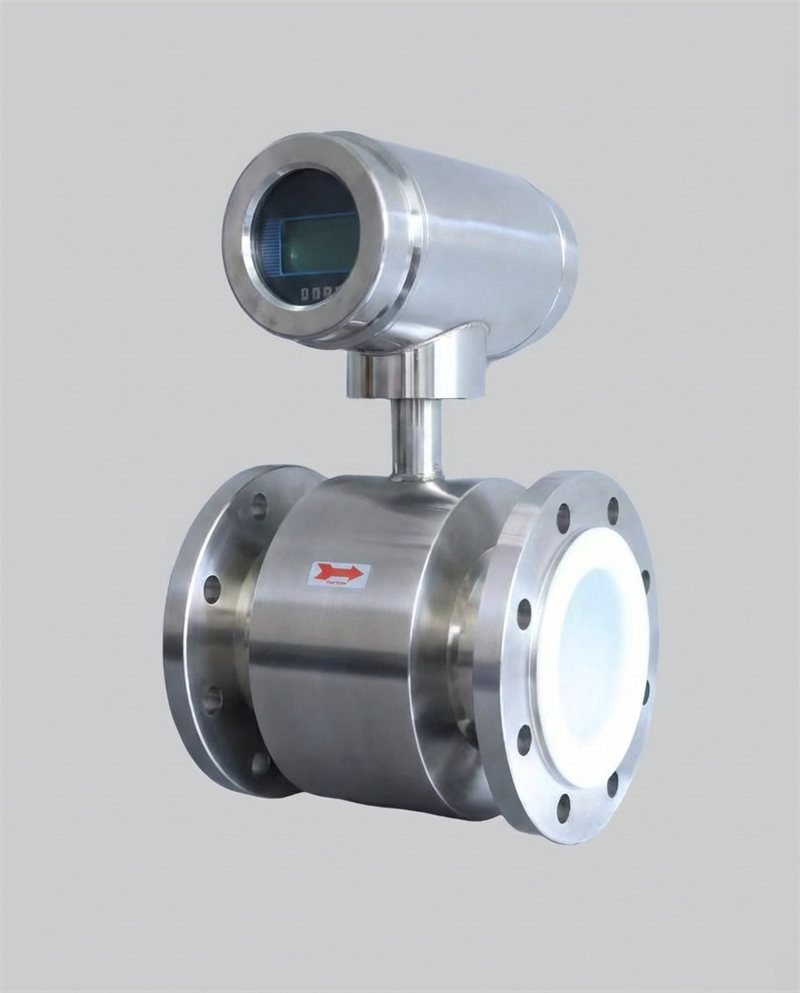
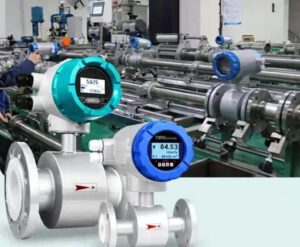
Electromagnetic flow meters use magnets to measure water flow. They are very accurate, usually within half a percent. These meters are good for water and wastewater. They do not cause much pressure drop and need less care. Many cities use them to bill people and find leaks. Jade Ant Instruments sells electromagnetic flow meters that help you watch water in real time.
Ultrasonic Flow Meter
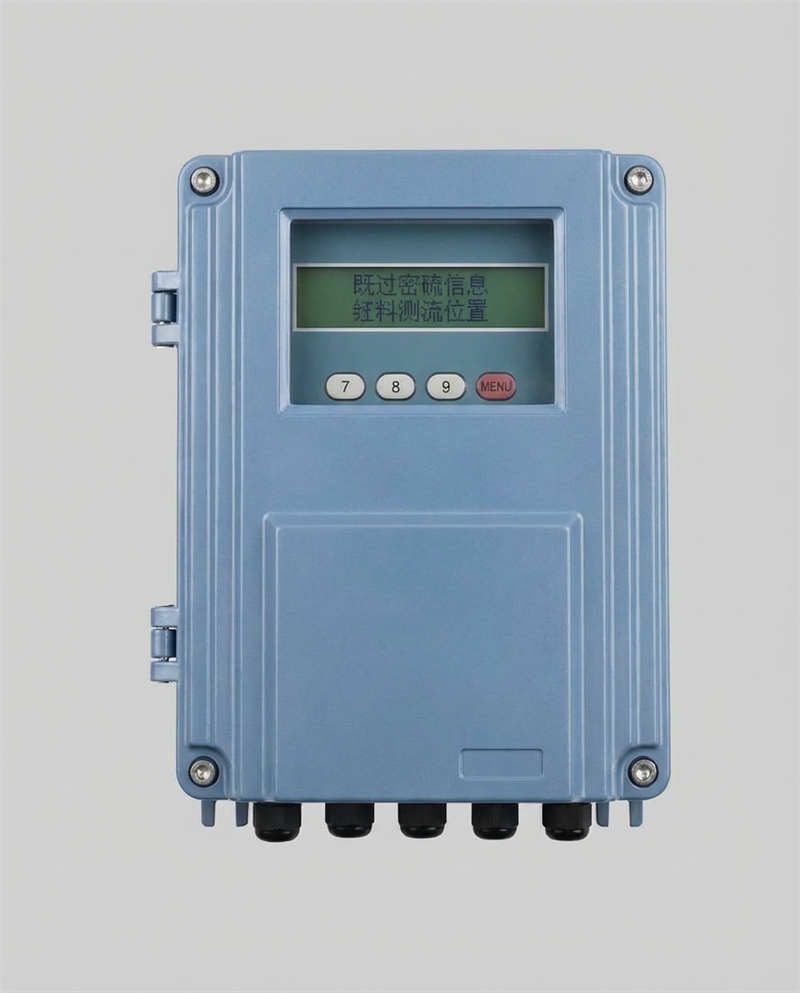
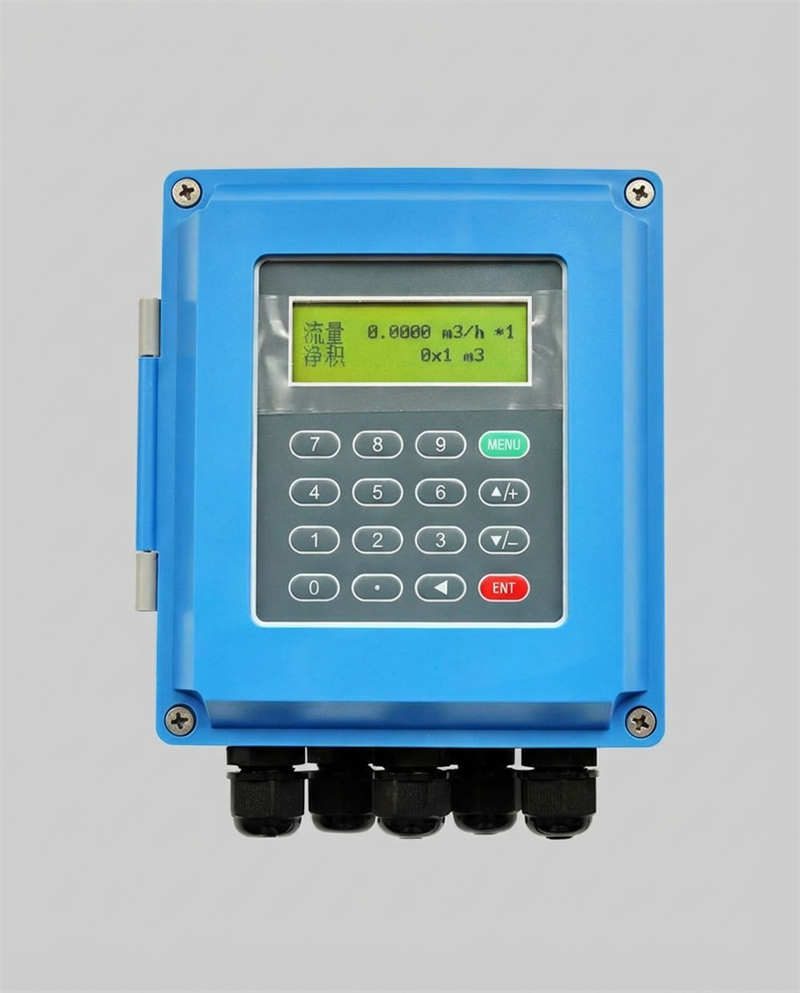
Ultrasonic flow meters use sound waves to check water speed. You do not have to cut pipes to put them in. These meters work for clean and dirty water. They do not need much care because they have no moving parts. Here is a simple table:
| Meter Type | Maintenance Requirement |
|---|---|
| Mechanical Meter | Needs regular care because parts can wear out |
| Ultrasonic Meter | Needs no care because there are no moving parts |
Vortex Flow Meter
Vortex flow meters measure water by finding swirling patterns. They work well because there are no moving parts. These meters can measure a lot of different flows. They stay accurate even if temperature or pressure changes. They cause little pressure loss and need little care.
| Advantage | Description |
|---|---|
| No moving parts | Works well for a long time |
| Wide measuring range | Can measure many flows |
| Unaffected by thermal parameters | Stays accurate |
| Low pressure loss | Does not slow water much |
| High accuracy | Gives repeatable results |
Other Flow Meter Technologies
New flow meters are making water management better. IoT-enabled meters give you data right away and help you find problems fast. Smart systems use data from many places. You can use these systems to guess when things might break and work better. Jade Ant Instruments offers new flow meters with digital and IoT features.
Tip: When picking a flow meter, look at the types and match them to your water needs. This helps your system work its best.
Comparing Flow Meter Types
Mechanical vs. Ultrasonic Water Meter
Mechanical meters and ultrasonic meters are used in water systems. Mechanical meters have parts that move to measure flow. They are easy to put in and do not cost much. You do not need special tools or skills to install them. Ultrasonic meters use sound waves to measure water. They need more skill and money because they have electronic parts. You do not have to cut pipes to install ultrasonic meters. They work well for many kinds of water jobs.
Here is a simple table to help you compare:
| Type of Meter | Installation Complexity | Maintenance Requirements |
|---|---|---|
| Mechanical Meter | Easy and cheap to install; no electronics or calibration needed | Needs regular care to stay accurate and avoid clogs |
| Ultrasonic Meter | Needs more money and skill because of electronics | Needs less care; no moving parts to break or clog |
You can pick the best meter by thinking about what you need. If you want easy setup and do not mind regular care, mechanical meters are good. If you want less care and newer technology, ultrasonic meters are a smart choice.
Electromagnetic vs. Vortex Flow Meter
Electromagnetic meters and vortex meters are common in water systems. Electromagnetic meters use magnets and are very accurate. They cost more at first but last a long time. Vortex meters use swirling water patterns. They cost less and still work well. You can use vortex meters for many water jobs.
| Flow Meter Type | Initial Cost | Accuracy | Durability |
|---|---|---|---|
| Electromagnetic | Costs more | Very accurate | Lasts a long time |
| Vortex | Costs less | Accurate enough | Stays strong |
Jade Ant Instruments sells both types. You can choose the right meter by thinking about price, accuracy, and how long it will last.
Pros and Cons Overview
It is important to know what each flow meter does well and what it does not. This helps you make good choices for your water system.
| Flow Meter Type | Pros | Cons |
|---|---|---|
| Electromagnetic | Very accurate | Can cost a lot |
| Ultrasonic | Easy to install, does not touch water | Can be affected by air bubbles |
| Vortex | Cheap, needs little care | Can be affected by changes in water |
| Turbine | Very accurate, good for fast water | Needs regular care |
| Differential Pressure | Simple and reliable | Not as accurate with slow water |
Tip: Match the flow meter to your water needs. Think about accuracy, price, and care. This helps you pick the best meter for your system.
How to Choose a Flow Meter: Step-by-Step
Picking the right flow meter can seem hard. You can follow these steps to make it simple. This helps you get correct numbers for your water system. Jade Ant Instruments helps you learn what matters when picking a flow meter. They also give you smart water meters and new water measurement tools.
Define Your Fluid and Application
First, you need to know what fluid you have and how you use it. This step helps you pick a meter that fits your system. It also makes sure the meter works for your job. Here are things to think about:
- Fluid type: Is it clean water, wastewater, or water for treatment?
- Fluid cleanliness: Does the water have dirt or bits in it?
- Compatibility: Will the water harm the meter parts?
- Viscosity: Is the water thick or thin?
- Flow rate: How fast does the water move?
- Temperature and pressure: Is the water hot or cold? Is it under high pressure?
- Installation parameters: Where will you put the meter?
You can use this checklist:
- Find out what you are measuring (water, wastewater, water treatment).
- Check conductivity, temperature, pressure, and viscosity.
- Look at cleanliness and how it changes your meter choice.
Tip: Always make sure the water meter fits your water and wastewater job. This step helps you stop problems before they start.
Set Flow Range and Accuracy Needs
You must know the flow range and how accurate you need your meter to be. Flow meters water must measure slow and fast flows. You should set the lowest and highest flow rates for your meter. This step helps you get correct measurements and pick the best meter.
Accuracy depends on what you do. For big water systems, you need high accuracy. For farming, you may not need as much. Here is a table with common accuracy levels:
| Accuracy Level | Description |
|---|---|
| ±0.1–2% of reading | How close the meter is to the real flow |
| ±0.05–0.2% | How steady the readings are, good for checking trends |
You should pick a meter that works for all your flow rates. If your flow changes a lot, choose a meter that can handle it.
Note: Accuracy matters for water management and remote checks. Smart water meters help you watch flow and find leaks fast.
Assess Installation and Environment
You need to check how you will install and care for your meter. The place where you put the meter can change how it works. Here are things to think about:
- Channel characteristics: Odd shapes and dirt can cause mistakes.
- Surface roughness: Rough pipes change water speed and readings.
- Debris and vegetation: These can block signals or jam parts.
- Environmental influences: Wind and temperature can change water.
You should see if the spot is easy to reach. Some meters need more room or special tools. Smart water meters from Jade Ant Instruments are easy to put in and let you check them from far away.
Alert: Always look at the environment before you pick a meter. This step helps you avoid expensive errors and get correct numbers.
Consider Maintenance and Cost
You must think about care and how much the meter costs over time. Different meters need different care and cost different amounts. Here is a table comparing common meters:
| Flow Meter Type | Lifecycle Cost | Operating & Maintenance Cost |
|---|---|---|
| Mechanical | Medium | High |
| Electromagnetic | Low | Low |
| Ultrasonic | Medium | Low |
Mechanical meters need lots of care and can wear out. Electromagnetic meters last longer and cost less to keep working. Ultrasonic meters need little care and are good for smart water meters.
Tip: Smart water meters help you spend less on care and save money. Jade Ant Instruments has options that fit your money plan and needs.
Match to the Right Flow Meter
Now you can pick the meter that fits your job. This step puts all the important things together. Here is a checklist for picking a meter:
- Flow rate and pipe size: Make sure the meter fits your pipes and flow.
- Accuracy requirements: Pick a meter that meets your needs.
- Fluid properties: Choose a meter that works with your water type.
- Installation environment: Check if the meter fits your site.
- Output and connectivity: Decide if you want digital or smart features.
You should compare meter types and pick the one that fits your water system. Jade Ant Instruments helps you pick meters and gives smart choices for water management.
Callout: If you follow these steps, you will know how to pick a meter that gives correct numbers and fits your job. Smart water meters and new meter technology make water management easier and more dependable.
Flow Meter Selection Table
You should check different flow meters before picking one. A simple table shows the main features, strengths, and weaknesses. You can use this guide to find the best water meter for your needs. Jade Ant Instruments has smart water meters for many uses.
| Flow Meter Type | Key Features | Strengths | Weaknesses |
|---|---|---|---|
| Mechanical (Positive Displacement) | Sizes from 1/2″ to 2″, NPT adapters, lead-free brass body, tempered glass lens, max temp 122°F, max pressure 150 PSIG, +/-1.5% accuracy | High accuracy, simple design, unaffected by viscosity changes | Not good for slurry or pulsating flows, needs regular maintenance |
| Electromagnetic | Wide flow range, pulse output, smart connectivity, low pressure drop | Very accurate, works for water and wastewater, low maintenance | Higher initial cost, needs conductive fluids |
| Ultrasonic | Clamp-on installation, smart digital output, no moving parts | Easy to install, works for clean and dirty water, low maintenance | Can be affected by air bubbles, needs skilled setup |
| Vortex | Wide measuring range, flat-faced flanges, smart features | No moving parts, stays accurate, low pressure loss | Can be affected by changes in water properties |
| Differential Pressure | Cost-effective, established technology, smart pulse output | Reliable, simple, measures many flows | High pressure drop, needs regular maintenance |
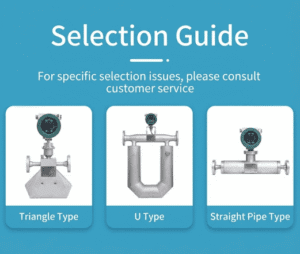
| Mass Flow | Measures true mass flow, not influenced by temperature or pressure | Accurate for many fluids, smart output | More expensive, not common for water |
Tip: Smart water meters give you data right away. This helps you manage water better. Jade Ant Instruments has smart meters for every type.
Look at the table and pick what matters most for your water system. Smart features help you watch water flow and spot problems early. You can save money and time by choosing the right meter. Jade Ant Instruments helps you with smart meters and expert advice.
Real-World Water Meter Example
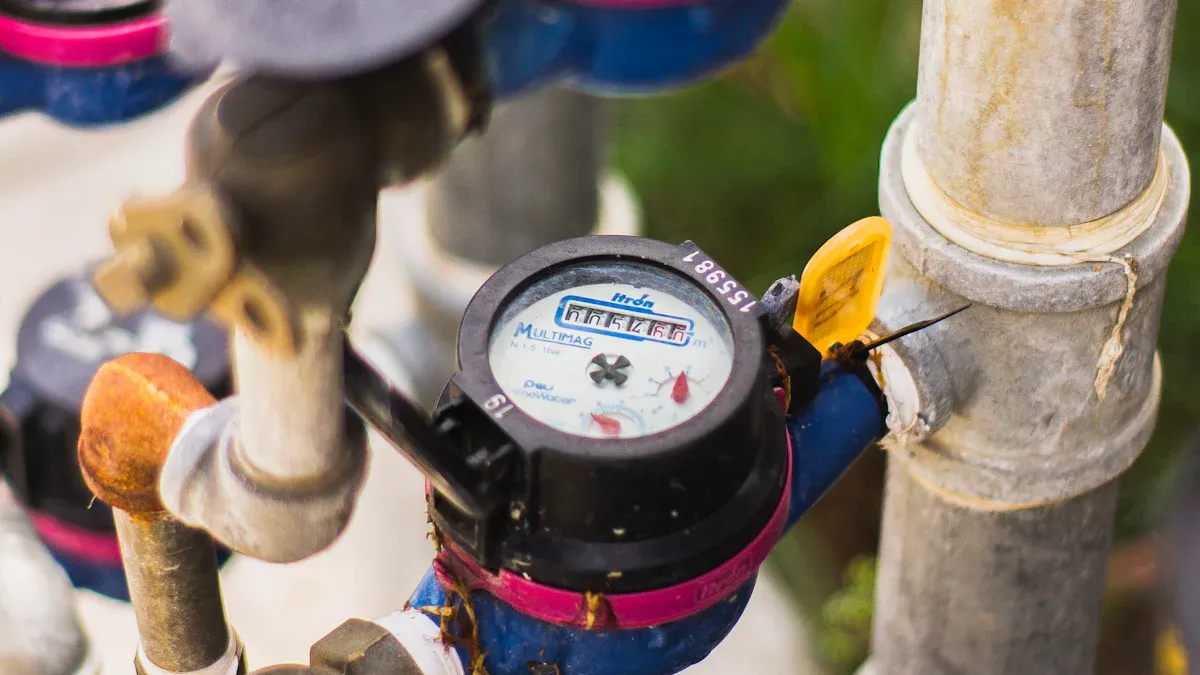
You can learn a lot from real situations. Here is an example from a municipal water treatment plant. The team needed to pick a new water meter for their main supply line. They wanted to measure water flow with high accuracy. Even a small mistake could cause big water loss and cost a lot of money.
The team followed a step-by-step process:
- They checked the type of fluid. The plant handled only water, so they did not need a meter for gas or steam.
- They looked at the water’s properties. The water was clean, not thick, and not harmful to the meter.
- They set a goal for accuracy. The team knew that even a small error would matter.
- They thought about where to put the meter. The space was tight, so they needed a meter that fit well.
The team faced some challenges:
- Flow disturbances made it hard to get accurate readings.
- The space for installation was small.
- They had to think about changing the pipes or picking a different meter.
The team chose a flow meter from Jade Ant Instruments. This meter gave them the accuracy they needed. It also fit in the small space. The plant did not need to change the pipes. The new water meter helped the team track water use and find leaks fast.
Tip: When you pick a water meter, always check the fluid, the space, and the accuracy you need. The right choice saves money and helps your system work better.
When to Consult a Flow Meter Expert
Sometimes, picking a water meter can be tricky. You might need help from a flow meter expert. An expert can help you avoid mistakes and make good choices. Here are times when you should ask for advice:
- You want to learn how water moves in your system.
- You need to check if you are measuring clean water or wastewater.
- You must decide how accurate your measurements should be and if you need special certifications.
- You look at the place where you will install the meter and see if you need special tools or extra space.
- You want to know if you need digital readings or smart features.
- You plan to work with a technical partner for a custom solution.
A flow meter expert knows a lot and helps you make smart choices. Find someone who understands fluid characteristics, flow rate ranges, and accuracy needs. The expert should know about installation and location for the best performance. They must be familiar with data output requirements for monitoring and control.
You should also check if the expert knows about fluid properties like conductivity, temperature, pressure, and viscosity. The expert needs to understand measurement ranges and turndown rates. They should know about installation requirements and why meter location matters. Awareness of compliance standards, such as NSF-61, NSF-372, and ISO 9001, is important. The expert must work with technical partners to find the best solution for your water system.
Tip: A flow meter expert can help you pick the right meter for safety, efficiency, and quality. Jade Ant Instruments gives expert advice and support for all your water measurement needs.
If you feel unsure about picking a meter or want to make your water system better, talking to an expert is a smart step. You get reliable answers and avoid costly mistakes.
You can pick the right water meter by following some steps. First, look at your water and how you use it. Next, check how the meter works and how you will put it in. Then, choose a meter that fits your care plan and money. Use this checklist to help you decide:
| Factor | Description |
|---|---|
| Application environment | Know what your water meter needs for your site. |
| Fluid characteristics | Make sure the meter works with your water type. |
| Installation | Check pipe size and where you will put the meter. |
| Power availability | Pick a meter that uses your power source. |
| Approvals | Make sure the meter has safety certificates. |
| Output/indication | Decide how you want to see or send your data. |
Jade Ant Instruments gives you advice and good products. Use this guide as your checklist. Ask for help if your project is hard or you have questions.
FAQ
What is the best flow meter for clean water?
Electromagnetic and ultrasonic flow meters work well for clean water. Jade Ant Instruments sells both kinds. These meters give correct numbers and need little care.
How often should you check your water flow meter?
Check your water flow meter every six months. Regular checks help you find problems early. Jade Ant Instruments says routine care keeps your meter working well.
Can you install a flow meter without cutting pipes?
You can use clamp-on ultrasonic flow meters without cutting pipes. Jade Ant Instruments has easy-to-install meters. You save time and do not need extra work.
What features should you look for in a smart water meter?
Pick meters with digital output, real-time checks, and easy connections. Jade Ant Instruments has smart meters with these features. You can watch water use and find leaks fast.