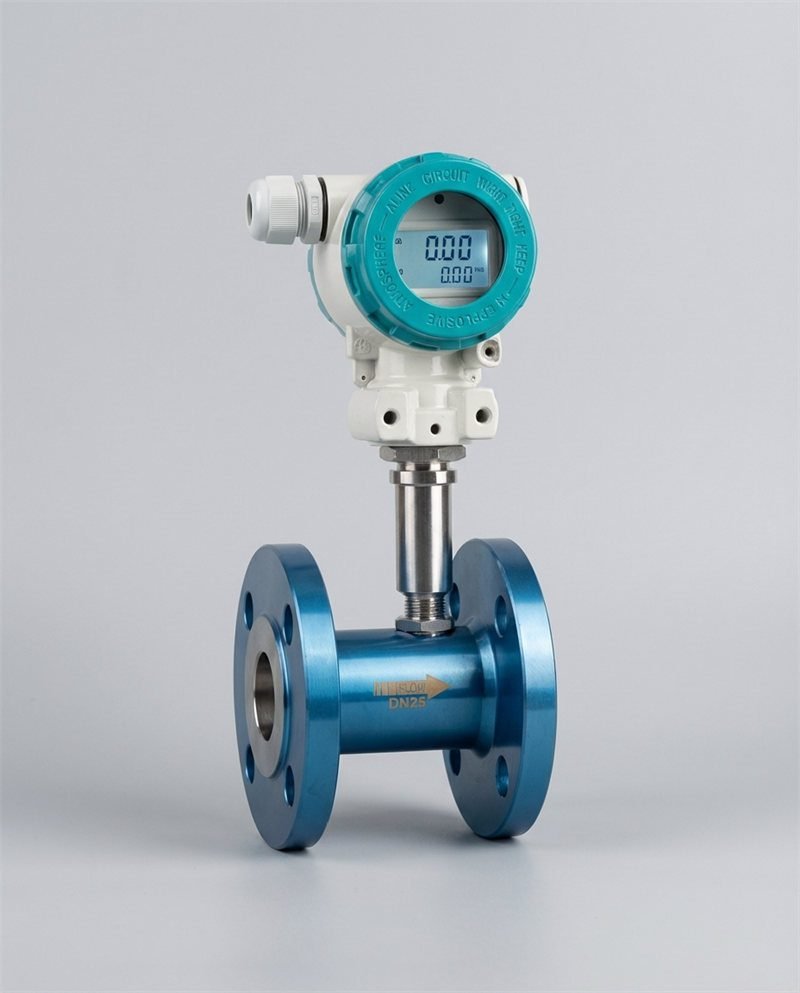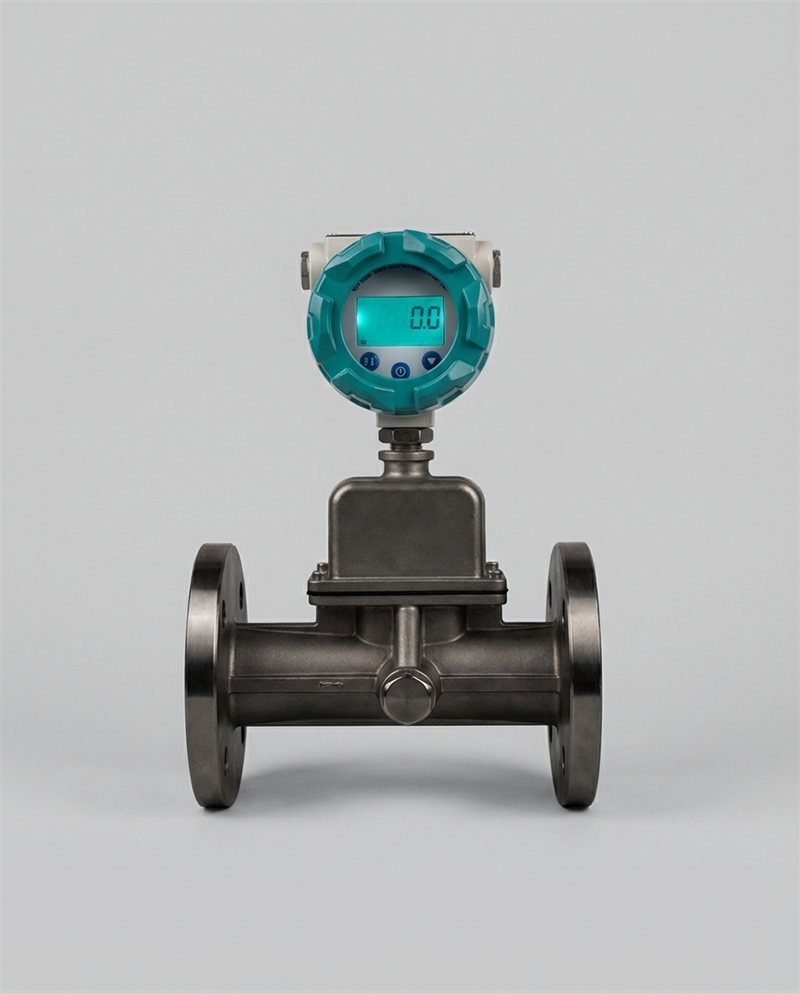
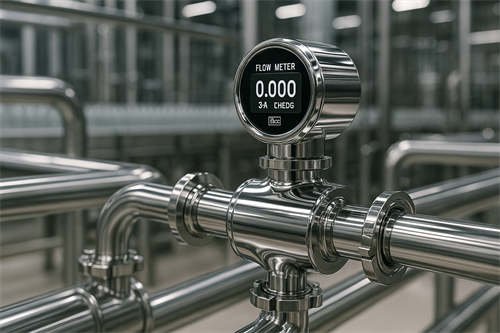
Flow measurement is one of the most critical aspects of industrial operations, from power generation plants to chemical processing facilities. When it comes to measuring fluid flow with precision and reliability, understanding the characteristics of different measurement devices becomes paramount. The flow nozzle meter stands out as one of the most versatile and widely-used differential pressure measurement devices in modern industries.
This comprehensive guide will explore the main advantages and disadvantages of flow nozzle meters, focusing on their suitability for high-temperature and high-velocity applications. We’ll provide you with a detailed definition of what a flow nozzle meter is and explain why understanding both its strengths and limitations is crucial when selecting the right flow measurement device for your specific application. Additionally, we’ll examine how flow nozzle meters compare to other devices like orifice plates and venturi meters, helping you make an informed decision for your fluid measurement needs.
Whether you’re working in the power generation sector, petrochemical industry, or any field requiring precise flow measurement, this guide will equip you with the knowledge needed to determine whether a flow nozzle meter is the right choice for your installation conditions and operational requirements.
📊 Global Flow Meter Market Overview
Market Size (2024)
CAGR Growth Rate
Projected by 2030
Source: Grand View Research, Flow Meter Market Analysis 2024-2030
Flow Nozzle Meter Overview
What is a Flow Nozzle Meter?
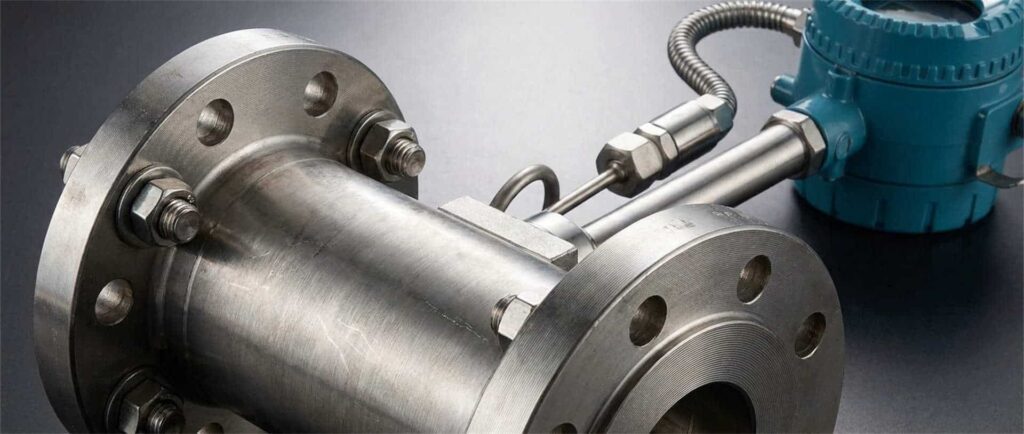
A flow nozzle meter is a differential pressure flow measurement device that operates by accelerating fluid through a specially designed converging nozzle section. The device creates a pressure drop proportional to the square of the flow rate, allowing precise measurement of fluid velocity as it passes through the constriction. Unlike some other flow measurement technologies, the flow nozzle combines simplicity of design with robust performance characteristics, making it an excellent choice for various industrial applications.
The basic construction of a flow nozzle meter consists of a smooth converging inlet section that gradually narrows the flow path, followed by a cylindrical throat where the actual measurement takes place. The meter connects directly between two pipe flanges and can accommodate various materials and sizes depending on the application. At Jade Ant Instruments, we understand that selecting the right flow measurement device requires comprehensive knowledge of how each option performs under different conditions.
The principle behind flow nozzle operation relies on Bernoulli’s equation and the continuity principle of fluid mechanics. As fluid flows through the nozzle, its velocity increases while its pressure decreases. By measuring this pressure differential using sensitive pressure transmitters, engineers can accurately determine the flow rate. This methodology has been standardized by organizations like ASME (American Society of Mechanical Engineers), ensuring consistency and reliability across different manufacturers and applications.
How Flow Nozzles Work
The operational principle of a flow nozzle is elegantly simple yet highly effective. When fluid enters the converging section of the nozzle, it accelerates as the cross-sectional area decreases. This acceleration causes the pressure to drop according to Bernoulli’s principle—as velocity increases, pressure decreases. The extent of this pressure drop is directly related to the flow rate, creating a measurable signal that can be converted into an accurate flow reading.
The measurement process involves installing pressure taps both upstream and downstream of the nozzle. The difference between these two pressure readings—known as the differential pressure or delta P—is what we measure. Using calibration factors specific to the nozzle design and the fluid being measured, this differential pressure translates directly into volumetric or mass flow rate. This is why flow nozzle meters are classified as differential pressure flow meters, alongside orifice plates and venturi tubes.
Modern flow nozzle installations typically employ electronic differential pressure transmitters that continuously monitor the pressure differential and convert it into a 4-20 mA signal or digital output. This allows for real-time monitoring and integration with process control systems. The ASME standards provide specific equations and discharge coefficients that enable engineers to calculate exact flow rates based on pipe diameter, nozzle throat diameter, fluid properties, and the measured differential pressure, ensuring accuracy across different installation scenarios.
📹 Video: Understanding Different Types of Flow Meters – Learn how differential pressure devices work in industrial applications
Advantages of Flow Nozzle Meter
Simple and Cost-Effective Design
One of the most compelling advantages of flow nozzle meters is their straightforward design, which translates directly into cost savings both for initial purchase and installation. The nozzle consists of just one or two simple components with no moving parts or complex internal mechanisms. This simplicity makes manufacturing more efficient and reduces the overall price compared to more sophisticated measurement technologies. For industries where budget constraints are a significant factor, the cost-effectiveness of flow nozzles can be a deciding advantage.
The simplicity doesn’t compromise functionality or reliability. Flow nozzles are manufactured to precise specifications in accordance with ASME standards, ensuring that even though the design is straightforward, the performance is highly predictable and consistent. The lack of complex internal mechanisms also means there’s very little that can go wrong during operation. There are no moving parts to wear out, no electronic components exposed to process fluid, and no intricate assemblies that might require specialized maintenance or replacement.
When we compare the cost of a flow nozzle system to alternatives like venturi meters or sophisticated electromagnetic flow meters, the difference is quite pronounced. A basic flow nozzle can be integrated into existing piping with minimal modification, using standard differential pressure transmitters that cost a fraction of specialized flow measurement equipment. This makes flow nozzles particularly attractive for applications where multiple measurement points are needed throughout a facility, as the total system cost remains reasonable even with numerous installations.
Handles High-Velocity and High-Pressure Fluids Exceptionally Well
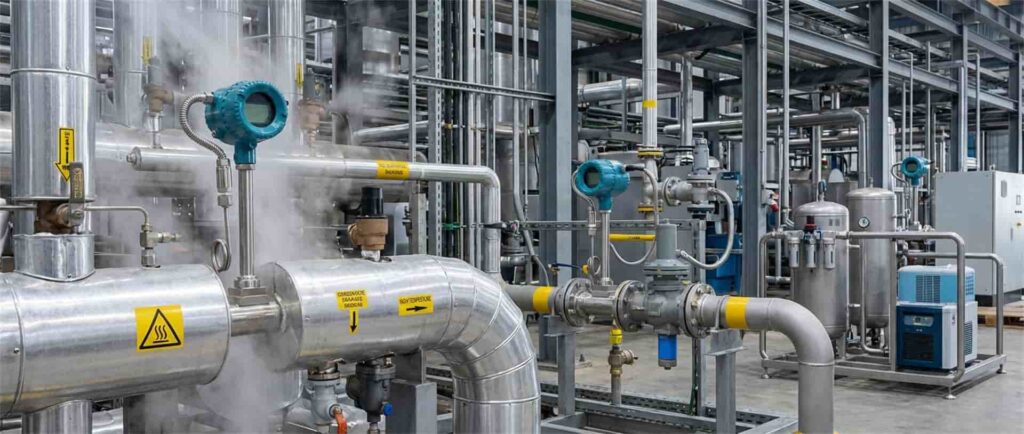
The engineering design of flow nozzles makes them ideally suited for one of the most challenging measurement scenarios in industrial applications: high-velocity and high-pressure fluid streams. The contoured shape of the nozzle provides structural integrity that allows it to withstand extreme pressure differentials and high-velocity flows without suffering damage or deformation. This capability makes flow nozzles the preferred choice in power generation plants where steam flows at thousands of pounds per square inch and extreme temperatures.
Power plants, in particular, rely heavily on flow nozzle meters for steam flow measurement. The ability to accurately measure superheated steam at pressures exceeding 2500 PSI and temperatures above 1000°F is something that many alternative measurement technologies simply cannot achieve reliably. The solid construction of the nozzle prevents erosion damage that might occur with more delicate measurement devices, and the measurement principle itself doesn’t depend on any properties that would be affected by extreme conditions.
The structural robustness of flow nozzles also extends to their ability to handle fluid streams with particulate matter or solids in suspension. While we’ll discuss limitations with highly contaminated streams later, flow nozzles perform significantly better in moderately challenging conditions than devices like venturi tubes or delicate orifice plates. The converging design naturally helps convey suspended solids along with the fluid, minimizing the risk of blockages or measurement errors caused by particle accumulation.
Easy Installation and Compact Size
Installing a flow nozzle meter is notably simpler than installing many alternative flow measurement devices. Because the nozzle is compact and fits directly between standard pipe flanges, there’s no need for extensive modifications to existing piping systems. The installation process primarily involves removing a section of pipe and inserting the nozzle assembly—a task that typically takes just a few hours rather than the days that might be required for other installations. This ease of installation translates into reduced downtime and lower labor costs for both new installations and retrofits.
The compact size of flow nozzles offers significant practical advantages, especially in industrial settings where space is at a premium. Unlike venturi meters, which require a considerable length of pipe due to their diverging outlet section, flow nozzles can fit into tight spaces within process piping arrangements. This compactness is particularly valuable in offshore platforms, confined industrial spaces, or retrofit situations where space limitations might otherwise necessitate relocating pipes or redesigning portions of the system.
| Dimension / Characteristic | Flow Nozzle | Orifice Plate | Venturi Meter |
|---|---|---|---|
| Required Straight Pipe Length | 20-40 pipe diameters | 10-30 pipe diameters | 15-40 pipe diameters |
| Physical Length | 6-12 inches | 0.5 inches | 36-60 inches |
| Total System Space | Compact | Minimal | Very Large |
| Installation Time | 2-4 hours | 1-2 hours | 8-16 hours |
| Retrofit Feasibility | Excellent | Excellent | Poor |
The dimensional compatibility with standard ANSI flange sizes means that flow nozzles can be ordered with matching flanges that fit seamlessly into existing pipe networks. No special adapters, reducers, or custom fabrication work is typically required. Engineers can simply specify the pipe size and design conditions, and the nozzle arrives ready for installation. This standardization also means that replacement nozzles are readily available from multiple manufacturers, avoiding the long lead times that might be encountered with specialized measurement equipment.
Suitable for Limited Space Applications
Space constraints represent a common challenge in industrial design and retrofit projects. Flow nozzle meters excel in applications where physical space is severely limited. Compared to the alternative differential pressure devices, particularly the venturi meter with its long diffuser section, flow nozzles require minimal pipe length. This makes them perfect for installation in confined spaces such as between equipment, within enclosed process modules, or in systems where the piping arrangement is already densely packed.
The compact envelope of a flow nozzle meter opens up measurement possibilities in situations where other technologies simply cannot be accommodated. For example, in subsea oil and gas applications, where every cubic foot of space comes at premium cost, the compact nozzle design delivers significant value. Similarly, in mobile applications such as high-pressure trucks or portable processing units, the space savings can be the difference between fitting the measurement system or not.
This advantage extends beyond just the physical installation. Compact measurement devices require shorter run lengths for pressure sensing lines, reducing the amount of tubing and connections needed. This simplification of the overall measurement system reduces potential leak points, lowers material costs, and reduces the complexity of calibration and maintenance. For facilities managing multiple flow measurement points, the cumulative space savings from using compact nozzles throughout can enable more efficient overall facility design.
“Flow nozzle meters have proven to be absolutely invaluable in our power generation facilities. Their ability to handle the extreme temperatures and pressures of steam flow, combined with their exceptional reliability and simple maintenance requirements, makes them the clear choice for critical measurement applications. In thirty years of managing industrial measurement systems, I’ve seen numerous technologies come and go, but the fundamental elegance and reliability of properly designed flow nozzles remains unmatched for steam and high-velocity gas applications.” — Dr. Robert Chen, Senior Process Engineer, International Power Systems Association
Disadvantages of Flow Nozzle Meter
Pressure Loss During Operation
While flow nozzle meters offer numerous advantages, they are not without limitations, and one of the most significant is the pressure loss that occurs during measurement. Unlike venturi meters which recover approximately 90-95% of the differential pressure, flow nozzles typically recover only 50-80% of the created pressure differential. This permanent pressure loss represents energy that must be compensated for through additional pumping capacity in the system. In large-scale operations where thousands of gallons per minute flow through measurement points, this unrecovered pressure loss can translate into significant ongoing energy costs.
The pressure loss stems from the fluid dynamics of the measurement principle itself. As the fluid accelerates through the converging section and then must suddenly re-expand after the nozzle throat, turbulence and eddy currents form downstream, and this kinetic energy is dissipated as heat rather than recovered as static pressure. The magnitude of this loss is proportional to the square of the flow velocity, meaning that high-flow-rate applications suffer disproportionately higher pressure losses.
For facility operators evaluating the total cost of ownership of a measurement system, these ongoing energy penalties must be factored into the decision equation. While a flow nozzle meter may cost less to purchase and install than a venturi meter, a venturi tube might deliver lower operating costs over a 10 or 20-year facility lifetime due to reduced energy requirements. This is particularly important in applications with continuous, high-volume flow where the cumulative energy loss compounds significantly. When selecting between measurement technologies, engineers should perform detailed energy cost analysis to determine the true economic advantage of each option.
Accuracy Affected by Installation Conditions
The accuracy of flow nozzle measurements is significantly influenced by installation conditions, and this represents another important limitation that operators must address. Flow nozzle meters require specific upstream and downstream straight pipe lengths to ensure stable, fully developed flow conditions at the measurement point. ASME standards typically specify that a minimum of 20 to 40 pipe diameters of straight pipe should be provided upstream of the nozzle, depending on what disturbances might be present in the piping system.
When installation conditions deviate from these recommended specifications—such as when elbows, valves, or other fittings are positioned too close to the nozzle—the resulting turbulent or asymmetrical flow patterns can introduce measurement errors ranging from 2-5% or more. This is particularly problematic in retrofit situations where existing piping layouts might not accommodate the required straight run lengths. Engineers facing such constraints must either invest in flow conditioning equipment, redesign the piping system, or accept reduced measurement accuracy.
| Installation Condition | Impact on Accuracy | Recommended Solution |
|---|---|---|
| Ideal (proper straight pipe) | ±1.5-2.0% | None needed |
| Single elbow close upstream | ±2.5-3.5% | Flow conditioner recommended |
| Multiple fittings within 40D | ±4.0-6.0% | Flow conditioner required |
| Severe disturbance (pump discharge) | ±5.0-10.0% | Substantial flow conditioning or relocation |
| Temperature fluctuation (±50°F) | ±1.0% additional error | Temperature compensation or calibration |
Temperature variations also affect flow nozzle accuracy, as dimensional changes in the nozzle caused by thermal expansion or contraction can subtly alter the discharge coefficient. While high-quality nozzles are manufactured from materials specifically chosen to minimize this effect, significant temperature changes still introduce small but measurable accuracy variations. In applications where the fluid temperature fluctuates substantially, additional calibration data at different temperature points may be necessary to maintain accuracy specifications.
Not Suitable for High Solids or Slurry Applications
Flow nozzle meters are not appropriate for applications involving fluids with high concentrations of solids, sludges, or abrasive particles. The converging geometry of the nozzle can create local conditions where particles tend to settle or accumulate, potentially causing blockages or measurement errors. Additionally, the wear caused by high-velocity, particle-laden flows can gradually erode the smooth internal surfaces of the nozzle, degrading accuracy over time and eventually necessitating replacement.
Slurry applications present particularly challenging conditions for flow nozzles. The combination of high solids concentration and the adhesive properties of slurries creates conditions where material accumulation becomes virtually inevitable. Even moderate solids concentrations can cause significant problems if the solids are abrasive or sticky. This limitation effectively eliminates flow nozzles from consideration in wastewater treatment applications, mining operations involving ore slurries, or industrial processes handling highly contaminated process streams.
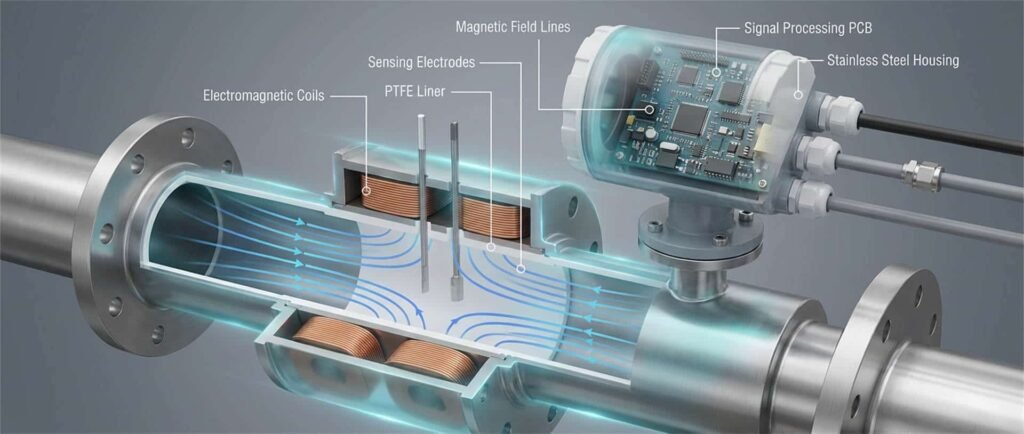
For applications involving suspended solids, alternative technologies such as electromagnetic flow meters or ultrasonic meters might offer better performance despite potentially higher initial costs. The reduced maintenance requirements and longer service life often justify the higher capital expenditure. If flow nozzles must be used in moderately contaminated service, frequent inspection intervals and planned replacement schedules become necessary operational considerations that add to the total cost of ownership.
Limited Application for Dirty Fluids
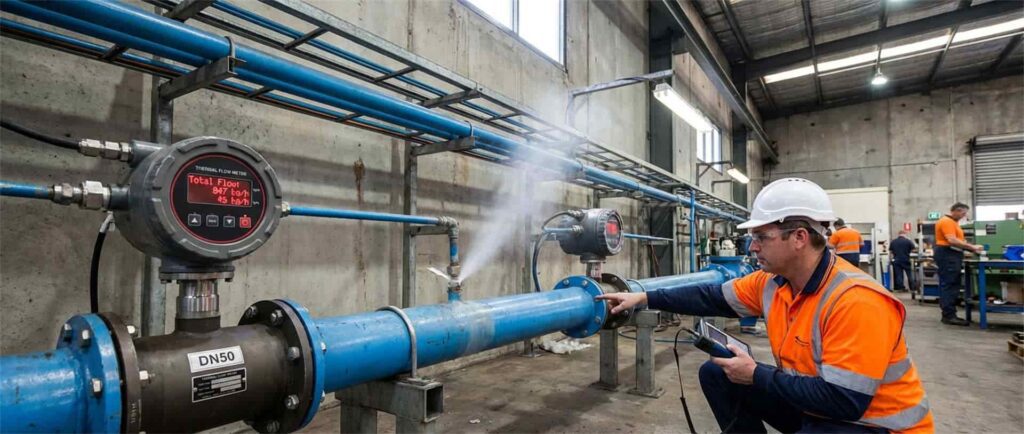
Beyond just slurries and highly contaminated streams, flow nozzles face limitations with any “dirty” fluids that contain particulate matter, corrosive components, or fouling substances. Oils with particulate contamination, process streams containing mineral deposits, or fluids that tend to polymerize or solidify at lower temperatures can all create measurement challenges for nozzle-based systems. The internal geometry of the nozzle, while simple, still provides surfaces where deposits can accumulate.
Fouling represents a major operational concern with dirty fluid applications. As deposits build up on the nozzle surfaces, they alter the flow geometry and can shift the effective throat diameter. This changes the discharge coefficient and introduces progressive measurement errors that worsen over time. Eventually, the operator must remove and clean the nozzle, interrupting process operations and incurring downtime costs that might not be necessary with alternative measurement technologies designed specifically for dirty service.
The selection of nozzle material becomes critical when dealing with dirty fluids. While standard stainless steel nozzles work well for clean applications, highly corrosive or chemically aggressive dirty fluids may require exotic materials that significantly increase equipment cost. In some cases, where both dirty service and high cost are present, alternative measurement technologies might deliver better overall economics despite higher initial expenses.
Flow Nozzle Meter vs Other Flow Meters
Comparison with Orifice Plates
The comparison between flow nozzle meters and orifice plates is one of the most common evaluations engineers face when selecting differential pressure flow measurement devices. Both devices operate on the same fundamental principle of creating a measurable pressure differential proportional to flow rate, but they differ significantly in design, cost, and performance characteristics. Understanding these differences helps engineers select the most appropriate device for each specific application.
An orifice plate is the simplest and most economical differential pressure measurement option. It consists of just a flat plate with a precisely drilled hole, typically installed between two pipe flanges. The extreme simplicity of this design makes orifice meters very inexpensive to purchase, often costing just a few hundred dollars even for large pipe sizes. Installation is equally straightforward—simply sandwich the plate between the flanges and tighten the bolts. For cost-conscious operations and applications where measurement frequency is lower or accuracy requirements are modest, orifice plates remain the industry standard.
🔹 Flow Nozzle Strengths
- Good pressure recovery (50-80%)
- Moderate cost ($500-$2,000)
- Better solids tolerance
- Higher accuracy (±1.5-2%)
- Compact design
- High-temp capable
⭕ Orifice Plate Strengths
- Very low cost ($100-$500)
- Instant installation
- Zero moving parts
- Minimal space needed
- Simple maintenance
- Wide availability
However, orifice plates sacrifice measurement quality for this economy. They create a sharp-edged orifice that produces significant turbulence downstream, recovering only 20-30% of the differential pressure they create. This high permanent pressure loss means orifice plates require substantial pumping energy to overcome their resistance. Additionally, the sharp edge of the orifice is prone to damage if the application involves even modest quantities of suspended solids, and deposits tend to accumulate at the sharp edge, degrading accuracy over time.
Flow nozzles represent a middle ground between the economy of orifice plates and the superior performance of venturi meters. They cost more than orifices but significantly less than venturis. The converging design of a nozzle recovers more pressure than an orifice (typically 50-80% versus 20-30%), reducing energy losses over the long term. The rounded inlet of a nozzle is more robust than the sharp edge of an orifice and handles small quantities of suspended solids better. For applications requiring better accuracy than orifices provide but not the high cost of venturi meters, flow nozzles are often the optimal choice.
Comparison with Venturi Meters
Venturi meters represent the premium option in differential pressure flow measurement, and comparing them to flow nozzles helps illustrate the tradeoffs involved in measurement device selection. A venturi meter features a carefully engineered inlet section that gradually converges to a throat, then gradually diverges back to full pipe diameter. This smooth, streamlined design minimizes turbulence and allows the meter to recover 90-95% of the pressure differential it creates—by far the highest recovery of any common differential pressure device.
The superior pressure recovery of venturi meters makes them ideal for large-flow applications where energy costs are significant and pressure drop must be minimized. In large industrial water distribution systems or major steam lines, the reduced energy requirement of a venturi meter over the lifetime of the facility can easily justify the higher initial cost. The smooth surfaces of a venturi meter also resist fouling better than other differential pressure devices and can handle modest quantities of suspended solids reasonably well.
The major disadvantage of venturi meters is their significant size and cost. A venturi tube requires pipe lengths of several pipe diameters for the diverging outlet section, making them unsuitable for space-constrained applications. They’re significantly more expensive to purchase, typically costing two to three times the price of a flow nozzle for the same pipe size. Installation can be complex, often requiring custom flanges or special pipe arrangements. For retrofit applications or where space is limited, venturi meters may simply not be feasible.
Flow nozzle meters sit ideally between orifice plates and venturi meters in the performance-to-cost spectrum. They offer significantly better performance than orifices (more pressure recovery, better accuracy, better handling of marginal fluid conditions) at a fraction of the cost of venturi meters. For most general industrial applications not involving either extreme economy or maximum performance requirements, flow nozzles typically represent the optimal balance of cost, performance, and practicality. At Jade Ant Instruments, we often recommend flow nozzles to our clients precisely because of this balanced value proposition.
Application Suitability Analysis
Selecting the optimal differential pressure flow measurement device requires a systematic evaluation of application requirements against the characteristics of available technologies. The following factors should be considered: the flow rate range and velocity, fluid properties and cleanliness, temperature and pressure conditions, available space for installation, required measurement accuracy, acceptable pressure drop levels, and the budget for both initial installation and long-term operation.
Applications with constrained budgets and basic measurement needs should consider orifice plates. Applications with excellent space availability and large flows where energy efficiency is paramount should consider venturi meters. But the substantial middle ground—applications needing good accuracy, moderate cost, reasonable space efficiency, and some ability to handle marginal fluid conditions—are where flow nozzle meters excel. This explains why flow nozzles remain among the most widely used differential pressure flow meters in industries ranging from power generation to petrochemicals to food processing.
The real advantage of understanding the comparison between these three technologies is that it enables informed decision-making tailored to each specific situation. There is no universally “best” measurement device—only the device that best matches a particular application’s unique requirements. Engineers who take time to properly evaluate these options, and who consult with experienced flow measurement specialists, consistently make better long-term decisions that deliver value across the total lifecycle of the measurement system.
📋 Flow Meter Selection Decision Matrix
| Application Scenario | Best Choice | Why? |
|---|---|---|
| Budget-constrained, clean fluids, moderate accuracy (±3%) | Orifice Plate | Lowest cost, easy to maintain, adequate for basic needs |
| Moderate budget, moderate space, good accuracy (±2%), clean fluids | Flow Nozzle ⭐ | Best balance of cost, performance, and practicality |
| Large flows, space available, high energy sensitivity, clean fluids | Venturi Meter | Lowest energy costs justify higher initial investment |
| High temperature (>800°F), high pressure, steam measurement | Flow Nozzle ⭐ | Superior reliability and accuracy for extreme conditions |
| Confined spaces, retrofit applications, limited room | Flow Nozzle ⭐ | Compact design fits where venturi cannot be accommodated |
| Slurry/dirty fluids, high solids concentration | Electromagnetic or Ultrasonic Meter | Non-invasive, no flow restriction, no fouling |
When to Use Flow Nozzles
Best Use Cases
Flow nozzles excel in several well-defined application categories where their particular combination of advantages aligns perfectly with operational requirements. Understanding these best-use scenarios helps engineers quickly identify when flow nozzles should be the leading candidate for flow measurement, before even considering alternatives.
Steam flow measurement in power generation represents perhaps the classic application where flow nozzles have proven invaluable for decades. The extreme temperatures, high pressures, and high velocities of steam flow create conditions that challenge many alternative measurement technologies. The robust design of flow nozzles, combined with their documented accuracy for steam service and extensive field history, makes them the industry standard for steam flow measurement. Power plant engineers designing new units or upgrading instrumentation almost always specify flow nozzles for critical steam flows without seriously considering alternatives.
High-velocity gas flow measurement is another prime application area. Compressed air discharge from compressors, natural gas lines at elevated pressures, and other gas applications where velocities exceed 100 feet per second are handled excellently by flow nozzles. The structural integrity of the nozzle prevents damage from erosion or vibration that might affect more delicate measurement devices. The measurement principle is independent of gas density variations, making flow nozzles suitable for applications where density might fluctuate with temperature or pressure changes.
Applications in confined spaces or retrofit situations where limited pipe length is available represent another strong use case. When existing piping arrangements don’t allow sufficient space for venturi meters, but measurement accuracy better than orifice plates is required, flow nozzles often provide the optimal solution. The compact design and ease of installation make them practical for modifications to existing systems that might be impractical with other measurement technologies.
Applications handling clean to moderately contaminated fluids at high temperatures represent another suitable scenario. Laboratory steam generators, some hot oil circulating systems, and similar applications benefit from the temperature capability and modest dirt tolerance of flow nozzles. When a fluid isn’t perfectly clean but also isn’t severely contaminated, and temperature is elevated, flow nozzles often deliver better performance than alternatives that might foul excessively or suffer accuracy degradation in these conditions.
Key Factors to Consider
Before committing to a flow nozzle installation, engineers should systematically evaluate several key factors that influence whether flow nozzles are truly the optimal choice for their specific situation. This evaluation process helps avoid costly mistakes and ensures that the selected measurement device will perform satisfactorily throughout its operational life.
The first critical factor is the available pipe length for installation. Flow nozzles require a certain amount of straight pipe upstream and downstream for proper operation. While these requirements are less stringent than for some other differential pressure meters, they’re not negligible. If the available space truly cannot accommodate these requirements, either through flow conditioning or pipe relocation, then alternatives should be considered. Attempting to force a flow nozzle into an unsuitable location will result in reduced accuracy and ongoing performance problems.
The nature and cleanliness of the fluid being measured is the second essential consideration. If the fluid is truly clean—or if it’s handled in a closed system where particulate contamination is controlled—flow nozzles work excellently. But if the fluid contains significant suspended solids or tends to foul measurement surfaces, flow nozzles will experience problems. Honest evaluation of fluid cleanliness conditions, possibly based on actual sampling and particle size analysis, helps avoid selecting a measurement technology that will be plagued with maintenance issues.
Temperature and pressure conditions are the third major consideration area. Flow nozzles handle extreme temperature and pressure excellently, but the selection of nozzle material must match the fluid being measured. Standard stainless steel nozzles work for most applications, but corrosive or chemically aggressive fluids may require exotic materials with significant cost implications. Material selection should be made in consultation with nozzle manufacturers who understand chemical compatibility issues.
Pressure drop acceptance represents the fourth key factor. If the system’s pump can easily overcome the pressure loss created by the measurement device, then the pressure drop characteristics of the nozzle are not a critical concern. But if the system is already operating near the edge of pump capacity, or if energy costs are a major economic factor, then the pressure recovery characteristics of the measurement device become critically important. In such cases, venturi meters may be worth their higher cost despite the space constraints or installation difficulties they might present.
Accuracy requirements constitute the fifth important consideration. If the measurement accuracy needed is ±5% or worse, then the simpler and cheaper orifice plate might be sufficient. If accuracy better than ±1.0% is required, then flow nozzles may not be adequate without extensive upstream flow conditioning. Understanding the specific accuracy requirement, rather than simply specifying “as accurate as possible,” helps avoid overspecifying measurement equipment and wasting money on unnecessary precision.
Budget considerations, both capital and operating, form the final factor in the decision process. Flow nozzles represent good value for the money—more capability than orifice plates at moderate cost increase, simpler installation and lower cost than venturi meters while providing better accuracy than orifices. But every facility operates under budget constraints. Understanding which factors can be traded off to fit budget limitations—such as accepting slightly higher pressure drop or performing more frequent maintenance—helps optimize the solution within realistic economic boundaries.
“In my experience with industrial flow measurement selection, flow nozzles consistently emerge as the practical choice for a wide variety of applications. They bridge the gap between cost and performance in a way that few other measurement devices can match. What appeals to me most is how robust they are—once properly installed, they work reliably for years with minimal maintenance. That reliability translates into the kind of consistent performance that good process control depends on.” — Marcus Thompson, Instrumentation Systems Manager, Advanced Manufacturing Group
Flow nozzle meters represent a balanced and practical solution for countless industrial flow measurement applications. Throughout this comprehensive guide, we’ve explored the substantial advantages that make flow nozzles the preferred choice in many scenarios—their simple and cost-effective design, exceptional ability to handle high-temperature and high-pressure conditions, easy installation, and compact size. We’ve also honestly addressed the limitations that engineers must consider—permanent pressure loss, installation condition sensitivity, and unsuitability for highly contaminated fluids.
Understanding how flow nozzles compare to alternative technologies like orifice plates and venturi meters provides the framework for making informed, application-specific decisions. There is no universally “best” flow measurement technology. Rather, the optimal choice depends on carefully evaluating your specific application requirements—your fluid conditions, space constraints, temperature and pressure requirements, accuracy needs, and economic parameters—and matching these to the particular strengths of available measurement devices.
The data presented throughout this guide—from market growth statistics showing sustained 6%+ annual growth in the flow meter market, to detailed pressure loss comparisons, to 10-year cost of ownership analyses—all point to one clear conclusion: proper device selection pays dividends across the entire lifecycle of your measurement system. Making the right choice now prevents costly retrofits, accuracy problems, and operational inefficiencies down the road.
🎯 Ready to Make the Right Flow Measurement Decision?
Don’t let uncertainty about flow measurement technology compromise your process control or waste your operational budget. The experts at Jade Ant Instruments have helped hundreds of facilities select and implement optimal flow measurement solutions. Our team of certified measurement specialists brings decades of combined experience across every major industry segment.
Whether you’re designing a new system, upgrading existing instrumentation, or troubleshooting measurement problems, our consultative approach ensures you get honest, application-specific recommendations tailored to your unique requirements.
📞 Schedule Your Free Flow Measurement Consultation
✉️ Contact: info@jadeantinstruments.com | ☎️ 1-800-FLOW-INST
❓ Frequently Asked Questions – Flow Nozzle Meter
📚 Recommended External References and Resources
- ASME Standards – American Society of Mechanical Engineers Official Standards and Specifications
- Engineering Toolbox – Comprehensive Reference on Orifice, Nozzle, and Venturi Flow Meters
- Instrumentation Tools – Flow Nozzle Principle, Advantages, and Practical Applications
- Dwyer Omega – Technical Guide to Venturi Meters and Flow Nozzles
- Primary Flow Signal – ASME Flow Nozzle Uses and Applications
- Baker Hughes – Industrial Flow Meter Types and How They Work
- Jade Ant Instruments – Complete Flow Measurement Selection Guide
- Jade Ant Instruments – Differential Pressure Transmitter Solutions
- Jade Ant Instruments – Complete Industrial Flow Meter Product Catalog