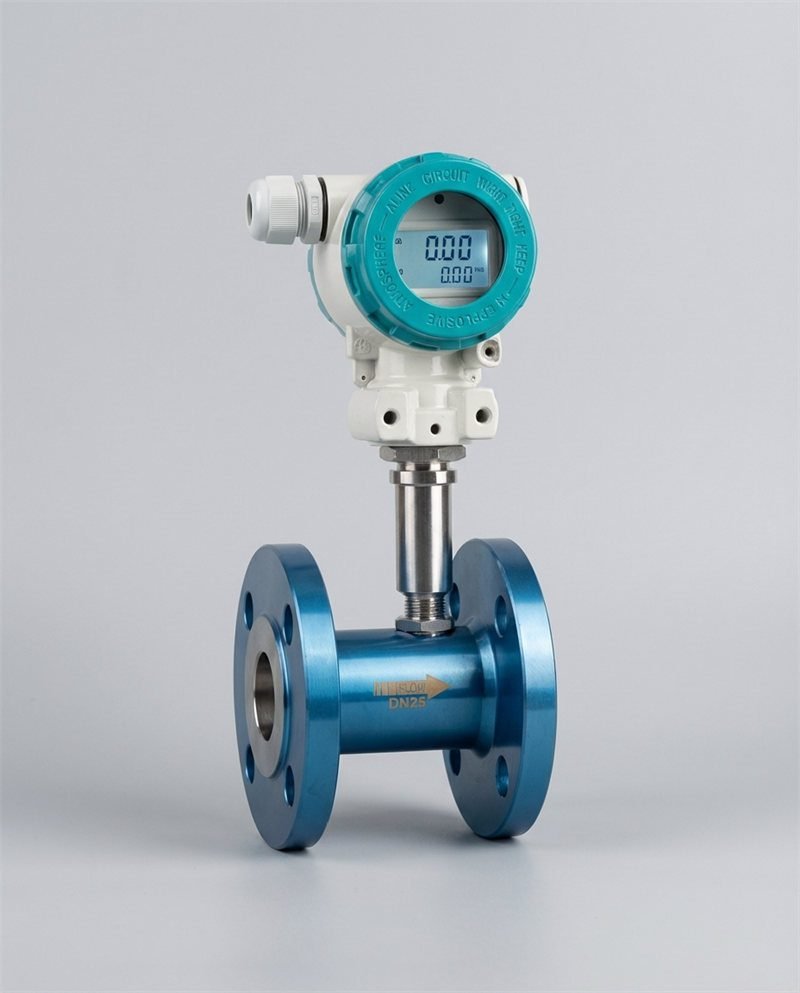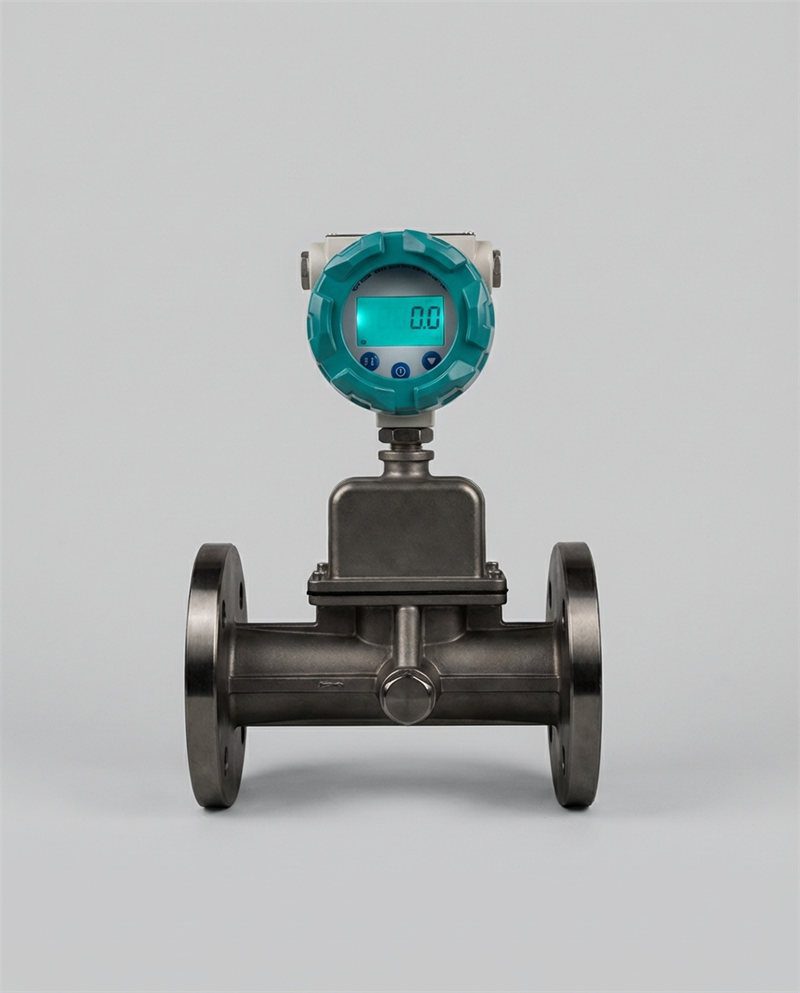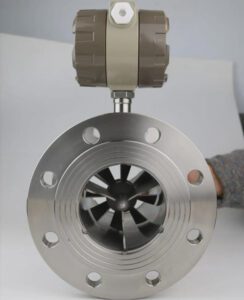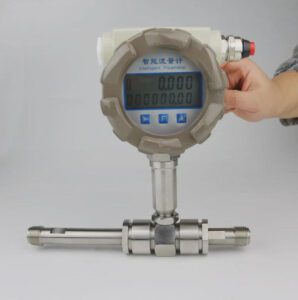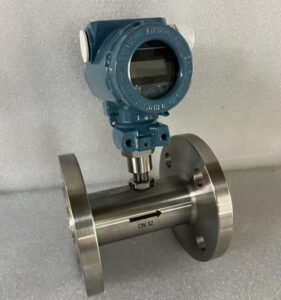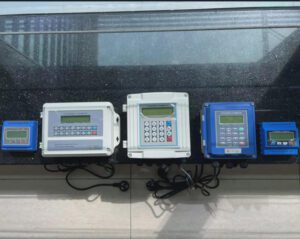

Flow meter selection errors can cost your business tens of thousands of dollars in wasted capital, operational downtime, and replacement expenses. This guide walks through ten anonymized, composite case studies drawn from patterns commonly reported across the flow measurement industry — paired with actionable prevention steps and a decision checklist distributors and agents can put to use immediately.

Understanding the True Cost of Flow Meter Selection Mistakes
Why Flow Meter Errors Impact Your Bottom Line More Than You Think
A flow meter that costs $2,000 sounds like a small line item on a project budget. The problem is that the purchase price is rarely where the real cost lives. When the wrong meter gets specified, the bill shows up later — in emergency freight charges, in a plant shutdown that idles a production line, in a client relationship that never fully recovers.
Hidden costs beyond the initial purchase price
Beyond the unit price, a bad selection typically triggers rush shipping fees, overtime labor for emergency reinstallation, scrapped mounting hardware or spool pieces built for the wrong meter, and calibration or recertification costs that have to be repeated from scratch. None of these appear on the original quote, which is exactly why they catch distributors off guard.
Long-term operational and compliance consequences
Beyond the immediate fix, a mis-specified meter can generate months of unreliable data that feeds directly into billing systems, regulatory reports, or process control loops. Fixing bad data after the fact — reconciling invoices, explaining discrepancies to auditors, or recalibrating a control system — often costs more than the meter itself ever did.
The Real Numbers: What $50K+ Errors Actually Look Like
Capital investment loss and replacement expenses
When a meter fails outright or cannot meet the application’s demands, the client typically has to absorb the sunk cost of the original unit, purchase a correctly specified replacement, and pay for a second round of installation labor — effectively doubling the capital outlay for a single measurement point.
Production delays and lost revenue calculations
For continuous industrial processes, every hour of unplanned downtime carries a direct revenue cost. A single day of lost production at a mid-sized chemical or food processing plant can easily exceed the price of the flow meter that caused the problem in the first place, which is how a $3,000 instrument becomes a $50,000+ incident.
How Distributors and Agents Are Held Responsible
Client liability and warranty complications
When a selection error traces back to a recommendation made by the distributor rather than a manufacturing defect, standard product warranties typically will not cover the replacement — leaving the distributor to negotiate goodwill credits or absorb costs to preserve the relationship.
Reputation damage and customer retention risks
Industrial buyers talk to each other, especially within tight-knit verticals like municipal water or specialty chemicals. A single well-known selection failure can quietly close doors with an entire regional network of potential accounts, long after the technical issue itself has been resolved.
Case Study #1 – Incompatible Fluid Selection: The $67,000 Corrosion Disaster
The Scenario: What Went Wrong
Client profile and initial requirements assessment
A mid-sized specialty chemical processor needed flow measurement on a line carrying a dilute but intermittently concentrated acidic solution. The initial requirements conversation focused heavily on flow range and pipe size, with fluid chemistry treated as a secondary detail rather than a primary selection driver.
The critical oversight in material compatibility
The distributor selected a standard 316 stainless steel wetted-parts configuration based on “general corrosion resistance,” without accounting for the specific chemical attack profile of the process fluid during its periodic concentration spikes. As detailed in material compatibility guidance from George Grant & Co., the wetted material must be matched to the exact chemical profile, not a generic corrosion-resistance rating.
The Consequences: How the Error Cascaded
Meter failure timeline and performance degradation
Within eleven weeks, the electrodes showed measurable pitting, and flow readings began drifting outside acceptable tolerance. By week sixteen, the sensor housing had degraded to the point of a slow leak at the process connection.
Emergency replacement and downtime costs
The line had to be shut down for an emergency swap, the original meter and its custom flange assembly were scrapped entirely, and a Hastelloy-lined replacement had to be expedited at a significant freight premium. Combined with lost production time, the total cost landed at approximately $67,000.
The Lesson: What Should Have Been Done
Proper fluid analysis and material matching protocols
A complete fluid chemistry profile — including worst-case concentration, temperature extremes, and any intermittent process upsets — should be documented before any material selection is finalized, not treated as a formality after the technology type is already chosen.
Key questions distributors should ask clients upfront
Distributors should always ask about the full range of chemical concentrations the fluid can reach (not just typical operating conditions), any cleaning chemicals or CIP cycles that touch the same wetted parts, and whether the client has any historical corrosion or failure data from previous instrumentation.
Preventative Checklist Items for Your Team
Fluid composition verification steps
Document the complete fluid composition, including trace contaminants, in writing and have it confirmed by the client’s process engineer before finalizing a material specification — verbal descriptions like “mostly water” are a recurring root cause of failures like this one.
Material compatibility decision matrix
Build a simple internal reference matrix cross-referencing common process fluids against recommended electrode, liner, and housing materials, similar to the frameworks discussed in Jade Ant Instruments’ electromagnetic flow meter selection guide, so your sales team is not guessing under deadline pressure.
Case Study #2 – Installation Environment Oversight: The $54,000 Accuracy Problem

The Scenario: Environmental Factors Ignored
Client’s operational environment and conditions
A district heating operator needed flow measurement for billing-grade energy metering across several below-grade vaults subject to seasonal flooding and significant ambient temperature swings.
How installation location was underestimated
The site survey was conducted from drawings rather than an in-person visit, and the actual vault conditions — periodic submersion and a nearby variable frequency drive generating electromagnetic interference — were never flagged before the meter was ordered and shipped.
The Consequences: Performance Failure and Accuracy Loss
Measurement drift and billing discrepancies
Within one heating season, the meters in the affected vaults produced readings that diverged from a reference meter by more than 4%, generating billing disputes across multiple building accounts served by the district system. Environmental factors including temperature, humidity, and electromagnetic interference are well documented as major contributors to this kind of drift, as explained in Kytola’s overview of environmental factors affecting flow meters.
Regulatory non-compliance and audit failures
Because the meters fed directly into customer billing, the inaccurate readings triggered a formal utility audit, requiring the operator to issue billing corrections and demonstrate a remediation plan to the regulator.
The Lesson: Environmental Assessment Best Practices
Temperature, pressure, and vibration impact analysis
Every installation review should explicitly document expected ambient temperature range, humidity and flooding risk, vibration sources, and any nearby equipment capable of generating electromagnetic interference — not just the process-side pressure and temperature.
Installation location site survey requirements
A physical site visit, or at minimum time-stamped photos and a completed environmental checklist from the client’s own maintenance team, should be a non-negotiable step before finalizing enclosure ratings and cable specifications.
Preventative Checklist Items for Your Team
Environmental condition documentation protocol
Standardize a one-page environmental questionnaire covering flooding risk, IP/NEMA rating needs, ambient temperature extremes, and nearby EMI sources, and require it be completed for every quote involving below-grade or outdoor installation.
Installation site evaluation framework
Where a physical visit is not feasible, require photographic documentation of the exact mounting location, including surrounding equipment, before finalizing enclosure and cable specifications.
Case Study #3 – Velocity Range Miscalculation: The $71,000 Specification Failure
The Scenario: Flow Rate Requirements Misunderstood
Client’s actual operational flow ranges
A food and beverage bottler’s actual production flow varied far more widely between shifts and product changeovers than the “typical” flow rate the client initially provided during the sales conversation.
How distributor estimated flow velocity incorrectly
The distributor sized the meter to the stated average flow rate rather than mapping the full operating window, resulting in a turbine meter that spent much of its operating life running well below its rated minimum velocity.
The Consequences: Meter Operating Outside Optimal Range
Measurement inaccuracy and data integrity issues
Running consistently near or below the minimum rated flow caused the turbine rotor to operate in an unstable regime, producing erratic pulse output that corrupted downstream batch calculations.
Premature wear and shortened equipment lifespan
The bearings, undersized for the actual duty cycle of frequent low-flow starts and stops, wore out in roughly a third of their expected service life, requiring a full replacement well ahead of schedule.
The Lesson: Accurate Flow Rate Assessment Methodology
Historical data analysis and peak demand planning
Whenever possible, request logged historical flow data — even a few weeks of SCADA trend data — rather than relying on a single “typical” number provided verbally by an operations contact who may not have visibility into shift-to-shift variation.
Future expansion considerations and scalability
Sizing decisions should account not just for current minimum and maximum flow, but for any known future changes to production volume, since undersizing turndown capacity is one of the most common and costly specification errors, a pattern also seen frequently in Coriolis meter sizing mistakes.
Preventative Checklist Items for Your Team
Flow rate documentation and verification process
Require documented minimum, normal, and maximum flow rates — not a single average figure — signed off by the client’s process engineer before finalizing meter sizing.
Velocity range validation tools and calculations
Run every proposed meter size against the full stated flow range using manufacturer turndown specifications, and flag any scenario where normal operation falls below roughly 10–15% of the meter’s rated maximum flow.
Case Study #4 – Pressure Rating Underestimation: The $82,000 Safety Incident
The Scenario: Pressure Specifications Overlooked
Client’s system pressure requirements and specifications
An industrial gas distribution client’s system was subject to periodic pressure surges during valve closures that were not reflected in the “normal operating pressure” figure originally shared with the distributor.
How pressure ratings were inadequately assessed
The meter was specified to the stated steady-state operating pressure with only a modest safety margin, without accounting for transient pressure spikes — a known risk category discussed in detail in Kytola’s safety considerations for flow meters, which identifies pressure-related risks as among the most immediate dangers in flow measurement systems.
The Consequences: Safety Hazards and Equipment Failure
Meter rupture and system shutdown incidents
During a routine valve-closure event, a pressure transient exceeded the meter’s rated limit, causing a seal failure and an emergency system shutdown for safety isolation.
Emergency repairs, liability exposure, and regulatory penalties
Beyond the direct repair and replacement costs, the incident triggered a formal safety investigation, exposing both the client and the distributor to liability review and requiring documented corrective action before operations could resume — pushing total costs to roughly $82,000.
The Lesson: Comprehensive Pressure System Analysis
Peak pressure identification and safety margin calculations
Specification should always be based on the highest credible transient pressure the system can produce, not the steady-state operating figure, with an appropriate engineering safety margin applied on top.
Pressure spike scenarios and future system upgrades
Any system with valves, pumps, or compressors capable of generating surge pressure (water hammer, for example) needs an explicit conversation about worst-case transient scenarios before a pressure rating is finalized.
Preventative Checklist Items for Your Team
Pressure rating verification and documentation
Request documented maximum system pressure — including transient and surge conditions — directly from the client’s engineering team, not from a general operations contact.
Safety margin assessment protocol
Apply a standardized safety margin above the highest stated pressure figure as a matter of company policy, and document the rationale in the quote file for every project involving pressurized gas or liquid systems.
Case Study #5 – Technology Mismatch: The $58,000 Integration Nightmare

The Scenario: Wrong Technology Selected for Application
Client’s data integration and system compatibility needs
A manufacturing client needed flow data to feed directly into an existing building management system running exclusively on BACnet, a detail that never came up during the initial technical conversation.
How technology compatibility was not properly evaluated
The distributor supplied a meter with only 4-20 mA analog and Modbus output, assuming a protocol converter would be a minor add-on rather than a significant integration project.
The Consequences: Integration Failures and Hidden Costs
System incompatibility and data transmission problems
The mismatch was not discovered until commissioning, when the integration team found the protocol converter introduced latency and intermittent data dropouts that were unacceptable for the client’s automated control sequences.
Software customization expenses and extended implementation timelines
Resolving the issue required custom middleware, additional integration engineering hours, and a two-month delay to the project go-live — costs that ultimately totaled approximately $58,000 once labor, software licensing, and schedule penalties were included.
The Lesson: Technology Compatibility and System Integration Planning
Client’s existing infrastructure and software ecosystem assessment
Communication protocol requirements should be confirmed as a mandatory line item on every technical questionnaire, at the same priority level as flow range or pipe size — not treated as an afterthought during commissioning.
API compatibility and data format alignment requirements
Where the client’s control system has any nonstandard integration requirements, it is worth confirming compatibility in writing with the client’s own controls engineer before the order is placed, not after the equipment has shipped.
Preventative Checklist Items for Your Team
Technology compatibility assessment framework
Add a mandatory “system integration” section to your standard quote request form, covering required communication protocol, data format, and any existing SCADA/BMS platform constraints.
Integration testing and validation procedures
Where possible, request a bench test or protocol compatibility confirmation from the manufacturer before committing to an order for any project with non-standard integration requirements.
Case Study #6 – Supplier Selection Error: The $65,000 Support and Parts Availability Crisis
The Scenario: Wrong Distributor or Manufacturer Chosen
Client’s support and service requirements
A water utility with a 15-year infrastructure planning horizon needed a supplier who could guarantee parts availability and technical support well beyond a typical short-term commercial relationship.
How supplier reliability and parts availability were underestimated
The original meter was sourced from a smaller manufacturer without clearly evaluating that company’s product lifecycle plans or long-term parts strategy, based primarily on an attractive unit price.
The Consequences: Extended Downtime and Unavailable Support
Obsolete parts and discontinued product lines
Within six years, the manufacturer discontinued the product line entirely, leaving no path to replacement sensors or electronics for units already installed across the utility’s network.
Lack of technical support and extended lead times for replacements
With no direct manufacturer support available, the utility had to source generic-fit replacement parts of uncertain compatibility, and eventually commit to a full network-wide replacement program years ahead of the original planned lifecycle — a total cost impact of roughly $65,000 across the affected sites.
The Lesson: Supplier Due Diligence and Long-Term Partnership Assessment
Manufacturer stability and product lifecycle analysis
Before recommending a supplier for any long-lifecycle infrastructure project, distributors should verify the manufacturer’s operating history, production capacity, and stated product roadmap commitments, a due-diligence step outlined in more detail in Jade Ant Instruments’ guide to common distributor mistakes.
Parts availability, warranty support, and service network evaluation
Confirming warranty terms, spare parts stocking policy, and the geographic reach of technical support should be a standard part of supplier evaluation, not an assumption based on catalog pricing alone.
Preventative Checklist Items for Your Team
Supplier reliability assessment criteria
Maintain an internal scorecard rating each manufacturer partner on production history, financial stability indicators, and documented product lifecycle commitments, reviewed at least annually.
Parts availability and support verification process
For any project with a planning horizon beyond five years, get the manufacturer’s spare parts and support commitment in writing as part of the quotation package.
Case Study #7 – Calibration and Certification Oversight: The $73,000 Compliance Failure
The Scenario: Certification Requirements Not Addressed
Client’s industry regulatory and certification standards
An oil and gas client required custody-transfer-grade measurement subject to specific regulatory traceability requirements, a detail buried in a compliance appendix rather than raised directly during the sales process.
How calibration requirements were overlooked
The meter supplied carried a standard factory calibration certificate but lacked the specific traceability documentation and calibration interval required for the client’s regulatory jurisdiction, an oversight that mirrors the accreditation gaps discussed in Tektronix’s guide to flow meter calibration.
The Consequences: Non-Compliance, Audits, and Forced Replacements
Failed regulatory inspections and compliance violations
During a routine regulatory audit, the missing traceability documentation resulted in a formal compliance violation, putting the client’s custody transfer measurement point out of service until the issue was resolved.
Mandatory equipment replacement and certification costs
Resolving the violation required sourcing a properly certified replacement meter, paying for expedited third-party calibration with full traceability documentation, and covering the lost measurement revenue during the downtime — a combined cost of approximately $73,000.
The Lesson: Industry Standards and Certification Requirements
Regulatory landscape for client’s industry and application
Every client operating in a regulated industry — oil and gas custody transfer, pharmaceutical manufacturing, or utility billing — should be asked directly which standards bodies and certifications apply to their specific measurement point, referencing frameworks such as the API Manual of Petroleum Measurement Standards where relevant.
Calibration schedules and traceability documentation requirements
Calibration interval and traceability documentation requirements should be confirmed in writing before the order is placed, not assumed to match a manufacturer’s standard factory certificate.
Preventative Checklist Items for Your Team
Industry certification requirements verification
Add a mandatory compliance and certification question to every technical questionnaire for regulated industries, and route any custody-transfer or billing-grade application through a compliance-specific review step.
Calibration and traceability documentation protocol
Confirm and document the required calibration interval, traceability standard, and certificate format with the client before finalizing the order, and build this into the calibration setup process Jade Ant Instruments follows for regulated applications.
Case Study #8 – Budget and TCO Miscommunication: The $55,000 Hidden Expense Shock
The Scenario: Total Cost of Ownership Not Properly Calculated
Client’s budget expectations and constraints
A mid-market manufacturer approved a capital budget based solely on the flow meter unit price quoted, without visibility into the installation, calibration, and ongoing maintenance costs that would follow.
How installation, maintenance, and operational costs were underestimated
The original quote did not clearly break out pipe modification costs, commissioning labor, or the recurring cost of periodic calibration verification — all of which are core components of total cost of ownership, as outlined in Jade Ant Instruments’ comparison of Coriolis versus positive displacement meters.
The Consequences: Budget Overruns and Client Dissatisfaction
Unexpected installation and commissioning expenses
Once installation costs, custom spool pieces, and commissioning labor were added, the actual project cost ran nearly 40% above the client’s approved capital budget, forcing an uncomfortable mid-project budget renegotiation.
Ongoing maintenance and calibration cost surprises
Annual calibration verification and spare parts costs that had never been discussed upfront continued to surprise the client’s finance team for two years after installation, damaging trust in future purchasing decisions and totaling roughly $55,000 in unbudgeted spend across the installation and maintenance cycle.
The Lesson: Transparent Total Cost of Ownership Analysis
Installation, training, and commissioning cost breakdown
Every quote should present a complete cost breakdown covering the meter itself, installation and commissioning labor, training, and expected first-year calibration costs — not just the equipment line item.
Maintenance schedules, spare parts, and lifecycle cost projections
A five- to ten-year total cost of ownership projection, even a rough one, helps clients budget accurately and prevents the kind of mid-project renegotiation that erodes trust.
Preventative Checklist Items for Your Team
Total cost of ownership calculation template
Use a standardized TCO template covering capital cost, installation, calibration, maintenance, and expected downtime risk for every proposal above a defined project value threshold.
Budget transparency and cost communication framework
Present the full TCO breakdown to the client’s finance stakeholder directly, not only to the technical contact, so budget expectations are aligned across the client’s organization from the start.
Case Study #9 – Application Misclassification: The $61,000 Wrong Product Category Selection
The Scenario: Application Type Misidentified
Client’s actual application requirements and process conditions
A pulp and paper client’s process stream was assumed to behave like a standard clean liquid application, when in reality it carried a significant and variable concentration of fibrous solids.
How application was incorrectly categorized during needs assessment
Based on an incomplete needs assessment, the distributor categorized the application as a standard clean-liquid measurement point and recommended a transit-time ultrasonic meter, a technology poorly suited to fluids with significant suspended solids.
The Consequences: Product Inadequacy and Performance Failure
Meter unsuitable for actual application demands
The suspended fiber content scattered and absorbed the ultrasonic signal inconsistently, producing measurement dropouts that made the meter effectively unusable for its intended control application.
Measurement unreliability and process control failures
Because the flow reading fed a downstream dosing control loop, the unreliable data caused inconsistent chemical dosing, creating a secondary quality control problem before the root cause was even identified — with total remediation and replacement costs reaching approximately $61,000.
The Lesson: Detailed Application Classification and Needs Assessment
Application type identification and process condition analysis
A proper needs assessment must classify the actual flow regime — clean liquid, slurry, multi-phase, or high-solids — before any technology is proposed, rather than defaulting to the most commonly sold product category.
Industry-specific requirements and best practice standards
Industry-specific knowledge matters here: fibrous or particulate-heavy process streams common in pulp and paper, mining, and wastewater applications typically require Doppler ultrasonic or electromagnetic technology rather than transit-time designs.
Preventative Checklist Items for Your Team
Application classification decision matrix
Maintain a simple internal decision matrix classifying common process fluid types against recommended technology families, and require every quote to state which category the application falls into before a technology is selected.
Detailed needs assessment interview protocol
Standardize a discovery interview that explicitly asks about suspended solids content, gas entrainment, and multi-phase conditions for every new application, regardless of how “standard” the fluid initially sounds.
Case Study #10 – Future-Proofing Neglect: The $59,000 Obsolescence Problem
The Scenario: Scalability and Upgrade Path Not Considered
Client’s growth projections and expansion plans
A beverage manufacturer’s five-year expansion plan, already documented internally, called for a significant production capacity increase that was never factored into the original flow meter sizing conversation.
How future requirements were not factored into selection
The distributor sized meters exactly to current production volumes with no margin for planned expansion, and specified analog-only output despite the client’s stated intention to modernize its plant-wide data systems within a few years.
The Consequences: Premature Obsolescence and Forced Replacement
System limitations preventing process upgrades
When the planned expansion arrived on schedule, the existing meters could not handle the increased flow volumes within acceptable accuracy, forcing a premature replacement across multiple lines.
Incompatibility with future technology implementations
The analog-only output also proved incompatible with the client’s new plant-wide IoT monitoring initiative, requiring a second, unplanned capital cycle just to bring the measurement points up to the new data standard — a combined cost of roughly $59,000.
The Lesson: Strategic Planning for Scalability and Technology Evolution
Client’s 5–10 year growth roadmap and expansion plans
Any client with known expansion plans should have those plans explicitly factored into meter sizing and turndown requirements, even if the expansion is still a few years away.
Technology roadmap alignment and upgrade compatibility
Where a client has stated digital transformation or IoT initiatives on their roadmap, connectivity requirements should be sized for that future state, not just current infrastructure — a principle discussed further in Jade Ant Instruments’ guide on how to read flowmeter datasheets when evaluating output and protocol specifications.
Preventative Checklist Items for Your Team
Scalability and growth assessment framework
Ask every client directly about known expansion plans within the next five to ten years, and size turndown and connectivity requirements with that future state in mind, not only current operating conditions.
Future-proofing and upgrade path validation process
Where budget allows, favor meter platforms with field-upgradable communication modules or firmware, reducing the risk that a reasonable current-state decision becomes an expensive future liability.
The Flow Meter Selection Decision Checklist: Your Protection Against $50K+ Errors
The table below consolidates the lessons from all ten case studies into a single reference checklist your team can apply to every quote before it goes out the door.
| Phase | Key Verification Items | Case Study Reference |
|---|---|---|
| Pre-Selection Assessment | Client profile, full application description, environmental conditions documented | #2, #9 |
| Technical Specification | Fluid composition, material compatibility, flow range, pressure and temperature limits confirmed | #1, #3, #4 |
| Compliance and Standards | Industry certification, calibration interval, and traceability requirements verified | #7 |
| Integration and Support | Communication protocol, system compatibility, and supplier reliability confirmed | #5, #6 |
| Financial and Risk | Full TCO calculated, warranty terms reviewed, budget communicated transparently | #8, #10 |
Pre-Selection Assessment Phase
Client profile and application requirements documentation
Every quote should begin with a written application summary confirmed by the client, covering fluid type, process purpose, and expected data usage — not a verbal understanding carried only in the salesperson’s notes.
Environmental and operational conditions verification
Document ambient conditions, flooding risk, vibration sources, and electromagnetic interference potential as a standard part of every site assessment, regardless of how routine the installation appears.
Technical Specification Phase
Fluid properties and material compatibility confirmation
Confirm complete fluid chemistry, including worst-case concentrations and any periodic process upsets, and match wetted materials accordingly before finalizing any quote.
Flow rate, pressure, and temperature range validation
Validate minimum, normal, and maximum flow, along with peak transient pressure and temperature, against the specific meter’s rated turndown and pressure class.
Compliance and Standards Phase
Industry certification and regulatory requirements verification
Identify which regulatory or industry standards apply to the specific application, and confirm the proposed meter and its documentation package satisfy those requirements before ordering.
Calibration and traceability standards confirmation
Confirm calibration interval, traceability standard, and certificate format directly with the client’s compliance or quality team for any regulated application.
Integration and Support Phase
Technology compatibility and system integration assessment
Confirm required communication protocol and data format against the client’s existing control or billing systems before finalizing the product selection.
Supplier reliability and parts availability verification
Verify manufacturer product lifecycle commitments, warranty terms, and spare parts availability for any project with a planning horizon beyond three to five years.
Financial and Risk Phase
Total cost of ownership calculation and transparency
Present a full TCO breakdown — capital, installation, calibration, and expected maintenance — to the client’s finance stakeholder as a standard part of every proposal.
Warranty coverage and liability protection review
Clarify exactly what the manufacturer’s warranty covers, and confirm this in writing so both the distributor and the client understand liability exposure before installation begins.
Building a Robust Selection Process: Implementation Framework for Your Organization
Establishing Internal Standards and Protocols
Creating role-specific training programs for your team
Sales staff, application engineers, and customer support each need slightly different training: sales teams need to know which questions to ask, while application engineers need deeper technical grounding in material science and installation physics.
Developing standardized assessment templates and documentation
Standardized intake forms — covering fluid, pipe, flow range, environment, compliance, and integration requirements — remove the variability that comes from relying on individual salespeople’s memory or experience level.
Client Communication and Expectation Management
Discovery conversation best practices and question frameworks
A structured discovery conversation, following the same sequence every time, ensures that critical questions about fluid composition, environment, and future plans are never skipped simply because a deal feels straightforward.
Transparent specification review and approval processes
Requiring the client’s own technical contact to review and sign off on the final specification sheet before the order is placed catches misunderstandings while they are still cheap to fix.
Quality Assurance and Verification Systems
Multi-point review and approval workflows
A second set of eyes — even a brief peer review by another application engineer — catches a meaningful share of specification errors before they reach the client.
Post-installation verification and performance monitoring
Following up 30 and 90 days after commissioning to confirm the meter is performing within expected tolerance turns a one-time sale into an early warning system for any developing issue.
Continuous Improvement and Lessons Learned
Building a case study library from your own experiences
Documenting your own team’s near-misses and actual failures, even informally, builds an internal knowledge base far more relevant to your specific customer base than generic industry examples.
Regular team training updates and industry standard reviews
Standards and best practices evolve; scheduling a recurring review of current certification requirements and manufacturer product updates keeps your team’s knowledge from quietly going stale.
This video from FTI Flow provides a practical walkthrough of the core selection logic engineers use when evaluating flow meter options, and it makes a useful shared reference for training your own sales and application teams:
https://www.youtube.com/watch?v=etPRvsdKosA
Frequently Asked Questions: Flow Meter Selection and Risk Mitigation
What is the most common flow meter selection mistake distributors make?
The most frequent root cause is treating fluid composition and installation environment as secondary details rather than primary selection criteria. Most of the case studies above trace back to an incomplete needs assessment rather than a defective product, which is why a structured discovery process matters more than any single technical spec sheet.
How do I accurately determine the correct flow velocity range for my client’s application?
Request logged historical flow data whenever possible rather than a single “typical” figure, and confirm documented minimum, normal, and maximum flow rates signed off by the client’s process engineer. Then validate the proposed meter’s turndown ratio against that full range, not just the average.
What questions should I ask clients to ensure I understand their true requirements?
Ask about worst-case fluid concentration and contamination, expansion or capacity growth plans over the next five to ten years, required communication protocols and existing control systems, applicable regulatory or certification standards, and installation environment factors like flooding risk or nearby EMI sources.
How can I verify that a flow meter’s material composition is compatible with the fluid being measured?
Document the complete fluid chemistry in writing, including trace contaminants and any periodic process upsets, and cross-reference it against a material compatibility matrix before finalizing wetted-parts selection, as outlined in more depth in Jade Ant Instruments’ flow meter selection guide.
What role does installation environment play in flow meter accuracy and longevity?
A significant one. Temperature extremes, humidity, vibration, and electromagnetic interference are all well-documented contributors to accuracy drift and premature failure, which is why a proper site survey should be treated as part of the measurement method itself, not an optional add-on.
What industry certifications and regulatory standards should I verify before recommending a flow meter?
This depends heavily on the client’s industry: oil and gas custody transfer often references API Manual of Petroleum Measurement Standards, while many general industrial applications reference ISO measurement standards. Always confirm the applicable standard directly with the client’s compliance team rather than assuming based on industry norms.
How often should flow meters be calibrated, and what documentation is required?
Calibration intervals vary by application criticality and industry requirement, typically ranging from one to three years, and should always include traceable documentation aligned to standards such as ISO/IEC 17025 accreditation where required, as discussed in Tektronix’s flow meter calibration guide.
What criteria should I use to evaluate a flow meter manufacturer’s reliability and support capability?
Evaluate the manufacturer’s production history, stated product lifecycle roadmap, spare parts stocking policy, and the geographic reach of their technical support network — all of which matter more for long-lifecycle infrastructure projects than unit price alone.
What costs should be included in a total cost of ownership analysis for flow meters?
A complete TCO analysis includes the meter’s capital cost, installation and commissioning labor, expected first-year and ongoing calibration costs, spare parts and maintenance, and an estimated downtime risk cost — not just the purchase price on the initial quote.
How do I ensure a flow meter will integrate seamlessly with the client’s existing systems?
Confirm the required communication protocol (4-20 mA, Modbus, HART, BACnet, or others) and data format directly with the client’s controls engineer before finalizing the order, and where possible, request a compatibility confirmation from the manufacturer ahead of purchase.
Key Takeaways: Protecting Your Clients and Your Business
The Critical Importance of Thorough Due Diligence
How systematic assessment prevents costly errors
Every case study in this guide traces back to a gap in the discovery process, not a defective product. A structured, repeatable assessment framework — covering fluid, environment, flow range, pressure, compliance, and integration — closes the majority of these gaps before an order is ever placed.
The business case for investing time in proper selection
The time invested in a thorough upfront assessment is consistently smaller than the cost of correcting a mistake after installation, which makes rigorous discovery one of the highest-return activities a distribution team can practice.
Building Trust Through Transparent Communication
Positioning yourself as a trusted advisor, not just a supplier
Distributors who walk clients through fluid compatibility, TCO, and compliance requirements in plain language — rather than simply quoting a part number — build the kind of trust that survives beyond a single transaction.
How detailed explanations reduce buyer’s remorse and disputes
Clients who understand why a specific technology and material were chosen are far less likely to dispute a recommendation later, even if unexpected conditions eventually require an adjustment.
Creating Competitive Advantage Through Expertise
Differentiating your distribution business with selection excellence
In a market where many distributors compete primarily on price and delivery time, documented selection rigor is a genuine competitive differentiator, particularly for complex or regulated applications.
How case study knowledge builds client confidence and loyalty
Sharing real prevention frameworks, like the ones outlined in this guide, signals technical depth that generic catalog-based selling simply cannot match.
Implementing Systems That Scale
Standardizing best practices across your sales team
Documented checklists and templates ensure that selection quality does not depend on any single team member’s individual experience or memory, which matters as your organization grows.
Using checklists and frameworks to ensure consistency
The decision checklist presented earlier in this guide is designed to be copied directly into your internal quoting workflow, ensuring every proposal — regardless of who prepares it — passes through the same verification steps.
Your Next Steps: From Knowledge to Action
The ten case studies and decision framework in this guide provide the knowledge needed to avoid $50K+ flow meter selection errors. The difference between success and costly failure lies in implementation. Start by conducting an internal audit of your current selection process against the checklist above, share these case studies with your sales team, and build a multi-point review step into your quoting workflow before every recommendation goes out. For application-specific guidance on matching technology, materials, and connectivity to a specific project, the engineering team at أدوات النمل اليشم works directly with distributors and agents to validate specifications before they become expensive mistakes.