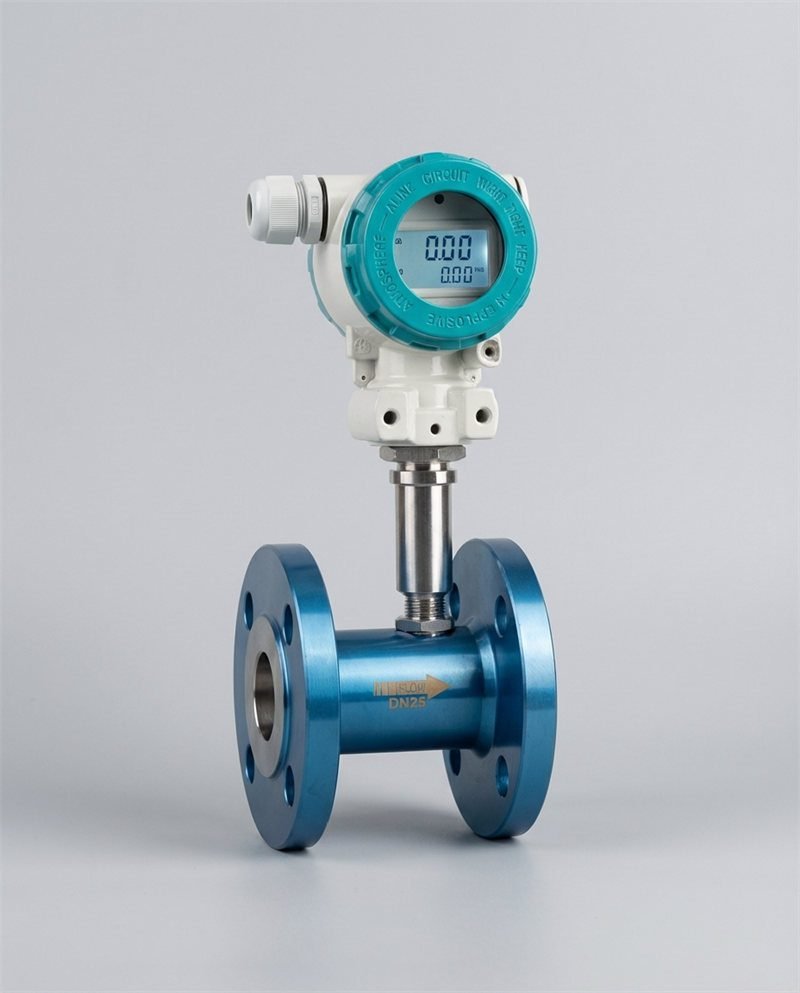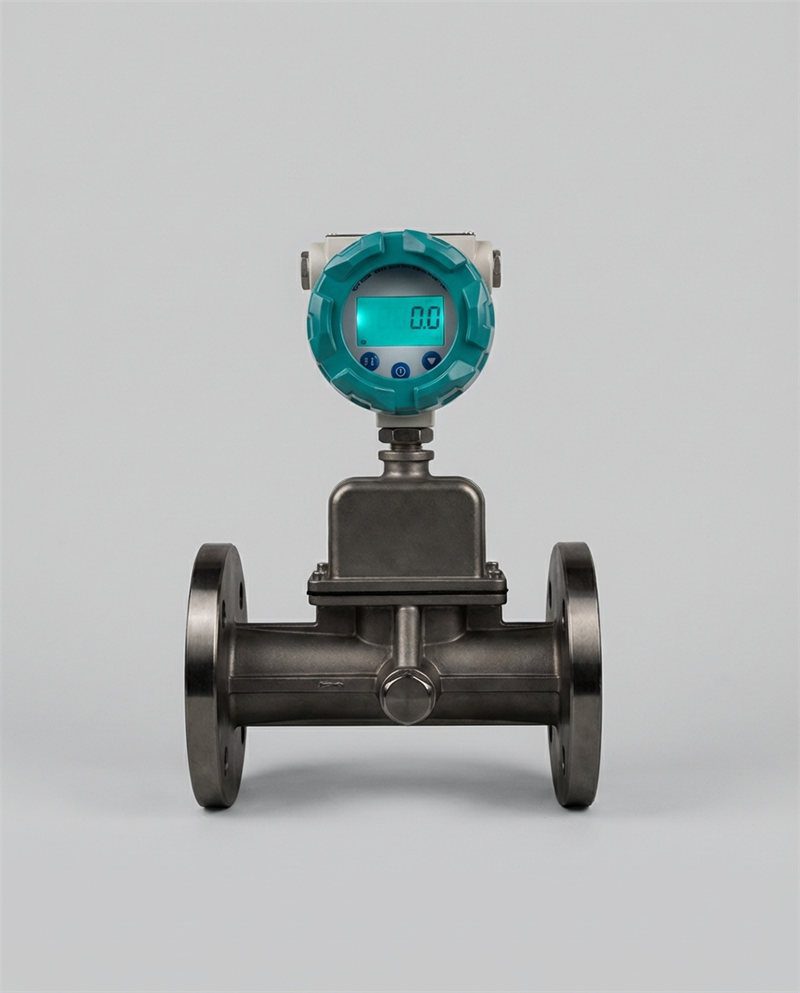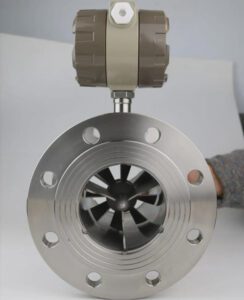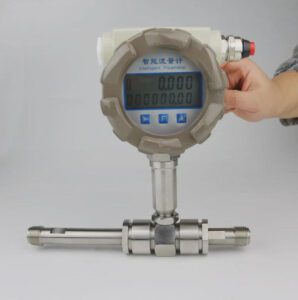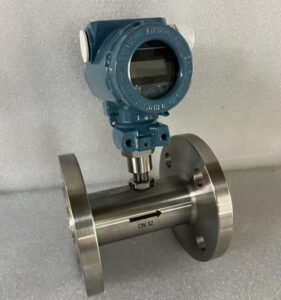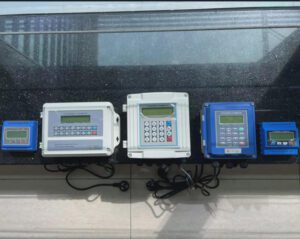
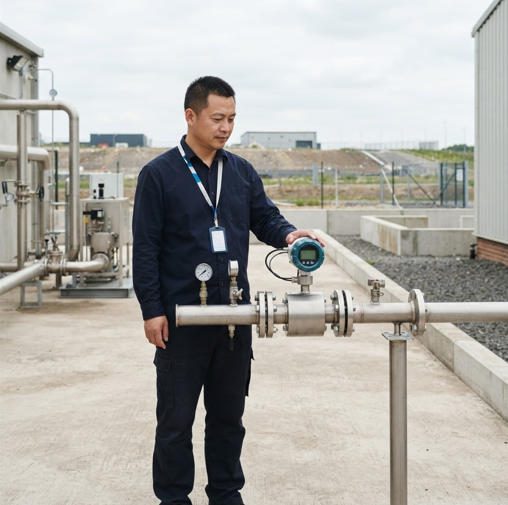
As global energy demands shift toward sustainable solutions, thermal mass flow meters have become critical infrastructure for biogas facilities, hydrogen production plants, and anaerobic digesters. This guide explores market opportunities, technical advantages, and revenue-building strategies for flow instrumentation distributors and agents navigating the clean energy boom.

Why Your Customers Need This Technology Now
The Market Reality Your Clients Are Facing
Your customers in biogas, waste management, and emerging hydrogen production are dealing with three simultaneous pressures that are reshaping their measurement infrastructure requirements — and creating a significant opening for distributors who understand what’s happening.
First, regulatory pressure is intensifying. The U.S. EPA finalized landmark methane emissions rules in 2024, the EU Methane Regulation is rolling out requirements with import compliance deadlines starting in 2027, and landfill methane reduction mandates passed in March 2025 are targeting a 50% cut in landfill emissions below 2019 levels by 2035. Every one of these regulations requires documented, defensible, verified gas flow measurement — not estimates, not manual readings, not legacy systems that haven’t been calibrated since the Obama administration.
Second, the economics of renewable energy have shifted from subsidy-dependent to increasingly self-sustaining. The U.S. biogas industry exceeded $2 billion in new system investment in 2025, with 2,585 active biogas capture facilities and over 17,000 additional identified project sites waiting for development — a 7× expansion opportunity sitting in the pipeline. The global biogas market was valued at USD 48.3 billion in 2025 and is growing at 6.4% CAGR. These are customers who are investing, not just maintaining.
Third, hydrogen is arriving as a real commercial market, not a demonstration project. More than 200 committed green hydrogen investments are now in progress globally, and the green hydrogen market was valued at USD 12.31 billion in 2025, projected to reach USD 115 billion by 2033.
The question for your business is simple: are you positioned to capture measurement share as this infrastructure gets built? Or will a competitor who understands the application landscape take those accounts?
What This Guide Will Help You Sell
This guide gives you the technical and commercial depth to walk into a biogas facility, a wastewater treatment plant, or a hydrogen production site and immediately demonstrate that you understand their actual problems — not just the catalog of products you carry.
You’ll learn exactly why thermal mass flow meters outperform alternatives in these applications, how to build ROI cases that stand up to engineering scrutiny, which regulatory drivers create customer urgency, and how to structure conversations with the plant engineers, operations managers, and CFOs who control these buying decisions.
The Renewable Energy Shift — Understanding Your Market Opportunity
Why Thermal Mass Flow Meters Matter in Today’s Energy Landscape
Global Market Growth Data That Impacts Your Bottom Line
The thermal mass flow meter market itself is growing at 7.47% CAGR, projected to reach USD 666 million by 2031. But that number understates the opportunity, because it only counts meters already sold — not the 17,000+ potential U.S. biogas projects waiting to be developed, not the hydrogen electrolysis capacity being built, not the retrofit market for facilities running aging orifice plates that can’t meet current emissions documentation standards.
Three regional dynamics are shaping where the growth lands:
Europe is the most regulatory-driven market. The EU Methane Regulation, the Industrial Emissions Directive revision, and national biomethane production targets (the EU aims for 35 billion cubic meters of biomethane annually by 2030) are creating a mandatory upgrade cycle for measurement infrastructure across thousands of biogas and waste-to-energy facilities. Starting in 2026, a methane transparency database backed by satellite monitoring goes live — facilities that can’t document measurement accuracy will face compliance exposure.
أمريكا الشمالية is the volume growth market. The American Biogas Council’s 2026 data shows U.S. biogas capture capacity grew 7.5% in a single year. The Inflation Reduction Act’s Methane Emissions Reduction Program, combined with the RNG (Renewable Natural Gas) market’s expansion, creates compelling economics for investment in measurement accuracy — because accurate measurement translates directly into more REC (Renewable Energy Certificate) revenue.
Asia-Pacific, particularly China, South Korea, and Japan, is investing heavily in waste-to-energy and hydrogen infrastructure as part of national decarbonization strategies. This creates opportunities for distributors serving export-oriented equipment manufacturers and for those with regional operations in growing industrial economies.
The Three Clean Energy Applications Driving Demand
Biogas and Anaerobic Digester Systems are your largest near-term opportunity. Every municipality with a wastewater treatment plant, every large-scale agricultural operation, every food processing facility generating organic waste is a potential biogas producer — and most of them have measurement systems that are inadequate for current regulatory and commercial requirements. Measurement accuracy in a digester directly affects methane recovery rates, which directly affects both energy revenue and carbon credit valuation.
Hydrogen Production is the highest-margin emerging opportunity. The measurement requirements for hydrogen — high purity verification, wide flow range coverage, safety certifications for hazardous atmospheres — are specialized enough that most competitors haven’t built the application knowledge to sell into this segment confidently. That’s your window.
Landfill Gas Recovery is mature but far from fully penetrated. The U.S. has approximately 2,600 active biogas sites, but a significant portion of operational landfill gas systems are still running orifice plate measurement installed 15–20 years ago. New methane emissions regulations specifically targeting landfills are creating a mandatory retrofit cycle.
Why Traditional Flow Measurement Falls Short
An orifice plate on a landfill gas header has a 3:1 to 5:1 turndown ratio. Landfill gas production varies by a factor of 10 to 50 between peak gas generation and minimum output conditions — depending on weather, waste age, and seasonal variation. The orifice plate is accurate for perhaps 20% of the operational range that matters. For the rest of the time, it’s extrapolating, and the extrapolation errors directly reduce the verifiable gas volume that can be claimed for energy credits or emissions compliance.
The hidden costs stack up quickly:
- Impulse lines on DP meters in biogas service routinely clog with condensate and H₂S-bearing moisture within 6–12 months of installation, requiring flushing maintenance that takes the measurement offline
- Rotameters require vertical installation that is often impractical in retrofit applications and cannot handle variable gas composition without recalibration
- Turbine meters in biogas service experience bearing corrosion from H₂S content, with failure intervals of 12–24 months documented in field service — each failure meaning unmeasured production and potential compliance gaps
These aren’t edge cases. They’re the standard failure modes that biogas plant operators have learned to live with because they didn’t know a better option existed. When you show up with that option, backed by the technical knowledge to explain why it’s different, you’re not competing on price. You’re solving a problem.
How Thermal Mass Flow Technology Works (And Why Your Customers Should Care)
The Technical Advantages That Translate to Customer Value
Core Operating Principles — Explained for Sales Conversations
A thermal mass flow meter works by heating a sensor element and measuring how much heat the passing gas carries away. The faster the gas moves, the more heat is removed, and the more electrical power is required to maintain the sensor temperature. That power consumption is the measurement signal.
The critical point for your sales conversations: this measurement is inherently a الكتلة measurement, not a volume measurement. It counts molecules — specifically, the heat capacity of the gas molecules passing the sensor — rather than counting physical volume swept through a pipe cross-section. For compressible gases like biogas and hydrogen, where pressure and temperature fluctuations affect density constantly, mass measurement is inherently more accurate and more meaningful than volumetric measurement.
Your customers don’t need to understand the physics. They need to understand the consequence: a thermal mass meter tells you how much gas actually flowed, regardless of whether the pressure dropped or the temperature changed during the measurement period. For a biogas facility calculating its energy production for a monthly RNG sale, or a hydrogen plant tracking its production efficiency, that reliability is worth real money.
Key specifications customers will ask about, and how to explain them:
| المواصفات | Typical Thermal Mass Value | What to Tell Your Customer |
|---|---|---|
| الدقة | ±1% of reading (±0.5% for premium) | “This is at any flow rate in the range, not just at calibration conditions” |
| التكرار | ±0.25–0.5% of reading | “Your month-to-month production data will be consistent enough for contract and credit purposes” |
| نسبة التخفيض | 100:1 (some up to 200:1) | “One meter covers your full operating range from idle to peak production” |
| زمن الاستجابة | 1–3 seconds (T90) | “Fast enough for real-time process control feedback” |
| انخفاض الضغط | <0.1 kPa | “No measurable impact on your system pressure or energy consumption” |
Five Critical Advantages in Renewable Energy Applications
Direct Mass Measurement eliminates the conversion math that introduces error in volumetric systems. Biogas sold as Renewable Natural Gas (RNG) is priced on BTU content, which is proportional to mass, not volume. A meter that measures mass directly gives your customer a defensible, auditable number that corresponds to what they’re actually selling and claiming for carbon credits — without the correction factors and their associated uncertainties.
No Moving Parts is the most practical advantage in a biogas environment. H₂S (hydrogen sulfide — a corrosive gas common in all biological gas streams) attacks bearings, seals, and mechanical components systematically. In turbine meters running in digester gas service, bearing wear typically shows up in accuracy degradation within 12–18 months. Thermal mass sensors have no moving mechanical components to wear or corrode — the measurement element is an electronic sensor, not a spinning wheel.
Wide Turndown Ratio is the defining technical advantage for variable-flow applications. Anaerobic digester gas production varies with temperature, feedstock composition, retention time, and biological activity. A dairy digester in Minnesota produces 40% more gas in summer than in winter. A food waste digester’s output changes with what waste comes in that week. A 100:1 turndown ratio means one thermal mass meter accurately measures both the peak summer production and the minimum winter output — whereas an orifice plate sized for peak conditions is operating below its accurate range for six months of the year.
Low Pressure Drop matters in biogas systems where the gas pressure at the collection header is typically only 0.5–2.0 kPa above atmospheric. Every Pascal of pressure drop across a measurement device is gas pressure that the system piping has to recover, or that reduces the available pressure for downstream compression or utilization equipment. Orifice plates in biogas service with their characteristic pressure recovery curve can impose 2–5 kPa of permanent pressure loss. Thermal mass insertion meters impose less than 0.1 kPa — negligible in any biogas system design.
Fast Response Time supports real-time process control in hydrogen production systems where flow feedback drives electrolyzer control loops. A 1-second T90 response time means control systems can respond to flow deviations before they become yield losses or quality excursions.

Real-World Performance in Harsh Environments
Biogas is arguably the most challenging gas environment in industrial flow measurement: it contains 40–45% CO₂ (corrosive in the presence of moisture), 50–60% CH₄, saturated water vapor, H₂S concentrations ranging from 100 to 5,000 ppm, siloxanes from personal care product waste, and occasional ammonia traces from protein-rich feedstocks.
The field performance data on thermal mass meters in this environment shows:
- 316L stainless steel sensors perform acceptably for low H₂S applications (below 500 ppm) with proper moisture separation upstream
- Hastelloy C-276 construction handles high-H₂S biogas (landfill gas with up to 2,000+ ppm H₂S) without corrosion-related accuracy drift over 3-year service intervals documented in field data
- Moisture separators (coalescing filters upstream of the meter) solve the condensate spiking problem — documented in peer-reviewed studies and manufacturer field reports — by preventing liquid water ingestion that can temporarily affect thermal balance
- Modern instruments with wet-gas sensor designs (specifically engineered for biogas service) include sensor geometries that shed condensed moisture rather than accumulating it, extending intervals between maintenance events
The honest answer to the “our gas is too dirty for thermal mass” objection is: it depends on the construction specification and upstream conditioning, not on whether thermal mass technology is capable in principle. With the right specification, thermal mass is the most reliable measurement technology in biogas service — not the most fragile.
Biogas and Anaerobic Digesters — Your Largest Immediate Opportunity
Why Digesters Are Gold for Thermal Mass Flow Meter Sales
The Biogas Production Challenge Your Customers Face
Walk into a mid-size municipal wastewater treatment plant with three digesters running. Ask the plant manager how accurately they know their daily biogas production. The honest answer, at most facilities, is: “Within 10–15%, on a good day, assuming the meters are reading.” That uncertainty represents:
- Gas sold to a utility at potentially 10% below actual production (because the contract references measured flow, not estimated flow)
- Carbon credit claims limited to documented production, meaning uncredited gas = unclaimed revenue
- EPA Greenhouse Gas Reporting Protocol (GHGRP) compliance exposure if reported methane capture differs from verifiable measurement by more than allowable thresholds
- Inability to optimize digester loading because the production response to feedstock changes is buried in measurement noise
The facility producing 52 m³/h of biogas on average (a real data point from a documented full-scale anaerobic digestion study) at a gate price of $0.40/Nm³ for RNG generates roughly $182,000/year in gas revenue. A 10% measurement improvement — not an unusual outcome when replacing a legacy orifice plate with a properly specified thermal mass meter — is worth $18,200/year in additional documented production revenue. The thermal mass meter costs $3,500–$6,000 installed. The payback timeline calculates itself.
How Thermal Mass Meters Solve Digester Problems
Real-time production monitoring gives the plant operator a live window into digester health. A sudden 20% drop in gas flow rate is one of the earliest indicators of a digester process upset — foaming, temperature excursion, or toxic loading. With an accurate flow meter and a proper alarm setpoint, the operator catches the upset in hours. With a legacy measurement system showing ±15% noise, the upset may not be detectable until gas production has declined 40% over several days.
Early contamination detection is operationally valuable. If a food waste digester is receiving an unexpected load of sulfate-rich material, the H₂S content of the gas rises before the methane yield drops. Thermal mass meters with integrated gas quality sensors, or paired with H₂S analyzers, give operators actionable data before a process problem becomes a production loss.
Carbon credit and REC documentation requires an unbroken audit trail of measured gas volume. The EPA’s Alternative Measurement Protocols for biogas under RFS (Renewable Fuel Standard) specifically require flow meter data that meets stated accuracy requirements. A facility claiming RINs (Renewable Identification Numbers) for biomethane production needs to defend that claim with documented measurement. Thermal mass meters with data logging and certified calibration records provide exactly that documentation.
Predictive maintenance enablement comes from the operational data that accurate measurement generates. A facility tracking daily gas yield against feedstock loading can detect gradual biological performance decline — the slow drift toward below-target methane production that precedes a digester upset — weeks before a crisis. That lead time is worth more than the meter.
Market Segment Breakdown — Where to Focus Your Selling Efforts
| Market Segment | Number of U.S. Sites | Typical Project Size | Budget Profile | Decision Driver |
|---|---|---|---|---|
| Municipal Wastewater Treatment Plants | ~1,300 active digester sites | $15K–$80K metering project | Capital budget + compliance | Regulatory reporting, utility billing |
| Agricultural Biogas (livestock manure) | ~350 active facilities | $8K–$25K | ROI / payback focused | Energy credit revenue, compliance |
| Food Processing Waste Digesters | ~250 facilities | $12K–$40K | Quality-driven | Documentation for RNG sales, audits |
| Landfill Gas Recovery | ~600+ collection systems | $20K–$100K | Compliance-driven | EPA mandates, methane credits |
Source: American Biogas Council 2026 Report. U.S. site counts reflect 2025 data.
Customer Pain Points You Can Solve
The four pain points that drive purchase decisions in this segment are not abstract concerns — they’re operational realities that plant managers talk about in every site visit:
Measurement inaccuracy causing lost revenue is the most monetizable pain point. Put a number on it using the facility’s own operating data: measured production volume × gate price per Nm³ × estimated measurement error percentage = annual revenue at risk. This calculation, using customer-specific inputs, transforms a technology discussion into a business case.
Difficulty proving gas quality to buyers and regulators is increasingly urgent as RNG marketing agreements require documented gas quality data, not operator estimates. Thermal mass meters with integrated data logging and calibration certificates provide the documentation trail that RNG buyers require in supply contracts.
System downtime from measurement equipment failure is a compliance gap risk in addition to an operational inconvenience. An unmeasured period during a regulatory reporting cycle forces the facility to use default emission factors rather than measured data — which almost always results in higher reported emissions and potentially higher compliance costs.
Hydrogen Production — The Emerging Growth Market
Positioning Yourself in the Hydrogen Economy
Why Hydrogen Is the Next Big Opportunity for Your Territory
Green hydrogen was a concept three years ago. It’s a construction project today. The IEA’s Global Hydrogen Review 2025 documented more than 200 committed investment projects for low-emissions hydrogen production globally — not proposals, not feasibility studies, but committed investments. The green hydrogen market was valued at USD 12.31 billion in 2025 ومن المتوقع أن يصل إلى USD 115 billion by 2033 — a 9× increase in eight years.
The measurement opportunity is significant because hydrogen measurement is genuinely difficult, and most flow meter distributors haven’t built the application knowledge to address it confidently. Hydrogen has:
- Very low density (0.09 kg/Nm³, compared to 1.20 kg/Nm³ for air) — making volumetric measurement errors directly amplified in mass-basis economics
- High thermal conductivity — which requires specific calibration for thermal mass meters rather than air or nitrogen surrogate calibration
- Extremely small molecule size — raising concerns about leakage and sensor material compatibility at high-purity specifications
- Flammability range of 4–75% in air — the widest of any common industrial gas, requiring the highest hazardous area classification
Each of these characteristics creates a specification question that most competitors won’t be able to answer. The distributor who can walk in and say “here’s the specific sensor construction, calibration protocol, and ATEX/IECEx certification for your application” is not competing for the order — they’re receiving it.
Hydrogen Production Methods and Measurement Challenges
Steam Methane Reforming (SMR) remains the dominant hydrogen production method. The measurement points in an SMR plant include natural gas feed to the reformer (where accuracy directly affects the hydrogen-to-carbon balance and operating efficiency), reformate gas composition and flow tracking, and hydrogen product purity verification before pipeline injection or fuel cell feed.
Alkaline and PEM Electrolysis — the primary technologies for green hydrogen from renewable electricity — create a distinct measurement challenge. Electrolyzers produce hydrogen at varying output levels depending on available renewable power. The production profile follows the solar irradiance or wind generation curve, creating a wide flow range requirement. Thermal mass meters’ 100:1 turndown is a direct technical answer to the electrolysis flow measurement challenge.
Hydrogen Blending into existing natural gas distribution networks — a growing adoption pathway in Europe and being piloted in North America — requires accurate measurement of the hydrogen fraction in a mixed gas stream. Thermal mass meters calibrated for hydrogen-natural gas blends provide the mass-based measurement required for blend ratio verification and energy content accounting.
Biomass-Based Hydrogen (including thermal gasification routes) produces a raw syngas that contains hydrogen, CO, CO₂, and methane in varying ratios depending on the feedstock and process conditions. The variable composition challenge is similar to biogas: a mass-based measurement that doesn’t depend on a fixed composition assumption is the technically correct answer.
Critical Measurement Requirements in Hydrogen Systems
Purity verification for fuel cell vehicle filling stations and industrial fuel cell systems requires hydrogen purity ≥99.97% (SAE J2719 specification for fuel cell vehicles). Flow measurement at the dispensing point needs to be accurate to ±1.5% or better for both volume accounting and quality assurance purposes.
Safety certifications for hydrogen measurement equipment are non-negotiable. Hydrogen’s wide flammability range (4–75%) and low ignition energy mean that equipment in hydrogen service must carry ATEX Zone 1 or IECEx certification as a minimum baseline. Some applications require Zone 0 certification for instrument enclosures. Distributors who specify uncertified equipment in hydrogen service create liability for themselves, their customers, and their insurance carriers.
Flow measurement across wide operating ranges in electrolysis systems reflects the intermittent nature of renewable power supply. A 5 MW electrolyzer operating on solar power may run at full rated capacity for 4 hours, then ramp to 30% as afternoon cloud cover reduces available power, then ramp back up in the evening. The measurement system must be accurate across this entire range, continuously, to provide the production accounting data that determines the economics of the facility.

Competitive Advantages You Can Highlight
The hydrogen measurement market is being defined right now, in the early commercial phase of the hydrogen economy buildout. The distributors who establish technical credibility in this segment during 2025–2027 will own account relationships that last 15–20 years as hydrogen infrastructure matures. The distributors who sit out this cycle because the specifications seem complex will be locked out of accounts that competitors captured during the development phase.
Your practical advantages as a technically knowledgeable local distributor in hydrogen accounts are significant: hydrogen project engineers need suppliers who understand their specific certification requirements, can navigate the local regulatory environment for hazardous area approvals, and will be present and responsive during commissioning — not available only by phone from a national distribution center.
Landfill Gas and Waste-to-Energy Systems
A Stable, Underutilized Opportunity in Your Territory
Current State of Landfill Gas Recovery
The U.S. EPA’s 2025 landfill methane regulations, finalized in March 2025, target a 50% reduction in landfill methane emissions below 2019 levels by 2035. The regulatory mechanism is a combination of enhanced gas collection requirements and verified emissions reporting — both of which require accurate flow measurement at landfill gas collection headers.
The U.S. has approximately 600+ active landfill gas collection and utilization systems. Many of them are mature installations with measurement equipment dating from the 2000s or early 2010s. The regulatory deadline is creating a natural retrofit cycle — and a significant portion of these facilities are currently operating with orifice plate systems that cannot provide the documentation quality required under the new EPA standards.
The economic model is also strengthening. Methane credits under voluntary carbon markets are increasingly requiring third-party verified measurement data. Landfill gas converted to RNG commands premium prices in transportation fuel markets, but only with measurement documentation that satisfies EPA’s RFS pathway requirements. Facilities investing in measurement upgrades are doing so because it directly enables higher-value gas marketing — not because they’re forced to by compliance alone.
Technical Requirements Specific to Landfill Gas
Landfill gas composition is more variable than agricultural biogas. Methane content ranges from 35% to 65% depending on waste age, moisture, and decomposition phase. CO₂ content ranges from 35% to 50%. Nitrogen infiltration from imperfect landfill covers can swing gas quality significantly — methane content in an old cell section may drop to 35%, while an adjacent active decomposition zone produces 58% methane.
This composition variability is why orifice plates installed in the 1990s using a fixed 50% methane composition factor are systematically wrong: the measurement assumes a fixed gas density, and when actual density differs from the assumed value, the flow calculation error is proportional to the square root of the density ratio. A 20% change in gas density (realistic across the landfill operational range) produces a 10% measurement error — every month, silently.
Thermal mass meters calibrated for the actual gas composition range at a specific landfill — or multipoint-calibrated to handle the composition variability — measure mass flow directly and are inherently insensitive to the density fluctuations that plague volumetric DP measurement.
Why Your Competitors Are Overlooking This Segment
The perception that landfill gas is a “mature” market leads many competitors to focus their attention on the newer, faster-growing hydrogen and biogas segments. The reality is that retrofit demand in mature landfill gas infrastructure is substantial, the replacement cycle driven by new EPA regulations is time-bound and urgent, and the customers — landfill gas project developers, utility companies managing gas-to-energy systems, municipal solid waste authorities — have established capital budgets for compliance-driven upgrades.
The customer education requirement is also lower than in hydrogen applications. Landfill gas plant operators understand flow measurement; they just don’t understand why their current measurement is inadequate for current documentation requirements. Your job is to show them the gap between what their existing system documents and what the new regulatory standards require — and then show them the thermal mass solution that closes it.
Regulatory Drivers and Compliance — Your Selling Leverage
How Regulations Create Demand (And Customer Urgency)
Global Emissions Standards Pushing Technology Adoption
Three regulatory frameworks are creating immediate demand for measurement upgrades across your customer base:
EU Methane Regulation (in force, with progressive implementation through 2030): All methane-producing facilities in the energy sector must implement measurement, reporting, and verification (MRV) protocols. Starting in 2027, gas imported into the EU must demonstrate production with methane standards equivalent to EU requirements. This creates an international ripple effect — non-EU biogas and RNG producers who want EU market access need measurement systems that meet EU documentation standards.
U.S. EPA Greenhouse Gas Reporting Protocol (GHGRP): Biogas facilities above reporting thresholds must report annual methane emissions under 40 CFR Part 98. The protocol specifies measurement accuracy requirements and documentation standards. Facilities currently using Tier 1 default emission factors are at risk as EPA enforcement of direct measurement requirements increases. Switching from default factors to direct measurement requires measurement equipment that meets EPA’s specified accuracy standards.
U.S. Landfill Methane Regulations (finalized March 2025): The new standards specifically target emissions reduction at municipal solid waste landfills, with performance standards that require verified measurement of gas collection. Compliance timelines through 2027–2030 mean that facilities need to begin measurement infrastructure upgrades now, not at the compliance deadline.
Energy Credit and Carbon Credit Documentation
The RNG market — where biogas upgraded to pipeline-quality methane is sold as a transportation fuel under EPA’s Renewable Fuel Standard — is the most financially significant driver of measurement accuracy investment in biogas. A single D3 RIN (the credit type for cellulosic biogas) is valued at approximately $2.00–$3.50 in recent markets. A 1,000 Nm³/h biogas facility producing RNG generates roughly 500–600 RINs per day. The annual RIN revenue at this scale is $365,000–$750,000/year — and every RIN requires documented, verifiable flow measurement to support the EPA pathway claim.
A 2% improvement in measurement accuracy at this facility = $7,300–$15,000/year in additional documented RIN-eligible production. The thermal mass meter that enables this improvement costs $5,000–$8,000 installed. Payback: 6–12 months on the measurement accuracy improvement alone, before counting any maintenance savings.
Safety and Hazardous Area Classifications
Both biogas and hydrogen applications require ATEX (European explosive atmosphere directive) or IECEx (international equivalent) certification for equipment installed in areas where flammable gas concentrations could be present. Zone classification for biogas applications is typically Zone 1 (flammable gas present intermittently in normal operation). Hydrogen applications often require Zone 1 or, in some configurations, Zone 0.
Thermal mass meters for these applications must carry the appropriate hazardous area certification as a factory specification — it’s not something that can be added as an afterthought. When specifying equipment for customers in biogas or hydrogen service, the certification documentation must be part of the initial specification package, not an afterthought during the commissioning audit.
This creates a concrete selling advantage: a distributor who arrives at an initial conversation with ATEX/IECEx certificate numbers ready to present, alongside zone classification guidance for the specific installation, is demonstrating expertise that most commodity distributors cannot match.
Turning Compliance into a Sales Conversation
The most effective approach is not to lead with compliance requirements as a threat, but to help customers understand their exposure gap — the distance between what their current measurement system documents and what current regulations require.
A practical conversation structure: “Walk me through your current gas measurement setup. What’s the stated accuracy of your flow meter, and when was it last calibrated? Have you reviewed whether that accuracy level meets the EPA’s GHGRP documentation requirements for your facility class?” Most plant managers have not explicitly reviewed this. When you help them see the gap, you’ve created a problem that they need to solve — and you’ve positioned yourself as the advisor who identified it.
The Economics — Helping Your Customers Justify the Investment
Building ROI Cases That Win Deals
Total Cost of Ownership vs. Initial Purchase Price
The “too expensive” objection in this market is almost always a unit price comparison that ignores the actual cost of ownership. Build this comparison for your customers using their own numbers:
| فئة التكلفة | Legacy Orifice Plate (10-Year) | Thermal Mass Meter (10-Year) |
|---|---|---|
| Initial purchase + installation | $4,500 | $6,500 |
| Annual maintenance (impulse lines, calibration) | $1,200/year = $12,000 | $300/year = $3,000 |
| Unplanned repair events (bearing/corrosion) | 2 events × $1,800 = $3,600 | Negligible = $500 |
| Measurement inaccuracy cost (low-flow range) | 15% of range × 8 hrs/day × energy value | ~$8,000–$18,000 |
| Downtime-related compliance exposure | متغير | Reduced |
| 10-Year TCO | $28,000–$38,000 | $10,000–$12,000 |
The numbers above are conservative and use generic assumptions. When you build this calculation with customer-specific energy values and maintenance cost data, the differential typically becomes larger, not smaller.
Revenue Impact of Accurate Measurement
The revenue impact of measurement accuracy is the most compelling part of the ROI case in biogas applications — and it’s consistently underappreciated by customers who have lived with inaccurate measurement for years without quantifying what it costs.
The logic is straightforward: if a digester is producing gas that isn’t being accurately measured, it falls into one of three categories: gas that’s being sold at below-actual volume (lost revenue), gas that’s being claimed for carbon credits below actual production (lost credit revenue), or gas that’s being reported as emitted rather than captured (potential penalty exposure). Accurate measurement converts these losses into documented income.
A wastewater treatment plant generating 3,000 Nm³/day of biogas, selling at $0.35/Nm³, with a documented 8% measurement improvement from upgrading their orifice plates to thermal mass meters, recovers 240 Nm³/day = $30,660/year in previously unclaimed gas revenue. Against a two-meter thermal mass installation cost of $12,000–$14,000, payback is under 6 months.
Payback Period Analysis Across Different Applications
These figures represent documented ranges from real installations — use them as conversation starters, but always recalculate with the customer’s actual operating data:
Anaerobic Digester (municipal or agricultural): Payback typically 6–18 months, driven primarily by increased documented gas revenue and RIN/REC claiming improvement.
Landfill Gas (compliance-driven retrofit): Payback 12–24 months, with the primary driver being avoided compliance cost rather than incremental revenue. In active landfill gas markets with strong RNG premiums, payback can be under 12 months.
Hydrogen Production (new installation): Payback 8–18 months driven by production efficiency improvement. Hydrogen economics are compressed enough that a 1% improvement in electrolysis efficiency documentation can justify measurement investment in large-scale facilities within a single year of operation.
Food Processing Waste Digester (high-margin RNG): Payback often 6–12 months due to high gate prices for food-waste-derived RNG and strict buyer documentation requirements that create direct contractual value for measurement accuracy.
Financing and Incentive Programs
Government funding programs exist in multiple forms across the key application segments:
الـ USDA Rural Energy for America Program (REAP) provides grants up to 25% and guaranteed loans for renewable energy projects including biogas, with measurement equipment eligible as part of the system.
الـ EPA Environmental Justice Collaborative Problem-Solving Cooperative Agreement و EPA Solid Waste Infrastructure grants provide funding for waste management infrastructure improvement, which can include measurement equipment in qualifying projects.
الـ EU Innovation Fund and national grant programs in Germany (BAFA), the UK (GGSS — Green Gas Support Scheme), and France provide measurement equipment subsidies as part of biogas and biomethane system grants.
For hydrogen applications, the DOE Hydrogen and Fuel Cell Technologies Office (via programs under the Infrastructure Investment and Jobs Act) provides grant and loan support for qualifying hydrogen production projects, with measurement infrastructure included in eligible costs.
Technical Integration and Implementation — Building Customer Confidence
Removing Barriers to Purchase Through Expert Support
System Integration Considerations
Most biogas facilities operate Programmable Logic Controllers (PLCs) and SCADA systems from Siemens, Allen-Bradley (Rockwell Automation), or ABB. Modern thermal mass meters output via 4–20 mA, HART (Highway Addressable Remote Transducer — a digital communication protocol that rides on the 4–20 mA loop), Modbus RTU/TCP, or Profibus-PA. Verify the customer’s control system communication standard before specifying.
For legacy systems that only accept 4–20 mA analog input, HART-enabled thermal mass meters still provide 4–20 mA output and the HART capability is available for configuration, calibration verification, and diagnostics through a handheld communicator without any control system integration requirement. This removes the “our control system can’t accept it” objection that sometimes appears in retrofit discussions.
For new installations or facilities with modern control systems, Modbus TCP connectivity enables the flow meter data to feed directly into energy management dashboards, carbon accounting software, and operations reporting platforms. Distributors who can demonstrate this integration path during the proposal phase are eliminating a significant post-sale implementation risk from the customer’s perspective.
Installation and Commissioning Best Practices
Insertion-type thermal mass meters — the most common configuration for existing piping retrofits — require a site survey to confirm pipe diameter, wall thickness (for hot-tap fitting selection), straight-run availability (10–20 pipe diameters upstream, 5 downstream), and accessible flanging or hot-tap ports. Most industrial pipe installations can accommodate a thermal mass insertion meter without piping modification.
The installation sequence for a hot-tap retrofit:
- Verify pipe material and wall thickness (required for hot-tap drill sizing)
- Weld a hot-tap fitting to the pipe while in service
- Drill through the fitting into the pipe under pressure
- Insert the probe to the specified insertion depth
- Tighten compression seals
- Connect power (24 VDC typical) and signal wiring
- Configure meter for actual pipe diameter and gas composition
- Verify reading against production records or reference measurement
A competent field technician completes this sequence in 4–6 hours for a single insertion point. The facility doesn’t need to shut down. Gas production continues throughout installation.
Commissioning best practices include establishing a baseline measurement period (typically 7–14 days) to generate initial production data, verifying the alarm setpoints for production rate deviations, and confirming data logging configuration for regulatory documentation purposes.
Ongoing Support and Maintenance
Thermal mass meters in clean-to-moderate gas service (compressed air, dry natural gas, nitrogen) require calibration every 12–24 months. In biogas service with proper upstream moisture separation, calibration intervals of 12–18 months are typical, with the specific interval driven by the H₂S content and the facility’s own regulatory calibration documentation requirements.
Calibration of insertion-type meters can be performed either in-field using a calibration kit (checking against a reference flow and verifying the electronic calibration factors) or by removing the sensor probe and sending it to a calibration laboratory. Field calibration adds convenience; laboratory calibration provides full certification documentation for regulatory purposes.
Spare parts availability is a practical specification criterion that is often overlooked during the initial purchase. Ask your primary supplier: “What is the typical lead time for a replacement sensor probe for this meter?” The answer should be less than 2 weeks for standard constructions. A supplier who cannot provide this answer, or who quotes 8-week lead times for standard replacement parts, is creating operational risk for your customer in the event of a sensor failure.
Building Long-Term Customer Relationships
The distributors who maintain 10-year customer relationships in this segment are invariably the ones who established themselves as operational advisors, not equipment vendors. The practical mechanics of this are:
Annual operational reviews — a structured conversation about production performance trends, measurement system condition, and upcoming regulatory changes — keep you present in the customer’s operational thinking. These conversations surface the next purchase before a competitor’s sales visit does.
Data analytics capability — even at the level of helping a customer set up a simple spreadsheet dashboard tracking daily gas production against feedstock loading — creates a relationship structure that’s hard for a competitor to displace on price alone. The insight value is yours, not the meter’s.
Service contracts — annual calibration service at a fixed fee — provide recurring revenue and guarantee annual on-site presence. At a bundled calibration visit, you learn about new equipment plans, regulatory changes the facility is navigating, and operational challenges that represent new sales opportunities.
Competitive Positioning and Market Differentiation
How to Win Against Larger Competitors and Price-Focused Rivals
Your Advantages as a Distributor/Agent
National distributors and direct manufacturer reps compete in this market on breadth of line and sometimes on price. They don’t compete well on application depth, local regulatory knowledge, or response time. Those are your structural advantages, and they’re decisive in applications where the customer’s technical team is inexperienced with thermal mass technology.
A plant engineer at a municipal digester facility who is evaluating a thermal mass meter for the first time does not want to navigate a national distributor’s call center to get an application engineering question answered. They want to call the person who sold them the meter, who knows their specific installation, and who can answer “what should my reading be at this gas composition?” based on real knowledge of their system — not a generic FAQ.
The customers who are building new biogas infrastructure, hydrogen production capacity, or landfill gas upgrades are also navigating unfamiliar territory with their new applications. They’re not looking for the lowest price on a catalog item. They’re looking for a partner who reduces their implementation risk. That’s the positioning conversation you should be having in every initial customer engagement.
Building Technical Authority
Case studies are your most powerful sales tool in this market, and the only case studies that work are ones with specific, verifiable numbers from real installations. Generic claims about “improved accuracy” and “reduced maintenance costs” don’t move technically sophisticated buyers.
Structure your case studies around four data points: the original measurement problem (what was the customer’s measurement accuracy, and what was the documented consequence?), the solution specified (what thermal mass meter, what construction, what installation approach?), the measured improvement (what accuracy improvement was documented post-installation?), and the financial outcome (what is the calculated annual benefit, and what is the payback period?).
Developing three to five case studies in your first year — across different application types (wastewater digester, landfill gas, agricultural biogas) — gives you application-specific credibility that no marketing brochure can replicate.
Pricing and Packaging Strategies
Bundle offerings that include equipment + installation support + first-year calibration + data setup assistance are consistently more successful in this market than equipment-only quotes. The total package price is higher, but the customer’s total implementation risk is lower — and risk reduction is what they’re actually buying.
The buyers in biogas and hydrogen applications are typically engineers and operations managers, not procurement specialists optimizing on unit price. They’re evaluating total implementation risk, vendor competence, and long-term support capability. Price matters, but it’s rarely the deciding factor when the application is technically complex and the compliance stakes are real.
Performance-based pricing — where a portion of the payment is contingent on documented operational improvement — is an emerging model in larger biogas projects and is worth exploring with customers who are hesitant about capital expenditure but confident in the expected ROI.
Watch: How to Choose the Right Flow Meter for Biogas Measurement
This concise industry video covers biogas flow meter selection from first principles — including why thermal mass technology outperforms alternatives in digester gas environments. Share it with customer technical teams who are beginning the evaluation process.
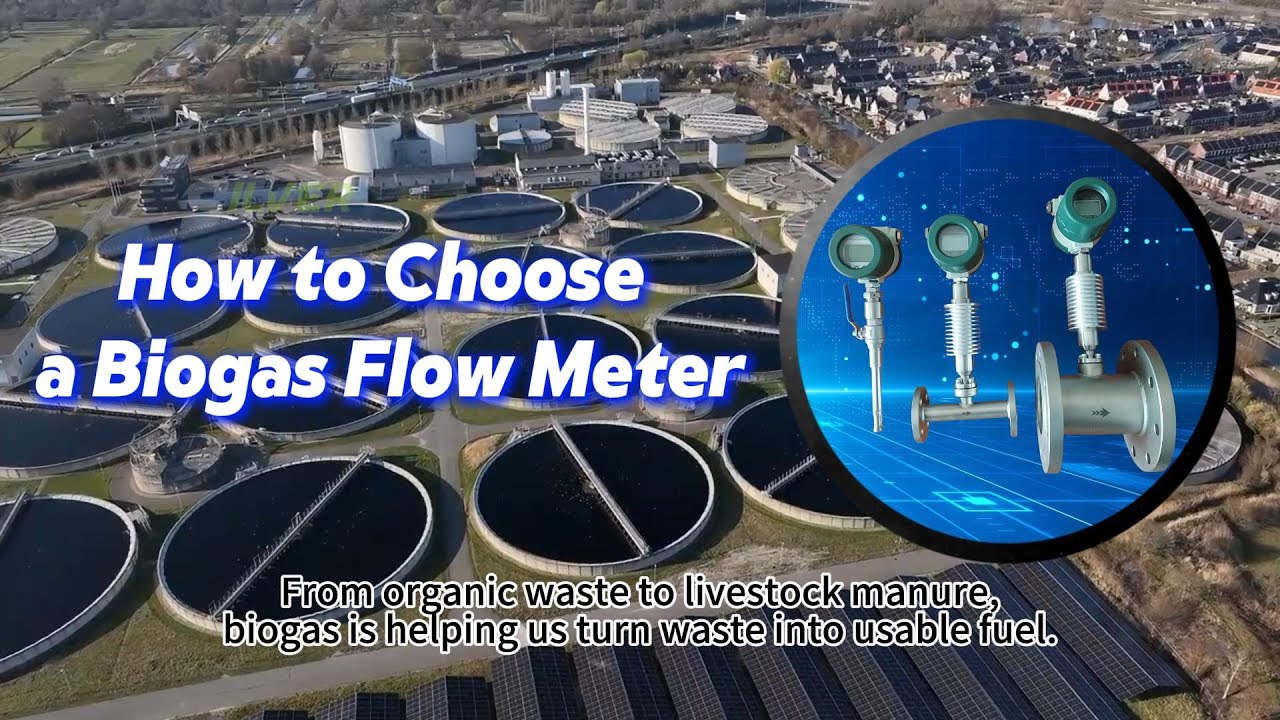
▶️ How to Choose the Right Flow Meter for Biogas Measurement — YouTube
Future Trends and Long-Term Growth Opportunities
Staying Ahead of Market Evolution
Emerging Technologies and Measurement Innovations
IoT-connected thermal mass meters are transitioning from premium option to standard expectation in new biogas and hydrogen installations. The operational value is not incremental — it’s transformational. A biogas facility with 12 flow meter points, each streaming real-time data to a cloud analytics platform, can detect production deviations within hours rather than days. When a feedstock change causes a 15% drop in methane yield, the operations team sees it in the next hourly data summary rather than in next week’s manual log review.
AI-powered predictive maintenance based on flow meter performance data is an emerging capability that a small number of sophisticated facilities are beginning to implement. The approach: by tracking the correlation between process conditions and meter readings over time, machine learning algorithms can detect early signs of sensor fouling or calibration drift — predicting a maintenance need before measurement accuracy is compromised. This capability is currently available through third-party analytics platforms, and is increasingly being integrated into smart meter hardware by manufacturers.
Blockchain-based energy credit verification is being piloted in several European biomethane trading markets. The concept: measurement data from certified meters is cryptographically logged and linked to REC issuance records, creating an audit-proof chain of custody from gas production to credit trading. This is 3–5 years from mainstream adoption, but distributors who understand the concept today will be positioned when early-adopter customers ask about it.
Expanding Applications Beyond Current Markets
Carbon Capture and Utilization (CCU) systems require precise CO₂ flow measurement for both process control and carbon accounting. Thermal mass meters calibrated for CO₂ are appropriate for many CCU applications. As industrial decarbonization projects multiply — in cement, steel, chemical manufacturing, and power generation — CCU flow measurement becomes a new application segment adjacent to the biogas and hydrogen expertise you’re building.
Advanced biofuel production — specifically hydrotreated vegetable oil (HVO) and alcohol-to-jet fuel pathways — involves gas-phase measurement in reforming and refining steps where thermal mass meters are the appropriate technology. As these facilities scale from demonstration to commercial operations, they’ll need experienced measurement instrumentation suppliers.
Synthetic fuel (e-fuel) generation using green hydrogen combined with captured CO₂ is in early commercial development. These facilities have complex gas measurement requirements across multiple production steps — from hydrogen feed to synthesis reactor to product separation — that favor a single knowledgeable supplier relationship over multiple vendors.
Geographic Expansion Opportunities
Southeast Asia — particularly Vietnam, Thailand, and Indonesia — is investing in agricultural biogas infrastructure (dominated by pig and poultry manure digesters) with government subsidy programs that include measurement equipment in eligible costs. These markets are underserved by technically qualified flow meter distributors, and the measurement volumes are growing as facility scales increase.
Latin America’s ethanol and sugar processing industries are large biogas generators — sugarcane bagasse and vinasse are high-volume anaerobic digestion feedstocks. Brazil’s RenovaBio program, which assigns carbon scores to biofuel producers based on lifecycle emissions (including measured methane capture), is creating direct financial incentives for measurement accuracy upgrades.
Middle Eastern hydrogen production — driven by Saudi Arabia’s NEOM project, UAE’s clean hydrogen strategy, and Jordan’s renewable energy export ambitions — represents a geography where early technical positioning by experienced distributors will establish durable account relationships.

Comprehensive FAQ Section: Answering Your Most Common Customer Questions
15 Essential FAQs for Your Sales Conversations
1. How does a thermal mass flow meter actually measure gas flow, and why is it better than other technologies for biogas?
Thermal mass meters work by heating a sensor element and measuring how much heat the gas stream carries away. The measurement is directly proportional to mass flow — the actual quantity of gas molecules moving past the sensor — rather than to physical volume. In biogas applications, this is a critical distinction: biogas composition changes with feedstock, temperature, and biological activity, which changes the gas density. A volumetric meter translates those density changes into measurement errors. A thermal mass meter measures mass directly and is inherently compensated for density variation within its calibration range.
In an orifice plate installation on the same biogas stream, a 15% change in gas density (realistic across a digester’s operational range) produces a 7–8% measurement error from the density assumption alone — before any inaccuracy from the low-flow operating conditions that plague DP meters. A thermal mass meter eliminates this systematic error source.
2. What is the typical accuracy of thermal mass meters in real-world biogas applications?
Under properly specified installation conditions with appropriate upstream moisture separation, thermal mass meters achieve ±1–2% of reading across the full operating range. Premium instruments in clean gas service reach ±0.5% of reading. The operationally important qualifier is “across the full operating range” — this accuracy holds at 5% of rated flow as well as at 95% of rated flow, unlike orifice plates whose accuracy degrades severely below 30–40% of design flow.
In documented field installations, the key accuracy-limiting factor in biogas service is moisture — condensed water droplets reaching the sensor. With a properly specified coalescing moisture separator upstream of the meter, this factor is controlled, and field accuracy matches the specification.
3. Can thermal mass meters handle the moisture and variability in biogas?
Directly: yes, with the right construction specification and upstream conditioning. Anaerobic digester gas is typically saturated with water vapor at the gas temperature inside the digester (30–40°C), which condenses as the gas cools in the collection piping. The standard mitigation — a coalescing filter/separator upstream of the meter — removes entrained liquid water before it reaches the sensor. With a separator installed and properly sized, documented field installations show stable, accurate performance in biogas service.
For high-H₂S applications (above 500 ppm), specify Hastelloy C-276 or equivalent corrosion-resistant sensor construction. For very high H₂S content (landfill gas above 1,000 ppm H₂S), also specify a PTFE moisture separator rather than a standard stainless one, since H₂S in the presence of water is mildly corrosive even to stainless steel.
4. How do thermal mass meters perform in hydrogen production systems?
Thermal mass meters perform well in hydrogen service but require calibration specifically for hydrogen — not air or nitrogen surrogate calibration, which introduces systematic errors from hydrogen’s unique thermal properties (thermal conductivity approximately 7× higher than air). Hydrogen-specific calibration is standard practice for competent manufacturers.
The performance advantages in hydrogen service: 100:1 turndown covers the full production range of intermittent renewable-powered electrolyzers, no pressure drop preserves the valuable hydrogen pressure, and direct mass measurement provides the kg/h output that hydrogen economics and custody transfer calculations require. The specific limitations: thermal mass meters are not appropriate for hydrogen purity measurement (that requires gas chromatography or thermal conductivity gas analyzers), and accuracy for hydrogen at very high pressures (above 70 bar) should be verified against specific calibration data.
5. What is the typical payback period for a thermal mass meter installation in a digester?
Payback periods in documented installations range from 6 to 18 months, depending primarily on: the magnitude of the measurement improvement over the previous system, the gate price for gas or RNG at the facility, the maintenance cost reduction from eliminating impulse line servicing, and any REC or RIN revenue unlocked by improved measurement documentation.
A useful reference point: a mid-size municipal digester producing 2,000 Nm³/day of biogas with an 8% measurement improvement from upgrading a legacy orifice plate system recovers approximately 160 Nm³/day in previously undocumented production. At $0.30/Nm³ (a conservative biogas gate price), the annual revenue improvement is $17,520 — against a thermal mass installation cost of $6,000–$10,000. Payback: 4–7 months.
6. How much does a thermal mass meter cost, and what’s included in the price?
Equipment cost for an insertion-type thermal mass meter for biogas service ranges from $2,500–$5,000 for a standard 316L stainless sensor in a 4–8 inch pipe application. Hastelloy construction for high-H₂S environments adds $800–$1,500 to the sensor cost. Installation materials (hot-tap fitting, compression seal, cable, conduit) typically add $400–$700. Field commissioning by a competent technician: 4–6 hours at your labor rate.
Total installed cost for a single measurement point in standard biogas service: $3,500–$7,000, varying with pipe size, sensor material specification, site conditions, and local labor rates. For comparison: a complete orifice plate installation with impulse lines, manifold valving, DP transmitter, and flow computer in the same service runs $6,000–$12,000 installed — and then begins accumulating $800–$1,500/year in maintenance costs that the thermal mass meter does not.
Jade Ant Instruments’ thermal flow meter line provides a range of construction options for both standard and corrosive gas service, with OEM/ODM customization for application-specific requirements.
7. What certifications and approvals do thermal mass meters need for hazardous biogas and hydrogen environments?
The minimum certification for biogas applications (Zone 1 hazardous area classification under IEC 60079 standards) is ATEX (in Europe) or IECEx (internationally). ATEX category II 2G (suitable for Zone 1) is the baseline certification. In North America, the equivalent classification is Class I, Division 2 under NEC/CEC (less demanding), or Class I, Division 1 for more stringent applications.
For hydrogen applications, the wider flammability range (4–75%) requires careful zone classification review — some hydrogen applications are Zone 0 rather than Zone 1, requiring ATEX category II 1G certification. In addition, materials in hydrogen service should be evaluated for hydrogen embrittlement susceptibility — standard 316L stainless steel is acceptable up to moderate pressures; high-strength alloys may require hydrogen embrittlement-resistant grade specification.
8. How often do thermal mass meters need calibration, and what does that cost?
In biogas service with proper upstream moisture separation: calibration every 12–18 months is typical, with the specific interval often driven by the customer’s regulatory documentation requirements or RNG supply contract terms.
Calibration cost components: if performed at a qualified calibration laboratory, expect $400–$800 for the calibration service plus shipping costs. If performed in-field using a portable reference standard, field labor cost (2–4 hours) plus any reference gas costs. Annual calibration budget per measurement point for biogas service: $600–$1,200 total, including labor. Compare to orifice plate calibration requirements: the orifice plate element, impulse lines, and DP transmitter all require independent calibration, typically totaling $800–$1,500/year per measurement point — without the meter removal and reinstallation costs.
9. Can thermal mass meters be retrofitted into existing digester systems, or do they require new installations?
Retrofit is the primary application for thermal mass meters in existing biogas facilities — and it’s specifically well-suited to retrofits because insertion-type designs require no pipe cutting or process shutdown. A hot-tap installation procedure allows the meter to be installed in a pressurized pipe while the gas system remains fully operational. The total installation time for a single retrofit point is typically 4–6 hours.
Compatibility with existing pipe sizes is broad: insertion thermal mass meters are available from ½-inch probe designs up to 48-inch or larger pipe diameters for large landfill gas headers. The only practical constraint is minimum straight-run pipe availability (10–15 pipe diameters upstream), which limits some installations in very congested mechanical areas.
10. What kind of data and reporting can thermal mass meters provide for renewable energy credits and regulatory compliance?
Modern thermal mass meters with data logging capability record flow rate, cumulative totalizer, gas temperature, operating alarm events, and calibration history on an internal memory that is accessible via HART, Modbus, or direct USB/RS-485 connection. This data provides the audit trail required for EPA GHGRP reporting, RFS pathway documentation for RIN claiming, and ISO 14064-compliant carbon accounting.
For RNG supply contracts that require continuous monitoring with data submission to the utility or pipeline operator, thermal mass meters with 4–20 mA + HART output can connect directly to the facility’s SCADA data historian. The historian provides the timestamped, continuous record required for contractual volume verification. Third-party auditors (required for some carbon credit verification protocols) can access calibration records, alarm histories, and raw data logs to verify measurement quality.
11. How do thermal mass meters integrate with SCADA systems and process control?
Standard output options include 4–20 mA analog (compatible with all industrial PLCs and DCS systems), HART (supports remote configuration and diagnostics via existing 4–20 mA wiring), Modbus RTU/TCP (direct digital integration with most modern control systems), and in premium designs, PROFIBUS-PA or industrial Ethernet protocols.
For facilities using Siemens SIMATIC or Allen-Bradley CompactLogix/ControlLogix PLCs, Modbus TCP integration is straightforward and can be configured by a qualified controls technician in 2–4 hours. For legacy systems with only 4–20 mA inputs, thermal mass meters provide a calibrated 4–20 mA output corresponding to 0–100% of the configured flow range — no additional integration work required.
12. What happens if a thermal mass meter fails in a critical biogas or hydrogen system?
MTBF (Mean Time Between Failures — the expected average operating time before a failure event) for properly specified thermal mass meters in clean gas service exceeds 100,000 hours (approximately 11 years). In biogas service, the most common failure mode is sensor fouling from condensate or H₂S buildup — which manifests as gradual zero drift or sensitivity loss rather than sudden catastrophic failure. Built-in self-diagnostics in modern instruments detect this condition and flag an alarm before accuracy is compromised.
Failure response protocols for critical applications should include: maintaining one spare sensor probe (typically $400–$800) for each critical measurement point, establishing a written procedure for sensor replacement (a 30–60 minute field procedure for insertion sensors), and configuring the data historian to flag any measurement gap or alarm event for operations team notification. Distributors who pre-position spare sensors for critical customer accounts eliminate the “weeks without measurement” scenario that occurs when replacement parts are ordered after a failure.
13. Are there government incentives or grants available to help customers purchase thermal mass meters for renewable energy projects?
Multiple programs are available across different application types. The USDA Rural Energy for America Program (REAP) provides grants up to 25% of project cost and guaranteed loans for agricultural and rural renewable energy projects — measurement equipment is explicitly eligible. Application cycles are annual with published deadlines.
EPA Solid Waste Infrastructure grants (under IIJA funding) support waste management infrastructure improvements including measurement systems. For biogas projects qualifying as biomethane or RNG, the DOE Bioenergy Technologies Office has provided technical assistance and sometimes capital funding for infrastructure upgrades.
In Europe, national biomethane grant programs in Germany (BAFA), the UK (GGSS), and France (Guichet unique biogaz) provide subsidies for biogas and biomethane production infrastructure, with measurement equipment included as eligible costs in most program definitions.
Helping customers navigate these programs is a differentiated service that few distributors provide — and it creates a relationship depth that positions you as a strategic advisor rather than a commodity vendor.
14. How does measurement accuracy in hydrogen systems compare to traditional methods, and why does it matter?
Hydrogen measurement accuracy requirements are more demanding than most gas applications because hydrogen economics are compressed: production cost, transportation cost, and selling price are all closer together on a per-energy-unit basis than in natural gas markets. A 1% measurement error in hydrogen production accounting may represent $50,000–$200,000/year in mis-stated production at a mid-size (5 MW) electrolysis facility.
Thermal mass meters achieve ±1% of reading for hydrogen with proper calibration. Coriolis meters achieve ±0.1–0.2% of reading and are preferred for custody transfer hydrogen measurement where the highest accuracy is required. The practical selection criterion: for process monitoring, efficiency tracking, and batch production accounting in hydrogen service, thermal mass accuracy is sufficient and the lower cost and easier installation justify the choice. For fiscal custody transfer at a hydrogen refueling station or pipeline injection point, Coriolis technology’s superior accuracy is worth the higher capital cost.
15. What training and support do customers need to successfully implement and operate thermal mass meters?
The minimum training requirement for a plant operator who will be responsible for a thermal mass meter installation is approximately 4 hours of focused instruction covering: the measurement principle and how it differs from their previous technology, the configuration parameters that affect measurement (pipe diameter setting, gas composition setting, output range), the alarm setpoints and what they indicate, and the calibration verification procedure.
Most customers in biogas and hydrogen applications are technical professionals — they learn quickly when the training is application-specific rather than generic. The most effective training approach is hands-on: configure the meter for their actual installation parameters during commissioning, work through the first calibration together, and review the first month of data with them to identify any unexpected patterns. This approach builds operator confidence and typically generates the detailed operational knowledge that surfaces follow-on sales opportunities naturally.
Distributors working with Jade Ant Instruments’ technical support resources can access application engineering guidance for customer-specific training development and commissioning support for complex installations.
Glossary of Key Terms
| Term | Plain-Language Definition |
|---|---|
| Biogas | Gas produced by the biological breakdown (anaerobic digestion) of organic material — typically 50–65% methane and 35–50% CO₂, with trace amounts of H₂S, moisture, and siloxanes |
| Anaerobic Digestion (AD) | A biological process that breaks down organic matter in the absence of oxygen, producing biogas and digestate; used in wastewater treatment, agricultural, and food waste facilities |
| RNG (Renewable Natural Gas) | Biogas that has been upgraded (H₂S removed, CO₂ removed) to pipeline-quality methane for injection into the natural gas network or transportation fuel use |
| RIN (Renewable Identification Number) | A U.S. EPA credit issued for qualifying volumes of renewable fuel produced under the Renewable Fuel Standard (RFS) — biogas-derived RNG generates D3 (cellulosic) RINs |
| REC (Renewable Energy Certificate) | A market-based instrument representing 1 MWh of electricity generated from renewable sources — biogas-to-electricity facilities generate RECs per MWh produced |
| ATEX | European Union directive governing equipment for use in explosive atmospheres (gases, vapors, mists, dusts). Zone 1 = flammable gas present intermittently in normal operation |
| IECEx | The international equivalent of ATEX certification, recognized in approximately 50 countries |
| H₂S (Hydrogen Sulfide) | A toxic, corrosive gas present in biogas and landfill gas — concentrations range from 100 ppm in clean agricultural biogas to 5,000+ ppm in landfill gas |
| نسبة التخفيض | The ratio of maximum to minimum measurable flow at specified accuracy — 100:1 means accurate from full rated flow down to 1% of rated flow |
| GHGRP | EPA Greenhouse Gas Reporting Protocol — mandatory emissions reporting requirement for large emissions sources under 40 CFR Part 98 |
| Mass Flow | The mass of gas per unit time (kg/h, lb/h, or Nm³/h) — the correct basis for energy accounting in variable-composition or variable-pressure gas systems |
| SCADA | Supervisory Control and Data Acquisition — the industrial software platform used to monitor and control process equipment, typically including flow measurement data integration |
| Electrolysis (for hydrogen) | A process that uses electricity to split water into hydrogen and oxygen — the basis for green hydrogen production when powered by renewable electricity |
| HART | Highway Addressable Remote Transducer — a digital communication protocol that transmits digital data over standard 4–20 mA analog wiring, enabling remote configuration and diagnostics |
Your Competitive Advantage in the Clean Energy Boom
Why Now Is the Time to Position Thermal Mass Flow Meters in Your Territory
The convergence of regulatory pressure, renewable energy capital investment, and measurement technology maturity has created a specific, time-bounded opportunity. The biogas facilities being built in 2025–2027, the hydrogen production infrastructure being commissioned right now, the landfill gas systems facing mandatory measurement upgrades before 2030 — these are all choosing their measurement suppliers in the current window.
The distributors who build technical credibility in these applications during this period will own the account relationships, the service contracts, and the retrofit upgrade cycles for the next 15–20 years. The distributors who wait until the market is more established will find those accounts already locked into competitor relationships.
Your Action Plan for Capturing Market Share
Immediate Steps (Next 30 Days):
Begin with your existing customer base. Audit your current accounts for any biogas, hydrogen, or landfill gas activity — including municipal water authorities with treatment plants, agricultural customers, food processors, and industrial energy users. Identify which of these accounts are running orifice plates or turbine meters in gas service and calculate their measurement error exposure using the frameworks in this guide.
Develop your first ROI case study using the most accessible recent installation in your territory. Document the four data points (original problem, solution specified, measured improvement, financial outcome) and have it ready for your next prospect conversation.
Medium-Term Strategy (90 Days):
Target the highest-value accounts in the biogas segment — municipal wastewater treatment plants with active digesters, large-scale agricultural digesters, and landfill gas systems approaching compliance upgrade deadlines. Develop application-specific proposal templates for each segment, with pre-built ROI calculators using typical operational data for each customer type.
Build relationships with engineering firms and system integrators who design biogas and hydrogen systems in your region — these relationships generate project specifications that can include your products before competitive bidding begins.
Long-Term Growth (6–12 Months):
Develop recurring revenue through annual calibration service contracts. A portfolio of 20 thermal mass meter service contracts at $600–$800/contract/year generates $12,000–$16,000 in predictable annual revenue while ensuring annual on-site customer contact. Add data analytics services — quarterly production performance reviews using the customer’s own meter data — as a value-added service that further deepens the relationship and surfaces new opportunities.
Additional Resources:
- Jade Ant Instruments Thermal Flow Meter Product Page
- Thermal Air Flow Meters Compared: 2026 Guide — Jade Ant Instruments
- American Biogas Council — U.S. Biogas Market Data
- IEA Global Hydrogen Review 2025
- EPA Alternative Measurement Protocols for Biogas
- Sage Metering — Thermal Mass Flow Meter Biogas Guide
- FCI Thermal Mass Flow Meters — Landfill Gas Applications
- EU Methane Regulation Overview — IEA Policy Tracker
Ready to Capture Your Share of the Clean Energy Market?
The renewable energy transition is accelerating, and your customers are making measurement infrastructure decisions right now — decisions that will lock in supplier relationships for a decade or longer.
If you’re ready to build the technical credibility and commercial strategy to capture this market, start with a conversation with our application engineering team.
→ Schedule a Personalized Market Assessment for Your Region
→ Access Case Studies and ROI Models for Your Customer Base
→ Arrange Technical Training for Your Sales and Technical Team
Your customers are ready to invest. The question is whether they invest with you — or with a competitor who got there first.