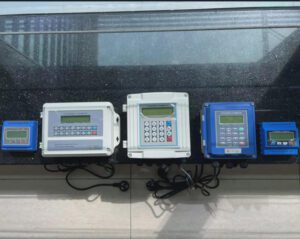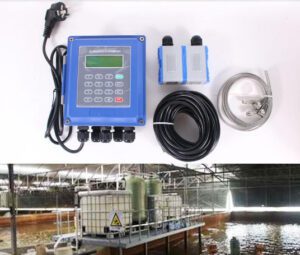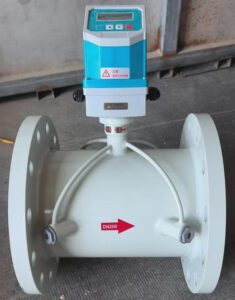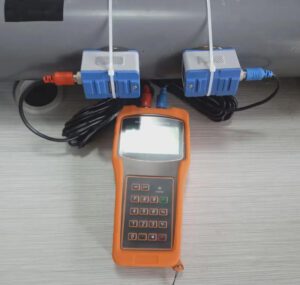
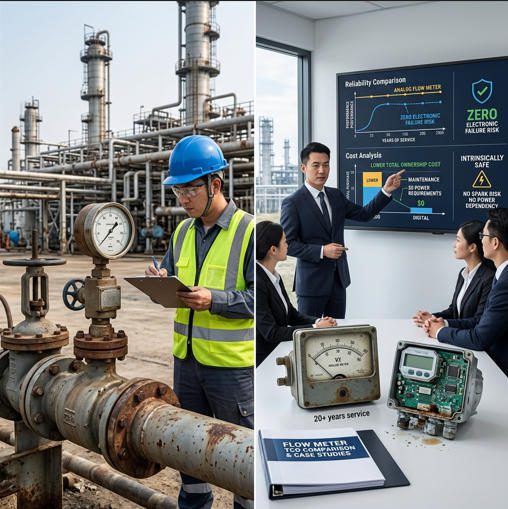
الفوائد الخفية لمقاييس التدفق التناظرية:
لماذا لا تزال البساطة هي الفائزة
لماذا تواصل المنشآت الصناعية الرائدة اختيار مقاييس التدفق التناظرية بدلاً من البدائل الرقمية المعقدة — دليل شامل لموزعي ووكلاء أجهزة قياس التدفق.

للوهلة الأولى، يبدو أن سوق أجهزة قياس التدفق يتجه في اتجاه واحد: نحو أجهزة الاستشعار الرقمية، والقياس عن بُعد اللاسلكي، والتحليلات المرتبطة بالسحابة. ومع ذلك، عندما تزور مصنعًا كيميائيًّا صغيرًا في تكساس، أو محطة لمعالجة المياه في جنوب شرق آسيا، أو منصة نفطية بحرية في بحر الشمال، تجد دائمًا صفوفًا من مقاييس التدفق التناظرية تعمل دون أي عطل — وبعضها يبلغ عمره 20 عامًا أو أكثر.
بلغ حجم سوق أجهزة قياس التدفق العالمية 11 مليار دولار أمريكي في عام 2025, ، ومن المتوقع أن يصل حجم قطاع الأجهزة التناظرية وحده إلى 4.4 مليار دولار أمريكي بحلول عام 2035 بمعدل نمو سنوي مركب ثابت يبلغ حوالي 7%. (GMI Insights، 2025). هذه ليست تقنية في طريقها إلى الزوال — بل هي قطاع سوقي مرن يكافئ الموزعين والوكلاء الذين يفهمون متى و لماذا للتوصية به.
تم إعداد هذا الدليل خصيصًا لـ موزعو ووكلاء أجهزة قياس التدفق في قطاع الأعمال بين الشركات (B2B). ستجد بيانات محددة، وسيناريوهات تطبيق، ومراجع تنظيمية، وإطارًا استراتيجيًّا خاصًّا بالموزعين — كل ما تحتاجه لتعزيز علاقاتك مع العملاء والفوز بمزيد من العطاءات التنافسية.
1. ميزة الموثوقية: لماذا تتفوق عدادات التدفق التناظرية في التطبيقات الحرجة
البساطة الميكانيكية كأساس للموثوقية
المبدأ الميكانيكي الذي يقوم عليه مقياس التدفق (المعروف أيضًا باسم مقياس التدفق ذي المساحة المتغيرة) لم يتغير منذ اختراعه في عام 1908. أنبوب مخروطي الشكل، وعوامة، وقوة الجاذبية — هذه هي آلية القياس بأكملها. لا توجد معالجات دقيقة معرضة للتعطل، ولا برامج ثابتة تحتاج إلى تصحيح، ولا خوارزميات دمج أجهزة الاستشعار التي قد تتعطل. في مجال الأجهزة القياسية، يؤدي انخفاض عدد المكونات في الغالب إلى انخفاض مباشر في عدد نقاط الفشل.
لنتخيل مصفاة في كوريا الجنوبية تستخدم نفس الفولاذ المقاوم للصدأ مقاييس التدفق ذات الإزاحة الإيجابية على خط جرعات الجليكول منذ عام 2001. وخلال 24 عامًا، بلغت النفقات الإجمالية للصيانة على هذا الخط استبدال اثنين من الأختام بتكلفة تقارب 85 دولارًا أمريكيًا لكل منهما. أما مقياس كوريوليس الرقمي المماثل المركب على خط مجاور، فقد تطلب استبدال ثلاث لوحات إرسال ($1، بسعر 400 لكل منها)، وتجديد ترخيص برنامج واحد، وإعادة معايرة كاملة في السنة الثانية عشرة — بتكلفة إضافية إجمالية تجاوزت 7,200 دولار أمريكي.
سجل حافل بالإنجازات في الظروف القاسية
تقدم عدادات التدفق الرقمية أداءً متميزًا عندما تظل ظروف التشغيل ضمن نطاق ضيق نسبيًا. أما عند الخروج عن هذا النطاق — مثل التعرض للحرارة الشديدة، أو الاهتزازات القوية، أو المواد الكيميائية المسببة للتآكل، أو التداخل الكهرومغناطيسي المستمر — فإن الفجوة في الموثوقية بين العدادات التناظرية والرقمية تتسع بسرعة.
مقاييس التدفق ذات المساحة المتغيرة والمصنوعة بالكامل من المعدن من شركات مصنعة مثل كوبولد تم تصنيفها لتشغيلها حتى 390 درجة فهرنهايت (حوالي 200 درجة مئوية) بدون أي مكونات إلكترونية. تتحمل التصميمات المتخصصة المخصصة للاستخدام مع البخار عالي الحرارة بشكل روتيني درجات حرارة تتجاوز 400 درجة مئوية. تعمل عدادات التوربين المصنوعة من معدن «هاستيلوي» أو سبائك التيتانيوم بفعالية في بيئات حمض الهيدروفلوريك المركز، حيث تتعطل أغطية أجهزة الإرسال الرقمية في غضون أشهر. وفي البيئات المشبعة بالتداخل الكهرومغناطيسي — مثل منشآت المحركات الكبيرة المزودة بمحركات ذات تردد متغير (VFD) — تكون العدادات التناظرية الميكانيكية البحتة محصنة تمامًا ضد تشويه الإشارة.
الصيانة والعمر الافتراضي: حجة التكلفة الإجمالية للملكية
يبلغ سعر مقياس التدفق التوربيني الذي يبلغ عمره التشغيلي 15 عامًا 4,000 دولار أمريكي، وتكلفته تقريبًا 267 دولارًا أمريكيًا عن كل سنة خدمة. أما النظام الرقمي المماثل الذي يبلغ سعره المبدئي 7,500 دولار أمريكي، لكنه يتطلب اشتراكات سنوية في البرامج، واستبدال أجهزة الإرسال بشكل دوري، ومعايرة متخصصة، فإن ذلك يقلل بشكل كبير من القيمة التي يقدمها على أساس سنوي. (تحليل التكلفة الإجمالية للملكية لشركة Turbines Incorporated).
بالنسبة للموزعين، فإن فهم هذه الحسابات يحوّل محادثتكم من مفاوضات حول السعر إلى نقاش حول القيمة. فعندما تتمكنون من إثبات أن حل العدادات التناظرية يوفر تكلفة إجمالية أقل على مدى 10 سنوات، فإنكم تعيدون صياغة قرار الشراء بالكامل — ويظل هامش ربحكم ثابتًا.
2. الاستقلال عن الطاقة الكهربائية: ميزة حاسمة غالبًا ما يتم تجاهلها

مشكلة التبعية في إمدادات الطاقة في الأنظمة الرقمية
عندما يقوم أحد العملاء بتركيب عداد تدفق كهرومغناطيسي رقمي، فإن سعر الشراء ما هو إلا بداية تكلفة الكهرباء. فالعداد يتطلب مصدر طاقة بجهد 24 فولت تيار مستمر, ، وحامل الكابلات من أقرب لوحة توزيع، ومسار الأنابيب الكهربائية، ووصلات دخول الكابلات والموانع المطابقة لتصنيف المنطقة، والربط النهائي ببطاقة الإدخال الخاصة بنظام التحكم الموزع (DCS) أو وحدة التحكم المنطقية القابلة للبرمجة (PLC) في غرفة التحكم. في حالة التركيب في موقع جديد، يمكن أن تضيف هذه البنية التحتية الكهربائية ما بين 1,200 و3,500 دولار أمريكي لكل نقطة قياس، اعتمادًا على المسافة وتصنيف المنطقة.
في منصة قائمة تضم 40 نقطة قياس تناظرية يتعين تحديثها، قد تتجاوز تكلفة البنية التحتية الكهربائية وحدها تكلفة العدادات نفسها — قبل أن يتم تثبيت أي مسمار. وبمجرد الانتهاء من إنشاء تلك البنية التحتية، فإنها تصبح عرضة للخطر: فارتفاع مفاجئ في التيار الكهربائي ناتج عن صاعقة برق قريبة، أو انخفاض في الجهد الكهربائي أثناء عملية تخفيف الأحمال، أو إيقاف تشغيل طارئ على مستوى المنشأة بأكملها، كل ذلك سيؤدي إلى انقطاع اتصال جميع العدادات الرقمية في آن واحد.
أجهزة القياس التناظرية: استقلالية تشغيلية حقيقية
يتطلب مقياس التدفق الدوار القياسي ذو الأنبوب الزجاجي ما يلي: انقطاع التيار الكهربائي تمامًا لعرض معدل التدفق في الوقت الفعلي. يستجيب العوامة للقوة الهيدروليكية — وهذا كل شيء. خلال إعصار «هارفي» في عام 2017، تعرضت العديد من مصانع المواد الكيميائية على ساحل خليج تكساس، المزودة بأنظمة طاقة احتياطية تعمل بالبطاريات، لانقطاع التيار الكهربائي لمدة وصلت إلى 72 ساعة. وأفاد المشغلون بأن مؤشرات التدفق الميكانيكية البحتة ظلت تعمل طوال تلك الفترة، مما سمح بمراقبة العمليات يدويًّا ومتابعة إجراءات الإغلاق الآمن دون انقطاع.
هذا الاستقلال التشغيلي ليس مجرد مسألة راحة؛ بل إنه في العديد من حالات السلامة يمثل متطلبًا تنظيميًّا. طبقة الحماية المستقلة (IPL) غالبًا ما ينص التحليل وفقًا للمعيار IEC 61511 على ضرورة أن تكون نقطة مراقبة التدفق الواحدة على الأقل مستقلة عن البنية التحتية المشتركة للطاقة والإشارات. ويستوفي العداد التناظري المزود بمؤشر محلي هذا الشرط دون الحاجة إلى تبرير هندسي معقد.
الآثار المترتبة على تكاليف البنية التحتية للطاقة
| عنصر التكلفة | مقياس التدفق التناظري | مقياس التدفق الرقمي | ملاحظات |
|---|---|---|---|
| شراء أجهزة (عملية 2 بوصة) | 300–1,800 دولار أمريكي | 1,200–4,500 دولار أمريكي | مقياس التدفق الدوار / التوربيني مقابل الكهرومغناطيسي / الدوامي |
| مسار توصيل الكهرباء (25 م) | 0 دولار أمريكي | 800–2,200 دولار أمريكي | الكابلات، والأنابيب، والموصلات، وأعمال التوصيل |
| الامتثال لتصنيف المناطق | لا توجد أجهزة إلكترونية — لا حاجة إلى موافقة | هل يلزم وجود حاجز IS أو حاجز زينر في المنطقة 1/2؟ | تكلفة حاجز IS: 180–600 دولار أمريكي لكل قناة |
| UPS / مصدر طاقة احتياطي | 0 دولار أمريكي | تخصيص مشترك يتراوح بين 200 و1,200 دولار أمريكي | تكلفة مدة تشغيل البطارية الموزعة على النقاط |
| الاستهلاك السنوي للطاقة | 0 دولار أمريكي | 18–48 دولارًا أمريكيًا في السنة (3–8 أسابيع متواصلة) | بناءً على التعرفة الصناعية البالغة 0.12 دولار أمريكي لكل كيلوواط/ساعة |
| النفقات التشغيلية الكهربائية على مدى 10 سنوات | 0 دولار أمريكي | 180–480 دولار أمريكي | الطاقة فقط؛ باستثناء صيانة الكابلات |
الجدول 1. تكاليف البنية التحتية الكهربائية المقارنة لكل نقطة قياس. تمثل الأرقام نطاقات تقريبية لمنشآت مصانع المعالجة في الاقتصادات الصناعية.
3. الفعالية من حيث التكلفة: الحجج الاقتصادية المؤيدة لمقاييس التدفق التناظرية
مقارنة الاستثمارات الرأسمالية الأولية
يختلف الفارق في سعر الشراء بين عدادات التدفق التناظرية والرقمية باختلاف نوع التكنولوجيا، لكن هناك نمطًا ثابتًا يتكرر: تكلفة العدادات التناظرية أقل بمقدار 30–50% عند نقطة الشراء، مقارنةً بأحجام الأنابيب وفئات الاستخدام المماثلة. يمكن شراء مقياس تدفق دوار من الفولاذ المقاوم للصدأ مقاس 2 بوصة، ومناسب لجرعات المواد الكيميائية، بسعر يتراوح بين 400 و900 دولار أمريكي. أما مقياس التدفق الكهرومغناطيسي المكافئ مقاس 2 بوصة — والذي غالبًا ما يكون البديل الأول المقترح — فيتراوح سعره بين 1,400 و3,200 دولار أمريكي بنفس المواصفات.
بالنسبة لموزع يقدم عرض أسعار لـ 40 نقطة قياس في منشأة جديدة لمعالجة المياه، فإن هذا الفارق هو 40,000 دولار أمريكي – 96,000 دولار أمريكي في التكلفة الرأسمالية وحدها، قبل التركيب. وعندما تعمل لجنة المشتريات البلدية في إطار سقف ميزانيوي صارم، غالبًا ما تحدد هذه الحسابات النتيجة — ويفوز بالمشروع الموزع الذي يستطيع تقديم حججه بثقة.
تحليل التكلفة الإجمالية للملكية على مدى 10 سنوات
| فئة التكلفة | مقياس التدفق (تناظري) | التوربين (التناظري/الهجين) | كهرومغناطيسي (رقمي) | كوريوليس (رقمي) |
|---|---|---|---|---|
| سعر الشراء | 400–900 دولار أمريكي | 800–2,500 دولار أمريكي | 1,400–4,000 دولار أمريكي | 4,000–12,000 دولار أمريكي |
| التركيب (العمالة + المواد) | 200–600 دولار أمريكي | 400–900 دولار أمريكي | 800–2,500 دولار أمريكي | 1,500–4,500 دولار أمريكي |
| البنية التحتية الكهربائية | 0 دولار أمريكي | 0–800 دولار أمريكي | 800–2,200 دولار أمريكي | 1,000–2,800 دولار أمريكي |
| المعايرة السنوية (لكل حدث) | 80–200 دولار أمريكي | 150–400 دولار أمريكي | 300–800 دولار أمريكي | 600–1,800 دولار أمريكي |
| 10 سنوات من الصيانة وقطع الغيار | 200–600 دولار أمريكي | 600–1,800 دولار أمريكي | 1,200–3,600 دولار أمريكي | 2,400–7,000 دولار أمريكي |
| تراخيص البرامج / البرامج الثابتة | 0 دولار أمريكي | 0 دولار أمريكي | 0–1,200 دولار أمريكي | 500–2,500 دولار أمريكي |
| التدريب (أيام التدريب الفني) | 0.5 يوم | يوم واحد | 2–3 أيام | 3–5 أيام |
| تقدير التكلفة الإجمالية للملكية على مدى 10 سنوات | 1,200–2,800 دولار أمريكي | 2,400–7,200 دولار أمريكي | 5,500–14,500 دولار أمريكي | 10,000–31,600 دولار أمريكي |
الجدول 2. التكلفة الإجمالية التقديرية للملكية على مدى 10 سنوات لكل نقطة قياس، أنبوب معالجة بقطر 2 بوصة، تطبيق صناعي قياسي. تستند الأرقام إلى معايير مرجعية صناعية منشورة. انظر تحليل التكلفة الإجمالية للملكية (TCO) لشركة «Flowmeters UK» و مقارنة تكاليف الصيانة لشركة Pokcenser Tech.
التكاليف الخفية لتبني الأنظمة الرقمية
هناك عدة فئات من التكاليف لا تظهر في عرض أسعار العداد الرقمي، لكنها تظهر أثناء وبعد بدء تشغيل المشروع. أصبحت البنية التحتية للأمن السيبراني أمرًا لا غنى عنه بشكل متزايد: يتطلب الامتثال لمعيار IEC 62443 الخاص بأجهزة إنترنت الأشياء الصناعية تجزئة الشبكة، وإدارة تحديثات البرامج الثابتة، ومراقبة الثغرات الأمنية. بالنسبة لتركيب عدادات رقمية من 40 نقطة تغذي نظام SCADA، يمكن أن تصل التكاليف الإدارية السنوية للامتثال لمعايير الأمن السيبراني إلى 8,000–25,000 دولار أمريكي حسب البيئة التنظيمية للمصنع.
تعد تراخيص البرمجيات فئة أخرى تفاجئ العملاء. فعدد من الشركات الرائدة في تصنيع عدادات التدفق الرقمية تفرض رسومًا سنوية على برامج التشخيص المتقدمة، أو تراخيص خوادم OPC-UA، أو تكامل أنظمة التسجيل التاريخي — وهي رسوم لا تظهر في تكلفة شراء المعدات الأولية، لكنها تتراكم بشكل كبير على مدار العمر التشغيلي للمصنع الذي يمتد لعشر سنوات.
4. البساطة كميزة تنافسية في العمليات الصناعية المعقدة

مفارقة التعقيد التكنولوجي
هناك ظاهرة موثقة جيدًا في مجال الأتمتة الصناعية، حيث تبدأ تعقيدات حل القياس في تجاوز تعقيدات العملية التي يراقبها. فالمصنع الكيميائي الذي يستخدم أجهزة قياس التدفق الدوارة (روتاميتر) في حلقات التحكم في مياه التبريد — حيث تُعد دقة التدفق التي تبلغ ±3% كافية تمامًا — لا يستفيد من تركيب أجهزة قياس كوريوليس المزودة بقوائم تكوين تضم 22 معلمة وبطاقات إخراج Modbus TCP. بل تستفيد من تركيب حل يمكن للمشغل تشخيص أعطاله وإصلاحها في غضون 10 دقائق باستخدام مصباح يدوي ومفك براغي مسطح الرأس.
تُظهر الأبحاث المتعلقة بالتميز التشغيلي باستمرار أن بساطة المعدات ترتبط بانخفاض فترات التعطل غير المخطط لها. فالأنظمة التي تحتوي على عدد أقل من نقاط اتخاذ القرار وإمكانيات أقل للتكوين تتعطل بمعدل أقل، كما يتم إصلاحها بشكل أسرع عند حدوث أي عطل. وبالنسبة للموزع، يُعد هذا حجة مقنعة فيما يتعلق بجودة الخدمة: فالتوصية بأبسط تقنية مناسبة لا تمثل تسوية تهدف إلى خفض التكاليف — بل هي حكم هندسي احترافي.
سهولة التشغيل وتقليل متطلبات التدريب
يمكن تدريب المشغل الجديد في محطة قياس تعمل بعدادات تناظرية تدريباً كاملاً على قراءة المؤشرات المحلية وفحصها وتفسيرها في غضون حوالي نصف يوم. ويحتاج نفس المشغل إلى 2–3 أيام من التدريب المنظم لتكوين جهاز قياس التدفق الكهرومغناطيسي الرقمي الحديث، واستكشاف الأعطال وإصلاحها، وتفسير الرموز التشخيصية. وفي المنشآت التي تشهد معدلات دوران عالية، أو التي تعتمد على القوى العاملة الموسمية، أو التي تعمل في الأسواق النامية حيث تندر الخبرة الهندسية في مجال الأجهزة، فإن هذه الفجوة التدريبية تُترجم مباشرةً إلى أخطاء في القياس وحوادث تشغيلية.
الخدمة الشاملة التي تقدمها شركة Jade Ant Instruments دليل اختيار أجهزة قياس التدفق للمهندسين يتناول صراحةً عامل التدريب والجاهزية التشغيلية باعتباره أحد المعايير الخمسة الأساسية للاختيار — اعترافًا بأن أفضل جهاز قياس لتطبيق معين هو ذلك الذي يستطيع فريق العمليات استخدامه فعليًّا بفعالية.
الكفاءة التشغيلية من خلال التبسيط
تركيب أسرع
يستغرق تركيب الروتاميتر العادي ما بين ساعة وساعتين. أما تركيب العداد الكهرومغناطيسي الرقمي، بما في ذلك التوصيلات الكهربائية، فيستغرق في المتوسط ما بين 6 و10 ساعات لكل نقطة.
تقليل وقت التعطل
استبدال مانع تسرب العوامة في عداد تناظري: 45 دقيقة. استبدال لوحة الإرسال الرقمية وإعادة تهيئتها: عادةً ما يستغرق ذلك من 4 إلى 8 ساعات، بما في ذلك فحوصات الدائرة.
نظام جرد قطع الغيار البسيط
تكفي مجموعة واحدة من الحلقات الدائرية (O-rings) والعوامة لتشغيل جهاز قياس التدفق الدوار (روتاميتر) لمدة تزيد عن 5 سنوات. أما الأنظمة الرقمية فتتطلب لوحات إرسال خاصة بكل طراز، وتستغرق مدة توريدها من 8 إلى 20 أسبوعًا.
الحد الأدنى من الوثائق
تتطلب العدادات التناظرية شهادة معايرة وسجل تركيب. أما الأنظمة الرقمية فتتطلب نسخًا احتياطية لإعدادات الأجهزة، ومراقبة إصدارات البرامج الثابتة، وسجلات تدقيق الأمن السيبراني.
5. التطبيقات الخاصة بقطاعات معينة التي تهيمن عليها العدادات التناظرية
▶ فيديو: نظرة عامة على أنواع مقاييس التدفق الصناعية وتطبيقاتها — بما في ذلك الحالات التي تظل فيها مقاييس المساحة المتغيرة ومقاييس الإزاحة الإيجابية هي الخيار المفضل.
قطاع النفط والغاز: العمليات عن بُعد والظروف القاسية
تمثل المنصات البحرية واحدة من أكثر البيئات صعوبة بالنسبة لأي أجهزة قياس. فالمساحة محدودة، والوزن عامل حاسم، والرطوبة مستمرة، والاهتزازات شديدة، كما أن متطلبات تصنيف المناطق (عادةً المنطقة 1 وفقًا للمعيار IEC 60079) تفرض قيودًا صارمة على الأجهزة الكهربائية. وقد استُخدمت عدادات التدفق التوربينية الميكانيكية وعدادات الإزاحة الإيجابية على المنصات في بحر الشمال وخليج المكسيك ومياه جنوب شرق آسيا لعقود من الزمن، حيث وفرت قياسات موثوقة للهيدروكربونات دون عبء البنية التحتية الكهربائية التي تتطلبها الأنظمة الرقمية.
تعتمد محطات المراقبة عن بُعد لخطوط الأنابيب في البيئات الصحراوية أو القطبية — حيث قد يبعد أقرب فني كهرباء مسافة 200 كيلومتر — على عدادات توربينية تناظرية مقترنة بأجهزة إرسال نبضية بسيطة تعمل بالبطاريات. وقد أظهرت هذه البنية معدلات توفر القياس تزيد عن 99.6% على مدار عمليات نشر استمرت لعدة سنوات في بيئات تراوحت درجات الحرارة فيها بين −40 درجة مئوية في سيبيريا و+65 درجة مئوية في شبه الجزيرة العربية.
بالنسبة للتطبيقات المتخصصة في المناطق البحرية وتلك التي تتطلب ضغطًا عاليًا،, شركات مصنعة مثل «هوفر فلو كونترول» توريد عدادات توربينية مخصصة مصممة خصيصًا للاستخدام في عمليات استخراج الهيدروكربونات تحت سطح البحر — مما يثبت أن مبدأ القياس التناظري قابل للتطبيق حتى في أكثر التطبيقات تطلبًا في هذا القطاع.
التصنيع الكيميائي والصيدلاني
تشكل تصنيفات المناطق الخطرة وفقًا لمعيار ATEX (المعيار الأوروبي) وIECEx (المكافئ الدولي) عبئًا ماليًا كبيرًا على الأجهزة الكهربائية في المناطق من الفئة 1 والفئة 2. ويبلغ سعر العداد الكهرومغناطيسي الرقمي المعتمد وفقًا لمعيار ATEX للفئة 1 حوالي 2,800–6,500 دولار أمريكي في التكوين المعتمد. ويعمل مقياس التدفق التناظري الآمن بطبيعته، والذي لا يحتوي على أي مكونات كهربائية، في نفس المنطقة دون أي رسوم إضافية على الاعتماد — لأنه لا يوجد ما يستلزم الاعتماد.
للحصول على معلومات حول خيارات مقاييس التدفق الحاصلة على شهادة ATEX، بما في ذلك التصاميم التناظرية المعتمدة، يرجى الاطلاع على دليل مقياس التدفق ATEX على موقع Jade Ant Instruments يقدم هذا الدليل تحليلاً شاملاً لتصنيفات المناطق، وتسميات المجموعات والفئات، والآثار العملية المترتبة على ذلك من حيث التكلفة بالنسبة لمهندسي الأجهزة.
منشآت معالجة المياه ومياه الصرف الصحي
تعمل هيئات المياه البلدية عادةً في إطار ميزانيات رأسمالية محدودة تعتمدها المجالس المنتخبة. وعندما تقوم هيئة مياه في الفلبين بوضع ميزانية لنظام جديد لمراقبة التدفق يضم 200 نقطة عبر شبكة التوزيع، فإن تخفيض التكلفة الرأسمالية بمقدار 40% الناتج عن اختيار عدادات تناظرية ذات مساحة متغيرة بدلاً من العدادات الكهرومغناطيسية الرقمية يُترجم إلى 200,000–400,000 دولار أمريكي في رأس المال المتاح — مما قد يتيح تمويل إنشاء محطة ضخ إضافية أو تحديث خزان مياه. وتستوفي العدادات التناظرية عالية الجودة مواصفات الدقة المطلوبة لمعظم تطبيقات مراقبة شبكات التوزيع (±2–3%) بسهولة تامة.
يُعد التشغيل المستمر أحد المتطلبات الحاسمة الأخرى في مجال معالجة المياه. فعدادات القياس التناظرية تواصل القياس أثناء انقطاع التيار الكهربائي، وعمليات الإيقاف لأغراض الصيانة في الأنظمة الكهربائية المجاورة، وعمليات تحديث غرف التحكم — دون الحاجة إلى أي إجراءات لإعادة التشغيل أو إعادة الضبط إلى الصفر. وتُذكر هذه الميزة المتمثلة في استمرارية التشغيل بشكل متزايد في مواصفات المناقصات البلدية باعتبارها ميزة تتمتع بها العدادات التناظرية مقارنة بالبدائل الرقمية.
إنتاج الأغذية والمشروبات
مقاييس التدفق التناظرية المصنوعة من الفولاذ المقاوم للصدأ والمزودة بمواد مطاطية متوافقة مع معايير إدارة الغذاء والدواء الأمريكية (FDA) و شهادة NSF/ANSI 169 تُستخدم على نطاق واسع في خطوط تعبئة المشروبات، ودوائر التنظيف المكاني (CIP) لمنتجات الألبان، وأنظمة جرعات المكونات الغذائية. وتُعد متانتها في ظل عمليات الغسل — وتحديداً قدرتها على تحمل رش الماء الساخن عالي الضغط عند درجة حرارة 85 درجة مئوية — متطلباً عملياً لا تستطيع العديد من أجهزة الاستشعار الرقمية تلبيةه بشكل جيد دون إجراء تحديثات مكلفة لتعزيز مقاومة الماء.
يُعد الامتثال لمعايير النظافة أمرًا بسيطًا في التصميمات التناظرية المصنوعة بالكامل من المعدن: حيث تتكون المكونات الملامسة للسائل من أنبوب وعوامة. ولا توجد كابلات إشارة أو صناديق توصيل أو أغطية أجهزة الإرسال التي يتعين عزلها لمنع دخول الرطوبة أثناء عملية الغسل. وبالنسبة لمصنع مشروبات يُجري دورات التنظيف في المكان (CIP) كل 8 ساعات، فإن هذا يعني انخفاضًا ملموسًا في حالات عدم الامتثال لمعايير النظافة المتعلقة بالأجهزة.
التعدين ومعالجة الركام
تنقل خطوط مياه العمليات التعدينية جزيئات كاشطة تؤدي إلى تدمير الأجزاء الداخلية للعدادات في غضون أشهر إذا تم اختيار التكنولوجيا غير المناسبة. في تطبيقات الملاط، تتمثل التوصية القياسية في استخدام مقياس التدفق المغناطيسي نظرًا لعدم وجود عوائق في تجويفه. ومع ذلك، في خطوط مراقبة مياه المعالجة النظيفة في مواقع المناجم النائية — إمدادات المياه، ودوائر تصريف المياه، وإضافة الكواشف — أثبتت مقاييس التدفق التوربينية التناظرية المزودة بمحامل من كربيد التنجستن أن عمرها التشغيلي يتجاوز 8 سنوات في عمليات النشر الموثقة في مصانع تركيز النحاس في تشيلي ومناجم الذهب في غرب إفريقيا.
6. المواصفات الفنية المهمة: ما يحتاج مشترو قطاع الأعمال (B2B) إلى معرفته
نطاق التدفق، والدقة، ونسبة التخفيض
نسبة التخفيض هي مواصفة حاسمة تحدد ما إذا كان جهاز القياس قادرًا على التعامل مع النطاق التشغيلي الكامل لعملية ما. وعادةً ما توفر أجهزة القياس الدوارة ذات المساحة المتغيرة 10:1 انخفاض, ، مما يعني أنها تقيس بدقة من 10% إلى 100% من التدفق المقنن. وتحقق عدادات الإزاحة الإيجابية من 10:1 إلى 25:1 تخفيض التدفق، مما يجعلها مناسبة تمامًا للتطبيقات التي تتسم بتقلبات كبيرة في معدل التدفق.
تتراوح دقة أجهزة القياس التناظرية عالية الجودة بين من ±0.5% إلى ±2% من النطاق الكامل حسب نوع العداد ومعايرته. عادةً ما تحقق عدادات الإزاحة الإيجابية التي تمت معايرتها باستخدام معيار مرجعي ±0.5% من القراءة. بالنسبة لتطبيقات نقل الحراسة في قطاعي النفط والغاز، فإن هذا النظام يفي بمتطلبات الدقة المنصوص عليها في معايير القياس الواردة في الفصل 5 من معايير API — دون الحاجة إلى أي أجهزة إلكترونية رقمية.
توافق المواد وخيارات البناء
غالبًا ما يكون اختيار المواد هو العامل الحاسم في طول عمر العدادات التناظرية. وفيما يلي الخيارات الرئيسية في التصنيع وتطبيقاتها الأساسية. الفولاذ المقاوم للصدأ 316L تغطي أوسع نطاق من التطبيقات الصناعية، بما في ذلك الاستخدامات الغذائية والصيدلانية، بالإضافة إلى الاستخدامات الكيميائية ذات التآكل المعتدل. هاستيلوي C-276 يتحمل الأحماض القوية، بما في ذلك حمض الهيدروكلوريك وحمض الكبريتيك. PVDF (بولي فينيليدين فلوريد) يوفر مقاومة ممتازة للكلور والهالوجينات الأخرى المستخدمة في معالجة المياه. التيتانيوم وهي مصممة للاستخدام في مياه البحر والتطبيقات التي تتضمن حمض الهيدروفلوريك بتركيزات مخففة.
تشمل المعايير الرئيسية لاعتماد المواد الملامسة للسوائل ما يلي: NSF/ANSI 61 for drinking water contact, 3-A Sanitary Standard 28-06 for dairy applications, and FDA 21 CFR compliance for food-contact elastomers. For a complete guide to selecting the right meter specification for your clients, the دليل اختيار مقاييس التدفق من شركة Jade Ant Instruments covers wetted material compatibility, pressure ratings, and temperature envelopes in a format designed for quick distributor reference.
Output Options and Integration Capabilities
The common misconception is that analog meters cannot integrate with modern control systems. In practice, a mechanical turbine meter can be fitted with a smart transmitter providing 4–20 mA output, pulse output for totalization, and even HART (Highway Addressable Remote Transducer) communication — all while retaining the mechanical measurement element and its reliability characteristics. This hybrid approach preserves the core benefit of analog measurement while enabling data collection in modern SCADA environments.
For a detailed breakdown of output signal options and their suitability for different control architectures, the Iconprocon output signal selection guide provides a clear reference covering pulse, 4–20 mA, relay, voltage, and RS-485 options.
7. Regulatory Compliance and Safety Certifications
Industry Standards and Compliance Requirements
Regulatory compliance for analog flow meters draws on a well-established body of international standards. ISO 4064 governs meters for cold potable water and hot water, specifying accuracy classes (Class 1, 2, and 3) that define permissible errors across the measuring range — directly applicable to turbine and positive displacement meters in water utilities. ISO 4185 addresses measurement of liquid flow in closed conduits using weighing methods, providing traceability for calibration. OIML R 117 (International Recommendation) covers measuring instruments for fluids other than water, including petroleum products and chemicals.
For distributors, understanding which standard applies to a given tender is a practical commercial skill. A municipal water authority in Europe will reference ISO 4064 and the European Measuring Instruments Directive (MID). A petroleum custody transfer installation in the Middle East will reference API MPMS Chapter 5. Knowing these frameworks demonstrates technical credibility and helps position your product offering correctly against specification requirements.
Hazardous Area Classifications and ATEX/IECEx Compliance
Analog meters offer a structurally unique compliance advantage in explosive atmospheres. Because a standard mechanical rotameter or turbine meter has no electrical components, it does not require ATEX or IECEx certification for the measurement element itself. Only when a transmitter or indicator with electrical components is added does hazardous area certification become relevant — and the engineer can then choose an intrinsically safe transmitter as a separate, lower-cost component rather than purchasing an entirely ATEX-certified smart meter.
This separation of concerns — inherently safe mechanical primary element plus separately certified electrical secondary element — is a genuine compliance engineering advantage. For distributors serving petrochemical, pharmaceutical, or solvent processing industries, understanding this architecture allows you to offer compliance-assured solutions at materially lower cost than fully certified digital alternatives. The KOBOLD hazardous area standards guide provides a clear reference for ATEX group and category designations as they apply to flow instrumentation.
8. Comparison Analysis: Analog vs. Digital Flow Meters
| Performance Criterion | مقياس التدفق (تناظري) | Turbine / PD (Analog) | كهرومغناطيسي (رقمي) | كوريوليس (رقمي) |
|---|---|---|---|---|
| Typical accuracy | ±1–2% FS | ±0.25–0.5% RD | ±0.2–0.51 TP3T RD | ±0.05–0.1% RD |
| نسبة التخفيض | 10:1 | 10:1 – 25:1 | 30:1 – 100:1 | 100:1+ |
| Power requirement | None (visual) | None (visual) / 24 VDC (output) | 24 VDC required | 24 VDC required |
| Max. temperature | Up to 200°C | Up to 300°C+ | −20°C to 150°C (standard) | −200°C to 350°C (specialty) |
| EMI / RFI resistance | Complete immunity (no electronics) | Complete immunity (no electronics) | Shielding required | Shielding required |
| ATEX Zone 1 compliance | Inherently safe (no certificate needed) | Inherently safe (primary element) | Certified unit required (+30–50% cost) | Certified unit required (+40–60% cost) |
| Installation complexity | Low (1–2 hr) | Low-Medium (2–4 hr) | Medium-High (6–10 hr) | High (8–16 hr) |
| Remote monitoring | Add transmitter | Add transmitter | Native (4–20mA, HART, Modbus) | Native (4–20mA, HART, Modbus) |
| Slurry / solids tolerance | Low (float can stick) | Low-Medium (bearing wear) | High (no obstruction) | Medium (plugging risk) |
| 10-Year TCO (2″ pipe) | 1,200–2,800 دولار أمريكي | 2,400–7,200 دولار أمريكي | 5,500–14,500 دولار أمريكي | 10,000–31,600 دولار أمريكي |
| Expected service life | 15-25 سنة | 15-25 سنة | 10-15 سنة | 10-15 سنة |
| Training requirement | 0.5 يوم | يوم واحد | 2–3 أيام | 3–5 أيام |
Table 3. Head-to-head comparison: Analog vs. digital flow meters across 12 performance criteria. Data compiled from published manufacturer specifications and industry benchmark studies.
Based on published market segmentation data for variable-area and mechanical flow meter applications. Source: GMI Insights flow meter market analysis, 2025.
Decision Framework for Distributors and Agents
The following decision logic helps you match the right technology to the right application in a client discovery conversation. If the answer is نعم to any of the first four questions, analog is a strong primary candidate.
Is electrical infrastructure absent, limited, or expensive to add?
Remote sites, offshore platforms, agricultural irrigation, and mine dewatering lines — Analog is the default choice.
Is the environment hazardous (Zone 1 / Zone 2 / Div. 1 / Div. 2)?
Analog primary elements are inherently safe — no zone certification required. Add a certified transmitter only if data output is needed.
Is the accuracy requirement ±1–2% or looser?
Process monitoring, utility loops, safety indication — rotameter or turbine provides sufficient accuracy at far lower cost.
Is the maintenance team limited in instrument engineering expertise?
Analog meters require no configuration tools, no firmware updates, and minimal training — reducing operational risk significantly.
Is real-time SCADA integration or mass flow measurement required?
Analog alone is insufficient — consider a hybrid solution (turbine or rotameter with 4–20 mA transmitter) or a full digital meter for high-accuracy custody transfer.
9. Emerging Hybrid Solutions: Combining Analog Reliability with Digital Convenience
Analog Meters with Digital Output Capabilities
The hybrid approach — retaining the mechanical measurement element while adding an electronic signal converter — is increasingly the chosen strategy for facilities modernizing their instrumentation estates without wholesale meter replacement. A turbine flow meter from 2002 can be fitted with a modern 2-wire loop-powered transmitter, providing a calibrated 4–20 mA signal to the plant DCS while the mechanical display continues to serve operators on round inspection. The meter’s core reliability remains unchanged; the data collection capability is simply added on top.
This strategy is particularly valuable for distributors. When a client’s budget does not accommodate full digital replacement, or when their engineering team is risk-averse about replacing proven equipment, a hybrid upgrade proposal demonstrates technical sophistication and preserves the relationship — while generating incremental revenue from the transmitter sale and associated installation work.
Retrofit and Upgrade Strategies
Successful hybrid retrofit follows a three-phase sequence. In the first phase, existing analog meters are audited for mechanical condition and flow accuracy — meters within calibration tolerance are retained; those outside are replaced with modern equivalents. In the second phase, smart transmitters with local digital indicators are mounted onto selected meters based on SCADA integration priority (high-value fluids, safety-critical loops, billing points). In the third phase, the data is validated against the mechanical display to confirm transmitter calibration before the SCADA signal is accepted as the primary measurement.
For detailed guidance on flow meter communication protocols including 4–20 mA, HART, and Modbus options for analog-to-digital integration, the Turbines Incorporated communication protocols guide provides a practical engineering reference that you can share directly with client instrumentation engineers.
IoT and Remote Monitoring Integration
Non-intrusive wireless transmitters — such as those using clamp-on piezoelectric sensors or magnetic pulse pick-ups — can now extract flow data from many existing analog meters without process shutdown or flow interruption. Combined with low-power wide-area network (LPWAN) protocols such as LoRaWAN or NB-IoT, these transmitters deliver real-time flow data to cloud dashboards at installation costs well below a full smart meter replacement.
For a production facility with 80 analog meters where budget permits upgrading only 20 to full digital, this approach creates a tiered monitoring architecture: 20 fully integrated digital meters on critical loops, 40 analog meters with smart wireless transmitters on secondary loops, and 20 pure-mechanical meters on utility monitoring points. The result is a cost-optimized instrumentation strategy that Jade Ant Instruments’ engineering team regularly helps distributors develop for their clients — see the comprehensive flow meter selection framework for the technical decision criteria used in this process.
10. Strategic Positioning for Distributors and Agents: Capturing Market Opportunities
Building Product Knowledge and Expertise
The most effective distributors in the flow instrumentation market are not product brochure distributors — they are application engineers who happen to also sell meters. When your client’s process engineer calls with a problem — “we have cavitation in our chemical injection line,” or “our existing meter won’t survive the washdown cycle” — your ability to diagnose the application correctly and recommend the right technology (analog, digital, or hybrid) determines whether you win a recurring account or lose it to a more technically credible competitor.
Investing in application training across the five key sectors covered in this guide — oil and gas, chemical, water treatment, food and beverage, and mining — creates a genuine, durable competitive advantage. For a structured starting point, Jade Ant Instruments’ guide to reading flowmeter datasheets is a practical technical resource suitable for onboarding new sales engineers.
Developing Customer Relationships and Trust
Consultative selling in flow instrumentation means asking before proposing. The eight questions that distinguish a trusted advisor from a commodity vendor are: (1) What fluid? (2) What pipe size? (3) What flow range? (4) What accuracy requirement? (5) What is the electrical infrastructure? (6) Is the area hazardous? (7) What are the maintenance team capabilities? (8) What is the budget — per-unit or per-point lifetime? With the answers to these eight questions, you can build a one-page solution proposal that a client’s engineering team can present to procurement — and win the bid before a competitor has submitted a price list.
Marketing and Sales Strategies
Position analog meters not as budget alternatives, but as precision-matched technology solutions. The framing matters: a rotameter is not the “cheap option” — it is the correct specification for a process where mechanical simplicity, power independence, and 25-year service life deliver lower total cost of ownership than any digital alternative. Clients who understand this framing become advocates who recommend you to colleagues across their organization.
Content marketing around documented case studies — real installations with real service life data — outperforms generic product literature by a significant margin. If your manufacturer partner can provide anonymized field reliability reports, publish them. If you have clients willing to provide testimonials, document them. In B2B industrial instrumentation, evidence-based marketing closes deals that brochures cannot.
Inventory Management and Supply Chain Optimization
Analog meter inventory management benefits from the technology’s standardization. Because rotameter tube sizes, flange specifications, and float materials follow ISO and DIN standards, stocking a well-chosen range of 15–25 SKUs covers the majority of field replacement requirements across most industrial markets. The equivalent digital meter inventory requires stocking model-specific transmitter boards, configuration cables, and software keys that can number in the hundreds of SKUs.
High-velocity analog meter SKUs typically include: 1/4-inch through 2-inch rotameters in borosilicate glass and stainless steel, positive displacement oval-gear meters in 1/2-inch through 2-inch stainless steel, and turbine meters in 1-inch through 4-inch stainless steel with pulse output. Building a supplier relationship with a manufacturer such as أدوات النمل اليشم — an ISO-certified manufacturer offering electromagnetic, vortex, and turbine flow meters with verified production capacity — provides the supply chain reliability that B2B distributors require to make credible lead-time commitments to their clients.
Why the Future Still Includes Analog Flow Meters
The narrative that industrial instrumentation is transitioning entirely to digital, smart, and IoT-connected systems is incomplete. The full picture is more nuanced and more commercially valuable to understand: analog flow meters continue to outperform digital alternatives across a defined set of applications that represents hundreds of millions of dollars in annual procurement globally.
Reliability without electronics, operational independence from power infrastructure, 15–25 year service lives, lower total cost of ownership across a 10-year horizon, inherent safety in hazardous areas, and minimal training requirements — these are not the characteristics of an obsolete technology. They are the characteristics of a mature, optimized solution that continues to be correctly specified when the application demands them.
For distributors and agents, the opportunity is clear: develop application-level expertise in analog meter selection, build a consultative sales process grounded in 10-year TCO analysis, and position yourself as the advisor who recommends the right technology — not just the newest or the most expensive. That positioning builds the client relationships that generate repeat business, referrals, and long-term revenue stability in the USD 9.1 billion global flow meter market.
📖 Quick Reference Glossary
- Turndown Ratio (Rangeability)
- The ratio of maximum to minimum measurable flow rate at which a meter maintains its stated accuracy. A 10:1 turndown meter reads accurately from 10% to 100% of full scale. Example: a rotameter rated for 10–100 L/min has a 10:1 turndown.
- Rotameter (Variable Area Flow Meter)
- A flow meter consisting of a vertically oriented tapered tube and a float. As flow increases, the float rises until the upward hydraulic force equals the float’s weight. The float’s position indicates instantaneous flow rate. No power required for visual indication.
- Positive Displacement (PD) Meter
- A meter that measures flow by trapping discrete volumes of fluid and counting the number of volumes that pass. Gears, pistons, or lobed rotors are common mechanisms. High accuracy (±0.25%) at low flow rates; preferred for viscous fluids and custody transfer.
- Total Cost of Ownership (TCO)
- The sum of all costs associated with a measurement system over its service life, including purchase, installation, electrical infrastructure, calibration, maintenance, spare parts, training, software, and decommissioning.
- ATEX / IECEx
- ATEX (EU Directive 2014/34/EU) and IECEx (international) are standards certifying equipment as safe for use in explosive atmospheres. Zone 1 areas require Ex-rated equipment where ignitable gas is likely during normal operation. Zone 2 applies where ignitable gas is only likely during abnormal conditions.
- 4–20 mA Current Loop
- The industrial standard for transmitting an analog measurement signal over a two-wire circuit. 4 mA represents 0% of measurement range; 20 mA represents 100%. The current loop is largely immune to resistive voltage drop in long cable runs — a key advantage in large process plants.
- HART Protocol
- Highway Addressable Remote Transducer — a digital communication protocol superimposed on the 4–20 mA current loop. Allows two-way digital communication with smart transmitters for configuration, diagnostics, and additional measurement variables without interrupting the primary 4–20 mA signal.
- طبقة الحماية المستقلة (IPL)
- A risk reduction measure in functional safety (IEC 61511) that must operate independently of other safety and process control systems. A local analog indicator qualifies as an IPL because it does not share power, signal, or logic with digital control systems.
الأسئلة المتداولة
Ready to Strengthen Your Market Position?
Download our comprehensive Analog Flow Meter Specification Guide for B2B Distributors or schedule a technical consultation with our flow instrumentation specialists to develop a tailored analog meter solution strategy for your distribution business.
Explore Jade Ant Instruments View Flow Meter Selection Guide