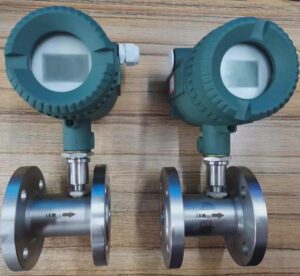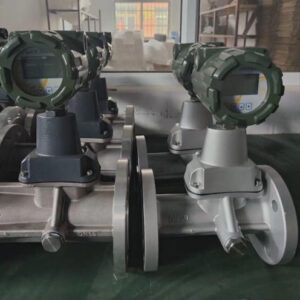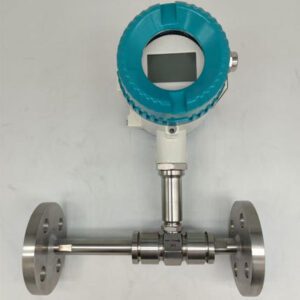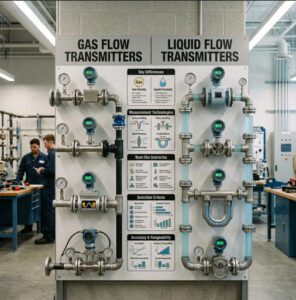
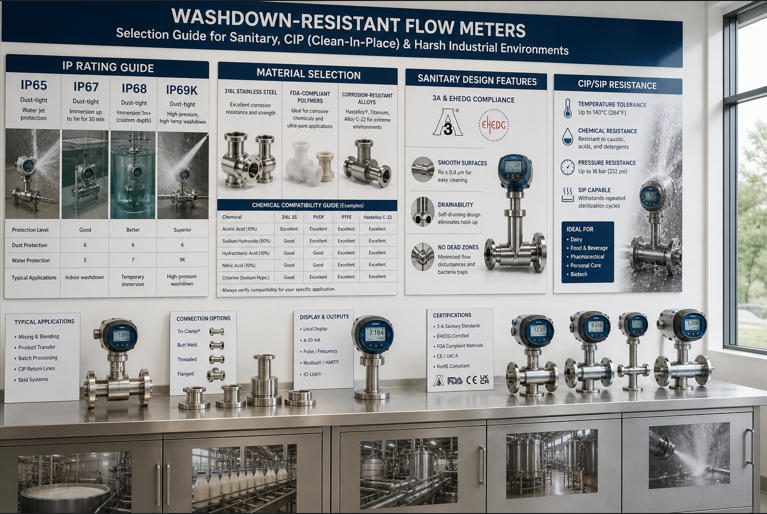
Washdown-resistant flow meters are designed to keep measuring accurately after repeated exposure to water jets, cleaning chemicals, foam, steam, humidity, and corrosive plant air. In food, beverage, pharmaceutical, chemical, marine, and outdoor process areas, this is not a cosmetic feature. It directly affects safety, uptime, audit readiness, and measurement integrity.
The wrong flow meter may work during commissioning, then fail after several cleaning cycles because water enters a cable gland, caustic cleaner attacks a gasket, or product residue remains in a crevice. This guide explains how to select and specify a flow meter that can survive both the process fluid and the cleaning environment.
You will learn how to compare meter technology, wetted materials, IP ratings, surface finish, CIP/SIP compatibility, communication outputs, calibration planning, and documentation requirements.

- Understanding washdown-resistant requirements
- Common flow meter technologies
- IP ratings and ingress protection
- Materials of construction
- Surface finish and cleanability
- Media compatibility and cleaning agents
- Installation and piping design
- Signal output and data integrity
- Maintenance and reliability
- Qualifications, standards, and documentation
Understanding Washdown-Resistant Requirements
Defining washdown levels and duty cycles
Washdown means cleaning equipment with water, foam, detergent, sanitizer, or steam. The severity depends on pressure, temperature, chemical strength, spray angle, cleaning frequency, and exposure time.
A light rinse once per week is very different from high-pressure caustic foam every shift. When specifying a flow meter, define the cleaning duty cycle as clearly as the process conditions.
| Parameter | Example Value | Why It Matters | Specification Note |
|---|---|---|---|
| Cleaning frequency | Every shift | Repeated wetting stresses seals and connectors | Ask for connector and gasket life expectations |
| Water pressure | Low rinse / hose-down / high-pressure jet | Higher pressure can force water past weak glands | Match IP rating to real spray conditions |
| Cleaning temperature | 25–95°C | Heat accelerates seal aging and chemical attack | Check max temperature for seals, liner, and electronics |
| Chemical type | NaOH, nitric acid, PAA sanitizer | Chemicals attack elastomers and coatings differently | Specify concentration and contact time |
| Drying condition | Wet overnight / heated dry / ambient dry | Standing moisture increases corrosion risk | Prefer sloped surfaces and sealed cable entries |
| Operator practice | Direct spray on transmitter | Real cleaning may be harsher than written SOP | Protect display, buttons, and connector areas |
Copy this table into Excel or Google Sheets to create a washdown specification checklist.
Typical sanitary vs. industrial washdown scenarios
Sanitary washdown focuses on product safety and cleanability. It is common in dairy, beverage, meat processing, personal care, biotech, and pharmaceutical utilities. The meter must avoid crevices, drain fully, and tolerate CIP or SIP where required.
Industrial washdown focuses more on enclosure survival, corrosion resistance, and ruggedness. It is common in chemical plants, mining skids, outdoor water systems, marine installations, and wastewater facilities. The meter may not need a hygienic internal geometry, but it must survive water, dust, UV exposure, salt spray, or chemical mist.
Clean-in-place. Internal cleaning of pipes and equipment without disassembly.
Sterilize-in-place. Heat or steam sterilization without disassembly, common in pharma and biotech.
Ingress protection code. It describes protection against dust and water entering an enclosure.
Surface roughness average. Lower Ra usually means a smoother, easier-to-clean product-contact surface.
Common Flow Meter Technologies for Sanitary and Harsh Environments
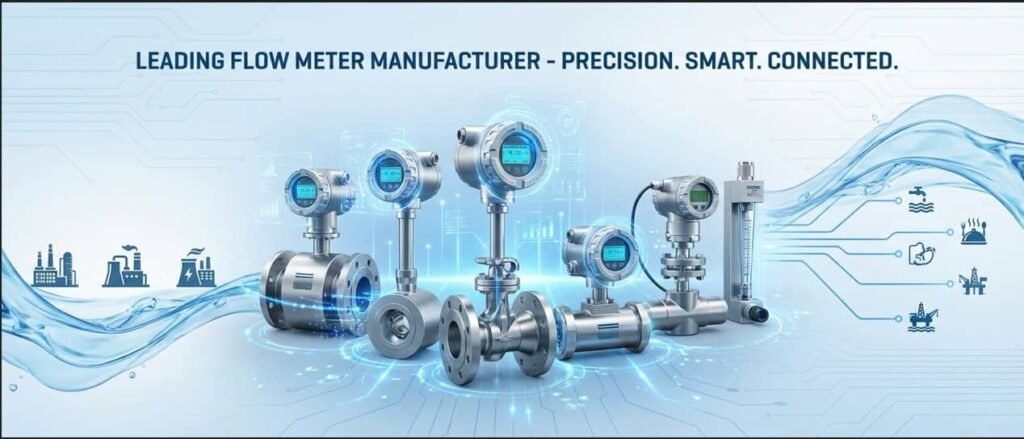
Magnetic, Turbine, Coriolis, and Ultrasonic options
Different flow meter technologies react differently to washdown, CIP, solids, viscosity, and process cleanliness.
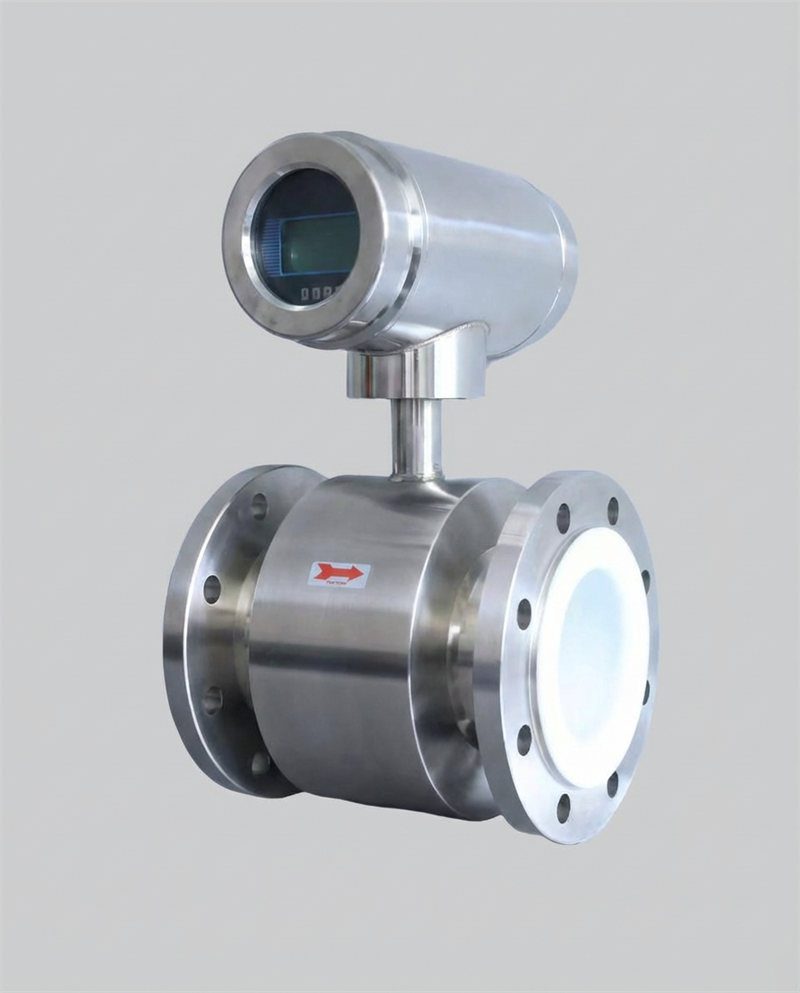
Magnetic flow meters, also called electromagnetic flow meters, measure conductive liquids using Faraday’s law. They have no moving parts and a full-bore flow path, so they are widely used for water, wastewater, conductive food liquids, and chemical solutions. Jade Ant Instruments discusses typical sanitary magnetic meter use cases in its guide to magnetic flow meter applications.
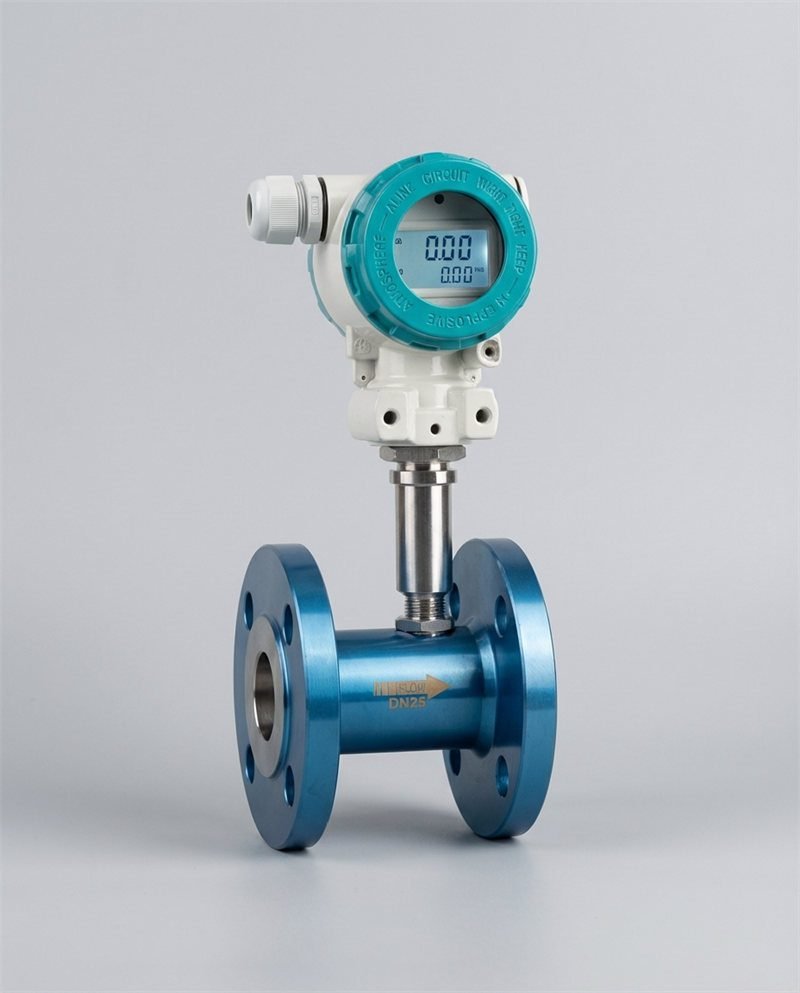
Turbine flow meters use a rotor in the flow stream. They can provide good repeatability for clean, low-viscosity liquids, but bearings and moving parts need careful consideration in washdown and CIP areas.
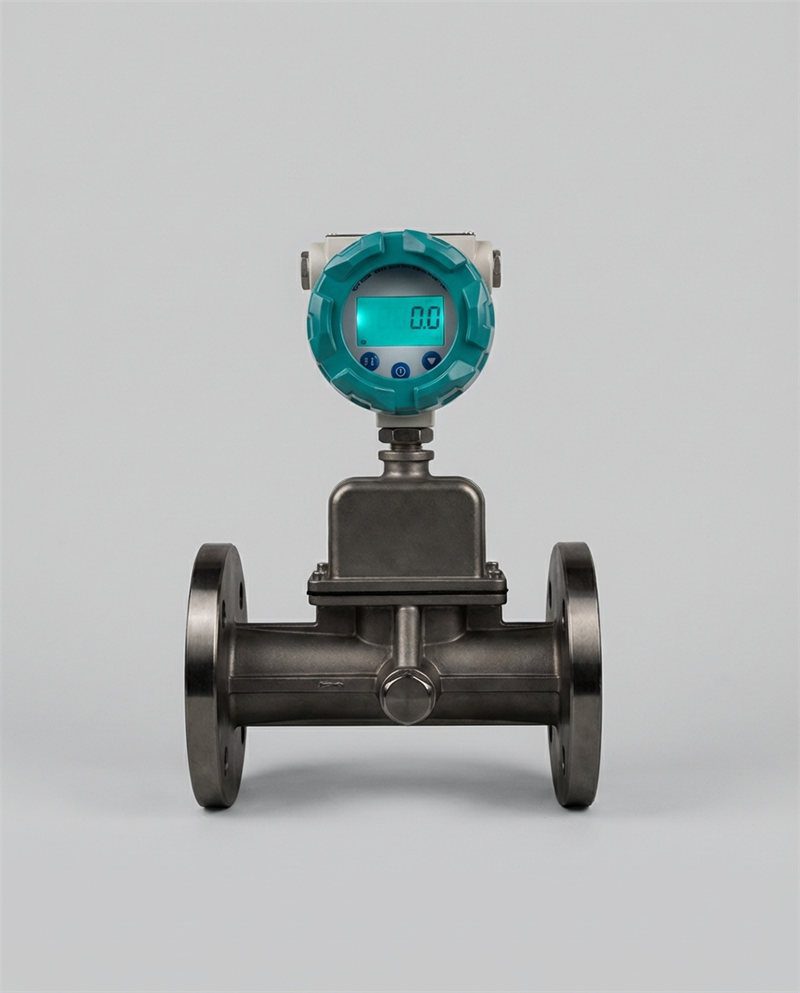
Coriolis flow meters measure mass flow directly by detecting tube vibration changes. They are strong candidates for high-value batching, density measurement, and hygienic processing where accuracy is critical.
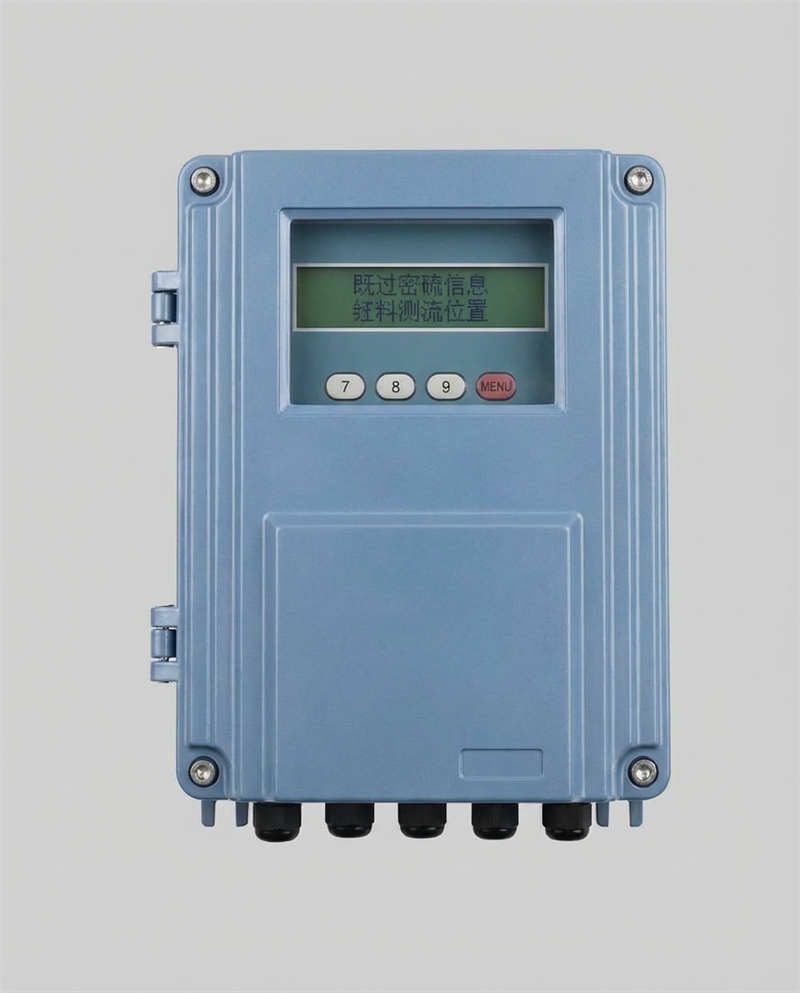
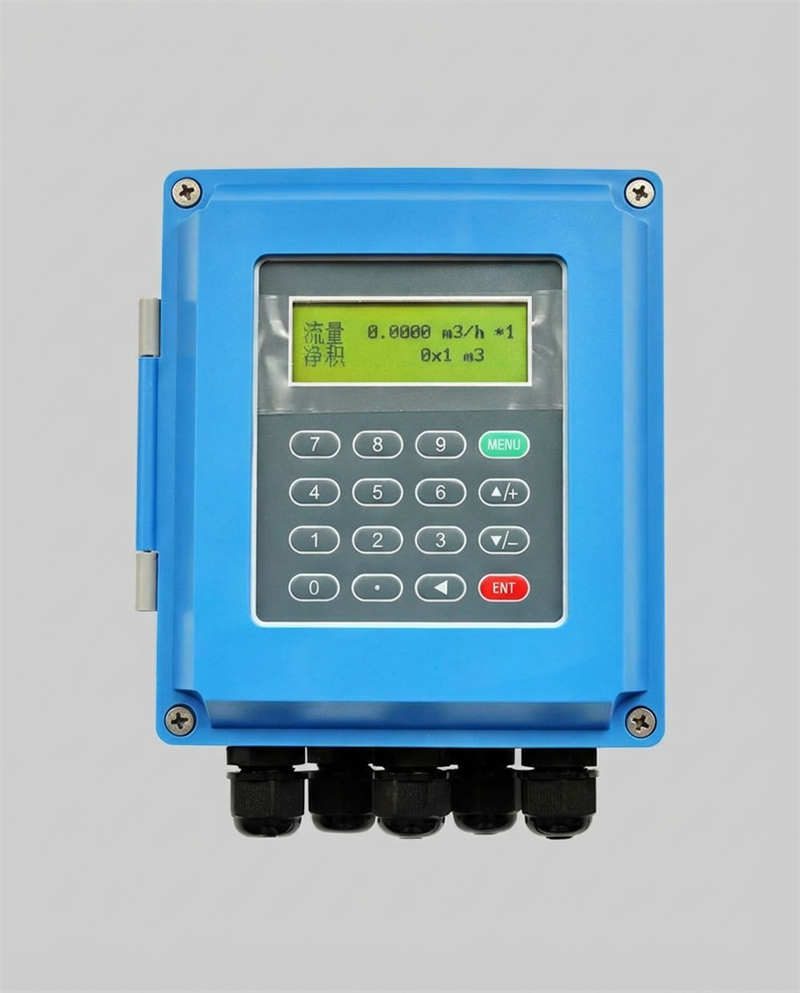
Ultrasonic flow meters use sound waves. Clamp-on models avoid wetted parts, which can be valuable for temporary checks or difficult fluids, but they depend heavily on pipe condition, coupling, and installation practice.

Suitability under washdown and CIP constraints
In sanitary processes, a meter must be more than waterproof. The internal flow path must clean reliably. Full-bore magnetic meters and hygienic Coriolis meters often perform well because they can be built with sanitary connections and clean internal geometries.
For harsh industrial areas, the decision may be different. A wastewater plant may prioritize IP68 submersible capability. A coastal chemical site may prioritize 316 stainless housings, NEMA 4X corrosion resistance, and sealed cable glands. A CIP skid may prioritize polished 316L wetted surfaces, drainability, and elastomer compatibility.
| Technology | Best Fit | Washdown Strength | Main Risk | Specification Tip |
|---|---|---|---|---|
| Magnetic | Conductive liquids, water, CIP fluids, many food liquids | No moving parts, full-bore design | Requires conductivity and good grounding | Specify liner, electrode, IP rating, and grounding method |
| Coriolis | Mass flow, batching, high-value products, density monitoring | High accuracy and hygienic versions available | Higher cost and sensitivity to vibration if poorly mounted | Confirm drainability, vibration support, and cleaning temperature |
| Turbine | Clean low-viscosity liquids | Compact and repeatable in clean service | Moving parts, bearing wear, residue traps | Use only where cleaning and product solids will not damage rotor |
| Ultrasonic clamp-on | Non-invasive checks, temporary audits, difficult access | No wetted parts | Couplant, pipe wall condition, and mounting stability | Protect transducers from direct spray and verify after washdown |
| Variable area | Local indication, purge lines, utility service | Simple visual operation | Glass or plastic tube damage; limited sanitary suitability | Use guarded or metal-tube versions in harsh areas |
IP Ratings and Ingress Protection Essentials
IP codes explained and their practical implications
IP stands for ingress protection. The first digit describes protection against solid objects and dust. The second digit describes protection against water. For example, IP67 usually means dust-tight and protected against temporary immersion. IP69K is often associated with high-pressure, high-temperature washdown testing in many industrial specifications.
The IEC ingress protection guide explains that the IP code is defined by IEC 60529. In practice, do not choose an IP rating by number alone. Match it to the actual cleaning method: splashing, hose-down, jet wash, immersion, or high-pressure cleaning.
Seal design, testing methods, and long-term integrity
Ingress protection depends on the complete system: enclosure, cover seal, display window, cable gland, connector, conduit entry, and installation workmanship. A meter with an IP67 housing can still fail if the cable gland is loose or the conduit allows water to run into the transmitter.
For North American projects, NEMA enclosure types are often specified. The official NEMA enclosure type guide states that Type 4 protects against hose-directed water, while Type 4X adds corrosion protection. This distinction matters in coastal, chemical, and caustic washdown areas.
Materials of Construction for Sanitary vs Harsh Environments
Stainless steels, alloys, and internal cleanliness considerations
Material selection must cover both wetted parts and external exposed parts. Wetted parts touch the process fluid. External parts face washdown water, foam, sanitizer, salt air, and chemical mist.
For sanitary applications, 316L stainless steel is common because it offers good corrosion resistance and can be polished. For harsh industrial environments, 316 stainless steel, duplex stainless steel, coated aluminum, or engineered polymers may be used depending on chemical exposure.
Internal cleanliness is just as important as corrosion resistance. A strong alloy with rough welds, dead legs, or trapped gasket pockets can still fail a hygienic review because residue and biofilm can remain after cleaning.

Coatings, passivation, and corrosion resistance trade-offs
Passivation is a chemical treatment that improves the protective oxide layer on stainless steel. It can reduce the risk of surface corrosion, especially after fabrication or welding.
Coatings can protect external housings, but they introduce trade-offs. A coating may resist mild washdown but chip under impact. Once damaged, corrosion can start under the coating. In high-pressure washdown, smooth stainless housings with minimal paint interfaces are often easier to keep clean and inspect.
| Material | Typical Use | Strength | Watch-Out | Best Specification Practice |
|---|---|---|---|---|
| 316L stainless steel | Sanitary wetted parts, food, beverage, pharma utilities | Polishable, corrosion resistant, widely accepted | Can still pit in chlorides or poor drainage zones | Specify surface finish, weld treatment, and passivation |
| 304 stainless steel | General external brackets and less aggressive service | Cost-effective and common | Lower chloride resistance than 316/316L | Avoid in salt spray or aggressive chemical washdown |
| Hastelloy electrodes | Chemical or aggressive conductive liquids | Good resistance to many acids and chlorides | Higher cost | Confirm exact chemical concentration and temperature |
| PTFE/PFA liners | Chemicals, sanitary magnetic meters, aggressive CIP | Broad chemical resistance | Mechanical damage risk during installation | Specify liner material and cleaning temperature limits |
| EPDM gaskets | Water, steam, many food applications | Good hot water and steam resistance | Not universal for oils or solvents | Check cleaning chemistry before approval |
| FKM gaskets | Chemicals, oils, higher temperature service | Good chemical and temperature range | May not suit some caustic or steam cycles | Verify with chemical compatibility charts |
Surface Finish and Cleanability: Sanitary Design Features
Target surface finishes, Ra values, and crevice minimization
Ra means roughness average. It is a common way to describe surface smoothness. In sanitary systems, smoother surfaces reduce the chance that product residue, bacteria, or cleaning chemicals remain after cleaning.
Many sanitary applications use target finishes around 0.8 µm Ra or better for product-contact surfaces, depending on the industry and standard. The required finish should be stated in the purchase specification, not assumed from the word “sanitary.”
Crevices are the enemy of cleanability. Avoid sharp internal steps, exposed threads, deep gasket pockets, and non-drainable cavities. A flow meter can have the right material but still be unsuitable if its geometry traps product.
Design features that aid CIP/SIP and reduce contamination risk
Good sanitary flow meter design supports full drainage, smooth transitions, sanitary clamp or hygienic flange connections, clean welds, and compatible gaskets. For SIP service, the meter must also tolerate sterilization temperature and thermal cycling.
The 3-A Sanitary Standards organization and the EHEDG certified equipment database are useful references when regulated hygienic design is required.
Media Compatibility and Cleaning Agents
pH range, solvents, and reactive chemicals compatibility
Cleaning agents may be more aggressive than the process product. A beverage line may carry a mild sugar solution during production, then see hot caustic, acid rinse, and peracetic acid sanitizer during cleaning.
Define the full chemical exposure range: product fluid, cleaning detergent, sanitizer, rinse water, steam, and any abnormal chemicals used during deep cleaning. Include concentration, temperature, contact time, and frequency.
CIP/SIP compatibility and material-aging considerations
CIP and SIP cycles create repeated stress. Elastomers can harden, swell, or crack. Liners can deform if temperature limits are exceeded. Cable glands can loosen under thermal cycling. Displays and keypads can become weak points when operators spray directly at the transmitter.
Industry insight: in many plants, the meter fails not because the process fluid is difficult, but because the cleaning cycle was never included in the specification. Always treat the cleaning fluid as part of the process.
Installation Considerations and Piping Design
Connection types: thread, flange, clamp, and vibration management
Connection style affects cleanability, pressure integrity, and maintenance speed. Threaded connections are common in utility service but are rarely preferred for high-level sanitary product zones because threads create crevices. Flanges are strong and familiar in industrial service. Sanitary clamp connections allow fast removal and are common in food, beverage, and pharmaceutical systems.
Vibration matters because repeated washdown often occurs near pumps, skids, fillers, and mixers. Support the meter and piping so the instrument body is not used as a pipe hanger. For Coriolis meters, follow the manufacturer’s mounting guidance carefully because vibration can affect zero stability.
For broader piping guidance, see Jade Ant Instruments’ flow meter installation best practices.
Mounting orientation, accessibility, and drainage
Install the meter where operators can clean, inspect, and service it without unsafe body position or tool access problems. Avoid locations where water can pool on the transmitter, connector, or junction box.
For sanitary systems, design for complete drainage. For outdoor and harsh industrial areas, avoid mounting displays flat upward because water and dirt can collect on the display window and keypad.

Signal Output, Communication Protocols, and Data Integrity
Choosing analog vs. digital outputs and common protocols
Flow meters in washdown areas often feed batching systems, PLCs, SCADA, or quality records. The output must match the control purpose.
- 4–20 mA: robust and widely used for process control.
- Pulse output: useful for totalizing and batch counting.
- HART: adds diagnostics over a 4–20 mA loop.
- Modbus/RS-485: common for digital integration and multi-variable data.
- PROFIBUS, FOUNDATION Fieldbus, or Ethernet-based protocols: used in more complex automation architectures.
Jade Ant Instruments’ flowmeter datasheet guide is helpful when comparing output options, accuracy statements, wiring requirements, and enclosure ratings.
Electromagnetic compatibility, wiring, and enclosure considerations
Electromagnetic compatibility means the meter can operate correctly in an electrically noisy environment. Motors, VFDs, welders, and relay panels can disturb weak signals.
Use shielded cable, correct grounding, sealed glands, and drip loops. Keep signal wiring away from high-voltage power cables. If the transmitter is remote-mounted, confirm that both the sensor junction box and transmitter enclosure meet the washdown requirement.
| Requirement | Recommended Question | Why It Matters |
|---|---|---|
| Control signal | Is 4–20 mA enough, or is digital data required? | Prevents mismatch with PLC/DCS inputs |
| Totalizing | Do we need pulse output or internal totalizer? | Important for batching and consumption records |
| Diagnostics | Do we need empty-pipe, coating, or sensor health alerts? | Reduces hidden failures in wet environments |
| Cable entry | Are cable glands rated for the washdown zone? | Prevents water ingress at the most common weak point |
| Remote transmitter | Can the electronics be moved away from direct spray? | Improves service life in high-pressure washdown |
Maintenance, Calibration, and Reliability in Harsh Conditions
Cleaning cycles, routine diagnostics, and spare parts planning
A washdown-resistant flow meter still needs routine checks. Inspect cable glands, connector seals, display windows, gaskets, clamp joints, grounding points, and external corrosion. After major cleaning changes, inspect sooner because new chemicals can expose weak material choices.
Keep spare gaskets, clamp seals, cable glands, display covers, and sensor-specific repair kits. For critical production lines, one spare meter body or transmitter can reduce downtime from days to hours.
Calibration frequency and drift management in tough environments
Calibration intervals should be based on risk, not habit. A stable clean-water utility meter may support a longer interval. A meter used for ingredient batching, pharmaceutical utilities, chemical dosing, or environmental reporting needs tighter control.
If calibration data shows repeated drift after washdown changes, investigate the cause: liner swelling, electrode coating, trapped air, gasket intrusion, water ingress, or grounding instability. Do not simply adjust the meter every time.
Related video: This YouTube video explains how a CIP system circulates cleaning fluids through process equipment. It helps show why flow meters must tolerate both production and cleaning conditions.
Qualification, Standards, and Documentation
Applicable standards: 3-A, EHEDG, CE, ATEX/IECEx where relevant
Documentation requirements depend on industry and region. A food plant may ask for 3-A or EHEDG evidence. A pharmaceutical project may ask for material certificates, surface finish records, calibration certificates, and validation support. A hazardous chemical area may require ATEX or IECEx documentation.
The European Commission explains that the ATEX Directive 2014/34/EU covers equipment and protective systems intended for potentially explosive atmospheres. For global hazardous-area projects, also check IECEx certification resources.
Documentation, traceability, and validation procedures
A complete supplier package may include:
- Datasheet with model, size, range, accuracy, output, and enclosure rating.
- Material certificates for wetted parts.
- Elastomer and liner compatibility statements.
- Surface finish certificate, if sanitary service requires it.
- Pressure test or hydrostatic test report.
- Calibration certificate with traceability information.
- 3-A, EHEDG, CE, ATEX, IECEx, or other certificates where applicable.
- Installation, operation, and maintenance manual.
- Recommended spare parts list.
When working with Jade Ant Instruments, provide the cleaning method, chemical concentration, temperature, and required documents at the quotation stage. This helps the engineering team align the meter body, liner, electrodes, seals, transmitter enclosure, and output package before production.
Conclusion
Recap of a practical selection checklist
Selecting a washdown-resistant flow meter requires a full view of the environment. The meter must survive the process fluid, the cleaning fluid, the spray method, the installation location, and the documentation expectations.
- Define the washdown duty cycle: pressure, temperature, chemicals, frequency, and contact time.
- Select the meter technology based on fluid, accuracy, cleanability, and maintenance access.
- Match IP/NEMA rating to real cleaning exposure, not a generic plant standard.
- Specify wetted and external materials separately.
- Confirm surface finish, drainability, and sanitary connection requirements.
- Check CIP/SIP compatibility for liner, electrodes, seals, and electronics.
- Plan wiring, grounding, and cable glands as part of the washdown boundary.
- Request documentation early, especially for regulated industries.
Quick reference: 5 must-check criteria before specification
The five must-check criteria are: cleaning severity, ingress protection, wetted material compatibility, sanitary cleanability, and documentation package. If any one of these is unclear, the specification is not ready for purchase.
Next steps: how to collaborate with suppliers for validation
Send your supplier a complete application brief: process fluid, cleaning agents, temperature, pressure, pipe size, flow range, connection type, output signal, IP/NEMA requirement, and required certificates. Ask for a written configuration review before approval.
For multi-technology selection, Jade Ant Instruments provides practical guidance in its five-factor flow meter selection methodology. You can also compare broader liquid flow technologies in this liquid flow measurement device comparison.
Need help specifying a washdown-resistant flow meter?
Jade Ant Instruments supports electromagnetic, turbine, vortex, ultrasonic, and other flow measurement applications. For sanitary or harsh washdown projects, share your process fluid, cleaning cycle, required IP/NEMA rating, connection type, and documentation needs so the recommended configuration matches the real site conditions.
Visit Jade Ant Instruments to review flow measurement resources and discuss application-specific selection.
FAQs
What IP rating is typically sufficient for washdown environments?
For light splash areas, IP65 or IP66 may be enough. For hose-down areas, IP66 or NEMA 4 is commonly requested. For high-pressure washdown, many specifications call for IP69K or an equivalent high-pressure cleaning rating. For temporary submersion or flooded pits, IP68 may be required. Always match the rating to the actual cleaning method.
How do I decide between sanitary and harsh-duty materials?
Use sanitary materials when product safety, cleanability, and regulatory documentation are required. Use harsh-duty materials when the main challenge is external corrosion, weather, abrasion, or chemical mist. In some plants, both are needed: for example, 316L polished wetted parts with a corrosion-resistant IP69K transmitter housing.
Can a single meter handle both CIP and dry-docking seasons?
Yes, but only if the specification covers both conditions. CIP creates chemical and thermal stress, while dry-docking or seasonal shutdown can create condensation, salt exposure, vibration, and long idle periods. Confirm seal materials, enclosure rating, storage conditions, and recommissioning checks.
How often should calibration and verification occur in aggressive cleaning regimes?
For critical sanitary or chemical dosing applications, verification every 6–12 months is common. Less critical utility meters may support longer intervals. If cleaning chemistry changes, inspect and verify sooner. Use historical drift data to adjust the interval instead of relying on a fixed habit.
What standards should be requested in documentation for regulated industries?
Common requests include 3-A, EHEDG, CE, ATEX, IECEx, material certificates, FDA-compliant elastomer statements, surface finish certificates, pressure test reports, calibration certificates, and installation manuals. The exact package depends on industry, region, and validation requirements.
Is IP69K always better than IP68 for washdown flow meters?
No. IP69K is associated with high-pressure, high-temperature water jet cleaning. IP68 relates to immersion. A buried or flooded meter may need IP68, while a filler line exposed to high-pressure cleaning may need IP69K. Some applications may require both or a specific manufacturer test statement.
Which flow meter technology is best for sanitary washdown service?
There is no single best technology. Magnetic meters often work well for conductive liquids and CIP fluids. Coriolis meters are strong for mass flow and high-accuracy batching. Turbine meters can work in clean service but need more caution because of moving parts. The right choice depends on fluid, accuracy, cleanability, and maintenance access.
What is the most common specification mistake in washdown areas?
The most common mistake is specifying only the process condition and forgetting the cleaning condition. Cleaning chemicals, spray pressure, temperature, and repeated wetting often create more stress than the production fluid itself.