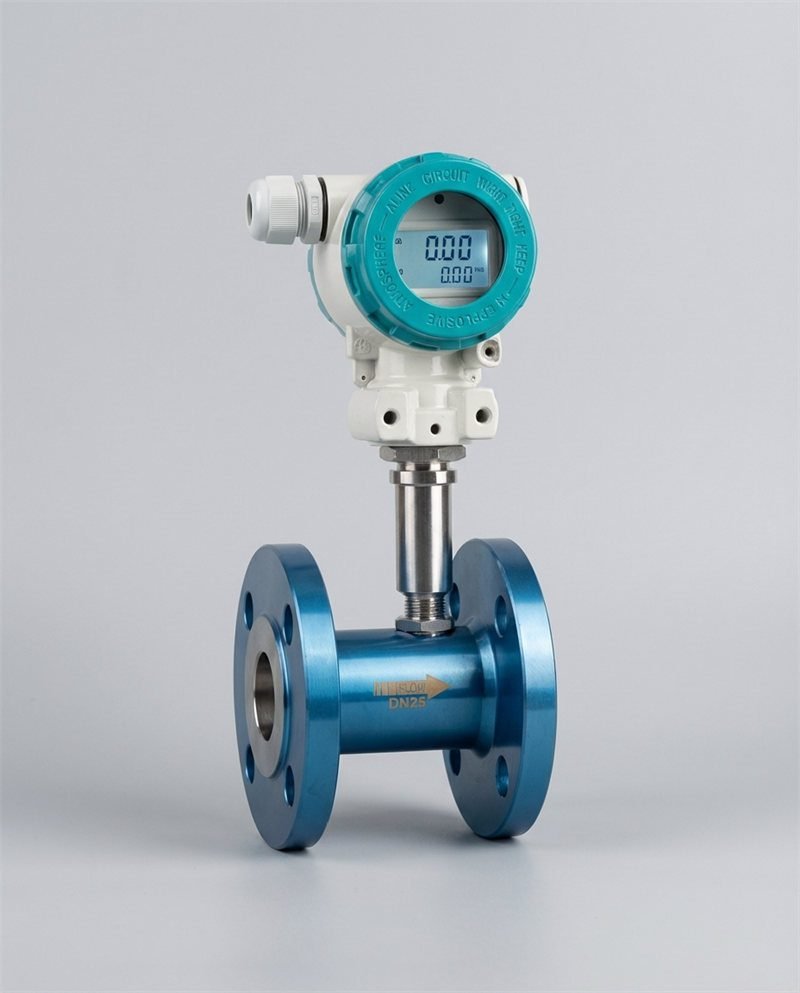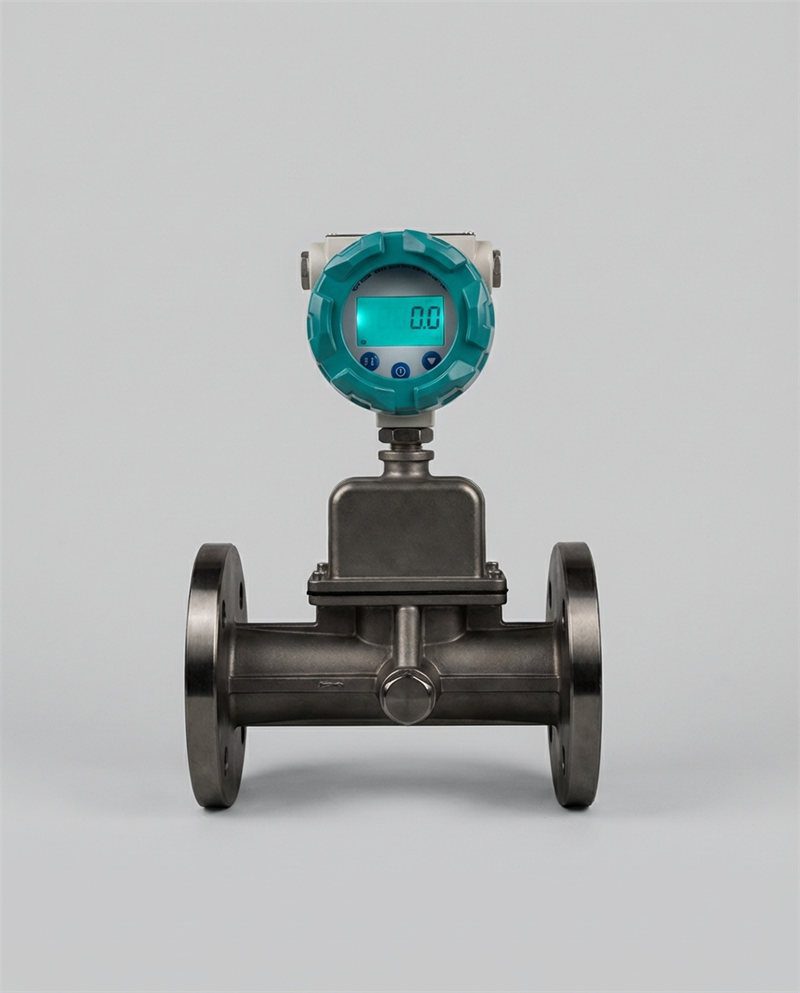
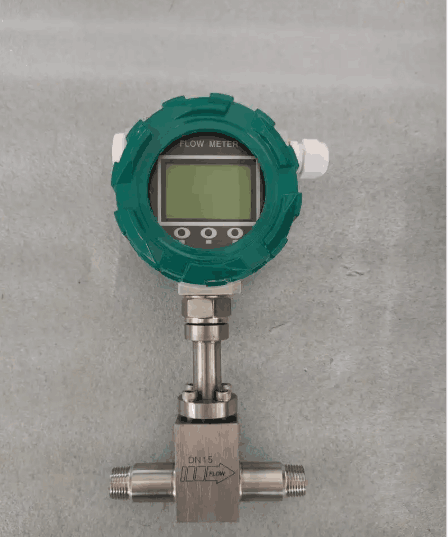
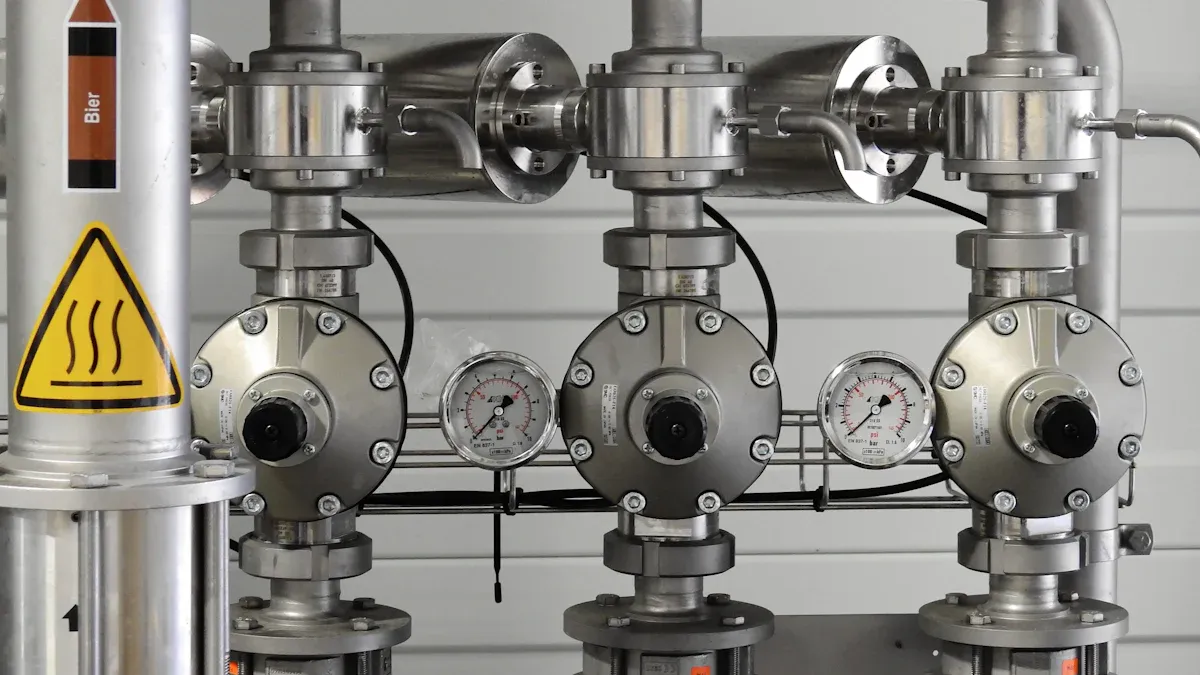
You want to pick the right thermal dispersion flow meter fast and with confidence. The most important thing is to match the meter’s features to what you need. Many industries trust these meters because they are very accurate and need little care. This helps make processes work better. Many companies, like Jade Ant Instruments, use these meters to get real-time data and save energy. Use this guide to help you find the best meter for your process.
- Accurate flow measurement helps oil and gas, chemical, and water treatment work better.
- Advanced meters connect to digital systems for better data and easier maintenance.
Key Takeaways
- Pick a flow meter that fits what you need. Think about the fluid, how fast it moves, and how exact you want to measure.
- Know why fluid properties like conductivity and density matter. These things can change how well the meter works.
- Choose between insertion or inline flow meters for your setup. The type you pick depends on your pipe and how you install it. Each one has its own good points.
- Check and fix your flow meter often to keep it working right. This stops mistakes and makes sure your data is correct.
- Talk to experts like Jade Ant Instruments for help. They can help you make good choices and avoid problems with your system.
Key Factor in Selecting a Thermal Dispersion Flow Meter
Match Meter to Application
You should pick a flowmeter that fits your process. Each industry needs something different, so look at what matters for your site. When choosing a flowmeter, think about these points:
- Fluid Properties: Look at what your gas is made of. Check how thick it is and how well it conducts heat. These things change how the meter works.
- Flow Range: Find out the lowest and highest flow rates you will have. Choose a meter that can measure these rates.
- Accuracy Requirements: Decide how exact your readings need to be. Some meters are more accurate than others.
- Environmental Conditions: Think about the temperature, pressure, and humidity where you will put the meter.
- Installation and Maintenance: Pick a meter that fits your space. Make sure it is easy to take care of.
- Budget Considerations: Choose a meter that works for you and costs what you can afford.
Jade Ant Instruments gives companies meters that fit these needs. You can rely on their products to work for your application.
Tip: Always check your process details before picking a flowmeter. This step helps you save time and money later.
Importance of Fluid Properties
You need to know your gas before picking a thermal dispersion flow meter. The physical and chemical properties, like pressure, temperature, thickness, and density, matter a lot for how the meter works. For example, conductivity is very important for some meters. If the conductivity is too low, the meter might not work.
| Fluid Type | Conductivity Level | Impact on Flow Meter Performance |
|---|---|---|
| Pure Water | Low (<5 μS/cm) | No good electrical signal is made, so the meter cannot measure. |
| Seawater | High | Works well within the right conductivity range. |
| Wastewater | Variable | Dirt and other stuff can change conductivity and make readings less accurate. |
A thermal gas mass flow meter works best when you know these properties. Changes in conductivity, pressure, or temperature can cause mistakes. Always check your fluid’s details before you choose a meter.
How Thermal Dispersion Flow Meters Work
Operating Principle
A thermal dispersion flow meter has important parts that work together. This meter uses heat to check how much gas moves through a pipe. Inside the pipe, there are two sensors. One sensor checks the gas temperature. The other sensor gets hot and makes a difference in temperature. When gas flows by, it takes heat away from the hot sensor. The meter looks at how much energy it needs to keep the sensor hot. This energy changes when the gas moves faster or slower. The meter uses this change to figure out the mass flow rate.
Here is a simple table that shows the main parts and what they do:
| Component | Function |
|---|---|
| Temperature Sensor | Checks the gas temperature and acts as a reference. |
| Flow Sensor | Gets heated to make a temperature difference for measuring heat transfer. |
| Heat Transfer | Measures the energy needed to keep the sensor hot, which relates to mass flow rate. |
| Calibration | Uses known gas flows to make a curve for signal and flow rate to help accuracy. |
Jade Ant Instruments makes meters that use this method for good results.
Why Choose Thermal Dispersion Flow Meters
Thermal gas mass flow meters give you many good things. These meters are accurate for many flow rates. They do not have moving parts, so you do not need much maintenance. You also get less pressure drop, which helps your system work better. The meter reacts fast to changes, so you can control your process right away. Even if your gas changes thickness, the meter still works well.
Here is a table that lists the main benefits:
| Advantage | Description |
|---|---|
| High Accuracy | Gives exact measurements for different flow rates. |
| Wide Rangeability | Measures many flow rates well. |
| Low-Pressure Drop | Saves energy and makes the system more efficient. |
| No Moving Parts | Less wear and less maintenance needed. |
| Fast Response Time | Lets you measure and control in real time. |
| Insensitivity to Fluid Changes | Stays accurate even when fluid properties like thickness change. |
Note: Many industries pick Jade Ant Instruments for their flowmeter needs because these meters have strong benefits.
Types and Applications of Thermal Dispersion Flow Meters
Insertion vs Inline Types
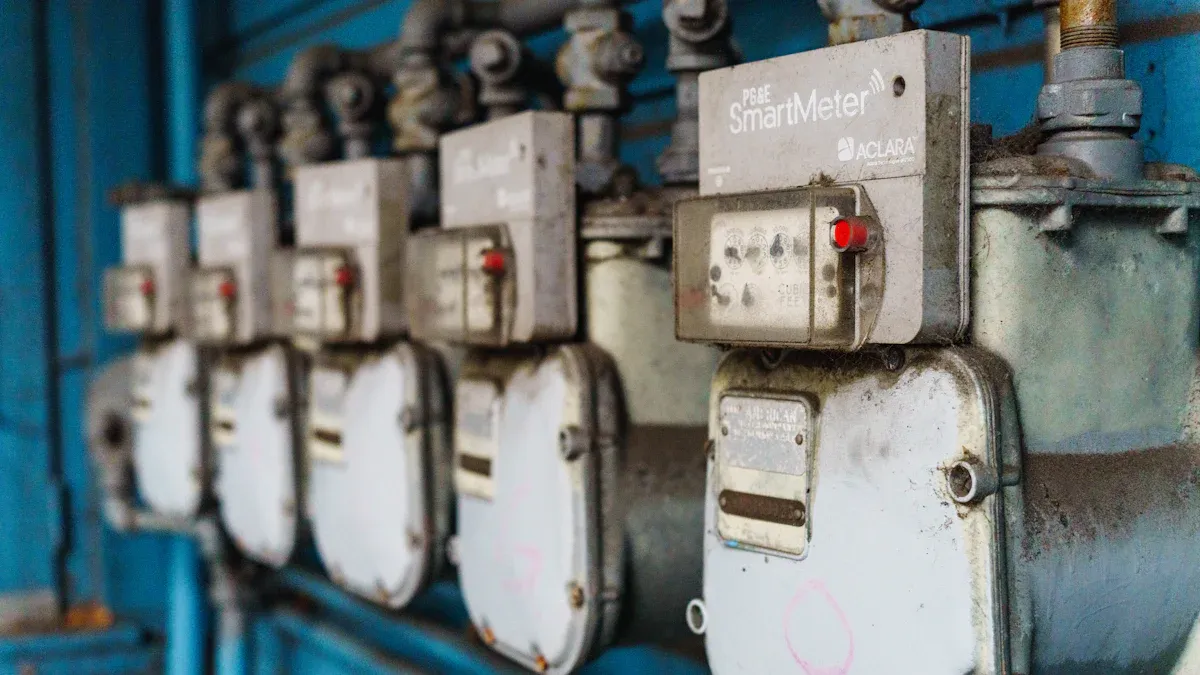
You can pick either insertion or inline flowmeters. Each one has its own benefits. Insertion meters use a probe that goes inside the pipe. You can put them in without changing your system much. Inline meters have a body that fits right into the pipe. You install them at one spot.
Here is a table that shows how they are different:
| Feature | Insertion Flow Meters | Inline Flow Meters |
|---|---|---|
| Installation Method | Probe goes into the pipe through a valve | Whole meter fits into the process line |
| Installation Flexibility | Works in pipes with little change | Stays in one place, always installed at a set point |
| Removal | Can be taken out without stopping the process | Not made for easy removal |
| Cost | Usually costs less, good for big pipes | Costs more because of its design |
| Flow Conditioning | Needs straight pipe for best accuracy | Has built-in parts to help gas flow |
| Pipe Size Optimization | Fits many pipe sizes, needs straight pipe | Works best for pipes smaller than 2 inches |
Pick the meter that matches your pipe size and how you want to install it. Jade Ant Instruments has both types so you can find what you need.
Typical Applications
Thermal dispersion flow meters are used to measure gases. Many industries use them for this job. They help measure natural gas, air, and other gases in factories and labs.
Here is a table with common uses and types of media:
| Application Type | Media Type |
|---|---|
| Natural Gas Distribution Systems | Natural Gas |
| General Industrial Applications | Different Industrial Fluids |
| Laboratory Applications | Laboratory Gases |
| Semiconductor Fabrication | Gases used in making chips |
Note: Do not use these meters for liquids, slurries, or steam. They work best for clean and dry gases.
You get good results when you use the right meter for the right gas. Jade Ant Instruments helps you choose the best thermal dispersion flow meter for your needs.
Flow Meter Selection Steps
Picking the right flowmeter can seem hard at first. You can use a simple guide to help you choose. Each step helps you find a meter that fits your job. This way, you get good flow readings.
Identify Fluid and Its Properties
First, look at the fluid you want to measure. You need to know what gas you have. Check how thick it is and how well it carries heat. These things change how the thermal dispersion flow meter works. If you use a thermal gas mass flow meter, you get the mass flow right away. You do not need extra sensors for temperature or pressure. Always check if your gas is just one kind or a mix. If you have more than one gas, you need special calibration for the best results.
Tip: Make sure the flowmeter matches your fluid. This is very important. If you are not sure, ask Jade Ant Instruments for help.
Determine Flow Range
You need to know the lowest and highest flow rates. Pick a flowmeter that can measure all the rates you have. If the range is too small, you might miss some data. If the range is too big, you might lose accuracy. Write down your lowest and highest flow rates before you pick a meter.
Assess Installation Location
Look at where you will put the flowmeter. Where you put it changes how well it works. Stay away from places with lots of shaking or swirling flow. Make sure you have enough straight pipe before and after the meter. This helps the meter give good readings. Insertion meters need less space and work well in big pipes. Inline meters fit best in small pipes.
Consider Process and Environmental Needs
Your process and the place you put the meter can change how it works. Think about these things:
- Gas can change, so you might need special calibration for mixes.
- Good calibration is important. Factory or field calibration keeps readings correct.
- Where you put the meter and how the gas flows can change the readings.
Thermal dispersion flow meters work in many places, like:
- Building systems for heating and cooling
- Flow control for boilers, furnaces, and heaters
- Big factories, government buildings, and shopping centers
- Apartment buildings, tall buildings, schools, and malls
- Energy systems in large places
If your job is tricky, talk to a company like Jade Ant Instruments. They can help you pick the right meter.
Output and Communication Options
You need to pick how you want to get data from your meter. Different meters give different outputs and ways to talk to other devices. Here is a table to help you compare:
| Output Type | Description |
|---|---|
| Switch | Turns flow or temperature on or off |
| Frequency | Signal changes as flow rate changes |
| Analog Signals | Shows flow or temperature as a steady signal |
| Dual Analog Output | Measures flow or energy rate |
| High-Resolution Frequency | Gives detailed flow measurement |
| Scalable Pulse Outputs | Used for totals or alarms |
You can also pick from different ways to connect:
| Protocol | Description |
|---|---|
| BACnet | Used in building systems |
| MODBUS | Used in factories |
| RS485 | Used for serial communication |
Pick the output and connection that works with your system. This helps you link your meter to your data network.
Accuracy and Calibration
Accuracy is important for good flow readings. Check how accurate each meter is. Some jobs need very high accuracy, but some do not. Calibration is also important. Always try to calibrate the meter with your real gas. This helps stop mistakes and gives you good data. Jade Ant Instruments can help you keep your meter accurate.
Compliance and Certification
Check if your meter meets the rules for your industry. Some jobs need special safety or quality checks. Look for meters with the right approvals for your site. This helps you avoid problems later.
Note: If your job is hard or needs special rules, ask Jade Ant Instruments or another expert for help. They can help you pick and set up your meter.
If you follow these steps, you can pick a meter that fits your job. You will get good flow readings and your system will work well. You also get the benefits of direct mass flow measurement and a meter you can trust.
Common Selection Mistakes and Limitations
Application Mismatches
You have to pick a flowmeter that fits your process. Many people make mistakes because they do not check the gas type. If the gas changes or you use a new mix, your readings can be wrong. Some flowmeters need to be set up again for new gases. If you skip this, you might get bad data. Also, thermal mass flowmeters do not work with every gas.
- If the gas changes, the data can be wrong.
- Some gases need special setup.
- Bad flow can make the meter less accurate.
- Dirt on the sensor can cause wrong readings.
To avoid these problems, always check your process and fluid. Jade Ant Instruments can help you pick the right flowmeter.
Installation Errors
You must put your flowmeter in the right way. Many people break the sensor tip when installing it. This can make the readings wrong. Sometimes, the meter cannot measure all the flow because of a bad setup. If you cannot fix the meter where it is, you may need to send it away for repair.
Here is a table that shows common mistakes and what happens:
| Installation Error Type | Impact on Measurement Accuracy |
|---|---|
| Installation angle change (0° to 90°) | Up to 16.5% power variation for traditional meters |
| Axial position change (9 to 1 m) | Up to 11.5% power variation for traditional meters |
| Insertion depth change (pipe center to 0.10 m upward) | Up to 91.6% power variation for traditional meters |
Always follow the instructions from the company. Jade Ant Instruments gives clear guides to help you avoid these mistakes.
Neglecting Calibration and Maintenance
You need to keep your flowmeter checked and clean. If you skip checks, your readings can get worse over time. Dirt on the sensor can also make mistakes. Regular checks help you keep good data. Many people forget this and lose trust in their readings.
Tip: Make a plan for checking and cleaning your flowmeter. This keeps it working well and helps you avoid big problems.
If you learn from these mistakes, you can make better choices and get more from your flowmeter.
You can pick the right thermal dispersion flow meter by using these steps:
- Find out what gas you have and its details, like density, thickness, temperature, and pressure.
- Look at your flow rates and where you will put the meter.
- Choose a meter that fits your process and gives the output you need.
- Think about how accurate it is, how you check it, and if it meets rules.
Knowing your job helps you stop problems like bad setup or sensor trouble. New meters with microprocessors help measure better when things change. Jade Ant Instruments says you should ask experts to get the best meter for your system. Make smart choices so your work is efficient and your data is trustworthy.
FAQ
What gases can you measure with a thermal dispersion flow meter?
You can measure many clean, dry gases like air, nitrogen, oxygen, and natural gas. These meters do not work well with liquids or steam.
How often should you calibrate your flow meter?
You should check and calibrate your meter once a year. Jade Ant Instruments recommends regular calibration to keep your readings accurate.
Can you install a thermal dispersion flow meter in any pipe size?
You can use insertion meters for large pipes and inline meters for small pipes. Always check the meter’s size range before you buy.
What happens if your gas changes during operation?
If your gas changes, your readings may become less accurate. You should recalibrate the meter or contact Jade Ant Instruments for help.
Do thermal dispersion flow meters need much maintenance?
You do not need much maintenance. Clean the sensor and check the meter often. This keeps your meter working well.