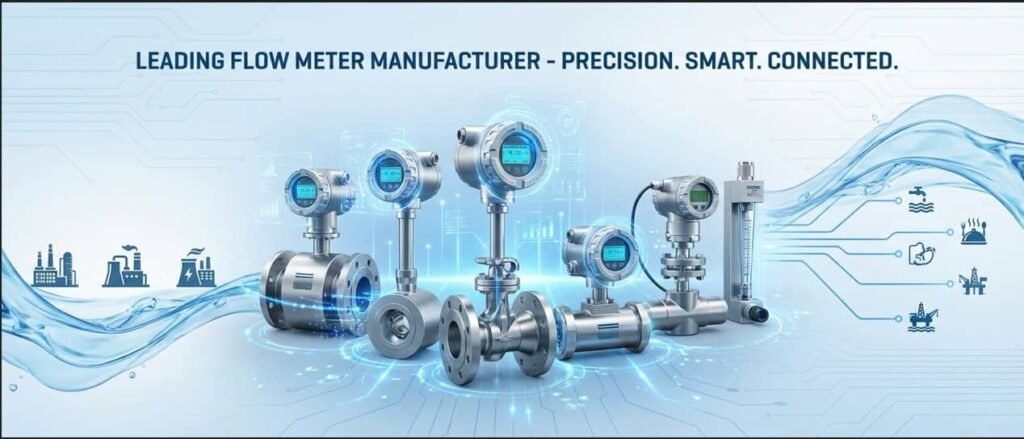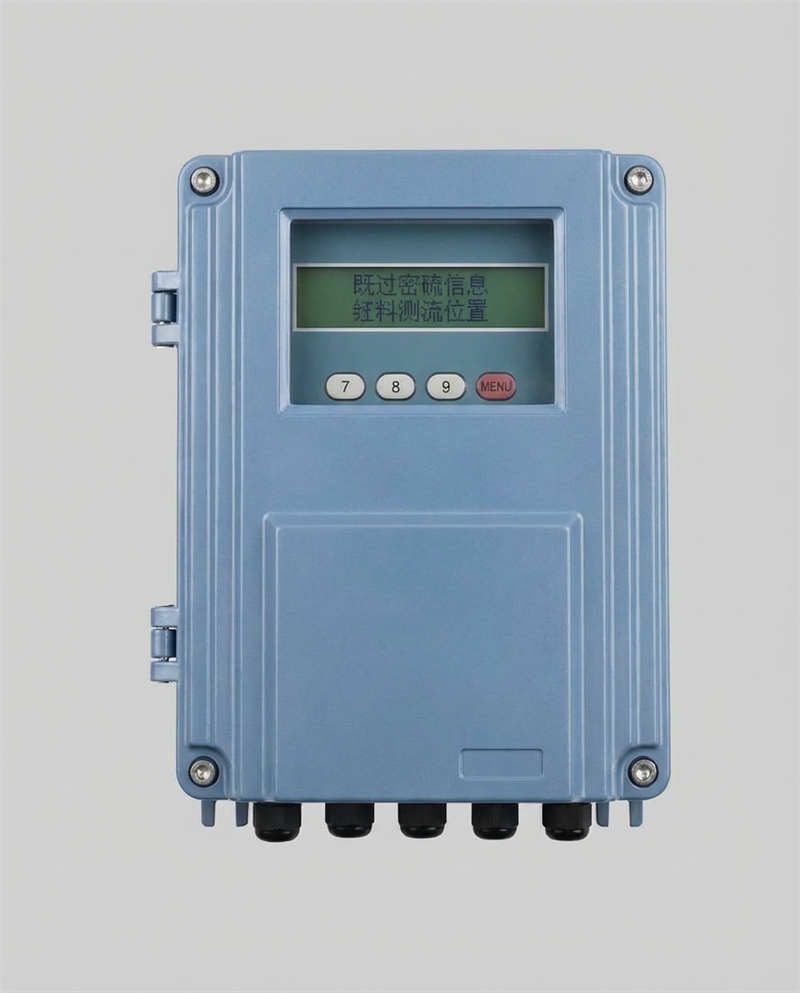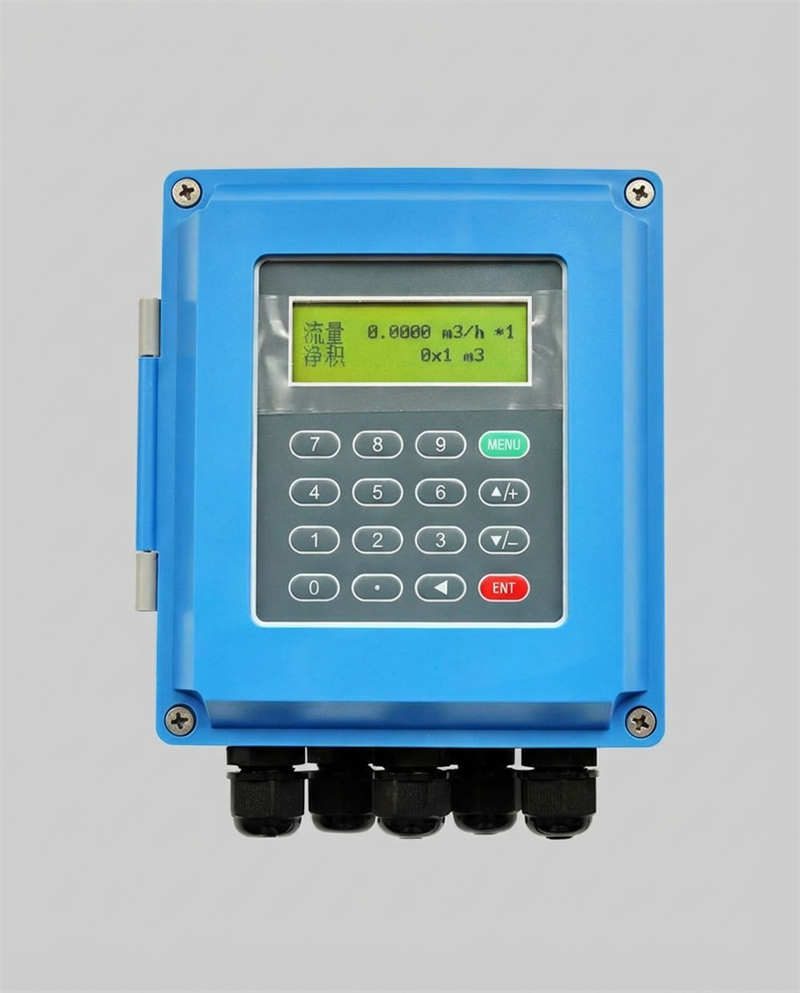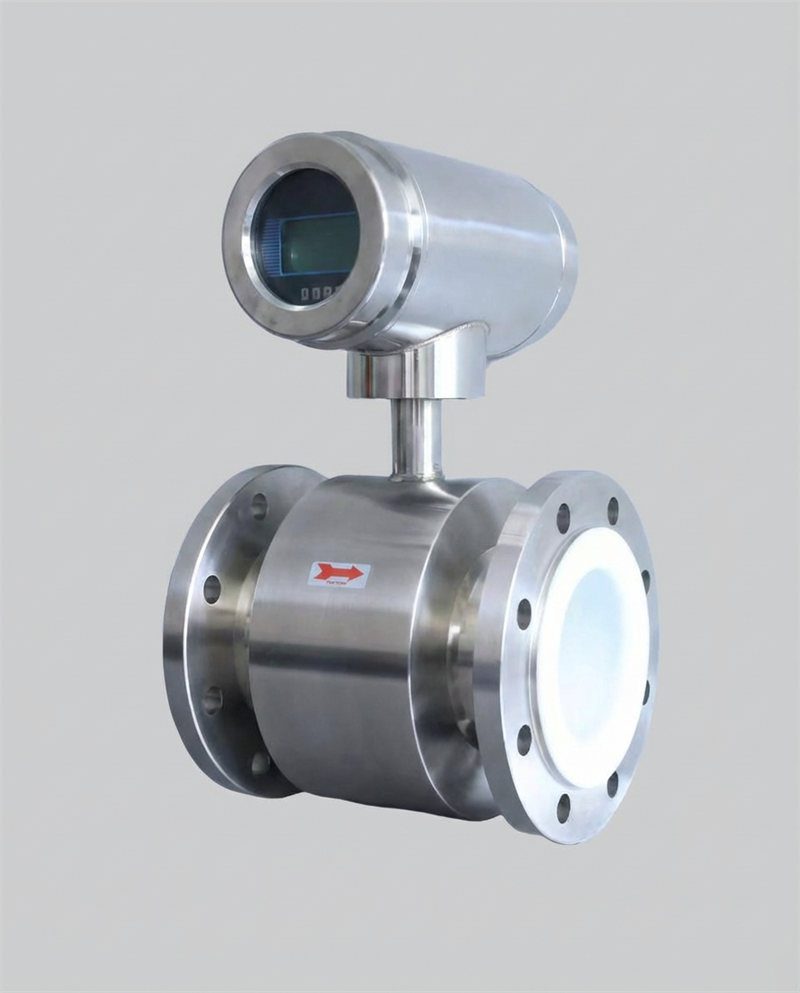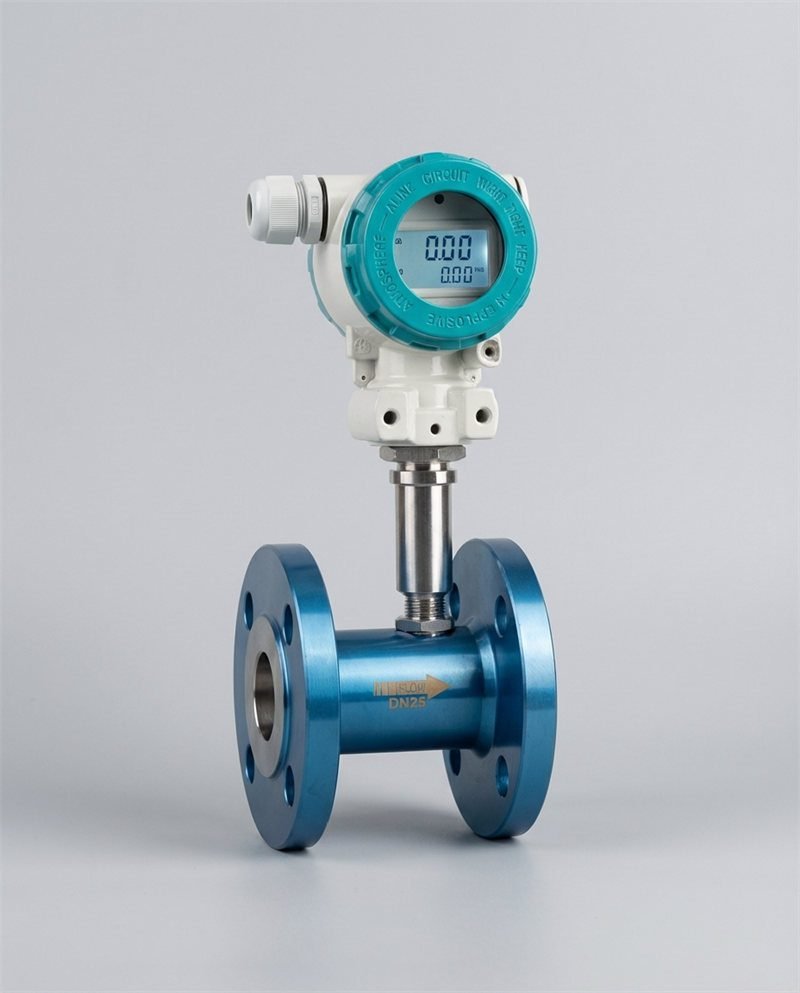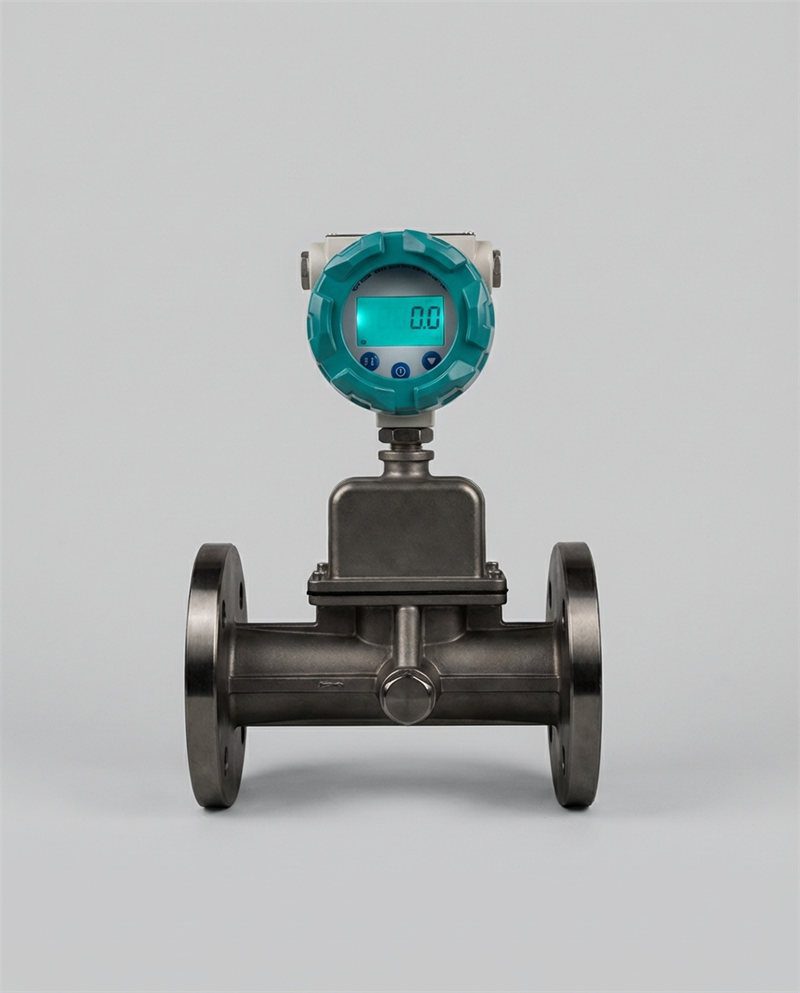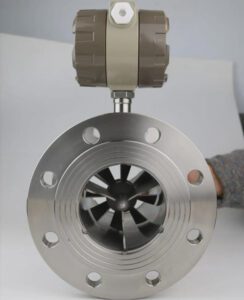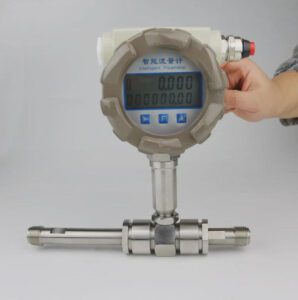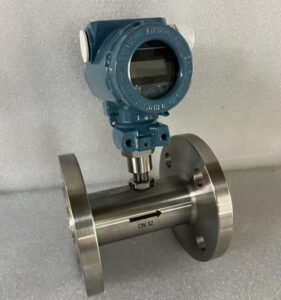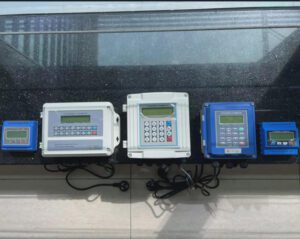
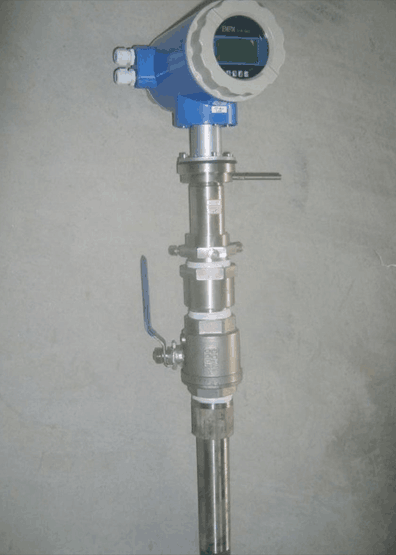
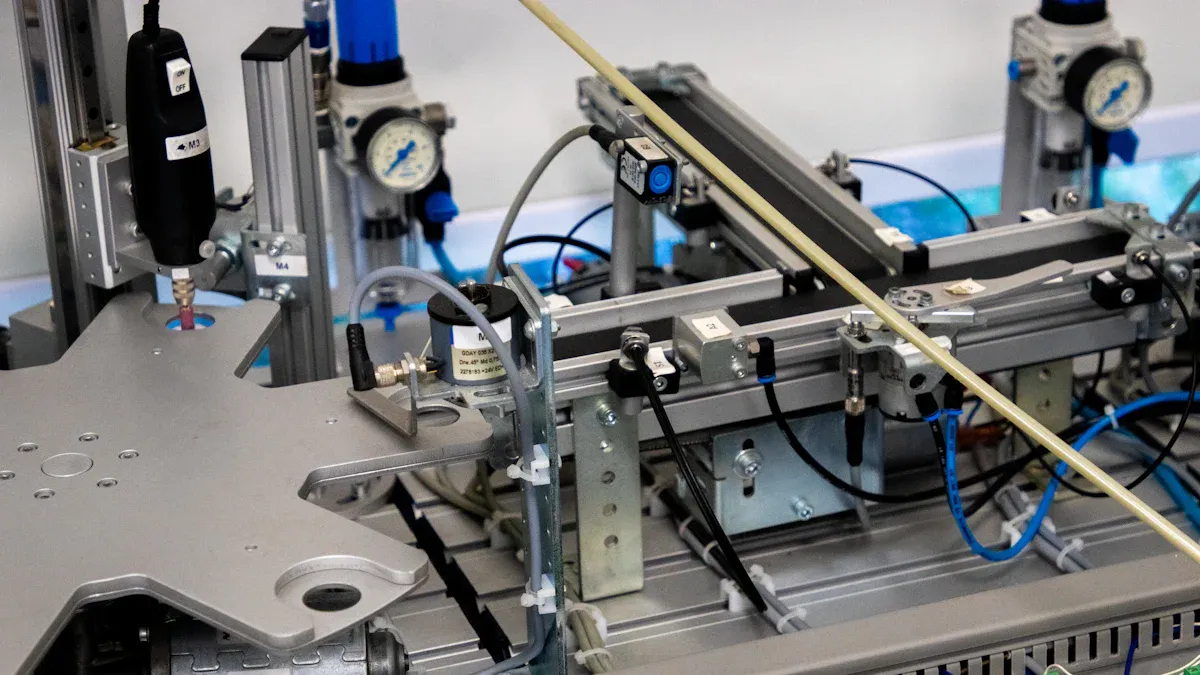
You need to choose an insertion flow sensor that matches your factory’s needs for 2026. The market keeps growing fast, which means you have more choices and new technology.
- The global insertion flow meter market will rise from $10.88 billion in 2025 to $11.84 billion in 2026.
- The compound annual growth rate stands at 8.8%.
Jade Ant Instruments helps you find a sensor that works for your process and keeps your factory ready for the future.
Key Takeaways
- Pick the best sensor material for your fluid. This helps lower maintenance costs and makes the sensor last longer.
- Make sure your sensor is accurate enough. This is very important for low flow rates. It helps you get good data.
- Think about how easy it is to install the sensor. Also, check how often you need to do maintenance. This can save you time and money at work.
- Look at the total cost of owning the sensor. Do not just look at the first price. This helps you get the most for your money.
- Find sensors that can connect with digital systems. This gets your factory ready for more automation and better efficiency.
Key Criteria for Choosing an Insertion Flow Sensor
Fluid Compatibility and Pipe Size
You must pick sensor material that matches the fluid. If you use the wrong material, it wears out fast. Repairs will happen more often. The right material lowers maintenance costs. It also helps the sensor last longer. Clean water needs less care than chemicals or slurries.
Pipe size is important too. Top sensors in 2026 fit many pipe sizes:
| Sensor Type | Pipe Size Range |
|---|---|
| GF Signet 515 Rotor-X | 10″ – 36″ (DN900) |
| Thermal Mass Flow Meter | ¼” – 36″ |
Accuracy and Performance
You want your sensor to give correct readings. Most sensors are accurate within ±0.2% of the span. At very low flow rates, errors can go up to ±20%. Check what your process needs. Choose a sensor that fits your accuracy goals.
Tip: Your measurement goal, like flow rate or total volume, changes which sensor you need.
Installation and Maintenance
Easy installation saves time and money. Proper setup gives better results. How often you need maintenance depends on the fluid:
| Type of Media | Recommended Maintenance Interval |
|---|---|
| Clean liquids | 12–24 months |
| High solids/viscosity media | 8–12 months |
| Gases/steam | 18–24 months |
Common problems are sediment and pipe vibrations. You can fix these by moving the sensor or cleaning the coupling agent.
Cost and Value
Think about price and long-term value. In 2026, industrial sensors cost $501 to $564.
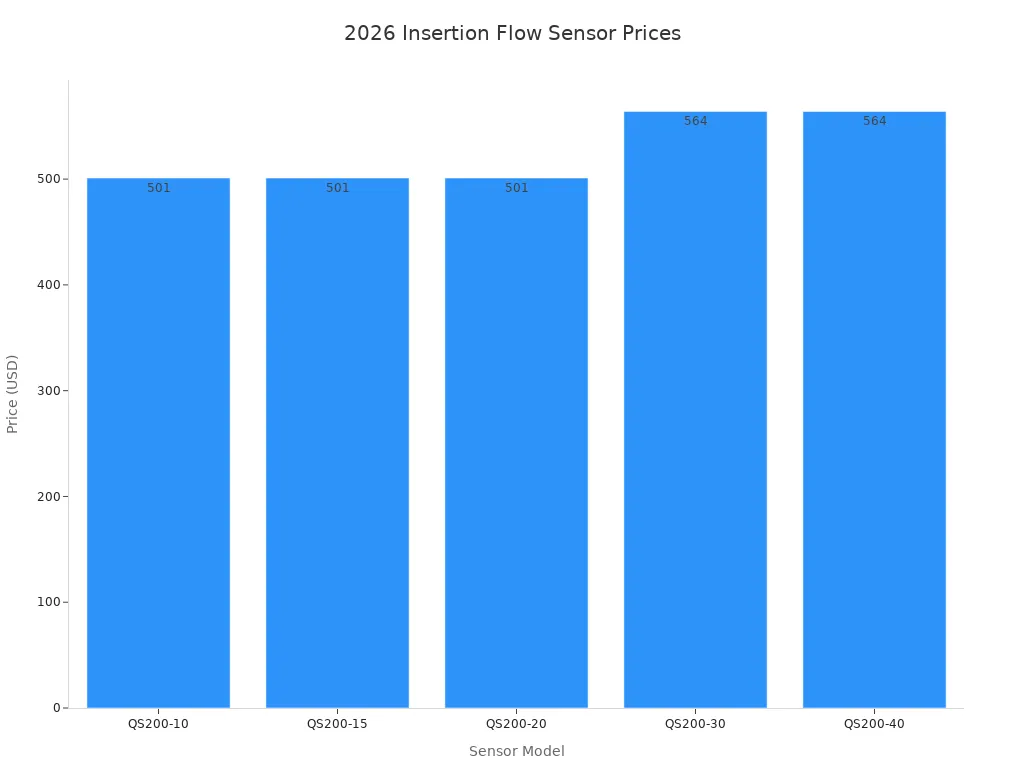
Some models, like ABB KPM KC7, have no moving parts. This means less wear and easier upgrades. Jade Ant Instruments says to look at total cost, not just the price.
Digital Integration and Future-Proofing
Modern sensors can connect to digital systems. This lets you link to many control systems and software. Features include two-way data and platform compatibility:
| Feature | Description |
|---|---|
| Bi-directional | Communication in both directions |
| Data Access | Exchange data with host systems |
| Compatibility | Works with many control platforms |
Sensors with IoT and smart features help you watch data live. They also help you get ready for future automation. Many industries, like oil & gas and food & beverage, use these sensors to stay ahead.
Top Insertion Flow Sensors in the 2026 Flow Meter Market
Proxitron Insertion Flow Sensors
Proxitron sensors are good for tough jobs. They handle high heat and dirty fluids. Steel plants and heavy industry use them. These sensors last a long time and give steady readings. They fit big pipes and do not rust easily. You can use them where other sensors break. If your factory is harsh, Proxitron is a smart choice.
Note: Proxitron sensors are simple to install and fix. You save time and keep your factory working.
Endress+Hauser and Yokogawa Rugged Sensors
Endress+Hauser and Yokogawa are top brands. Their sensors work well in rough places. They are strong and do not wear out fast. Endress+Hauser checks itself for problems. Yokogawa uses fast sampling for good data. Both brands fit different liners and electrode materials. You can pick the best sensor for your fluid.
| Feature | Endress+Hauser | Yokogawa |
|---|---|---|
| High-Quality Sensors | Lasts in tough conditions and gives steady results. | Uses fast sampling for accurate data. |
| Self-Diagnostic Function | Finds faults to keep measurements reliable. | Uses advanced signal processing. |
| Compatibility with Liners | Has many materials for different fluids. | Fits many liner and electrode materials. |
You can use these sensors in chemical plants and oil refineries. They work well with strong fluids. You get sensors that last and perform well.
Aister Instrument and SICIC Affordable Solutions
You want good sensors that do not cost too much. Aister Instrument and SICIC give you steady results at a fair price. Their designs make sensors more reliable. You can trust them for daily factory work.
- Aister Instrument gives stable quality and good prices.
- New designs make sensors work better.
- You get high performance without spending a lot.
Aister Instrument and SICIC are top Chinese brands for value. Their sensors are good for factories that need to save money.
Advanced Electromagnetic Flow Meter Options
New electromagnetic flow meters use better technology. Digital signal processing makes them more accurate. Non-intrusive sensors measure flow without stopping work. SCADA lets you watch and control data live.
| Advancement Type | Description |
|---|---|
| Digital Signal Processing | Makes measurements more accurate and processes data better. |
| Non-Intrusive Flow Sensors | Measures flow without stopping it, making work easier. |
| SCADA Integration | Lets you monitor and control flow data in real time. |
You can use these sensors in water treatment and food factories. They help you automate and get ready for upgrades.
Jade Ant Instruments Smart Solutions
Jade Ant Instruments leads with smart sensor solutions. Their sensors connect to digital systems easily. You get live monitoring and two-way communication. They fit many pipe sizes and work with different fluids. Jade Ant Instruments helps your factory get ready for the future. Their sensors are good for factories that want digital upgrades.
Tip: Jade Ant Instruments sensors let you track data live and change your process fast. You stay ready for new tech and changes.
You can pick from these brands and technologies for your factory. Each sensor has special strengths for different needs and budgets.
Comparative Analysis of Industrial Sensor Options
Performance and Accuracy Comparison
You need to know how each sensor works in your factory. Different sensors give different results. Electromagnetic sensors are very accurate for conductive liquids. Ultrasonic sensors are pretty accurate and work best with clean fluids. They also work with slightly dirty fluids. Vortex sensors can be accurate, but it depends on the conditions. They work well with gases and slurries. The table below shows the main differences:
| Feature | Electromagnetic | Ultrasonic | Vortex |
|---|---|---|---|
| Accuracy | High (conductive fluids) | Moderate | Moderate to high |
| Best for | Conductive liquids | Clean or slightly dirty fluids | Gases, slurries, wide range |
Jade Ant Instruments says you should pick a sensor that matches your process fluid. This helps you get the accuracy you want. It also keeps your data correct.
Cost and Maintenance Overview
You need to think about price and how much work it takes to keep your sensor working. Insertion ultrasonic flow meters, like the PWF-U2000MCI, must go inside the pipe. This makes them harder to install than clamp-on models. You need to check and calibrate these sensors often. This keeps them accurate and stops fouling.
Insertion electromagnetic flow meters cost less to maintain. They do not have moving parts, so they last longer. You can install them without stopping your pipeline. This saves time and labor costs. Inline electromagnetic models need more checks. You may have to shut down your line to install them.
Tip: Pick a sensor with a separated sensor-and-host design. This lets you install it quickly and keeps downtime low.
Integration and Scalability
You want your sensor to fit into your factory system easily. Sometimes, setting up sensors in big factories is hard. Problems can include flow profile distortion and sensitivity to fluid properties. Fouling can also happen and hurt accuracy. You need to check your sensor often to keep it working well. Installation can be tricky in some places.
| Challenge | Description |
|---|---|
| Flow profile distortion | Changes in expected flow pattern |
| Sensitivity to fluid properties | Performance changes with different fluids |
| Potential for fouling or wear | Build-up can affect accuracy |
| Need for periodic maintenance | Regular checks needed |
| Installation complexity | Hard to set up in some places |
Jade Ant Instruments helps you fix these problems with smart integration features. You can grow your system and keep your sensors working well in any factory.
Application Scenarios for Insertion Flow Sensors
Chemical Processing
Insertion flow sensors are used in chemical plants. They help measure flow in cooling water systems. They also check raw water and wastewater discharge. These sensors monitor process water in big pipes. The table shows common uses:
| Industry | Specific applications |
|---|---|
| Industrial processes | Factory cooling water, wastewater discharge, and process water flow in chemical plants. |
You need sensors that are accurate and last a long time. Jade Ant Instruments makes sensors for harsh chemicals. Their sensors help factories grow.
Water and Wastewater Treatment
Factories use insertion flow sensors in water treatment. These sensors measure flow well, even when it is fast. You can install them without cutting pipes. They work in many flow conditions. The table explains the benefits:
| Benefit | Description |
|---|---|
| Accurate measurements | Works well for big flows. |
| Simple installation | No need to cut pipes. |
| Versatile | Good for different flow types. |
Sensors must last a long time and help factories grow. They are important for water and wastewater jobs.
Food and Beverage Industry
Factories need sensors that meet strict rules. Think about these points:
- Sensors must work with clean liquids.
- They must measure flow and pipe size well.
- Sensors should be accurate and stable.
- They must handle different environments.
- Sensors must meet NSF, CE, or RoHS rules.
Jade Ant Instruments makes sensors that fit these needs. Their sensors keep your process safe and efficient.
Energy and Power Generation
Insertion flow sensors measure gas flow in power plants. They help check emissions and make processes better. You can put them in new or old systems. The table shows how they help:
| Evidence Description | Purpose |
|---|---|
| Sensors measure gas flow accurately. | Helps with efficiency and checking emissions. |
| Easy to install in old systems. | Keeps work going and follows rules. |
| Works in new or old equipment. | Makes systems better and more efficient. |
| Used in big factories like power plants and paper mills. | Shows sensors are reliable and work in many places. |
Sensors must be accurate and help factories grow. They are needed in energy and power jobs.
Other Industrial Sectors
Insertion flow sensors are used in oil and gas, water management, medicine, and food factories. These industries need good flow measurement. Jade Ant Instruments gives reliable sensors for all these jobs.
Expert Recommendations for Sensor Selection
Decision Tree for Industrial Applications
You can use a simple chart to pick the right sensor. First, think about what fluid you have. If you use clean water or mild chemicals, most sensors will work. For harsh chemicals or slurries, you need sensors made with strong materials. Next, look at your pipe size. Some sensors fit small pipes. Others are made for big pipes.
Ask yourself these questions:
What fluid do you measure?
- Clean water or mild chemicals: Most sensors will work.
- Harsh chemicals or slurries: Pick sensors with strong materials.
What is your pipe size?
- Small pipes: Choose compact sensors.
- Large pipes: Use sensors made for big pipes.
How accurate do you need your readings?
- High accuracy: Electromagnetic or ultrasonic sensors are best.
- Moderate accuracy: Vortex sensors can work.
Do you need digital integration?
- Yes: Pick sensors with IoT or SCADA features.
- No: Basic models are enough.
What is your budget?
- Low to medium: Look at brands like Aister Instrument or SICIC.
- High: Try advanced brands like Jade Ant Instruments or Proxitron.
Tip: Jade Ant Instruments has sensors for many pipe sizes. They connect to digital systems. You can upgrade your factory easily.
Common Pitfalls to Avoid
Factories sometimes make mistakes when picking sensors. You can avoid these problems by following expert advice:
- If you install the sensor wrong, you get bad readings. Always check the manual for setup.
- Mechanical stress or vibration can break the sensor. Use supports to keep it safe.
- Using the wrong sensor for your fluid causes issues. Make sure the sensor matches your fluid type.
- If your flow rate is too high or too low, you get errors. Pick a sensor that fits your process range.
- Signal cables near high-voltage lines cause electrical noise. Use shielded cables and keep them away from power sources.
- Setting the wrong output gives false data. Check your settings during installation.
- Extreme temperatures can break the sensor. Choose one with temperature compensation if needed.
- Moisture can get inside and damage the sensor. Pick models with good ingress protection.
- Skipping calibration makes your data less reliable. Set a schedule for calibration.
- Build-up or fouling can block the sensor. Install filters and clean the sensor often.
Note: You can avoid most problems by reading the manual, checking your setup, and keeping a maintenance plan.
Future Trends in Flow Meter Market
You will see many changes in the flow meter market after 2026. Factories want more automation and digital solutions. Sensors now use IoT and AI to give better data and control. Wireless communication makes it easier to install and monitor sensors. Many companies want smaller and cheaper sensors.
Sustainability and rules matter more each year. You need sensors that help save energy and meet new standards. Cities and new factories need smart sensors. Jade Ant Instruments leads by offering sensors with digital features and strong support for upgrades.
- IoT and AI make sensors smarter and more useful.
- Automation helps you run your factory with less effort.
- Wireless technology makes setup and monitoring simple.
- Compact sensors save space and money.
- New rules push for greener and safer factories.
Callout: Stay ahead by picking sensors that support digital upgrades and future trends. Jade Ant Instruments can help you get ready for new industrial growth.
You should pick a sensor that fits your factory’s needs. Think about what your factory will need in the future. Jade Ant Instruments helps you get ready for new technology and changes in the industry. Use tips and advice from this guide to help you choose. Look at the table below to see what matters most when picking sensors in 2026:
| Key Market Dynamics | Description |
|---|---|
| Growing Industrial Automation | Automation means factories need better sensors. |
| Precise Measurement | Accurate readings help factories work well and follow rules. |
| Smart Technologies | Factories want sensors that connect to digital systems. |
| Emission Regulations | Rules make factories use sensors that measure better. |
| Energy Efficiency | Saving energy affects which sensors factories pick. |
You can ask sensor companies for help or try out different sensors to find what works best for your factory.
FAQ
What is an insertion flow sensor?
You use an insertion flow sensor to measure the flow inside a pipe. You insert the sensor through a small hole. This tool helps you check flow without removing the pipe. Many factories use these sensors to keep their systems running smoothly.
How do I choose the right sensor for my factory?
You should look at your fluid type, pipe size, and accuracy needs. Check if you want digital features. Compare prices and brands. Jade Ant Instruments offers sensors that fit many needs in the flow meter market.
Why is digital integration important for flow sensors?
Digital integration lets you connect sensors to control systems. You can watch data live and make quick changes. This helps you keep your factory safe and efficient. Many companies in the flow sensor market want these features.
How often should I maintain my insertion flow sensor?
You should check your sensor every 12 to 24 months for clean liquids. For dirty or thick fluids, check more often. Regular maintenance keeps your sensor working well and helps you avoid problems.
Who are the best electromagnetic flow meter manufacturers?
You can find top brands in the flow meter market. Jade Ant Instruments stands out for smart features and support. Other strong brands include Endress+Hauser and Proxitron.