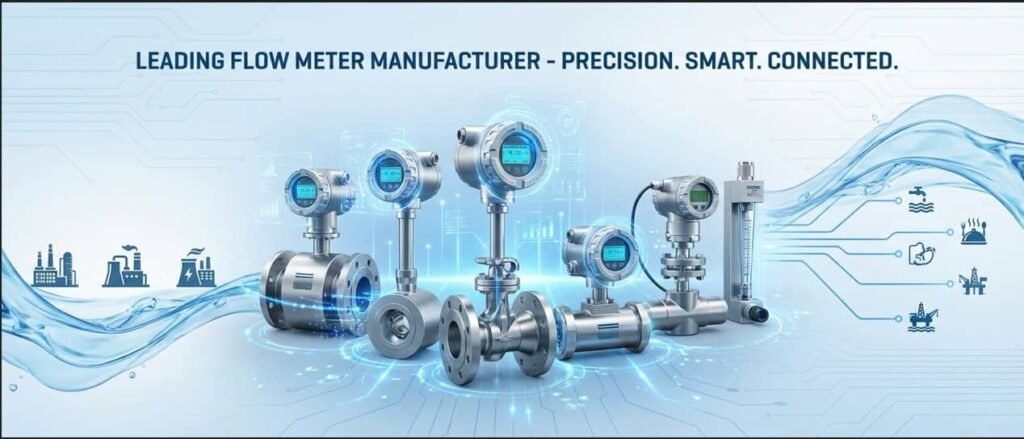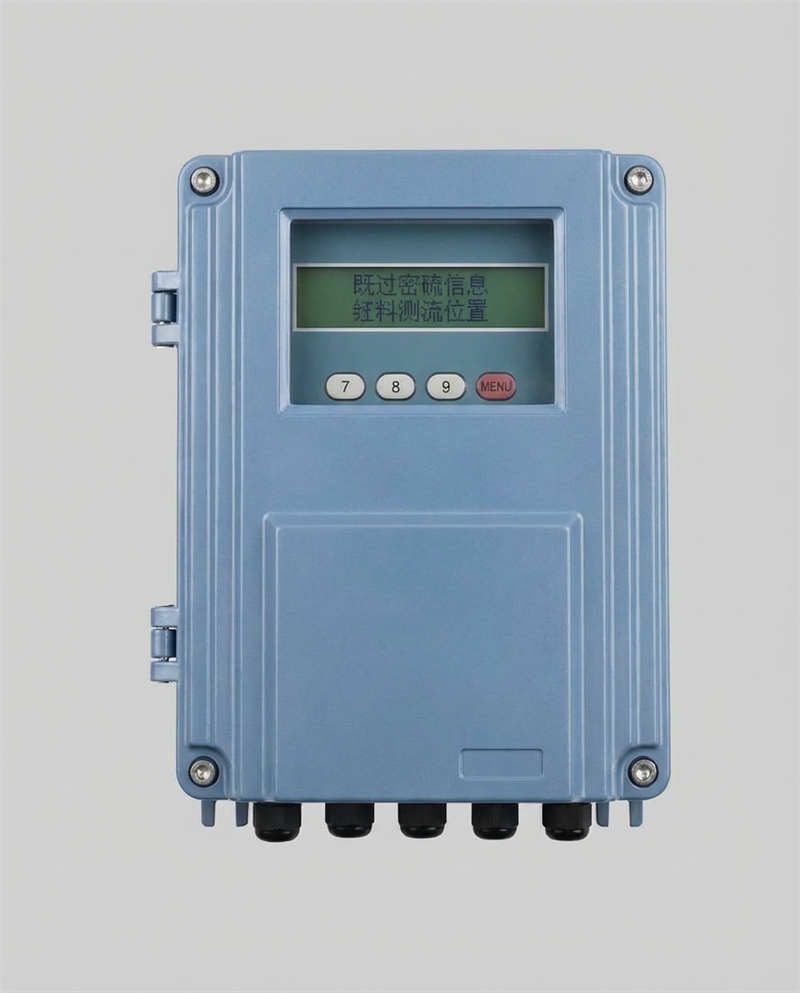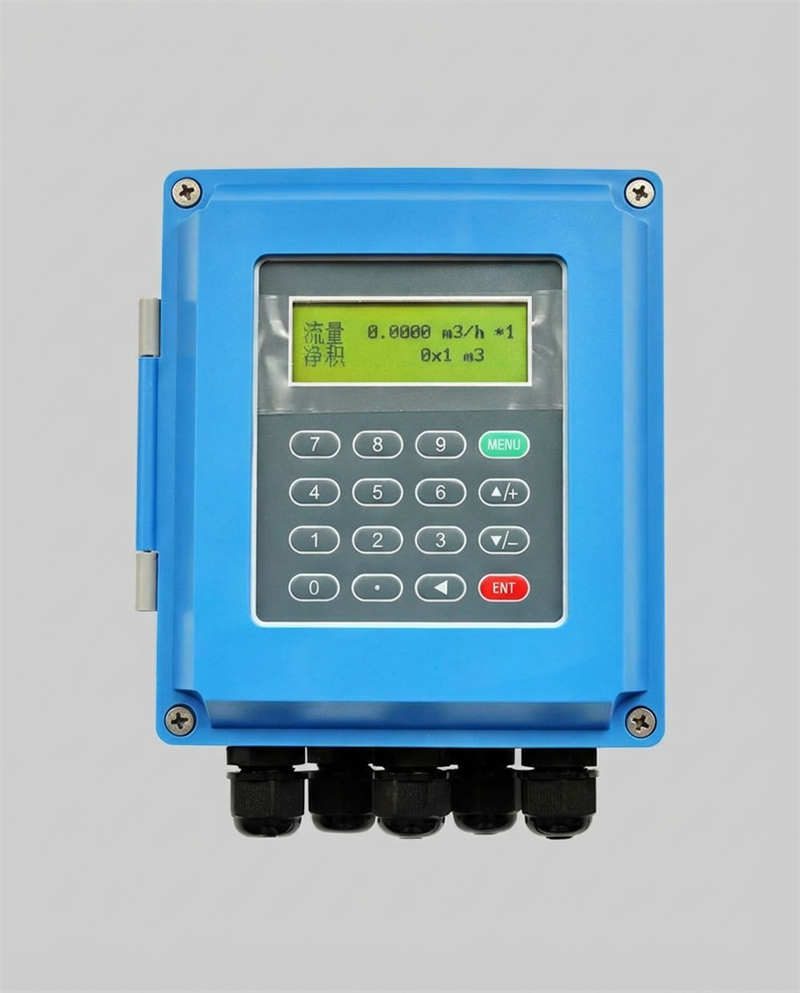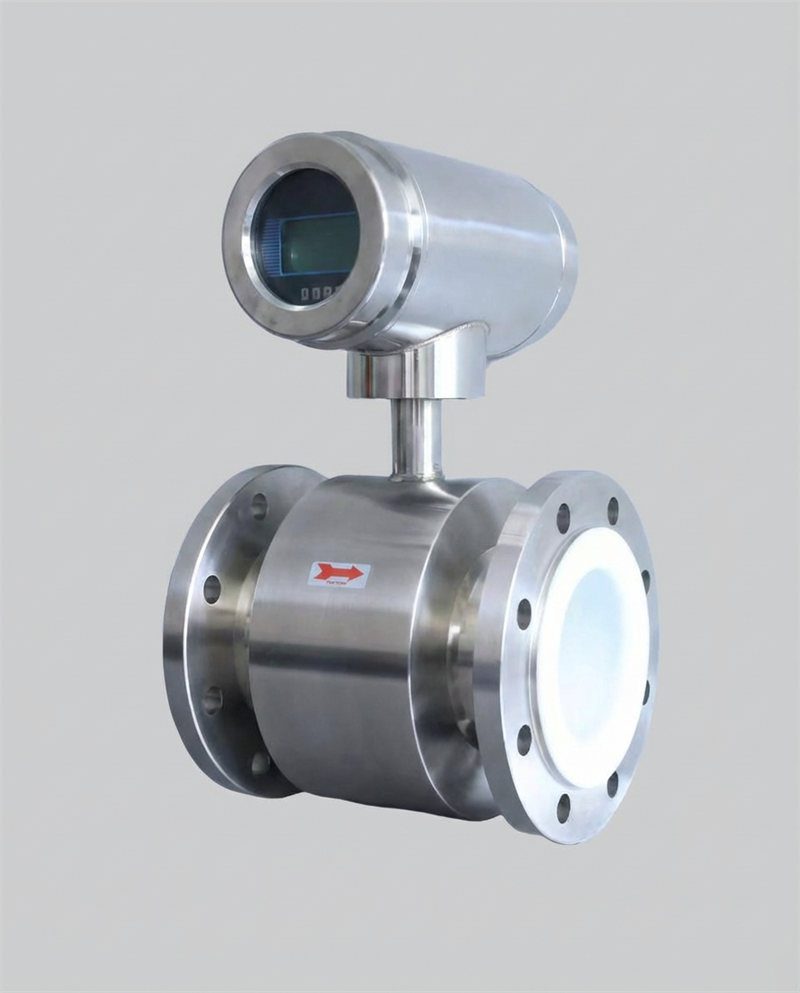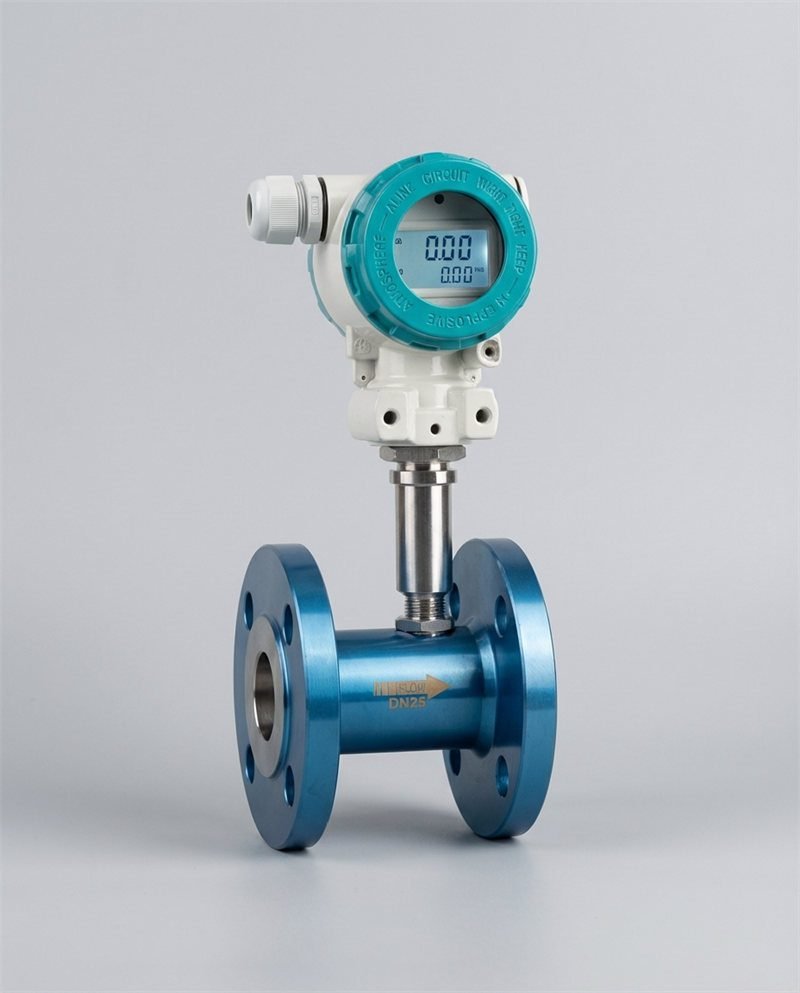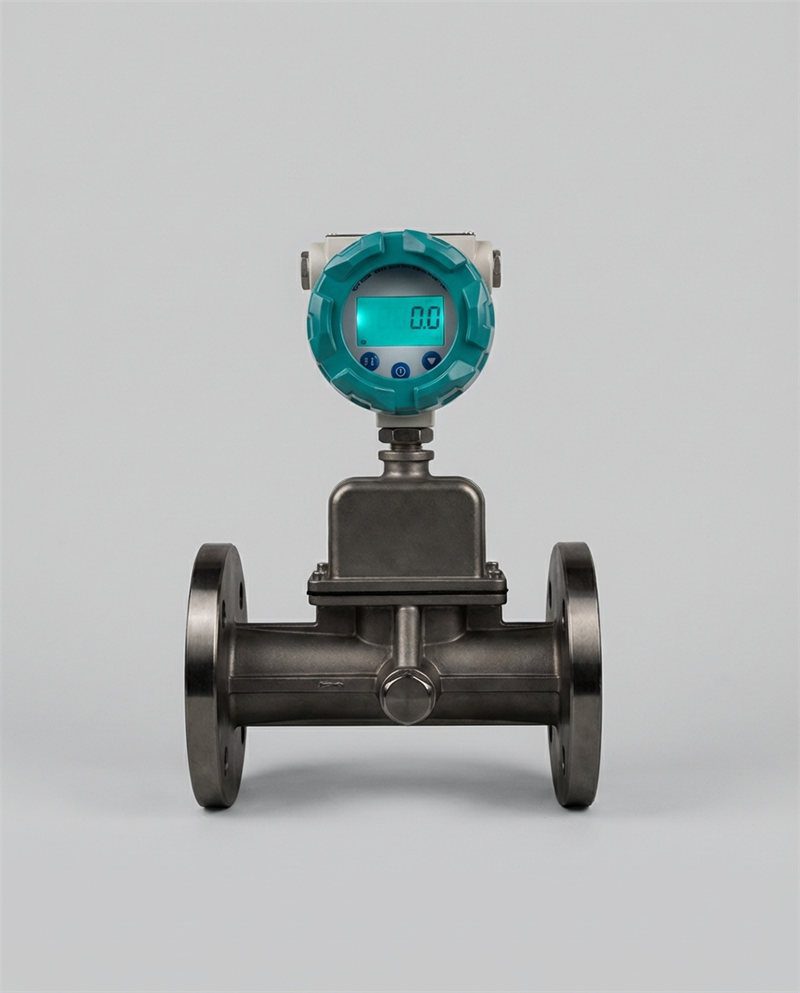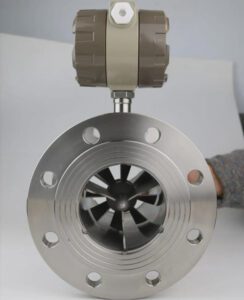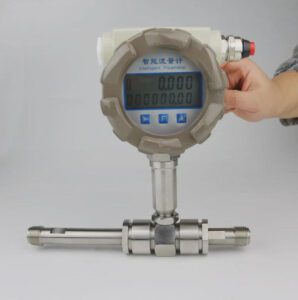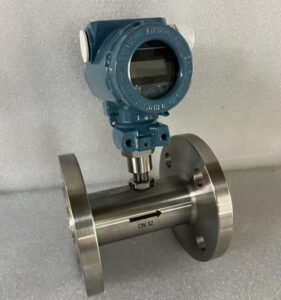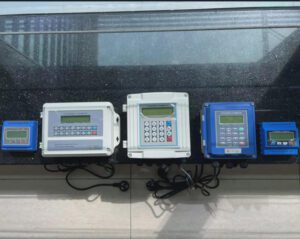
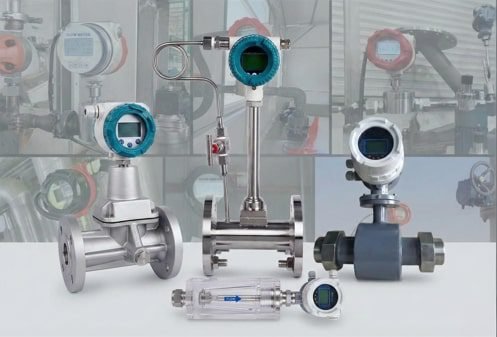
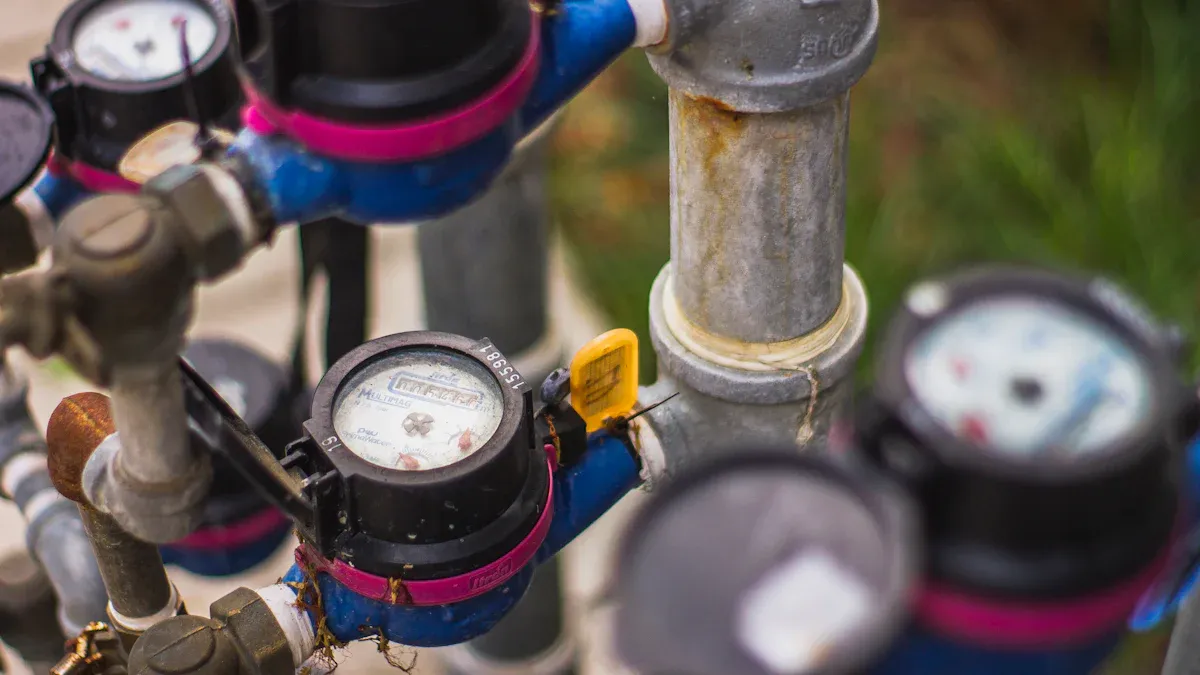
Picking the right flow meter supplier helps you feel sure about your measurements. You should think about what your process needs. You also need to look at technical details. It is important to check the supplier and how they work. You must think about how to install the flow meter. You need to make a good final choice. Good flow measurement is needed for billing and control. You have to match the flow meter to your media and flow. You should check if it fits your technical needs. You also need to see if the supplier is trustworthy. Jade Ant Instruments helps you keep every measurement correct.
- Application needs
- Technical requirements
- Supplier evaluation
- Installation and support
- Final decision
Key Takeaways
- Find out what kind of fluid you want to measure. Pick a flow meter that works with your fluid for good results.
- Think about how fast the fluid moves and the process needs. Choose a meter that can handle the speed, heat, and pressure you need.
- Look at how much experience the supplier has and if people trust them. A good supplier gives you products you can count on and helps you when needed.
- See what you need to set up the flow meter. Make sure you have enough room and the right setup for it to work well.
- Check if the supplier will help you for a long time. A good supplier helps with fixing, spare parts, and upgrades so your flow meter keeps working.
Understanding Your Application
Media Type and Properties
First, figure out what you want to measure. Flow meters can measure liquids, gases, vapors, or slurries. A slurry is a mix of water and solid bits. Slurries are used in oil, mining, water treatment, and food factories. Each type of media acts in its own way. Some fluids are thick, and some can eat away at things. If you use strong chemicals, pick flow meters made from PTFE or Hastelloy. Thick fluids need positive displacement or Coriolis flow meters. Always choose a flow meter that matches your media. This helps you get good readings and keeps the meter working for a long time.
Flow Rate and Process Conditions
You need to know how fast your fluid moves. Flow rate means how much fluid goes through a pipe in a certain time. Measuring flow rate right is important for control and billing. Different flow meters work with different flow speeds. Some are good for slow flows, and some for fast ones. You also need to think about temperature and pressure. High heat can break seals. High pressure needs strong meter bodies. The table below shows how these things change which meter you pick:
| Condition | Effect | Flow Meter Type |
|---|---|---|
| Temperature >200°C | Seal damage | Nozzle meters, DP meters |
| Pressure >100 bar | Needs strong body | Welded target meters |
Installation Environment
Check where you will put the flow meter. Look at the temperature and how wet it is. Lots of moisture can rust parts or break electronics. If there are strong chemicals, use a flow meter with a tough case. New magnetic flow meters have hard covers for rough places. In wet areas, water can cause rust or short circuits. You might need fans or machines to keep things dry. Jade Ant Instruments has products for hard places. They help you keep your flow readings correct.
Choosing a Flow Meter: Technical Factors
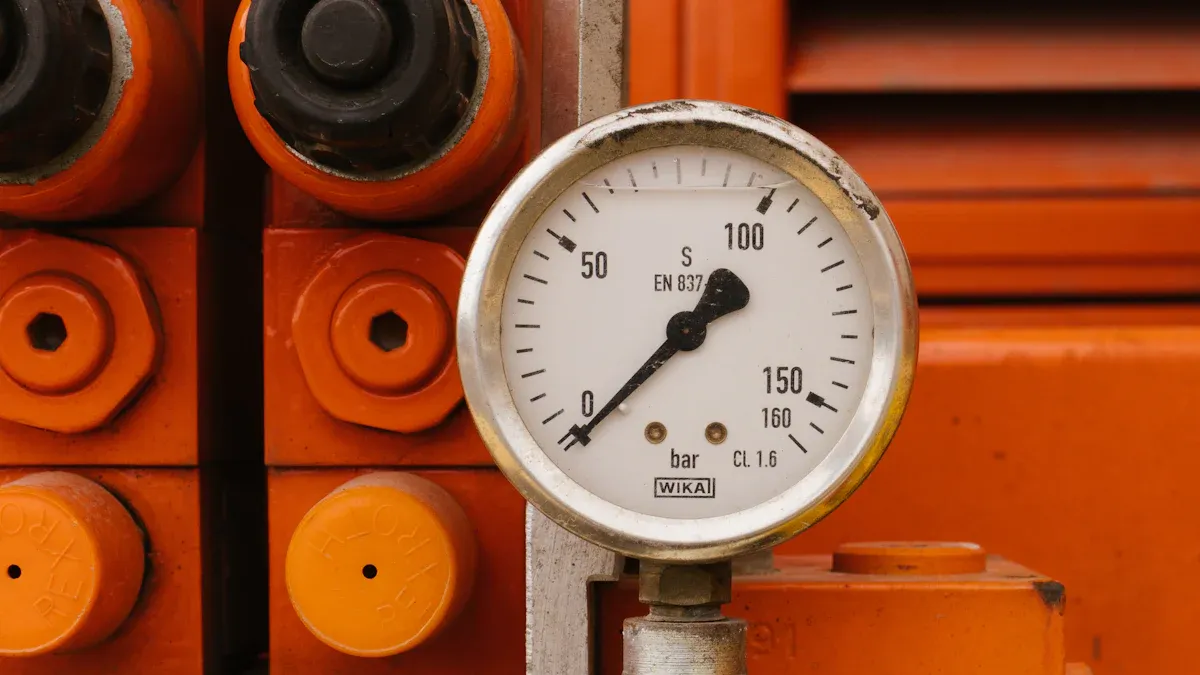
Accuracy and Range
When you pick a flow meter, check accuracy and range first. Accuracy is very important for every job. Some jobs need very exact measurements. Energy, food, and medicine need tight accuracy. The table below shows which accuracy class fits each job:
| Accuracy Class | Accuracy Range | Suitable Applications |
|---|---|---|
| Class I | ±0.5%, ±1% | Trade measurement in energy sectors, pharmaceuticals, food processing |
| Class II | ±1.0%, ±2% | Chemical processing, power generation, wastewater treatment |
| Class III | ±1.5%, ±3% | Water supply systems, general industrial applications |
| Class IV | ±2.5%, ±5% | Non-critical applications like irrigation or firefighting |
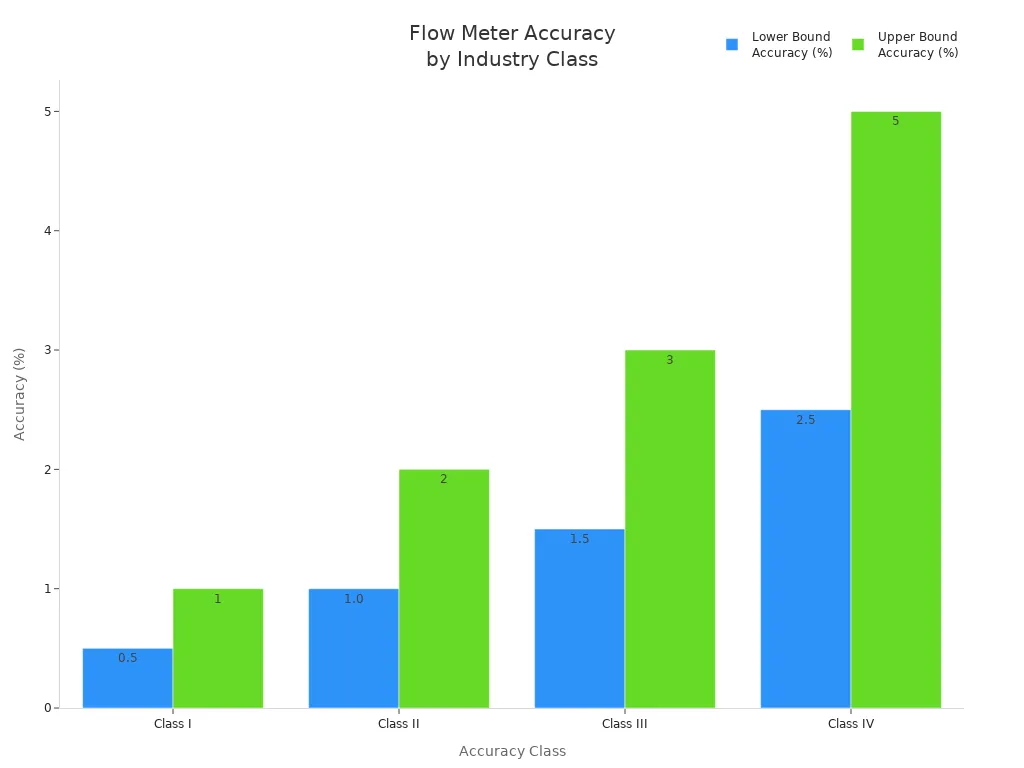
Pick the accuracy class that matches your work. If you need high precision, you need better calibration. Advanced flow meters help with this. If you do not need high precision, you can use a simple meter. Always check if the supplier can help with calibration.
Tip: If your measurement is wrong, you can lose product or dose things wrong.
Output and Data Integration
Modern flow meters must connect to your control system. You need to check what output signals they give. The table below lists the most common types:
| Output Signal Type | Description | Common Applications |
|---|---|---|
| 4–20 mA | Current loop for analog signals | Process control systems |
| Voltage outputs | 0–5 V and 0–10 V | Various industrial applications |
| HART | Digital communication over analog | Smart field devices |
| MODBUS | Serial communication protocol | Industrial automation |
| RS232 | Standard serial communication | Short-distance data transfer |
| RS485 | Multi-point serial communication | Long-distance communication |
Pick a meter that works with your system’s signals. Many suppliers offer 4–20 mA, HART, MODBUS, RS232, and RS485. These choices help you connect your meter to almost any system. Some meters also have Ethernet or IoT for remote checks.
Certification and Compliance
You must check certification and compliance before you buy. This is very important for food, water, and medicine jobs. The table below shows some key certifications:
| Certification | Industry Relevance |
|---|---|
| UL Certification | Mandatory for food & beverage and pharmaceutical industries for electrical safety. |
| NSF/ANSI 61 | Relevant for ensuring wetted materials are safe for drinking water applications. |
You may need to meet local or regional rules. For example, MID is needed in Europe. NSF/ANSI is needed in North America. Jade Ant Instruments can help you find meters with the right certification.
Note: Always ask for calibration records and certificates. This helps make sure your meter follows all rules.
Evaluating a Flow Meter Supplier

Experience and Reputation
You want a flow meter supplier who has done this work for a long time. If they have lots of experience, they can handle many jobs. A good reputation means people trust their products and service. You should check some important things when you compare suppliers. The table below shows what you should look for:
| Criteria | Description |
|---|---|
| Manufacturing Capabilities | Check if the supplier can make flow meters that meet industry standards. |
| Quality Verification | Ask for certifications and test reports to confirm product reliability and accuracy. |
| Technical Support | See how fast and helpful the supplier is when you need technical help. |
| Operational Performance | Review the supplier’s history in delivering flow meters for your type of application. |
| Supply Chain Resilience | Make sure the supplier delivers on time to avoid project delays. |
You should also notice how the supplier treats customers. Good service agreements help you avoid problems. Clear talking and understanding different cultures make teamwork easier.
Reading customer reviews and stories can show if a supplier is reliable. For example, people like Badger Meter for being accurate and tough in factories. Tokyo Keiso gets good reviews for helping customers do better and measure right. Schneider is known for good performance and caring about the environment. Azbil Corporation is praised for accuracy and strong customer support. Rheonik is trusted for being exact and giving technical help. Jade Ant Instruments is also known for reliable flow meters and great support in many fields.
Product Upgrades and Longevity
You need a supplier who keeps up with new technology. Suppliers who upgrade their products help you get the newest features. This means your flow meter works better and does more. You should ask if the supplier updates their flow meters for new needs. A supplier who improves products often cares about quality.
It is important that your flow meter lasts a long time. You want a supplier who supports their products for many years. Look for suppliers who give spare parts and service for old models. This helps you save money and not buy new meters too soon. Jade Ant Instruments, for example, gives upgrades and long support for their flow meters. This helps you feel safe and plan ahead.
Support and Consultation
Good support is very important when you pick a flow meter supplier. You need help before, during, and after you install your meter. The best suppliers offer many kinds of support. The table below shows what you should get:
| Service Type | Description |
|---|---|
| On-Site Service Support | Experts visit your site to review your flow application, help with setup, repairs, and training. |
| Factory Services | The supplier can clean, check, and repair your flow meter at their facility. |
| Meter Support – Recalibration | Regular calibration keeps your flow meter accurate and compliant. |
| Extended Warranties | Some suppliers offer longer warranties for extra protection. |
Some suppliers, like Sierra Instruments, give free technical help by phone and email for life. Many top suppliers also have live support all the time. Jade Ant Instruments gives strong technical help and answers questions fast.
You should also find suppliers who give advice just for you. Suppliers who know a lot about your industry can suggest the best flow meter. If they have many products, they know about many flow problems. Ongoing support helps your flow system work well.
Tip: Always talk to your flow meter supplier about your process. Good advice helps you pick the right meter and not make mistakes.
- Pick a supplier with lots of experience and a good name.
- Make sure they give upgrades and support for a long time.
- Look for strong technical help and advice made for you.
Installation, Maintenance, and Costs
Installation Requirements
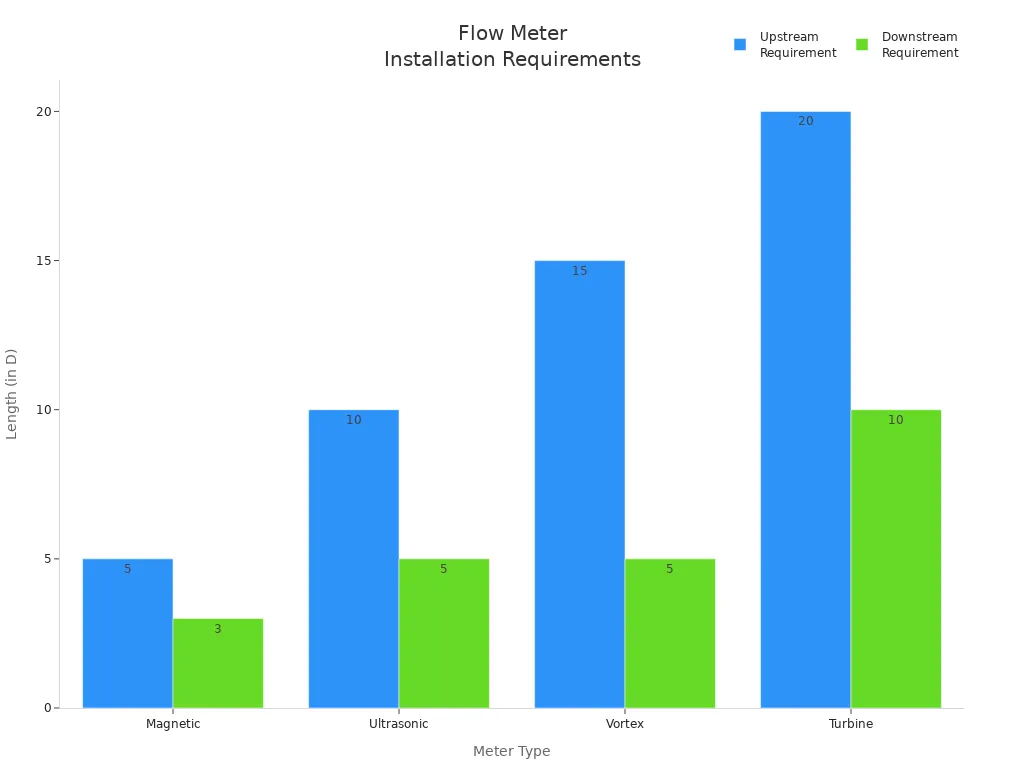
You must think about where to put your flow meter. Each flow meter needs a certain pipe length before and after it. These pipe lengths help the meter measure correctly. If the pipes are too short, the readings may be wrong. The table below shows how much pipe each meter type needs:
| Meter Type | Upstream | Downstream |
|---|---|---|
| Magnetic | 5D | 3D |
| Ultrasonic | 10D | 5D |
| Vortex | 15D | 5D |
| Turbine | 20D | 10D |
Some flow meters are hard to install. You might need special tools or more workers. Simple meters, like turbine meters, are easier and cheaper to put in. Jade Ant Instruments can help you pick the best meter for your place. They also help you install it the right way.
Tip: Always read the instructions from the maker. This helps you put the meter in the right spot and get good results.
Maintenance and Spare Parts
Taking care of your flow meter helps it work well. You should check, clean, and test your meter often. The table below shows how often to do each job:
| Task | Frequency | Purpose |
|---|---|---|
| Visual Inspection | Monthly | Detect issues early |
| Cleaning | Quarterly | Prevent buildup |
| Calibration Check | Annually | Ensure accuracy |
| Parts Inspection | Semi-annually | Prevent failures |
Clean your flow meter every year to stop dirt from building up. This is extra important in tough places. You need to get spare parts quickly. If you cannot find parts fast, your system might stop. This can cause delays and lose money. A good supplier keeps spare parts ready for you. Jade Ant Instruments gives quick help and has spare parts for all their meters.
- Having spare parts means less waiting.
- Waiting for parts can stop your work.
- Good suppliers keep enough parts for repairs.
Warranty and Service
Warranty and service plans protect your money. Top suppliers give different warranty times. The table below shows some examples:
| Supplier | Warranty Period |
|---|---|
| Macnaught | 5 years (standard), 10 years (mechanical components), 2 years (Flow Measurement products), 12 months (wear components), 2 years (electronic components) |
| Universal | 1 year from the date of manufacture |
| FLO-CORP | 5 years from the shipping date |
Extra service plans give you regular checks and real spare parts. These plans help your meter last longer and work better. Jade Ant Instruments offers strong warranties and service plans. This keeps your meter working well for a long time.
Note: Ask your supplier about service plans. Long-term help stops surprise problems and keeps your meter measuring right.
Making the Final Choice
Comparing Quotes and Value
When you look at quotes, do not just check the price. Each quote might have different features or services. Make sure the flow meter fits your needs and works with your system. Here are some things to think about:
- Measurement range and turndown rates
- Compliance with standards like NSF-61 or ISO 9001
- Proper location and installation requirements
- How the meter handles flow disturbances and piping conditions
- Reporting and data recording needs
- Access to technical partners for expert advice
Extra services can help a lot. Training helps you learn how to use your flow meter. Remote monitoring lets you check your meter from far away. These services are good if you do not have many technical skills or work in hard places. They help your system work well every day. Jade Ant Instruments gives these services to help you get the best results.
Tip: Always ask what comes with the quote. Some suppliers give extra help or training. This can save you time and money.
References and Long-Term Partnership
Customer references show if a supplier is honest and reliable. When you read about other customers, you see if the supplier gives good flow solutions. References also show if the supplier brings new ideas and solves problems.
- Customer references help you trust the supplier.
- Good references show strong partnerships and reliable flow products.
- New solutions often get praise in customer stories.
Think about working with your supplier for a long time. A good relationship helps your flow system stay strong. The best suppliers give great service after you buy. If your supplier acts as a technical partner, you get better help and they understand your needs. Jade Ant Instruments works on long-term support and partnership. They help you do well with every flow project.
You can pick a good flow meter supplier by using easy steps. First, think about what kind of fluid you have. Check how the fluid moves in your system. Next, see if the meter works with your flow rate. Make sure it can handle the temperature and pressure. The meter should give results that are correct every time. Always follow the rules for installing the meter. Choose the output that matches your data needs. Jade Ant Instruments helps you at every step. They support your flow measurement goals.
- Fluid type and viscosity
- Flow rate and operational ratings
- Accuracy and repeatability
- Installation parameters
- Output options
Use this checklist to help you choose well. You will feel sure about your flow measurements and working with your supplier.
FAQ
How do you know which flow meter fits your application?
First, check what kind of fluid you have. Next, look at how fast it moves. Make sure you have enough space to install the meter. Jade Ant Instruments can help you pick the right meter. You can ask them for advice and get a special suggestion.
What certifications should you look for in a flow meter?
Look for certifications like NSF/ANSI 61 or UL. These show the meter is safe and good quality. Jade Ant Instruments has meters with the right certifications for your job.
How often should you calibrate your flow meter?
You should calibrate your flow meter every year. Some jobs need checks more often. Jade Ant Instruments can help you keep your meter working right.
What support does Jade Ant Instruments offer after purchase?
Jade Ant Instruments gives you help after you buy. They offer technical support, spare parts, and training. You can get help with setup, fixing problems, and upgrades. Their team answers fast and helps keep your system working.